Seoul naengmyeon guide 2026: Best cold noodles and noodleflation
Beat the 2026 noodleflation where average bowls hit 12,538 won. Discover the ultimate guide to Seoul cold noodles from Pyongyang beef broth to Hamheung style.
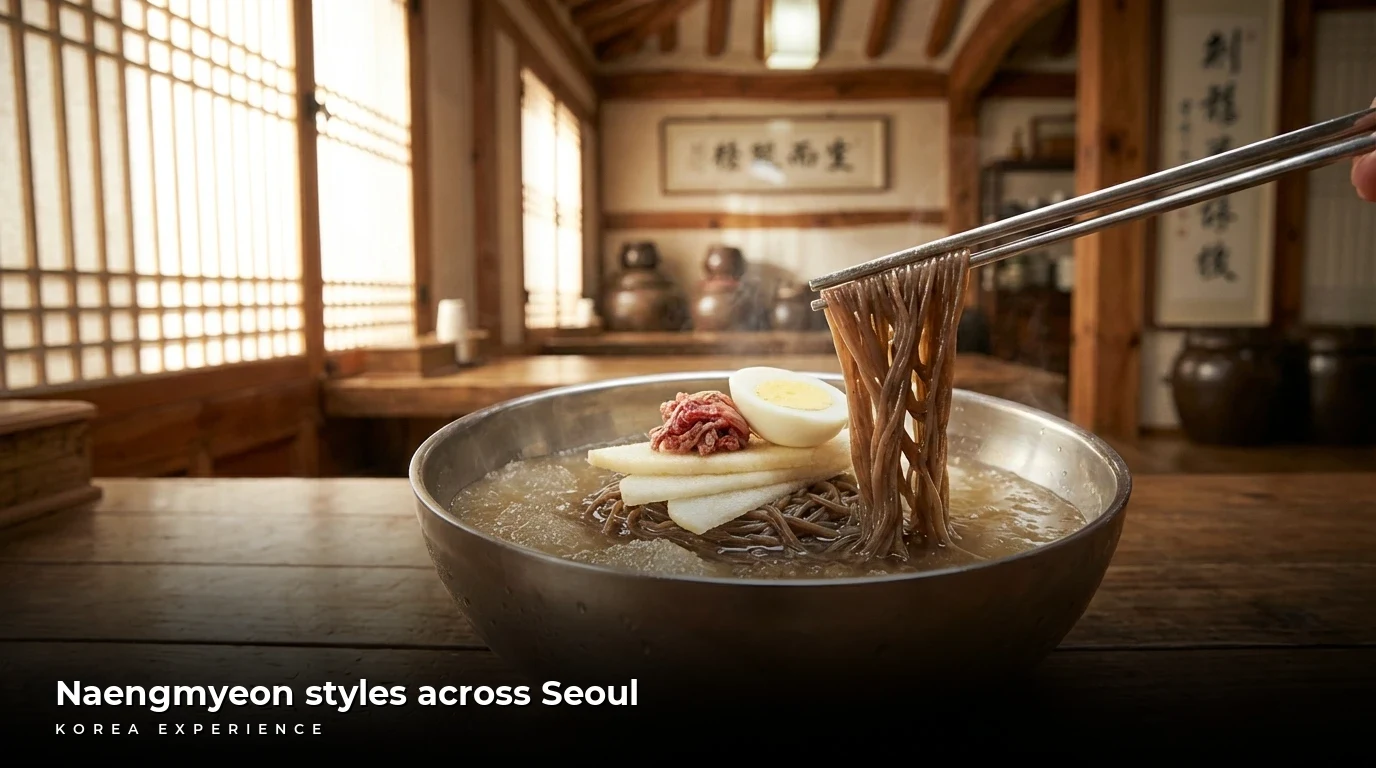
So you have just landed in Seoul, the summer humidity is thick enough to slice with a butter knife, and you are sweating through your shirt. You know you need a bowl of naengmyeon—Korea's famous cold noodles—but you are staring at a menu that looks like a high-stakes exam. Which one do you actually order? And why is a bowl of noodles suddenly costing as much as a nice steak dinner? Do not worry, we have got you covered.
Here is your ultimate, no-nonsense guide to navigating Korea's legendary cold noodle scene, beating the crazy 2026 noodleflation prices, and securing a table without a local phone number.
Key Takeaways
- 1You need to choose your fighter between Pyongyang style for delicate beef broths and Hamheung style for chewy spicy noodles.
- 2The 2026 noodleflation crisis is real with the average bowl in Seoul sitting around 12,538 won and premium spots hitting 19,000 won.
- 3Downloading the CatchTable Global app is practically the only way to get a table at famous noodle joints without a Korean phone number.
📋 Quick Facts
Early 2026 data
Use apps to wait remotely
Since 2015
The Answer First: Choosing Your Fighter in the Seoul Heat
Naengmyeon in Seoul basically comes down to a rivalry between two distinct styles, and you have to choose your fighter. If you are someone who loves delicate, complex, savory broths, you want Pyongyang naengmyeon. These are made from buckwheat, which gives the noodles a grey, earthy color and a brittle texture that easily snaps when you bite it. It is served in an icy, clear broth made from beef bones and radish water kimchi.
On the flip side, if you are a spice addict who loves crazy textures, you want Hamheung naengmyeon. These noodles are made from potato or sweet potato starch, making them ridiculously chewy and elastic. They are usually served without soup, heavily tossed in a fiery, sweet-and-spicy red pepper sauce and topped with slices of raw fish or beef.
But here is the catch that nobody tells you about until you get the bill: welcome to the era of noodleflation. If you are visiting Seoul in 2026, you are going to experience serious sticker shock. What used to be a cheap, working-class bowl of noodles has skyrocketed in price. As of early 2026, the average price of a bowl of naengmyeon across Seoul has hit 12,538 won. But if you want to eat at the famous, Michelin-recognized spots, you are looking at dropping anywhere from 16,000 to 19,000 won per bowl.
That is a massive 51 percent price jump over the last ten years. It is enough to make locals wince, but trust me, experiencing an authentic, icy bowl of cold noodles during a Seoul heatwave is a culinary rite of passage you cannot skip. You just need to know exactly where to go, what to order, and how to snag a table without pulling your hair out.
Pros
- ✓Tasting decades of refinement in complex savory beef broths
- ✓Cooling your core body temperature instantly during a 95% humidity heatwave
- ✓Experiencing living history in dining rooms that have existed since the 1940s
Cons
- ✗Paying luxury prices of up to 19,000 won for a historically cheap working-class meal
- ✗Adjusting your palate to the initially mild flavors of authentic Pyongyang style
- ✗Enduring legendary summer lines that exceed an hour without remote waitlist apps
The Background Story: A Tale of Two Cities and One Brutal War
To really understand what you are eating, you have to realize that naengmyeon is not just a bowl of soup; it is a bowl of living history. How did this dish, which is synonymous with surviving the sweltering South Korean summer, actually originate as a winter food in North Korea?
Let us rewind the clock. Before refrigeration was invented, the only way to get the icy radish water kimchi broth that forms the base of Pyongyang naengmyeon was to bury massive clay pots deep in the freezing winter snow. People in the northern capital of Pyongyang would sit in their heated rooms in the dead of winter, slurping freezing cold buckwheat noodles. Why buckwheat? Because Pyongyang is surrounded by rugged, mountainous terrain where standard wheat would not grow, but hardy, bitter buckwheat thrived.
Meanwhile, over on the northeastern coast of the peninsula in the city of Hamheung, the climate and geography were totally different. Hamheung was rich in potatoes and sweet potatoes, and because it was a coastal city, they had abundant access to fresh seafood. So, their version of the dish evolved using potato starch for the noodles, giving them that legendary rubber-band chewiness, and topping them with raw skate fish caught off the coast.
So how did these two strictly North Korean regional specialties conquer the streets of modern Seoul? War. During the brutal Korean War in the early 1950s, millions of refugees fled south from Pyongyang and Hamheung to escape the fighting. When they settled in Seoul, they missed the taste of home. In 1953, a group of refugees opened Ojangdong Heungnamjip in central Seoul, recreating the fiery, chewy Hamheung noodles they grew up with. Even earlier, in 1946, a man named Jang Won-il opened Woo Lae Oak, which poetically translates to House of Return, to serve the delicate Pyongyang style.
Over the decades, these modest refugee noodle shops transformed into massive, multi-story culinary empires. In 2018, Pyongyang naengmyeon hit the global stratosphere when it was served at the historic Inter-Korean summit, causing lines outside Seoul noodle shops to stretch for literal blocks. Today, when you sit down at these restaurants, you are eating a recipe born of displacement, perfected by generations of grandmothers, and fiercely debated by foodies across the nation.
Woo Lae Oak Opens
A North Korean refugee opens what will become Seoul's most iconic Pyongyang naengmyeon restaurant, setting the gold standard for cold beef broth.
Ojangdong Heungnamjip Opens
Following the Korean War, refugees establish this legendary Hamheung-style spot in Seoul, making it famous for its spicy raw skate noodles.
Inter-Korean Summit Craze
Pyongyang naengmyeon goes globally viral and sees massive domestic lines after it is specially served at the diplomatic banquet.
CatchTable Global Launches
A massive win for tourists, finally allowing restaurant reservations and virtual queueing without a Korean phone number.
Noodleflation Accelerates
The average price of naengmyeon in Seoul breaches the psychological 11,000 won barrier, driven by high ingredient costs.
The 19,000 Won Era
Premium naengmyeon prices approach 20,000 won, forcing some locals to turn to meal kits and massive seafood buffets.
Breaking Down Your Options: Where to Spend Your Won
Alright, you know the history and you have accepted the noodleflation prices. Now, where do you actually spend your hard-earned won? Let us walk through the heavy hitters you need to know about.
If you are a culinary purist and you want the absolute gold standard of Pyongyang style, you are going to Woo Lae Oak in the Euljiro neighborhood. Operating since 1946, this place is legendary, and yes, it is expensive. You will be dropping about 16,000 to 19,000 won for a bowl. Unlike other places that mix radish water into their soup, Woo Lae Oak is famous for its rich, clean, 100 percent premium Korean beef broth. If you are a tourist, be warned: your first sip might taste surprisingly mild, almost bland. But give it a minute. The savory depth of the beef and the nutty, earthy flavor of the buckwheat noodles will slowly creep up on you. It is sophisticated, subtle, and incredibly addictive. For those traveling alone and looking for premium experiences, check out our Solo Fine Dining in Seoul 2026: Michelin Stars to Hon-bap Guide.
If you want a slightly more approachable and slightly cheaper Pyongyang experience, head to Pildong Myeonok near Chungmuro Station. This place holds a Michelin Bib Gourmand, and their broth has a slightly sweeter, more forgiving flavor profile. You will pay around 15,000 won here. Also, do not skip their boiled pork slices—they melt in your mouth and pair perfectly with the cold noodles.
Now, what if you want loud, aggressive flavors? What if you want Hamheung style? You need to head to the famous Ojang-dong noodle street. Your primary target is Ojangdong Heungnamjip, the original 1953 refugee spot. For about 15,000 won, you want to order the mixed spicy cold noodles. The noodles are incredibly thin, clear, and chewy. They are smothered in a fiery, sweet-and-sour red pepper sauce, sesame oil, and topped with chunks of marinated raw skate. The contrast between the chewy noodles and the crunch of the skate is mind-blowing.
If you find yourself stuck in the modern hustle of Gangnam and do not want to cross the river, go to Banryongsan. They serve an exceptional Hamheung spicy noodle, but the real secret here is their king dumplings. These things are the size of a fist, stuffed with pork and vegetables, and they are the perfect warm, savory counterbalance to the spicy cold noodles. If you are looking for other seasonal warm options to contrast the cold, you might enjoy our Samgyetang vs Yukgaejang: 2026 Guide to Korean Seasonal Soups.
| Feature | Pyongyang Style | Hamheung Style | Meal Kit |
|---|---|---|---|
| Cost | 14,000 - 19,000 won | 11,000 - 15,000 won | 4,000 - 6,000 won |
| Processing Time | Broth simmers for days | Quick assembly | 5 minutes boiling |
| Requirements | Open mind for subtle flavors | High spice tolerance | Access to a stove |
| Best For | Food purists | Spice addicts | Budget travelers |
| 2026 Changes | Hit hardest by inflation | Raw fish portions shrinking | Huge surge in popularity |
The Complete How-To: Eating Like a Seoul Local
Okay, you have picked your restaurant. Now comes the part that gives most tourists anxiety: actually getting a table and eating the dish correctly without looking like a total rookie. I learned this the hard way, so follow my lead.
First things first: the waitlist. In the summer of 2026, you cannot just walk into Woo Lae Oak at 1:00 PM and expect a table. You will be met by a massive crowd and a digital iPad kiosk at the front door. This is where things get tricky—those iPads usually ask for a Korean phone number to text you when your table is ready. If you are a tourist using an e-SIM for data, you do not have one!
No Korean Phone Number? No Problem
The Seoul Metropolitan Government partnered with the CatchTable Global app specifically to solve this headache for tourists. You can sign up using just your email address—no Alien Registration Card or local phone number required. You can join the remote waitlist, track your queue status in real-time on your phone screen, and even pay deposits using a foreign credit card. It is a total lifesaver for navigating the 2026 dining scene.
When you finally sit down, a server will bring you a cup of what looks like cloudy water. Do not complain! That is the hot, nutty water used to boil the buckwheat noodles, or sometimes a rich, hot beef broth. Sip it to warm your stomach and prepare your palate.
When the massive stainless steel bowl arrives, the server will usually brandish a pair of scissors and ask if you want the noodles cut. Rule of thumb: If you ordered the grey, easily-broken Pyongyang buckwheat noodles, wave them off and say no. Eating them long is a symbol of longevity. If you ordered the clear, rubbery Hamheung potato-starch noodles, nod aggressively and let them cut it. If you do not, you will be fighting a losing, messy battle against noodle elasticity.
📖 How to Eat Naengmyeon Like a Pro
Step 1: Secure Your Spot
Open the CatchTable Global app before leaving your hotel and join the remote waitlist for your desired restaurant.
Step 2: Choose Your Style
Decide between water noodles in cold broth or mixed noodles in a spicy red sauce based on the restaurant specialty.
Step 3: To Cut or Not to Cut
Refuse the scissors for brittle buckwheat noodles, but absolutely accept them for chewy potato starch noodles.
Step 4: Master the Condiments
Taste the original broth first, then add a splash of vinegar and a dab of hot mustard to customize the flavor.
Most tourists give up on Pyongyang naengmyeon after one bite, calling it flavorless. Here is the secret: take a sip of the warm noodle boiling water they serve you at the start of the meal to cleanse your palate. Then, chew the cold buckwheat noodles slowly, at least 15 times per bite. The nutty, earthy flavor of the buckwheat will suddenly bloom in your mouth, completely changing how you perceive the icy beef broth.
The Stuff Nobody Tells You: Beating 2026 Noodleflation
Let us talk about the elephant in the room: 2026 prices. Noodleflation has fundamentally changed how Seoulites consume this iconic dish. As prices push past 15,000 won and close in on 20,000 won at premium spots, a lot of locals are quietly rebelling. If you are traveling on a strict budget, you need to know the workarounds.
The first massive trend nobody tells tourists about is the meal kit revolution. Because eating out has gotten so expensive, local food companies have stepped up their game immensely. You can walk into any major supermarket or convenience store and buy premium naengmyeon meal kits for about 5,000 won. These are not your cheap, sad instant noodles. They come with real buckwheat noodles, sealed pouches of broth that you throw in the freezer for an hour to get icy, and spicy sauce packets. If you are staying in an accommodation with a stove, boiling these for a few minutes gives you a meal that is highly satisfying for a fraction of the cost. For more tips on maximizing your convenience store hauls, read our GS25 vs. CU: The Ultimate 2026 Guide to Korean Convenience Store Feasts.
The second crazy trend? Seafood Buffets. Because a standard bowl of noodles is 13,000 won and a serving of pork belly is over 21,000 won, Korean families are doing the math and realizing that going to an all-you-can-eat buffet is actually a better deal. Places offering unlimited sushi, steak, and DIY bowls of cold naengmyeon are seeing explosive growth. For about 27,000 won on a weekday lunch, you can eat to your heart's content. If you have a massive appetite, skip the specialty noodle shops and hit a buffet to stretch your won.
Lastly, a warning about the exchange rate. The noodleflation is not just because restaurant owners are greedy; South Korea imports the vast majority of its wheat and heavily relies on imported ingredients. Between 2024 and 2026, the Korean Won weakened significantly against major foreign currencies. This means that while the price in Won looks terrifyingly high to locals, if you are traveling with foreign currency, the conversion rate actually softens the blow for you. Still, keep an eye on your budget, because a few bowls of premium cold noodles will add up faster than you think! If you want to ensure you can book these premium spots smoothly, read our CatchTable Global: Book Michelin Restaurants in Korea (2026).
Conclusion: Your Action Plan
Surviving the Seoul summer without a bowl of naengmyeon is like going to Italy and refusing to eat pasta. It is non-negotiable. Yes, the 2026 noodleflation prices are annoying, and yes, the flavor of Pyongyang style might take your brain a minute to process, but it is an absolute culinary must-do.
Here is your first 24-hour action plan: As soon as you connect to the airport Wi-Fi, download CatchTable Global and set up your profile. For your very first bowl, ease yourself in. Head to Ojangdong Heungnamjip for the spicy, punchy, chewy Hamheung style. It is universally crowd-pleasing. Once you have got your confidence up, graduate to the big leagues. Use your app to queue up for Woo Lae Oak, sit down in that historic dining room, and experience the subtle, icy perfection of true Pyongyang beef broth. Slurp loud, do not use the scissors unless you have to, and enjoy the best heatwave cure in the world.
❓ Frequently Asked Questions
Have more questions?Contact us →
Sources
- CatchTable App Listing - Data on CatchTable Global's remote waitlisting without a Korean phone number.
- Visit Korea Official Site - Information on Catchtable Global accepting foreign credit cards and avoiding the local ARC requirement.
- Korea Consumer Agency / JoongAng Daily - Data on the 2026 average price of naengmyeon hitting 12,538 won and the shift to buffets.
- The Chosun Ilbo - Statistics showing a 51% surge in naengmyeon prices over the last decade.
- Washington Post Travel - Historical context on Ojangdong Heungnamjip opening in 1953 by North Korean refugees.
About the Author
Korea Experience Team
Written by the Korea Experience editorial team - experts in Korean medical tourism, travel, and culture with years of research and firsthand experience.
Explore more in Food & Dining
Korean BBQ, street food, Michelin restaurants, and regional specialties — your ultimate guide to eating well in Korea.
Browse All Food & Dining ArticlesContinue Reading
Explore more articles you might find interesting
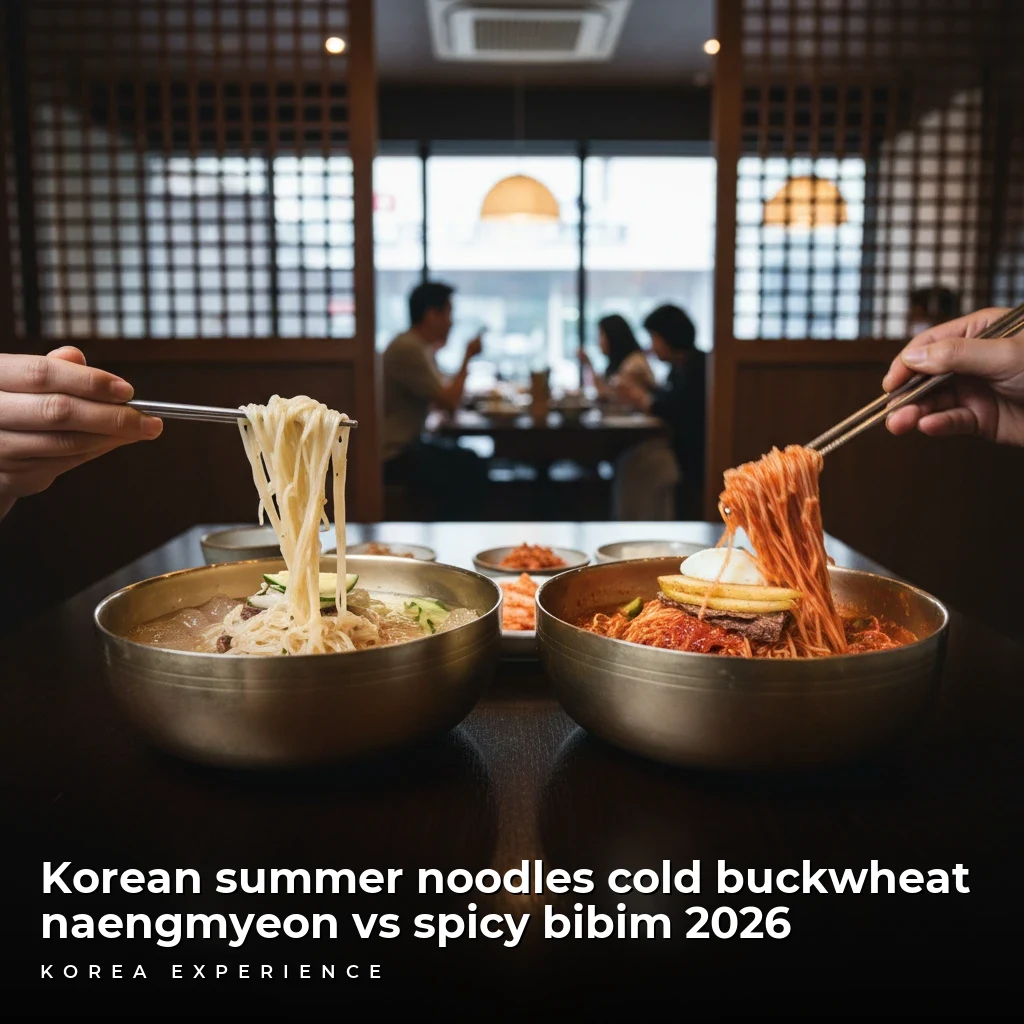
Discover the ultimate battle of Korean summer noodles. We compare Mul vs Bibim Naengmyeon, pricing trends for 2026, and top Seoul dining spots.
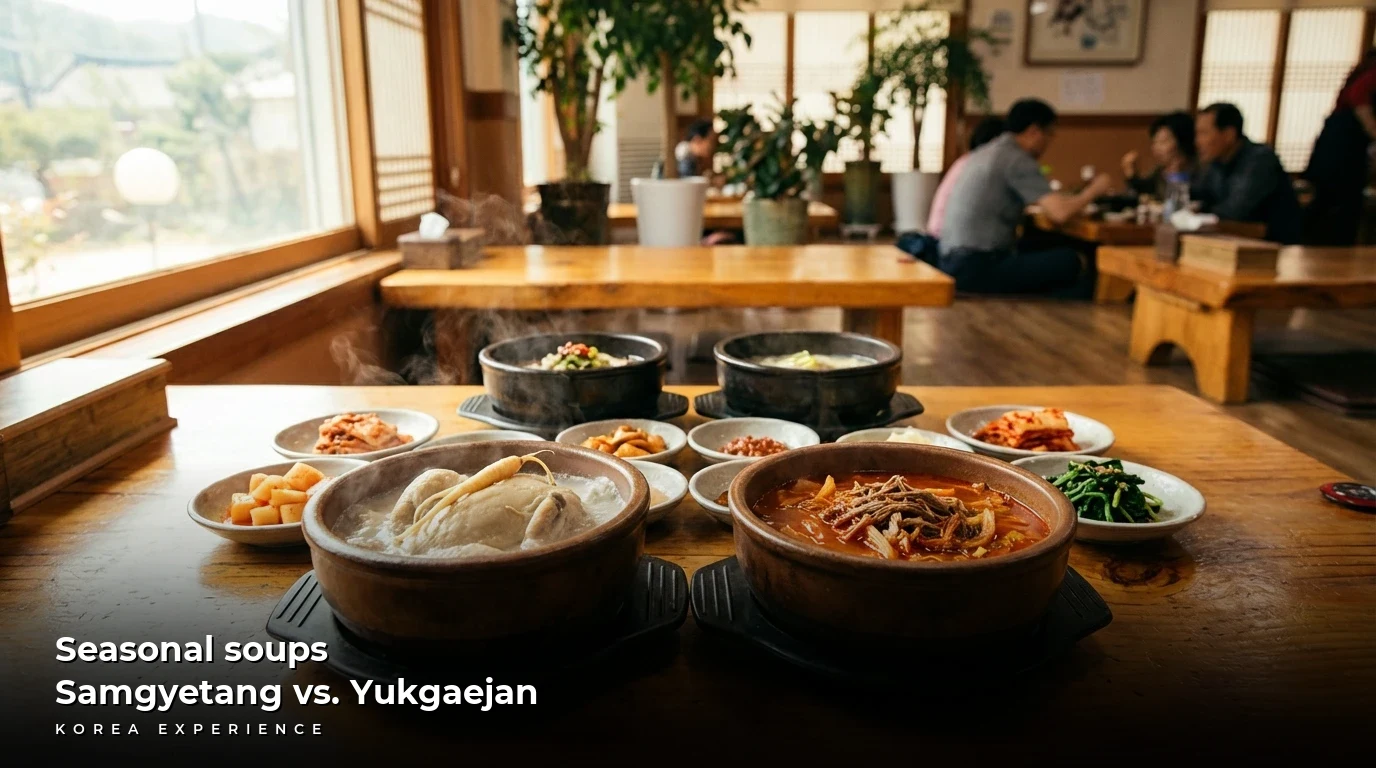
Discover the ultimate 2026 showdown between Samgyetang and Yukgaejang where prices now average 18,000 KRW and spicy beef soup cures winter hangovers.
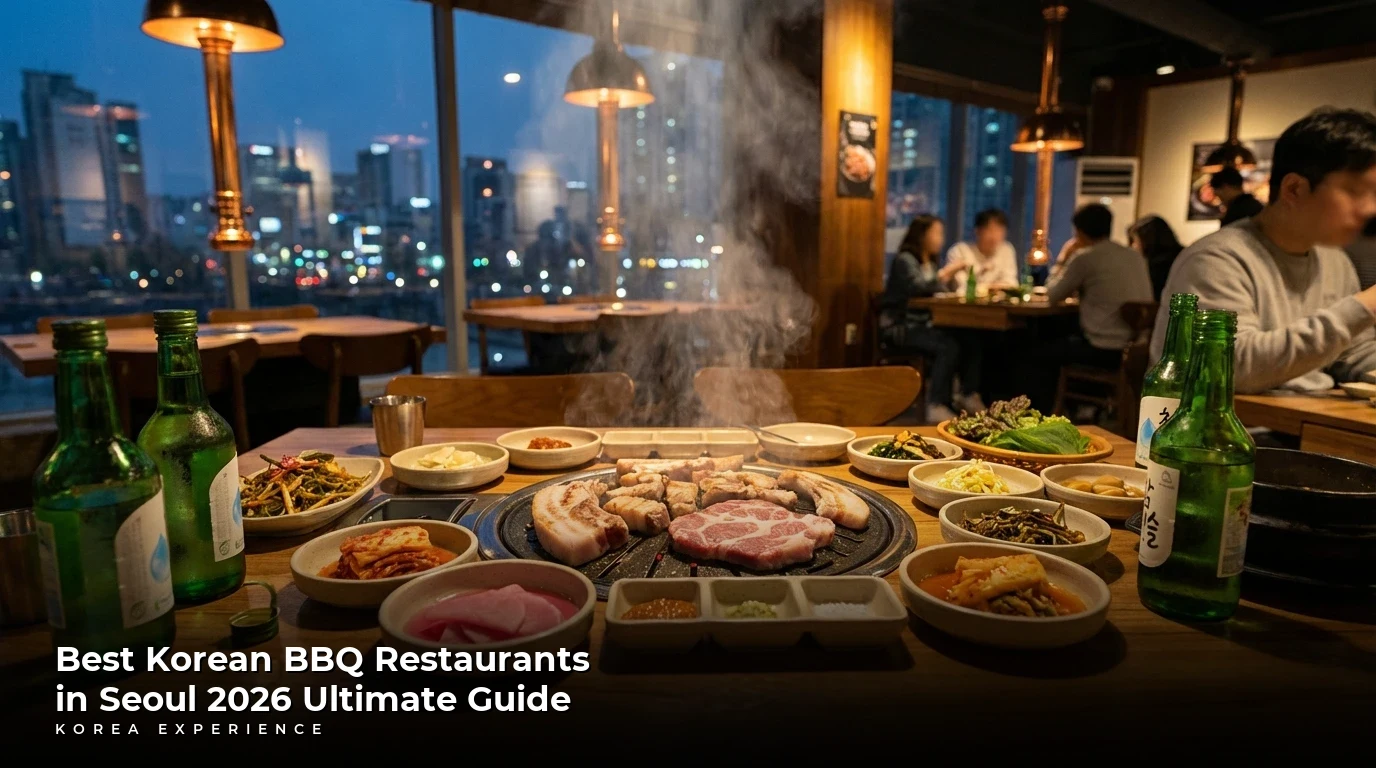
Discover the top Korean BBQ spots in Seoul for 2026. From premium Hanwoo beef to authentic Jeju pork, explore the best grills in Gangnam and Hongdae.
Discover how to style modern hanbok in 2026. Learn where to buy stunning pieces for under $150 and get 100 percent free entry to Seoul palaces.
Discover Seoul's top 8 traditional markets. From Gwangjang's ₩5,000 noodles to Namdaemun's 10,000+ shops, get the ultimate 2026 shopping guide.
Discover the ultimate guide to savory pancakes and rice wine in Seoul. Top spots, craft brews, and local tips for a perfect rainy day experience.