2026 Guide to Korean BBQ by Province Jeju Black Pork vs Hanwoo
Discover whether to splurge on Jeju black pork or Hanwoo beef in 2026. With wholesale prices up 18.4 percent learn how to book top spots without a local ID.
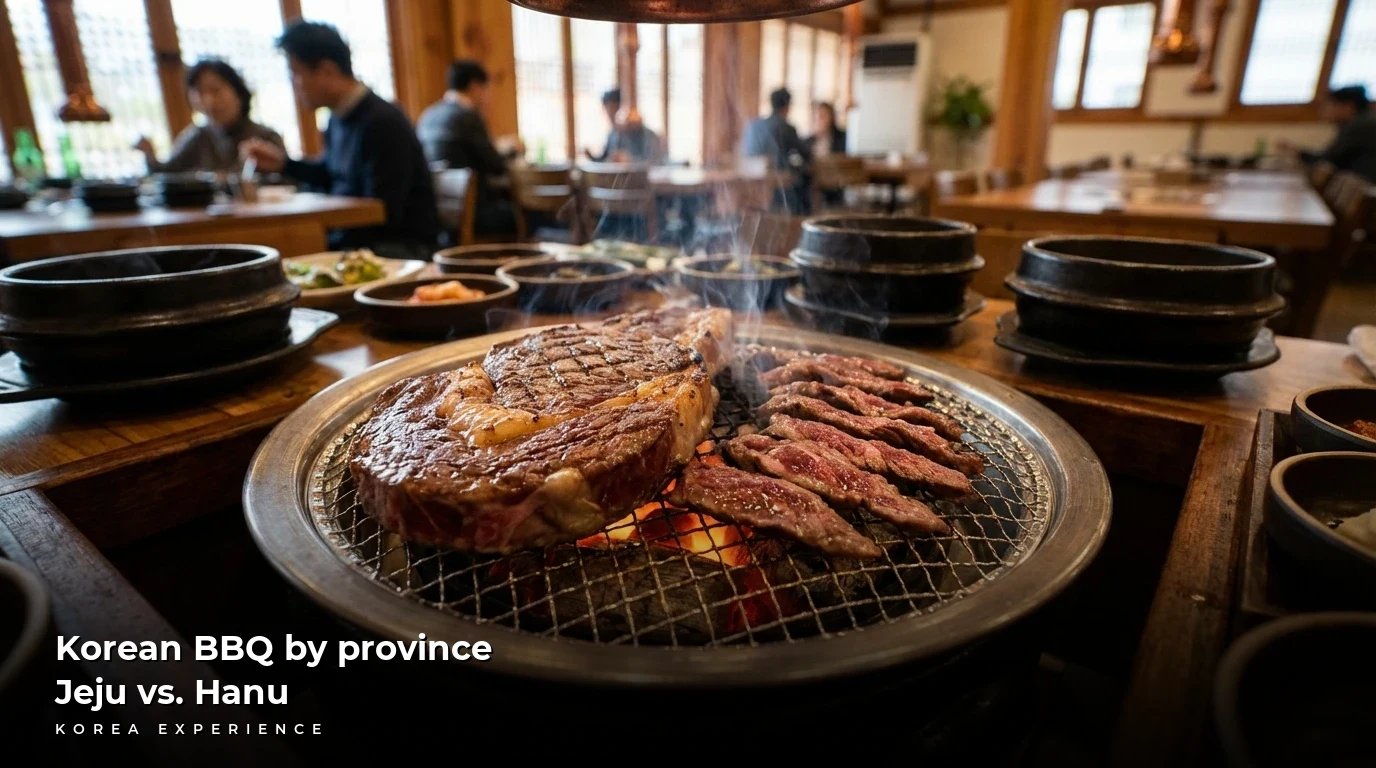
Research suggests that navigating the South Korean barbecue landscape in 2026 involves balancing deeply rooted regional traditions with dynamic modern market forces. It seems likely that visitors will encounter two primary premium options: Jeju Island's Black Pork and Gangwon Province's Hanwoo beef. Evidence leans toward a notable price increase in both sectors recently, largely driven by 2025 and 2026 outbreaks of African Swine Fever (ASF) and Foot-and-Mouth Disease (FMD) affecting local supply chains. While Hanwoo beef remains the pinnacle of luxury dining—often graded on a strict 1++ marbling scale—Jeju Black Pork offers a culturally significant, highly accessible alternative renowned for its unique texture and traditional pairings like fermented anchovy sauce. For international tourists, the CatchTable Global application has emerged as an essential tool, bridging the gap between local reservation systems and visitors lacking a Korean Alien Registration Card (ARC).
Key Takeaways
- 1Choose Jeju Black Pork for a hearty, chewy, umami-packed feast with friends over Soju, but splurge on Hanwoo beef if you want a luxury, melt-in-your-mouth culinary milestone.
- 2Be prepared for sticker shock in 2026: premium Hanwoo tenderloin is currently sitting around ₩15,000+ per 100g at retail due to recent agricultural shortages.
- 3Stop stressing about not having a local phone number; download the CatchTable Global app to instantly join virtual queues for the hottest BBQ spots without needing an Alien Registration Card.
📋 Quick Facts
The Ultimate Grill Showdown: What You Need to Know
So, you are finally in South Korea. The neon lights are buzzing, the streets are packed, and the smell of charcoal is wafting out of every second doorway. You have a very serious decision to make: do you drop your hard-earned vacation money on Jeju Island's legendary Black Pork, or do you go all out on the ultra-luxurious Hanwoo beef? Look, this is the best kind of dilemma to have, but it can be overwhelming, especially with menus in a different language and prices shifting rapidly. The truth is, both of these regional specialties offer completely different culinary experiences, and understanding what makes them unique will ensure you do not waste a single meal on your trip. Let's break it down like we are mapping out our dinner plans over a coffee.
First up, Jeju Black Pork (or Heuk-dwaeji). If you are imagining standard supermarket pork chops, erase that from your mind entirely. This is heavily marbled, thick-cut, and incredibly flavorful meat that makes up only about 1.2 percent of the total Korean pork market share. The fat isn't that soft, greasy kind you might be used to; it is firm, snappy, and nutty. When it hits the grill, the edges crisp up beautifully while the inside remains ridiculously juicy. Usually, you will be paying anywhere from ₩6,800 to ₩11,000 per 100g for standard cuts, making it an accessible but premium feast. It is the kind of meal you eat with a big group of friends, wrapping the meat in fresh perilla leaves, tossing back shots of cold Hallasan Soju, and laughing over the sizzle of the grill. If you are traveling by yourself, do not worry—you can still partake by checking out our Solo K-BBQ in Seoul 2026: Ultimate Guide to Eating Alone.
Then, you have Hanwoo beef. This is Korea's answer to Japanese Wagyu, and honestly, many locals will argue it is actually better. Why? Because while it has incredible, intricate marbling (especially if you get the highly coveted 1++ grade), it retains a stronger, beefier flavor profile than Wagyu, meaning you can actually eat a whole steak without feeling overwhelmed by the fat. The downside? It is eye-wateringly expensive. A high-quality cut of 1++ tenderloin will easily run you upwards of ₩30,000 to ₩60,000 per 100g at a premium restaurant. Eating Hanwoo isn't just a dinner; it is an event. It is what families eat for major celebrations, and it is what business executives use to seal a deal.
But here is the thing nobody mentions when you are planning your trip: the 2026 market is absolutely wild right now. If you look at the menus and think the prices are pricier than the travel vlogs said, you aren't crazy. Early this year, South Korea faced a triple threat of livestock diseases: African Swine Fever (ASF), Avian Influenza (AI), and Foot-and-Mouth Disease (FMD). The ASF outbreak alone hit 22 cases in the first few months of the year, forcing the tragic culling of over 150,000 pigs. Meanwhile, FMD outbreaks drove Hanwoo wholesale prices up by a staggering 18.4 percent. So, while the food is as spectacular as ever, your wallet is going to feel it a bit more this year.
Arrival of Father McGlinchey
Irish missionary arrives in Jeju and begins transforming the local agricultural landscape to fight poverty.
St. Isidore Farm Established
The foundation for modern Jeju black pork is laid by crossbreeding local stock with imported Yorkshire pigs.
Hanwoo Herd Book Created
The official registry for Hanwoo cattle is established, marking its transition from a working animal to premium beef.
National Monument Designation
Jeju's original, purebred black pig is officially designated as a South Korean natural monument.
Launch of CatchTable Global
The popular restaurant reservation app introduces an English version specifically tailored for international tourists.
Livestock Epidemic Price Surges
Severe outbreaks of African Swine Fever and Foot-and-Mouth Disease cause double-digit percentage jumps in BBQ prices.
The Epic History Behind the Meat
You cannot truly appreciate what you are eating until you know how it got to your plate, and the histories of both Jeju Black Pork and Hanwoo beef are absolutely fascinating. Let's start with Jeju. Back in the day, the black pigs of Jeju Island were famous for a rather unsavory reason. They were traditionally raised in pens situated directly below the household outhouses. Yes, you read that right—they were fed human waste and were affectionately (or accurately) known as poop pigs or ddong dwaeji. Despite this less-than-glamorous diet, the pigs were incredibly resilient, surviving the harsh, windy island climate, and their meat was prized for special occasions.
But the real transformation of Jeju's pork industry reads like a movie script. Enter Father Patrick James McGlinchey, an Irish Catholic missionary who arrived on the impoverished island in 1954, just after the devastating Korean War. Seeing the extreme poverty, Father McGlinchey wanted to help the locals become self-sufficient. In 1961, he founded the St. Isidore Farm. He realized that the traditional way of raising pigs wasn't commercially viable, so he imported pregnant Yorkshire pigs from the mainland and taught the locals modern, hygienic farming techniques. He essentially built the foundation of Jeju's modern agricultural economy, earning himself the nickname the pig priest. Today, the purebred Jeju black pig is a protected natural monument, and the commercial meat you eat is a carefully cultivated crossbreed that retains the incredible flavor of the original stock but with modern food safety.
On the flip side, the story of Hanwoo is a tale of a hardworking farm animal climbing the social ladder. For centuries, the small, brown Hanwoo cattle were strictly working animals used to plow rice fields. They weren't bred for their meat; they were the tractors of the Joseon Dynasty. It wasn't until the rapid economic boom of South Korea in the 1960s that people actually started having the disposable income to eat beef regularly.
In 1968, the government established an official herd book to protect and cultivate the breed specifically for meat production. Over the decades, through meticulous breeding and specialized diets (which heavily feature rice straw to aid digestion and fat distribution), Hanwoo was transformed into a luxury product. The grading system is fiercely strict, judging the meat on marbling, texture, and fat color, with the 1++ grade being the absolute holy grail. Today, Hoengseong County in Gangwon Province is widely considered the Napa Valley of Hanwoo, thanks to its ideal climate where the cattle can fatten up perfectly during the temperate spring and fall months.
| Feature | Jeju Black Pork | Hanwoo Beef |
|---|---|---|
| Cost | ₩6,800 - ₩11,000 per 100g | ₩15,000 - ₩60,000+ per 100g |
| Texture & Flavor | Chewy, firm, nutty fat, steak-like | Melt-in-your-mouth, extreme marbling, rich umami |
| Signature Pairing | Fermented anchovy sauce | Fine sea salt, fresh wasabi, truffles |
| Best Regions | Jeju Island (Black Pork Street, Seogwipo) | Gangwon Province (Hoengseong), Seoul (Majang Market) |
| Best For | Casual group dinners, Soju nights, big appetites | Luxury dining, romantic dates, Michelin-star hunting |
| 2026 Changes | Prices slightly elevated due to 22 early ASF cases | Wholesale prices up 18.4% due to FMD outbreaks |
Breaking Down Your Options: Where to Actually Eat
Alright, history lesson over. Where should you actually go to eat? Your choice between Jeju pork and Hanwoo is largely going to dictate your travel itinerary, so let's walk through some real-world scenarios and specific locations you need to pin on your map.
If you are flying down to Jeju Island for a few days of coastal views and hiking, you absolutely must dedicate at least one night to Black Pork Street in old Jeju City. This is ground zero for black pork. The vibe here is electric. You will walk past dozens of restaurants with open doors, the smell of rendering fat pulling you in. One of the absolute must-visit spots is Sukseongdo, specifically their Hamdeok Branch located at 40 Johamhaean-ro, Jocheon-eup, Jeju-si. They specialize in dry-aged black pork, meaning the meat is hung in climate-controlled rooms to concentrate the flavor. The cuts are thick, the fat is beautifully scored, and they serve it with unique pairings like pollack roe. A 200g portion of their premium aged pork will run you about ₩20,000 to ₩25,000. However, the lines here are notorious—we are talking 1 to 3 hour waits—so you need a strategy.
If you want a more authentic, slightly less viral experience, look for places serving Dombe Gogi. This is a traditional Jeju preparation where the pork is boiled whole and served sliced on a wooden cutting board. It is incredibly tender, lacks the heavy smoke of the BBQ, and pairs perfectly with a bowl of Gogi-guksu, Jeju's famous pork noodle soup that features a rich, milky-white broth.
Now, what if you are staying in Seoul and want to experience the pinnacle of Hanwoo beef? You need to make a pilgrimage to the Majang Meat Market. This is the largest meat market in Korea, and it is a carnivore's absolute dream. You can wander the aisles, look at the insanely marbled cuts of beef glowing under the vendor lights, buy a steak directly from the butcher, and then take it upstairs to a casual restaurant where you pay a small table fee to grill it yourself. It is the most cost-effective way to eat high-grade Hanwoo in the city.
But if you want to be treated like absolute royalty, you book a table at Born and Bred. Located at 1 Majang-ro 42-gil, Seongdong-gu, Seoul (just a 5-minute walk from Majang Station Exit 2), this place is legendary. Founded by a third-generation butcher, it spans multiple floors. The ground floor is a butcher shop, the second is casual dining, the third offers private tasting rooms, and the basement is an exclusive, Michelin-recommended speakeasy omakase experience. In the basement, a personal chef will cook a progression of 15+ courses for you, from diamond-cut top blade to raw Hanwoo tataki with truffle soy sauce. It is easily one of the greatest meals you will ever have, though at over ₩350,000 a head, it is definitely a treat yourself moment. If you are traveling alone and want to experience this level of luxury, check out our Solo Fine Dining in Seoul 2026: Michelin Stars to Hon-bap Guide.
If you are willing to travel outside of Seoul for the absolute best beef, head to Samjeong in Hoengseong County (4536-3 Gyeonggang-ro, Dunnae-myeon). Located just a 10-minute taxi ride from the Dunnae KTX Station, this restaurant specializes exclusively in Grade 1++ beef using proprietary wet-aging techniques. They only serve antibiotic-free cattle, and the private dining rooms make it an unforgettable experience.
Pros
- ✓Unbeatable Bang for Your Buck: You can eat a massive, belly-busting feast of Jeju Black Pork for a fraction of the cost of a Hanwoo dinner.
- ✓The Anchovy Sauce Experience: Dipping perfectly grilled, slightly smoky pork belly into bubbling, garlic-infused fermented anchovy sauce right on the grill is a uniquely Jeju culinary phenomenon.
- ✓The Atmosphere: Black pork joints are usually loud, energetic, and unapologetically fun. It is the quintessential K-BBQ vibe.
Cons
- ✗The Meat Sweats are Real: This is heavily marbled, thick-cut pork with a substantial fat cap. It is incredibly rich and heavy.
- ✗Smoke and Smells: Unlike the high-end Hanwoo omakase spots with downdraft ventilation, authentic black pork places will leave you smelling like a campfire.
- ✗Intense Flavors Aren't for Everyone: The signature fermented anchovy sauce is intensely fishy and salty, which picky eaters might find overwhelming.
The Complete How-To: Navigating CatchTable and the Grill
Here is the harsh reality of dining in Korea in 2026: spontaneity is kind of dead when it comes to the famous spots. If you try to just walk in to a place like Sukseongdo or Born and Bred at 7:00 PM on a Friday, you are going to be turned away or told to wait until midnight. Almost every popular restaurant now uses a digital queuing or reservation system.
For years, this was a massive headache for tourists because these systems required a verified Korean phone number linked to an Alien Registration Card (ARC) or a local KakaoTalk account. Thankfully, that has completely changed with the launch of the CatchTable Global app. You need to download this app the second you book your flights. For a deeper dive into securing high-end tables, read our CatchTable Global: Book Michelin Restaurants in Korea (2026) guide.
📖 How to Score a Table at the Best K-BBQ Spots in 2026
Step 1: Download and Setup CatchTable Global
Forget Naver Maps for a second—without a local phone number, Naver is a nightmare for booking. Download the CatchTable Global app from your app store and sign in using your Apple or Google account.
Step 2: Search for Your Regional BBQ Spot
Type in Jeju Black Pork or Hanwoo into the search bar, or look up specific heavyweights like Sukseongdo in Jeju or Born and Bred in Seoul. You can filter by neighborhood.
Step 3: Pay the Deposit (If Required)
Many high-end Hanwoo restaurants and incredibly popular pork spots will ask for a deposit to prevent no-shows (usually around ₩20,000 to ₩50,000). CatchTable Global lets you use your Visa, Mastercard, or Amex from home.
Step 4: Join the Remote Waitlist
If the restaurant doesn't take advanced reservations, hit the Join Remote Waitlist button right before you leave your hotel. You'll get an email or app notification telling you exactly how many parties are ahead of you.
No Local Phone Number or ARC Required
If you do not have an Alien Registration Card (ARC) or a local phone number, traditional kiosks outside of restaurants will reject you because they require a KakaoTalk link tied to a verified local ID. The solution is CatchTable Global. Walk up to the restaurant's iPad kiosk, look for the small QR code usually located in the bottom corner of the screen, and scan it with your CatchTable Global app. This bypasses the phone number requirement and adds you to the queue using your email address!
Now, let's talk about the actual eating mechanics. When your Jeju Black Pork arrives, do not immediately start hacking away at it with your scissors! A good cut of five-layer pork belly needs time to render. Leave the thick slab on the grill until a deep, golden-brown crust forms on the bottom, then flip it. Only cut it into bite-sized pieces when it is almost fully cooked.
The absolute star of the Jeju BBQ experience is the meljeot. This is a small metal tin filled with fermented anchovy sauce, garlic, and sliced green chilies. You place the tin directly onto the grill grates so it boils and reduces. Once your pork is crispy, you dunk it straight into the bubbling, pungent sauce. The intense heat mellows out the fishiness, leaving behind an explosion of salty, savory umami that cuts right through the rich pork fat. Wrap that meat in a perilla leaf with some grilled garlic and a dab of ssamjang (soybean paste), and you have the perfect bite.
The Stuff Nobody Tells You: Prices, Sweats, and Etiquette
Let's get real for a second and talk about the stuff you won't see in the glamorous food vlogs. First off, we need to address the elephant in the room: the prices in 2026. If you are comparing menus today to blog posts from 2023, you are going to notice a steep increase.
South Korea's agricultural sector took a massive beating in late 2025 and early 2026. A sudden surge of African Swine Fever (ASF) swept through the country, hitting a record 22 cases in just the first few months and forcing the culling of over 150,000 pigs. Around the same time, Foot-and-Mouth Disease (FMD) outbreaks hit several Hanwoo cattle farms, stripping the country of its disease-free export status and causing wholesale beef prices to skyrocket by 18.4 percent. The government has been scrambling to stabilize prices, but as a tourist, you will definitely feel the squeeze. Do not assume a casual BBQ night will be a cheap eat; check the price per 100g carefully, because an innocent-looking platter of Hanwoo can easily run over 150 USD.
Second, let's talk about the physical toll of eating K-BBQ. The meat sweats are a real physiological response to eating high quantities of heavily marbled protein and fat. Jeju Black Pork, in particular, has a very thick fat cap. It is delicious, but it sits heavy in your stomach. My biggest advice? Pace yourself. Do not order 600g of meat for two people right off the bat. Start smaller, drink plenty of water alongside your Soju, and heavily utilize the acidic side dishes like pickled radish, kimchi, and seasoned scallions to cleanse your palate between bites. If you need a recovery plan the next morning, grab a restorative drink; our GS25 vs. CU: The Ultimate 2026 Guide to Korean Convenience Store Feasts has you covered.
Also, understand the ventilation situation. High-end Hanwoo spots like Born and Bred have state-of-the-art downdraft ventilation systems built right into the table, meaning the smoke is sucked downwards and you leave smelling fine. Traditional Jeju pork spots? Not so much. You will be sitting in a slightly hazy room, and the smell of rendered pork fat and charcoal will permanently embed itself into whatever you are wearing. Many restaurants have chairs with removable seats where you can stuff your jackets and bags to protect them from the smell—use them!
Finally, know your grilling etiquette. In budget spots, you are the grill master. But at premium Black Pork restaurants and almost all Hanwoo spots, the staff will cook for you. Let them! They know exactly when the Maillard reaction is perfect, and they know the exact moment to pull a delicate piece of 1++ Hanwoo off the grill so it doesn't overcook. Do not hover over them with your tongs; just sit back, enjoy your drink, and let the professionals handle the fire. If you are drinking with locals, make sure you brush up on your manners with our Mastering the Pour: The Ultimate 2026 Guide to Korean Drinking Etiquette.
Tourists always make the mistake of cutting their Jeju Black Pork way too early. Let the thick cut sear completely on one side until it forms a deep, golden crust, then flip it. Only use the scissors when the meat is 80% cooked; otherwise, all those beautiful juices just bleed out onto the charcoal.
Frequently Asked Questions
❓ Frequently Asked Questions
Have more questions?Contact us →
Conclusion: Your Action Plan
Look, you really cannot go wrong whether you choose the island charm of Jeju Black Pork or the sheer decadence of Hoengseong Hanwoo. Both represent the absolute pinnacle of Korean grilling culture, and both will leave you with a culinary memory that will ruin normal BBQ for you forever.
If you are mapping out your first 24 hours in Korea, here is exactly what you should do: Before you even leave the airport, ensure your phone's eSIM is active and download the CatchTable Global app. Secure a reservation at a spot like Born and Bred if you are celebrating something major in Seoul, or join the remote waitlist for a bustling Black Pork joint the second you land in Jeju. Accept that you are going to spend a little more in 2026 due to the market conditions, but trust me, when you dunk that first piece of perfectly blistered pork into a boiling tin of meljeot, or let a piece of 1++ Hanwoo dissolve on your tongue, you won't be thinking about the price tag. Grab your tongs, order a cold bottle of Hallasan, and get ready for the best meal of your trip!
Sources
- VisitKorea: Hoengseong Hanu - Details on Hoengseong Hanwoo grading, 31-34 month rearing, and Samjeong restaurant specifics.
- Wikipedia: Hanwoo - Historical context of the 1968 herd book and transition from draft animals.
- AsiaNews: Father McGlinchey - History of St. Isidore farm, Irish missionaries, and the origins of modern Jeju pork.
- Korea JoongAng Daily: Meat Prices - Data on early 2026 double-digit price hikes due to ASF and AI.
- VisitKorea: CatchTable Global - Mechanics of the CatchTable Global app for foreigners without an ARC.
- Chosun Ilbo: Livestock Prices - Insights into the 2026 Foot-and-Mouth Disease outbreaks and 18.4% Hanwoo wholesale increases.
About the Author
Korea Experience Team
Written by the Korea Experience editorial team - experts in Korean medical tourism, travel, and culture with years of research and firsthand experience.
Explore more in Food & Dining
Korean BBQ, street food, Michelin restaurants, and regional specialties — your ultimate guide to eating well in Korea.
Browse All Food & Dining ArticlesContinue Reading
Explore more articles you might find interesting
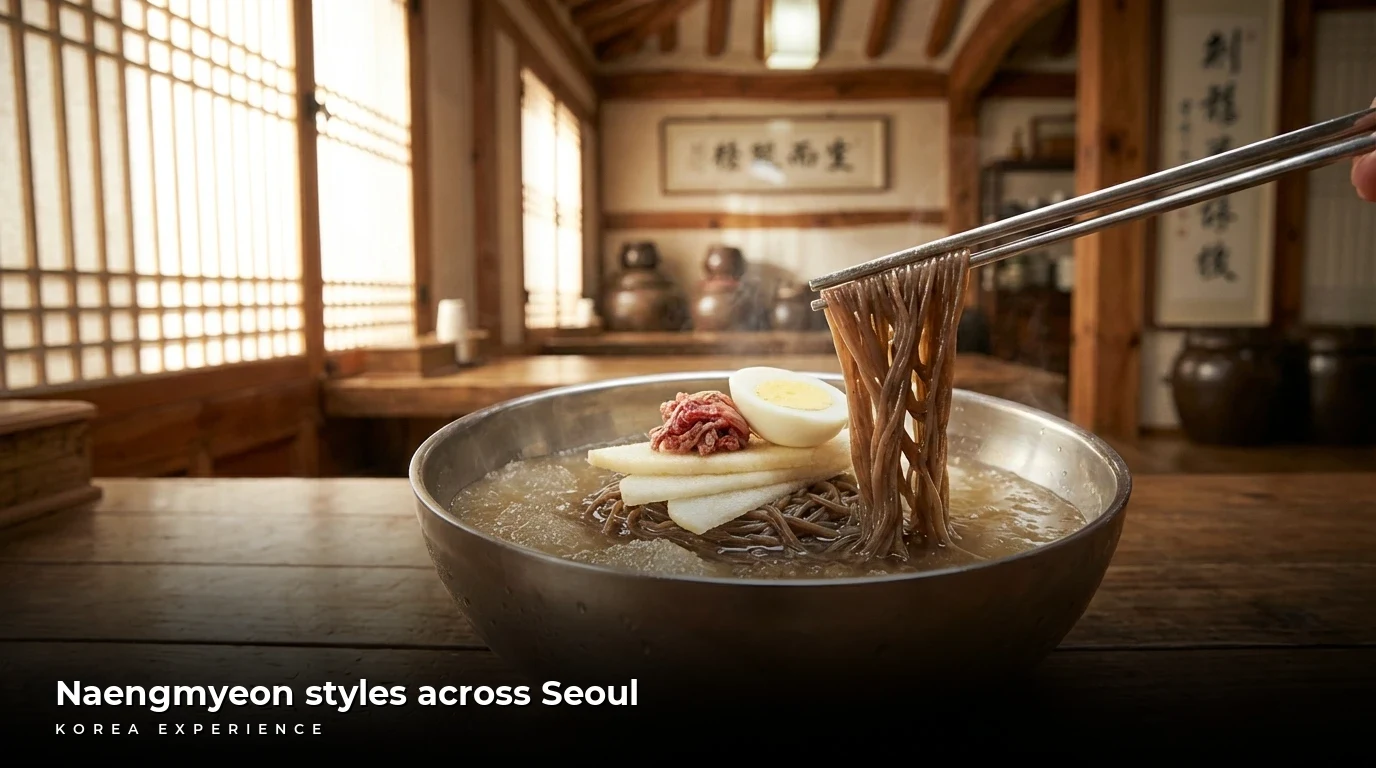
Beat the 2026 noodleflation where average bowls hit 12,538 won. Discover the ultimate guide to Seoul cold noodles from Pyongyang beef broth to Hamheung style.

Discover top makgeolli brewery tastings in Korea for 2026. Learn how to book premium 12 percent ABV craft flights from 30,000 KRW without a local phone number.
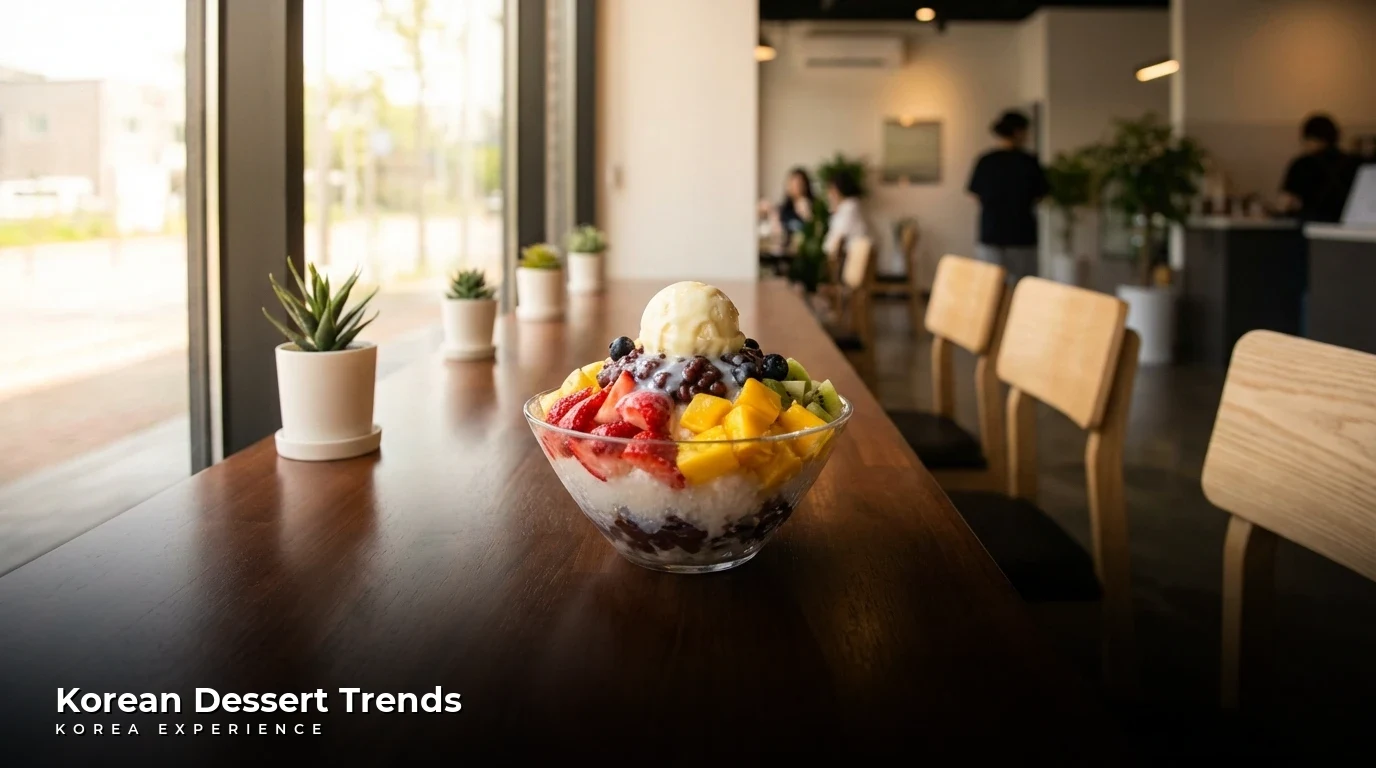
Discover 2026's top Korean dessert trends like the ₩12,000 Dubai Chewy Cookie and Butter Tteok. Learn how to skip 3-hour cafe lines and book without an ARC.
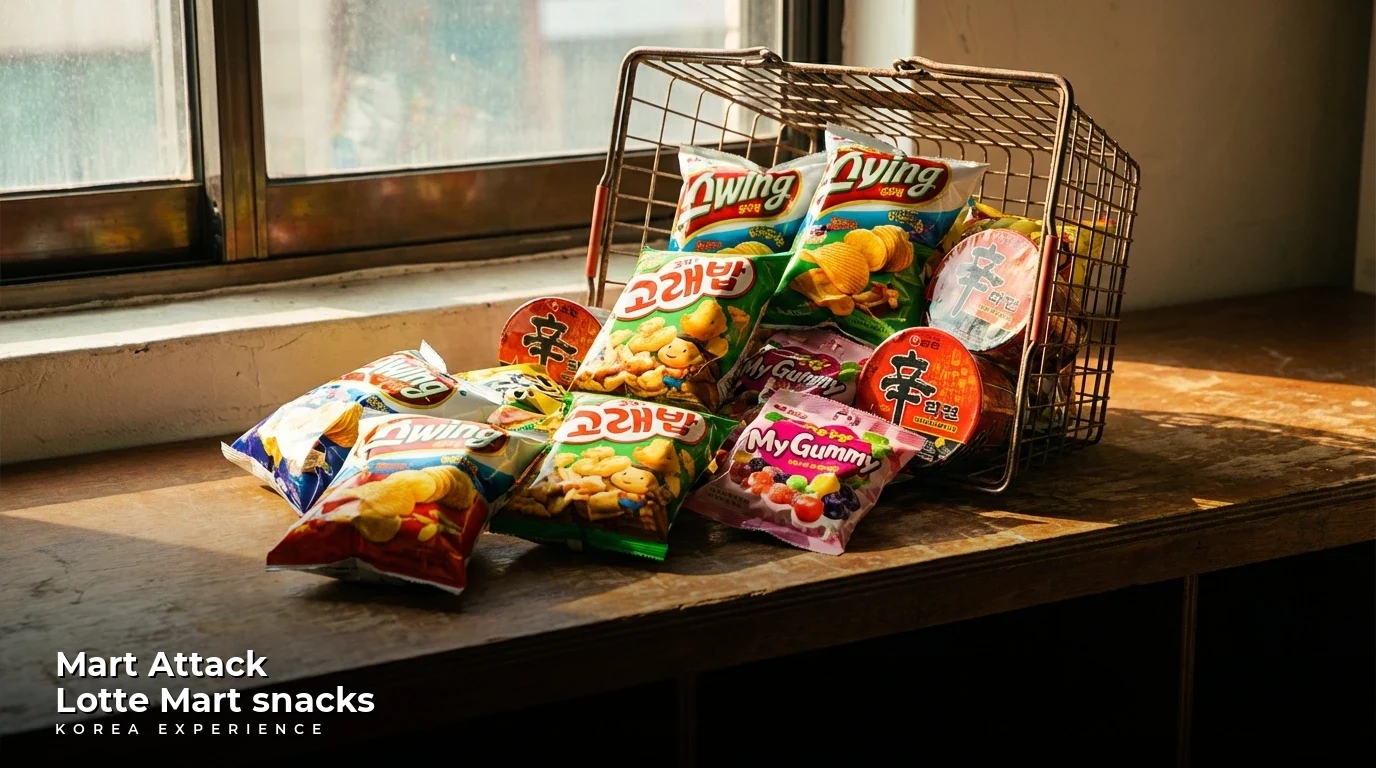
Fill your suitcase with Korean snacks at Lotte Mart Zettaplex. Discover 2026 prices, the Zero Sugar craze, and how to get instant tax refunds on 15,000 KRW.
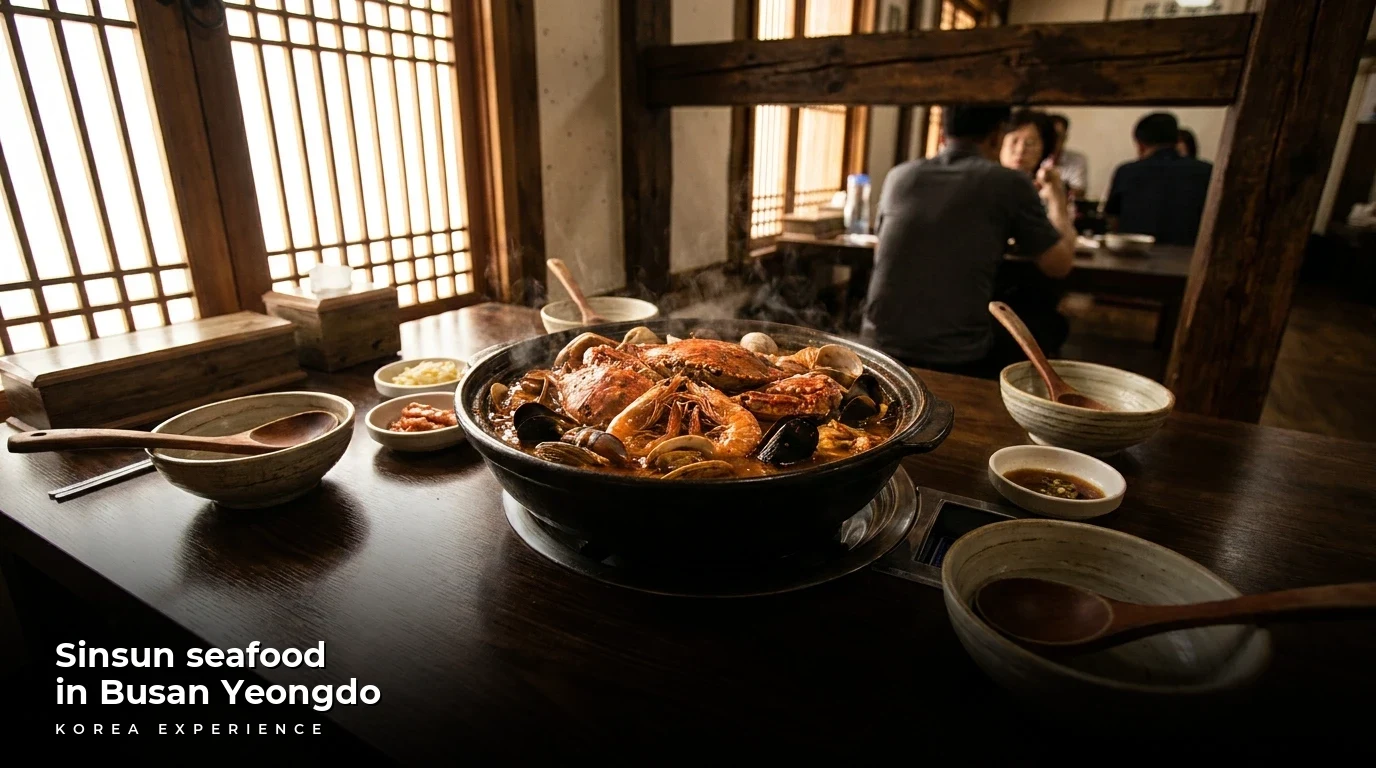
Discover the freshest seafood in Busan. From a $52 Haenyeo diver platter to a 10,000 KRW raw fish soup, explore the ultimate 2026 coastal dining guide.
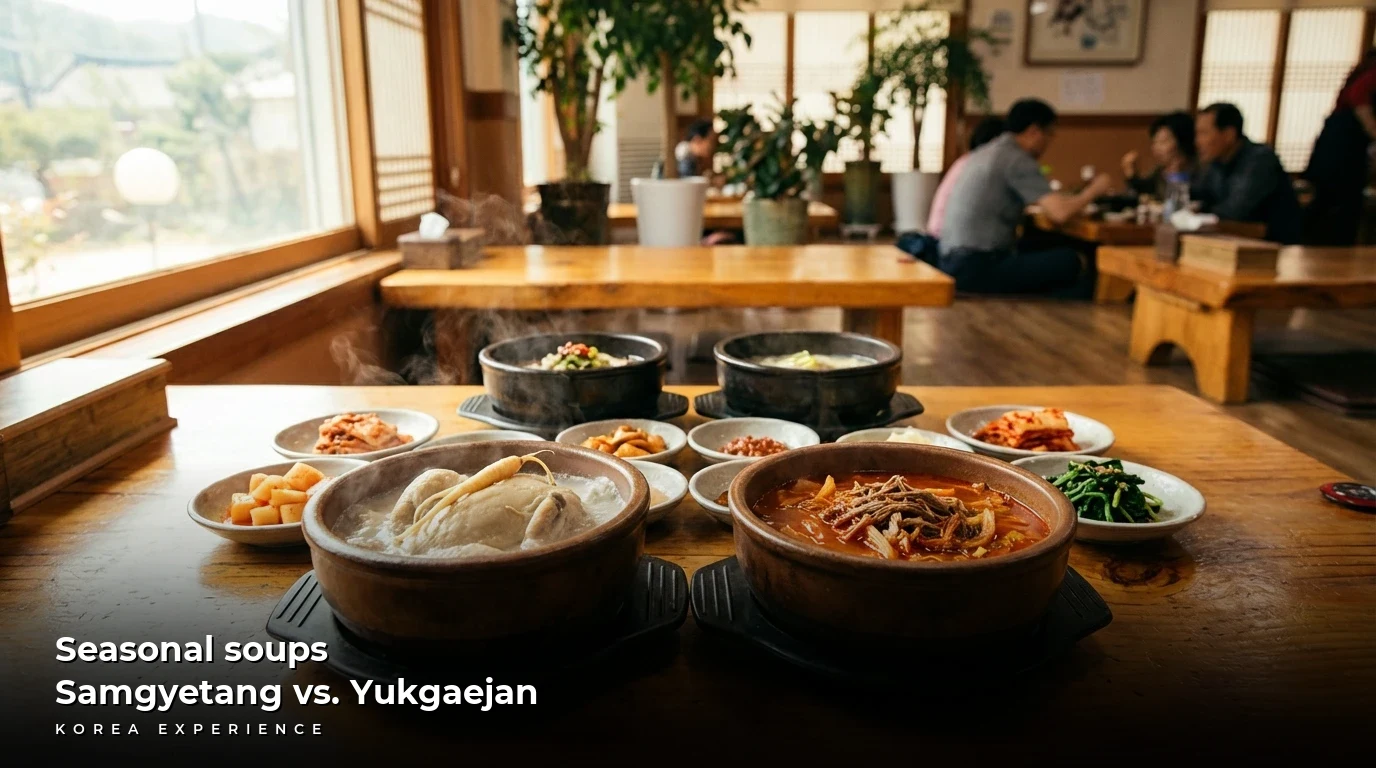
Discover the ultimate 2026 showdown between Samgyetang and Yukgaejang where prices now average 18,000 KRW and spicy beef soup cures winter hangovers.