Samgyetang vs Yukgaejang: 2026 Guide to Korean Seasonal Soups
Discover the ultimate 2026 showdown between Samgyetang and Yukgaejang where prices now average 18,000 KRW and spicy beef soup cures winter hangovers.
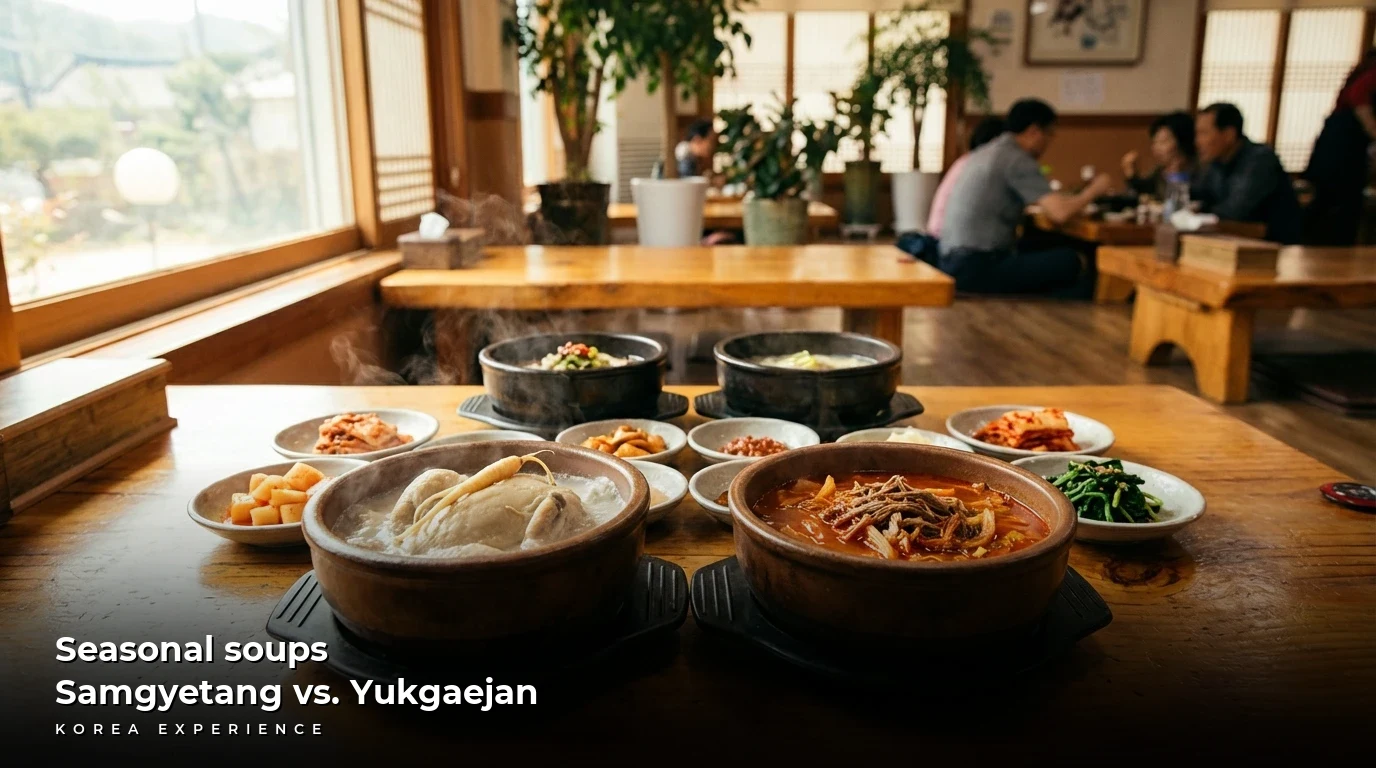
The short answer is Samgyetang for the summer heat and Yukgaejang for the winter freeze. But honestly, it is a little more complicated (and delicious) than that.
Look, I know what you are thinking. You have landed in Seoul, the humidity is at 90%, your shirt is already sticking to your back, and you see a line of locals stretching around the block waiting for boiling hot chicken soup. It defies logic, right? But here is the thing about Korean food culture: it loves a paradox.
In 2026, the food scene in Seoul is more dynamic than ever. Prices are up, Michelin is adding budget spots to their lists, and tourists are flocking back in droves. But amidst all the viral TikTok cafes, these two traditional soups remain the heavyweights of Korean comfort food. They are not just meals; they are functional tools Koreans use to regulate their body temperature, cure hangovers, and fight off fatigue.
If you are visiting in the sweltering heat of July or August, you need to try Samgyetang (Ginseng Chicken Soup). It is the undisputed champion of summer stamina. But if you are here in the biting cold of January, or if you partied a little too hard in Hongdae last night, Yukgaejang (Spicy Beef Soup) is going to be your best friend. In this guide, we break down exactly which one you need, where to get it, and how to eat it without looking like a total rookie.
Key Takeaways
- 1Samgyetang is the summer energy king, while Yukgaejang is the ultimate winter warmer and hangover cure.
- 2Expect to pay around 18,000 KRW ($13 USD) for Samgyetang in 2026 due to poultry inflation.
- 3Use the CatchTable Global app to book popular spots like Tosokchon, as walk-in queues can exceed an hour.
📋 Quick Facts
The Background Story
Let's rewind a bit. How did we get here?
Samgyetang actually has a pretty glamorous backstory. While boiling chicken has been a thing since the Three Kingdoms period, the specific combo of ginseng and chicken was historically a luxury reserved for the rich and royalty during the Joseon Dynasty. It wasn't until the 1960s—when refrigerators became common and ginseng cultivation ramped up—that it became the "Samgyetang" we know today. Before that, it was often called "Gyesamtang" (chicken-ginseng soup), but marketers flipped the name to put "Sam" (ginseng) first to make it sound fancier.
Now, Yukgaejang is a bit more rugged. Historically, it was a beef-based alternative to dog meat soup (which was consumed for stamina). When beef was scarce and expensive, Koreans would shred the brisket to make a little meat go a long way, bulking it up with fernbrake (gosari), green onions, and taro stems. It became the standard food served at funerals because the deep red color was believed to chase away bad spirits from the mourners.
Fast forward to 2026, and things have changed. Samgyetang has become a "luxury" fast food. With inflation hitting poultry prices, a bowl that used to cost 12,000 KRW is now averaging 18,000 KRW ($13) in Seoul. Meanwhile, Yukgaejang has evolved from funeral food to a staple office lunch and hangover cure, with hip new spots like "Gosari Express" even landing on the Michelin Bib Gourmand list this year.
Original Gyesamtang
Early versions of chicken soup with ginseng consumed by royalty for vitality.
Rise of Yukgaejang
Replaced dog meat soup in some regions as a beef-based alternative for the masses.
The Name Swap
Gyesamtang morphed into Samgyetang to emphasize the expensive ginseng.
Michelin Recognition
Classic spots like Tosokchon started getting global recognition.
Inflation Spike
Ingredient costs soared, pushing Samgyetang past the 15,000 KRW barrier.
New Michelin Entries
3rd Samgyetang and Gosari Express added to the 2026 Bib Gourmand list.
Breaking Down Your Options
Okay, so you're standing in Myeongdong or Gangnam and you're hungry. Which one do you pick? Let's break it down by scenario.
Scenario A: "I'm exhausted, jet-lagged, and it's hot outside."
Go for Samgyetang. Trust me on this. The concept of Iyeol chiyeol (beating heat with heat) actually works. The warm broth relaxes your stomach, and the ginseng gives you a caffeine-free energy buzz. Plus, it’s not spicy, so it’s gentle on a travel-weary stomach. You get a whole young chicken, which feels like a feast. It’s creamy, herbal, and leaves you feeling "healthy full," not "greasy full."
Scenario B: "It's freezing, or I had five bottles of Soju last night."
Yukgaejang is your savior. The capsaicin in the chili oil will wake you up and get your blood flowing. If you are interested in Korean drinking etiquette, you likely know that the morning after requires a serious cure. The shredded beef brisket is savory and tender, and the vegetables (especially the fernbrake and bean sprouts) give it a satisfying crunch. It’s messy, it’s loud, and it’s incredibly satisfying. Just be warned: you will sweat.
Scenario C: "I'm on a budget."
If you're watching your wallet in 2026, Yukgaejang is generally cheaper. You can find a solid bowl for around 11,000 - 13,000 KRW. Samgyetang is pushing the premium price tier now, often costing 18,000 KRW or more. If you want the Samgyetang vibe but not the price, look for Ban-gyetang (Half-chicken soup), which some restaurants serve for a lower price. For those strictly managing costs, you might even consider checking out convenience store must-buys for quick soup pouches, but nothing beats the real thing.
| Feature | Samgyetang | Yukgaejang | Dak-gaejang |
|---|---|---|---|
| Primary Protein | Whole young chicken | Shredded beef brisket | Shredded chicken breast |
| Flavor Profile | Herbal, earthy, creamy | Spicy, savory, chili oil | Spicy, lighter than beef |
| Best Season | Summer (Dog Days) | Winter / Rainy Days | All year (Budget) |
| Health Benefit | Stamina, Heat beating heat | Detox, Hangover cure | Lighter protein |
| Wait Time (2026) | High (30+ mins Summer) | Moderate | Low to Moderate |
| Key Ingredient | Ginseng, Jujube, Sticky Rice | Gosari, Green Onion | Bean sprouts, Gosari |
| 2026 Changes | Price hike to ~18k+ | More fusion options | Remained budget-friendly |
Pros and Cons of the Experience
Whether you choose the royal chicken or the spicy beef, there are distinct advantages and challenges to each dining experience.
Pros
- ✓Total Energy Boost: Ginseng and garlic in Samgyetang revitalize you instantly.
- ✓Hangover Miracle: Yukgaejang's spice purges toxins after a night of Soju.
- ✓Texture Heaven: The shredded beef and fernbrake in Yukgaejang offer a satisfying chew.
Cons
- ✗The Bone Struggle: Navigating tiny bird bones in Samgyetang requires patience.
- ✗The Sweat Factor: Yukgaejang will make you sweat profusely; avoid on first dates.
- ✗Price Creep: Samgyetang now averages $13+, making it a pricier lunch option.
The Complete How-To
You’ve sat down, and the food is here. Don't panic. Here is exactly what to do.
For Samgyetang: The stone pot will be bubbling aggressively. Don't touch it! Taste the broth first; it’s usually unseasoned. You’ll see a small dish of salt and pepper. Don't dump it in the pot! Instead, take pieces of chicken and dip them into the salt. You see that tiny cup of clear liquid? That's ginseng wine (Insam-ju). You can sip it, but I recommend pouring it into your boiling soup. It cuts the rich chicken fat and adds a lovely floral aroma. Use your chopsticks to split the chicken open to find the sticky rice, garlic, jujube, and ginseng inside.
For Yukgaejang: Unlike Samgyetang, Yukgaejang comes with a separate metal bowl of white rice. You can either eat the rice and soup separately or do what many locals do: dump the entire bowl of rice into the red soup. This is called Mal-a-meok-da. It soaks up the chili oil and makes every bite flavorful. If you are at a place like Munbae-dong Yukkal, you’ll get noodles instead of rice. Dip the noodles into the soup in small batches—don't dump them all in or they’ll get soggy!
📖 How to Eat Samgyetang Like a Local
Step 1: The Set-Up and The Salt
Ladle a small amount of broth into the salt dish to make a dipping paste. Do not dump salt directly into the pot immediately.
Step 2: The Ginseng Liquor
You will receive a tiny cup of ginseng wine. Shoot it or dump it into the boiling soup to enhance the herbal aroma.
Step 3: Excavation
Pull the chicken apart to find the sticky rice inside. Break it up to create a porridge consistency.
Step 4: The Dip and Eat
Pick up meat, dip lightly into salt/pepper mix, and eat. Alternate with kimchi.
Everyone obsesses over Tosokchon, and yeah, it's classic. But if you want the real 2026 local experience for Yukgaejang, go to Munbae-dong Yukkal. Instead of rice, they give you these thick, chewy kalguksu noodles to dip into the spicy soup. It’s a texture game-changer. Also, never wear white when eating Yukgaejang!
The Stuff Nobody Tells You
Here is the inside scoop that guidebooks usually miss.
The "No-ARC" Reservation Crisis
In 2026, many popular spots use digital waiting kiosks that require a Korean phone number. If you are a tourist without an ARC (Alien Registration Card), this is a nightmare. To navigate this, you should read our guide on CatchTable Global which explains how to book without a local number. If you are at the restaurant and the machine won't take your number, strictly look for a staff member. Don't just stand there; showing them your phone and saying "No Korean Number" works 99% of the time.
The "3rd Samgyetang" Hype
There's a new player in town. The Michelin Bib Gourmand 2026 list added "3rd Samgyetang" (3dae Samgyejang-in). It’s unique because they use mung bean puree and mugwort, making the soup thicker and nuttier than the classic style. If you are following the Culinary Class Wars trends, you know that unique textures are winning big this year.
Solo Dining is Encouraged
Both of these soups are perfect for solo travelers. Unlike K-BBQ, they come in individual portions. You will see plenty of business people eating these alone during lunch hours, so don't feel self-conscious.
Pro Tip: The Waitlist Hack
Most famous spots now use a tablet at the front door. If you don't have a Korean number, look for the QR code on the machine or ask a staff member. Better yet, use the CatchTable Global app before you go to see if remote queuing is an option. Avoid famous Samgyetang restaurants on the three "Sambok" dog days unless you enjoy standing in line for 2 hours.
Top Locations & Pricing 2026
Tosokchon Samgyetang (Jongno-gu)
- Price: ~₩20,000
- Best For: The classic "Presidential" experience in a Hanok.
- Tip: Go at 11:30 AM to avoid the rush.
Yukdaejang (Myeongdong)
- Price: ~₩13,000
- Best For: Reliable, hearty spicy beef soup with huge portions of green onions.
- Tip: Order the "Yuk-kal" for noodles.
Munbae-dong Yukkal (Yongsan-gu)
- Price: ~₩12,000
- Best For: The cult-favorite noodle dipping experience.
- Tip: Don't dump all noodles in at once.
FAQ
❓ Frequently Asked Questions
Have more questions?Contact us →
Conclusion
If you’ve just landed and need a soft landing into Korean cuisine, head to Tosokchon for Samgyetang. Go at 11:30 AM or 2:30 PM to avoid the hour-long line. Download CatchTable Global right now while you're reading this so you aren't stranded outside a restaurant later.
If you’re waking up after a wild night out, or if it’s raining, find the nearest Yukdaejang chain or head to Munbae-dong Yukkal for the spicy beef cure. Wear a black shirt, drink the broth, and sweat it out. Korea in 2026 is delicious, but it moves fast. Grab a spoon and dig in—your body will thank you either way!
Sources
- Michelin Guide. "Korea Bib Gourmand 2026 New Additions."
- Korea JoongAng Daily. "Michelin releases 2026 Bib Gourmand."
- Korea Consumer Agency. "Official price statistics for Samgyetang in Seoul 2025/2026."
- Visit Seoul. "Donggyeong Jeontong Yukgaejang Restaurant Guide."
- Korea Herald. "Analysis of dining prices and Bib Gourmand trends."
About the Author
Korea Experience Team
Written by the Korea Experience editorial team - experts in Korean medical tourism, travel, and culture with years of research and firsthand experience.
Explore more in Food & Dining
Korean BBQ, street food, Michelin restaurants, and regional specialties — your ultimate guide to eating well in Korea.
Browse All Food & Dining ArticlesContinue Reading
Explore more articles you might find interesting
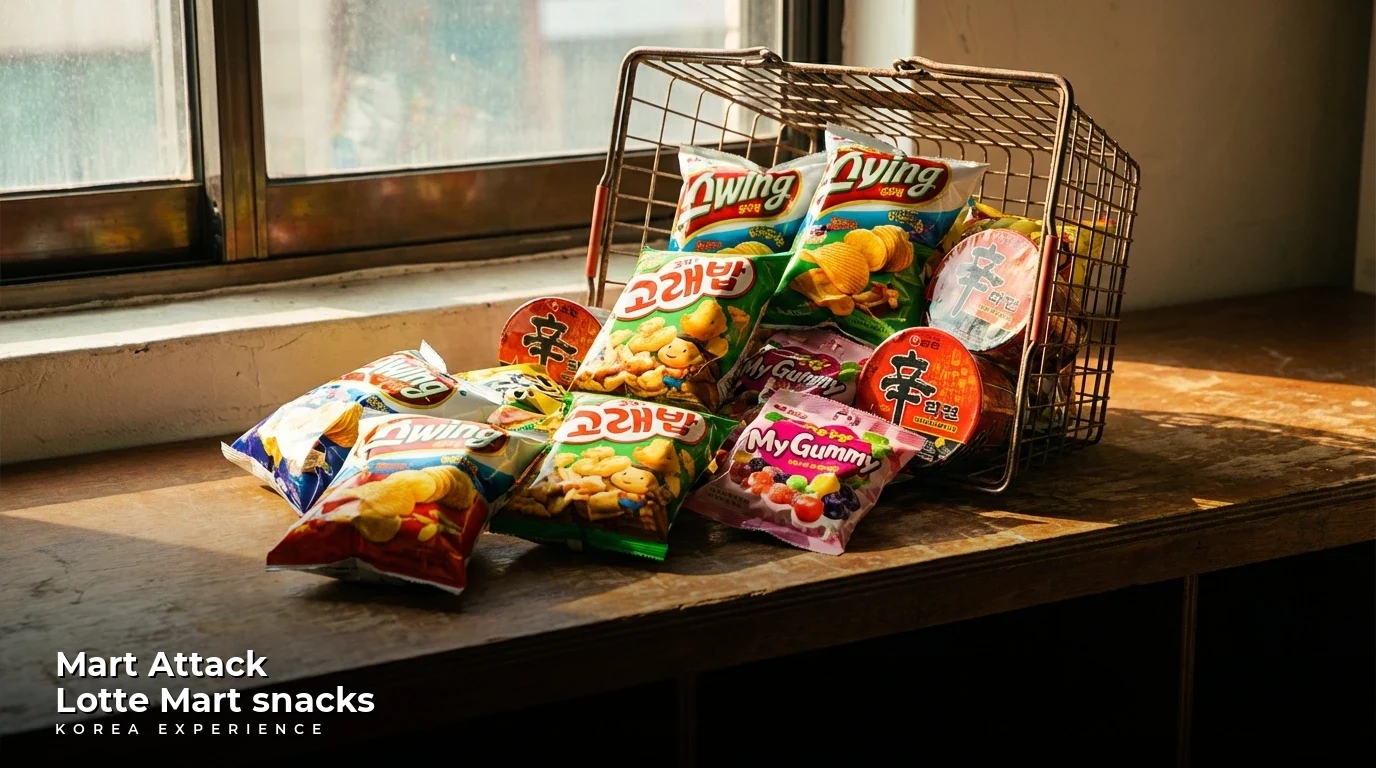
Fill your suitcase with Korean snacks at Lotte Mart Zettaplex. Discover 2026 prices, the Zero Sugar craze, and how to get instant tax refunds on 15,000 KRW.
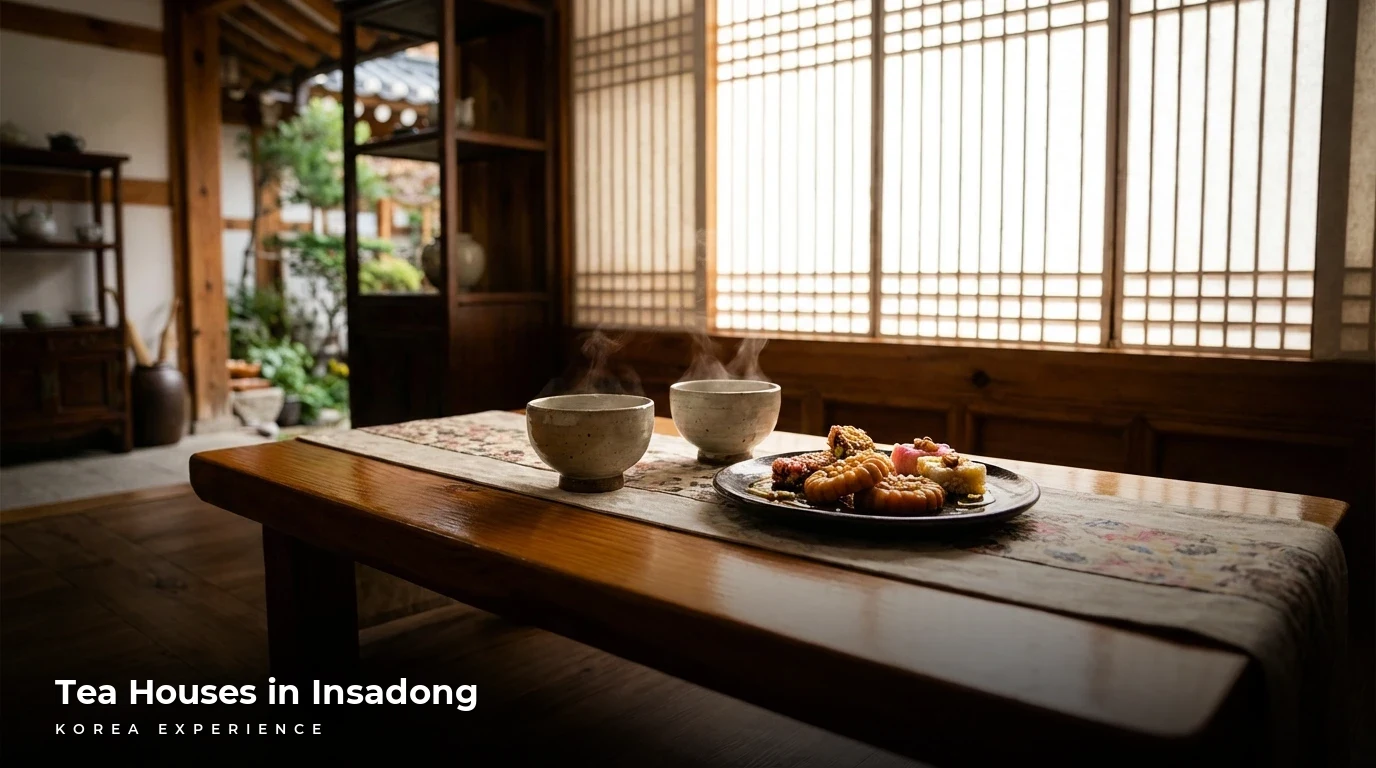
Discover Seoul's soul in 2026 with 100-year-old Hanoks and healing teas starting at 9,000 KRW. Find the best hidden spots away from the main street crowds.

Discover top makgeolli brewery tastings in Korea for 2026. Learn how to book premium 12 percent ABV craft flights from 30,000 KRW without a local phone number.
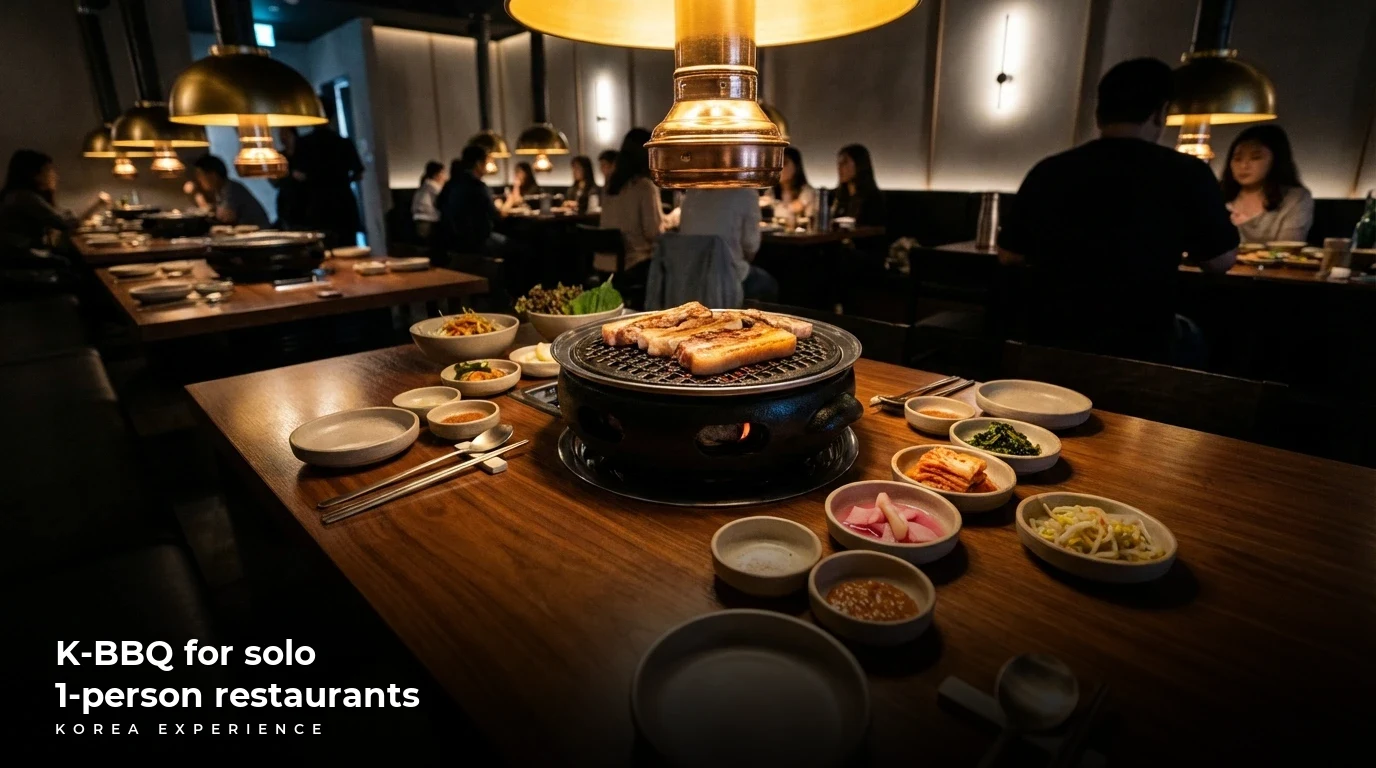
Scared of the X arms? Seoul solo dining scene has exploded with 40% single households. Here is where to find single-serving BBQ spots in 2026.
Discover whether to splurge on Jeju black pork or Hanwoo beef in 2026. With wholesale prices up 18.4 percent learn how to book top spots without a local ID.

Navigate Gwangjang and Namdaemun safely with this 2026 guide. Discover why 99% of red sauces contain wheat and find safe eats from $2.20.