Ultimate 2026 guide to makgeolli brewery tastings in Korea
Discover top makgeolli brewery tastings in Korea for 2026. Learn how to book premium 12 percent ABV craft flights from 30,000 KRW without a local phone number.

Research suggests that the traditional Korean rice wine known as makgeolli has undergone a significant cultural and gastronomic renaissance, transitioning from a historical rural staple to a focal point of urban craft beverage tourism. While experiences and specific brewing techniques naturally vary across different regions of the Korean peninsula, it seems likely that the surge in artisanal, unpasteurized fermentation practices is largely responsible for the beverage's renewed popularity among younger demographics and international visitors.
The evidence leans toward the conclusion that understanding the historical context—specifically the mid-20th-century legislative bans on rice usage—is essential for appreciating the current quality of craft variations. For foreign tourists, navigating the booking systems of these artisanal breweries often presents logistical challenges due to local digital infrastructure constraints; however, alternative reservation methods have proven highly effective.
But let us drop the academic jargon for a minute. You are here to figure out how to drink the best rice wine in Korea, right? Let us get into it.
Key Takeaways
- 1You absolutely can find incredible, world-class makgeolli tasting experiences right in the heart of Seoul, though taking a day trip to a rural brewery unlocks the true magic of traditional clay pot fermentation.
- 2A premium craft makgeolli tasting flight will typically cost you around 30,000 to 50,000 KRW (about $22 to $37 USD). The complex, probiotic-rich artisanal stuff is a completely different universe from the cheap plastic green bottles.
- 3Book your brewery tours at least two to three weeks in advance using Naver Maps or CatchTable Global, and absolutely make sure you eat a hearty, carb-heavy meal beforehand because this sweet drink sneaks up on you!
📋 Quick Facts
Why You Need to Experience a Makgeolli Tasting
So, you have got your flights booked for Seoul, your itinerary is packed with K-pop spots, palaces, and endless barbecue, and now you are wondering: Is a makgeolli brewery tasting actually worth my time?
Here is the deal, and I am going to shoot straight with you. The short answer is an absolute, undeniable yes. In fact, if you leave Korea without experiencing real, unpasteurized craft makgeolli, you are missing out on one of the most dynamic, fast-evolving food and beverage scenes in the world right now. You might think you know what Korean rice wine tastes like because you have had that slightly sweet, milky stuff from a plastic green bottle at your local Korean BBQ joint back home. But trust me on this one—that export version is basically the fast-food equivalent of a fine dining meal. Real, artisanal makgeolli is a complex, effervescent, and incredibly nuanced beverage that will completely blow your mind. If you want to compare the commercial stuff, check out our GS25 vs. CU: The Ultimate 2026 Guide to Korean Convenience Store Feasts to see what locals grab on the go.
When we talk about a tasting experience in 2026, we are not just talking about standing in a factory taking shots. We are talking about highly curated, aesthetically stunning spaces where sommeliers (yes, traditional liquor sommeliers are a very real and highly respected profession here) walk you through the sensory profiles of different brews. You will sit down at a beautiful wooden table, often in a restored hanok (traditional Korean house) or an ultra-modern concrete loft in Seongsu-dong. You will be poured flights of rice wine that range from bone-dry and sharply acidic to incredibly thick, sweet, and creamy, almost like a boozy yogurt.
For a premium tasting flight in Seoul, you are looking at spending anywhere from 30,000 to 50,000 KRW (roughly $22 to $37 USD). Honestly, considering you would pay that much for two decent cocktails in New York or London, it is an absolute steal for a 90-minute cultural deep dive. Some of these tasting menus even come with modern Korean tapas—think perfectly crisp potato pancakes drizzled with truffle oil, or spicy fermented squid. It is a full-on culinary event.
But here is the most important thing you need to know before you go down this rabbit hole: the good stuff is alive. Literally. True, artisanal makgeolli is completely unpasteurized, meaning the yeast and healthy bacteria are still actively fermenting in the bottle. This gives it a natural, champagne-like fizz and a complex tang that pasteurized export bottles completely lack. It is a living piece of Korean culture that you can only truly experience on the ground.
The Epic History of the Farmers Wine
To really appreciate what you are drinking in these chic tasting rooms, you have to understand the wild, almost tragic history of this beverage. Look, history can sometimes be dry, but the story of makgeolli is anything but a boring textbook lecture. It is a story of ancient kings, hardworking peasants, colonial suppression, and a modern-day renaissance.
Makgeolli is actually the absolute oldest alcoholic beverage in Korea. We are talking ancient history here. Rice wine has been brewed on the Korean peninsula since the Three Kingdoms era, which stretches all the way back to the 1st century BCE to the 7th century CE. Imagine that—people were drinking variations of this cloudy brew over two thousand years ago! The earliest written records are fascinating. The 13th-century text Jewang ungi mentions it being consumed during the reign of King Dongmyeong way back around 37 BCE, and the famous Samguk yusa notes that a cloudy rice wine called yorye was brewed specially for King Suro in the year 661. Neighboring countries took notice, too; Chinese records in the Sanguozhi praised the skills of Goguryeo Koreans in fermenting wine, while Japanese texts like the Kojiki talked about a man from the Baekje kingdom traveling over to teach them the art of brewing.
The Origins
Makgeolli is established as the oldest alcoholic beverage in Korea, brewed since the Three Kingdoms era.
Royal Offerings
The Samguk yusa records the brewing of yorye (cloudy rice wine) as a special offering for King Suro.
Literary Debut
Consumption of the rice wine is officially mentioned in the historical book Jewang ungi regarding the reign of King Dongmyeong.
Colonial Taxation
During the Japanese colonial period, home brewing was heavily taxed and eventually outright banned by the year 1934.
The Rice Ban
The South Korean government banned brewing makgeolli with rice due to severe food shortages, forcing the use of wheat and corn.
The Renaissance Begins
The ban on brewing with rice was finally lifted, sparking a slow but steady return to traditional, high-quality fermentation methods.
Modern Craft Boom
Craft makgeolli reaches peak popularity with localized tasting rooms expanding across Seoul, featuring hyper-regional nuruk strains.
Fast forward to the elegant Goryeo dynasty, and the drink got a beautiful, poetic upgrade. It was known as ihwa-ju, which translates to pear blossom alcohol, simply because it was traditionally brewed in the spring when the pear trees were in full bloom. For centuries after that, it became the beloved farmers wine—a hearty, calorie-dense drink that fueled the rural working class through long, back-breaking days in the rice paddies. Every family had their own unique recipe, fermenting it at home in massive, breathable clay crocks called onggi.
But then, things took a dark turn. During the Japanese colonial period from 1910 to 1945, the traditional practice of home brewing was heavily taxed, and by 1934, it was completely and mercilessly banned. This nearly wiped out centuries of family recipes. Then came an even bigger blow. In 1965, post-war South Korea was suffering from severe food shortages. The government desperately needed to conserve rice to feed the population, so they legally banned breweries from using rice to make makgeolli. Brewers were forced to use cheap substitutes like wheat and corn, which resulted in a massive decline in quality and gave the drink a reputation as a cheap, headache-inducing hangover juice.
It was not until 1990 that the ban on rice brewing was finally lifted. Home brewing became legal again in the early 21st century, sparking a massive, passionate resurgence. Today, the young urban generations have reclaimed their ancient heritage. They are ditching the artificial sweeteners, going back to the traditional nuruk (the essential fermentation starter cake), and elevating this humble farmers wine back to its rightful place as a premium, culturally revered beverage.
Key Historical Statistics
| Statistic | Value | Label | Source |
|---|---|---|---|
| Oldest Records of Korean Rice Wine | 1st Century BCE | Ancient Origins | Wikipedia (History of Makgeolli) |
| Main Fermentation Period | ~7 Days | Brew Time | Wikipedia (Fermentation Process) |
| Ban on Rice in Brewing | 1965 to 1990 | The Rice Ban Era | Wikipedia (20th Century Restrictions) |
Breaking Down Your Brewery Options
So, you are convinced and ready to drink. But where do you actually go? The makgeolli scene in 2026 is incredibly diverse, and choosing the right tasting experience depends entirely on your travel style, your budget, and how much time you have. Let me break down your main options so you can figure out exactly what fits your vibe.
First up, we have the Budget & Learn Option. If you are a backpacker, a solo traveler, or just someone who loves a good freebie, you must go to The Sool Gallery in Seoul. Sool means alcohol in Korean, and this venue is actually sponsored by the government to promote traditional liquors. Every month, they curate a completely free, 30-minute tasting session where an expert pours you 4 to 5 different regional drinks, explaining the history and flavor profiles in English. It is the perfect entry-level crash course. The only catch? Because it is free, it books up incredibly fast. You need to jump onto Naver Reservations exactly two weeks before your desired date to snag a spot.
Next, we have the Trendy Urban Foodie Option. If you only have a few days in Seoul and want to experience the modern, cutting-edge side of the craft boom, head to neighborhoods like Seongsu-dong or Gangnam. Here, you will find places like Hangang Brewery or high-end traditional liquor bars. These are not dusty old taverns; they are sleek, neon-lit spaces that look more like high-end espresso bars or natural wine cellars. A tasting flight here will run you about 35,000 KRW, and it is perfect for couples or groups of friends. The sommeliers will walk you through brews that taste like melon, vanilla, or tart green apple—all achieved naturally through the nuruk fermentation without any added fruit!
Finally, we have the Hardcore Cultural Immersion Option. If you are a serious foodie, a history buff, or someone who loves getting out of the massive metropolis, you need to do a rural brewery day-trip. Places like the Baesangmyun Brewery (Sansawon) in Pocheon or Boksoondoga in the southern provinces are where the real magic happens. Imagine walking through a literal forest of hundreds of massive, dark brown onggi pots fermenting in the sun. The smell of sweet yeast is heavy in the air. These trips require a bit of effort—usually renting a car or navigating intercity buses—and will take up a full half-day. But for your effort, you get to see the actual seed mash and main mash processes up close, and you often get unlimited tastings in their underground cellars for a few dollars.
| Feature | Sool Gallery (Seoul) | Urban Craft Breweries | Rural Traditional Breweries |
|---|---|---|---|
| Cost | Free (Gov sponsored) | 30,000 - 50,000 KRW | 15,000 - 35,000 KRW |
| Processing Time | 30-45 minutes | 1.5 - 2 hours | 2 - 3 hours (half-day trip) |
| Duration/Validity | Monthly rotating menu | Year-round core + seasonal | Year-round core + vintage |
| Requirements | Naver/CatchTable booking | Naver Reservation / Walk-ins | Advance booking, rental car/bus |
| Best For | Budget travelers, beginners | Foodies, aesthetic lovers, dates | Hardcore enthusiasts, history buffs |
| 2026 Changes | Expanded English tours | More pairing menus | New KTX routes making access easier |
Pros
- ✓Unmatched Flavor Complexity: Unpasteurized and alive, containing complex enzymes and natural carbonation.
- ✓Zero Language Barrier Stress: High-end tasting rooms cater heavily to international tourists with English explanations.
- ✓Incredible Food Pairings: Modern breweries pair cloudy rice wine with mind-blowing modern Korean tapas.
Cons
- ✗The Booking Nightmare: Navigating the domestic Naver Reservation system without a local ID is difficult.
- ✗The Makgeolli Hangover: High sugar and carb content can lead to a headache if you do not hydrate.
- ✗Short Shelf Life: Unpasteurized bottles continue to mature and can explode or turn to vinegar if not chilled.
Top Makgeolli Tasting Locations in 2026
If you are ready to plan your itinerary, here are the top four locations you need to know about:
1. The Sool Gallery
- Type: Venue / Tasting Room
- Address: 51 Bukchon-ro, Jongno-gu, Seoul
- Highlights: Free monthly government-sponsored tastings, English speaking staff, hundreds of regional bottles for sale.
- Insider Tip: You absolutely must book the free tasting sessions on Naver 2 weeks in advance, as they sell out instantly!
2. Boksoondoga F1963
- Type: Restaurant / Brewery Pub
- Address: 20 Gurak-ro 123beon-gil, Suyeong-gu, Busan
- Highlights: Champagne makgeolli with explosive natural carbonation, stunning modern industrial architecture, exquisite food pairings.
- Insider Tip: Watch the staff open the bottle—they have a specific 45-degree technique to prevent the intense carbonation from spilling over.
3. Sansawon Brewery by Baesangmyun
- Type: Rural Brewery / Museum
- Address: 25 Hwahyeon-gil, Hwahyeon-myeon, Pocheon-si, Gyeonggi-do
- Highlights: A literal forest of human-sized onggi clay pots, unlimited tasting room in the basement, historical brewing museum.
- Insider Tip: Pay the small entry fee to get a personal shot glass which you can use for unlimited self-serve tastings in the cellar.
4. Hangang Brewery
- Type: Urban Brewery / Shop
- Address: 12, Seongsu-il-ro 4-gil, Seongdong-gu, Seoul
- Highlights: Ultra-modern aesthetic, famous Naroo brand, collaboration merchandise.
- Insider Tip: They do not always have a sit-down tasting menu, but it is the best place to buy premium bottles right out of the fermentation tanks.
Tasting Price Breakdown
| Option | Price | Category | Description |
|---|---|---|---|
| Premium Private Sommelier Tour | 80,000+ KRW | Luxury | A 2-hour guided deep dive into vintage and high-ABV makgeollis paired with high-end Korean beef (Hanwoo) tapas. |
| Urban Craft Brewery Flight | 35,000 KRW | Mid | A standard flight of 4-5 different regional makgeollis with a plate of traditional mung bean pancakes. |
| Sansawon Cellar Tasting | 4,000 KRW | Budget | The ultimate budget hack: pay a tiny entry fee to access an unlimited self-pour tasting room in Pocheon. |
| The Sool Gallery | 0 KRW | Budget | A free 30-minute educational tasting of 4-5 traditional liquors sponsored by the Korean government. |
The Complete How-To and Etiquette Guide
Okay, let us get super practical. Booking and executing a makgeolli tasting in Korea requires a bit of insider knowledge. I am going to walk you through exactly how to pull this off flawlessly so you do not end up looking like a confused tourist.
The Reservation Hustle: Korea's digital ecosystem is completely separated from the rest of the world. Google Maps is basically useless here, so your first step is to download Naver Maps or KakaoMap. For booking, many high-end tasting rooms use a platform called CatchTable. Thankfully, they recently launched CatchTable Global, which is a lifesaver for tourists because it accepts international phone numbers and foreign credit cards. For a complete walkthrough on using this app, read our guide on CatchTable Global: Book Michelin Restaurants in Korea (2026). If the brewery you want is not on CatchTable, do not panic. Go to Instagram, find their page, and send them a polite DM.
Arriving and the Pour: When you arrive at your tasting, you will notice that unpasteurized makgeolli looks weird if it has been sitting still. It naturally separates into a clear, yellowish liquid at the top and a thick, chalky white sediment at the bottom. Do NOT just grab the bottle and shake it like a protein shaker! Remember, this is a living, fermenting drink. The natural carbonation is intense. If you shake it aggressively, it will literally explode when you open it. The proper etiquette is to gently tilt the bottle upside down and right side up a few times until the liquid is a uniform, milky cloud. Then, open the cap very slowly, letting a little bit of the gas hiss out, tighten it, and open it again. Repeat this burping process until it is safe to open fully. For more on general drinking rules, check out Mastering the Pour: The Ultimate 2026 Guide to Korean Drinking Etiquette.
The Tasting Process: Your host will likely pour the drink into beautiful, shallow ceramic bowls or elegant glass flutes. Take a moment to smell it. The nuruk creates enzymes that break down the cereal starches into sugars, and the resulting yeast activity produces wild aromas ranging from floral to funky cheese. Take a small sip and let it coat your mouth. You will notice it is slightly grainy but smooth. A polite thing to say to your host after taking a sip is Masi-sseoyo! (It is delicious!).
Buying Bottles to Go: If you taste something you love, you will definitely want to buy a bottle. But here is the critical part: unpasteurized makgeolli MUST be kept upright and refrigerated. Because it continues to mature in the bottle, it is highly sensitive to temperature. If you carry it around in your warm backpack all day, the fermentation will accelerate, making it overly sour and potentially causing the cap to pop off. Ask the brewery for an ice pack and take it straight back to your hotel mini-fridge. Drink it within a week, or you will essentially be drinking rice vinegar!
📖 How to Book and Survive Your First Makgeolli Tasting
Step 1: Step 1: Choose Your Vibe and Venue
Decide whether you want a quick educational intro, a trendy neon-lit urban brewery in Seoul, or a rustic day-trip to a traditional facility with massive clay pots. Do not try to cram two into one day!
Step 2: Step 2: Secure the Reservation
Since many top-tier spots use CatchTable or Naver Reservations, you need a strategy. Download CatchTable Global first. If the brewery is only on Naver, look for their official Instagram page and send a direct message.
Step 3: Step 3: Master the Pouring Etiquette
Unpasteurized makgeolli naturally separates, leaving a clear liquid on top and thick white sediment at the bottom. You need to gently invert the bottle a few times to mix it.
Step 4: Step 4: The Tasting and Takeaway
Taste from lightest to heaviest, paying attention to the unique flavors brought out by the nuruk (traditional fermentation starter). When buying bottles, ask for an ice pack.
Most tourists think makgeolli is just cheap college alcohol because they have only tried the green bottles from convenience stores. But when you taste a batch fermented traditionally in onggi clay crocks, the natural enzymes create a melon and green apple aroma that rivals high-end champagne. Do not be afraid to ask for the highest ABV option—that is where the brewer's true skill hides.
Insider Secrets for Your Tasting
Alright, gather around. This is the section where I give you the real, unfiltered advice—the kind of stuff you only learn after living in Seoul for years and making plenty of embarrassing mistakes along the way.
First off, let us talk about the dreaded Makgeolli Hangover. You will hear locals and expats alike warn you that rice wine hangovers are the worst on the planet. But here is the secret nobody tells you: it is a myth, if you drink the right stuff. The terrible, skull-crushing hangovers usually come from drinking way too many cheap, mass-produced green bottles that are pumped full of aspartame and artificial chemical sweeteners to keep the cost down. When you go to a proper craft brewery tasting, you are drinking pure, unadulterated rice, water, and nuruk. It is clean alcohol. That being said, it is highly caloric and packed with carbohydrates. It drinks like milk but hits you like wine. The sugar masks the alcohol content (which usually sits around 6% to 8%, though some premium varieties hit 18%). My absolute biggest pro tip is to eat a massive, greasy meal—like Korean BBQ or savory pancakes (Jeon)—before your tasting. Do not do this on an empty stomach, or you will be asleep on the subway by 4 PM.
Look for the Saeng Label
Always check the label for the word Saeng. This means the makgeolli is unpasteurized. Pasteurized versions are great for export because they last longer, but the pasteurization process completely destroys the complex enzymes and probiotic benefits that make the drink so special. Go for the Saeng stuff every single time you are on Korean soil.
Do Not Pack Unpasteurized Makgeolli in Checked Luggage
Do not attempt to pack unpasteurized (Saeng) makgeolli in your checked luggage for your flight home! Because the yeast is still alive and actively fermenting, the pressure in the cargo hold combined with the temperature changes will cause the bottle cap to blow off, soaking your entire suitcase in sticky, pungent rice wine. I learned this the hard way, and my clothes smelled like a brewery for a month.
Another thing nobody mentions is the timeline of the taste. Unpasteurized makgeolli changes its flavor profile every single day. If you buy a bottle on day 1 of its bottling, it will be very sweet, gentle, and low in carbonation. If you wait until day 7, the yeast will have eaten more sugar, making it drier, tangier, and much fizzier. If you wait until day 14, it will be intensely sour and highly carbonated. Some hardcore traditionalists actually prefer the sour, aged taste, while most modern drinkers prefer the sweet, fresh taste. When you buy a bottle at a brewery, look at the bottling date on the label and ask the staff what day it is currently on. It is essentially a fun science experiment in your hotel fridge!
No Korean Phone or ARC? Here is What To Do
If you are a tourist without a Korean phone number or Alien Registration Card, you will hit a brick wall trying to use Naver Reservations. Here is your exact workaround:
- CatchTable Global: Download this app immediately. It is the foreigner-friendly version of Korea's biggest restaurant booking app and allows reservations with an international credit card.
- Instagram DMs: Korean businesses live on Instagram. Search the brewery's English name, find their official page, and send a polite DM in English asking for a reservation. 9 times out of 10, they will manually add your name to their ledger.
- Klook / Trazy / Airbnb Experiences: Use these platforms for pre-packaged English tours. They bypass the local booking systems entirely and often include a dedicated translator.
24 Hours in Seoul: The Ultimate Makgeolli Crawl
Want to experience the full spectrum of rice wine in a single day? Here is our recommended 8-hour itinerary through the Jongno and Seongsu districts.
- Stop 1: The Sool Gallery (Bukchon) - Budget ($0) Start your afternoon with a completely free, highly educational tasting session to understand the baseline flavors of traditional Korean liquor.
- Stop 2: Jungsik Bar (Cheongdam) - Luxury ($85) Take a cab down to Gangnam for an ultra-premium tasting flight. Here, Michelin-starred chefs pair vintage, high-ABV rice wines with sea urchin and caviar bites.
- Stop 3: Gwangjang Market (Jongno) - Budget ($12) Head back north to the bustling market. Sit on a plastic stool, order a crispy bindaetteok (mung bean pancake), and wash it down with a cheap, classic green bottle of Jangsu Makgeolli.
- Stop 4: Hangang Brewery (Seongsu) - Luxury ($25) Finish the night in the trendy Seongsu district. Purchase a premium, beautifully packaged bottle of Naroo Makgeolli directly from the urban fermentation lab to take back to your hotel.
Recommendation: To get the best of both worlds, I highly recommend mixing the high and the low! Start with the free educational tasting at Sool Gallery so you know what you are drinking, then hit the chaotic, vibrant Gwangjang Market to experience the raw, farmers wine vibe exactly the way the locals do.
❓ Frequently Asked Questions
Have more questions?Contact us →
Conclusion: Your Action Plan
Look, you have read the history, you know the hacks, and you understand exactly why a makgeolli tasting is a non-negotiable part of your 2026 trip to Korea. So, what exactly should you do right now?
If you are currently planning your itinerary, immediately open a new tab and download the CatchTable Global app. Block out a 2-hour window on a late afternoon—preferably on a day when you plan to be exploring the trendy Seongsu or Bukchon neighborhoods. Book a tasting flight, and plan to have a massive Korean BBQ dinner immediately afterward to soak up those delicious, boozy carbs.
When you get to the brewery, remember to check for the Saeng (unpasteurized) label, gently swirl the bottle instead of shaking it, and savor the complex, bubbly flavors that have survived thousands of years of history, bans, and revivals. Korea's craft beverage scene is experiencing a golden age right now, and you are perfectly positioned to dive right in. Geonbae! (Cheers!)
Cover Image Note: Picture a rustic yet modern tasting room table bathed in late afternoon sunlight, featuring a frosted, condensation-covered glass pouring thick, milky-white makgeolli next to an ancient, dark brown onggi clay crock.
Sources
- Wikipedia - Makgeolli - History, fermentation stages, ingredients (nuruk), 1965 ban, and maturation details.
- Visit Korea (Official Tourism Board) - General information on booking tourist experiences and the Sool Gallery venue details.
- The Korea Times - Context on the modern cultural resurgence of traditional liquors among the MZ generation.
- CatchTable Global - Information on international reservation capabilities for tourists in Korea.
- Korea Agro-Fisheries & Food Trade Corp - Data regarding the traditional alcohol market statistics and government sponsorship of traditional brewing.
About the Author
Korea Experience Team
Written by the Korea Experience editorial team - experts in Korean medical tourism, travel, and culture with years of research and firsthand experience.
Explore more in Food & Dining
Korean BBQ, street food, Michelin restaurants, and regional specialties — your ultimate guide to eating well in Korea.
Browse All Food & Dining ArticlesContinue Reading
Explore more articles you might find interesting
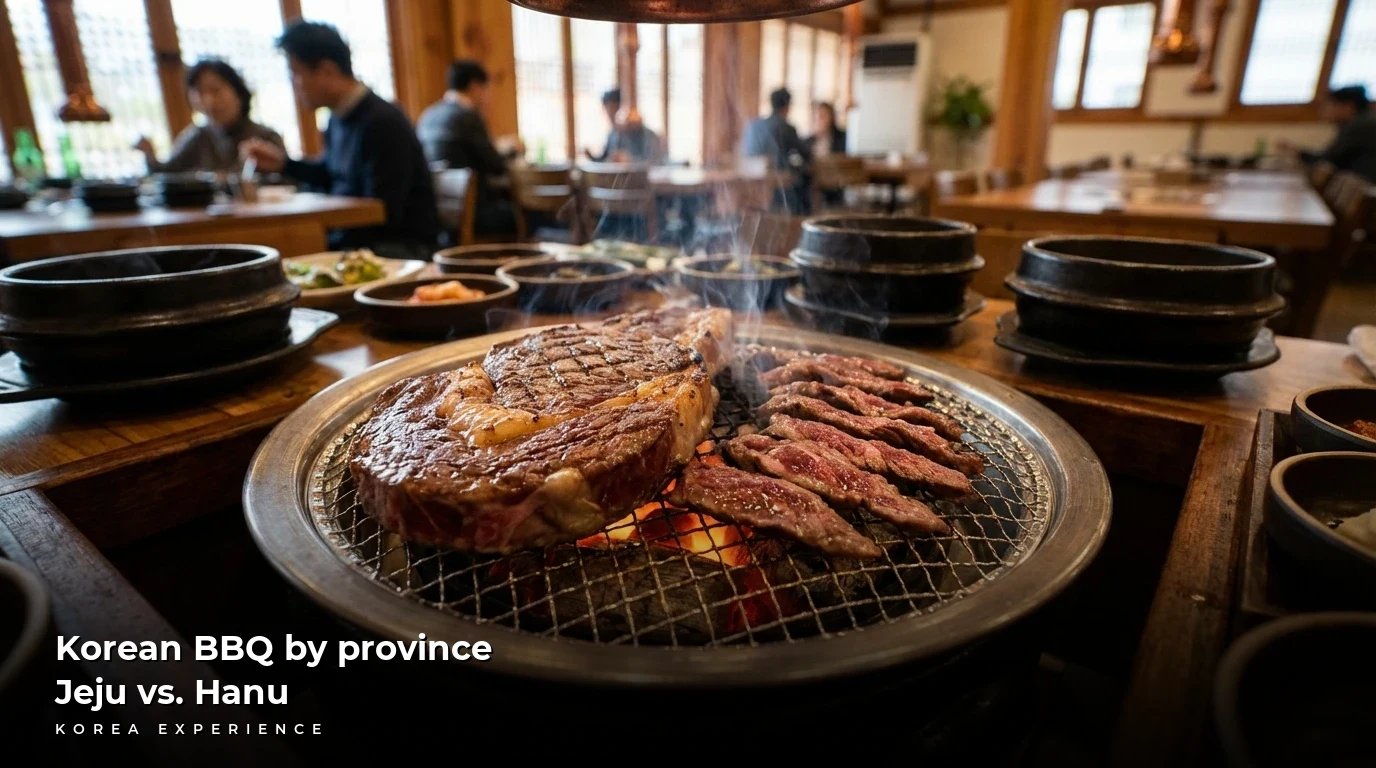
Discover whether to splurge on Jeju black pork or Hanwoo beef in 2026. With wholesale prices up 18.4 percent learn how to book top spots without a local ID.

Discover the best Kakao T alternatives for tourists. Learn how to use Uber, TADA, and street hailing hacks without a Korean SIM card.
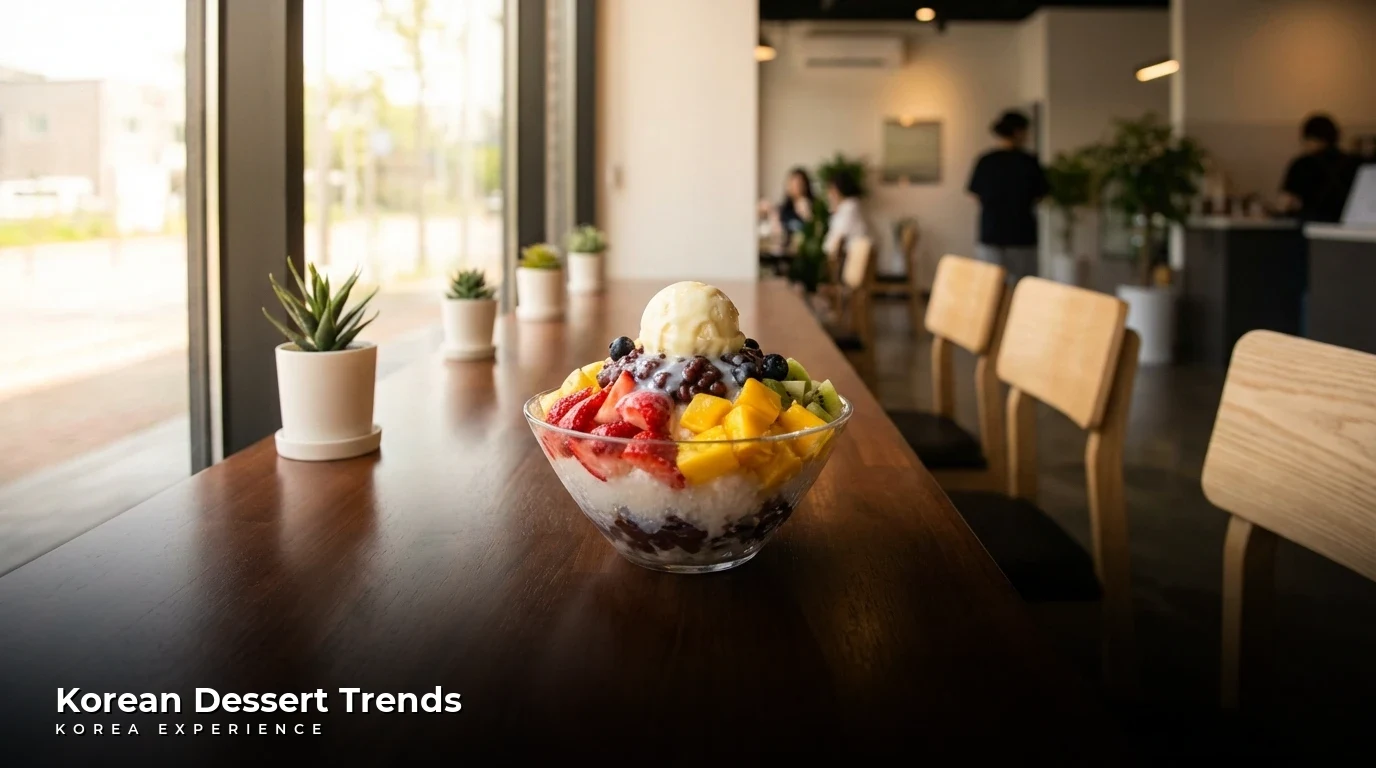
Discover 2026's top Korean dessert trends like the ₩12,000 Dubai Chewy Cookie and Butter Tteok. Learn how to skip 3-hour cafe lines and book without an ARC.
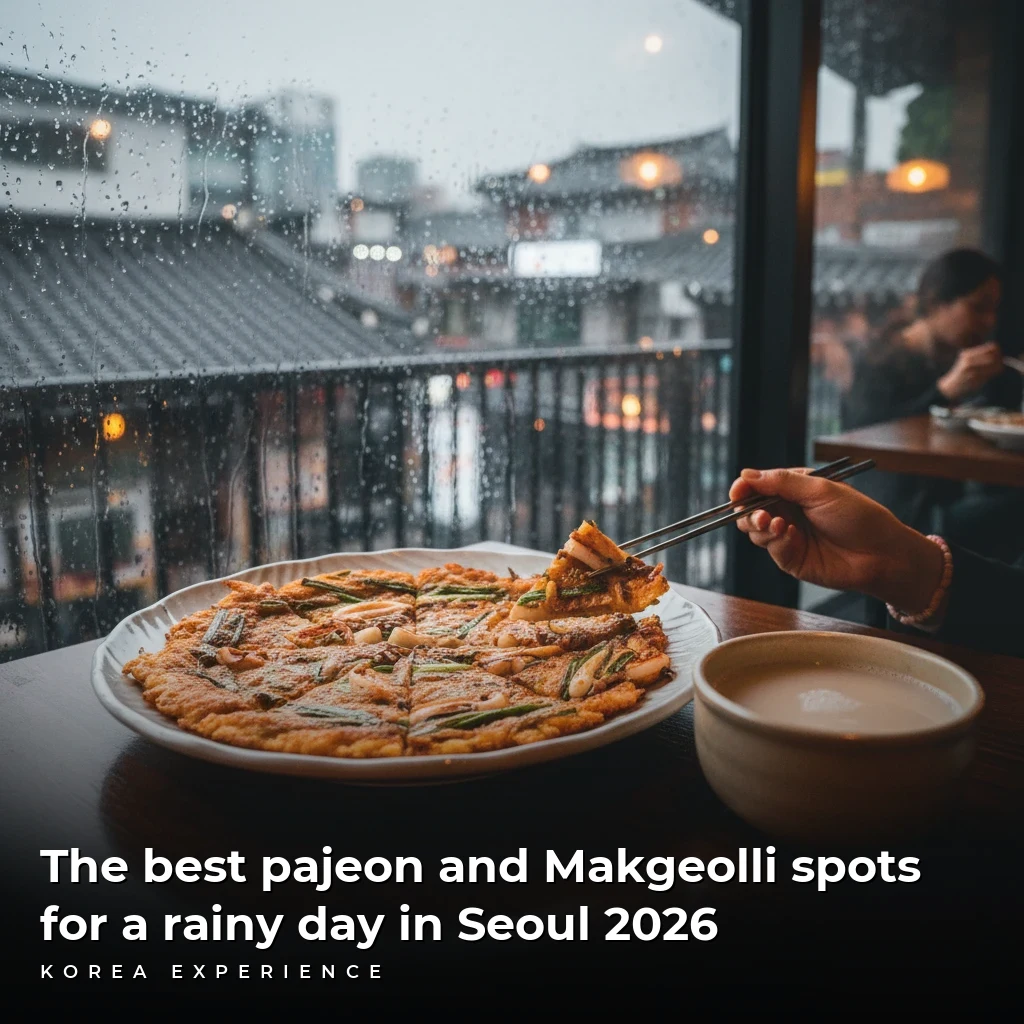
Discover the ultimate guide to savory pancakes and rice wine in Seoul. Top spots, craft brews, and local tips for a perfect rainy day experience.
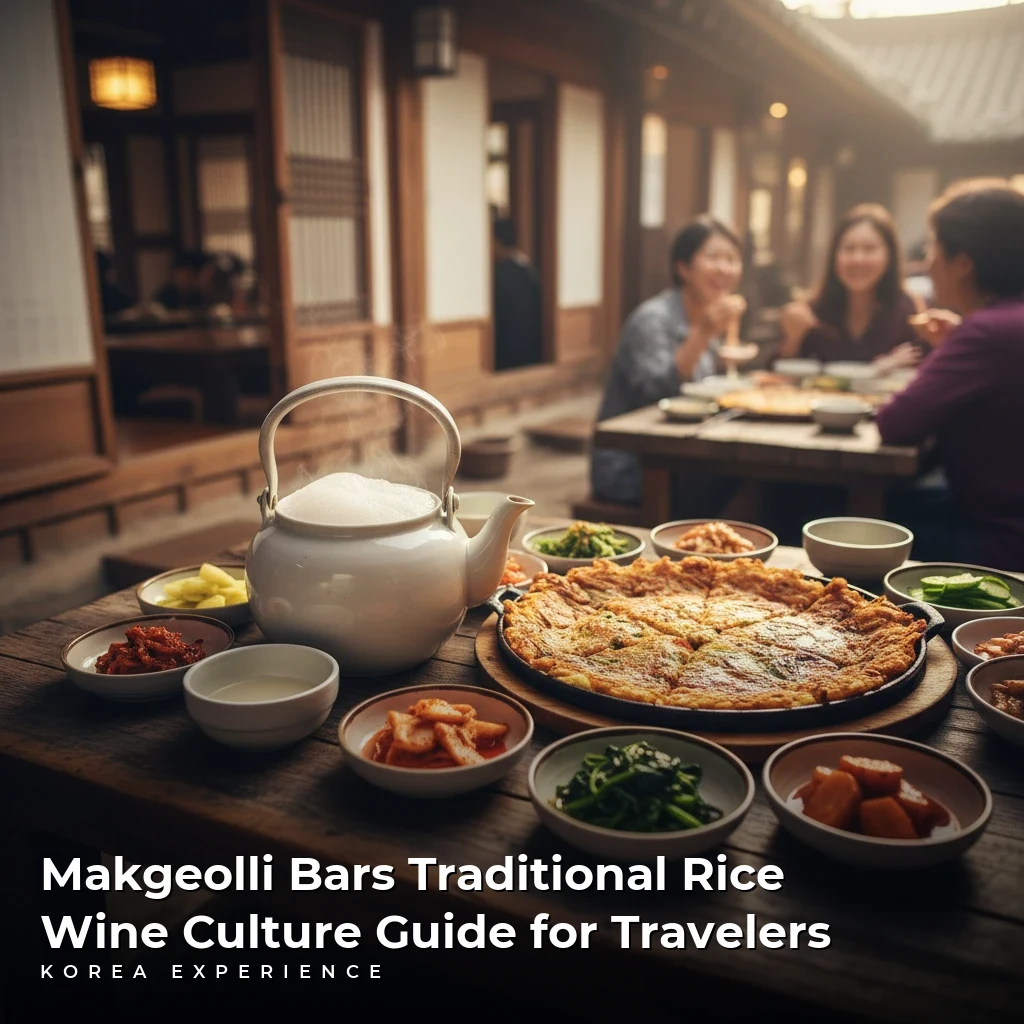
Discover the best Makgeolli bars in Seoul, understand traditional rice wine etiquette, and explore premium craft brews in this ultimate guide.
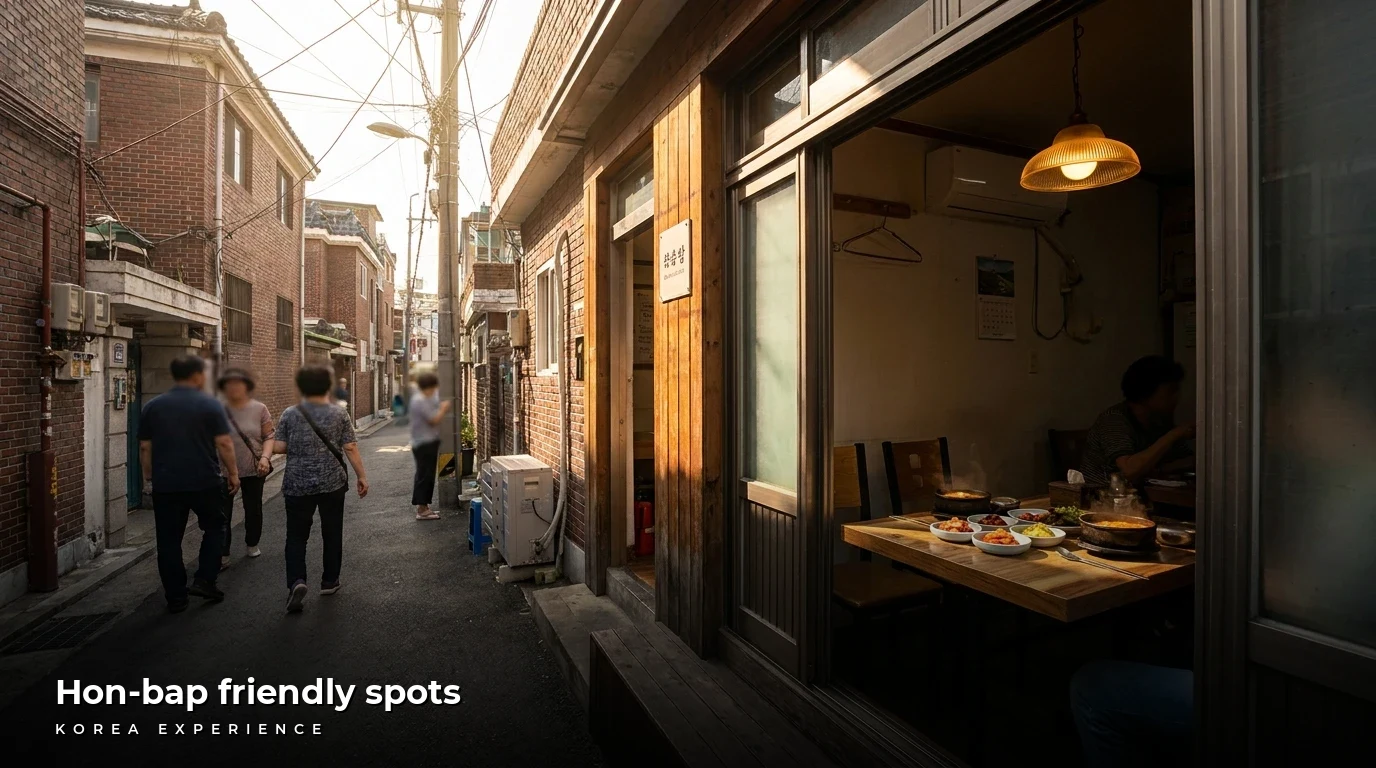
With 36.1 percent of households living alone in 2026 Seoul solo dining is booming. Discover the best spots and apps to enjoy Korean BBQ without a local ID.