Seoul International Schools Complete Guide for Expat Parents 2026
Navigating Seoul's international school landscape for your child's education can be complex. This 2026 guide simplifies choices for expat families.
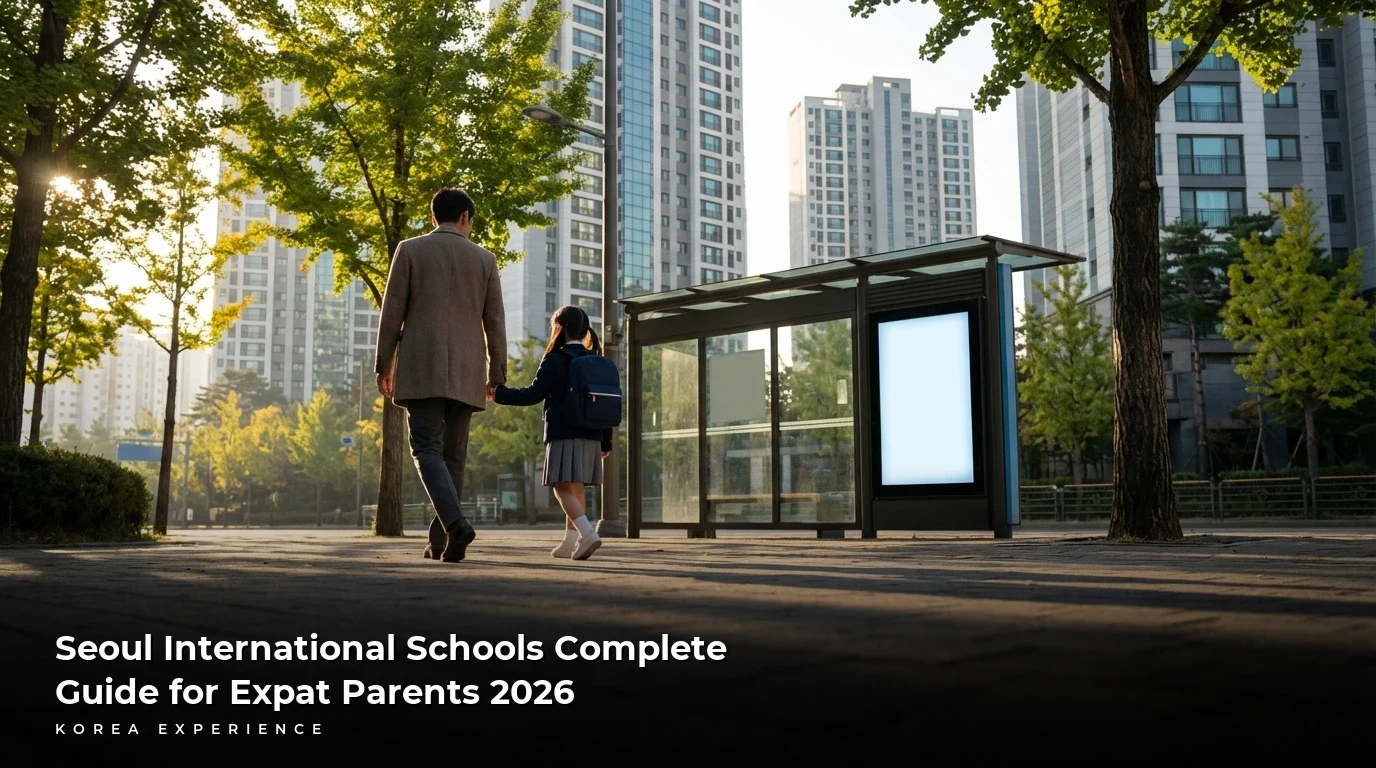
Seoul International Schools Complete Guide for Expat Parents 2026
Seoul, a vibrant metropolis pulsating with innovation, culture, and opportunity, consistently attracts expatriates from across the globe. For expat parents moving to or already residing in this dynamic city, one of the most significant decisions is securing a high-quality education for their children. The landscape of Seoul International Schools is diverse, offering world-class curricula and facilities designed to cater to a global student body. However, navigating the myriad options, understanding admission processes, and budgeting for tuition can be a daunting task.
This comprehensive guide for 2026 aims to demystify the process, providing expat parents with all the essential information needed to make an informed decision about their child's education in Seoul. From eligibility requirements and application timelines to detailed cost breakdowns and insider tips, we will equip you with the knowledge to choose the best international school for your family. By the end of this post, you will have a clear understanding of the top schools, their unique offerings, and practical steps to ensure a smooth transition for your child into Seoul's esteemed international education system.
Understanding Seoul's International School Landscape
Seoul's commitment to global education is evident in its robust selection of international schools. These institutions are not merely private schools; they are specially designed to serve the expatriate community, providing an education that aligns with global standards and often prepares students for universities worldwide.
Types of International Schools in Seoul
International schools in Seoul generally fall into a few categories based on their primary establishment and operational model:
- Foreign Schools (Established by Foreign Foundations): These schools are typically founded and operated by foreign entities or communities and primarily serve non-Korean passport holders. They often follow the curriculum of their home country (e.g., American, British) or an international curriculum. Examples include Seoul Foreign School and Seoul International School.
- International Schools (Approved by the Korean Ministry of Education): These schools are approved by the Korean government to operate as international institutions. While they primarily cater to expatriates, they may have specific quotas allowing a limited number of Korean citizens who have resided abroad for a certain period to enroll. Examples include Yongsan International School of Seoul and Dwight School Seoul.
- International Baccalaureate (IB) World Schools: Many international schools in Seoul offer the International Baccalaureate program (Primary Years Program, Middle Years Program, Diploma Program), known for its rigorous, inquiry-based learning approach that fosters critical thinking and global citizenship.
Curriculum Options Available
The curriculum is a pivotal factor in selecting a school, as it shapes your child's learning journey and future academic path. Seoul's international schools offer a variety of internationally recognized curricula:
- American Curriculum: Emphasizes a broad education with Advanced Placement (AP) courses for college credit. Schools often follow American grade levels and teaching methodologies.
- British Curriculum: Based on the English National Curriculum, leading to International General Certificate of Secondary Education (IGCSE) and A-Levels. Focuses on in-depth study in specific subjects.
- International Baccalaureate (IB) Program: A globally recognized, challenging program offered at different levels (PYP, MYP, DP). It promotes critical thinking, interdisciplinary learning, and a global perspective.
- Other Curricula: Some schools may offer specific national curricula like the Canadian or French curriculum, or a blend of international approaches.
Key Districts for International Schools
International schools are strategically located across Seoul, often in areas popular with expatriates, offering convenience and access to international amenities.
- Yongsan District: Home to several prominent international schools, Yongsan is a central district with a significant expat population, historically linked to the US military base. It offers excellent access to public transportation and amenities.
- Gangnam District: Known for its upscale lifestyle and educational institutions, Gangnam and its surrounding areas host several highly sought-after international schools, appealing to families who prioritize proximity to business hubs and modern living.
- Jongno District: While not as dense with international schools as Yongsan or Gangnam, Jongno hosts some institutions, offering a more traditional and historical Seoul experience.
- Songdo International City (Incheon): Though not in Seoul, schools like Chadwick International are located in Songdo, a purpose-built smart city near Incheon International Airport. Many expat families choose to live in Songdo for the convenience of these schools, or commute from western Seoul.
Top International Schools in Seoul: A Closer Look
Here, we delve into some of the most prominent international schools in Seoul, highlighting their unique features, curriculum, and general fee structure for 2026. Please note that exact fees vary by grade level and specific programs and should always be confirmed directly with the school.
Seoul Foreign School (SFS)
- Location: Yeonhui-dong, Seodaemun District
- Curriculum: British (Key Stages 1-5, IGCSE, A-Levels) and American (AP, High School Diploma). IB Diploma Program (DP) in High School.
- Grades: Pre-Kindergarten to Grade 12
- Highlights: Established in 1912, SFS is the oldest international school in Korea. It boasts a beautiful, sprawling campus with excellent facilities, strong academic programs, and a diverse student body representing over 50 nationalities. Known for its comprehensive arts and athletics programs.
- Estimated Annual Tuition (2026): Range from approximately ₩25,000,000 to ₩39,000,000, depending on grade level, plus additional fees.
Seoul International School (SIS)
- Location: Bokjeong-dong, Sujeong District, Seongnam (just south of Seoul)
- Curriculum: American, with AP courses, leading to an American high school diploma.
- Grades: Pre-Kindergarten to Grade 12
- Highlights: Founded in 1973, SIS is known for its strong college preparatory program, with a high percentage of graduates matriculating to top universities worldwide. It has a modern campus and a strong emphasis on academic achievement and extracurricular involvement.
- Estimated Annual Tuition (2026): Range from approximately ₩23,000,000 to ₩36,000,000, plus additional fees.
Yongsan International School of Seoul (YISS)
- Location: Hannam-dong, Yongsan District
- Curriculum: American, offering AP courses.
- Grades: Kindergarten to Grade 12
- Highlights: YISS is a Christian-based school with a strong community feel. It emphasizes academic excellence, spiritual development, and service learning. The campus is well-equipped with modern facilities, and its central location in Yongsan is highly convenient for many expat families.
- Estimated Annual Tuition (2026): Range from approximately ₩21,000,000 to ₩35,000,000, plus additional fees.
Dwight School Seoul
- Location: Sangam-dong, Mapo District
- Curriculum: Full International Baccalaureate (IB) continuum (PYP, MYP, DP).
- Grades: Nursery to Grade 12
- Highlights: Part of the global Dwight Schools network, Dwight School Seoul offers a personalized learning approach and a commitment to nurturing each student's "spark of genius." It features state-of-the-art facilities and a strong focus on innovation and global citizenship.
- Estimated Annual Tuition (2026): Range from approximately ₩28,000,000 to ₩39,000,000, plus additional fees.
Dulwich College Seoul (DCSL)
- Location: Banpo-dong, Seocho District
- Curriculum: British, following the English National Curriculum, leading to IGCSE and A-Levels.
- Grades: Nursery to Year 13 (equivalent to Grade 12)
- Highlights: Part of the Dulwich College International family, DCSL offers a rigorous British independent school education with a focus on academic achievement, sports, and performing arts. Its modern, purpose-built campus is located in a prime expat residential area.
- Estimated Annual Tuition (2026): Range from approximately ₩29,000,000 to ₩41,000,000, plus additional fees.
Chadwick International School
- Location: Songdo International City, Incheon
- Curriculum: Full International Baccalaureate (IB) continuum (PYP, MYP, DP).
- Grades: Pre-Kindergarten to Grade 12
- Highlights: While not in Seoul, Chadwick International is a popular choice for expat families due to its world-class facilities and strong IB program. It offers a unique village school concept within Songdo, emphasizing experiential learning and outdoor education. Many families live in Songdo or commute from western Seoul.
- Estimated Annual Tuition (2026): Range from approximately ₩27,000,000 to ₩39,000,000, plus additional fees.
image: "/images/seoul-international-schools-complete-guide-for-expat-parents-2026.webp"
Comparison Table 1: Key Features of Top Seoul International Schools (Estimated 2026)
| School Name | Primary Curriculum | Grades Offered | General Location | Est. Annual Tuition Range (₩) | Notes |
|---|---|---|---|---|---|
| Seoul Foreign School (SFS) | British, American, IB DP | PK-G12 | Seodaemun District | 25M - 39M | Oldest, diverse programs, large campus |
| Seoul International School (SIS) | American (AP) | PK-G12 | Seongnam (South of Seoul) | 23M - 36M | Strong college prep, modern facilities |
| Yongsan Intl. School of Seoul (YISS) | American (AP) | K-G12 | Yongsan District | 21M - 35M | Christian-based, strong community |
| Dwight School Seoul | IB (PYP, MYP, DP) | Nursery-G12 | Mapo District | 28M - 39M | Personalized learning, innovation focus |
| Dulwich College Seoul (DCSL) | British (IGCSE, A-Levels) | Nursery-Year 13 (G12) | Seocho District | 29M - 41M | British independent school ethos |
| Chadwick International School | IB (PYP, MYP, DP) | PK-G12 | Songdo, Incheon | 27M - 39M | Experiential learning, not in Seoul |
Note: All tuition figures are estimates for 2026 and do not include application fees, enrollment fees, capital levies, bus fees, uniforms, or other miscellaneous costs. Always confirm directly with the school.
The Application and Admissions Process for 2026
The admissions process for international schools in Seoul is competitive and requires meticulous planning. Understanding the eligibility criteria, timelines, and required documentation is crucial for a successful application.
Eligibility Requirements
Most international schools in Seoul primarily cater to expatriate children. The general eligibility requirements are:
- Foreign Passport Holders: The student and often at least one parent must hold a foreign passport.
- Visa Status: Valid long-term visa (e.g., D-4, D-7, D-8, E-2, F-4, F-5, F-6) for both the child and parents.
- Prior Education Outside Korea (for Korean passport holders): Some schools have strict rules. Korean citizens may only be eligible if they have resided and been educated abroad for a minimum period (often 3 years or more) and can provide proof of foreign residency and transcripts. Check each school's specific policy carefully.
Application Timeline
- Early Research: Begin your research 12-18 months before your desired enrollment date.
- Application Window: Most schools open their applications in the fall (September-November) for enrollment the following academic year (starting August).
- Deadlines: While some schools have rolling admissions, popular grades can fill up quickly. Aim to submit applications well before the suggested deadlines, often by January or February for August intake.
- Waitlists: Be prepared for the possibility of being placed on a waitlist, especially for highly sought-after grades.
Required Documents
Typical documents required for application include:
- Completed application form
- Application fee (non-refundable)
- Copies of student's and parents' passports
- Copies of student's and parents' alien registration cards (or visa pages)
- Official academic transcripts/report cards from previous schools (typically for the last 2-3 years), translated into English if necessary.
- Teacher recommendation letters (often provided directly by the teacher to the school)
- Standardized test scores (e.g., MAP, SSAT, ERB, if available)
- Immunization records
- Photos of the student
Entrance Exams and Interviews
Most international schools require prospective students to undergo an admissions assessment, which may include:
- English Language Proficiency Test: To ensure the student can thrive in an English-speaking environment.
- Mathematics Assessment: To gauge numerical reasoning and problem-solving skills.
- General Aptitude Test: Sometimes administered to assess critical thinking and learning potential.
- Interview: An interview with a member of the admissions team or school leadership, often for both the student and parents, to assess fit and answer questions.
Insider Tip: Early application is crucial due to high demand.
Competition for spots at top international schools in Seoul is intense. Applying early not only increases your chances of securing a place but also gives you more time to complete all necessary paperwork and prepare your child for any assessments. Don't wait until the last minute, especially for kindergarten and middle school grades, which often have the longest waitlists.
Navigating Tuition Fees and Other Costs
Education at Seoul International Schools represents a significant financial investment. Beyond the annual tuition, expat parents must budget for a range of additional fees and potential hidden costs.
Breakdown of Fees
A typical breakdown of costs associated with international schools includes:
- Application Fee: A non-refundable fee paid when submitting the application (e.g., ₩200,000 - ₩500,000).
- Enrollment/Registration Fee: A one-time, non-refundable fee paid upon acceptance to secure the student's place (e.g., ₩1,000,000 - ₩5,000,000).
- Capital Levy/Development Fee: An annual or one-time fee to contribute to the school's facilities and infrastructure. This can be substantial (e.g., ₩5,000,000 - ₩15,000,000 annually, or a one-time fee of 20,000,000+ ₩). Some schools offer a refundable debenture option.
- Tuition Fee: The main annual cost covering academic instruction. This varies significantly by grade level.
- Bus Fee: If using school transport, this is an additional annual cost (e.g., ₩2,000,000 - ₩4,000,000).
- Parents' Association Fee (PTA/PTO): A small annual fee supporting parent-teacher initiatives.
- Technology Fee: For access to school technology, software, and sometimes devices.
- Lunch Program: Optional, but often convenient (e.g., ₩1,000,000 - ₩2,000,000 annually).
Average Annual Tuition Ranges (2026 Estimates)
As indicated in the school-specific sections, annual tuition fees for international schools in Seoul typically range:
- Early Years (Pre-K/Kindergarten): ₩20,000,000 - ₩30,000,000
- Elementary School (Grade 1-5): ₩25,000,000 - ₩35,000,000
- Middle School (Grade 6-8): ₩30,000,000 - ₩38,000,000
- High School (Grade 9-12): ₩35,000,000 - ₩42,000,000
These figures are for tuition only and do not include the other mandatory or optional fees mentioned above.
Hidden Costs to Consider
- Uniforms: Most schools require uniforms, which can be a significant initial outlay.
- School Trips/Field Studies: Domestic and international trips are common and incur additional costs.
- Extracurricular Activities: While many are included, some specialized activities, private lessons, or competitive sports teams may have extra fees.
- Learning Support/Special Education Needs: If your child requires additional academic or learning support, there might be extra charges.
- Technology: Some schools require students to purchase specific devices (e.g., iPad, MacBook).
- Visa and Immigration: Costs associated with maintaining appropriate visa status for your family.
- Relocation Costs: The initial move to Seoul, including housing setup.
Comparison Table 2: Estimated Cost Breakdown for Sample International Schools (2026)
| Fee Type | SFS (High School) | SIS (High School) | YISS (High School) | DCSL (Year 13) |
|---|---|---|---|---|
| Application Fee | ₩400,000 | ₩400,000 | ₩400,000 | ₩400,000 |
| Enrollment Fee | ₩4,000,000 | ₩4,000,000 | ₩4,000,000 | ₩4,000,000 |
| Capital Levy (Annual) | ₩12,000,000 | ₩10,000,000 | ₩8,000,000 | ₩15,000,000 |
| Annual Tuition | ₩39,000,000 | ₩36,000,000 | ₩35,000,000 | ₩41,000,000 |
| Est. Bus Fee | ₩3,500,000 | ₩3,000,000 | ₩3,000,000 | ₩3,500,000 |
| Total Est. First Year | ₩58,900,000 | ₩53,400,000 | ₩50,400,000 | ₩63,900,000 |
Note: These are illustrative estimates for a high school student and do not include all possible fees or variations based on grade level or specific programs. Capital levies can sometimes be a one-time fee or a refundable debenture instead of an annual payment. Always refer to the school's official fee schedule for the most accurate and up-to-date information.
Curriculum, Extracurriculars, and Student Life
Beyond academics, the holistic development of a child is a priority for many expat parents. Seoul's international schools excel in providing diverse opportunities for students to grow intellectually, physically, and socially.
Academic Excellence and Global Preparedness
International schools in Seoul are designed to prepare students for success in a globalized world.
- Rigorous Curricula: Whether it's the IB Diploma, AP courses, or A-Levels, the academic programs are challenging and benchmarked against international standards.
- University Admissions: Graduates consistently gain admission to prestigious universities in North America, Europe, Asia, and beyond. Schools often have dedicated university counseling departments to guide students through the application process.
- Language Learning: While English is the primary language of instruction, many schools offer Korean language classes for various proficiency levels, along with other world languages.
Diverse Extracurricular Activities
A rich tapestry of extracurricular activities complements the academic program, fostering talent, teamwork, and leadership skills.
- Sports: A wide range of competitive and recreational sports, including soccer, basketball, swimming, volleyball, track and field, tennis, and more. Schools often participate in international school leagues (e.g., KAIAC, ACSC).
- Arts: Comprehensive programs in visual arts, drama, music (choir, band, orchestra), offering opportunities for performances, exhibitions, and creative expression.
- Clubs and Societies: From robotics and debate to Model United Nations, environmental clubs, and community service groups, there are countless opportunities for students to pursue their interests and develop new skills.
- Community Service: A strong emphasis on giving back to the community, often integrated into the curriculum or as mandatory service hours for graduation.
Cultural Integration and Language Learning
Living in Korea offers a unique opportunity for cultural immersion. International schools often facilitate this:
- Korean Language: Most schools offer Korean language instruction, from beginner to advanced levels, allowing students to connect with the local culture.
- Cultural Activities: Special events, field trips to historical sites, and cultural workshops expose students to Korean traditions, history, and modern society.
- Diversity: The student bodies themselves are incredibly diverse, fostering cross-cultural understanding and global perspectives.
Parental Involvement and Community
Expat communities often thrive around international schools.
- Parent-Teacher Associations (PTA/PTO): Active parent associations organize events, support school initiatives, and provide a network for expat families.
- School Events: Sporting events, concerts, plays, and cultural festivals provide opportunities for parents to engage with the school community and support their children.
- New Parent Support: Many schools have programs or networks to help new expat families settle in Seoul and integrate into the school community.
Choosing the Right Fit for Your Family
Selecting an international school is a highly personal decision. It’s not just about academic rigor but finding an environment where your child will thrive and your family feels supported.
Location and Commute Considerations
Seoul traffic can be notoriously heavy. The location of the school relative to your home and workplace is a critical factor.
- Proximity to Home: Living close to the school can significantly reduce commute times for children and parents, allowing more time for extracurriculars and family life.
- School Bus Routes: Most international schools offer extensive bus services covering major expat residential areas. Verify if your preferred school's bus route covers your potential neighborhood.
- Public Transportation: Consider schools accessible by subway or bus if you prefer not to rely solely on school buses or private transport.
School Culture and Philosophy
Each school has a distinct culture and philosophy. Consider what aligns best with your family's values:
- Academic Focus: Is the school highly competitive and focused on university placements, or does it prioritize a more balanced, holistic approach?
- Pastoral Care: What support systems are in place for student well-being, counseling, and social-emotional development?
- Religious Affiliation: Some schools, like YISS, have a Christian foundation, which might be a factor for some families.
- Inclusivity: How does the school support students with diverse learning needs or cultural backgrounds?
Student-Teacher Ratio and Class Size
Smaller class sizes often allow for more individualized attention, which can be beneficial, especially during a transition period for expat children. Inquire about the average class size and student-teacher ratio for the relevant grade levels.
Facilities and Resources
While all top international schools in Seoul offer excellent facilities, there can be differences:
- Sports Facilities: Gymnasiums, swimming pools, athletic fields, tennis courts.
- Arts Facilities: Theaters, music rooms, art studios, practice rooms.
- Academic Resources: Libraries, science labs, technology centers, maker spaces.
- Outdoor Spaces: Playgrounds, green areas, and opportunities for outdoor learning.
Future Planning (University Preparation and Global Mobility)
Consider how the school prepares students for their next steps, whether it's university or transitioning to another international school abroad.
- University Counseling: A strong counseling department is invaluable for navigating global university applications.
- Curriculum Recognition: Ensure the curriculum (IB, AP, A-Levels) is widely recognized by universities in your target countries.
- Transferability: If you anticipate further international moves, consider the ease of transferring credits or educational pathways to other international school systems.
Comparison Table 3: Factors for Choosing a Seoul International School
| Factor | Description | Questions to Ask |
|---|---|---|
| Academic Focus | Rigor, university prep, specific curricula (IB, AP, British) | What is the school's university acceptance rate? Is it a good fit for my child's learning style? |
| School Culture | Values, community, pastoral care, student well-being | How does the school support new students? What opportunities are there for parent involvement? |
| Location & Commute | Proximity to home/work, bus service, traffic | Do the school bus routes cover my preferred neighborhood? What is the average commute time? |
| Class Size | Student-teacher ratio, individualized attention | What is the average class size in my child's grade level? How does the school cater to individual learning needs? |
| Extracurriculars | Variety of sports, arts, clubs, community service | What specific activities are available? Are there opportunities for leadership development? |
| Facilities | Modernity, size, specific amenities (pool, theater, labs) | What facilities are most important for my child's interests? Are there any upcoming facility developments? |
| Cost | Tuition, enrollment, capital levy, additional fees | What is the total estimated annual cost, including all mandatory fees? Are there any payment plans? |
Practical Tips for Expat Parents in Seoul
Navigating life in a new country, especially with children, can be challenging. Here are some practical tips to make the international school search and transition smoother.
1. Start Your Research Early
As highlighted throughout this guide, the earlier you begin, the better. This allows ample time for comparing schools, gathering documents, meeting deadlines, and preparing your child for the move and a new academic environment.
2. Visit Schools If Possible (or Take Virtual Tours)
If you are already in Seoul or can make a reconnaissance trip, visiting schools in person provides invaluable insight into the campus atmosphere, facilities, and staff. If an in-person visit isn't feasible, almost all schools offer comprehensive virtual tours, online information sessions, and opportunities for video calls with admissions officers.
3. Network with Other Expat Parents
Leverage online expat forums, social media groups (e.g., Facebook groups for "Expats in Seoul"), and local expat community organizations. Other parents who have gone through the process can offer firsthand advice, share experiences, and provide insights you won't find on school websites.
4. Understand the Visa Implications
Ensure your family's visa status in Korea allows your child to attend an international school. Foreign-registered international schools generally require both parents and children to hold foreign passports and specific visa types. Confirm this with the school's admissions office and Korean immigration authorities.
5. Consider Housing Near Your Chosen School
Once you have a shortlist or a preferred school, consider focusing your housing search in nearby districts or areas well-served by the school's bus routes. This can significantly improve quality of life by reducing commute times. For detailed guidance on finding a home, you might want to check out our comprehensive guide on Finding an Apartment in Korea: Complete Guide for Foreigners.
6. Prepare Your Child for the Transition
Moving to a new country and starting a new school can be overwhelming for children. Talk openly about the move, show them pictures of the new school and city, and involve them in the decision-making process where appropriate. Many schools have transition programs or buddies to help new students settle in.
Frequently Asked Questions (FAQ)
Here are answers to some common questions expat parents have about Seoul International Schools:
Q1: Can Korean nationals attend international schools in Seoul? A1: Generally, Korean passport holders are eligible to attend international schools only if they have resided and been educated abroad for a minimum period (e.g., 3 years or more) and can provide documented proof of foreign residency and transcripts. Strict quotas often apply. It is crucial to check the specific eligibility criteria of each school, as policies can vary.
Q2: Are there scholarships available for international schools in Seoul? A2: Scholarships are extremely rare for international schools in Seoul and are typically not offered to new applicants. Some schools may have very limited financial aid programs for current students experiencing unforeseen circumstances, but this is not a common pathway for initial enrollment. Tuition is almost always paid in full by the parents.
Q3: What's the average class size in Seoul International Schools? A3: Class sizes vary by school and grade level. Generally, early years and elementary classes might range from 15-20 students, while middle and high school classes could be 18-24 students. Some specialized courses or elective classes might have smaller numbers. It's best to inquire about specific class sizes during the admissions process.
Q4: How important is Korean language proficiency for students? A4: English is the language of instruction in all international schools, so Korean proficiency is not required for admission. However, most schools offer Korean language classes as part of their curriculum, from beginner to advanced levels. Learning some Korean is highly recommended for cultural integration and for students to make the most of their experience living in Korea.
Q5: What support is available for students with special educational needs (SEN)? A5: The level of SEN support varies significantly among schools. Some international schools have dedicated learning support departments and resources for students with mild to moderate learning differences, while others may have limited capacity or specific entrance criteria that cannot accommodate certain needs. It is essential to disclose any special educational needs during the application process to ensure the school can adequately support your child.
Conclusion
Choosing the right international school in Seoul for your child is one of the most significant decisions you will make as an expat parent. With a wealth of world-class institutions offering diverse curricula and enriching experiences, Seoul provides an exceptional educational environment. However, the process demands thorough research, meticulous planning, and a clear understanding of the financial commitments involved.
By leveraging this complete guide, you are now better equipped to navigate the options, understand the admissions process, and consider all the critical factors—from curriculum and campus culture to location and costs. Remember to start early, engage with the expat community, and prioritize finding a school that aligns with your family's values and your child's unique needs.
We hope this comprehensive overview of Seoul International Schools for 2026 empowers you to make an informed decision, ensuring a smooth and successful educational journey for your child in the vibrant heart of South Korea. Your family's exciting chapter in Seoul awaits, filled with unparalleled learning and growth opportunities.
About the Author
Korea Experience Team
Written by the Korea Experience editorial team - experts in Korean medical tourism, travel, and culture with years of research and firsthand experience.
Explore more in Living in Korea
Everything expats and long-term visitors need to know — from visa requirements and housing to banking, healthcare, and daily life tips.
Browse All Living in Korea ArticlesContinue Reading
Explore more articles you might find interesting
Compare Goshiwons and Officetels for short-term stays in Korea. We analyze costs, comfort, and contracts to help you choose the best housing option.
Discover the cheapest and fastest ways to transfer money from South Korea to your home country in 2026. Compare Sentbe, WireBarley, and banks.

The ultimate guide to building a social circle in Korea. Discover where to meet locals, cultural etiquette, and the best apps for making Korean friends.
A detailed comparison of sending money from Korea via traditional banks versus Wise. We analyze fees, exchange rates, and speed to save you money.
Maximize your 13th month salary with our comprehensive guide to tax returns for foreigners in Korea including the 19 percent flat rate and deductions.
A comprehensive guide to pensions, visas, healthcare, and housing for expats planning to retire in South Korea. Secure your future in the Land of Morning Calm.