Social life making Korean friends as an expat guide
The ultimate guide to building a social circle in Korea. Discover where to meet locals, cultural etiquette, and the best apps for making Korean friends.
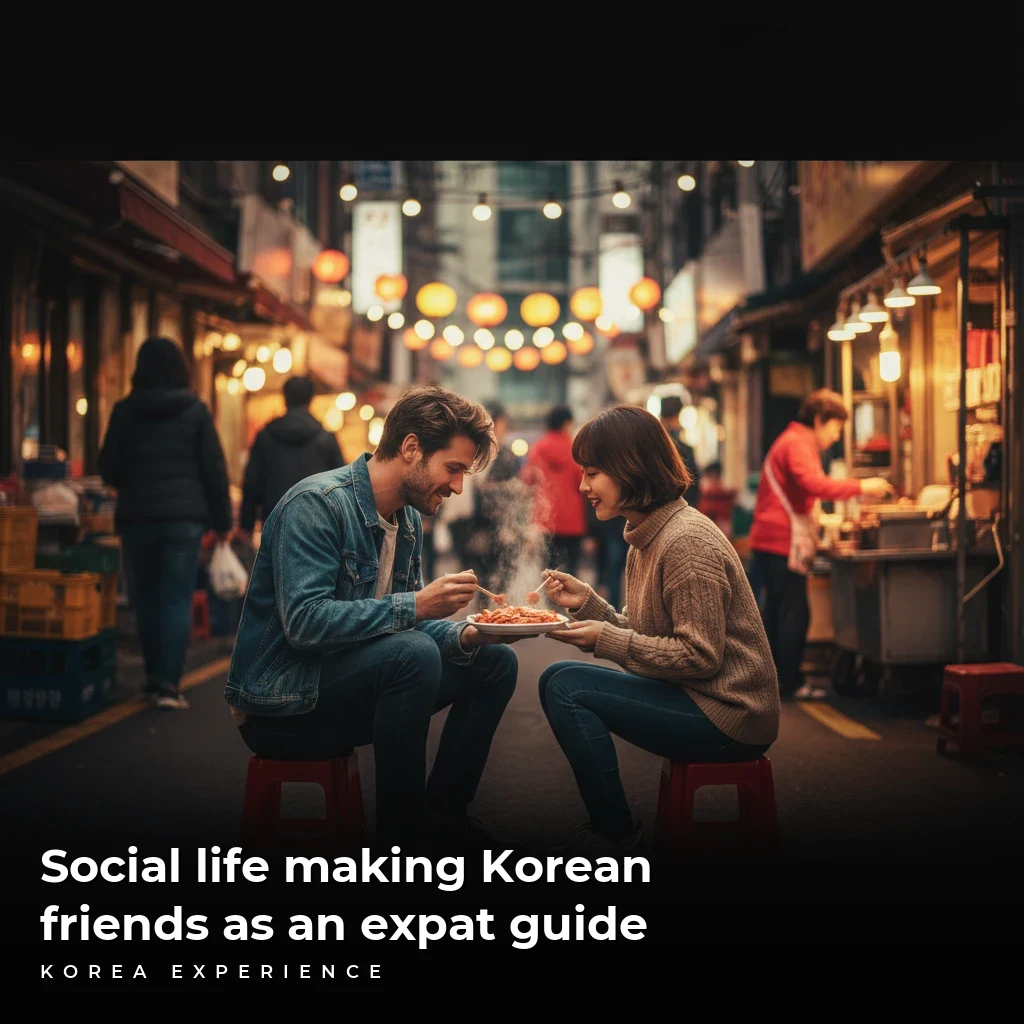
Moving to South Korea offers a vibrant mix of neon-lit nightlife, serene mountain escapes, and a culinary scene that rivals any in the world. However, for many international residents, the true challenge lies not in navigating the subway system, but in navigating the social landscape. Building a genuine social circle and making Korean friends as an expat requires understanding specific cultural nuances, utilizing the right digital tools, and knowing exactly where to look.
Related reading: Best Expat Communities Facebook Groups and Forums in Korea.
Related reading: Finding community top expat clubs and networking events i....
You might also enjoy our article about How to get a credit card in Korea as an expat.
Related reading: Expat Health Insurance vs National Health in Korea.
Contrary to the "lonely expat" myth, Korea is an incredibly social society. The concept of Jeong—a deep feeling of attachment and bond—is central to Korean relationships. While breaking the ice can take effort, the resulting friendships are often fiercely loyal and deeply rewarding. Whether you are a student, an English teacher, or a corporate professional, this guide will walk you through the practical steps of building a thriving social life in the Land of the Morning Calm.
Key Takeaways
- 1Language exchanges are the #1 entry point for 70% of expats seeking local friends.
- 2Budget roughly ₩50,000 ($38) per outing for social dinners and rounds of drinks.
- 3KakaoTalk is non-negotiable; you cannot maintain a social life in Korea without it.
Understanding the Korean Social Dynamic
Before downloading apps or heading to a bar, it is crucial to understand the invisible rules that govern Korean social interactions. Korean society is high-context and hierarchical. Age and social status determine how people speak to one another, which can create an initial barrier for casual friendship.
The Importance of "Nunchi"
Nunchi is arguably the most important word in your social vocabulary. Roughly translated as "eye-measure," it is the ability to gauge the mood of a room or a person's feelings without them explicitly stating them. Having quick Nunchi will help you understand when a potential friend is being polite versus genuinely interested.
Research into cross-cultural communication in 2025 indicates that it takes approximately 50 to 90 hours of interaction to transition from an acquaintance to a "casual friend" in Western cultures. In Korea, due to the need to establish trust and shared background, this timeline can extend to 100+ hours unless accelerated by shared activities like drinking or intensive hobbies.
Pro Tip
When meeting someone new, don't be offended if they ask your age immediately. They aren't being rude; they are trying to establish the correct honorifics to use, which is essential for them to feel comfortable speaking with you.
Language Exchanges: The Best Starting Point
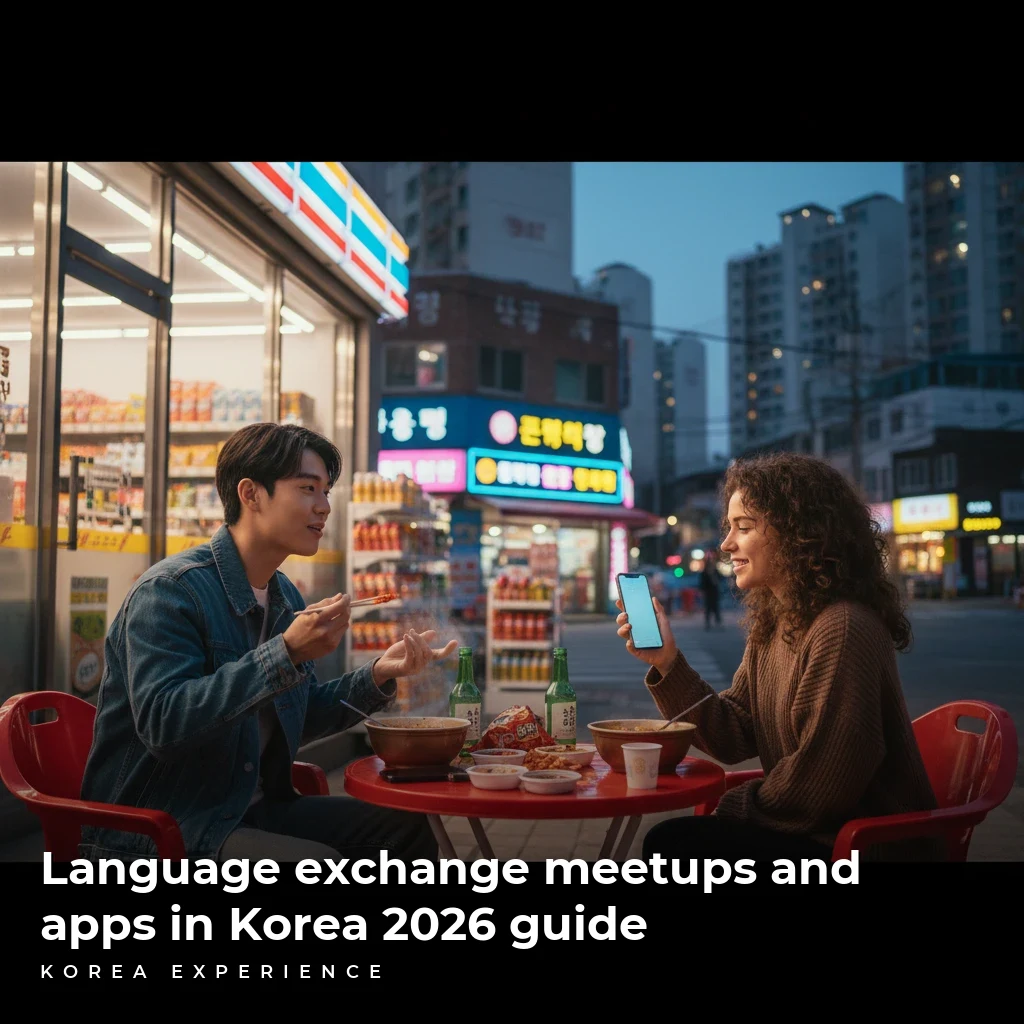
For most expats, language exchanges (often called "Meetups") are the most accessible gateway to making Korean friends. These events are designed for Koreans who want to practice English and foreigners who want to practice Korean (or just make friends).
Organized Meetup Groups
In major hubs like Seoul (Hongdae, Gangnam, Itaewon) and Busan (Seomyeon), commercial language exchanges operate daily. These are structured environments where you switch languages every 30 minutes.
- Cost: Usually 10,000 to ₩15,000 (approx. $7.50–$11.50 USD), which typically includes one or two drinks.
- Duration: Events usually run for 3 to 4 hours, often followed by an optional "second round" (dinner or drinking) which costs extra.
- Demographics: mostly university students and young professionals aged 20 to 35.
Meeting Methods Comparison
| Feature | Language Exchange | Hobby Clubs | Nightlife |
|---|---|---|---|
| English Level | High | Low/Mixed | Variable |
| Cost per Event | ₩10k-15k | ₩30k-50k | ₩50k+ |
| Friendship Depth | Casual | Deep | Hit or Miss |
Digital Language Exchange
If you prefer 1-on-1 interaction before meeting, apps are the way to go. However, be aware that the line between "language exchange" and "dating" is often blurred on these platforms.
- HelloTalk: The safest bet for genuine learning. Strict moderation makes it harder for people to use it solely for dating.
- Meeff: Highly popular in Korea, claiming over 4 million users. It functions almost exactly like a dating app (swiping mechanism), though many use it for friends.
- Tandem: More academic focus.
📊 App Usage Statistics
Joining "Donghohoe" (Hobby Clubs)
To move past the "foreigner bubble," you should join a Donghohoe (hobby club). This is where you meet Koreans based on shared interests rather than just your identity as a foreigner. The bonds formed here are typically stronger because you are working toward a common goal, whether it's hiking a mountain or learning pottery.
popular Club Activities
- Hiking: Korea has a massive hiking culture. On weekends, trails near Seoul like Bukhansan are packed. Joining a hiking club usually involves a membership fee of roughly ₩30,000 per month, plus shared costs for chartered buses if traveling out of the city.
- Running Crews: The Han River parks are filled with running crews. Most meet weekly at 7:00 PM or 8:00 PM. Many are free to join, while premium crews charge around ₩50,000 per quarter for branded merchandise and snacks.
- One-Day Classes: Baking, perfume making, and leatherworking are huge trends. A single session typically costs between 50,000 and ₩80,000 ($38–$60 USD).
📖 How to Join a Korean Hobby Club
Step 1: Download Naver Band or KakaoTalk
These are the two primary platforms for group management in Korea.
Step 2: Search in Korean
You must search using Korean keywords (e.g., 'Deung-san' for hiking).
Step 3: Check the Rules
Look for age restrictions (e.g., '8090' means born in the 80s or 90s) and activity frequency.
Step 4: Introduce Yourself
Post a polite self-introduction in the group chat immediately after joining.
Nightlife and Social Hotspots
For the extrovert, the nightlife scene in Seoul and Busan offers immediate social opportunities. The culture of Hunting (approaching strangers to drink together) is normalized in specific districts.
Key Districts in Seoul
- Hongdae: Youthful, energetic, and cheaper. frequented by students from Hongik, Yonsei, and Ewha universities. Drinks are affordable, averaging ₩5,000 for a beer.
- Itaewon: The international district. While historically the expat hub, it is now very popular with Koreans who want an international vibe.
- Gangnam: Upscale and expensive. Cover charges for clubs can reach 30,000 to ₩50,000.
Thursday Party(썰스데이 파티)
The Cost of a Night Out
It is vital to budget accordingly. A typical social night involving dinner (1st round), a pub (2nd round), and Karaoke (3rd round) can add up quickly.
💵 Night Out Price Comparison
Premium BBQ, Cocktail Bar, Club Entry
BBQ, Soju, Coin Karaoke
Professional Networking
For those working in Korea, professional networking is a sophisticated way to make friends who are in a similar life stage. This is particularly effective for expats in their 30s and 40s who may feel out of place in the high-energy university districts.
Chambers of Commerce
Organizations like the American Chamber of Commerce (AMCHAM) or the British Chamber of Commerce in Korea (BCCK) host regular networking nights.
- Ticket Prices: usually 80,000 to ₩120,000 for non-members.
- Format: usually includes a buffet dinner and free-flow wine/beer for 2 to 3 hours.
Co-working Spaces
Shared offices like WeWork or FastFive are abundant in Seoul. They often host community events. FastFive, a local competitor to WeWork, has over 40 locations across Seoul. A hot-desk membership typically starts around ₩350,000 per month, granting you access to a community of freelancers and startups who are generally open to international connections.
"Don't just stick to the foreigner-focused events. Many Koreans in co-working spaces are shy about their English but are desperate for global connections. If you bring a small snack to share in the communal kitchen, you will make friends instantly. Food is the ultimate icebreaker in Korea."
The Art of "Hoesik" and Drinking Etiquette
You cannot discuss social life in Korea without mentioning alcohol. It is the social lubricant that dissolves the strict hierarchy. If you are invited to a Hoesik (company dinner) or a casual drink, saying yes is crucial for bonding.
Essential Drinking Rules
- Never pour your own drink: It is considered bad luck (or just lonely). Wait for someone to pour for you, and return the favor.
- Two hands: When pouring or receiving a drink from someone older or of higher status, always use two hands.
- Turn away: When drinking a shot of Soju with an elder, turn your head away from them as a sign of respect.
The cost of Soju in a restaurant has risen to about 5,000 to ₩6,000 per bottle in 2026, compared to ₩1,800 in convenience stores. Despite the price hike, the culture of sharing rounds remains strong.
The 'Empty Glass' Danger
In Korea, an empty glass is an invitation to be refilled immediately. If you want to stop drinking, leave your glass about half-full. If you drain it, your friend will instinctively pour you another.
Overcoming the "Foreigner Experience" Bubble
One of the biggest complaints among long-term expats is that they are treated as "guests" or "English tutors" rather than genuine friends. This is often referred to as being a "pet foreigner."
Moving from Novelty to Friend
To deepen a friendship, you must reciprocate in Korean ways.
- Gift Giving: Small gifts (coffee coupons sent via KakaoTalk) are huge. A Starbucks coupon costs about ₩5,000 and is a standard way to say "thank you" or "thinking of you."
- Be Vulnerable: Sharing a personal struggle helps break down the "perfect foreigner" image and invites Jeong.
The Friendship Timeline
Polite Distance
High usage of honorifics, questions about your country.
Breaking Bread
Sharing a meal or getting drunk together. Age is established.
Dropping Formalities
Agreeing to speak 'Banmal' (casual language). This is the turning point.
Real Connection
Mutual reliance and emotional support.
University Areas: The Golden Zones
If you are a student or in your 20s, living near a university is a cheat code for social life. The radius of 500 meters around any major university is packed with cafes, coin karaoke (Coin Noraebang), and PC bangs.
- Sinchon/Edae: Sandwiched between Yonsei, Sogang, and Ewha Womans University. Extremely walkable.
- Anam: Home to Korea University. More local feel, fewer tourists.
- Konkuk University Area: Famous for its "Container Shopping Mall" (Common Ground) and endless rows of restaurants.
Quick Cost Data:
- Coin Karaoke: ₩1,000 for 2-4 songs.
- PC Bang: 1,500 to ₩2,000 per hour.
- Street Food: 3,000 to ₩5,000 for staples like Tteokbokki.
Making Friends in University Zones
- ✓High English proficiency among students
- ✓Very affordable social activities
- ✓Energetic atmosphere every night
- ✗Transient population (students graduate/move)
- ✗Can feel too young for expats over 30
- ✗Crowded housing and noise
The Role of KakaoTalk
You simply cannot make or keep friends in Korea without KakaoTalk. It is used by 99% of the population. Asking for someone's WhatsApp is often met with confusion or reluctance.
Kakao Etiquette
- Response Time: Koreans are known for "Pali-Pali" (hurry-hurry) culture. Replying quickly to messages is a sign of interest.
- Emoticons: Kakao Friends emoticons are a language of their own. Buying a cute emoticon pack (approx. ₩2,500) is a great investment in your digital social skills.
- Group Chats: If you join a club, be prepared for the group chat to be active 24/7. Muting notifications is standard practice.
📋 Digital Essentials
Dating as a Path to Social Circles?
While many expats find partners in Korea, relying on dating to build a social circle can be isolating if the relationship ends. However, meeting a partner often opens the door to meeting their friends, which is one of the fastest ways to integrate into a pure Korean social group.
Be aware of the "CC" (Campus Couple) culture if you are a student. If you date someone in your friend group and break up, the group dynamic often forces one person to leave.
Conclusion: Patience is Key
Making Korean friends as an expat is a marathon, not a sprint. The initial barriers of language and culture are high, but the payoff is a level of loyalty and communal care (Jeong) that is rare in many other parts of the world. Start with language exchanges to build confidence, move into hobby clubs to find genuine connection, and always, always keep your glass half full.
Whether you are navigating the neon streets of Gangnam or hiking the peaks of Seoraksan, your openness to the culture is your greatest asset.
❓ Frequently Asked Questions
Have more questions?Contact us →
About the Author
Korea Experience Team
Written by the Korea Experience editorial team - experts in Korean medical tourism, travel, and culture with years of research and firsthand experience.
Explore more in Living in Korea
Everything expats and long-term visitors need to know — from visa requirements and housing to banking, healthcare, and daily life tips.
Browse All Living in Korea ArticlesContinue Reading
Explore more articles you might find interesting
Discover the essential guide to dating and marriage in Korea as a foreigner in 2026. Learn about apps, cultural etiquette, F6 visas, and wedding costs.
Discover the deep meaning of Uri or We in Korean collectivism. Learn how this cultural concept shapes dining, social life, and travel in Korea for 2026.
With 36.1 percent of households living alone in 2026 Seoul solo dining is booming. Discover the best spots and apps to enjoy Korean BBQ without a local ID.
Hana Bank beats NH for nomads in 2026 with English apps and a $100,000 remittance limit. Discover why 16 Sunday branches make it the top choice.
Discover the best apps and offline meetups for language exchange in Korea. Learn about costs, locations, safety tips, and how to make local friends.
Discover the top expat communities, Facebook groups, and forums in Korea to navigate life, housing, and jobs. Essential digital guides for 2026.