Seoul Indie Music Guide 2026: Hongdae, Mullae & Hidden Hubs
Explore Seoul's 2026 indie scene from Hongdae to Mullae where entry costs just 20,000 KRW and global apps unlock tickets.
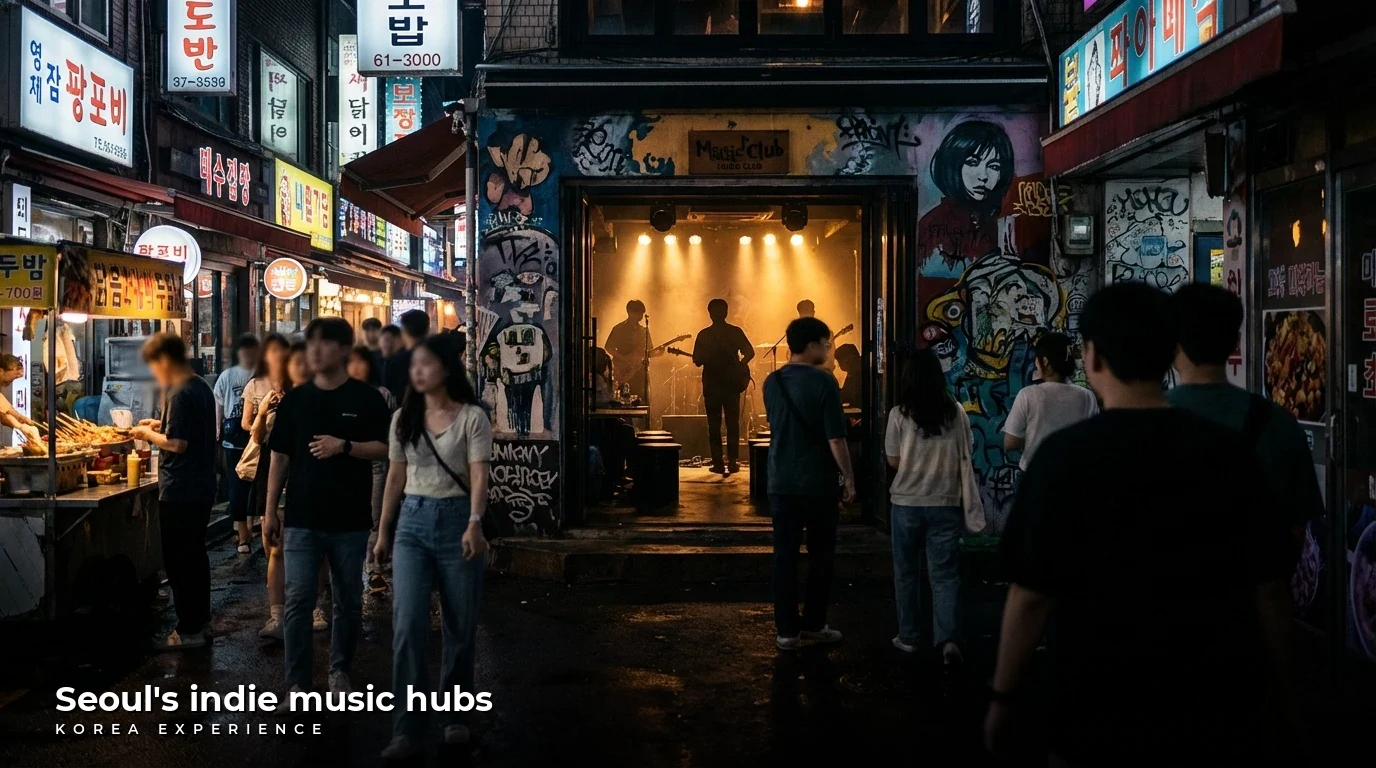
Forget the polished choreography of K-Pop for a second—Seoul’s beating heart is actually found in graffiti-covered basements and converted steel factories where the amplifiers are turned up to eleven. While the K-pop fandom economy dominates the headlines, a raw, energetic subculture thrives underground.
Here is exactly how to navigate the city's shifting indie landscape, from buying tickets without a Korean ID to finding the coolest speakeasies in 2026. Whether you are looking for the historic punk roots of Hongdae or the industrial grit of Mullae-dong, this guide covers the venues nobody knows about yet.
Key Takeaways
- 1Hongdae remains the historic motherland, but the coolest underground vibes have migrated to industrial Mullae-dong and Euljiro to escape gentrification.
- 2Entry typically costs 20,000 KRW ($15 USD), often including one free drink, making it significantly cheaper than nightlife in Gangnam or Western capitals.
- 3Foreigners must download 'NOL World' (formerly Global Interpark) or Melon Ticket Global, as domestic Korean apps require a local ID (ARC) for verification.
📋 Quick Facts
The Landscape: Hongdae vs. The New Wave
You want to know where to find the soul of Seoul's music scene in 2026? The short answer is: Hongdae is still the beating heart, but Mullae-dong is the cool, industrial artery you didn't know you needed.
If you just want to see some live bands and drink cheap beer, go to Club FF or Strange Fruit in the Hongdae/Sangsu area. You can't go wrong. It’ll cost you about 15,000 to 20,000 KRW ($11-$15 USD), and you’ll likely get a free drink ticket with that. For a deeper look at specific spots, check out our guide to Korean indie music scene live music venues.
But here’s the thing: Seoul’s indie scene isn't just one street anymore. It’s fragmented. The "cool kids" have migrated. While Hongdae (and its neighbor Sangsu) has the density—meaning you can club-hop between five venues in a night—neighborhoods like Mullae (an old steel-working district) and Haebangchon (HBC) are where the unique, gritty, and globally-minded communities are thriving.
If you're visiting in 2026, you are arriving at a fascinating time where the scene is recovering from the pandemic closures and fighting back against gentrification with new, exciting spaces like Subriot. So, grab your T-money card, because we're going underground.
A Brief History of Seoul's Underground
To understand why Seoul’s indie scene is the way it is, you have to rewind to the mid-90s. Before K-Pop took over the world, there was a tiny punk club in Hongdae called Drug. This place was ground zero. Bands like Crying Nut basically invented the Korean indie scene in that basement, tearing up stages and creating a counter-culture in a society that was very rigid.
Fast forward to the 2010s, and Hongdae became a victim of its own success. It got popular. Like, tour-bus popular. Rents skyrocketed. The weird, experimental artists couldn't afford the rent anymore, so they started pushing outward—first to Hapjeong and Sangsu (literally next door), and then further afield.
Then came 2020. The pandemic was brutal for live venues. Iconic spots like Club MWG and V-Hall closed their doors forever. It was a dark time. But, nature abhors a vacuum. By 2024 and 2025, a resurgence happened. New laws in 2026 are cracking down on ticket scalping, helping real fans get back into shows. We saw the rise of "Hipjiro" (Euljiro), where bars like Seendosi hid inside crumbling industrial buildings, offering a retro-dystopian vibe that feels straight out of a movie. Today, the scene is a mix of these stubborn survivors in Hongdae and the new, artsy outposts in the industrial districts.
Drug Club Opens
The legendary punk venue 'Drug' opens in Hongdae, effectively birthing the modern Korean indie scene with bands like Crying Nut.
Kyungrockjeol Begins
Started as a birthday party for Crying Nut's bassist, this becomes one of the biggest annual indie festivals still running in 2026.
Gentrification Peak
Rents in Hongdae skyrocket, forcing experimental venues to move to neighboring Hapjeong, Mangwon, or Mullae.
The COVID Crash
Iconic venues like Club MWG and V-Hall close; the scene shifts heavily to online streaming and survival mode.
Rise of Hipjiro
Euljiro solidifies its status as the new 'it' spot for retro-vibe music bars and alternative sounds.
Subriot Opens
Rising from the ashes of 'The Studio HBC,' this new venue revitalizes the foreigner-friendly indie scene in Haebangchon.
Scalping Laws Tighten
New legislation bans macro-scalping, making it slightly easier for real fans to grab tickets on global platforms.
Breaking Down Your Options: Where to Go
Let's get practical. You have limited time in Seoul—where should you go?
Option A: The Classic Hongdae Experience
If you're only in Seoul for a few days, stick to the Hongdae/Sangsu belt. It’s efficient. You can start at Cafe Unplugged for some chill acoustic vibes and play with their golden retriever (yes, really). Then, walk down to Club FF for high-energy rock and a sweaty dance floor. If you want something more polished, Rolling Hall hosts the bigger indie acts. This option is best for first-timers who want guaranteed action and easy English menus.
Option B: The Industrial Hipster Vibe (Mullae-dong)
This is for the photographers and the "I hate tourists" crowd. Mullae is fascinating—by day, it’s loud with the sound of steel workers cutting metal. By night, those steel shops shut down, and the artsy bars open up in the spaces between them. It’s raw. You won't find neon signs screaming at you here; you have to look for small doors and faint music. It’s perfect for a moody date night or a deep dive into experimental jazz and ambient sounds.
Option C: The Expat Mixer (Haebangchon/HBC)
If you're worried about the language barrier or just want to meet people from all over the world, head to HBC. Pet Sounds is a staple here—it feels like a British pub that crashed into a Korean basement. And the new kid on the block, Subriot (which took over the legendary The Studio HBC spot), is keeping the live music torch alive. This area is steep (lots of hills!), but the vibe is incredibly welcoming to foreigners.
| Feature | Hongdae (The OG) | Mullae-dong (Artsy) | HBC (Global) |
|---|---|---|---|
| Vibe | High energy, loud, crowded | Industrial, rusty, Brooklyn-esque | Cozy, international, hilltop views |
| Music Genre | Punk, Rock, Shoegaze | Jazz, Experimental, Metal | Indie Rock, Acoustic, Britpop |
| Crowd | University students (20s) | Hipsters, artists (20s-30s) | Expats, diverse locals |
| Entry Cost | ₩15,000 - ₩30,000 | ₩10,000 - ₩20,000 | ₩10,000 - ₩20,000 or Free |
| English Level | Moderate | Low to Moderate | High (Very friendly) |
Pros and Cons of the Seoul Indie Scene
Pros
- ✓Accessibility meets Authenticity: Hongdae is easy with clustered venues, while Mullae offers a gritty 'discovery' feeling.
- ✓The Price Point: World-class musicians for the price of a movie ticket (approx $15 USD), often including a drink.
- ✓Intimacy: Venues hold 200 people max. You aren't watching from the nosebleeds; you are sweating on the guitarist's shoes.
Cons
- ✗The Information Gap: Websites are dead. You must hunt for info on Instagram stories which disappear after 24 hours.
- ✗The 'Sold Out' Heartbreak: Famous indie acts sell out in seconds, and ID laws make buying resale tickets impossible for tourists.
- ✗Late Night Logistics: Subways close around midnight. Getting a taxi in Hongdae at 1:00 AM is a competitive sport you will likely lose.
Step-by-Step Guide: Surviving Your First Gig
📖 How to Survive Your First Seoul Indie Gig
Step 1: The Instagram Hunt
Forget Google. Follow @hongdaeff, @strangefruitseoul, and @club_sharp. Check their Stories for the 'Hyun-mae' (on-site ticket) announcements.
Step 2: The Cash Run
Go to an ATM and pull out ₩50,000. Entry fees are faster with cash, and lockers often require small bills or coins.
Step 3: Navigation & Timing
Use Naver Map or KakaoMap, NOT Google Maps. Arrive 30 minutes early. Shows start punctually at the listed time.
Step 4: The Post-Show Chimaek
Follow the crowd to a nearby 'Hof' (pub) for Chicken and Beer. This is where networking happens.
Insider Secrets: The Stuff Nobody Tells You
Here are the insider secrets to ensure your night goes smoothly. First, the "No-ARC" struggle is real. If you are a tourist, you are digitally handicapped in Korea. You cannot order food delivery easily, and you cannot verify your age on many websites. For concerts, always print your confirmation email from the Global booking site. Sometimes the wifi cuts out, and the staff will want to see the paper or a screenshot.
Pro Tip on Lockers: Most venues are tiny and hot. You do not want to be holding your winter coat. Check if the nearest subway station has lockers (they almost always do), and dump your stuff there before you head to the club. You'll thank me when you're jumping around in a crowded basement.
The "Standing Zone" Rule: Koreans are very orderly, even at rock shows. If you have a ticket number, that is your entry order. You line up by number. Do not try to skip the line; you will be shamed. Once inside, people generally stake out a spot and stay there. Moshing happens, but usually only at specific punk/hardcore shows (like at Club Sharp). Read the room before you start throwing elbows! For more on general behavior, read our guide to unwritten social rules in South Korea.
People always ask me where the 'scene' is, expecting a single street. But the scene is moving. Hongdae is the history, but places like Haebangchon and Mullae are the present. Don't be afraid to walk into a basement that looks sketchy from the outside—that's usually where the best music is hiding. And bring earplugs; our sound systems are bigger than our rooms.
The Free Drink Token
When you pay your cover charge, you'll usually get a plastic chip, a paper coupon, or a stamp. Do not lose this. This is your currency for your first beer or soda. The bartenders are busy; they won't remember you paid entry just because you have a nice face. Hand over the token immediately to get your drink.
Top Venues to Visit
Here is a curated list of locations you should bookmark on Naver Map.
Club FF (Hongdae)
- Type: Live Music Venue / Club
- Address: 12 Wausan-ro 17-gil, Mapo-gu, Seoul
- Vibe: Legendary rock venue with an "all you can drink" hour often included.
- Insider Tip: Go on a Friday for the best mix of live bands followed by a chaotic dance party.
Strange Fruit (Hongdae)
- Type: Live Music Bar
- Address: 64 Wausan-ro 29-gil, Mapo-gu, Seoul
- Vibe: Intimate, supportive community, eclectic genres from folk to noise rock.
- Insider Tip: The owner is super friendly; sit at the bar if you want to chat with musicians.
Seendosi (Euljiro)
- Type: Bar / Alternative Venue
- Address: 31 Eulji-ro 11-gil, Jung-gu, Seoul (5th Floor)
- Vibe: Retro/gritty aesthetic with a hidden entrance and rooftop access.
- Insider Tip: The entrance looks like a scary abandoned building; trust the process and climb the stairs to the 5th floor.
Subriot (HBC)
- Type: Live Venue (formerly The Studio HBC)
- Address: B1, 1 Sinheung-ro 7-gil, Yongsan-gu, Seoul
- Vibe: English-friendly, diverse acts (punk to jazz), decent sound system.
- Insider Tip: Grab a burger at a nearby HBC spot before heading down into the basement for the show.
Budgeting for Your Night Out
| Option | Price | Category | Description |
|---|---|---|---|
| Zandari Festa Pass | ₩80,000 ($60) | Mid | Weekend pass for Seoul's biggest showcase festival. |
| Club FF Entry | ₩15,000 ($11) | Budget | Standard weekend entry, usually includes one free drink. |
| Solo Concert | ₩110,000 ($82) | Luxury | Ticket for acts like Wave to Earth at a larger hall. |
| Mullae Jazz Bar | ₩20,000 ($15) | Mid | Usually a cover charge for the band + drink cost separately. |
| Busking | ₩0 ($0) | Budget | Free performances on Hongdae Walking Street. |
Recommended Route: The Indie All-Nighter
Route Title: "From Sunset to Sunrise" Total Time: 8 Hours Budget: $30 - $100
- Gyeongui Line Forest Park: Start with a "roadie" (convenience store beer) and walk the park to soak in the busking vibes. ($3)
- Strange Fruit: Catch an early acoustic or experimental set in this cozy basement. ($15 Entry + Drink)
- Club FF: Peak energy time. Rock bands followed by a DJ dance party. ($15 Entry + Drink)
- Gopchang Jeongol: A legendary LP bar for the after-party, listening to 70s/80s Korean rock. ($15 Cocktail/Snack)
Remember, drinking culture here is distinct. Brush up on your Korean drinking etiquette before you toast with the locals.
FAQ
❓ Frequently Asked Questions
Have more questions?Contact us →
Conclusion
Seoul's indie scene is one of the most rewarding experiences you can have in the city because it’s so accessible. You don't need VIP connections or hundreds of dollars. You just need a little bit of curiosity and the Naver Map app.
Here is your first 24-hour plan: Land in Seoul, drop your bags, and head straight to Hongdae. Grab a coffee at Cafe Unplugged in the afternoon to check the vibe. Then, walk to Strange Fruit around 8:00 PM. Pay the cover, get your free drink, and just listen to whatever is playing. It might be shoegaze, it might be folk, it might be noise rock. Whatever it is, it's the sound of the real Seoul. Go get it!
Sources
- Korea Times - Exploring Hongdae where Korea's indie music culture thrives
- Time Out - Mullae-dong ranking as a top cool neighborhood
- Korea JoongAng Daily - As K-pop dominates, Korea's indie musicians look abroad
- Visit Seoul - Pet Sounds Music Pub details
- Interpark Global / NOL World - Ticketing platform details for foreigners
About the Author
Korea Experience Team
Written by the Korea Experience editorial team - experts in Korean medical tourism, travel, and culture with years of research and firsthand experience.
Explore more in K-Culture
K-Pop, K-Drama, traditional arts, and modern culture — dive deep into the cultural phenomena that have captivated the world.
Browse All K-Culture ArticlesContinue Reading
Explore more articles you might find interesting
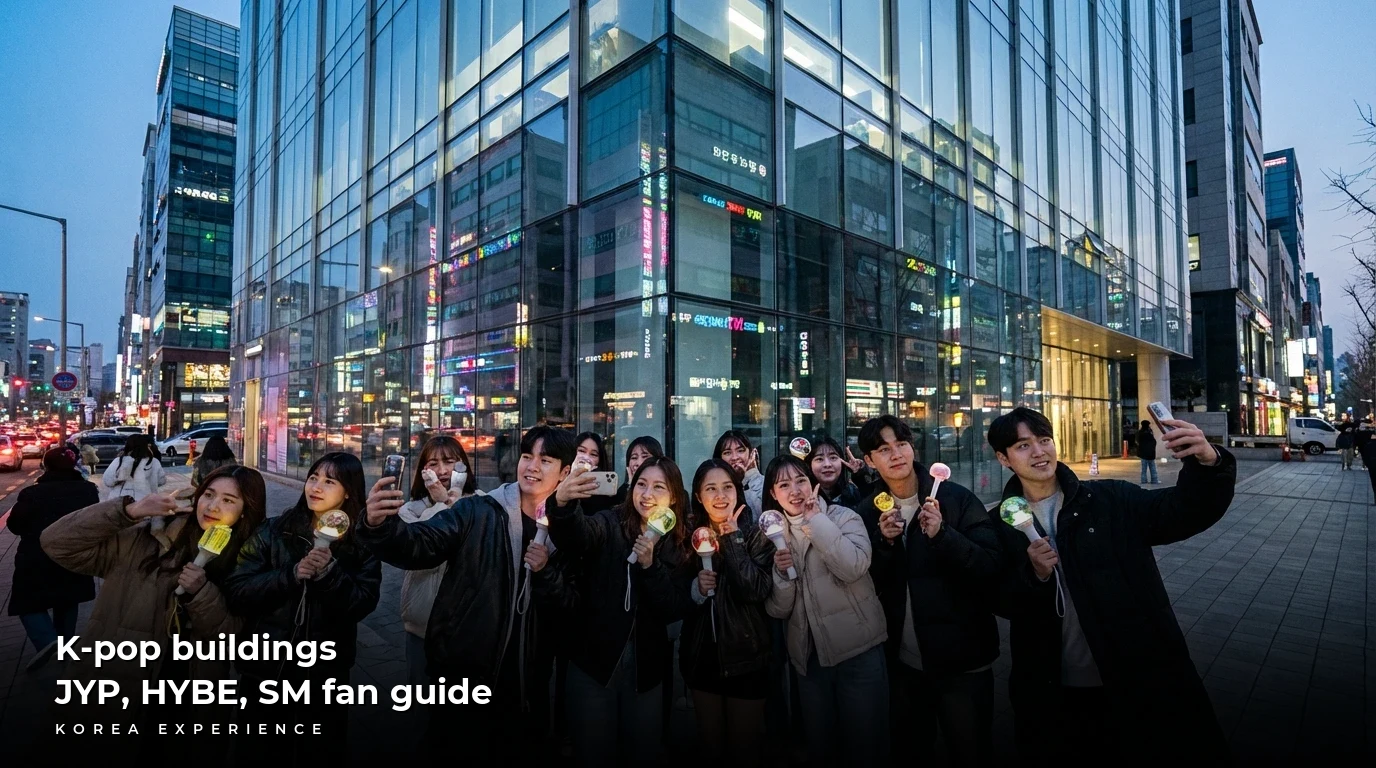
Explore Seoul's Big 3 K-pop HQs with subway fares at 1,550 KRW. Find the SM Kwangya store open daily and discover hidden fan cafes near HYBE.
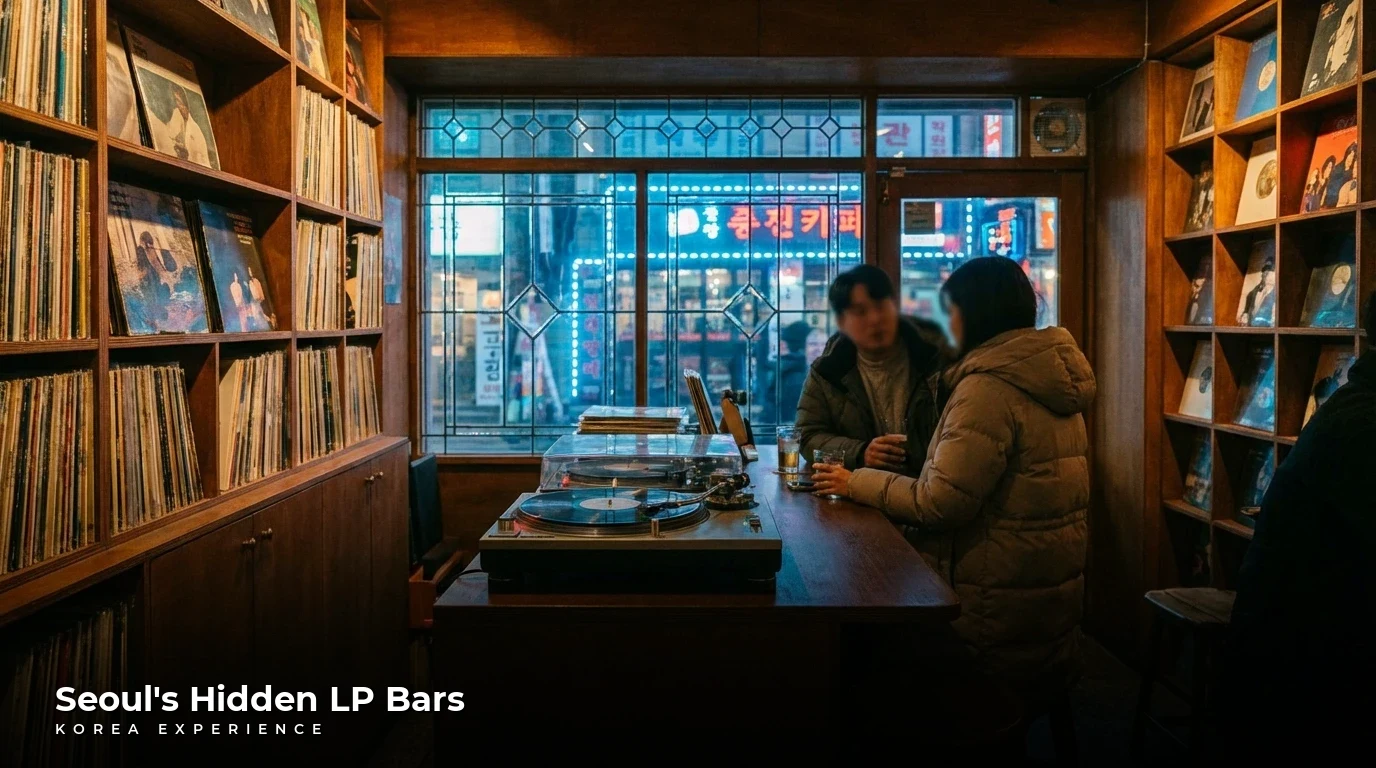
Discover Seoul's 2026 vinyl culture where 20,000 records meet premium highballs. Explore hidden listening bars with entry fees starting at 10,000 KRW.
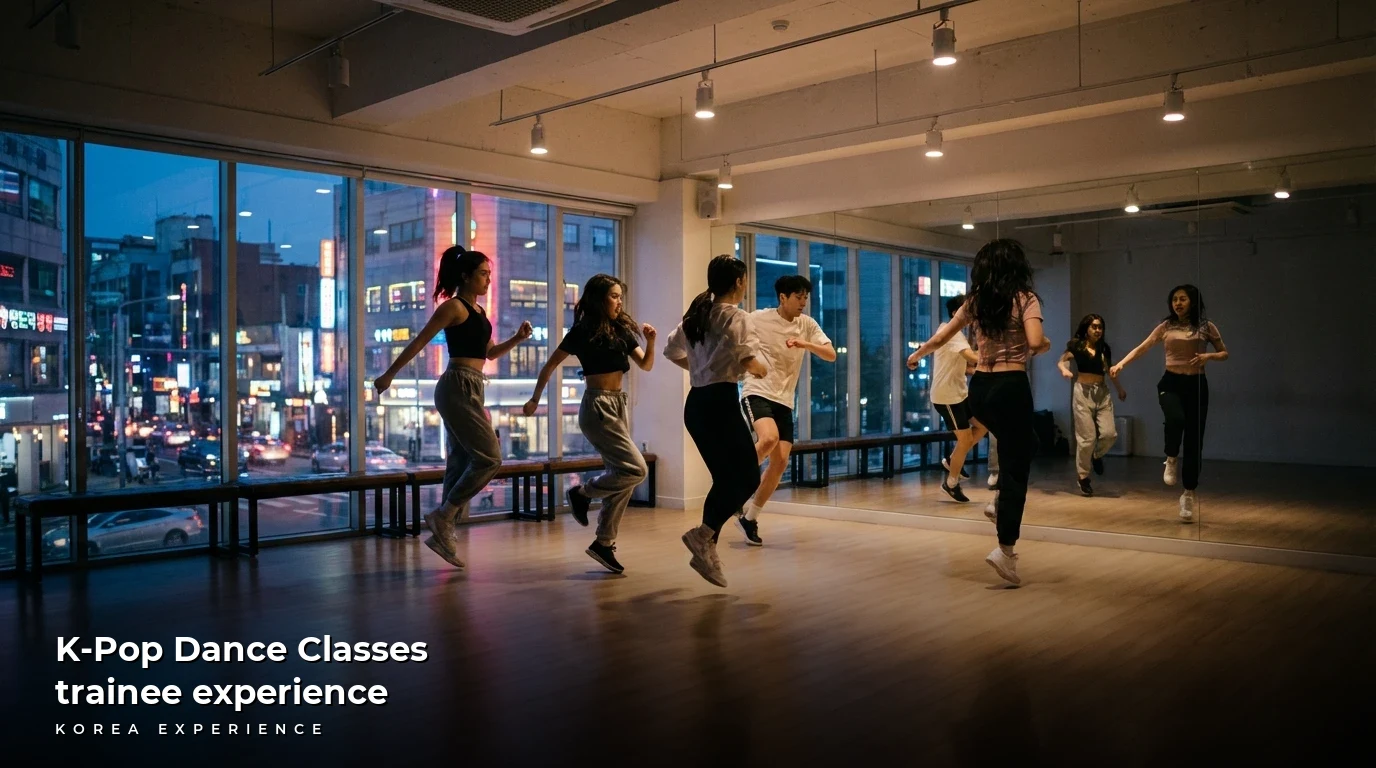
Train like an idol in Seoul for just 30,000 KRW. Discover top studios like 1Million and MuDoctor, visa rules, and the 2026 trainee reality.
Visit the ₩100 million wedding venue and The Hyundai Seoul. This 2026 guide covers 17+ locations from Seoul to Germany with travel tips and cost breakdowns.
Discover why Seoul delivers groceries in 15 minutes and internet speeds hit 10Gbps. A guide to the speed-obsessed culture defining modern Korea.
Visit real-life Lovely Runner spots in Suwon for under ₩3,000. Find Sol’s house at Mong Ted cafe and the confession bridge in this 2026 guide.