Unwritten Social Rules in South Korea: A 2026 Expat Guide
So, you want to stop standing out like a tourist and start navigating Seoul like you've lived here for a decade?
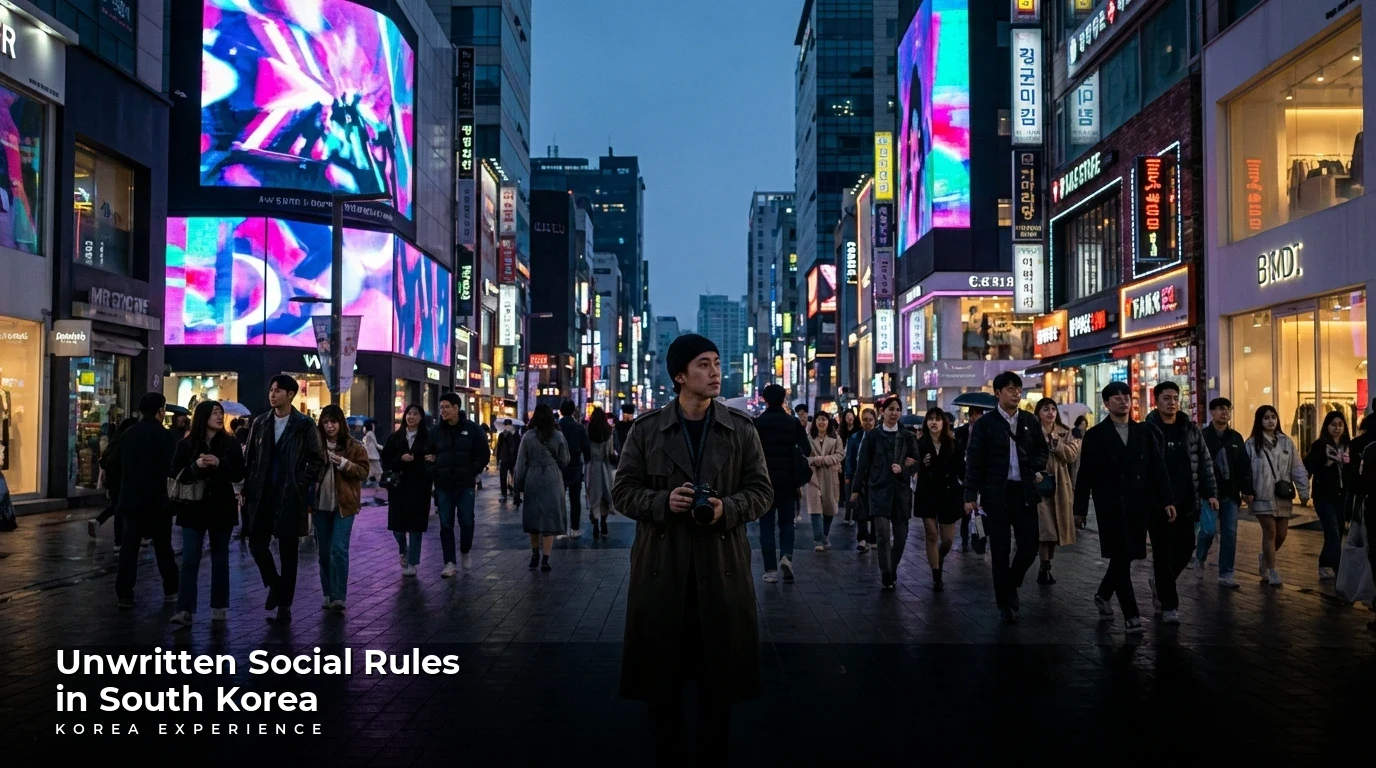
So, you've just landed at Incheon Airport, the smells of roasted seaweed and coffee are hitting you, and you're ready to dive into the neon-lit madness of Seoul. But here's the thing: Korea isn't just a place; it's a series of invisible social layers. If you want to look like a local in 2026, the short answer is that you need to master Nunchi—the art of "reading the room." Honestly, it's more important than knowing how to speak the language.
Key Takeaways
- 1Respect is the currency here, and it's almost always tied to age and hierarchy. Whether you're pouring a drink or handing over your credit card, always use two hands to show you understand the weight of 'kibun' (social harmony).
- 2In 2026, the legal minimum wage has officially crossed the ₩10,000 threshold (₩10,320 to be exact), which is why the anti-tipping sentiment is stronger than ever; locals see any attempt at 'creeping Americanization' of service as an insult to price transparency and worker dignity.
- 3If you want to move like a local, master the digital-physical hybrid life: download the right workarounds for the 'No-ARC' barrier (like Shuttle for food and K.Ride for taxis) and never, ever sit in the pink or purple priority seats on the subway, even if the car is empty.
The "Secret Code" to Looking Like a Local
Think of nunchi as a cultural sixth sense. It's about sensing the mood, the hierarchy, and the unspoken needs of those around you before anyone says a word. In a country where 42% of people live alone but still value the "collective" vibe, being aware of your surroundings is everything. For example, if you're on a crowded subway, a local doesn't just stand anywhere; they stand in a way that minimizes their "footprint," often taking off their backpack and holding it in front of them during rush hour.
And then there's the age thing. Even though Korea officially adopted the international age system in 2023, birth years still dictate every social interaction. If you're even one year younger than someone, you're the "junior" (hoobae), and you've got specific jobs to do, like pouring the water or refilling the side dishes. Trust me, I learned this the hard way when I tried to pour my own soju at a dinner party—my Korean friends looked at me like I'd just grown a second head.
📋 Korea Society at a Glance
How We Got Here—Confucianism Meets the Metaverse
Look, it might seem weird that a country with autonomous fire-fighting robots and 24/7 high-speed internet is still so obsessed with who sits where at a table. But to understand Korea in 2026, you have to understand the Joseon Dynasty. For centuries, Korea was governed by Neo-Confucianism, which is basically a giant manual for how to keep society stable through strict hierarchy: kids respect parents, juniors respect seniors, and everyone respects the "kibun" (the social atmosphere).
This historical DNA is why the "Two-Handed Rule" is still a thing. Whether you're a CEO or a college student, you use both hands to give and receive items because it shows you aren't rushing or being dismissive of the other person.
Korea's Social Evolution
Food Sanitation Act Revision
Mandated 'final price display,' effectively removing the legal basis for service charges and tips
International Age Standardization
South Korea officially shifted to the international age system, though birth years still dictate social standing
Martial Law Reset
A brief political crisis led to a massive surge in democratic participation and high institutional trust
The KakaoTalk 'Disaster'
A major redesign of the national messenger sparked national backlash over privacy and 'Instagram-style' feeds
K-Pass Expansion
The government launched a high-speed transit rebate system offering up to 53% cashback for residents
AI Disinformation Bill
New legislation took effect to curb fake news, sparking debates over free speech and digital safety
But here's the twist: the 2024 Martial Law crisis and the subsequent impeachment of President Yoon changed the vibe. It created a "Post-Martial Law Reset" where people became more vocal about their rights, leading to the rise of the "MZ Generation" who are pushing back against "Kkondae" (condescending elders).
So, in 2026, you have this fascinating friction. You have traditional values—like removing your shoes indoors to keep the "sacred" floor clean—clashing with a "Pixelated Life" where people divide their day into tiny units of digital experience. You'll see an office worker bowing deeply to their boss on a Zoom call, then immediately hopping onto a "Silent Exit" from a stressful KakaoTalk group chat.
For professional settings specifically, see our guide to Korean business meeting etiquette.
If you are working in Korea, also read our guide to Korean work culture and office etiquette.
Transit and Tech Options Compared
Here's the deal: navigating Korea as a tourist is basically a game of "App Management." If you try to use Google Maps, you're going to have a bad time—it doesn't work well here due to national security restrictions on map data. Instead, you need Naver Maps or Kakao Maps.
Transit Options for Visitors (2026)
| Feature | T-Money (Standard) | Seoul Climate Card | K-Pass (2026) |
|---|---|---|---|
| Cost | ₩3,000 + top-ups | ₩20,000 (7-day) | ₩62,000 (Flat monthly) |
| Best For | Short-term tourists | Intensive Seoul city travel | Long-term residents/Expats |
| Daily Savings | None (Pay per ride) | High (after 4+ rides/day) | Extreme (after 15 rides/month) |
| GTX Coverage | Yes (Pay per ride) | No (Seoul-only) | Yes (Premium version) |
| Requirements | None | None (Physical/Mobile) | Korean Bank Account/ARC |
| 2026 Changes | Open-loop study starts | Added Ttareungi (bikes) | ₩138,000 rebate potential |
| Ease of Use | Simple (Convenience stores) | Medium (Charging kiosks) | Complex (Registration required) |
The Local Approach Analysis
- ✓Social Friction Reduction: By mastering 'nunchi' (reading the room), you'll avoid the 'cold stares' that tourists often get for being loud or taking up too much space on the subway.
- ✓Huge Financial Savings: Using local-only transit hacks like the Climate Card and avoiding the 'foreigner price' on unverified apps can save you enough for a high-end Hanwoo BBQ dinner.
- ✓Deep Cultural Trust: When you use two hands to hand over a business card or pour soju, you're signaling that you respect Korean values, which often leads to 'service' (free stuff) from happy shopkeepers.
- ✗The 'Kkondae' Trap: Older generations can be very strict about these rules, and sometimes you'll get lectured by a random 'ajusshi' (older man) if you're standing on the wrong side of an escalator.
- ✗Digital Gatekeeping: Without a resident ID (ARC), many of the coolest local conveniences (like Coupang Dawn Delivery) remain locked behind a digital wall.
- ✗Relational Exhaustion: Always having to 'read the room' and monitor everyone's 'kibun' (mood) can be emotionally draining compared to the more direct culture of the West.
How to Survive a Professional "Hoesik" (Dinner Party)
📖 Navigating a Korean Business Dinner
Step 1: The Seating Power Play
Wait for the most senior person (the boss or the eldest) to sit down first. Usually, they take the 'honor seat' furthest from the door or facing the main entrance.
Step 2: The Two-Handed Pour
Never pour your own drink! Use both hands to pour for others (right hand on the bottle, left hand supporting your right wrist) and receive drinks with both hands while slightly bowing.
Step 3: Managing the Side Dishes (Banchan)
It's the 'junior' person's job to make sure the side dishes are refilled and that the grill (if doing BBQ) is being tended to. Don't wait for the server; grab the tongs yourself.
Step 4: The Clean Exit
When the meal ends, say 'Jal meogeotseumnida' (I ate well) loudly enough for the host to hear. If the boss moves to a 'Second Round' (Noraebang), you're generally expected to go.
In 2026, the real test of a 'local' isn't how much Korean you speak, but how much nunchi you have. If you can sense a senior's glass is getting empty or that the vibe of a group chat is turning sour before a single word is typed, you've made it. Also, learn to use the 'Silent Exit' feature on KakaoTalk—it's the ultimate modern manners.
The 10 Essential Rules
Rule 1: The Two-Handed Exchange
Whether it's a business card, a gift, or your credit card at a shop, always use both hands. It signals respect and attentiveness.
Rule 2: Never Tip (Seriously)
It's not illegal to tip, but it's culturally awkward. The 2013 Food Sanitation Act mandated "final price display," and workers see tips as questioning their professional dignity.
Rule 3: Master the Subway Priority Seats
Never sit in the pink/purple priority seats, even if the train is empty. These are reserved for the elderly, pregnant, and disabled. Locals will judge you hard.
Rule 4: Shoes Off Indoors
Always remove your shoes when entering someone's home, traditional restaurants, and many guesthouses. Wear clean socks—holes are embarrassing!
Rule 5: Avoid the Number 4
The word for four (sa) sounds like "death." Buildings skip the 4th floor, and giving a set of four items is bad luck.
Rule 6: Accept Drinks with Both Hands
When someone pours you a drink, receive the glass with both hands and a slight bow. Turn away from seniors when drinking.
Rule 7: Don't Stand on the Left
On escalators, stand on the right and walk on the left. Blocking the left side will earn you frustrated sighs and possibly a lecture.
Rule 8: Learn "Jal Meogeotseumnida"
Say this ("I ate well") after every meal. It's the polite way to thank your host or the restaurant.
Rule 9: Download KakaoTalk
It's not optional. Everyone from your landlord to government offices uses it. No Kakao = you don't exist in Korea.
Rule 10: Practice Nunchi
Read the room. Watch what others do before acting. In Korea, fitting in is often more valued than standing out.
Pro Tip: Cafe Etiquette
If you're visiting a cafe and it's packed, do what locals do: leave your bag or laptop on a chair to "save" your spot while you go to the counter to order. Theft is incredibly rare, and CCTVs are everywhere.
Avoid the Number 4!
The word for four (sa) sounds like the word for "death." Buildings often skip the 4th floor or label it "F," and giving a set of four items is like wishing bad luck on someone.
No Korean Phone/ARC? Here's What To Do
Download Shuttle Delivery and K.Ride (the global version of Kakao T). These apps are specifically built for tourists and allow you to pay with international credit cards without needing a local phone number or an ARC. For everything else, get a Prepaid eSIM at the airport—it gives you a local '010' number which is essential for receiving SMS verification codes for things like restaurant waitlists.
The Stuff Nobody Tells You—Hacks and "No-ARC" Miracles
Here's the real talk: Korea is one of the most convenient places on Earth, but only if you have a Resident ID (ARC). If you're a tourist, you are essentially "digitally locked out" of the best parts of the economy, like Coupang or the Baemin delivery app. But don't worry, there are workarounds that even some long-term expats don't know about.
Shuttle Delivery app is a miracle. It's fully in English, it takes international cards, and it doesn't require a local phone number.
G Market Global lets you buy things online without the nightmare of "real-name verification" for every single purchase.
Namane Card or Wowpass are prepaid cards you can get at kiosks in major subway stations. You can top them up with your foreign credit card or cash, and they work like a local debit card.
And the biggest "local" hack: learn the "Silent Exit" etiquette on KakaoTalk. If you're in a group chat that's getting annoying, don't just leave and let everyone see the notification; use the silent exit feature to slip away like a social ninja.
Frequently Asked Questions
❓ Frequently Asked Questions
Have more questions?Contact us →
Living with Korean neighbors? Read about Korean apartment etiquette and what neighbors expect.
Your Action Plan for the First 24 Hours
Look, I know this is a lot to take in, but here's your direct recommendation for your first day in Seoul:
- Step one: Get that physical T-money or Climate Card at the airport convenience store.
- Step two: Download Naver Maps and Papago (the best translator app, trust me on this one).
- Step three: Find a local "Bunsik" (snack) shop and practice your "Two-Handed" payment when you buy your first roll of Gimbap.
Don't be afraid to make mistakes! Koreans are generally very forgiving of tourists who are clearly trying to be respectful. If you bow slightly when saying "Kamsahamnida" and keep your voice down on the subway, you're already doing better than 90% of the people who visit.
You've got this. Welcome to the Land of the Morning Calm—just don't forget to take your shoes off at the door!
Sources
- Visit Seoul Official - Data on bowing and subway etiquette
- Korea Times - Tipping controversy and legal background
- 90 Day Korean - Drinking rules and social hierarchy
- Korea JoongAng Daily - 2026 social trends and single-person households
- Commisceo Global - Business etiquette and gift-giving
About the Author
Korea Experience Team
Written by the Korea Experience editorial team - experts in Korean medical tourism, travel, and culture with years of research and firsthand experience.
Explore more in K-Culture
K-Pop, K-Drama, traditional arts, and modern culture — dive deep into the cultural phenomena that have captivated the world.
Browse All K-Culture ArticlesContinue Reading
Explore more articles you might find interesting

Train like an idol in Seoul for just 30,000 KRW. Discover top studios like 1Million and MuDoctor, visa rules, and the 2026 trainee reality.

A complete guide to attending Seoul Fashion Week 2026 as a visitor. Learn how to get tickets, where to spot celebrities, and navigating DDP like a pro.

Get a local 010 number for 35,000 KRW to access reservations and delivery apps while navigating the mandatory 2026 facial recognition laws.
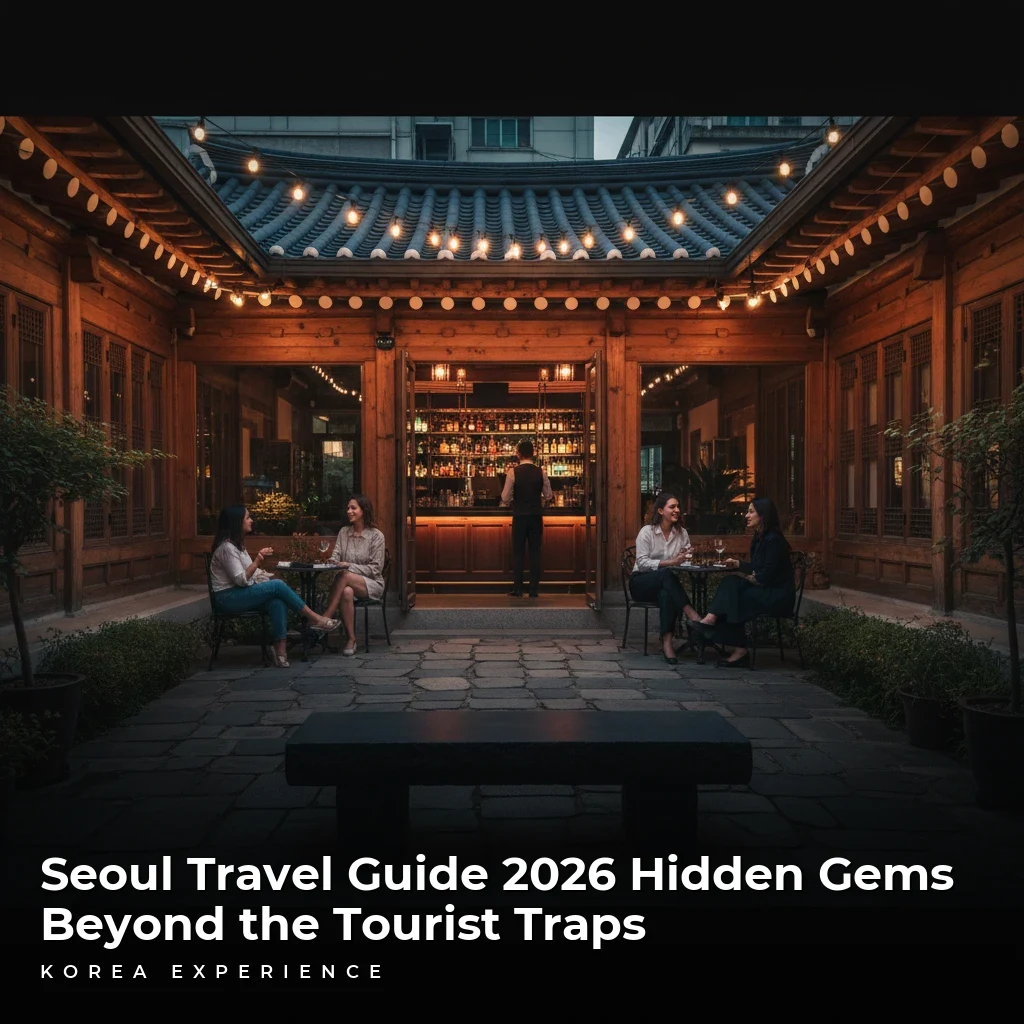
Discover Seoul's best kept secrets for 2026. From Sindang-dong cocktail bars to Mullae art alleys, explore the city like a local. Prices and maps included.
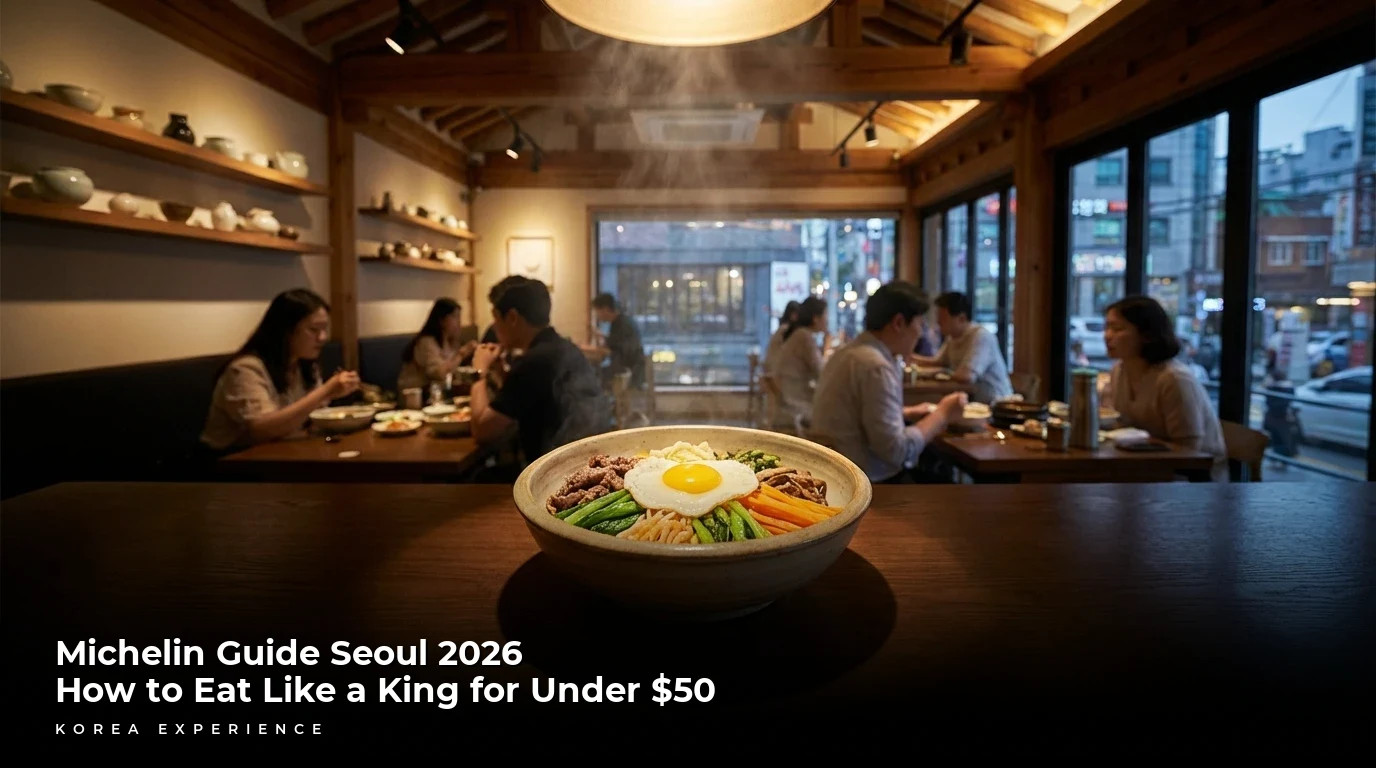
So you want to eat at a Michelin-rated spot in Seoul without blowing your entire travel budget?
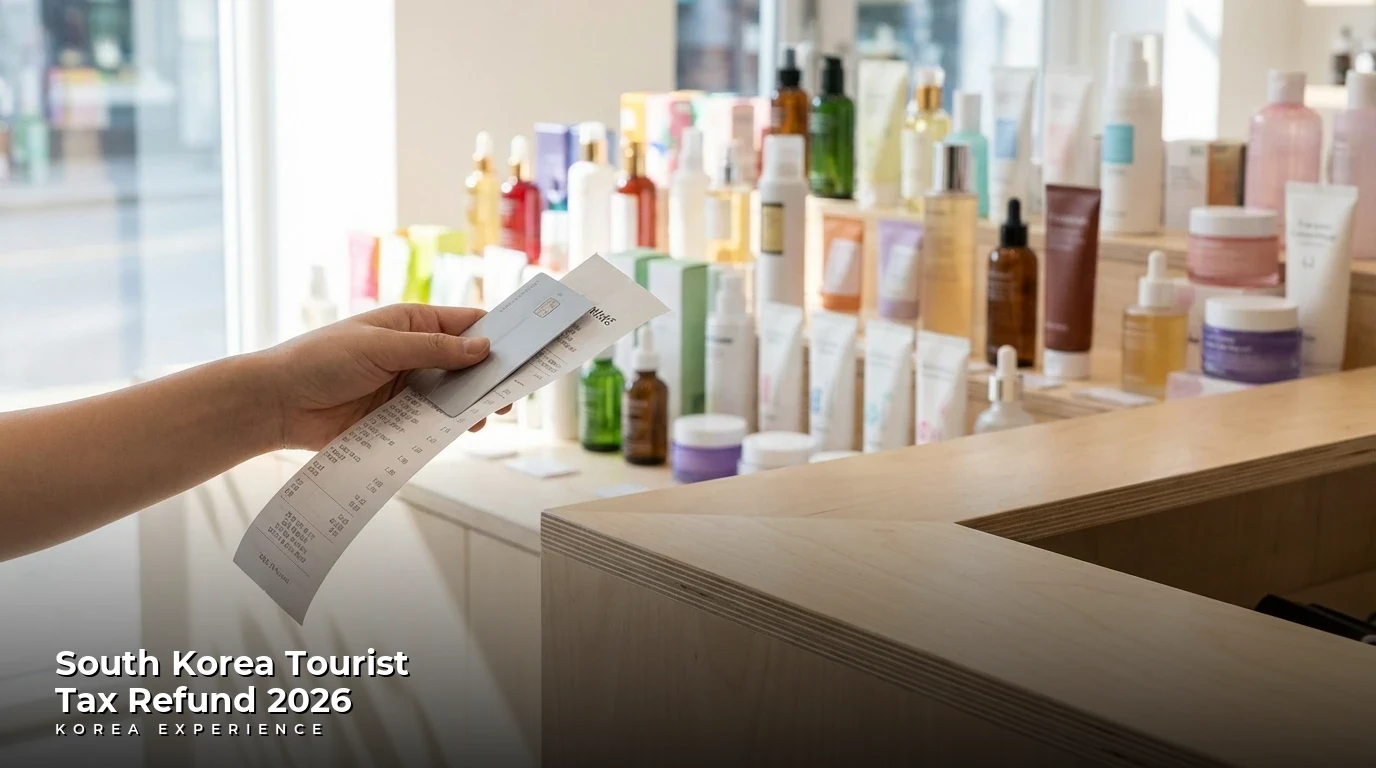
Here is the deal: if your receipt is under ₩1,000,000, always ask for an immediate tax refund at the register to save time.