Serviced Apartments Vs Hotels in Seoul: Best Choice for Shoppers 2026
Compare costs, space, and logistics. Serviced apartments offer 40% more space for luggage packing, while hotels provide seamless concierge support.
When planning a dedicated shopping trip to South Korea, choosing between a serviced apartment (often called a "Residence" in Korea) and a traditional hotel is the single most important logistical decision you will make. It affects your budget, your ability to pack, and your daily comfort.
The short answer: For serious shopping trips lasting more than 4 days, Serviced Apartments are the superior choice in 2026 due to 30-40% larger floor plans for luggage packing and in-unit laundry facilities. However, luxury hotels remain better for short, high-budget trips where concierge assistance for shipping and restaurant reservations is a priority.
Key Takeaways
- 1Serviced apartments average 35-50 sqm compared to 20-25 sqm for standard Seoul hotel rooms
- 2In-unit washing machines in residences save approximately $150 in laundry fees on a 10-day trip
- 3Hotels offer better support for EMS shipping and tax refund paperwork assistance
- 4Gangnam and Dongdaemun have the highest concentration of serviced residences
Understanding the Terminology: Hotel vs. Residence vs. Officetel
Before diving into the comparison, it is crucial to understand what "Serviced Apartment" means in the Korean context. In Seoul, you will encounter three main categories of accommodation:
- Standard Hotels: Traditional lodging with a front desk, daily housekeeping, and room service. Examples include Lotte Hotel, The Shilla, and various Marriott properties.
- Serviced Residences: These are hybrids. They operate like hotels with a front desk and concierge but offer apartment-style units with kitchenettes and laundry. Famous brands include Orakai, Fraser Place, and Sommerset.
- Officetels (via Airbnb): Private studio apartments in mixed-use buildings. These are not serviced apartments in the professional sense. They lack a front desk, luggage storage, or concierge.
For this guide, we are primarily comparing Standard Hotels against Professional Serviced Residences, as these are the two safest and most reliable options for international travelers.
📋 Market Snapshot 2026
The Space Factor: The Shopper’s Primary Concern
The primary constraint for any shopping trip to Korea is physical space. Whether you are buying bulk skincare masks at Olive Young or winter coats in Dongdaemun, you need room to organize, unbox, and repack.
Standard hotel rooms in Seoul, particularly in Myeongdong and Hongdae, are notoriously compact. The average business hotel room measures between 20 to 23 square meters (215-250 sq ft). Once you place two large suitcases (28-inch standard check-in size) on the floor, you may find it difficult to walk around the bed.
In contrast, serviced apartments usually start at 35 square meters (375 sq ft) for a studio and can go up to 60 square meters (645 sq ft) for a one-bedroom suite. This extra 15+ square meters is critical. It allows you to create a "staging area" for your purchases.
The Unboxing Ritual
Experienced Korea shoppers know that to maximize luggage space, you must remove packaging. A serviced apartment provides the floor space to break down boxes and consolidate items like sheet masks or almond snacks without cluttering your sleeping area.
If you are traveling with a companion and you both plan to bring two suitcases each (four total), a standard hotel room will be functionally impossible to navigate. In this scenario, a serviced apartment is not just a luxury; it is a logistical necessity.
Laundry and Wardrobe Logistics
One of the hidden costs of a shopping trip is maintaining your wardrobe. If you buy new clothes in Hongdae or Garosu-gil, you often want to wear them immediately. However, many travelers prefer to wash new garments before wearing them.
Hotels: Laundry service in Seoul hotels is expensive. Expect to pay ₩8,000 to ₩12,000 ($6-9 USD) per shirt or blouse for washing and pressing. Self-service coin laundry rooms exist in some business hotels, but they are often busy, requiring you to wait for machines.
Serviced Apartments: Almost all serviced residences in Korea include a drum washer-dryer combo unit inside the room. This changes the dynamic of your trip completely.
- You can pack lighter (bringing only 3-4 days of clothes), leaving more weight allowance for purchases.
- You can wash new purchases immediately.
- You save roughly ₩150,000 ($115 USD) in laundry fees over a two-week trip.
📖 How to Use Korean Drum Washers
Step 1: Identify the Machine
Most units are LG TROMM or Samsung builds located under the kitchen counter.
Step 2: Detergent
Residences usually provide one packet. Buy tech-detergent sheets at Daiso for ₩2,000.
Step 3: Drying Cycle
Korean combo machines take 3-4 hours to dry fully. Do not overload.
Location Analysis: Access to Shopping Districts
The location strategy differs significantly between hotels and residences. Hotels have the prime real estate. If you want to be exactly in the center of Myeongdong, stepping out of your lobby directly into the street food market, you will likely need to book a hotel (e.g., Lotte Hotel Seoul, Royal Hotel Seoul).
Serviced apartments require a larger footprint for their buildings, so they are often located slightly on the periphery of major shopping districts or in business districts like Gangnam, Mapo, and Gwanghwamun.
1. Myeongdong & Dongdaemun
- Hotels: Dominate the center. Best for those who want zero travel time to shops.
- Residences: Found in the Euljiro and Chungmuro areas (5-10 minute walk to Myeongdong).
- Verdict: If you are focusing on late-night wholesale shopping in Dongdaemun, a residence in the Dongdaemun History & Culture Park area is ideal because you have space to store bulk purchases.
2. Gangnam & Apgujeong
- Hotels: High-end luxury options.
- Residences: Extremely common here. Gangnam is a business hub, so high-quality residences like Orakai and Fraser Place are abundant.
- Verdict: For luxury shopping in Cheongdam-dong and COEX, residences in Gangnam offer a "living like a local" vibe that matches the upscale atmosphere.
For a deeper dive into which neighborhood suits your specific shopping goals, check out our guide on best areas to stay near shopping districts.
Orakai Insadong Suites(오라카이 인사동 스위트)
Cost Comparison: The "Per Night" vs. "Total Value"
When comparing prices on booking platforms like Agoda or Booking.com, hotels often appear cheaper at first glance. However, the value proposition shifts when you calculate the total cost of the trip, including meals and services.
The Base Rate: In 2026, a 4-star hotel in Myeongdong averages ₩220,000 ($170) per night. A comparable serviced residence averages ₩250,000 ($190) per night.
The Hidden Savings of Residences:
- Food: With a kitchen, you don't need to buy breakfast or late-night snacks. A simple convenience store run for eggs, toast, and fruit can save ₩40,000 ($30) per day for a couple compared to hotel breakfast buffets.
- Laundry: As mentioned, savings of $100+ per trip.
- Long-stay Discounts: Residences often trigger discounts for stays longer than 5 or 7 nights, sometimes dropping the rate by 15-20%.
💵 7-Night Shopping Trip Cost Projection (2 People)
Includes grocery breakfast + in-unit laundry
Concierge and Support: Where Hotels Win
This is the area where dedicated shoppers might lean back toward hotels. Handling the logistics of "Too Much Stuff" is a real challenge in Korea.
Shipping (EMS): If you buy too much to carry, you will need to ship boxes home via EMS (Express Mail Service).
- Hotels: Most 4-5 star hotels have a business center that will help you pack boxes, weigh them, and arrange the EMS pickup directly from the hotel. They may even fill out the waybill for you.
- Residences: While they have a front desk, the level of service is often lower. They might point you to the nearest post office (Korea Post) and expect you to haul the boxes there yourself.
Trash Disposal: Korea has extremely strict recycling laws.
- Hotels: You leave your trash and empty boxes in the room. Housekeeping sorts it.
- Residences: You are often expected to separate your recycling (plastics, vinyl, paper, food waste) and deposit it in the building's designated recycling center in the basement. For a shopper generating huge amounts of cardboard waste from packaging, this can be a chore.
Service Level Comparison
| Feature | Hotel | Serviced Residence | Airbnb/Officetel |
|---|---|---|---|
| Daily Housekeeping | ✅ | Often 2-3 times/week | ❌ |
| EMS Shipping Help | Full Service | Limited | None |
| Luggage Storage | ✅ | ✅ | Rarely |
| Front Desk English | Excellent | Good | N/A |
Food & Dining Logistics
Shopping is exhausting. After walking 20,000 steps through Starfield COEX or The Hyundai Seoul, you might not want to go out for a formal dinner.
The Residence Advantage: Having a full-sized fridge and a microwave/stove allows you to utilize Korean delivery apps (Baedal) effectively or store leftovers. You can order fried chicken or Jjajangmyeon and eat comfortably at a dining table. In a hotel room, you are often eating on your bed or a tiny desk, risking spills on white linens.
For guidance on how to order food like a pro, read our comparison of best food apps for english speakers.
The Hotel Advantage: Room service. It is expensive, but at 11:00 PM when your feet are throbbing, the ability to press a button and have a club sandwich delivered is a luxury that residences rarely offer.
The Verdict: Who Should Choose What?
To make your decision easier, we have categorized traveler types below.
Choose a Serviced Residence if:
- Your trip is 5 days or longer. The space and laundry facilities become invaluable after the 4th day.
- You are buying bulk K-Beauty. You need the table space to organize tax refunds and bubble-wrap glass bottles.
- You are traveling with family. Separate bedrooms and a living area prevent cabin fever.
- You have dietary restrictions. The kitchen allows you to prepare safe meals.
Choose a Hotel if:
- Your trip is under 4 days. You don't need to do laundry, and you want maximum pampering.
- You are a solo traveler. The smaller space matters less, and the safety/social aspect of a hotel lobby is nice.
- You don't want to lift a finger. You want daily cleaning, turn-down service, and someone to carry your bags.
- You are targeting one specific area. You want to be right in the middle of Myeongdong's walking street.
Top Recommendations for 2026
Based on current renovations and service standards, here are our top picks for shoppers.
Best Luxury Residence: Fraser Place Namdaemun
Located right next to the Namdaemun Market and a short walk to Myeongdong. The rooms are massive, the finishings are premium, and the rooftop bar offers great views. It sits perfectly between the wholesale authenticity of Namdaemun and the retail gloss of Myeongdong.
Best Value Residence: Uljiro Co-op Residence
A favorite among Dongdaemun fashion buyers. It is not luxurious—it is utilitarian. But it is affordable, located right next to the fashion malls, and built specifically for people with lots of luggage.
Best Hybrid: Mercure Ambassador Hongdae
While technically a hotel, their upper-tier rooms offer extra space and smart layouts that rival small apartments. It is located directly connected to the Hongdae station, making it the ultimate base for Gen Z fashion shoppers.
If you book a residence, ask the front desk for an extra drying rack ('ppallae-geonjodae') upon check-in. The built-in dryers can take 3 hours, so air-drying your lighter clothes overnight saves time and energy.
Specialized Considerations: K-Beauty Shopping
If your primary goal is skincare and cosmetics, you will be dealing with heavy, dense luggage (liquids are heavy) and fragile glass bottles.
A serviced apartment allows you to set up a "packing station" with bubble wrap and tape. Doing this on a hotel bed is frustrating and unstable. Furthermore, if you are buying in bulk to resell or for gifts, you need to tally your receipts for the immediate tax refund.
Many residences in Gangnam are located near the major dermatology clinics. If you are combining shopping with treatments, a residence is far better for recovery. You can hide away, cook soft foods, and not worry about housekeeping seeing you with a swollen face. For more on this, see our guide on accommodation for medical tourists.
Transportation and Airport Logistics
Finally, consider how you will get to the airport with your haul.
The Hotel Edge: The Airport Limousine Bus stops directly in front of major hotels. Bellboys will cart your luggage to the curb and load it onto the bus for you. This is a massive advantage if you have 3-4 heavy bags.
The Residence Challenge: Residences are often a block or two away from the bus stop. Dragging 50kg of luggage over Seoul's uneven pavement to get to the bus stop is a nightmare. If you choose a residence, you almost certainly need to budget for a Jumbo Taxi or a call-van to the airport (approx. ₩100,000 - ₩130,000).
Summary: Residences for Shoppers
- ✓30-40% More Space
- ✓In-unit Laundry
- ✓Kitchen for breakfast/snacks
- ✓Better lighting for makeup/try-ons
- ✗Less staff assistance
- ✗Strict recycling rules
- ✗Often further from Limousine Bus stops
- ✗No room service
A Note on "Dualism" Travel
Korea is a land of contrasts. You might spend one day bargaining for $5 socks in a crowded market and the next buying a $3,000 bag at Dior. Your accommodation can reflect this.
Some savvy travelers split their stay. They do 5 nights in a cheaper Serviced Residence to handle the bulk of the "work" (shopping, exploring, washing clothes), and then move to a luxury Hotel for the final 2 nights to relax, pack in comfort with concierge help, and enjoy the pool.
This strategy requires moving luggage once, but it gives you the best of both worlds.
Practical Booking Tips for 2026
- Book Early: Serviced residences have fewer units than massive hotels. The best ones (Orakai, Fraser) sell out 3 months in advance for peak seasons (Spring/Autumn).
- Check the Floor Plan: Do not just look at photos. Look at the square meters. If it is under 28 sqm, it will feel tight. Aim for 35 sqm+.
- Deposit Rules: Unlike hotels that just hold a credit card authorization, some residences require a small cash deposit for key cards or waste disposal cards. Carry some cash.
- Garbage Bags: In a residence, you may need to buy "standardized garbage bags" (Jongnyangje) at a convenience store if you generate excess trash. They are cheap (₩500), but it's a quirk of the system.
For those interested in the financial side of your trip, including how to handle payments, check our guide on credit cards in Korea.
Final Thoughts
The battle between Serviced Apartments and Hotels is ultimately a battle between Autonomy and Service.
If you view your shopping trip as a mission—strategic, organized, and heavy on volume—the Serviced Apartment is your command center. It gives you the tools (space, washer, kitchen) to manage your logistics efficiently.
If you view your trip as a vacation where shopping is just a fun activity, the Hotel remains the king of comfort. You pay a premium for the small room, but you buy the freedom from chores.
Whatever you choose, ensure you book well in advance, as Seoul's popularity as a global shopping capital continues to skyrocket in 2026.
❓ Frequently Asked Questions
Have more questions?Contact us →
📊 Shopping Trip Success Metric
About the Author
Korea Experience Team
Written by the Korea Experience editorial team - experts in Korean medical tourism, travel, and culture with years of research and firsthand experience.
Explore more in Shopping & K-Beauty
From Olive Young hauls to Myeongdong shopping tips — discover the best K-Beauty products, fashion trends, and shopping destinations in Korea.
Browse All Shopping & K-Beauty ArticlesContinue Reading
Explore more articles you might find interesting
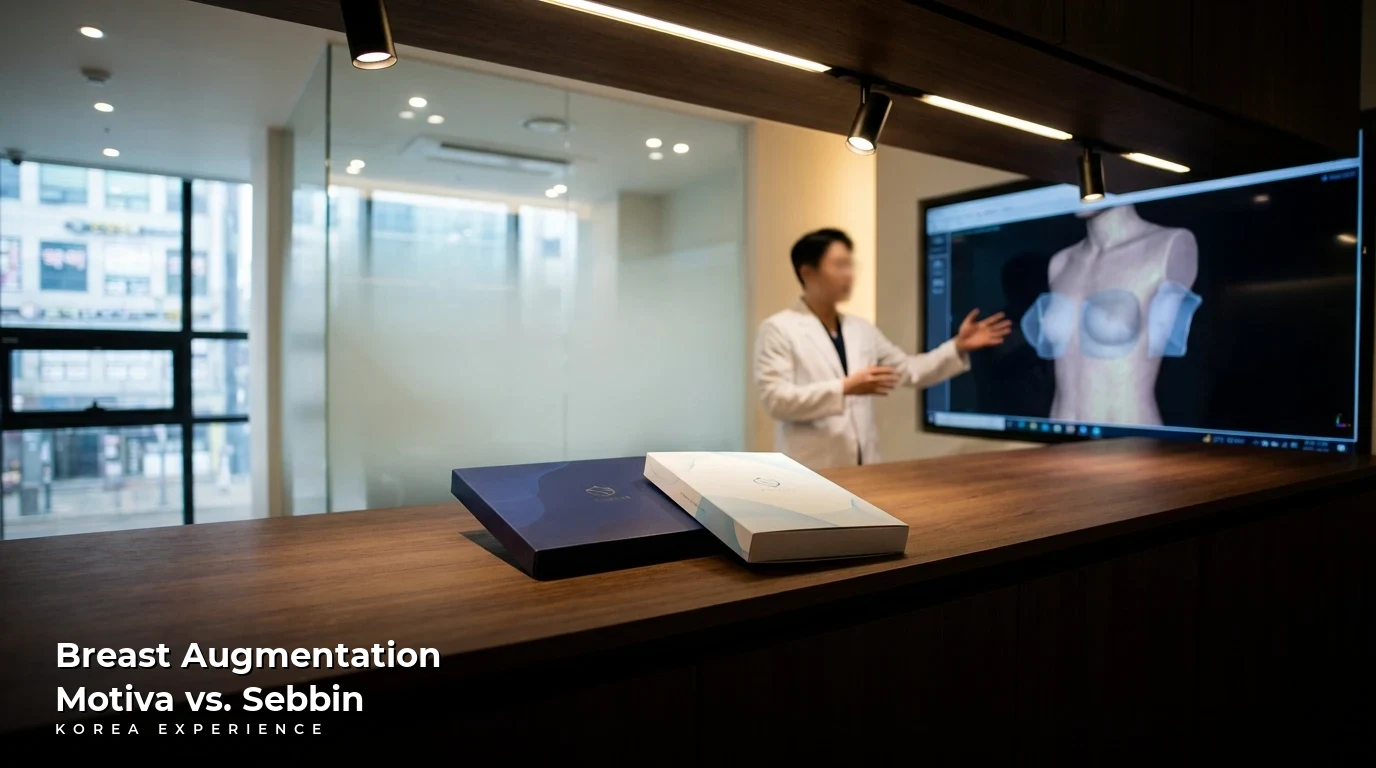
Compare Motiva Ergonomix at $7,200 against Sebbin Integrity at $5,400 in Seoul. Learn why the 2026 VAT refund end costs you 10 percent more.
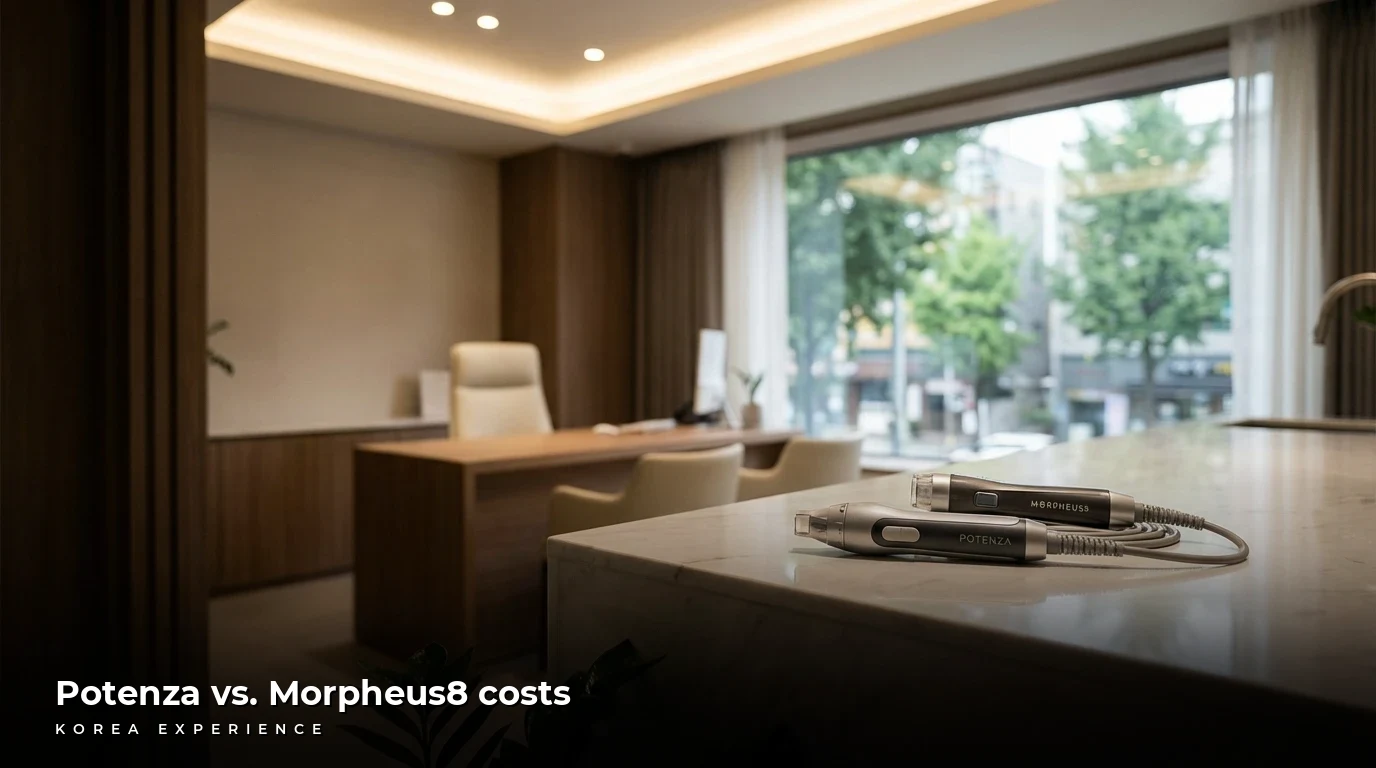
Compare Potenza and Morpheus8 costs in Seoul for 2026. Save 70% with prices starting at $215 USD versus $1,500 in the West for skin tightening.
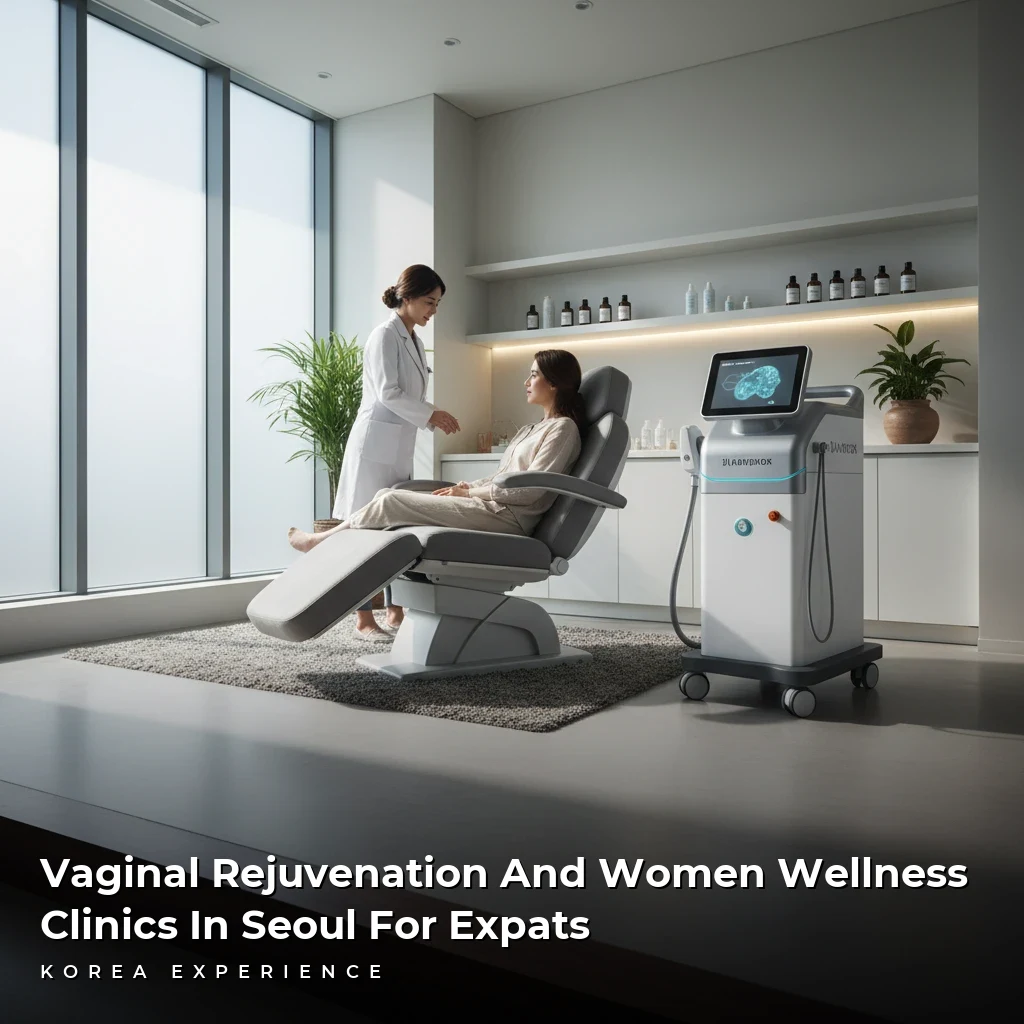
Comprehensive guide to vaginal rejuvenation in Seoul 2026. Compare costs (saving 30-50%), English-speaking clinics, laser treatments, and surgical options.
Compare Ultherapy, Thermage, and Shurink costs and results. Discover why Seoul offers treatments at 30-50% less than global rates with our 2026 guide.
Unlock the secrets to brighter skin in Korea. Compare Glutathione IV drips and topical treatments, including costs, effectiveness, and safety in Seoul clinics.
Compare scar treatment options silicone sheets vs laser in Korea. We analyze costs, efficacy, and why Seoul is the global capital for skin repair in 2026.