Living in Korea

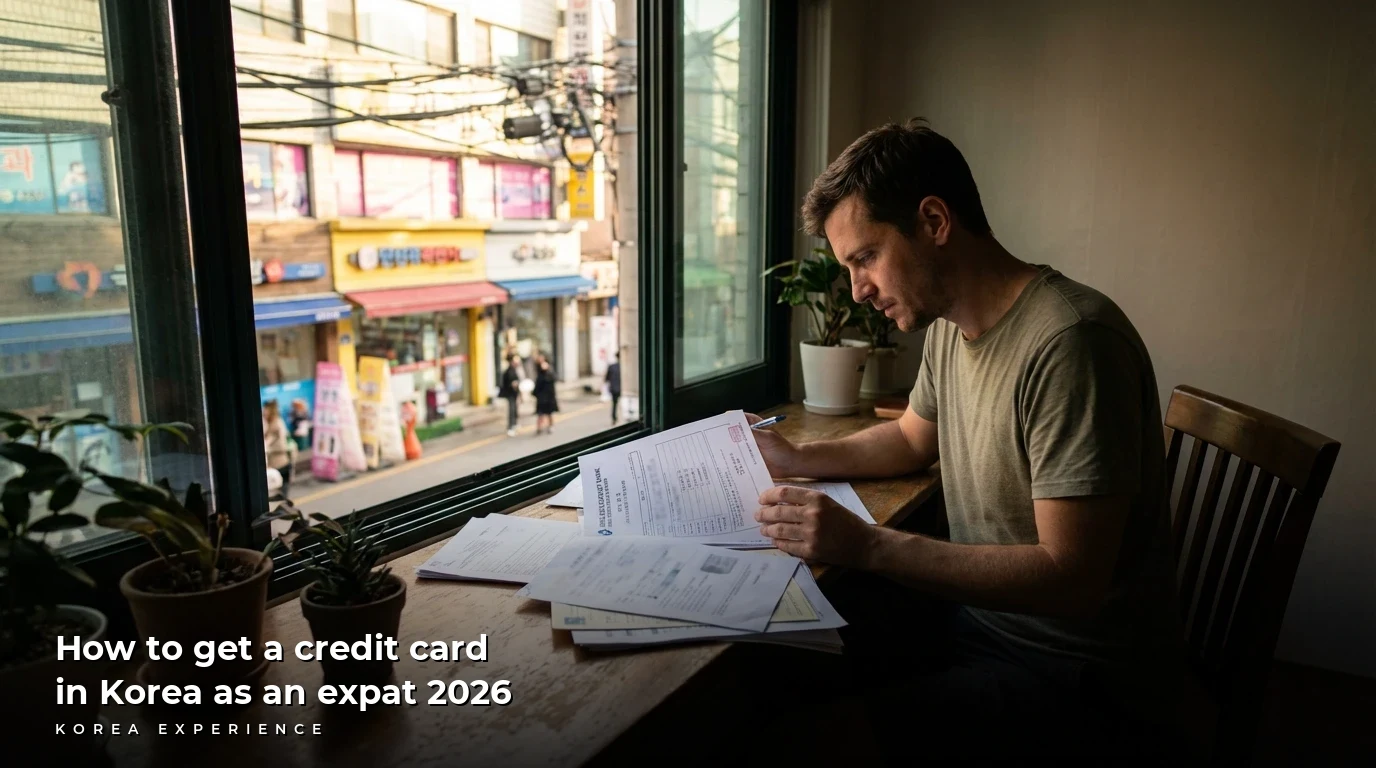
How to Get a Credit Card in Korea as an Expat 2026

Unlock financial freedom in Korea. This 2026 guide helps expats navigate credit card applications, requirements, and best banking options with ease.

Moving to Korea as an expat is an exciting adventure, filled with new cultural experiences, vibrant city life, and delicious food. However, amidst the excitement, daily practicalities often present unexpected challenges. One of the most frequently encountered hurdles for foreigners is the process of getting a credit card in Korea as an expat. While debit cards and cash are widely accepted, a credit card offers unparalleled convenience, security, and the ability to manage larger transactions, book flights, or simply streamline your finances.

For many, the initial attempts to secure a credit card in Korea can feel like an endless loop of bureaucratic complexities and differing requirements. Without a local credit history, and with banks often prioritizing citizens, the path to approval can seem opaque. But fear not! This comprehensive guide is designed to demystify the process for 2026, providing you with the knowledge, strategies, and insider tips you need to successfully obtain your own Korean credit card.

In this post, you'll learn:

  • Why a local credit card is essential for long-term expats.
  • The specific requirements and documents you'll need.
  • A step-by-step walkthrough of the application process.
  • Which banks are most expat-friendly.
  • Strategies for building your Korean credit score.
  • Practical alternatives if a traditional credit card isn't immediately possible.

By the end of this article, you’ll be well-equipped to approach your Korean bank with confidence and secure the financial tool that can significantly enhance your life as an expat. Let's dive in and unlock your financial potential in the Land of the Morning Calm.

Why Getting a Korean Credit Card Matters for Expats

While Korea is a remarkably convenient country where almost all transactions can be handled with a debit card, a prepaid card, or even mobile payments like KakaoPay, a traditional credit card still offers significant advantages, especially for long-term residents. Understanding these benefits will underscore why pursuing a credit card is a worthwhile endeavor for any expat planning an extended stay.

Enhanced Convenience and Flexibility

Imagine booking a flight, reserving a hotel, or making a significant online purchase. Often, these transactions are smoother, or sometimes even exclusively possible, with a credit card. International credit cards can incur foreign transaction fees, and exchange rates might not always be favorable. A local Korean credit card eliminates these concerns, allowing for seamless domestic transactions without extra charges or conversion hassles. Furthermore, many online retailers and services, while accepting various payment methods, sometimes offer promotions or smoother checkouts specifically for Korean credit card holders.

Emergency Preparedness

Life abroad can be unpredictable. An unexpected medical expense, an urgent flight home, or a sudden large purchase can arise. A credit card provides a crucial financial safety net, offering a line of credit that a debit card, which is tied directly to your bank balance, cannot. This can be invaluable in times of need, ensuring you have access to funds even if your immediate savings are low.

Building a Local Credit History

This is perhaps the most critical long-term benefit for any expat. In Korea, like many other countries, a solid credit history is essential for various aspects of life. It impacts your ability to secure loans for larger purchases like a car, qualify for certain rental agreements (especially for larger Jeonse deposits), or even secure specific types of phone contracts. Starting to build this history with a credit card as early as possible will pave the way for greater financial freedom and easier integration into the local economy down the line. Without a local credit history, even simple tasks can become more complicated or require higher deposits.

Access to Benefits and Rewards

Korean credit cards often come with a plethora of benefits tailored to local consumer habits. These can include:

  • Cashback: Discounts on daily purchases, groceries, transportation, or specific categories like dining out.
  • Airline Miles: Accumulate points for domestic or international flights, a boon for frequent travelers.
  • Discounts: Special promotions at major department stores, convenience stores, movie theaters, or popular cafes.
  • Public Transportation Perks: Some cards offer discounts on subway or bus fares, which can add up significantly over time.

These rewards can translate into substantial savings and added value, making your everyday spending more rewarding.

Establishing Financial Independence

Relying solely on international cards or cash can sometimes feel limiting. Obtaining a Korean credit card is a significant step towards establishing full financial independence in your new home. It signifies a deeper integration into the local financial system and offers a sense of security and autonomy that enhances your overall expat experience.

Understanding Korean Credit Card Requirements in 2026

The requirements for getting a credit card in Korea as an expat can vary slightly from bank to bank and depend heavily on your individual circumstances. However, there are common threads and fundamental criteria that all applicants must meet. Being prepared with a clear understanding of these will significantly increase your chances of success. As of 2026, banks are generally looking for stability, sufficient income, and proof of your legal residency.

Key Eligibility Criteria

  1. Valid Visa and Alien Registration Card (ARC):

    • This is non-negotiable. You must have a long-term visa (not a tourist visa) and your Alien Registration Card (ARC) from Korean immigration. The ARC serves as your primary identification in Korea.
    • Tip: Ensure your ARC validity extends well beyond the application date, ideally at least 6 months, but preferably a year or more, as banks prefer applicants with stable residency. Some banks might require your visa to have more than a year of remaining validity.
  2. Stable Income:

    • Banks need assurance that you can repay your debts. This means demonstrating a consistent income from employment in Korea.
    • Minimum Income: While not strictly published, most banks require a minimum annual income, often around 20-30 million Korean Won, before taxes. For new residents, this can sometimes be more flexible if they are employed by a major corporation or government entity.
    • Proof of Income: You will typically need recent pay stubs (usually 3-6 months), your employment contract, and possibly a Certificate of Employment (재직증명서 - Jaejik Jeungmyeongseo) from your employer, or income tax withholding statements (원천징수영수증 - Woncheon Jingsu Yeongsujeung).
  3. Length of Stay in Korea:

    • Banks prefer applicants who have been in Korea for a significant period, typically 6 months to 1 year or more, as this demonstrates stability. Shorter stays might necessitate a "secured credit card" (more on this later) or require a higher initial deposit.
    • Tip: If you're relatively new, focus on building a relationship with your bank first by maintaining a stable account balance and utilizing their services.
  4. Existing Bank Account:

    • You will almost certainly need an existing checking (ordinary deposit) account with the bank you are applying to. Banks prefer to issue credit cards to their existing customers whose financial history they can already observe.
    • Tip: Open an account with a major bank (Shinhan, KB Kookmin, Woori, Hana) as soon as you arrive, and ideally have your salary deposited there. This builds a positive banking relationship.
  5. Korean Phone Number:

    • A local Korean phone number is essential for communication, verification, and sometimes for two-factor authentication during online purchases.

Essential Documents Checklist

Being prepared with a comprehensive set of documents is crucial. Always bring originals and several copies.

Document TypeDescriptionImportanceNotes
Alien Registration Card (ARC)Your primary ID as a foreigner.EssentialMust be valid with sufficient time remaining.
PassportFor additional identification.EssentialYour passport should also be valid.
Employment ContractProof of employment terms, duration, and salary.EssentialEnglish or Korean. If in another language, bring a notarized translation.
Certificate of Employment (재직증명서)Issued by your employer, confirming your position and start date.EssentialOften requested in Korean.
Income Statement/Pay StubsProof of consistent salary deposits (e.g., 3-6 months).EssentialYour bank statements showing salary deposits can also serve this purpose.
National Health Insurance Card/StatementProof of enrollment in the national health insurance system.HelpfulShows stability and integration into the system.
Utility Bills (in your name)Proof of residence and stability.HelpfulGas, electricity, or internet bills; must match your ARC address.
Housing Contract (e.g., Jeonse/Wolse)Demonstrates stable residence.HelpfulEspecially useful if utility bills are not in your name.

Important Considerations:

  • Banker Relationship: Having a good relationship with your bank, especially your specific branch, can sometimes make a difference. If you have a designated banker, they might be more willing to guide you through the process.
  • Language Barrier: While major bank branches in international areas (like Itaewon or Gangnam in Seoul) often have English-speaking staff, it's always advisable to bring a Korean-speaking friend or colleague if you're not confident in your Korean language skills. This can help clarify complex financial terms and prevent misunderstandings.
  • Be Patient and Persistent: The process can sometimes take multiple visits or require additional documents. Be prepared for this and maintain a positive attitude.

The Application Process Step-by-Step for Foreigners

Applying for a credit card in Korea as an expat can seem daunting, but breaking it down into manageable steps makes it much clearer. Follow this guide for a streamlined application experience in 2026.

Step 1: Establish a Strong Banking Relationship

Before you even think about applying for a credit card, ensure you have a solid foundation with a Korean bank.

  • Open a bank account: If you haven't already, open a checking account with one of the major banks (Shinhan, KB Kookmin, Woori, Hana are top choices for expats).
  • Direct Deposit: Arrange for your salary to be directly deposited into this account. Consistent, regular deposits are crucial proof of income and financial stability.
  • Maintain Activity: Use your debit card regularly, pay bills through your account, and avoid frequent large withdrawals or transfers to demonstrate responsible banking habits.
  • Duration: Aim for at least 3-6 months, or even a year, of consistent banking activity before applying for a credit card.

Step 2: Gather All Required Documents

Refer to the "Essential Documents Checklist" in the previous section. Make sure all your documents are current, and bring both originals and photocopies. It’s always better to over-prepare than to be sent away for a missing document.

Step 3: Choose the Right Bank and Branch

While most major banks offer credit cards to foreigners, some branches are more accustomed to dealing with expat applications.

  • Expat-Friendly Branches: Larger branches in areas with a high expat population (e.g., Itaewon, Gangnam, Gwanghwamun in Seoul) often have dedicated English-speaking staff or at least staff familiar with foreign applicants.
  • Your Current Bank: Start with the bank where you already have your main account and salary deposits. They will have access to your financial history, which simplifies the process.

Step 4: Visit the Bank and Speak to a Credit Card Specialist

This is an in-person process. You cannot typically apply for a credit card online as a first-time expat applicant in Korea.

  • Inform the staff: When you arrive, inform the counter staff that you wish to apply for a credit card (신용카드 신청 - shinyongkadeu sincheong). You may be directed to a specific desk or a specialist.
  • Be prepared for questions: The banker will ask about your income, employment, duration of stay, and possibly your financial habits. Be honest and provide clear answers.
  • Choose a card type: The banker will present various credit card options. Consider your spending habits. Do you prefer cashback, airline miles, or discounts on specific categories (e.g., groceries, public transport)? Don't feel pressured to choose immediately; ask for brochures or time to research.
  • Initial Assessment: The banker will perform an initial assessment based on your documents and information. They might check your current account balance and transaction history.

Step 5: Complete the Application Form

You will need to fill out a detailed application form. This will include personal information, employment details, income, and potentially questions about your financial assets and liabilities.

  • Accuracy: Ensure all information is accurate and consistent with your provided documents.
  • Assistance: If you're not fluent in Korean, ask for assistance from the bank staff or your Korean-speaking friend to ensure you understand every field.

Step 6: Follow-Up and Approval

  • Processing Time: After submitting your application and documents, the bank will review them. This process can take anywhere from a few days to a couple of weeks.
  • Potential for Additional Documents: It’s not uncommon for banks to request additional documents or clarification during this period. Be responsive and provide what they ask for promptly.
  • Notification: You will typically be notified by phone or mail about the outcome of your application. If approved, your credit card will be mailed to your registered address within a few business days.

Step 7: Activate and Use Your Card Responsibly

Once you receive your card, follow the instructions to activate it. Start using it responsibly to build a positive credit history.

  • Pay on Time: Always pay your bills in full and on time. This is the single most important factor in building a good credit score.
  • Don't Max Out: Try to keep your credit utilization low (ideally below 30% of your credit limit).
  • Review Statements: Regularly check your monthly statements for any discrepancies or fraudulent activity.

By following these steps, you significantly increase your chances of successfully getting a credit card in Korea as an expat in 2026.

Top Banks for Expat Credit Cards in Korea

Choosing the right bank is a critical first step for any expat seeking to navigate the Korean financial landscape, especially when it comes to securing a credit card. While most major Korean banks technically offer services to foreigners, some have more established expat support systems, English-speaking staff, and streamlined processes. In 2026, the following banks generally stand out as the most expat-friendly options.

1. Shinhan Bank (신한은행)

  • Why it's expat-friendly: Shinhan is consistently cited as one of the most accessible banks for foreigners. They have a strong global network and a dedicated 'Global Desk' service available in many major branches, offering assistance in multiple languages. Their online and mobile banking platforms often have robust English support.
  • Credit Card Offerings: A wide range of cards catering to various lifestyles, including cashback, airline miles, and specific discounts for shopping or dining. They also have a 'Shinhan Global Living' card designed with foreigners in mind.
  • Considerations: While generally accommodating, individual branch experiences can vary. It's still advisable to visit a larger branch in an expat-heavy area.

2. KB Kookmin Bank (KB국민은행)

  • Why it's expat-friendly: KB Kookmin is Korea's largest bank and also boasts significant resources for international residents. They have extensive branch networks across the country and a well-developed English language online banking system. Their customer service often has English options.
  • Credit Card Offerings: A diverse portfolio of credit cards, including options with public transport benefits, discounts at various retailers, and cards tied to specific loyalty programs. They are generally open to issuing cards to foreigners who meet the income and residency requirements.
  • Considerations: Similar to Shinhan, while their overall structure is expat-friendly, having your salary directly deposited into a KB account for several months prior to application strengthens your position.

3. Woori Bank (우리은행)

  • Why it's expat-friendly: Woori Bank is another top-tier financial institution with a strong international presence. They actively market their services to foreigners, providing English-language resources and customer support. They also have specific programs and desks designed for international residents.
  • Credit Card Offerings: A comprehensive selection of credit cards, including those focused on travel, everyday spending, and specific merchant partnerships.
  • Considerations: Woori is often considered slightly more conservative with credit card issuance to new expats, but a solid banking relationship and consistent income will usually overcome this.

4. Hana Bank (하나은행)

  • Why it's expat-friendly: Hana Bank has made significant strides in catering to the international community. They are known for their user-friendly online banking interfaces, including strong English support, and have specific branches with specialized services for foreigners. Their foreign exchange services are particularly strong.
  • Credit Card Offerings: A good range of cards with competitive benefits, including cashback and travel rewards.
  • Considerations: Hana Bank's expat services are excellent, but ensure your income and residency stability are clearly demonstrable.

Comparison of Expat-Friendly Banks for Credit Card Applications (2026)

Feature / BankShinhan BankKB Kookmin BankWoori BankHana Bank
Expat SupportExcellent (Global Desk, English online/mobile banking)Very Good (Extensive network, English support)Good (Dedicated programs, English support)Very Good (User-friendly platforms, specialized branches)
Card VarietyHigh (Cashback, Miles, Lifestyle, Global Living)High (Public transport, Retailer, Loyalty programs)High (Travel, Everyday, Merchant partnerships)High (Cashback, Travel, FX benefits)
Ease of Application for ExpatsGenerally considered easier for initial applicationsGood, especially with existing historyGood, but emphasis on strong financial historyGood, strong focus on customer experience
Key AdvantageStrong global focus, tailored expat productsLargest branch network, stable reputationActively targets foreign residentsExcellent digital banking and FX services
Primary RequirementStable income, ARC > 1 year validityStable income, established banking historyConsistent income, strong banking relationshipClear financial stability, ARC > 1 year validity

General Advice Across All Banks:

  • Build a Relationship: Regardless of which bank you choose, having your salary deposited there and maintaining a healthy account balance for several months before applying for a credit card will significantly improve your chances.
  • Visit in Person: For first-time expat credit card applications, always visit a physical branch. This allows you to directly interact with a banker, clarify doubts, and present your case.
  • Don't Give Up: If your initial application is rejected, ask for the specific reasons. You might just need to provide additional documentation, wait a few more months to build more history, or consider a "secured credit card" as an alternative.

By focusing on these expat-friendly banks and preparing thoroughly, you increase your likelihood of successfully getting a credit card in Korea as an expat in 2026.

Building Your Credit Score in Korea as a Foreigner

One of the biggest hurdles for expats getting a credit card in Korea is the absence of a local credit history. Unlike some countries where international credit history might be considered, Korean banks largely start from scratch when assessing foreign residents. Therefore, actively building a positive credit score is paramount for future financial endeavors, from loans to apartment rentals.

Understanding the Korean Credit System (NICE, KCB)

Korea primarily uses two major credit rating agencies: NICE Information & Credit Evaluation (NICE) and Korea Credit Bureau (KCB). These agencies collect data from financial institutions, telecom companies, and other sources to generate your individual credit score (신용점수 - shinyongjeomsu). Scores typically range from 1 to 1,000, with higher scores indicating better creditworthiness.

Strategies to Build a Positive Credit History

  1. Open and Use a Korean Bank Account Consistently:

    • This is the foundational step. Have your salary directly deposited into a Korean bank account (e.g., Shinhan, KB, Woori).
    • Maintain a stable balance and avoid frequent overdrafts. Regular transactions, bill payments, and consistent savings activity demonstrate financial responsibility.
    • Tip: Stick with one main bank for a significant period. Banks prefer to see a continuous relationship.
  2. Get a Korean Phone Contract (Postpaid):

    • Signing up for a postpaid phone plan (not prepaid) can contribute positively to your credit history. Telecom companies report payment behavior to credit bureaus.
    • Action: Ensure you pay your phone bills on time, every month. Any late payments can negatively impact your score.
  3. Pay Utility Bills on Time:

    • Regularly paying utility bills (electricity, gas, water, internet) in your name and on time can also subtly contribute to your credit score, especially if you set up direct debit from your bank account.
    • Tip: Make sure these bills are registered in your name as they appear on your Alien Registration Card.
  4. Consider a Secured Credit Card (담보 신용카드 - damboshinyongkadeu):

    • If you're finding it difficult to get a traditional credit card due to a lack of credit history, a secured credit card is an excellent option.
    • How it works: You deposit a certain amount of money (e.g., 1 million Won) into a special account at the bank, which then serves as collateral for your credit card. Your credit limit will typically be 80-100% of your deposit.
    • Benefits: It allows you to build a credit history by demonstrating responsible usage and timely payments, without the initial strict income or history requirements. After a year or two of good behavior, you can often convert it to an unsecured card or apply for one.
    • Action: Inquire about secured credit card options at your bank if your initial application for an unsecured card is declined.
  5. Small Loans and Installment Payments:

    • Taking out small, manageable loans (e.g., a short-term personal loan from your bank) and repaying them promptly can positively impact your credit.
    • Caution: Only do this if you are absolutely sure you can repay on time. Missing payments will severely damage your score.
    • Installment Purchases: When buying electronics or appliances, sometimes choosing installment payments through a reputable retailer (if available to foreigners) can also contribute, provided you make all payments on time.
  6. Avoid Excessive Applications:

    • Don't apply for multiple credit cards or loans within a short period. Each application leaves an inquiry on your credit report, which can temporarily lower your score.
  7. Monitor Your Credit Report (Once Established):

    • Once you have some financial products (like a credit card or phone contract), you can periodically check your credit score through services like NICE or KCB (often integrated into banking apps or specific financial apps like Toss or Naver Pay for Koreans; foreigners might need to visit a credit bureau office or use specific services). This helps you understand your standing and identify any potential issues.

By diligently following these strategies, you can proactively build a robust credit score in Korea, making it easier to secure financial products, including an unsecured credit card, as your expat journey continues. This foundation will significantly contribute to your long-term financial stability and integration in Korea.

Alternatives to a Traditional Credit Card

While getting a credit card in Korea as an expat is highly beneficial, it might not be immediately feasible for everyone, especially new arrivals or those with less stable income sources. Fortunately, Korea offers several excellent alternatives that provide much of the convenience without requiring a full credit history.

1. Debit Cards (체크카드 - Chekeukadeu)

  • Description: Directly linked to your bank account, a debit card allows you to spend only the money you have. They are widely accepted across Korea, both online and offline.
  • Pros: Easy to obtain, no credit checks required, accepted almost everywhere, no debt accumulation.
  • Cons: No credit-building, no emergency line of credit, no rewards or benefits often associated with credit cards.
  • Tip: Make this your primary payment method while building your credit history. Many debit cards offer small cashback benefits, similar to some credit cards.

2. Prepaid Cards / Rechargeable Cards (선불카드 - Seonbulkadeu)

  • Description: These cards operate like gift cards. You load money onto them, and then use them until the balance is depleted. Many banks and even some major retailers offer their own versions.
  • Pros: Great for budgeting, no credit check, widely accepted, can be a good option for those who want to limit spending or don't want to carry much cash.
  • Cons: No credit-building, requires reloading, might have limited usage for certain online or international transactions.
  • Examples: Some bank-issued prepaid cards (like Shinhan's Global Multi Card), or retailer-specific ones.

3. Secured Credit Cards (담보 신용카드 - Damboshinyongkadeu)

  • Description: As discussed in the "Building Your Credit Score" section, this is a hybrid solution. You deposit a sum of money as collateral, and the bank issues a credit card with a limit based on that deposit.
  • Pros: Allows you to build credit history while having a credit card, widely accepted, provides a safety net up to the collateral amount.
  • Cons: Requires an upfront deposit, interest rates can sometimes be higher if you carry a balance (though it's best to pay in full).
  • Tip: This is often the best "alternative" if your goal is to eventually get an unsecured credit card.

4. Family Cards (가족카드 - Gajokadeu)

  • Description: If you have a spouse or a direct family member who is a Korean citizen or a long-term resident with a good credit history, they might be able to issue you a "family card" linked to their primary credit card account.
  • Pros: Provides a credit card instantly, leverages an existing good credit history, can be very convenient.
  • Cons: Your spending is tied to someone else's account and credit limit, doesn't directly build your individual credit score, relies on someone else's financial stability.
  • Consideration: This is typically an option for married expats whose spouse is Korean or a long-term resident with established credit.

5. Mobile Payment Apps (e.g., KakaoPay, Naver Pay)

  • Description: These apps are immensely popular in Korea and integrate various payment methods, including debit cards, bank transfers, and sometimes even small "micro-loans" or deferred payment options (though these might have their own credit requirements).
  • Pros: Extremely convenient for daily transactions, widely accepted online and offline, often offer rewards or discounts.
  • Cons: Primarily a payment aggregator; while some offer credit-like features, they don't replace a traditional credit card for all purposes (e.g., hotel reservations, some international travel).
  • Tip: Link your Korean debit card to these apps for maximum convenience and use them frequently.

Comparison Table: Credit Card Alternatives

AlternativeCredit BuildingRequires DepositWidely AcceptedCredit LimitBest For
Debit CardNoNoYesAccount BalanceEveryday spending, no debt, new arrivals
Prepaid CardNoYesYesLoaded AmountBudgeting, limiting spending
Secured Credit CardYesYesYesDeposit AmountBuilding credit, transitioning to unsecured
Family CardNo (for you)NoYesPrimary Card LimitSpouses/family with established credit
Mobile Pay AppsIndirectlyNoYesLinked FundsDaily transactions, tech-savvy users

By understanding these alternatives, you can ensure you have robust payment methods available while you work towards successfully getting a credit card in Korea as an expat in 2026. Each option serves a different purpose, and a combination of a debit card, mobile pay, and potentially a secured credit card can provide a comprehensive financial toolkit.

Common Pitfalls and How to Avoid Them

The journey to getting a credit card in Korea as an expat can be fraught with unexpected challenges. Being aware of common pitfalls can save you time, frustration, and improve your chances of success.

1. Incomplete or Incorrect Documentation

  • Pitfall: Showing up at the bank without all the necessary documents, or with documents that are outdated, poorly copied, or inconsistent.
  • How to Avoid: Create a comprehensive checklist (refer to our earlier section) and double-check every item before your visit. Ensure your ARC and passport are current, and that all addresses match. If documents are in a language other than English or Korean, get them notarized and translated beforehand. Always bring both originals and several copies.

2. Lack of a Stable Banking History

  • Pitfall: Applying for a credit card shortly after opening a bank account or without demonstrating consistent financial activity.
  • How to Avoid: Establish a strong relationship with one of the major banks. Have your salary directly deposited there for at least 6 months, ideally a year, before applying. Use your debit card regularly for purchases and pay bills from this account. Banks want to see stability and responsible money management.

3. Language Barriers and Misunderstandings

  • Pitfall: Misinterpreting requirements or failing to clearly communicate your situation due to language difficulties, leading to frustration or rejection.
  • How to Avoid: Whenever possible, visit major branches in expat-dense areas (e.g., Itaewon, Gangnam in Seoul) that are known to have English-speaking staff or dedicated 'Global Desks'. Even better, bring a Korean-speaking friend, colleague, or a professional translator if your Korean isn't fluent. Confirm crucial information multiple times.

4. Applying for the "Wrong" Card or at the "Wrong" Time

  • Pitfall: Immediately aiming for a premium credit card with high limits or complex benefits, or applying too soon after arrival in Korea.
  • How to Avoid: Start with a basic, entry-level credit card. These usually have more lenient requirements. Be realistic about your eligibility based on your length of stay and income. If you're a relatively new expat, focus on a secured credit card first to build your credit. Wait until you have at least 6 months to a year of stable employment and residency in Korea.

5. Not Understanding Your Visa Type's Impact

  • Pitfall: Assuming all long-term visas are treated equally for credit card applications.
  • How to Avoid: While most work-related visas (E-series, F-series for marriage/residency) are generally accepted, the perceived stability of your visa can influence a bank's decision. For example, an F-2 (Resident) or F-4 (Overseas Korean) visa holder might be seen as more stable than an E-2 (English Teacher) with a shorter contract. Be prepared to explain your long-term intentions in Korea if your visa duration is limited.

6. Poor Credit Habits (Once Approved for a Card/Loan)

  • Pitfall: Once you secure a credit card, using it irresponsibly, missing payments, or maxing out your credit limit.
  • How to Avoid: The most important rule for building good credit is to pay your bills ON TIME and IN FULL. Set up direct debits for your credit card payments. Keep your credit utilization ratio low (ideally under 30% of your total credit limit). This is crucial for maintaining and improving your credit score in Korea.

7. Giving Up Too Easily

  • Pitfall: Getting discouraged by an initial rejection and giving up on the process entirely.
  • How to Avoid: View a rejection as a learning opportunity. Ask the bank for the specific reasons for denial. It might be something you can rectify, such as providing additional documents, waiting a few more months to establish more history, or considering a secured credit card. Sometimes, simply trying a different branch or a different bank can yield a different result. Persistence often pays off.

By proactively addressing these common pitfalls, expats can significantly improve their chances of successfully getting a credit card in Korea as an expat in 2026 and set themselves up for greater financial success.

Frequently Asked Questions About Getting a Credit Card in Korea as an Expat

Here are some common questions expats have when navigating the Korean credit card application process.

Q1: Can I use my international credit history to get a Korean credit card?

No, generally you cannot. Korean banks operate independently and primarily rely on your local financial history within Korea. They do not typically have access to international credit bureaus, so your credit score from your home country will not be considered. You will essentially be starting from scratch in the Korean credit system.

Q2: How long do I need to be in Korea before I can apply for a credit card?

While there isn't a universally fixed minimum, most banks prefer to see that you have been a resident for at least 6 months to 1 year, with stable employment and consistent salary deposits into a Korean bank account during that time. New arrivals will find it very difficult to get an unsecured credit card immediately.

Q3: What is a "secured credit card" and is it a good option for expats?

A secured credit card (담보 신용카드 - damboshinyongkadeu) requires you to deposit a sum of money (e.g., 1 million Korean Won) with the bank as collateral. The bank then issues you a credit card with a limit based on that deposit. It's an excellent option for expats who don't have a credit history, as it allows you to build one by demonstrating responsible usage and timely payments, eventually paving the way for an unsecured card.

Q4: Do I need a Korean phone number to apply for a credit card?

Yes, a local Korean phone number is almost always a mandatory requirement. Banks need to be able to contact you for verification, updates, and sometimes for two-factor authentication for online transactions. A postpaid plan (contract phone) is generally preferred as it also contributes to your credit history.

Q5: What should I do if my credit card application is rejected?

Don't get discouraged! If your application is rejected, ask the bank for the specific reason (if they are willing to provide it). Common reasons include insufficient income, short residency period, lack of credit history, or missing documents. Use this feedback to improve your situation. You might need to wait longer, provide additional proof of income/residency, or consider starting with a secured credit card. You can also try applying at a different expat-friendly bank or a different branch.

Conclusion: Empowering Your Financial Journey in Korea

Securing a credit card in Korea as an expat in 2026 is an achievable goal, albeit one that requires patience, preparation, and a strategic approach. While the process may initially seem intricate due to the unique aspects of the Korean financial system, the benefits of having a local credit card – from enhanced convenience and emergency preparedness to building a vital credit history and accessing valuable rewards – make the effort truly worthwhile.

Here are your key actionable takeaways:

  1. Prioritize Banking Relationship: Start early by opening a Korean bank account with a major institution like Shinhan, KB Kookmin, Woori, or Hana. Ensure your salary is directly deposited and maintain consistent activity for at least 6-12 months.
  2. Be Document Ready: Prepare a comprehensive set of documents, including your valid ARC, passport, employment contract, certificate of employment, and proof of income. Always bring originals and multiple copies.
  3. Choose Wisely: Select an expat-friendly bank and ideally a branch known for assisting foreigners. Don't hesitate to bring a Korean-speaking friend for assistance.
  4. Build Your Credit: If a traditional card isn't immediately possible, actively build your credit history through a postpaid phone contract, timely utility bill payments, and most effectively, by obtaining a secured credit card.
  5. Be Persistent and Patient: The process might take time and multiple visits. Understand the requirements, address any feedback from the bank, and don't be afraid to try again or explore alternatives.
  6. Use Responsibly: Once approved, manage your credit card diligently. Always pay your bills on time and in full, and avoid maxing out your credit limit to cultivate a positive credit score.

Your journey as an expat in Korea is an incredible experience, and managing your finances effectively is a crucial part of that. By following this guide, you are not just applying for a piece of plastic; you are investing in your financial independence and long-term stability in your new home. With the right strategy, you'll soon be enjoying the full benefits of having your own Korean credit card, ready to embrace all that Korea has to offer.

About the Author

Korea Experience Team

Written by the Korea Experience editorial team - experts in Korean medical tourism, travel, and culture with years of research and firsthand experience.

⚠️ Medical Disclaimer

The information provided on this website is for general informational purposes only and does not constitute medical advice. Always consult with qualified healthcare professionals before making any medical decisions.

Continue Reading

Explore more articles you might find interesting