The Truth About Shadow Doctors How to Ensure Your Surgeon is Real 2026
Uncover the truth about 'shadow doctors' in Korea's medical tourism. Learn vital steps to verify your surgeon's identity and ensure a safe, legitimate procedure in 2026.
Korea has rightfully earned its reputation as a global leader in medical tourism, especially for its cutting-edge cosmetic procedures, advanced diagnostics, and highly skilled specialists. Patients from around the world flock to cities like Seoul, drawn by the promise of world-class care, state-of-the-art facilities, and often, more competitive pricing compared to Western countries. However, beneath this shimmering facade of medical excellence lies a concerning issue that every prospective international patient must understand: the phenomenon of "shadow doctors."
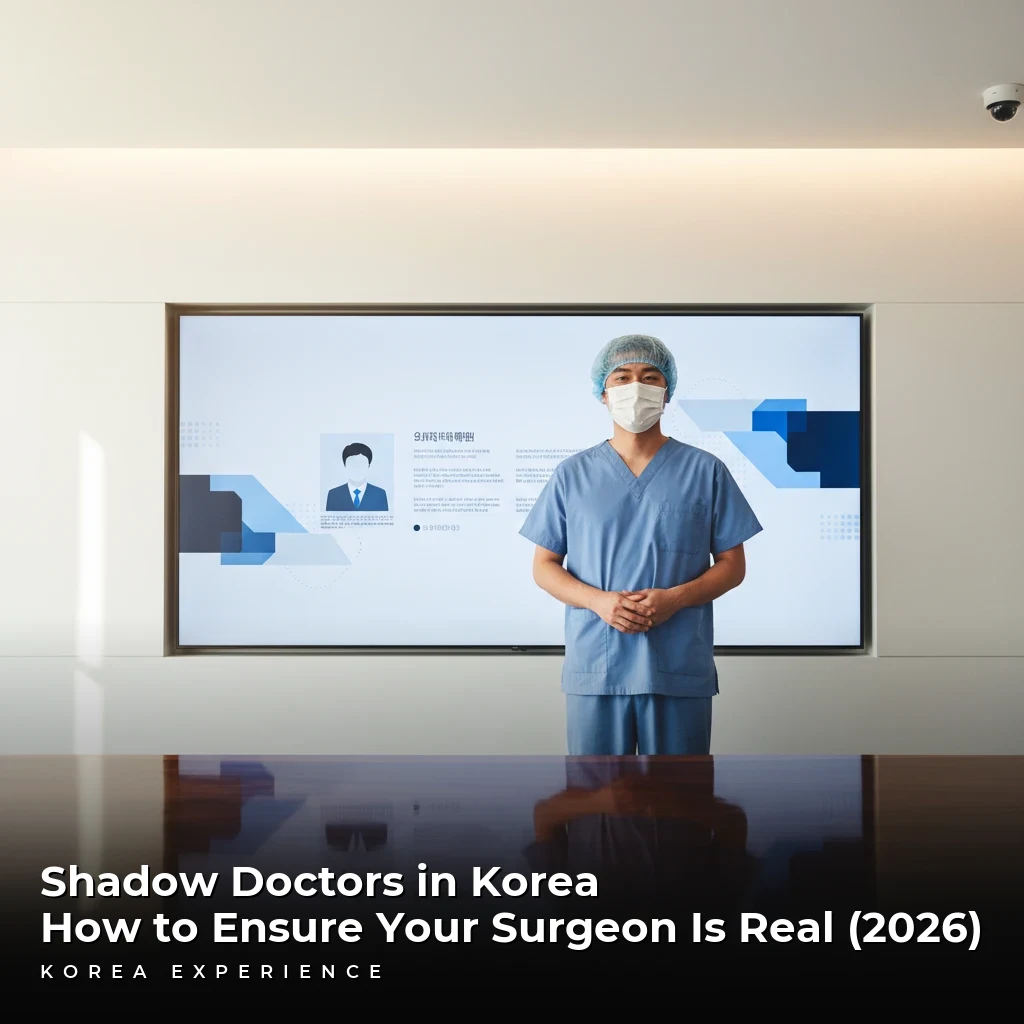
The term "shadow doctor" refers to a deeply unethical and illegal practice where a less experienced, often unqualified, doctor performs a surgery or procedure in place of the lead surgeon the patient originally consulted and believed would perform their operation. This deceptive practice, while not widespread, poses significant risks to patient safety, undermines trust, and can turn a dream medical journey into a nightmare. As we look towards 2026, with continued growth in medical tourism, understanding these risks and knowing how to protect yourself is more critical than ever.
This comprehensive guide will equip you with the essential knowledge and actionable steps needed to confidently navigate Korea's medical landscape. We will delve into what shadow doctors are, the dangers they pose, and, most importantly, provide a robust toolkit for verifying your surgeon's credentials, choosing reputable clinics, and understanding your legal protections. By the end of this post, you will be empowered to make informed decisions and ensure your medical experience in Korea is safe, transparent, and successful.
Understanding the "Shadow Doctor" Phenomenon in Korea
The allure of Korea's medical services is undeniable, yet the issue of "shadow doctors" is a dark spot that has garnered international attention. It is crucial for anyone considering medical treatment in Korea to fully grasp what this phenomenon entails.
What Exactly is a "Shadow Doctor"?
At its core, a "shadow doctor" is a doctor who performs surgery or a significant medical procedure without the explicit consent or knowledge of the patient, effectively substituting for the surgeon the patient initially consulted and agreed upon. This practice typically occurs when a clinic's lead surgeon, often a highly sought-after specialist, has a packed schedule. To maximize patient intake and revenue, a less experienced or even junior doctor, sometimes a resident or a general practitioner without the specific surgical specialization, is covertly tasked with performing the actual operation. The patient is often under general anesthesia, completely unaware of the substitution, waking up believing their chosen surgeon completed the procedure.
While the practice is more commonly associated with high-demand cosmetic surgeries (like double eyelid surgery, rhinoplasty, or jaw contouring) due to their popularity and often high price tags, it is not exclusively limited to these fields. Any procedure where a patient is sedated and the surgeon's identity is not continuously verifiable could potentially be affected.
The Ethical and Legal Ramifications
The use of a shadow doctor is a severe breach of medical ethics and patient trust. It directly violates the principle of informed consent, which requires patients to be fully aware of and agree to every aspect of their treatment, including who performs it. When a shadow doctor is involved, this consent is fundamentally undermined, as the patient consents to one surgeon but receives treatment from another.
Legally, this practice can lead to charges of fraud, battery, and medical malpractice. In Korea, laws have been strengthened to combat this issue, with increased penalties for clinics and doctors found engaging in such deception. However, proving a shadow doctor incident can be challenging without concrete evidence, especially for international patients who may face language barriers and unfamiliar legal systems.
Why Does This Happen?
Several factors contribute to the persistence of the shadow doctor issue, despite stricter regulations and public awareness campaigns:
- High Patient Volume and Profit Motive: Popular clinics with famous surgeons often face overwhelming demand. To capitalize on their reputation and maximize profits, some clinics unfortunately resort to outsourcing the actual surgical work to junior doctors to accommodate more patients than the lead surgeon could realistically handle alone.
- Pressure on Clinics and Doctors: The highly competitive medical tourism market in Korea can create immense pressure on clinics to maintain high patient numbers and generate revenue. This pressure can sometimes lead to unethical shortcuts.
- Lack of Transparency: Historically, some clinics have lacked sufficient transparency regarding the specific surgeon performing a procedure, making it easier to carry out substitutions without detection.
Specific examples, often reported in Korean media, highlight how even seemingly reputable clinics in areas like Gangnam have been implicated. These cases typically involve patients suffering complications or feeling dissatisfied with their results, only to later discover, often through medical records or leaked internal information, that their surgery was not performed by the surgeon they believed they had chosen. While the Korean government and medical associations are actively working to eradicate this practice, vigilance on the part of the patient remains the most powerful defense.
The Risks of Unverified Surgeons
Entrusting your body and health to an unverified or "shadow" surgeon carries a multitude of severe risks that extend far beyond just unsatisfactory aesthetic results. Understanding these dangers is paramount for any international patient considering medical procedures in Korea.
Health and Safety Risks
The most immediate and critical concern when dealing with an unverified or shadow doctor pertains to your health and safety.
- Increased Complication Rates: A less experienced or unqualified surgeon is more likely to make errors during the procedure, leading to a higher risk of complications such as excessive bleeding, nerve damage, infection, scar tissue formation, or adverse reactions to anesthesia. These complications can range from minor to life-threatening.
- Botched Procedures and Unsatisfactory Outcomes: Patients often travel to Korea specifically for the high quality and precision of its medical procedures. A shadow doctor may lack the specialized skills, experience, or artistic eye necessary to achieve the desired aesthetic or functional results. This can lead to disfigurement, asymmetry, or a result that looks unnatural or simply doesn't meet expectations, requiring costly and emotionally taxing corrective surgeries.
- Inadequate Post-Operative Care: The quality of post-operative care is just as crucial as the surgery itself. An unverified surgeon or a clinic engaged in deceptive practices may also fall short in providing proper follow-up, advice, and emergency protocols, leaving the patient vulnerable during the critical recovery period.
- Lack of Accountability: If complications arise, pinpointing responsibility becomes incredibly difficult if the operating surgeon was not the one you consented to. This can complicate further treatment and legal recourse.
Legal and Financial Repercussions
Beyond the physical risks, dealing with a shadow doctor can plunge you into a complex web of legal and financial problems.
- Difficulty with Malpractice Claims: Proving medical malpractice is challenging enough, but when the identity of the operating surgeon is disputed or hidden, it becomes exponentially harder. International patients might struggle with legal processes in an unfamiliar country, making it difficult to pursue compensation for damages.
- No Recourse for Damages: Without clear documentation of who performed your surgery, and if the clinic denies any wrongdoing, you may have little to no legal recourse to recover costs for corrective surgeries, lost wages, or emotional distress.
- Unexpected Costs for Corrective Surgery: If a procedure is botched, the financial burden of seeking corrective surgery, either in Korea or back in your home country, can be substantial. This includes additional surgical fees, travel, accommodation, and recovery time, turning an initial investment into a significantly larger expense.
Psychological Impact
The consequences of a shadow doctor incident are not just physical and financial; they can also inflict profound psychological trauma.
- Distress and Trauma: Discovering you were operated on by someone other than your chosen surgeon is a deeply violating experience. Patients often report feelings of betrayal, anger, and profound distress.
- Loss of Trust: Such an incident can shatter trust in the medical profession and create lasting anxiety about seeking future medical care, especially abroad.
- Body Image Issues and Depression: Unsatisfactory or disfiguring results can lead to severe body image issues, self-consciousness, and even depression, impacting a patient's quality of life long after the physical recovery.
Considering these severe risks, the importance of diligent verification and careful selection of both your surgeon and clinic cannot be overstated. Your safety and well-being should always be the top priority.
Your Essential Toolkit for Surgeon Verification
Proactively verifying your surgeon's credentials and the clinic's legitimacy is the single most effective way to protect yourself from the shadow doctor phenomenon. Here’s a detailed toolkit to guide you through the process in 2026.
Step 1: Verify Medical Licenses and Specializations
This is your foundational step. Never assume a clinic's claims without independent verification.
- Korean Medical Association (KMA) Website: The KMA is the official organization for medical doctors in Korea. While their public search portal is primarily in Korean, reputable medical tourism agencies or interpreters can assist you. The portal allows you to search for a doctor by name and verify their basic medical license status. This confirms they are indeed a licensed doctor in Korea.
- Ministry of Health and Welfare (MOHW) Data: For deeper verification, the MOHW oversees all medical institutions and practitioners. They maintain records of licensed doctors and specialized certifications. Again, direct access for international patients can be challenging, but official medical tourism support centers (like those run by the Korea Tourism Organization or KTO) can often help cross-reference this information.
- Specialty Boards: For specific procedures, especially plastic surgery, dermatology, or dentistry, ensure your surgeon is certified by the relevant Korean specialty board. For example, a plastic surgeon should be certified by the Korean Society of Plastic and Reconstructive Surgeons (KSPRS). Being a "general practitioner" performing specialized surgery is a major red flag. Always look for board-certified specialists for complex procedures.
- Check the Doctor's Official Profile: Reputable clinics will prominently display their surgeons' qualifications, experience, and board certifications on their websites. Cross-reference this information with official databases.
Step 2: Clinic Accreditation and Reputation Check
The clinic itself must also meet high standards of safety and ethical practice.
- International Patient Certifications: Look for clinics designated by the Korean government as "International Patient Friendly Hospitals" or those with specific certifications for international medical tourism. The KTO often publishes lists of such approved facilities. These clinics typically have stricter standards for patient safety, language services, and transparency.
- Review Platforms and Forums: Utilize reliable international review platforms like Google Reviews, WhatClinic, Medical Departures, and dedicated medical tourism forums. Look for consistent feedback, both positive and negative, regarding specific doctors and the overall clinic experience. Be wary of clinics with only glowing, generic reviews or an excessive number of reviews posted in a very short period, which could indicate manipulation.
- Government-Approved Medical Tourism Agencies: Engaging with an agency officially recognized and supported by the KTO or other Korean government bodies can add an extra layer of security. These agencies often have vetting processes for the clinics and surgeons they partner with. (More on this in Section 4.)
- Official Seals and Accreditations: While less common for smaller clinics, larger hospitals might have international accreditations such as Joint Commission International (JCI). For all clinics, look for any Korean national accreditation seals related to patient safety and quality management.
Step 3: Direct Consultation and Communication
Your personal interaction with the clinic and surgeon is invaluable.
- Insist on Meeting the Actual Surgeon: Demand to have your initial consultation, and all subsequent pre-operative discussions, directly with the specific surgeon who will perform your procedure. Do not settle for consultations with sales representatives or coordinators alone. This meeting is critical to assess their expertise, communication style, and to build trust.
- Ask Detailed Questions: Prepare a list of questions:
- What is your specific experience with this exact procedure?
- Can I see before-and-after photos of your own work? (Not just general clinic photos).
- What are the potential risks and complications, and how do you mitigate them?
- What is the exact post-operative care plan?
- Who will be assisting you in the operating room?
- Observe Clinic Transparency: Does the clinic readily provide information about their surgeons, procedures, and pricing? Are they evasive or do they pressure you into making quick decisions? A transparent clinic values patient education and informed consent.
Step 4: The Role of CCTV and Consent
Recent legislative changes in Korea have empowered patients with new protections.
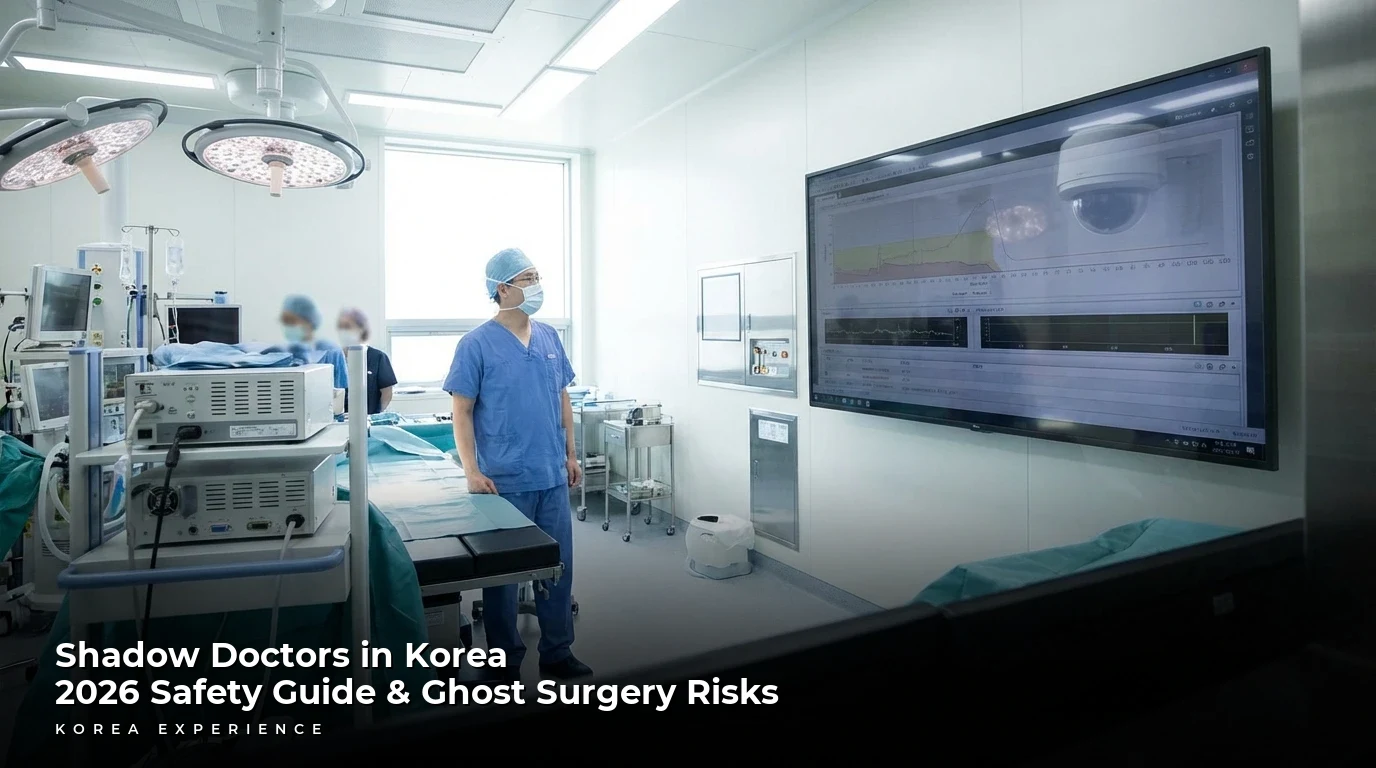
- Mandatory CCTV in Operating Rooms: As of September 2023, it is legally mandatory for CCTVs to be installed in operating rooms across Korea for specific medical procedures, including cosmetic surgeries. Patients now have the right to request that their surgery be recorded.
- Explicit Consent for Video Recording: Always ask about the clinic's CCTV policy. Insist on explicitly consenting to the recording of your surgery. While the footage is generally only released under specific legal circumstances (e.g., medical dispute, police investigation), its very presence acts as a significant deterrent against shadow doctor practices.
- Informed Consent Documents in English: Ensure all informed consent documents, pre-operative agreements, and post-operative instructions are provided to you in a language you fully understand, preferably English. Do not sign anything you haven't thoroughly read and understood, ideally with the help of a certified medical interpreter. These documents should clearly state the name of the surgeon performing the procedure.
By meticulously following these verification steps, you significantly reduce your risk and increase your confidence in your chosen medical provider in Korea.
| Feature | Reputable Clinic (High Transparency) | Questionable Clinic (Low Transparency) |
|---|---|---|
| Surgeon Verification | Provides surgeon's KMA license, board certifications, CV. | Vague about surgeon's credentials; uses generic "our team." |
| Initial Consultation | Direct, in-depth consultation with the lead surgeon. | Consultation primarily with sales staff or coordinators. |
| CCTV in OR | Offers and explains patient's right to request recording. | Avoids topic, claims "no CCTV," or makes excuses. |
| Consent Forms | Detailed, clear, provided in native language (English). | Vague, in Korean only, or pressures for quick signing. |
| Before/After Photos | Shows photos specific to their surgeons' work. | Uses stock photos or generic clinic portfolio. |
| Pricing | Transparent, itemized breakdown of costs. | Hidden fees, lump sums, high-pressure discounts. |
| Accreditations | Displays government certifications, KTO approval, etc. | No visible accreditations or vague claims of "top clinic." |
Navigating Medical Tourism Agencies and Interpreters
For international patients, medical tourism agencies and interpreters often serve as critical intermediaries. While many are legitimate and highly beneficial, some can inadvertently (or intentionally) expose you to risks, including shadow doctor scenarios. Choosing wisely is paramount.
Choosing a Reputable Agency
A good medical tourism agency acts as your advocate, streamlining your journey and ensuring ethical practices.
- Government-Registered Agencies: Prioritize agencies officially registered with or accredited by the Korean government, particularly the Korea Tourism Organization (KTO). The KTO often lists approved agencies on its Medical Korea website. These agencies are typically held to higher standards of transparency and patient protection.
- Transparent Fee Structures: A trustworthy agency will clearly outline its fees upfront. Understand whether their services are paid by you, the clinic, or both, and ensure there are no hidden charges. Be wary of agencies that offer unrealistically low prices or claim to get you extreme discounts, as this could be a sign of cutting corners elsewhere.
- Client Testimonials and Reviews: Look for agencies with a solid track record and positive reviews from other international patients, specifically mentioning their professionalism, communication, and assistance with surgeon verification.
- Comprehensive Services: A good agency should offer a range of services beyond just booking appointments, including visa assistance, accommodation recommendations, transportation, and post-operative support.
- Direct Communication with Clinics: The agency should facilitate direct communication between you and your chosen clinic/surgeon, rather than acting as a sole intermediary for all information.
The Importance of Certified Medical Interpreters
Language barriers are a significant vulnerability for international patients. A certified medical interpreter is essential for accurate communication and informed consent.
- Avoid Ad-Hoc Interpreters: Do not rely on clinic staff who are not certified medical interpreters, friends, or family members to translate complex medical information. Medical terminology is highly specialized, and misinterpretations can have severe consequences.
- Ensure Medical Terminology Accuracy: A professional medical interpreter understands the nuances of both medical language and cultural communication, ensuring you fully grasp diagnoses, treatment plans, risks, and post-operative instructions. They can also effectively convey your questions and concerns to the medical staff.
- Clarify Who Pays for the Interpreter: Confirm whether the cost of a certified medical interpreter is included in your package, paid by the clinic, or an additional expense. Ensure their availability for all critical consultations, pre-operative meetings, the day of surgery, and post-operative follow-ups.
- Interpreters as Your Advocate: A good interpreter acts as your voice and ensures your questions are answered completely, and your rights are respected. They can be crucial in identifying any discrepancies or red flags during your interactions with the clinic.
Red Flags to Watch Out For
Be highly suspicious of any agency or clinic exhibiting these behaviors:
- Unrealistic Discounts and "Package Deals": While discounts are common, excessively low prices that seem "too good to be true" often are. They might indicate a compromise on quality, safety, or the experience level of the operating surgeon.
- High-Pressure Sales Tactics: Any attempt to rush your decision, pressure you into immediate booking, or minimize your concerns should be a major warning sign.
- Refusal to Provide Surgeon's Credentials: If an agency or clinic is hesitant or refuses to provide the specific surgeon's license, board certifications, or detailed CV, walk away.
- Vague Answers to Specific Questions: If your detailed questions about the procedure, recovery, or surgeon's experience are met with generic, vague, or evasive responses, it's a sign of potential issues.
- Exaggerated Claims and Guaranteed Results: No ethical medical professional can guarantee perfect results. Be wary of clinics or agencies that make such promises.
- Only Communicating Through the Agency: While agencies facilitate communication, you should still have the option for direct communication with the clinic and surgeon for critical discussions.
By carefully selecting your agency and interpreter, you add robust layers of protection to your medical tourism journey in Korea.
| Feature | Certified Medical Tourism Agency (KTO Approved) | Unofficial Broker/Questionable Agency |
|---|---|---|
| Registration/Accreditation | Officially registered with KTO or government bodies. | Unregistered, unknown affiliation, claims to be "independent." |
| Clinic Vetting | Partners only with thoroughly vetted, reputable clinics. | Works with any clinic offering commissions, less vetting. |
| Transparency | Clear fee structure, no hidden costs, provides all documents. | Vague on fees, unexpected charges, lacks detailed paperwork. |
| Surgeon Verification | Actively assists and encourages surgeon credential checks. | Avoids or discourages independent surgeon verification. |
| Communication | Facilitates direct communication with clinic/surgeon. | Insists on being the sole point of contact, controls information. |
| Support | Comprehensive pre/post-trip support, emergency assistance. | Minimal support, disappears after booking, lacks emergency plans. |
| Interpreter | Arranges certified medical interpreters. | Provides non-certified staff or leaves language to patient. |
Legal Protections and Recourse for International Patients
Despite your best efforts, unforeseen complications or, in rare cases, even a shadow doctor incident, can occur. Knowing your legal protections and available avenues for recourse in Korea is crucial for international patients.
Korean Legal Framework for Medical Malpractice
Korea has a developed legal system that addresses medical malpractice, with specific mechanisms designed to protect patients.
- Patient Compensation Funds: The Korean Agency for Medical Malpractice Mediation and Arbitration (KOMMAND) is a quasi-judicial body specifically established to resolve medical disputes. It offers mediation, arbitration, and compensation services, often acting as a faster and less expensive alternative to traditional lawsuits. For serious adverse events, there is a patient compensation fund.
- Statute of Limitations: Be aware of the time limits for filing claims. Generally, medical malpractice claims in Korea must be filed within a certain period (e.g., typically 3 years from the date the patient became aware of the harm, or 10 years from the date of the incident, whichever comes first). For international patients, prompt action upon returning home is essential.
- Civil Lawsuits: Patients can also pursue civil lawsuits through the Korean court system for medical malpractice. This is a more complex and time-consuming process, requiring legal representation, but can result in higher compensation if successful.
Reporting a Suspicion or Incident
If you suspect you have been a victim of a shadow doctor or medical malpractice, immediate action is vital.
- Ministry of Health and Welfare (MOHW) Complaint Line: The MOHW has dedicated hotlines and online portals for reporting medical grievances. They can investigate claims against medical institutions and practitioners. While primarily in Korean, they often have staff or partner organizations that can assist international patients.
- Police (112) in Severe Cases: In cases involving severe harm, physical assault, or clear criminal negligence (such as being operated on by an unlicensed individual), contacting the police (dial 112) is appropriate.
- Korean Agency for Medical Malpractice Mediation and Arbitration (KOMMAND): For formal dispute resolution, contact KOMMAND. They offer services tailored for mediation and arbitration of medical disputes, potentially leading to compensation.
- Patient Advocacy Groups: Several non-profit organizations and patient advocacy groups in Korea offer support and guidance for patients navigating medical disputes. While some may primarily cater to Korean nationals, they might be able to offer referrals or initial advice.
- Your Home Country's Embassy/Consulate: Your embassy or consulate in Korea can provide limited assistance, such as connecting you with local legal resources or interpreters, but they generally cannot intervene directly in legal disputes.
- Seek Legal Counsel: For serious cases, engaging a Korean lawyer specializing in medical malpractice is highly recommended. Look for firms with experience handling cases involving international clients.
The Importance of Documentation
Robust documentation is your strongest ally in any dispute.
- Copies of Consent Forms: Keep signed copies of all consent forms, ensuring they clearly state the name of the surgeon you agreed to.
- Medical Records: Request and retain copies of all your medical records, including pre-operative assessments, operative notes, anesthesia records, and post-operative reports. These documents are crucial evidence.
- Receipts and Payment Records: Keep all financial records related to your procedure, including invoices and payment confirmations.
- Pre/Post-Operative Photos: Maintain clear, dated photos of your condition before and after the procedure.
- Communication Logs: Document all communication with the clinic and agency, including emails, text messages, and notes from phone calls, noting dates, times, and persons involved.
- Interpreter Notes: If you used an interpreter, keep any notes or summaries they provided.
By meticulously documenting your entire medical journey and understanding the channels for legal recourse, you significantly strengthen your position should any issues arise. While the goal is a seamless experience, being prepared for contingencies is a mark of a truly informed medical tourist.
| Aspect | Patient Preparation (Before Travel) | Actions During Medical Stay | Post-Treatment Actions (If Issues Arise) |
|---|---|---|---|
| Surgeon Verification | Research KMA license, board certs; insist on direct consult. | Confirm surgeon's identity on day of surgery. | Request operative notes to confirm surgeon's name. |
| Clinic Reputation | Check accreditations, KTO approval, international reviews. | Observe clinic cleanliness, professionalism, transparency. | Gather clinic's official documents, brochures, contact info. |
| Consent & Info | Demand English consent forms; understand all risks/procedures. | Ensure interpreter is present for all key discussions. | Review signed consent forms and medical records carefully. |
| CCTV | Confirm clinic's CCTV policy; plan to request recording. | Explicitly request surgery recording before anesthesia. | Request CCTV footage via legal channels if needed. |
| Documentation | Pre-op photos, communication logs with agency/clinic. | Keep all receipts, post-op instructions, photos. | Collect all medical records, photos, communicate with legal counsel. |
| Legal Recourse | Understand KOMMAND, statute of limitations. | Know emergency contacts (119, 1339). | Contact KOMMAND, MOHW, or a medical malpractice lawyer. |
Frequently Asked Questions (FAQ)
Here are some common questions international patients have regarding shadow doctors and safety in Korean medical tourism.
Q1: Can "shadow doctor" incidents still happen in 2026 despite regulations?
A1: While the Korean government has implemented stricter laws, including mandatory CCTV in operating rooms and increased penalties, vigilance is still necessary. No system is foolproof. The intent of regulations is to deter, but unethical practices can persist in isolated cases. Your proactive verification steps remain your best defense.
Q2: How can I verify a doctor's license if I don't speak Korean?
A2: This can be challenging. Your best approach is to work with a KTO-approved medical tourism agency that can assist with official database checks. Alternatively, some larger hospitals or clinics catering to international patients may have English-speaking staff who can guide you on how to access and interpret the Korean Medical Association (KMA) or Ministry of Health and Welfare (MOHW) databases. Always ask for screenshots or official documentation.
Q3: What should I do if I suspect my surgeon was a shadow doctor after the procedure?
A3: First, document everything immediately: collect all medical records, consent forms, receipts, and photos. If you requested CCTV recording, request a copy through legal channels. Contact the Korean Agency for Medical Malpractice Mediation and Arbitration (KOMMAND) and the Ministry of Health and Welfare (MOHW) to report your suspicion. Consult with a Korean lawyer specializing in medical malpractice as soon as possible. Your home country's embassy may also provide limited assistance or referrals.
Q4: Are all clinics in Gangnam safe?
A4: Gangnam is renowned for its concentration of high-quality medical clinics, particularly in cosmetic surgery. However, its popularity also makes it a target for less scrupulous operators. "Gangnam" is a location, not a guarantee of quality or ethics. You must still perform thorough due diligence for any clinic, regardless of its location within Gangnam or elsewhere in Korea. Look for individual clinic accreditations, surgeon credentials, and patient reviews, rather than relying solely on the district's reputation.
Q5: Is CCTV mandatory in all operating rooms now?
A5: As of September 2023, it is legally mandatory for CCTVs to be installed in operating rooms across Korea for specific medical procedures, which includes most surgeries. Patients now have the right to request that their surgery be recorded. However, there are some exceptions (e.g., emergency surgeries, or situations where the recording might impede the operation). Always confirm the clinic's CCTV policy and explicitly request recording for your procedure well in advance. Remember, while the footage can be requested, it's generally only released under specific legal circumstances.
Conclusion
Korea offers unparalleled opportunities for medical tourists seeking high-quality, advanced treatments. The nation's dedication to medical innovation and patient care is commendable, attracting thousands of international patients annually. However, the shadow doctor phenomenon serves as a crucial reminder that due diligence is not just recommended, but absolutely essential for a safe and successful medical journey.
By empowering yourself with knowledge, committing to thorough verification of your surgeon and clinic, and leveraging the available legal protections, you can significantly mitigate risks. Remember to:
- Verify, Verify, Verify: Independently confirm your surgeon's license and board certifications through official Korean medical bodies.
- Choose Wisely: Select clinics with strong reputations, official accreditations, and transparent practices. Work with KTO-approved medical tourism agencies.
- Communicate Clearly: Insist on direct consultations with your surgeon and utilize certified medical interpreters for all critical discussions.
- Know Your Rights: Understand the legal framework, your right to request CCTV recording, and the avenues for recourse if issues arise.
- Document Everything: Maintain meticulous records of all communications, medical documents, and financial transactions.
Your health and safety are paramount. By taking these proactive steps, you can confidently navigate Korea's medical landscape, harness its renowned expertise, and ensure that your medical experience is not only successful but also free from the shadows of doubt.
Medical Disclaimer
The information provided in this blog post is intended for general informational purposes only and does not constitute medical advice, diagnosis, or treatment. It is not a substitute for professional medical advice, diagnosis, or treatment from a qualified healthcare provider. Always seek the advice of your physician or other qualified health provider with any questions you may have regarding a medical condition or treatment. Never disregard professional medical advice or delay in seeking it because of something you have read in this article.
Emergency Contact Numbers in Korea
- 119: For ambulance, fire, and other immediate emergencies.
- 1339: For medical consultation and information from medical professionals, including during emergencies, available in multiple languages.
About the Author
Korea Experience Team
Written by the Korea Experience editorial team - experts in Korean medical tourism, travel, and culture with years of research and firsthand experience.
⚠️ Medical Disclaimer
The information provided on this website is for general informational purposes only and does not constitute medical advice. Always consult with qualified healthcare professionals before making any medical decisions.
Continue Reading
Explore more articles you might find interesting
Explore the comprehensive medical tourism packages in Korea, covering everything from world-class hospitals to personalized care and recovery. Plan your health journey.
Navigate the Korea Medical Tourism Visa application with this comprehensive guide, covering types, requirements, and steps for international patients seeking world-class care.
Comparing Airbnb and recovery hotels for medical tourists in Korea Get expert insights on costs, services, and comfort for your healing journey