2026 Red Horse Year Exhibitions and Spiritual Spots Guide
Discover the best 2026 Year of the Red Horse exhibitions and spiritual spots in Korea to maximize your luck and embrace fiery energy.
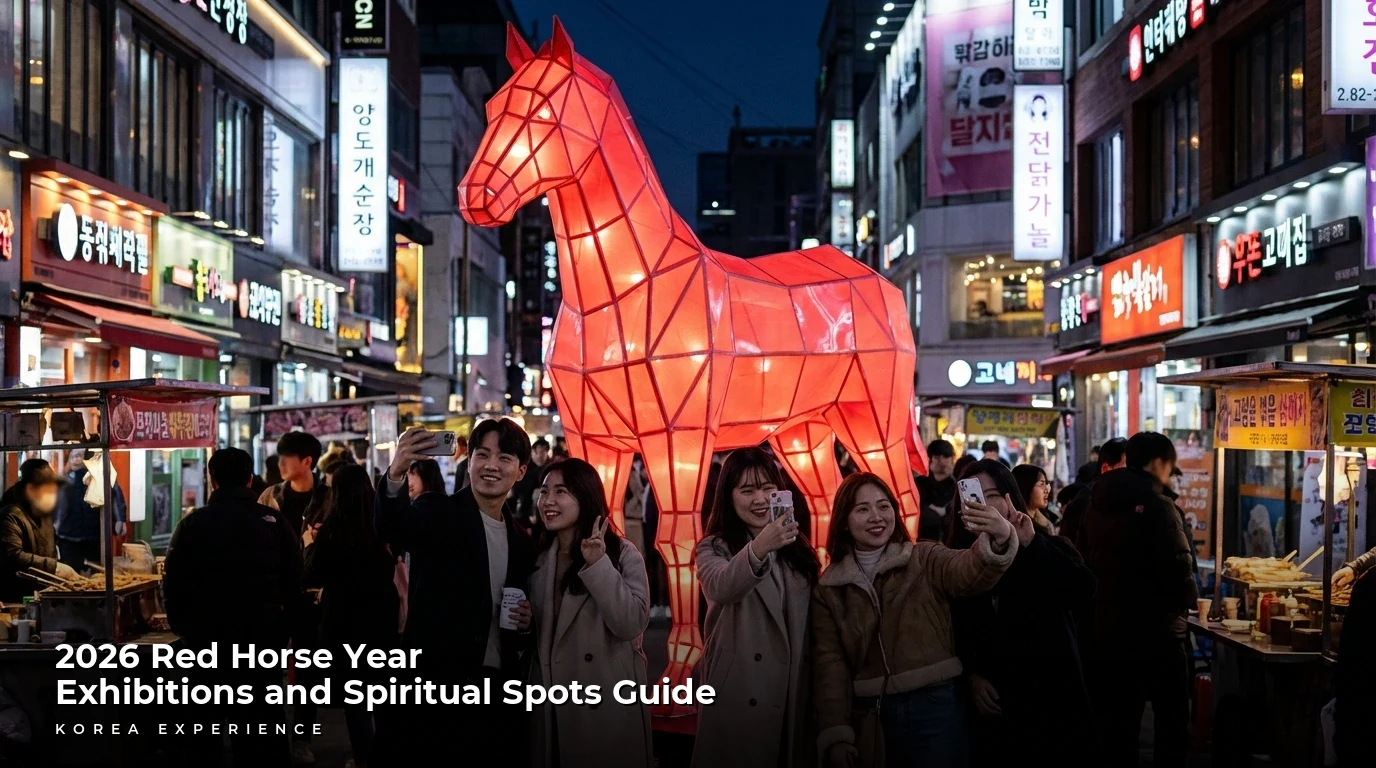
The arrival of 2026 marks a significant moment in the East Asian zodiac calendar: the Year of the Red Horse (Byeong-o). Occurring only once every 60 years, this celestial event combines the animal sign of the Horse with the elemental force of Fire. In Korean culture, the Red Horse symbolizes unbridled passion, dynamic movement, and rapid advancement. It is believed to be a year of high energy, making it the perfect time to visit specific spiritual sites to channel this intensity into personal success and well-being.
For travelers and residents in Korea, 2026 offers a unique lineup of cultural exhibitions celebrating equine history alongside ancient temples known for their powerful "fire" energy or wish-granting reputation. Whether you are seeking artistic inspiration or spiritual grounding, this guide covers the essential stops for the year.
Key Takeaways
- 1The Red Horse year occurs every 60 years and represents high energy, requiring specific spiritual grounding.
- 2The National Museum of Korea's special zodiac exhibition runs through March 2026 with free admission.
- 3Jeju Island offers the most authentic equine experiences, with flights from Seoul taking just 65 minutes.
Understanding the Red Horse Energy
Before diving into the itinerary, it is crucial to understand the cultural significance of Byeong-o. The cycle combines the "Heavenly Stem" of Fire (Red) with the "Earthly Branch" of the Horse. Historically, the last Red Horse year was 1966. Koreans view this year as a double-edged sword; it brings immense drive and charisma but requires careful management to avoid burnout.
📊 Zodiac Significance
To harness this luck, local traditions suggest visiting places that either honor the horse's vitality or provide spiritual balance. Below, we curate the top exhibitions and locations, noting that entrance fees for major palaces and museums have adjusted slightly to an average of 3,000 to ₩5,000 for adults in 2026.
Must-Visit Special Exhibitions in Seoul
Seoul is the epicenter of the 2026 celebrations. The city's museums have curated specific collections to honor the equine figure in Korean art and history.
1. The National Museum of Korea: "Galloping Through History"
The National Museum of Korea in Yongsan annually holds a special exhibition for the year's zodiac animal. For 2026, they have unveiled "Galloping Through History," displaying over 150 artifacts, including earthenware horse riders from the Silla Kingdom and Joseon Dynasty paintings.
National Museum of Korea(Guklip Jungang Bakmulgwan)
Why visit: This is the most comprehensive academic look at the horse in Korean culture. The museum spans a massive 295,551 square meters, ensuring that even on crowded weekends, there is space to breathe. The special exhibition is located in the Medieval History Hall on the first floor.
Pro Tip
Download the museum's app "National Museum of Korea" before you arrive. It provides an AI-powered English commentary that activates via Bluetooth as you approach specific artifacts, saving you the ₩3,000 rental fee for physical devices.
2. LetsRun Park Seoul: The Horse Museum
Located in Gwacheon, just south of Seoul, LetsRun Park is the heart of Korean horse racing. However, the hidden gem here is the Equine Museum. In 2026, they are hosting "The Myth of the Red Horse," focusing on horses in Korean mythology.
The park covers approximately 1.15 million square meters and includes a family park, pony land, and the racing track. It is a fantastic dual-purpose trip: cultural education and live energy.
📖 How to Enjoy a Day at LetsRun Park
Step 1: Arrival
Take Line 4 to Seoul Racecourse Park Station. Exit 1 leads directly to the entrance.
Step 2: Museum Tour
Visit the Equine Museum first (approx. 45 mins) to see the Red Horse exhibit.
Step 3: Secret Garden
Walk to the inner track area 'Pony Land' for a quieter picnic spot.
Spiritual Spots for Luck and Balance
To complement the fiery energy of the Red Horse, it is recommended to visit spiritual sites that either amplify positive ambition or cool down excessive heat. These locations are chosen based on Pungsu-jiri (Korean Feng Shui).
1. Bongeunsa Temple: Success and Wealth
Located in the heart of Gangnam, Bongeunsa offers a stark contrast to the surrounding COEX skyscrapers. For 2026, the temple has expanded its "wish lantern" area. The temple grounds house the Mireuk Daebul, the Great Statue of Maitreya Buddha, standing 23 meters tall.
It is believed that praying here during a high-energy year helps channel ambition into tangible wealth. The temple was founded in 794 AD, giving it over 1,200 years of spiritual accumulation.
During the Year of the Red Horse, many locals will visit Bongeunsa to light red lanterns specifically. If you want to participate, buy your lantern ticket at the entrance office (approx. ₩30,000) before heading up to the main hall. It is considered auspicious to write your business goals clearly on the tail of the lantern.
2. Naksansa Temple: Sunrise Energy
The Red Horse is associated with the south and fire, but to start the year right, many Koreans travel to the East Coast to catch the sunrise. Naksansa in Yangyang is the premier spot. Perched on a cliff overlooking the East Sea, it combines the fire energy of the sun with the cooling energy of the ocean.
Traveling to Yangyang has become significantly easier. The KTX-Eum high-speed train connects Seoul to nearby stations, reducing travel time to under 2 hours, compared to the previous 3-4 hour bus ride.
📋 Naksansa Visit Facts
The hallmark of Naksansa is the Haesugwaneumsang, a 16-meter tall granite statue of the Bodhisattva of Compassion looking out to sea. It is an ideal spot to pray for safety and "cooling" of volatile emotions during this intense year.
Jeju Island: The Land of the Horse
No guide to the Year of the Horse would be complete without mentioning Jeju Island. Historically, Jeju has been Korea's primary horse-breeding ground since the Goryeo Dynasty. The local breed, Jorangmal, is small but incredibly sturdy and resilient—perfect symbols for 2026.
Jeju is home to over 100 horse riding parks. The flight from Seoul's Gimpo Airport to Jeju International Airport covers 450 kilometers and takes approximately 65 minutes, with ticket prices averaging 60,000 to ₩120,000 depending on the season.
Experiencing Horse Culture in Jeju
Travelers can choose between immersive cultural experiences or active riding.
💵 Jeju Horse Experience Comparison
2-hour coastal trek, private guide, photos included.
20-minute guided walk, helmet rental, carrot feeding.
Booking Advisory
Because 2026 is the Year of the Horse, horse riding slots in Jeju are booking out 2-3 weeks in advance, especially for sunset slots. Reserve your session as soon as you book your flights.
Key Spot: The Jeju Horse Park Located in the Hallasan mid-mountain region, this park offers the most authentic connection to the island's history. It features a museum dedicated to the grand general who specialized in horse breeding. The park spans over 900,000 square meters of grazing land.
Practical Tips for Spiritual Tourism in 2026
When visiting these sites, understanding the nuance of Korean etiquette is vital. The "Red Horse" energy is considered potent, so respectful behavior is more important than ever.
Buying Lucky Charms (Bujok)
In 2026, you will see many red talismans or Bujok. While traditional paper talismans are common in temples, modern "goods" culture has created trendy versions. Keychains, phone cases, and gold cards featuring the Red Horse are popular souvenirs.
Souvenir Options: Traditional vs. Modern
- ✓Traditional Bujok support the temple directly
- ✓Modern items are more durable for daily use
- ✓Gold cards fit perfectly in wallets
- ✗Paper Bujok must be burned after a year
- ✗Modern items may lack spiritual consecration
- ✗Tourist shops often markup prices by 20%
Logistics and Etiquette
Most major temples open at 04:00 AM for morning chanting and close at sunset, though urban temples like Bongeunsa remain open until 22:00. When entering a Buddha hall, always use the side doors, not the center entrance, which is reserved for the spirit of the Buddha or high monks.
Transit Options to Spiritual Spots
| Feature | Rental Car | KTX Train | Express Bus |
|---|---|---|---|
| Cost (Seoul-East Coast) | 20,000+ | 0,000 | 2,000 |
| Flexibility | High | Medium | Low |
| Travel Time | 3 Hours | 2 Hours | 3.5 Hours |
Conclusion
The 2026 Year of the Red Horse invites us to move forward with courage and passion. Whether you are admiring the Silla artifacts at the National Museum, bowing beneath the towering Buddha at Bongeunsa, or galloping across the plains of Jeju, Korea offers profound ways to connect with this celestial energy.
Remember that the Red Horse year is about balance. Use the fiery energy to fuel your ambitions, but utilize these spiritual spots to ground yourself. With the average cost of a full cultural day trip (including meals and transport) sitting around ₩75,000, experiencing this unique cultural phenomenon is accessible to most travelers.
❓ Frequently Asked Questions
Have more questions?Contact us →
About the Author
Korea Experience Team
Written by the Korea Experience editorial team - experts in Korean medical tourism, travel, and culture with years of research and firsthand experience.
Explore more in K-Culture
K-Pop, K-Drama, traditional arts, and modern culture — dive deep into the cultural phenomena that have captivated the world.
Browse All K-Culture ArticlesContinue Reading
Explore more articles you might find interesting

The 2026 Year of the Red Horse brings a 60-year superstition back. With Korea's fertility rate at 0.72, will this fiery zodiac drop births further
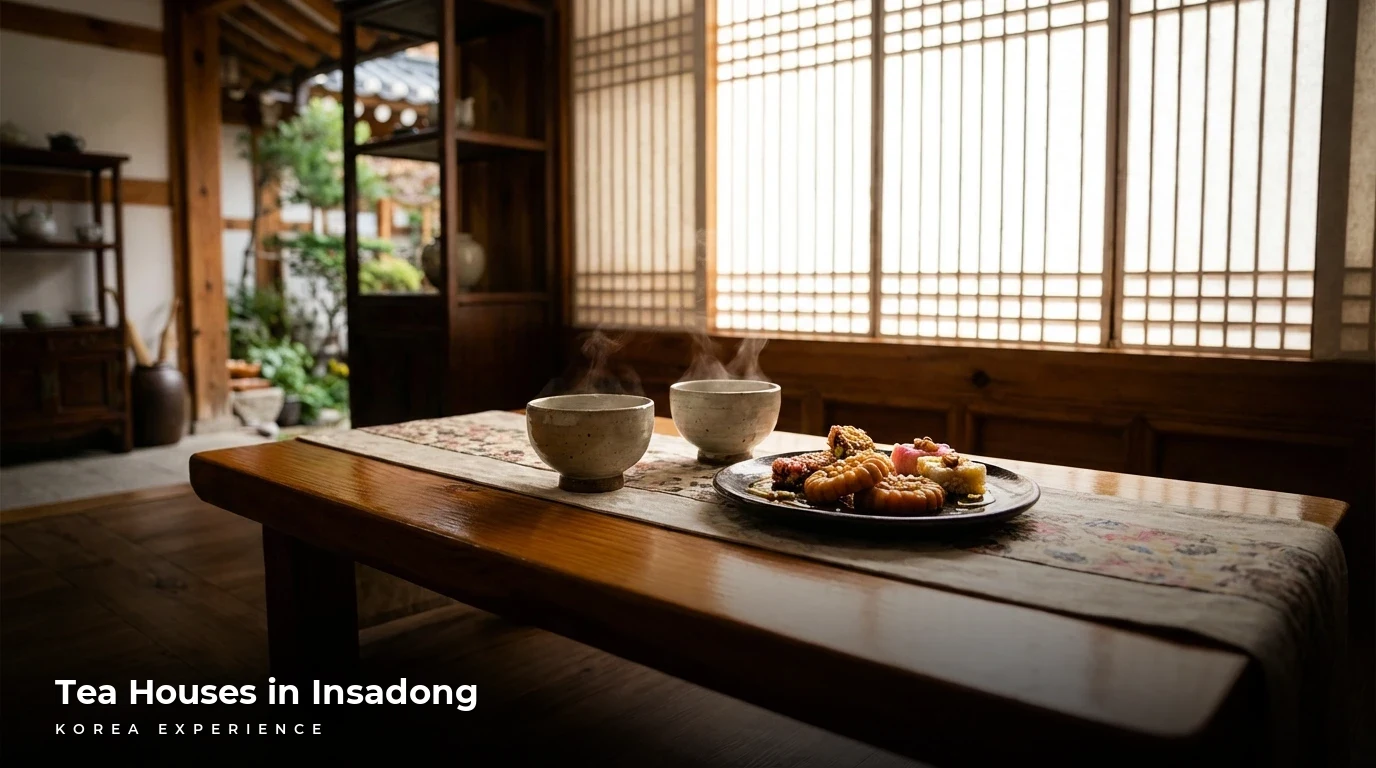
Discover Seoul's soul in 2026 with 100-year-old Hanoks and healing teas starting at 9,000 KRW. Find the best hidden spots away from the main street crowds.
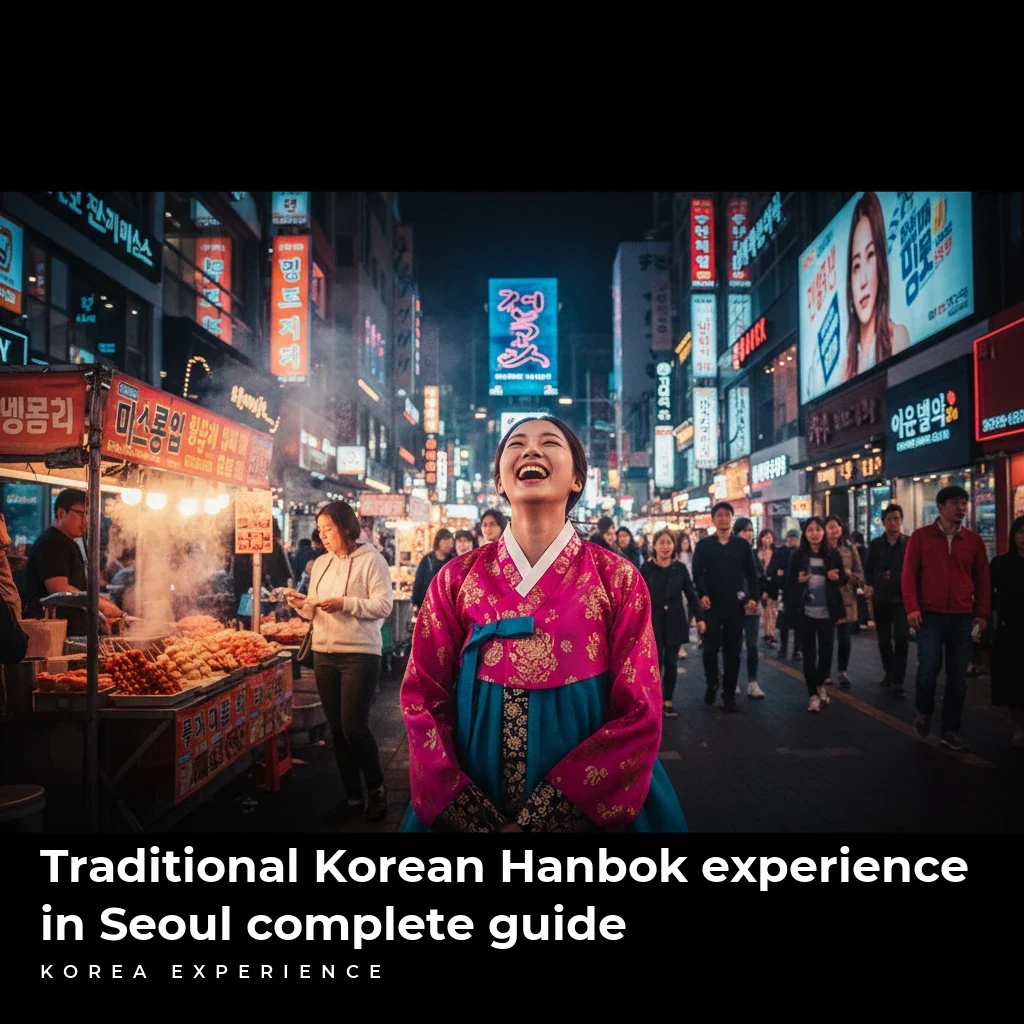
Discover the best traditional Korean hanbok experience in Seoul with rental tips, pricing guides, and hidden photo spots for 2026 travelers.
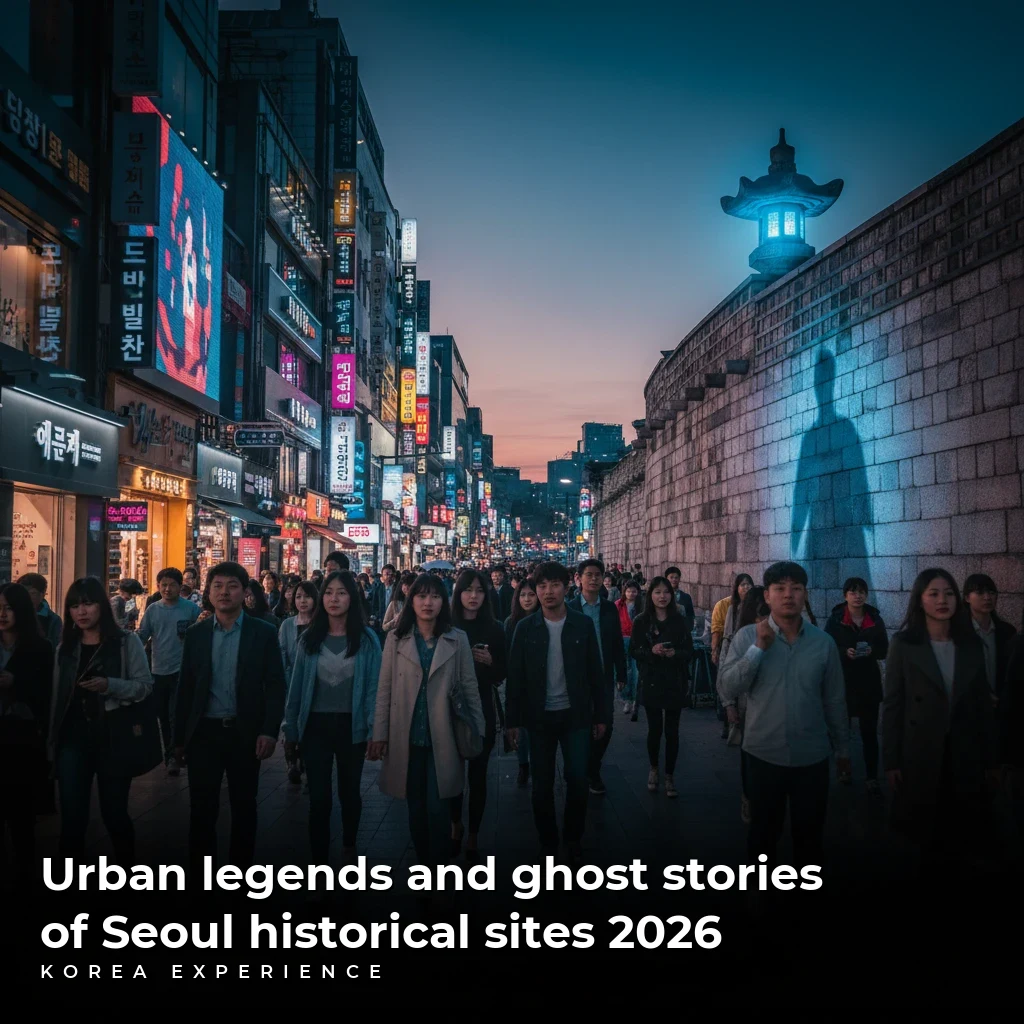
Explore the chilling history of Seoul through haunted palaces and dark tourism spots. Discover ghost stories and practical visiting tips for 2026.
Discover the 3000 year history of kimchi, from ancient preservation to modern superfood. Includes 2026 travel tips, museum guides, and cooking class costs.
Discover the ultimate guide to K Webtoons in Seoul 2026. Explore top manhwa cafes, museums, and pop-up stores defining the new wave of Korean culture.