K-Fandom Economy: Limited Goods Without Membership
Unlock access to rare K-pop, K-drama, and K-beauty limited-edition merchandise in Korea without needing a fan club membership.
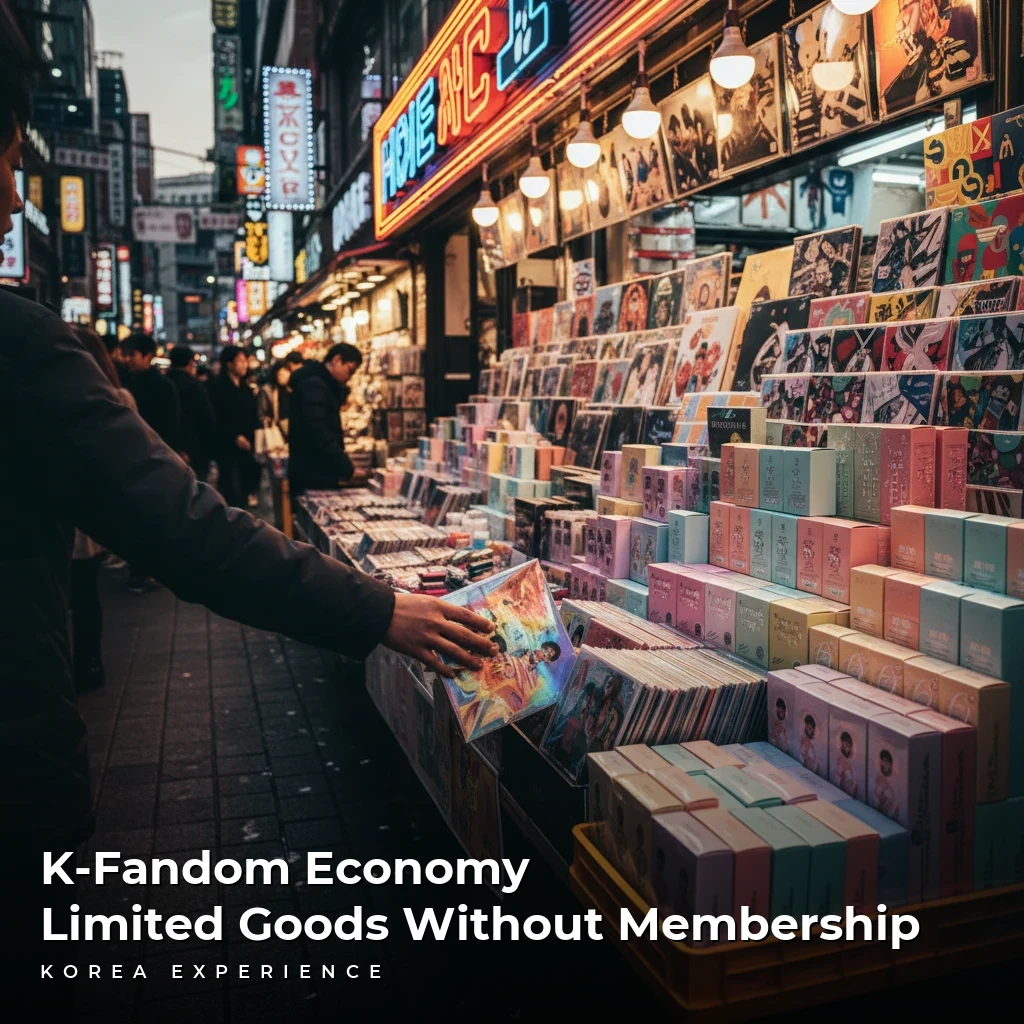
The pulse of Korea beats strongly with its vibrant cultural exports—K-pop, K-drama, and K-beauty have captivated global audiences, giving rise to an expansive K-fandom economy. For international fans visiting Korea, the allure of collecting limited-edition merchandise is undeniable. However, a common misconception is that access to these coveted items is exclusive to official fan club members. This isn't entirely true. While fan club memberships do offer unique perks, a vast world of limited-edition goods, from rare K-pop photocards to exclusive K-drama OSTs and collaboration beauty products, awaits discovery without such affiliations. This comprehensive guide will illuminate the diverse avenues available for international travelers and expats to delve into Korea's K-fandom economy, securing those special items without the need for a fan club card.
Key Takeaways
- 1Explore official brand stores and themed pop-up shops for direct access to exclusive merchandise.
- 2Utilize local second-hand online platforms and physical stores to find rare items at competitive prices, potentially saving 20-50%.
- 3Attend public events and visit collaboration cafes that frequently release limited-edition goods accessible to all visitors.
Understanding Korea's Dynamic K-Fandom Economy
Korea's entertainment industry is a global powerhouse, generating immense economic activity. The K-fandom economy, specifically, is a significant contributor, encompassing everything from music album sales and concert tickets to merchandise, themed cafes, and fan-meeting events. This ecosystem thrives on scarcity and exclusivity, making limited-edition items highly sought after. In 2023, the global K-pop market alone was estimated to be worth over 7 billion USD, with a substantial portion dedicated to merchandise sales, a figure expected to grow by 15% annually over the next five years.
For many international fans, navigating this market can seem daunting, especially with language barriers and the perception that limited goods are reserved for registered fans. However, understanding the different retail channels and adopting specific strategies can open up a treasure trove of opportunities. An estimated 60% of K-pop merchandise is sold through direct-to-consumer channels, including official stores and pop-ups, making them prime targets for non-members.
📋 K-Fandom Economy Snapshot
The Allure of Limited-Edition Goods
Limited-edition items hold a special place in the hearts of fans. They often include unique photocards bundled with albums, special edition lightsticks for tours, event-specific apparel, or collaboration items with popular brands. These items are produced in finite quantities, often tied to specific release windows or events, making them immediate collector's items. For example, a single rare photocard from a popular idol group can fetch anywhere from $20 to $100 on the secondary market, sometimes even higher depending on its rarity and condition. Acquiring these pieces is not just about ownership; it's about celebrating a connection to the artist or series, and for many, it's a tangible piece of their experience in Korea.
Why Limited Editions Matter
Limited-edition goods are designed for exclusivity, driving collector demand. They often mark significant milestones or collaborations, making them valuable keepsakes and potential investments in the fan community.
Official Brand Stores and Themed Pop-up Shops
The most straightforward way to find limited-edition goods without a fan club membership is by visiting official brand stores and short-term pop-up shops. Major entertainment agencies and popular character brands frequently launch these venues, offering a wide array of exclusive merchandise directly to the public.
K-Pop Agency Stores
Seoul is home to flagship stores for many of the biggest K-pop entertainment agencies. These stores are designed as immersive experiences, often featuring cafes, exhibition spaces, and of course, merchandise shops.
- HYBE INSIGHT (Closed, but check for new concepts): While HYBE INSIGHT has closed, the company regularly opens temporary pop-up stores in prime locations like Gangnam or Hongdae for specific group comebacks (e.g., BTS, SEVENTEEN, TXT). These pop-ups typically run for 1-3 weeks and offer exclusive merchandise. Keep an eye on official social media announcements. Previous pop-ups have seen queues of over 500 people during opening hours, with average waiting times of 1-2 hours.
- SMTOWN &STORE Coex Artium (Closed, but new concept coming): Similar to HYBE, SM Entertainment (home to EXO, Red Velvet, NCT, aespa) frequently launches pop-up stores or collaboration spaces in areas like Seongsu-dong or Ikseon-dong. These locations often feature album pre-order benefits, limited-run apparel, and special collaboration items. Product prices generally range from $15 for small items like keychains to $80 for hoodies.
- YG Place (YG Select): While YG Entertainment (BIGBANG, BLACKPINK, TREASURE) has a strong online presence, they occasionally open physical pop-ups for major releases. Their online store, YG Select, is accessible internationally and offers a good range of official merchandise, though physical pop-ups often have exclusive items not found online. These pop-ups usually last around 10 days to 2 weeks.
The Shop @ Apgujeong (Example)(더샵 압구정)
Character and K-Drama Themed Stores
Beyond K-pop, Korea's character culture and K-drama popularity also fuel a vibrant merchandise market.
- Kakao Friends Store (Gangnam/Hongdae): These iconic stores feature a vast range of merchandise based on Kakao Talk characters like Ryan, Apeach, and Muzi. They constantly release limited-edition collaboration items with other brands or seasonal collections. For instance, a special edition Ryan plushie might be released for Christmas, selling for around $35-50. The Gangnam flagship store covers over 700 square meters across three floors.
- Line Friends Store (Myeongdong/Hongdae): Similar to Kakao Friends, Line Friends stores offer merchandise for their popular characters, including BT21 (a collaboration with BTS) and TRUZ (a collaboration with TREASURE). These collaboration lines are particularly popular and frequently release limited-run items like stationery, plushies, and apparel. A BT21 t-shirt can cost about $40, while a limited edition plushie might be $60-80.
- K-Drama Pop-ups: For popular K-dramas, temporary pop-up stores often appear in shopping malls or cultural complexes like The Hyundai Seoul. These pop-ups sell OST albums, script books, character merchandise, and occasionally, replicas of props from the show. These events are often announced just 1-2 weeks in advance and typically run for 7-14 days.
"Many official stores and pop-ups utilize a waiting list or reservation system, especially for highly anticipated releases. Always check their social media channels (Instagram, X/Twitter) or official websites for real-time updates on queues, stock availability, and any necessary pre-bookings. Arriving 30-60 minutes before opening can drastically reduce your wait time."
Second-Hand Markets and Resale Platforms
For truly rare or out-of-print limited-edition goods, the secondary market is a treasure trove. These platforms allow fans to buy, sell, and trade items, often at competitive prices, making them excellent resources for non-members.
Online Resale Apps
Korea has highly active online second-hand marketplaces. These apps require a Korean phone number and often a Korean bank account for full functionality, but international visitors can navigate them with help or through specific strategies.
- Bunjang (번개장터): This is one of the largest second-hand marketplaces, particularly popular for K-pop merchandise. You can find everything from rare photocards and signed albums to concert goods and fan club kits. Prices can vary wildly, but a limited edition album that originally sold for $25 might be listed for $50-150 depending on its rarity. Over 5 million active users browse Bunjang monthly.
- Joonggonara (중고나라): Another massive platform, often described as Korea's Craigslist. It's used for a broader range of second-hand items but also has a very active K-pop and K-drama merchandise community. Listings are typically created by individual sellers, and direct messaging is common. Be prepared to use a translation app.
- Daangn Market (당근마켓): While primarily focused on local neighborhood trades, Daangn Market (also known as Carrot Market) can be useful for finding local deals. If you're staying in a specific area, you might find nearby sellers offloading merchandise. This app is more about convenience and local pickup, often resulting in lower prices due to reduced shipping hassle.
📖 How to Navigate Korean Resale Apps (for Visitors)
Step 1: Prepare a Korean Phone Number & Address
You'll likely need a local SIM card or an eSIM with a Korean number for verification. For shipping, a local friend's address or a forwarding service is ideal. Consider a temporary SIM card plan from KT or SK Telecom, often available for $30-50 for a 30-day plan.
Step 2: Use Translation Tools
These apps are in Korean. Utilize real-time screen translation apps like Papago or Google Translate to understand listings and communicate with sellers. Keep messages concise and polite.
Step 3: Set Up Payment
Many sellers prefer local bank transfers. If you have a Korean friend, they can assist. Otherwise, some sellers might be willing to accept international transfers or use secure payment proxies if they have experience with foreign buyers. Be cautious of scams.
Step 4: Arrange Shipping/Pickup
For smaller items like photocards, domestic shipping within Korea is usually inexpensive ($3-5). For larger items, a courier service like CJ Logistics or Korea Post is common. Coordinate pickup if possible, especially on Daangn Market.
Pros and Cons of Resale Platforms
- ✓Access to extremely rare, out-of-print, or exclusive fan club items.
- ✓Potentially lower prices than official retail for some items, especially if sellers want a quick sale.
- ✓Wider selection and variety compared to limited stock in official stores.
- ✗Requires a basic understanding of Korean or heavy reliance on translation apps.
- ✗Higher risk of scams or counterfeit items if not careful.
- ✗Payment and shipping can be complicated for international visitors without local assistance.
- ✗Prices can be significantly inflated for highly sought-after items, sometimes 200-300% above original retail.
Physical Second-Hand Stores
While less common for K-pop specific merchandise, some vintage or used goods stores in popular areas might carry interesting items.
- Underground Shopping Centers (Gangnam, Express Bus Terminal): These bustling centers often have small independent shops selling accessories, clothing, and sometimes, a small selection of K-pop related items, including unofficial merchandise or older albums. You might stumble upon a hidden gem here. Prices for unofficial items range from $5-20.
- Vintage Shops (Hongdae, Itaewon): While focused on clothing, some vintage shops or flea markets might have unexpected finds like old concert programs, posters, or limited-edition magazines featuring idols. The key here is serendipity, as stock changes frequently.
"My best advice for navigating resale apps is to always communicate clearly and confirm details. Use the app's internal chat system. Never take transactions outside the platform unless you absolutely trust the seller. I once found a rare signed album for ₩80,000 (about $60) that would have cost over $200 on international sites, simply by being patient and using a friend to help with the transaction."
Independent Fan-Made Merchandise and Small Shops
Beyond official and second-hand markets, a vibrant ecosystem of independent creators and small businesses produces fan-made merchandise. These items are often unique, artistic, and offer a different flavor of fandom.
Shopping Districts for Independent Creators
- Hongdae (Hongik University Area): Known for its artistic and youthful vibe, Hongdae is a hub for independent artists and small boutiques. You'll find numerous small shops selling fan-made accessories, clothing, illustrations, and handmade goods inspired by K-pop, K-drama, and general Korean culture. Look for alleyways filled with small stalls, especially near the university gates. A custom-designed phone case might cost $25-40.
- Ewha Womans University Area (Edae): Similar to Hongdae, Edae caters to a younger, trend-conscious crowd. You can find independent stores with unique, often K-pop-inspired fashion items, jewelry, and stationery. The main shopping street is easily walkable from Ewha Womans University Station, taking about 5 minutes from Exit 2.
- Insadong (Art and Craft Street): While not directly K-pop focused, Insadong is excellent for traditional and modern Korean crafts. Sometimes, artists here incorporate modern cultural elements, and you might find unique items that subtly celebrate K-fandom, like special stationery or small art pieces. An artisanal fan or notebook could range from $15-50.
Online Independent Shops
Many independent creators also sell their goods online through platforms like Etsy (international) or local Korean designer marketplaces. If you can't find something specific in a physical store, an online search might yield results.
Supporting Local Artists
Purchasing fan-made merchandise from independent artists is a great way to find unique items and directly support local creative talent within the K-fandom community. These items often have a personal touch lacking in mass-produced goods.
Event-Specific Goods and Collaboration Cafes
Many limited-edition items are tied to specific events or temporary collaborations, which are often open to the general public regardless of fan club status.
Concerts, Exhibitions, and Fan Meetings
- Concert Merchandise: Even without a concert ticket, you can often purchase official merchandise sold outside the venue on concert days. These sales usually start several hours before the event and are open to everyone. Expect long queues — sometimes 2-3 hours for popular groups — and plan to arrive early. Merchandise typically includes lightsticks, apparel, posters, and photo cards, with lightsticks costing around $35-50.
- Exhibitions and Pop-up Galleries: K-pop groups or K-drama productions frequently host special exhibitions or pop-up galleries to celebrate anniversaries, album releases, or show finales. These events often have exclusive merchandise shops where tickets are sold separately for entry, but anyone can buy them. For example, a recent K-pop exhibition charged a ₩5,000 (approx. $11) entry fee and had exclusive merchandise ranging from $10 to $70.
- Fan Meeting Vending: Sometimes, small fan-organized events or official fan meetings will have vending booths for fan-made goods or small official releases. While harder to track, social media is your best friend for finding these.
📋 Event Merchandise Essentials
Collaboration Cafes and Themed Spaces
Themed cafes are incredibly popular in Korea, and collaborations with K-pop groups, K-dramas, or character brands are frequent. These cafes often release limited-edition drinks, desserts, and merchandise.
- K-Pop Themed Cafes: Many cafes in areas like Hapjeong, Hongdae, or Gangnam partner with fan clubs or agencies for short-term collaborations around an idol's birthday or a group's comeback. These cafes sell special menu items with photo card giveaways or limited-edition cups, coasters, and small merchandise. A themed latte might cost $7, and often comes with a collectible coaster or photocard.
- K-Drama Themed Cafes: Following a popular K-drama, some cafes might transform to match the show's aesthetic, offering menu items inspired by the drama and selling exclusive items. These can range from replica props to special edition OSTs. Such collaborations usually last for 2-4 weeks.
Maison de K-Pop Cafe (Hypothetical)(메종 드 케이팝 카페)
Online International Retailers (As a Backup)
While the focus is on finding goods in Korea, it's worth noting that several online international retailers and proxies can help you acquire limited-edition goods if you miss out during your trip or prefer the convenience.
- Global Official Stores: Many K-pop agencies now have global stores (e.g., Weverse Shop Global, SM Global Shop) that ship internationally. While they might not carry all limited-edition items found in Korea, they often have a good selection. However, shipping costs can be high, often $20-50 per order, and delivery times can be 2-4 weeks.
- K-Pop Specific Retailers (e.g., Ktown4u, Music Plaza): These online stores specialize in K-pop albums and merchandise and often carry limited editions. They can be a reliable source but may not have the extreme rarity of second-hand Korean platforms.
- Proxy Buying Services: Services like Harumio or KoreanBuddy allow you to provide a link to a Korean website (like Bunjang or a local K-pop store), and they will purchase the item on your behalf and ship it internationally. They charge a service fee (typically 5-10% of the item cost) plus international shipping.
💵 Buying Channels: Local vs. International
Direct access, immediate gratification, original retail prices.
Access to rare items, variable pricing, requires local assistance.
Navigating Language Barriers and Payment
A significant hurdle for international visitors is the language barrier and payment systems. However, with preparation, these can be overcome.
Language Assistance
- Translation Apps: Papago (Naver's translator) is highly recommended for Korean-English translation and often performs better than Google Translate for nuances. Use its image translation feature for menus or signs.
- Basic Korean Phrases: Learning a few basic phrases like "얼마예요? (Eolmayeyo? - How much is it?)" or "이거 주세요 (Igeo juseyo - Please give me this)" can go a long way.
- Help from Locals: Don't hesitate to politely ask for help from store staff (many younger staff in tourist areas speak some English) or even friendly locals, especially students.
Payment Methods
- International Credit/Debit Cards: Most major stores, official shops, and large cafes accept international Visa, MasterCard, and American Express cards.
- Cash (Korean Won - ₩): For smaller independent shops, street vendors, or very small purchases, cash is still king. It's advisable to carry some Korean Won, perhaps ₩50,000 - ₩100,000 ($35-75).
- Mobile Pay (Local): While services like Kakao Pay or Naver Pay are prevalent, they typically require a Korean bank account for full functionality, making them less accessible for short-term visitors.
Payment Method Compatibility
| Feature | International Credit/Debit | Cash (₩) | Kakao Pay / Naver Pay |
|---|---|---|---|
| Acceptance in Big Stores | ✅ | ✅ | ✅ |
| Acceptance in Small Shops | ✅ | ✅ | ❌ |
| Requires Korean Bank | ❌ | ❌ | ✅ |
| Ease for Tourists | ✅ | ✅ | ❌ |
Shipping and Customs for International Buyers
Once you've acquired your coveted limited-edition items, getting them home safely is the next step.
Local Shipping (Within Korea)
If you've bought items via resale apps and need them shipped to a local address (e.g., your hotel, a friend's place), domestic shipping is very efficient and affordable. Most packages arrive within 1-2 business days and cost around ₩3,000-5,000 ($2.20-3.70).
International Shipping from Korea
- Korea Post (EMS/Small Packet): This is the most common and reliable option. EMS (Express Mail Service) is faster (3-7 days) but more expensive (starting around $25 for a small package to the US). Small Packet is cheaper but slower (2-4 weeks). You can ship from any post office. Ensure your items are well-packaged, especially fragile goods like albums or lightsticks.
- Private Couriers (DHL, FedEx, UPS): These services are faster and offer better tracking but are significantly more expensive, often starting from $50 for small packages. They are best for high-value or time-sensitive items.
Customs and Duties
Be aware of your home country's customs regulations. You might be subject to import duties or taxes depending on the value of the items you ship or bring back. Keep receipts for proof of purchase. Most countries have a duty-free allowance for personal goods. For example, US citizens have an $800 duty-free allowance for items brought back in person.
Customs Declaration
Always declare the correct value of your items on customs forms. Undervaluing goods can lead to penalties, delays, or confiscation. Mark packages as 'personal items' or 'gifts' if appropriate, but ensure the value is accurate.
📊 Shipping Stats
Conclusion: Your Ultimate Guide to Unlocking Korea's Fandom Treasures
Navigating the K-fandom economy in Korea as an international traveler without a fan club membership is not only possible but incredibly rewarding. By strategically visiting official brand stores and pop-ups, diligently exploring second-hand markets (online and off), engaging with independent creators, and leveraging event-specific opportunities, you can successfully acquire those coveted limited-edition goods. With a bit of planning, a translation app, and an adventurous spirit, the vibrant world of K-pop, K-drama, and K-culture merchandise is yours to explore. Remember to stay updated through social media, prepare for queues, and always be polite and respectful in your interactions. Your journey into Korea's unique fandom landscape is sure to be filled with exciting discoveries and tangible memories.
❓ Frequently Asked Questions
Have more questions?Contact us →
About the Author
Korea Experience Team
Written by the Korea Experience editorial team - experts in Korean medical tourism, travel, and culture with years of research and firsthand experience.
Explore more in K-Culture
K-Pop, K-Drama, traditional arts, and modern culture — dive deep into the cultural phenomena that have captivated the world.
Browse All K-Culture ArticlesContinue Reading
Explore more articles you might find interesting
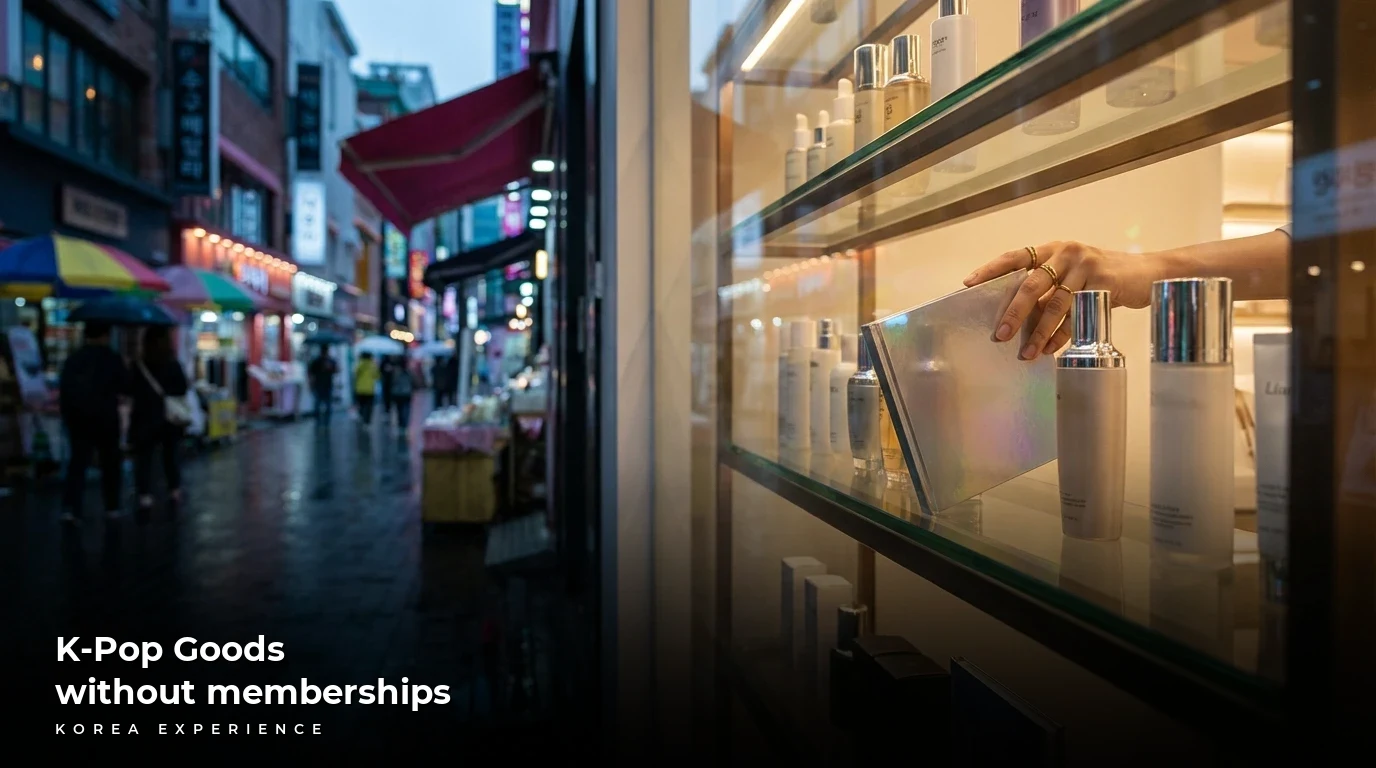
Score rare K-pop albums and lightsticks in Seoul without a fan club membership. Save with 2026 tax refunds (min ₩15,000) and find the best shops.
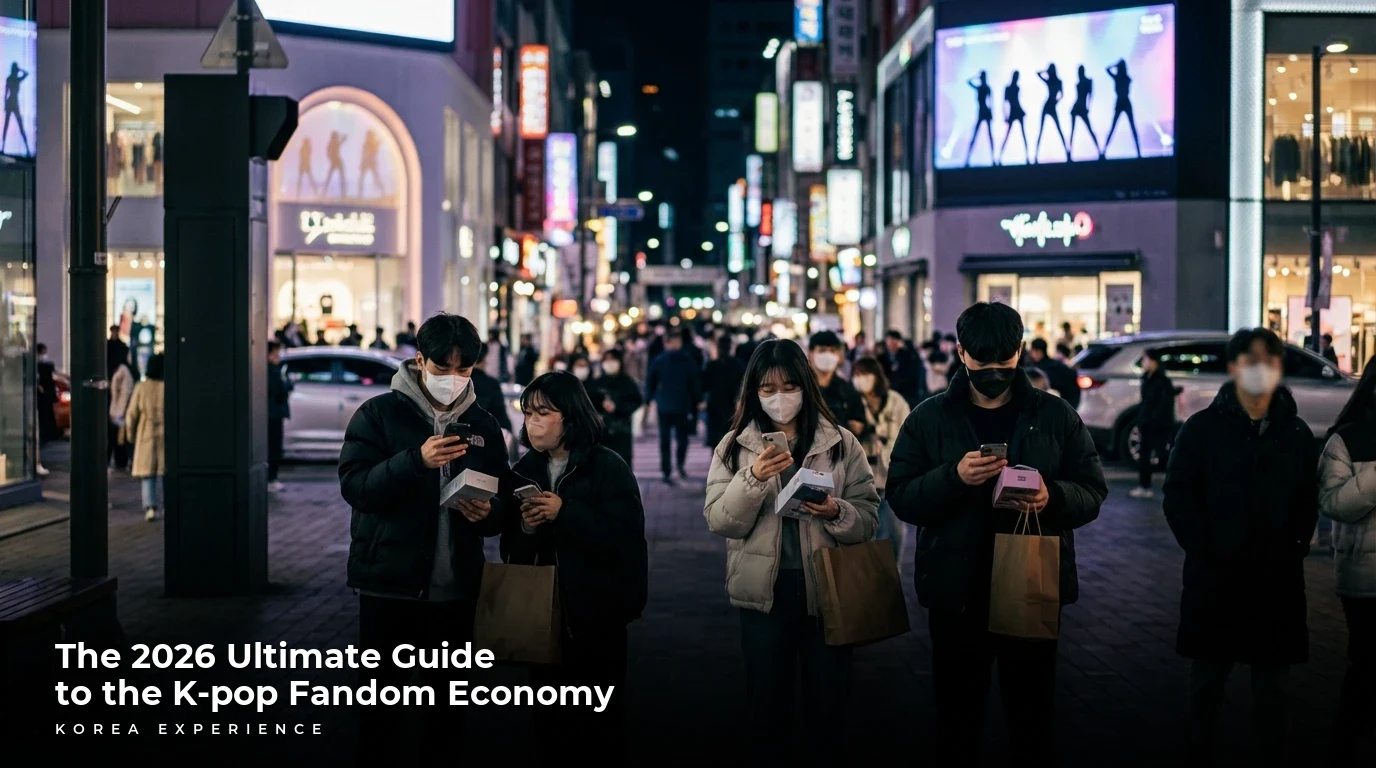
Scoring limited K-pop goods in 2026 is a high-stakes game of speed, strategy, and logistics.
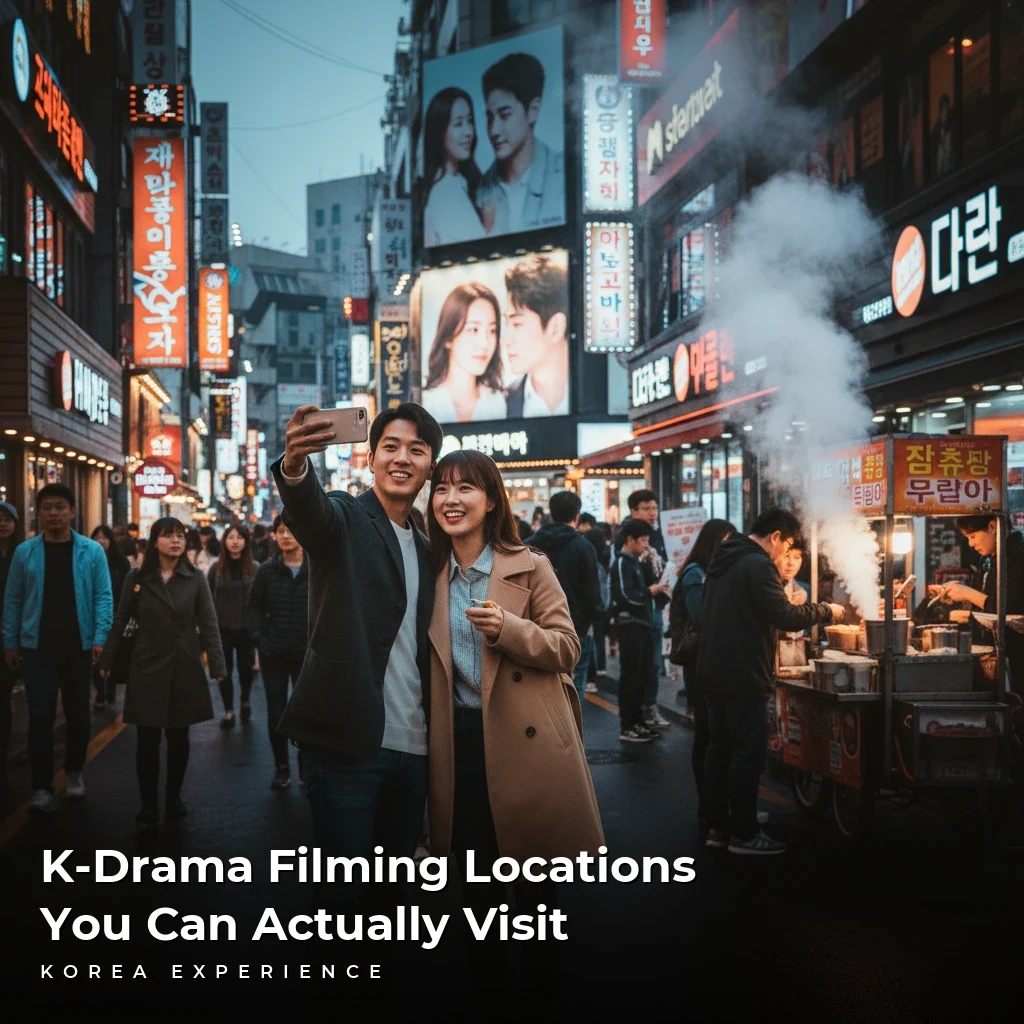
Explore iconic K-Drama filming locations across Korea. Discover Seoul's romantic spots, Jeju's scenic beauty, and Gyeonggi's diverse sets.

Complete guide to booking tickets for Korean actor fan meetings. Learn ticketing secrets, venue details, and membership tips for international fans.
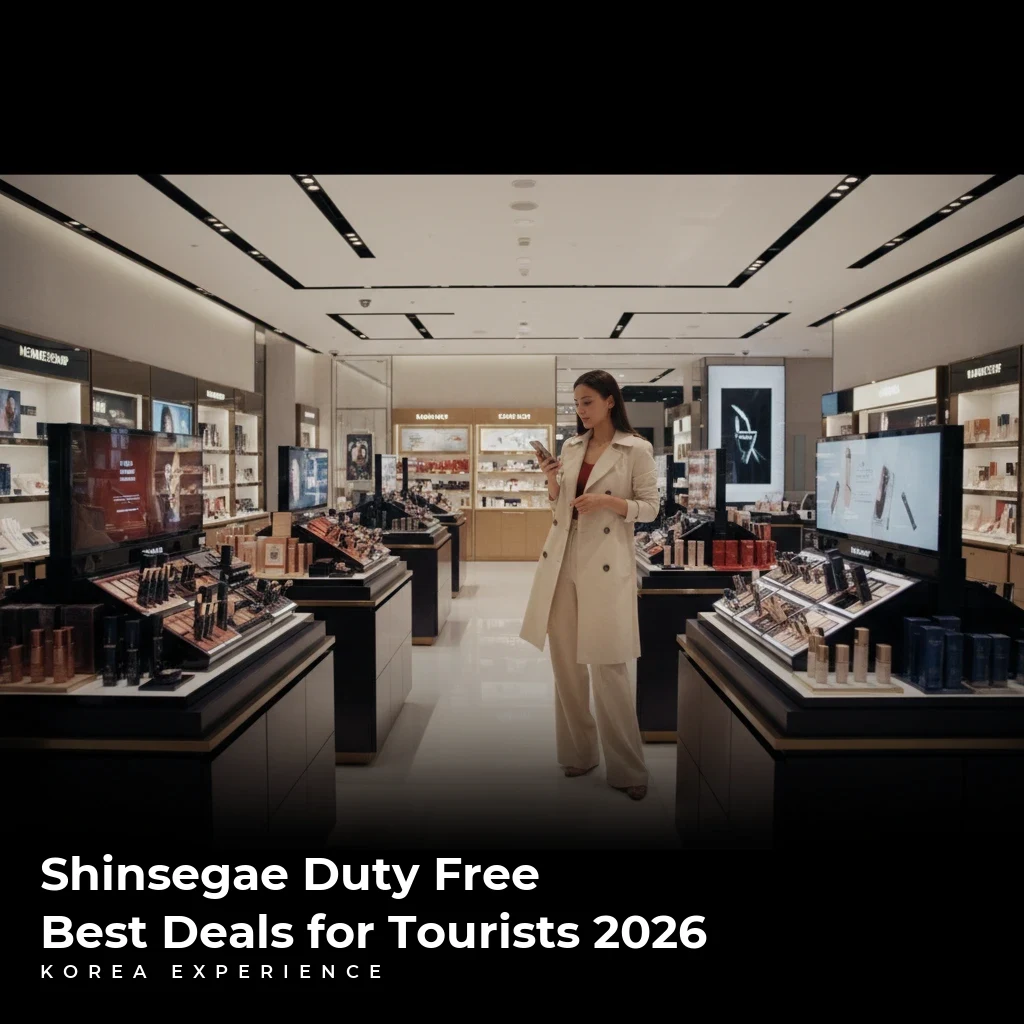
Unlock exclusive savings at Shinsegae Duty Free in 2026. Get instant Gold membership, save up to 20% on luxury brands, and master the pickup process.
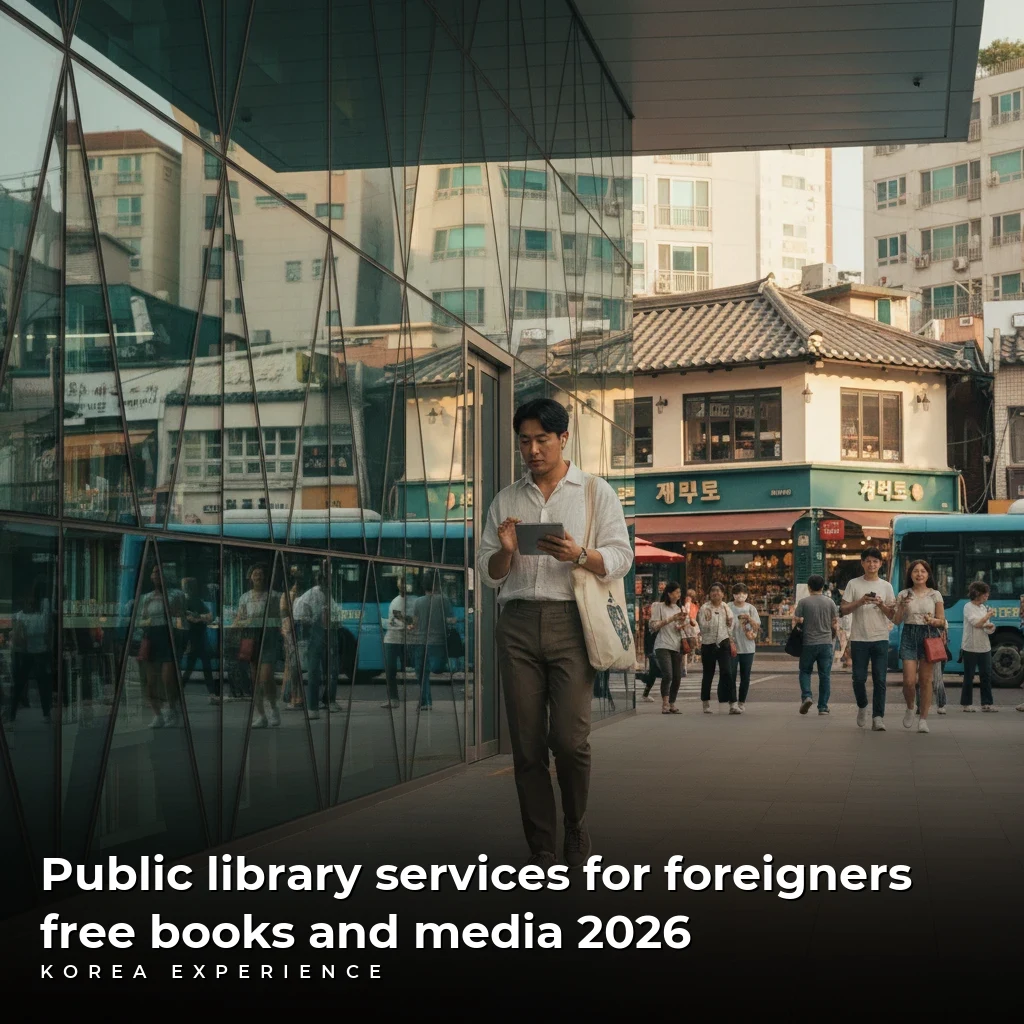
Unlock free access to books, media, and digital resources at Korean public libraries.