Seoul's Traditional Tea Ceremonies: A Serene Journey
Discover the tranquil world of Korean tea ceremonies in Seoul. This guide explores the history, etiquette, and best places to experience this ancient tradition.
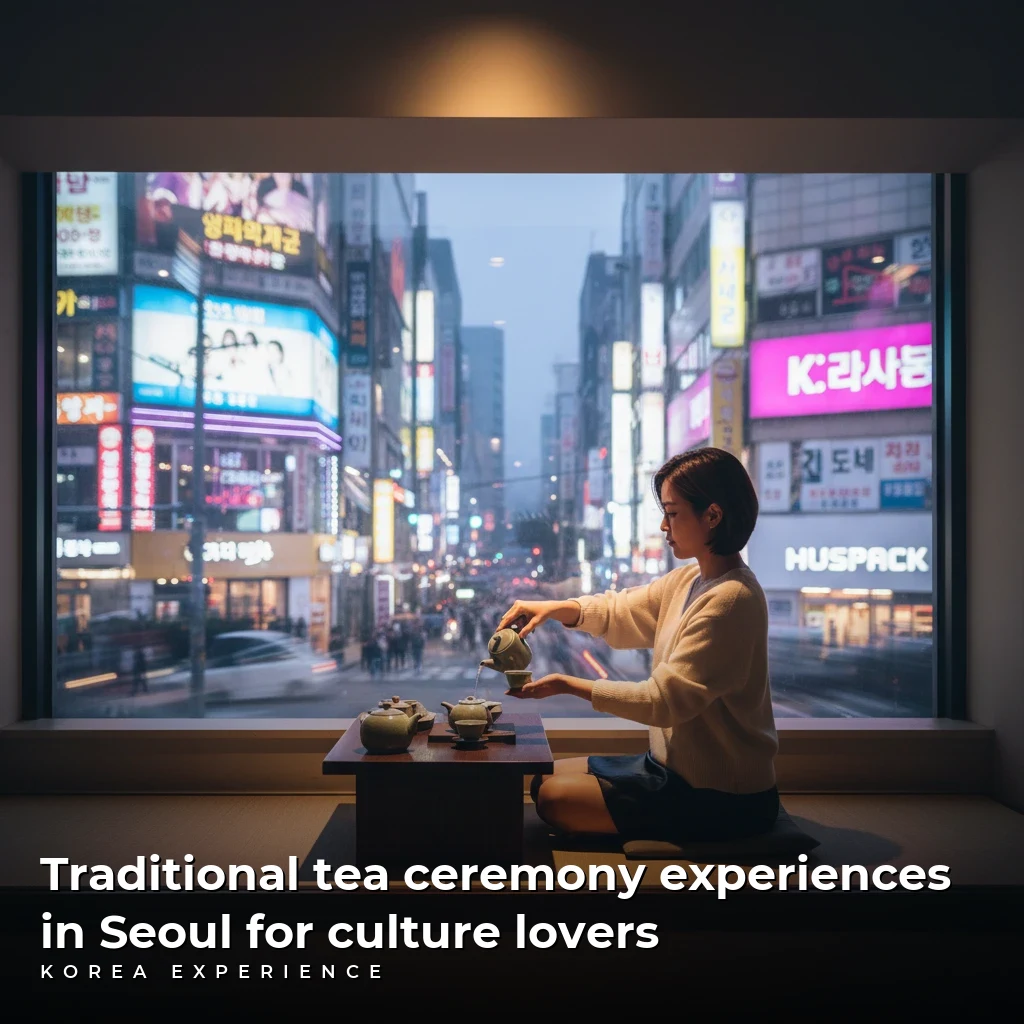
Seoul, a vibrant metropolis pulsating with modern energy, holds within its heart pockets of profound tranquility and ancient wisdom. Among these serene havens, the traditional Korean tea ceremony stands as a timeless ritual, offering international travelers and expats a unique opportunity to slow down, connect with nature, and immerse themselves in the deep philosophical roots of Korean culture. Far more than just drinking a cup of tea, a Korean tea ceremony, known as Cha-rye or Cha-do, is an artistic expression of respect, harmony, purity, and tranquility.
For many visitors, the bustling markets, towering skyscrapers, and K-Pop fervor define their Seoul experience. Yet, beneath this dynamic exterior lies a rich tapestry of traditions waiting to be explored. The idea of participating in a traditional tea ceremony might seem daunting, perhaps too formal or inaccessible. Questions about etiquette, language barriers, and finding authentic venues often arise, preventing curious minds from indulging in this deeply enriching experience.
This comprehensive guide is designed to demystify the world of traditional tea ceremony experiences in Seoul. We will journey through the history and philosophy of Korean tea, uncover the subtle etiquette and meaningful rituals, and introduce you to some of the finest places in the city where you can partake in this serene practice. By the end of this post, you will be equipped with all the knowledge and practical tips needed to embark on your own tranquil tea ceremony adventure, making your visit to Seoul truly unforgettable. Get ready to discover a side of Korea that soothes the soul and awakens the senses.
Understanding the Essence of Korean Tea Culture (Cha-do)
Korean tea culture, known as Cha-do, or "the way of tea," is an integral part of the nation's heritage, deeply interwoven with its history, philosophy, and aesthetic sensibilities. It’s a practice that transcends mere beverage consumption, elevating tea drinking to an art form and a spiritual discipline.
A Glimpse into History: From Ancient Rituals to Modern Practice
The history of tea in Korea dates back over a thousand years, with its origins often attributed to Buddhist monks who brought tea seeds from China during the Silla Kingdom (57 BCE - 935 CE). Initially, tea was primarily consumed in temples as part of spiritual rituals and by the aristocracy as a medicinal drink and a symbol of status. During the Goryeo Dynasty (918-1392), tea ceremonies became highly sophisticated, influencing court culture, literary gatherings, and even significant state affairs.
However, tea culture faced a period of decline during the Joseon Dynasty (1392-1910) as Confucianism replaced Buddhism as the state ideology, leading to a shift away from monastic practices. Despite this, tea quietly persisted in temples and among a few scholars and artists who cherished its meditative qualities. In the late 20th century, there was a significant revival of interest in traditional Korean culture, including the tea ceremony, championed by individuals and organizations dedicated to preserving and promoting this unique heritage. Today, Korean tea culture is flourishing, attracting both locals and international visitors eager to connect with its profound roots.
The Philosophy Behind Cha-do: Harmony, Respect, Purity, Tranquility
At the heart of Cha-do lie four fundamental principles: harmony (Hwa), respect (Gyeong), purity (Cheong), and tranquility (Jeong). These are not merely abstract concepts but are embodied in every aspect of the tea ceremony, from the preparation of the tea to the interaction between host and guest.
- Harmony (Hwa): This principle emphasizes balance and unity – harmony between the tea, the tea ware, the surrounding environment, and the participants. It encourages a sense of belonging and peaceful coexistence.
- Respect (Gyeong): Respect is shown through thoughtful gestures, polite speech, and consideration for the host, guests, and even the tea itself. Every action is performed with sincerity and reverence.
- Purity (Cheong): Purity refers to cleanliness of the body, mind, and spirit. It's about letting go of worldly concerns and approaching the ceremony with a clear, open heart. The tea ware is meticulously cleaned, and the tea itself is pure.
- Tranquility (Jeong): The ultimate goal of the tea ceremony is to achieve a state of inner peace and serenity. Through slow, deliberate movements and focused attention, participants are guided towards a meditative state, finding calm amidst the bustle of life.
Types of Korean Tea: Green Tea, Fermented Teas, Herbal Infusions
While often associated with green tea, Korean tea culture encompasses a diverse range of teas, each offering distinct flavors and health benefits.
- Green Tea (Nokcha): This is the most prevalent type of tea in Korea. Unlike Japanese green tea, which is often steamed, Korean green tea is typically pan-fired, resulting in a cleaner, less grassy, and often sweeter flavor profile. It's classified by its harvesting period:
- Ujeon: First flush, harvested before Gogu (around April 20th), known for its delicate and subtle taste.
- Sejak: Second flush, harvested before Ipcha (early May), slightly more robust than Ujeon.
- Jungjak: Third flush, harvested around Jungip (late May), with a richer flavor.
- Daejak: Fourth flush, harvested in June, with a stronger, sometimes bitter taste, often used for everyday drinking.
- Fermented Teas (Balhyocha): Also known as "black tea" in the West due to its oxidation, Korean fermented teas like Hwangcha (yellow tea) or Hongcha (red tea) are gaining popularity. They undergo varying degrees of oxidation, resulting in rich, complex flavors, often with fruity or earthy notes. These are less oxidized than typical Western black teas, offering a unique intermediate profile.
- Herbal Infusions (Daecha): While technically not from the Camellia sinensis plant, a wide array of traditional Korean herbal infusions are often served in tea houses and are considered part of the broader tea culture. Popular options include:
- Omija-cha: Five-flavor berry tea (sweet, sour, salty, bitter, pungent).
- Yuja-cha: Citron tea, known for its refreshing citrus notes.
- Saenggang-cha: Ginger tea, often served to warm the body.
- Daechu-cha: Jujube tea, sweet and comforting.
- Maesil-cha: Green plum tea, tangy and good for digestion.
Etiquette and Rituals: Participating in a Traditional Tea Ceremony
Participating in a traditional Korean tea ceremony is an experience that calls for mindfulness and an appreciation for subtle gestures. While not overly strict, understanding basic etiquette enhances the experience for both guest and host.
Dressing Appropriately and Entering the Space
Comfort is key, but also respect. While you are not expected to wear a Hanbok (traditional Korean dress) unless specifically offered or requested by the venue, choosing neat, modest attire is appropriate. Avoid overly revealing clothing or loud accessories. Many traditional tea houses require guests to remove their shoes before entering, so slip-on shoes are convenient. Upon entering, a slight bow to the host or the tea space is a common gesture of respect.
The Art of Serving: Bows, Gestures, and Silence
The tea ceremony is characterized by slow, deliberate movements. The host will typically perform each step with grace and precision. Observe their actions; they are an integral part of the experience.
- Water Temperature: Hot water is poured into a cooling pitcher (Sukwoo) before being transferred to the teapot, allowing it to reach the optimal temperature for the specific tea leaves.
- Warming the Teapot: A small amount of hot water is poured into the teapot and then into the teacups, warming them before the tea is brewed. This water is then discarded.
- Adding Tea Leaves: The host carefully places a measured amount of tea leaves into the teapot.
- First Infusion: Hot water is poured over the leaves. This first brew is often brief and might be discarded to "wash" the leaves, or served as a delicate infusion.
- Serving: Tea is typically poured into small cups, often in a specific sequence. The host will usually pour a small amount into each cup, rotating to ensure equal strength, then offer it to the guests with both hands as a sign of respect.
- Silence and Contemplation: While light conversation is acceptable in some modern tea houses, traditional ceremonies often embrace moments of silence. This is an opportunity for introspection, to focus on the aroma, warmth, and taste of the tea.
Appreciating the Tea: Smell, Sight, Taste, Sound
Engaging all your senses deepens the tea ceremony experience.
- Smell: Before drinking, gently lift the cup to appreciate the tea's aroma. Notice its freshness, earthiness, or floral notes.
- Sight: Observe the color of the tea liquor. Is it clear, golden, green, or amber? Notice the delicate tea leaves unfurling in the teapot if visible.
- Taste: Sip the tea slowly, allowing it to linger on your palate. Identify the complex flavors – sweetness, bitterness, umami, astringency. Good quality Korean green tea often has a clean, smooth finish.
- Sound: Pay attention to the subtle sounds: the gentle pour of water, the rustle of tea leaves, the quiet clinking of cups. These contribute to the overall meditative atmosphere.
Essential Korean Terms to Know (English Pronunciation)
While many venues cater to international guests with English explanations, knowing a few key terms can enhance your understanding and show respect for the culture.
- Cha-rye: The specific name for the Korean tea ceremony, often referring to formal rituals.
- Cha-do: "The way of tea," encompassing the philosophy and practice of Korean tea culture.
- Nokcha: Green tea.
- Dabang: Traditionally a tea house or coffee shop.
- Hanbok: Traditional Korean attire.
- Hanok: Traditional Korean house.
- Cha-gi: Tea ware/utensils.
- Cha-hap: Tea container.
Top Venues for Traditional Tea Ceremony Experiences in Seoul
Seoul offers a variety of beautiful settings to experience a traditional tea ceremony, each with its own unique charm and atmosphere. From historic villages to serene temples, you'll find the perfect spot to unwind.
Bukchon Hanok Village: Historical Charm
Nestled between Gyeongbokgung and Changdeokgung Palaces, Bukchon Hanok Village is a living museum of traditional Korean houses (Hanok). Its winding alleys and beautifully preserved architecture make it an ideal place for a tea ceremony that transports you back in time.
-
Cha Teul (Garden of Drinking Tea):
- Location: 26 Bukchon-ro 11na-gil, Jongno-gu, Seoul.
- Vibe: A truly enchanting tea house located within a traditional Hanok with a serene courtyard garden. It offers an authentic and peaceful atmosphere. You can sit on traditional cushions on the floor while enjoying the view.
- Offerings: Serves a variety of traditional Korean teas (green tea, fermented teas, herbal teas) and traditional snacks. They don't always have a formal "ceremony" but the setting itself provides an immersive experience. For a guided ceremony, inquire in advance or look for specific programs.
- Price Range: Tea typically costs around 8,000 - 15,000 Korean Won per cup.
- Contact: Search online for "Cha Teul Bukchon" for current operating hours and contact information. Reservations are recommended for groups or specific ceremony requests.
-
Bukchon Traditional Crafts Experience Center (Bukchon Hanok Village Visitor Center):
- Location: 105 Gye-dong, Jongno-gu, Seoul (check for exact address as visitor centers can move or have multiple locations).
- Vibe: While primarily a center for traditional crafts, this venue occasionally hosts cultural programs, including simple tea ceremony demonstrations or hands-on experiences. It’s a good starting point to inquire about local offerings.
- Offerings: Check their seasonal program for tea-related activities. May include a brief introduction to tea culture and a tasting.
- Price Range: Varies by program, often around 10,000 - 30,000 Korean Won.
- Contact: Look for "Bukchon Hanok Village Visitor Center" online for updated program schedules and booking details.
Insadong: The Cultural Hub
Insadong is Seoul's go-to district for traditional Korean culture, art, and crafts. Its main street is lined with traditional shops, art galleries, and, of course, charming tea houses that offer both casual and formal tea experiences.
-
Suyeonsanbang:
- Location: 118-5 Gye-dong, Jongno-gu, Seoul (technically near Bukchon but often associated with Insadong's cultural vibe, easily accessible from Insadong).
- Vibe: Housed in a beautifully preserved Hanok that was once the home of a famous Korean novelist, this tea house exudes old-world charm. It’s incredibly popular for its traditional ambiance and delicious treats.
- Offerings: Serves a wide array of traditional Korean teas and exquisite homemade Korean desserts like Patbingsu (shaved ice with red bean) and Ssuk-tteok (mugwort rice cake). While not a formal guided ceremony, the self-service tea experience in this setting is deeply authentic.
- Price Range: Teas typically range from 8,000 - 18,000 Korean Won.
- Contact: Due to its popularity, expect a wait during peak hours. Online search for "Suyeonsanbang" will provide detailed information. No formal booking for general tea drinking.
-
Beautiful Tea Museum (Areumdaun Cha Bangmulgwan):
- Location: 193 Insadong-gil, Jongno-gu, Seoul.
- Vibe: A unique establishment that combines a museum dedicated to tea history and artifacts with a cozy tea house. It offers a slightly more educational approach to tea culture.
- Offerings: Explore the museum's collection of tea ware from Korea and other Asian countries, then enjoy a tea in their cafe. They offer various teas, including rare ones, and often have workshops or tasting sessions that can be booked.
- Price Range: Museum entry might be free, with tea prices similar to other tea houses (7,000 - 15,000 Korean Won).
- Contact: Visit their website or search for "Beautiful Tea Museum Insadong" for current exhibitions and workshop schedules.
Korea House (Hangukui Jip): A Comprehensive Cultural Experience
For a truly immersive and structured traditional tea ceremony experience, especially for international visitors, Korea House is an excellent option.
- Location: 10 Toegye-ro 36-gil, Jung-gu, Seoul.
- Vibe: Operated by the Korea Cultural Heritage Foundation, Korea House is a comprehensive cultural center offering traditional performances, dining, and various hands-on experiences in a grand Hanok setting.
- Offerings: They provide specific "Korean Tea Ceremony Programs" that include an introduction to the history and etiquette, a guided demonstration by a tea master, and the opportunity to participate in the ceremony itself. These programs are often available in English.
- Price Range: Programs typically range from 30,000 - 50,000 Korean Won per person, depending on duration and inclusions.
- Contact: Highly recommended to book in advance via their official website or by phone, especially during peak tourist seasons. Search for "Korea House Seoul cultural programs."
Temple Stay Programs: A Deeper Immersion
While not strictly within Seoul, many temple stays in the vicinity of the city (e.g., in Gyeonggi-do province) or even some urban temples offer tea ceremonies as part of their program, providing a profound spiritual dimension to the experience.
- Specific Temple Example: While urban temples like Jogyesa (in Jongno-gu, Seoul) have tea rooms, for a full "ceremony experience" with an overnight stay, consider temples slightly outside the city. However, for a one-off experience within Seoul, Bongeunsa Temple (in Gangnam-gu, Seoul) occasionally offers cultural programs that include tea appreciation, often on weekends. Inquire at their Temple Stay office.
- Vibe: Temple settings offer unparalleled tranquility and a glimpse into Korea's Buddhist traditions. The tea ceremony here is often more meditative and reflective.
- Offerings: Usually includes a guided session on temple tea culture and etiquette, often with a monk, followed by tea.
- Price Range: Can be part of a larger Temple Stay program (which costs around 50,000 - 100,000 Korean Won for a one-night stay) or a standalone program if offered (check for specific dates and fees).
- Contact: Check the Temple Stay Korea website or the individual temple's official website for program details and booking.
Choosing Your Ideal Tea Ceremony: Factors to Consider
With several excellent options available, selecting the perfect tea ceremony experience in Seoul depends on your preferences and what you hope to gain from the activity.
Group Size and Privacy
- Solo or Intimate Pair: If you seek deep introspection or a quiet, romantic experience, opt for smaller, more private tea houses like Cha Teul or Suyeonsanbang where you can enjoy the atmosphere at your own pace.
- Small Group (3-5 people): Many traditional tea houses can accommodate small groups. A guided program at Korea House might also be suitable, offering a more personalized introduction.
- Larger Group: For larger groups, booking a dedicated session at a cultural center like Korea House is advisable, as they are equipped to handle and guide bigger parties.
Duration and Cost
- Casual Tea Tasting (30-60 minutes): If you're short on time but want to experience the ambiance, visiting a tea house for a regular cup of tea and a snack is a good option. Prices usually range from 8,000 - 20,000 Korean Won per person.
- Guided Tea Ceremony (60-90 minutes): For a more structured learning experience, choose venues like Korea House that offer dedicated programs. These typically cost between 30,000 - 50,000 Korean Won per person.
- Extended Immersion (Half-day or Temple Stay): If you desire a deeper dive into tea culture and a meditative experience, consider a temple stay or a specialized workshop. Costs vary significantly based on duration and inclusions.
Language Support and Guided Explanation
- English-speaking Guides: For non-Korean speakers, venues like Korea House are highly recommended as they specifically cater to international visitors and often provide English explanations throughout the ceremony. Some tea houses in tourist areas may have staff with basic English, but a full guided explanation might be limited.
- Self-Guided Experience: If you prefer to simply soak in the atmosphere and apply what you've learned from this guide, any traditional tea house will suffice.
Inclusions: Snacks, Hanbok Rental, Craft Experiences
- Traditional Snacks (Hangwa): Many tea houses, especially those in Bukchon and Insadong, serve delicious traditional Korean snacks (Hangwa) or rice cakes (Tteok) alongside your tea. This complements the tea perfectly.
- Hanbok Rental: Some cultural centers or specialized tours might offer the option to wear a Hanbok during your tea ceremony for an enhanced photo opportunity and immersion. Inquire about this when booking.
- Craft Experiences: Certain venues, particularly in Bukchon or Insadong, may combine the tea ceremony with other traditional craft workshops (e.g., making traditional paper, painting). This creates a more rounded cultural experience.
| Feature | Casual Tea House (e.g., Cha Teul) | Guided Ceremony (e.g., Korea House) | Temple Tea Experience (e.g., Bongeunsa) |
|---|---|---|---|
| Vibe | Relaxed, immersive, self-paced, picturesque | Formal, educational, structured | Meditative, spiritual, tranquil |
| Duration | 30-90 minutes (at your leisure) | 60-90 minutes (fixed program) | Varies, often part of a longer program |
| Cost (per person) | 8,000 - 20,000 Korean Won | 30,000 - 50,000 Korean Won | Variable, often part of stay |
| Language Support | Limited English, mostly ambiance | Strong English support, guided | Some English support, often interpretative |
| Booking | Walk-in often possible, groups may reserve | Highly recommended to book in advance | Required for programs/stays |
| Inclusions | Tea, sometimes traditional snacks | Tea, snacks, explanation, often Hanbok | Tea, sometimes simple snacks, meditation |
Practical Tips for a Memorable Tea Ceremony Experience
To ensure your traditional tea ceremony experience in Seoul is as enriching and enjoyable as possible, keep these practical tips in mind.
Booking in Advance: Especially for Popular Spots
While casual tea houses often accommodate walk-ins, popular traditional tea houses, especially on weekends, can have long waits. For guided tea ceremony programs at cultural centers like Korea House or specific workshops, booking in advance is almost always required. This ensures your spot and often allows for specific language requests. Check their official websites or contact them directly.
What to Wear: Comfort and Respect
Dress comfortably, but consider the respectful nature of the ceremony. Avoid overly casual attire like gym wear. Modest clothing that allows you to sit comfortably on the floor (if required) is ideal. Many tea houses require shoes off, so easily removable footwear is a plus. If you plan to rent a Hanbok, choose clothing that can be comfortably worn underneath.
Mindful Participation: Embracing the Tranquility
The essence of the tea ceremony lies in its meditative quality. Try to set aside distractions and fully engage with the present moment. Observe the host's movements, appreciate the aroma and taste of the tea, and enjoy the quiet contemplation. Silence is often a revered part of the experience. Put away your phone and immerse yourself.
Photography Etiquette
While you’ll undoubtedly want to capture the beauty of the tea house and the ceremony, be mindful of others and the ambiance.
- Ask Permission: Always ask the host or staff if photography is allowed, especially during a formal ceremony.
- Be Discreet: If allowed, take photos without flash and without disrupting the tranquility or other participants. Avoid pointing your camera directly at people without their consent.
- Capture the Details: Focus on the exquisite tea ware, the steam rising from the cup, or the serene garden views rather than constantly taking selfies.
Combining with Other Cultural Activities
Enhance your overall cultural immersion by combining your tea ceremony with other traditional Korean experiences in the same vicinity.
- Palace Visits: Many traditional tea houses are located near grand palaces like Gyeongbokgung and Changdeokgung. Start your day with a palace tour, then unwind with a tea ceremony.
- Hanbok Rental: Rent a Hanbok in Bukchon or Insadong and enjoy your tea ceremony dressed in traditional attire for a truly memorable experience and stunning photos.
- Traditional Craft Workshops: Participate in a traditional craft workshop, such as Korean paper making (Hanji) or traditional painting, before or after your tea ceremony to further appreciate Korean artistry.
- Traditional Markets: Explore nearby traditional markets like Gwangjang Market or Tongin Market for a taste of local street food and a contrast to the serene tea experience.
| Tip Category | Recommendation | Benefit |
|---|---|---|
| Planning | Book guided ceremonies/popular spots in advance | Ensures availability, especially for English-guided sessions, and avoids long waits. |
| Attire | Wear comfortable, modest clothing; easily removable shoes | Respects the traditional setting and allows comfortable seating if on the floor. |
| Mindfulness | Put away phone, engage senses (smell, sight, taste, sound), embrace silence | Maximizes the meditative and authentic experience; allows for true appreciation of the ritual. |
| Photography | Ask permission, no flash, be discreet; focus on details | Shows respect for the setting and other guests; preserves the tranquil atmosphere. |
| Integration | Combine with nearby palace visits, Hanbok rental, or craft workshops | Creates a richer, more comprehensive cultural itinerary and deeper understanding of Korean heritage. |
Frequently Asked Questions (FAQ)
Here are answers to some common questions about traditional tea ceremony experiences in Seoul.
1. What is the difference between a Korean and Japanese tea ceremony?
While both Korean and Japanese tea ceremonies share Buddhist roots and emphasize harmony, respect, purity, and tranquility, they have distinct aesthetics and practices. Korean tea ceremonies (Cha-rye or Cha-do) tend to be more informal and natural, focusing on the inherent beauty of the tea and simpler movements. The tea ware is often robust and utilitarian. Japanese tea ceremonies (Chanoyu) are typically more ritualized, formal, and strictly choreographed, with an emphasis on specific artistic forms and highly refined tea ware. Korean ceremonies often prioritize the natural flavor of the tea, while Japanese ceremonies frequently involve whisked matcha.
2. Do I need to make a reservation for a tea ceremony?
For casual tea drinking in a traditional tea house (like Cha Teul or Suyeonsanbang), reservations are generally not required, though they are recommended for groups, especially on weekends. However, for structured, guided tea ceremony programs at cultural centers (like Korea House) or specific workshops, a reservation is almost always necessary, particularly if you require an English-speaking guide. It's always best to check the specific venue's website or call ahead.
3. Is it okay for children to participate in a tea ceremony?
It depends on the venue and the child's temperament. Younger children might find the quiet and slow pace challenging. Some venues, especially those offering formal guided programs, might have age recommendations or restrictions. However, many casual tea houses are welcoming to families. For children, a simple tea tasting in a beautiful Hanok setting might be more enjoyable than a full, formal ceremony. It's best to inquire with the specific tea house or cultural center beforehand.
4. What should I wear to a traditional tea ceremony?
Comfortable, clean, and modest attire is recommended. You don't need to wear a Hanbok unless it's part of a specific program. Avoid overly casual clothes like sportswear, and loud accessories. Many traditional tea spaces require shoes to be removed, so slip-on shoes are convenient. The key is to dress respectfully and in a way that allows you to sit comfortably, often on floor cushions.
5. Can I buy tea or tea ware afterwards?
Yes, absolutely! Many traditional tea houses and cultural centers have small shops where you can purchase the teas you've sampled, as well as beautiful Korean tea ware (Cha-gi). Insadong, in particular, is an excellent district for buying high-quality Korean teas, unique ceramics, and traditional crafts. This is a wonderful way to bring a piece of your tranquil Seoul tea ceremony experience home with you.
Conclusion: Embrace the Serenity of Seoul's Tea Culture
Exploring traditional tea ceremony experiences in Seoul offers a truly unique and enriching dimension to your visit to South Korea. Beyond the modern marvels and dynamic pop culture, the practice of Cha-do provides a peaceful retreat, inviting you to connect with the nation's profound history, philosophy, and aesthetic values.
From the tranquil courtyards of Bukchon Hanok Village and the cultural richness of Insadong to the structured elegance of Korea House, Seoul presents numerous opportunities to immerse yourself in this ancient art. By understanding the core principles of harmony, respect, purity, and tranquility, and by observing the subtle etiquette, you can transform a simple cup of tea into a deeply meaningful cultural exchange.
Whether you choose a casual tea tasting session or a formal, guided ceremony, remember to approach the experience with an open mind and a receptive heart. Allow the slow, deliberate movements, the aromatic steam, and the quiet contemplation to soothe your senses and calm your spirit. It’s an opportunity to pause, reflect, and appreciate the beauty in simplicity.
We encourage you to step off the beaten path and seek out these serene havens in Seoul. Discover your favorite traditional tea house, savor the delicate flavors of Korean tea, and take home not just souvenirs, but a sense of inner peace and a deeper understanding of Korean culture. This is more than just a ceremony; it's a journey for the soul.
For more insights into Korean traditions and cultural activities, be sure to explore our other guides on K-Culture, including "A Guide to Hanbok Rental and Palace Tours in Seoul" and "Exploring Traditional Korean Markets: A Culinary Journey." Your adventure into the heart of Korea has just begun!
About the Author
Korea Experience Team
Written by the Korea Experience editorial team - experts in Korean medical tourism, travel, and culture with years of research and firsthand experience.
⚠️ Medical Disclaimer
The information provided on this website is for general informational purposes only and does not constitute medical advice. Always consult with qualified healthcare professionals before making any medical decisions.
Continue Reading
Explore more articles you might find interesting
Unleash your inner idol! Discover how to find and participate in K-Pop cover contest events in Korea, an essential guide for international fans and travelers.
Ever wondered what it's like behind the scenes of your favorite K-Dramas? Discover comprehensive guides to K-Drama production tours and iconic filming locations.
Navigate the vibrant world of K-Pop lightsticks. This guide helps international fans distinguish between official and unofficial versions, ensuring an authentic experience.