Alien Registration Card Application Process in Korea
Unlock your life in Korea with this complete guide to the Alien Registration Card application process, ensuring a smooth transition and legal stay.
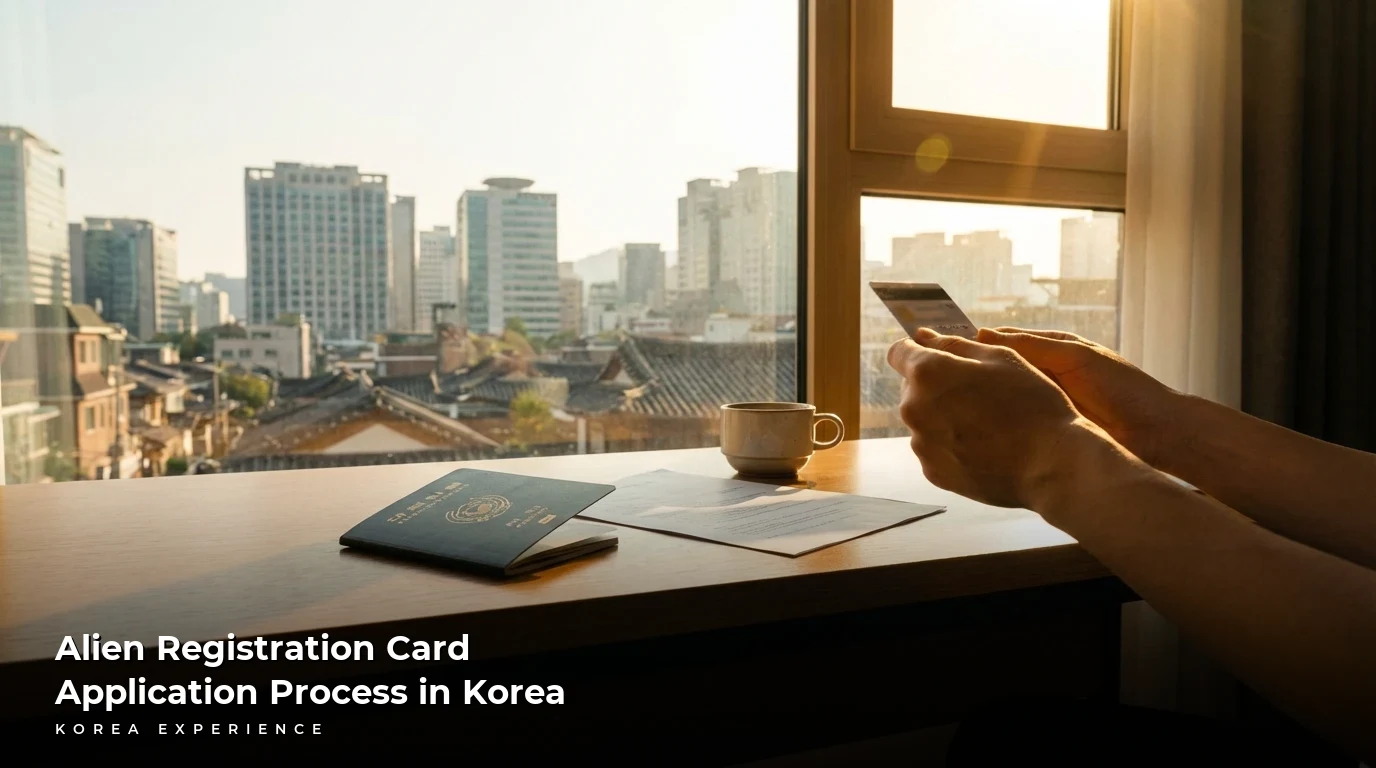
Your Essential Guide to the Alien Registration Card Application Process in Korea
Embarking on a new chapter in South Korea is an exhilarating prospect, brimming with vibrant culture, innovative technology, and unparalleled experiences. However, like any international move, navigating the administrative landscape is a critical first step. For anyone planning a long-term stay, understanding the Alien Registration Card application process is not just important; it's essential for a smooth, legal, and stress-free life in this dynamic nation.
Many international residents find themselves a little overwhelmed by the initial paperwork and procedures, from figuring out which documents are needed to where to go and how to secure an appointment. Without this crucial identification card, known as the Alien Registration Card (ARC), your ability to fully immerse yourself in Korean society—from opening a bank account to getting a phone contract or even simple online shopping—will be severely limited.
This comprehensive guide is meticulously designed for international travelers and expats. We will demystify the Alien Registration Card application process, providing you with step-by-step instructions, insider tips, and all the vital information you need to successfully obtain your ARC. By the end of this post, you'll be well-equipped to tackle the application with confidence, ensuring a seamless start to your Korean adventure.
Understanding the Alien Registration Card (ARC)
The Alien Registration Card, or ARC (외국인등록증 in Korean), is the primary form of identification for all non-Korean nationals residing in South Korea for more than 90 days. Think of it as your Korean ID card, proving your legal residency status and allowing you to access various essential services.
What Exactly is an ARC?
At its core, the ARC is a plastic card issued by the Korean Immigration Service. It contains critical information about you, including your photo, name, date of birth, nationality, gender, visa type, visa expiration date, and your unique Alien Registration Number. This number will become fundamental to your life in Korea, much like a Social Security Number or national ID number in other countries.
Why Do You Need an ARC?
The importance of the ARC cannot be overstated. Without it, you are essentially a short-term visitor, even if you hold a long-term visa. Here's a breakdown of why it's indispensable:
- Legal Identification: It serves as your official ID within Korea, replacing your passport for daily identification needs.
- Banking: Essential for opening a bank account, a necessity for receiving salary, paying bills, and managing finances.
- Mobile Phone Services: Required to obtain a Korean phone number and contract, which is crucial for communication and many online services that require local verification.
- Healthcare: Facilitates enrollment in the National Health Insurance Service, ensuring access to affordable medical care.
- Travel: While not a travel document itself, it's often needed in conjunction with your passport for re-entry into Korea after international travel, especially if you have a re-entry permit.
- Employment: Employers will require your ARC details for tax purposes and verifying your legal right to work.
- Utilities and Contracts: Necessary for signing up for internet, electricity, gas, and other essential services.
- Online Verification: Many Korean websites and apps use ARC numbers for identity verification, making online shopping and service access much easier.
Who Needs an ARC?
Anyone entering Korea on a long-term visa (such as a D-2 student visa, E-2 English teaching visa, F-series family visas, or H-1 working holiday visa) and intending to stay for more than 90 days is legally required to apply for an ARC. Short-term visitors, tourists, or those on visa-exempt entries staying less than 90 days do not need an ARC.
The Application Timeline
It's crucial to apply for your ARC within 90 days of your arrival in Korea. Failing to do so can result in significant fines and legal complications, including potential deportation. While you have 90 days, it is highly recommended to start the process as soon as possible, ideally within the first few weeks, due to appointment availability and processing times.
Eligibility and When to Apply for Your ARC
Understanding your eligibility and the strict application window is paramount to a smooth Alien Registration Card application process.
Visa Types Requiring an ARC
Most long-term visas issued by the Korean government mandate an ARC application. Common visa types include:
- Student Visas (D-2, D-4): For university students, language learners.
- Work Visas (E-1 to E-7, D-10): For professors, foreign language instructors, skilled workers, artists, job seekers.
- Family Visas (F-1, F-2, F-3, F-4, F-5, F-6): For dependent family members, long-term residents, overseas Koreans, marriage immigrants.
- Working Holiday Visas (H-1): For young travelers engaging in temporary work and cultural exchange.
- General Training Visas (D-4): For participants in training programs.
- Trade Management Visas (D-9): For those involved in trade and commerce.
If you are unsure whether your specific visa requires an ARC, it's best to consult the Korean Embassy or Consulate where you obtained your visa, or check the Hikorea website (www.hikorea.go.kr), the official government portal for foreign residents.
The 90-Day Rule: A Critical Deadline
As mentioned, you must apply for your Alien Registration Card within 90 days of your entry into Korea. This is a non-negotiable legal requirement. The clock starts ticking from your arrival date. Given that booking an appointment at an Immigration Office can sometimes take a few weeks, and the application itself requires gathering documents, proactive planning is key. Do not wait until the last minute. Penalties for failing to apply within this timeframe can range from hefty fines (up to several million Korean Won) to restrictions on future visa applications and even deportation in severe cases.
Changing Status Before Applying
If you initially entered Korea on a short-term visa or visa waiver and then successfully applied for a long-term visa within Korea, your 90-day application period for the ARC typically restarts from the date your long-term visa was granted. Always confirm this with the Immigration Office directly when your visa status changes.
Required Documents for Your ARC Application
Gathering the correct documents is often the most challenging part of the Alien Registration Card application process. Missing even one item can lead to delays or rejection. It's highly recommended to prepare all documents well in advance and make photocopies of everything.
Universal Requirements for All Applicants
Regardless of your visa type, these documents are almost universally required:
- Application Form: The "Application Form for Alien Registration" (외국인등록 신청서) can be downloaded from the Hikorea website or obtained at the Immigration Office. Fill it out accurately and completely.
- Original Passport and One Photocopy: Bring your original passport and a clear photocopy of the biographical page and your visa stamp/sticker page.
- One Standard Passport-Sized Photo: This photo should be recent (taken within the last 6 months), 3.5cm x 4.5cm, with a white background, showing your face clearly without glasses or hats (unless for religious reasons). Write your name clearly on the back.
- Proof of Residence: This is critical. It must be an official document proving your current address in Korea. Examples include:
- Housing Contract/Lease Agreement: A copy of your rental agreement (임대차 계약서) clearly showing your name, address, and the landlord's details.
- Confirmation of Residence (거주/숙소제공 확인서): If staying with a friend or family, they must provide a signed letter confirming your residence, along with a copy of their ID (Korean Resident Registration Card or ARC) and their housing contract.
- Dormitory Confirmation: For students, a letter from your university's dormitory office confirming your stay.
- Hotel/Serviced Apartment Confirmation: A receipt or confirmation letter for long-term stays (though less common for ARC applications).
- Application Fee: Currently, the fee is 30,000 Korean Won. This can usually be paid at the Immigration Office using a debit card or by purchasing revenue stamps (수입인지) from a post office or designated bank within the Immigration Office.
Visa-Specific Documents
In addition to the universal requirements, you will need specific documents based on your visa type:
- Students (D-2, D-4 Visas):
- Certificate of Admission (입학허가서) from your university or language institute.
- Business Registration Certificate (사업자등록증) of the university/institute (your school can provide this).
- Proof of Tuition Payment (등록금 납부확인서).
- If you changed schools, a Letter of Release from your previous school.
- Workers (E-Series Visas):
- Employment Contract (고용계약서).
- Business Registration Certificate (사업자등록증) of your employer.
- Tax Payment Certificate (납세증명서) of your employer (sometimes requested).
- Depending on the visa type, a Letter of Guarantee (신원보증서) from your employer might be needed.
- Marriage Immigrants (F-6 Visas):
- Marriage Certificate (혼인관계증명서) (Korean spouse's).
- Copy of Korean spouse's Resident Registration Card (주민등록증).
- Proof of Spouse's Income/Assets (소득금액증명원, 재산세 과세증명원, etc.).
- Housing contract or Certificate of Residence (주민등록등본) of the Korean spouse.
- Integrated Information Inquiry Report on Marriage Immigrants (결혼이민자 통합정보조회표) – obtained at the Immigration Office.
Important Note: Always check the Hikorea website or call the 1345 Immigration Contact Center (dial 1345 from within Korea) for the most up-to-date document requirements, as they can sometimes change without prior notice. It's better to over-prepare than to be turned away for a missing document.
image: "/images/alien-registration-card-application-process.webp"
Table 1: Document Checklist by Common Visa Type
| Document Required | Student (D-2/D-4) | Work (E-2/E-7) | Marriage (F-6) | Working Holiday (H-1) |
|---|---|---|---|---|
| ARC Application Form | Yes | Yes | Yes | Yes |
| Original Passport + Photocopy | Yes | Yes | Yes | Yes |
| Passport-Sized Photo (1) | Yes | Yes | Yes | Yes |
| Proof of Residence | Yes | Yes | Yes | Yes |
| Application Fee (₩30,000) | Yes | Yes | Yes | Yes |
| Certificate of Admission | Yes | No | No | No |
| Proof of Tuition Payment | Yes | No | No | No |
| University/Institute Business Reg | Yes | No | No | No |
| Employment Contract | No | Yes | No | No |
| Employer Business Reg | No | Yes | No | No |
| Korean Spouse's ID Copy | No | No | Yes | No |
| Korean Marriage Certificate | No | No | Yes | No |
| Spouse's Income/Asset Proof | No | No | Yes | No |
The Step-by-Step ARC Application Process
The Alien Registration Card application process involves several key steps, with online appointment booking being the crucial first hurdle.
Step 1: Booking an Online Appointment (Hikorea)
The Korean Immigration Service operates on an appointment-only basis for most services, including ARC applications. You must book an appointment online through the Hikorea website (www.hikorea.go.kr).
- Register on Hikorea: If you haven't already, register for an account. You'll need your passport details.
- Navigate to Online Reservation: Look for the "Online Reservation" (방문예약) section. It's usually under "Reservation for visit" or a similar heading.
- Select Your Immigration Office: Choose the Immigration Office that has jurisdiction over your place of residence. For example, if you live in Gangnam, Seoul, you would likely select the Seoul Immigration Office (서울출입국외국인청) in Mok-dong. If you live in Busan, you'd select the Busan Immigration Office.
- Select Service Type: Choose "Alien Registration" (외국인등록) or "Application for Alien Registration" (외국인등록 신청).
- Select Date and Time: Browse the available slots. Popular offices like Seoul and Suwon can have limited availability, so book as far in advance as possible. Sometimes, new slots open up early in the morning, so keep checking.
- Confirm Reservation: Input your personal details and confirm. You will receive a confirmation message or email with your reservation details, including a reservation number. Print this out or save it on your phone.
Insider Tip: If you can't find an appointment at your primary office, consider checking surrounding smaller branches if they cover your area, or look for cancellations by refreshing the page frequently.
Step 2: Gathering and Organizing Your Documents
Once your appointment is booked, meticulously gather all the required documents as listed in the previous section.
- Fill out the Application Form: Download the "Alien Registration Application Form" from Hikorea and fill it out clearly in English or Korean.
- Prepare Photocopies: Make copies of your passport (biographical page and visa page), your proof of residence, and any other supporting documents. While some Immigration Offices have copying services, they are often expensive and busy.
- Organize: Place all original documents and their respective photocopies together in a folder. This will make the submission process much smoother.
- Passport Photo: Ensure your passport photo meets all specifications. It's best to get it done professionally at a photo studio in Korea, as they are familiar with the exact requirements.
Step 3: Visiting the Immigration Office
On the day of your appointment, arrive early (at least 15-20 minutes before your scheduled time).
- Locate Your Office: Ensure you know the exact location of your designated Immigration Office. Major ones include:
- Seoul Immigration Office (Seoul 출입국·외국인청): Mok-dong, Yangcheon-gu, Seoul.
- Seoul Southern Immigration Office (서울남부출입국·외국인사무소): Guro-gu, Seoul.
- Busan Immigration Office (부산출입국·외국인청): Jung-gu, Busan.
- Daejeon Immigration Office (대전출입국·외국인사무소): Jung-gu, Daejeon.
- Suwon Immigration Office (수원출입국·외국인청): Yeongtong-gu, Suwon.
- Check-in: Upon arrival, find the designated check-in area for online reservations. You'll usually need to input your reservation number into a kiosk or show it to a staff member to receive a waiting ticket.
- Wait for Your Turn: Immigration Offices can be busy. Be prepared to wait, even with an appointment.
- Payment: While waiting, you may be instructed to pay the ₩30,000 application fee. Often, there's a small bank or a revenue stamp counter within the office.
- Go to Your Assigned Counter: When your number is called, proceed to the counter.
Step 4: The Interview/Submission Process
At the counter, an immigration officer will review your documents.
- Document Submission: Hand over all your original documents and photocopies. The officer will examine them for completeness and accuracy.
- Biometrics: You will likely be asked to provide your fingerprints.
- Brief Interview: The officer might ask a few simple questions in Korean or English to confirm your identity, purpose of stay, and address. These are usually straightforward verification questions.
- Confirmation: If all documents are in order, the officer will typically provide you with a receipt or a confirmation slip indicating that your application has been accepted. This slip often includes your temporary Alien Registration Number and an estimated pick-up date or instructions for delivery.
Table 2: Key Immigration Office Contact Information
| City/Region | Office Name | Address (English) | Phone Number (from Korea) | Hikorea Jurisdiction Notes |
|---|---|---|---|---|
| Seoul | Seoul Immigration Office | 399, Mokdongdong-ro, Yangcheon-gu, Seoul | 1345 | Covers Gangseo, Yangcheon, Yeongdeungpo, Guro, Geumcheon, Gwanak, Dongjak, Mapo, Eunpyeong, Seodaemun, Jongno, Jung, Yongsan, Seongbuk, Gangbuk, Dobong, Nowon, Jungnang, Dongdaemun, Seongdong, Gwangjin, Songpa, Gangdong, Seocho, Gangnam. |
| Seoul | Seoul Southern Immigration Office | 120, Digital-ro 26-gil, Guro-gu, Seoul | 1345 | Covers limited areas, mainly for specific visa types or company registrations. Confirm jurisdiction. |
| Busan | Busan Immigration Office | 20, Chungjang-daero 350beon-gil, Jung-gu, Busan | 1345 | Covers Busan, Ulsan, South Gyeongsang Province (parts). |
| Daejeon | Daejeon Immigration Office | 237, Bomun-ro, Jung-gu, Daejeon | 1345 | Covers Daejeon, Chungcheong provinces. |
| Suwon | Suwon Immigration Office | 23, Gongwon-ro, Yeongtong-gu, Suwon-si | 1345 | Covers Gyeonggi Province (parts), including Suwon, Yongin. |
| Incheon | Incheon Immigration Office | 833, Nambuk-ro, Jung-gu, Incheon | 1345 | Covers Incheon and surrounding areas. |
Note: Always verify the exact jurisdiction of your residence on Hikorea or by calling 1345. Some offices have specific district coverage.
After Applying for Your ARC: What to Expect
The waiting period after applying for your ARC can feel long, but knowing what to expect can ease any anxiety.
Processing Times
Typically, the processing time for an Alien Registration Card ranges from 3 to 6 weeks, though this can vary depending on the Immigration Office's workload, the time of year (e.g., peak student enrollment seasons can be longer), and the complexity of your case. Some offices are more efficient than others.
During this waiting period, you generally cannot travel internationally and re-enter Korea without your physical ARC or a re-entry permit. Your passport alone, while showing your visa, might not be sufficient for re-entry without the ARC if your visa status falls under categories requiring a re-entry permit. It's best to avoid international travel during this time if possible.
Checking Your Application Status
You can check the status of your application online through the Hikorea website.
- Log in to Hikorea: Use your registered account.
- Navigate to "My Application Status" (나의신청현황) or similar section.
- Input Your Details: You'll typically need your Alien Registration Number (if you received a temporary one), passport number, and date of birth.
- View Status: The system will show you whether your card is being processed, has been approved, or is ready for pick-up/delivery.
Receiving Your ARC
There are generally two methods for receiving your finished ARC:
- In-Person Pick-up: This is the most common method. The Immigration Office will provide you with a specific date and time window for pick-up when your card is ready. You'll need to bring your passport and the application receipt.
- Mail Delivery (Optional, Fee-Based): Some Immigration Offices offer a mail delivery service (등기우편) for an additional fee (usually around ₩3,000 - ₩5,000). If available, you can request this service when you submit your application. This can be a convenient option, especially if your Immigration Office is far from your residence.
What Your ARC Contains
Once you receive your ARC, carefully check all the details to ensure accuracy. It will typically include:
- Your Photo
- Name
- Nationality
- Date of Birth
- Sex
- Alien Registration Number: Your unique 13-digit ID number, crucial for all administrative tasks.
- Visa Type (Status of Stay): E.g., D-2 (Student), E-2 (Foreign Language Instructor).
- Date of Issuance and Expiration Date: The period of your legal stay in Korea.
- Issuing Office
If you find any discrepancies, report them immediately to the Immigration Office.
Maintaining Your ARC and Legal Obligations
Obtaining your ARC is just the beginning. As a long-term resident in Korea, you have ongoing legal obligations related to your card and immigration status.
Reporting Changes to Your Information
It is a legal requirement to report certain changes to the Immigration Office within specific timeframes. Failure to do so can result in fines or penalties.
- Change of Address: You must report any change in your place of residence to the Immigration Office (or your local district office - Gu Office or Community Center - Dong Office) within 14 days of moving. You'll need your ARC, passport, and the new housing contract.
- Change of Workplace/School: If you change your employer or university, you must report this to the Immigration Office within 15 days of the change.
- Changes in Personal Information: Any changes to your name, nationality, passport details, or other vital personal information must also be reported.
- Marriage/Family Status: If you get married to a Korean national or another foreigner, or have a child, these changes need to be reported to update your visa status or apply for dependent visas.
Renewing Your ARC and Extending Your Stay
Your ARC has an expiration date, which aligns with your visa's permitted period of stay. To continue your legal residence in Korea, you must apply for an extension of your stay before your current ARC and visa expire.
- When to Apply: You can typically apply for an extension from four months before your current period of stay expires. It's advisable to apply as early as possible within this window, as waiting until the last minute can lead to complications if there are issues.
- Required Documents for Extension: The documents required for an extension are similar to the initial ARC application but will focus on proving the continuation of your purpose of stay (e.g., renewed employment contract, proof of continued enrollment, updated financial records). Always check Hikorea for the most current list.
- Application Process: The extension process also involves booking an appointment on Hikorea and visiting the Immigration Office.
Penalties for Non-Compliance
Korean immigration laws are strict. Non-compliance with ARC regulations can lead to serious consequences:
- Fines: For late application, failure to report changes, or overstaying your visa. Fines can range from tens of thousands to several million Korean Won.
- Visa Restrictions: Future visa applications may be denied or made more difficult.
- Deportation: For severe violations, such as significant overstays or repeated non-compliance.
Using Your ARC for Daily Life
Once you have your ARC, many aspects of daily life become significantly easier:
- Banking: Take your ARC and passport to any major bank (e.g., Kookmin Bank, Shinhan Bank, Woori Bank, Hana Bank) to open an account.
- Mobile Phone: Visit a mobile carrier store (e.g., SK Telecom, KT, LG U+) with your ARC and passport to get a phone contract.
- Online Shopping/Services: Many Korean websites and apps require identity verification using your ARC number.
- Public Transportation: While not strictly needed for public transport, having a local bank account allows for easier top-ups of T-Money cards.
Essential Tips for a Smooth ARC Application
Navigating bureaucratic processes in a new country can be challenging, but these practical tips can help ensure a smoother Alien Registration Card application process.
- Book Your Appointment Early: As soon as you arrive in Korea and have your proof of residence, hop on Hikorea and book an appointment. Slots fill up fast, especially at popular Immigration Offices like Seoul and Suwon. Aim to book within your first few weeks.
- Double-Check All Documents: Before your appointment, go through your document checklist meticulously. A single missing or incorrect document can mean your application is rejected, forcing you to rebook and wait again. Make sure photocopies are clear.
- Prepare for Payment: Have the ₩30,000 application fee ready. It's often easiest to pay by a Korean debit card or purchase revenue stamps at the Immigration Office or nearby post office.
- Dress Neatly and Be Polite: While not a strict requirement, presenting yourself professionally and maintaining a polite demeanor can contribute to a positive experience.
- Bring a Korean Speaker (If Necessary): While many immigration officers speak some English, bringing a Korean-speaking friend or colleague can be incredibly helpful for clarity, especially if complex questions arise. The 1345 hotline also offers interpretation services if you call beforehand.
- Patience is Key: Immigration offices are busy. Even with an appointment, expect some waiting time. Bring a book, charger, or something to keep you occupied.
- Know Your Address and Phone Number: Be prepared to clearly state your Korean address and phone number if asked.
- Keep All Receipts: Store your application receipt and any payment receipts safely. You'll need the application receipt to pick up your ARC or check its status.
- Utilize Hikorea and 1345 Hotline: These are your best official resources for up-to-date information. The 1345 Immigration Contact Center offers multilingual support and can answer many of your questions.
- Plan for Your ARC Expiration: Set reminders for yourself well in advance of your ARC's expiration date to begin the extension process. Don't wait until the last month!
Table 3: Common ARC Application Pitfalls and Solutions
| Pitfall | Solution |
|---|---|
| No Appointment Booked | You will likely be turned away. Book via Hikorea. |
| Expired 90-day Application Window | Apply immediately, be prepared for fines. Call 1345 for guidance. |
| Missing Documents | Double-check your list from Hikorea. Prepare originals and photocopies. |
| Incorrect Passport Photo | Ensure photo is 3.5x4.5cm, white background, recent, no glasses/hats. Get it professionally done in Korea. |
| Unclear Proof of Residence | Ensure your housing contract clearly shows your name, address, and landlord details. If subletting, get a notarized agreement. |
| Jurisdiction Error | Ensure you book at the Immigration Office serving your residential district. Call 1345 if unsure. |
| Late for Appointment | You might lose your slot and have to rebook. Arrive 15-20 minutes early. |
| No Cash/Card for Fee | Bring a Korean debit card or cash (₩30,000) for revenue stamps/payment. |
| Language Barrier | Use a translation app, bring a Korean-speaking friend, or utilize the 1345 hotline's interpretation service. |
| Changes Not Reported | Report changes (address, school, workplace) within 14-15 days. |
Frequently Asked Questions (FAQ)
1. Can I travel outside Korea while my ARC application is being processed?
It is generally not recommended to travel internationally while your ARC application is pending. Your original passport will be returned to you after the application, but without the physical ARC, re-entry can be complicated and may require a re-entry permit depending on your visa type. It's safest to wait until you receive your physical ARC.
2. What if I lose my Alien Registration Card?
You must report the loss to the nearest Immigration Office or police station within 14 days of realizing it's lost. You will then need to apply for a reissuance of your ARC, following a similar process to the initial application, including booking an appointment and submitting documents (passport, new photo, proof of loss, and the ₩30,000 fee).
3. Can someone else apply for the ARC on my behalf?
Generally, no. The applicant must appear in person at the Immigration Office for fingerprinting and to confirm their identity. Exceptions are extremely rare and typically only granted under very specific, documented medical emergencies or for children under a certain age (often under 17, with a parent applying on their behalf). Always confirm with 1345.
4. How long is the Alien Registration Card valid for?
The validity period of your ARC matches the period of stay granted on your visa. For example, if your student visa is valid for one year, your ARC will also be valid for one year. You must apply for an extension of stay before this date if you wish to continue residing in Korea.
5. What if my visa status changes (e.g., from student to worker)?
If your visa status changes, you must apply for a "Change of Status of Stay" (체류자격 변경) at the Immigration Office. This process typically requires similar documentation to a new visa application, specific to your new visa type, and will result in a new ARC being issued with your updated status and expiration date. You must do this within a specified period after your status change is approved.
Conclusion
The Alien Registration Card application process might seem daunting at first glance, but with the right information and a proactive approach, it's an entirely manageable step in your journey to living in Korea. The ARC is more than just a piece of plastic; it's your key to unlocking the full experience of life in this incredible country, enabling you to work, study, travel, and access essential services with ease and legality.
By understanding the requirements, meticulously preparing your documents, booking your appointment early, and adhering to legal obligations, you can ensure a smooth and successful application. Remember to utilize resources like the Hikorea website and the 1345 Immigration Contact Center for the most current information and assistance.
We hope this comprehensive guide has empowered you with the knowledge and confidence needed to navigate the ARC application process. Now go forth, apply for your card, and fully embrace your Korean adventure!
For more guides on living in Korea, from finding accommodation to setting up your mobile phone, stay tuned to our blog at Korea Experience Team! We're here to help you every step of the way.
About the Author
Korea Experience Team
Written by the Korea Experience editorial team - experts in Korean medical tourism, travel, and culture with years of research and firsthand experience.
Explore more in Living in Korea
Everything expats and long-term visitors need to know — from visa requirements and housing to banking, healthcare, and daily life tips.
Browse All Living in Korea ArticlesContinue Reading
Explore more articles you might find interesting
Unlock your dream of living and working remotely in South Korea with the F-1-D Digital Nomad Visa 2026. This guide covers eligibility, application, and life in Korea.
Unlock your dream of teaching English in Korea with our comprehensive E-2 Visa guide. Learn requirements, steps, and insider tips for a smooth process.
Complete guide to the 2026 F-2 resident visa in South Korea. Learn points requirements, income thresholds, and application steps for long-term residency.
The definitive guide to the D-10 Job Seeker Visa in South Korea for 2026. Learn the points system, financial requirements, and renewal process.
Unlock Korea's remote work potential with our guide to the Digital Nomad Visa. Discover eligibility, detailed requirements, and the step-by-step application process.

Save money in Seoul with the 2026 Climate Card. We analyze if the 62,000 KRW monthly pass beats T-Money for your 30-day stay based on 40 rides.