Cold vs Heat Therapy for Recovery in Korea
Explore cold and heat therapy options in Korea for recovery. Understand the benefits and where to experience these treatments for optimal well-being.
Rejuvenate and Recover: Navigating Cold Therapy vs Heat Therapy in Korea
Whether you are an international traveler exploring Korea's vibrant cities and serene landscapes, or an expat navigating daily life in a dynamic new environment, the demands on your body and mind can be significant. From long flights and bustling sightseeing tours to intense workouts or the occasional stress, physical and mental fatigue are common companions. For centuries, various cultures have turned to temperature-based treatments for recovery, and Korea, with its blend of ancient traditions and cutting-edge innovations, offers an unparalleled array of options. But when facing muscle soreness, inflammation, or simply needing to unwind, how do you choose between cold therapy and heat therapy for recovery?
This comprehensive guide delves into the science and practical applications of both cold therapy and heat therapy, distinguishing their unique benefits and helping you determine which approach is best suited for your specific recovery needs. Moreover, we will explore the diverse and accessible options available throughout Korea, from traditional bathhouses to modern cryotherapy clinics, equipping you with the knowledge to make informed decisions and enhance your well-being during your stay. By the end of this article, you will be well-versed in the nuances of each therapy and ready to experience Korea's unique recovery landscape like a seasoned local.
Understanding Cold Therapy: The Power of Cryotherapy
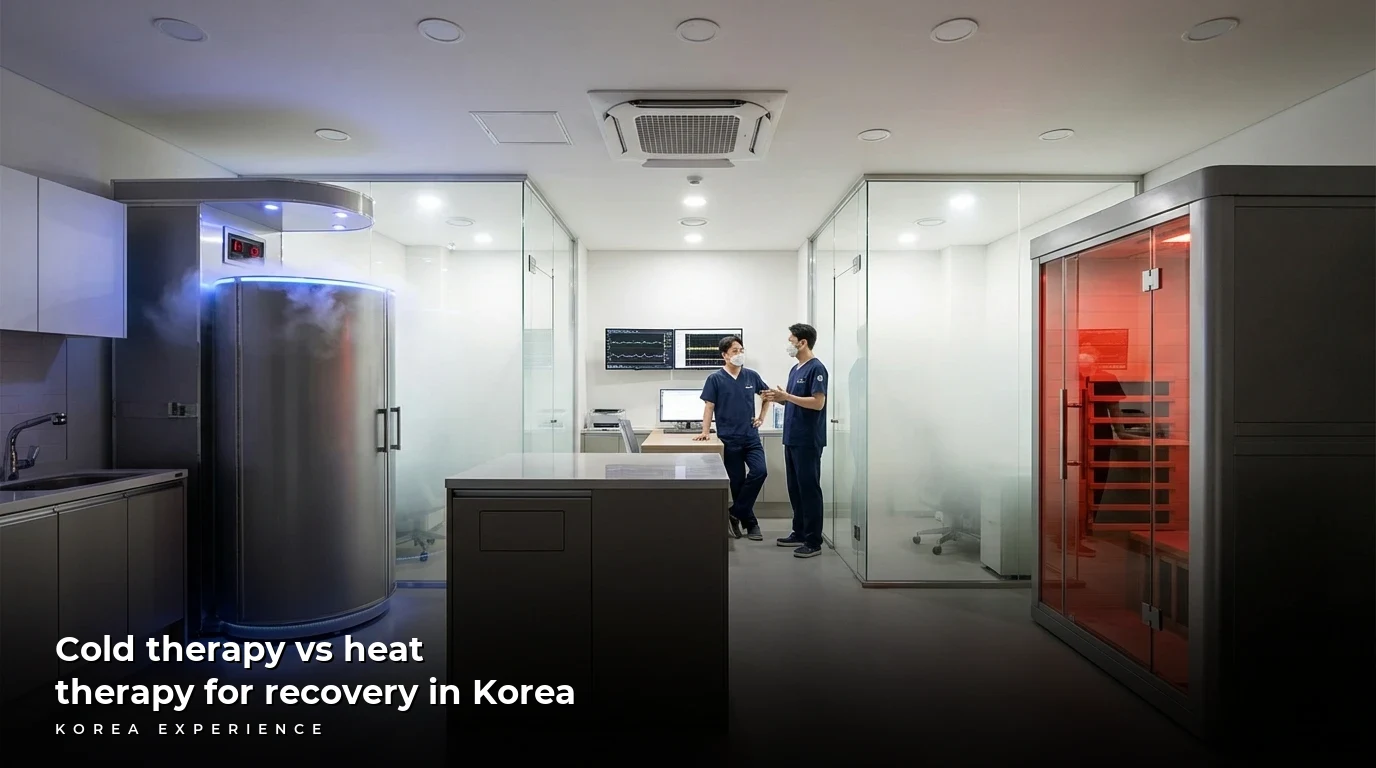
Cold therapy, often referred to as cryotherapy, involves exposing the body or specific body parts to low temperatures for therapeutic purposes. While historically people have used ice packs and cold compresses, modern Korea offers sophisticated applications that range from whole-body chambers to localized treatments.
How Cold Therapy Works
The primary mechanism of cold therapy revolves around vasoconstriction – the narrowing of blood vessels. When exposed to cold, blood vessels constrict, reducing blood flow to the treated area. This process helps to:
- Reduce Inflammation and Swelling: By limiting blood flow, cold therapy minimizes the accumulation of fluids and inflammatory mediators at the site of injury or soreness.
- Decrease Pain Perception: Cold temperatures numb nerve endings, which significantly reduces pain signals transmitted to the brain, offering immediate analgesic effects.
- Slow Metabolic Rate: A decreased metabolic rate in tissues can reduce secondary tissue damage after an injury by limiting the oxygen demand of cells.
Benefits of Cold Therapy
Cold therapy is renowned for its targeted benefits, particularly in situations demanding rapid relief and recovery.
- Acute Injury Management: Ideal for fresh injuries like sprains, strains, or bruises, where inflammation and swelling are the primary concerns.
- Post-Exercise Recovery: Athletes often use cold therapy to reduce muscle soreness (delayed onset muscle soreness or DOMS), speed up recovery, and minimize exercise-induced muscle damage.
- Pain Relief: Effective for various types of pain, including joint pain, headaches, and neuropathic pain, due to its numbing effect.
- Improved Skin Tone and Health: Some specialized cryotherapy treatments aim to improve circulation, reduce cellulite appearance, and tighten skin, appealing to those interested in beauty and aesthetics.
- Mood Enhancement: The extreme cold can trigger a release of endorphins, leading to a temporary mood boost and a sense of invigoration.
Cold Therapy Options in Korea
Korea's wellness industry has embraced cryotherapy with enthusiasm, offering a range of options from high-tech clinics to more accessible ice rooms.
Whole-Body Cryotherapy (WBC) Clinics
These specialized clinics are popular, especially in bustling areas like Gangnam in Seoul, offering experiences in cryo-chambers.
- Experience: You enter a chamber (typically for 2-3 minutes) where the air temperature drops to between -110 degrees Celsius (-166 Fahrenheit) and -140 degrees Celsius (-220 Fahrenheit). You're typically provided with protective gear for hands, feet, and ears.
- Locations: Many upscale aesthetic and wellness clinics in Seoul, particularly in the Gangnam and Apgujeong districts, offer WBC. A quick online search for "cryotherapy Seoul" or "Gangnam cryotherapy" will yield numerous options.
- Cost: A single session can range from 50,000 KRW to 100,000 KRW (approximately 35-75 USD), with packages often available at a reduced per-session rate.
- Tip for Expats/Travelers: Many clinics catering to international clients will have English-speaking staff, but it's always wise to call ahead to confirm. Ensure you understand the pre-session guidelines, especially concerning hydration and avoiding lotions.
Localized Cryotherapy
For specific joint or muscle pain, some clinics offer localized cryotherapy, where a focused stream of cold air is directed at a particular area.
- Experience: A device delivers super-cooled air to a specific part of the body, targeting inflammation and pain directly without exposing the entire body to extreme cold.
- Locations: Often found in physical therapy clinics, sports medicine centers, and some aesthetic clinics.
Ice Rooms in Jjimjilbangs (Korean Bathhouses)
A more traditional and widely accessible form of cold exposure is found in public Korean bathhouses.
- Experience: After sweating in various hot saunas or baths, visitors can enter an "ice room" (sometimes called an "ice cave" or "cold room"). These rooms are typically set at around 0-10 degrees Celsius (32-50 Fahrenheit). While not as extreme as WBC, they offer a refreshing contrast and promote circulation when combined with heat therapy.
- Locations: Almost all large Jjimjilbangs across Korea will have an ice room. Popular examples include Dragon Hill Spa in Seoul or Spa Land Centum City in Busan.
- Cost: Included in the general admission fee for the Jjimjilbang, which typically ranges from 12,000 KRW to 20,000 KRW (approximately 9-15 USD) for a multi-hour or overnight stay.
Understanding Heat Therapy: The Comfort of Thermotherapy
Heat therapy, or thermotherapy, involves applying heat to the body or a specific area to promote relaxation, increase blood flow, and alleviate pain. Korea, with its deep-rooted bathhouse culture and traditional heating systems, excels in offering diverse heat therapy experiences.
How Heat Therapy Works
The application of heat triggers several physiological responses in the body:
- Vasodilation: Heat causes blood vessels to dilate, increasing blood flow to the treated area. This enhanced circulation brings more oxygen and nutrients to tissues while simultaneously removing waste products.
- Muscle Relaxation: Heat helps to relax muscles, reducing tension and spasms. This is particularly beneficial for stiff or sore muscles.
- Pain Relief: By relaxing muscles and increasing blood flow, heat can alleviate pain. It also stimulates sensory receptors, which can override pain signals to the brain.
- Increased Tissue Elasticity: Heat makes connective tissues more pliable, which can improve flexibility and range of motion.
Benefits of Heat Therapy
Heat therapy is a go-to for chronic conditions, relaxation, and preparing the body for physical activity.
- Chronic Pain Management: Effective for long-standing aches and pains, such as those associated with arthritis, fibromyalgia, or back pain.
- Muscle Stiffness and Soreness: Excellent for relieving tension headaches, muscle knots, and general body stiffness.
- Stress Reduction and Relaxation: The warmth promotes a sense of calm and well-being, helping to reduce stress and improve sleep.
- Improved Circulation: Beneficial for individuals with poor circulation or those looking to warm up muscles before exercise.
- Detoxification: Inducing sweating, as in saunas, is believed by some to aid in the removal of toxins from the body.
Heat Therapy Options in Korea
Korea's heat therapy options are not just therapeutic; they are deeply ingrained in the culture, offering a unique social and wellness experience.
Jjimjilbangs (Korean Bathhouses)
These ubiquitous establishments are a cornerstone of Korean culture and a must-experience for any visitor seeking relaxation and recovery.
- Experience: Jjimjilbangs feature a variety of themed saunas and heated rooms, each designed for specific therapeutic effects. Examples include salt rooms, charcoal rooms, jade rooms, and traditional clay (Hwangto) rooms, all maintained at different temperatures. Many also include hot tubs, steam rooms, and communal areas for relaxing.
- Locations: Found in virtually every city and town across Korea. Prominent, large-scale Jjimjilbangs like Spa Land Centum City in Busan or Dragon Hill Spa in Seoul are popular for their extensive facilities. Smaller, local Jjimjilbangs offer a more authentic experience.
- Cost: General admission usually ranges from 12,000 KRW to 20,000 KRW, allowing access to most facilities for several hours or overnight.
- Tip for Expats/Travelers: Be prepared for gender-segregated bathing areas where nudity is expected. In the communal Jjimjilbang areas, you wear provided clothes. Hydrate frequently and try different rooms to find your preferred temperature.
Hot Springs (Oncheon)
Korea is blessed with numerous natural hot springs, offering mineral-rich waters renowned for their therapeutic properties.
- Experience: Soaking in natural hot spring water allows minerals to absorb into the skin, promoting relaxation, improving circulation, and alleviating various ailments. Many resorts offer outdoor pools, private tubs, and combined spa facilities.
- Locations: Famous hot spring regions include Icheon, Asan, and Busan (Dongnae Hot Spring). Many are part of larger resorts offering accommodation and other wellness services.
- Cost: Entrance to public hot spring baths can range from 8,000 KRW to 15,000 KRW. Resorts with more elaborate facilities and private baths will be significantly more expensive.
- Tip for Expats/Travelers: Research the mineral content of the hot spring water to understand its specific health benefits (e.g., sulfur for skin, alkaline for general wellness).
Traditional Korean Underfloor Heating (Ondol)
While not a direct therapy experience, sleeping or resting on a warmed traditional Korean floor can offer subtle, sustained heat therapy benefits.
- Experience: Many traditional guesthouses (hanok stays) and some modern accommodations in Korea feature an "Ondol" heating system, which warms the floor. Lying directly on this warmed surface can provide gentle, consistent heat to the back and muscles, promoting relaxation and easing stiffness.
- Locations: Primarily found in traditional hanok accommodations, some hotels, and guesthouses, especially outside of major metropolitan areas.
- Cost: Included in the cost of accommodation.
When to Choose Cold Therapy: Pinpointing Your Needs
Selecting the right therapy hinges on understanding your specific condition and recovery goals. Cold therapy is generally favored for acute issues.
Acute Injuries and Inflammation
If you've just sustained an injury – a sprained ankle, a pulled muscle, or a fresh bruise – cold therapy is your first line of defense. The vasoconstriction helps to limit swelling and internal bleeding immediately, reducing the severity of inflammation. Think of it as hitting the "pause" button on your body's inflammatory response.
Post-Workout Recovery
For athletes or anyone experiencing significant muscle soreness after intense exercise, cold therapy can be highly effective. It helps to reduce muscle damage, decrease inflammation that contributes to DOMS, and accelerate muscle recovery, allowing for quicker return to training.
Chronic Pain Management (Specific Cases)
While heat is often preferred for chronic pain, cold therapy can be beneficial for chronic conditions characterized by flare-ups of inflammation, such as certain types of arthritis or tendinitis. It can also provide temporary numbness for localized, sharp pain.
When to Choose Heat Therapy: Embracing Comfort and Flexibility
Heat therapy excels in situations requiring relaxation, increased blood flow, and relief from stiffness, making it ideal for chronic issues or general well-being.
Muscle Stiffness and Soreness
If you wake up with a stiff neck, have persistent lower back pain from sitting at a desk, or experience general muscle tightness, heat therapy is often the better choice. The warmth promotes muscle relaxation, making them more pliable and easing stiffness.
Relaxation and Stress Relief
Beyond physical ailments, heat therapy is a powerful tool for mental relaxation. The soothing warmth of a hot bath, sauna, or Jjimjilbang environment can melt away stress, calm the nervous system, and prepare the body for restful sleep.
Promoting Circulation
For individuals with poor circulation, or to simply warm up muscles before engaging in physical activity, heat therapy can be beneficial. The increased blood flow brings vital oxygen and nutrients to tissues, aiding in overall cellular health.
The Synergy of Cold and Heat: Contrast Therapy
Sometimes, the most effective recovery strategy isn't choosing between cold or heat, but rather combining them. Contrast therapy, also known as hot and cold therapy, involves alternating between hot and cold exposures.
What is Contrast Therapy?
Contrast therapy typically involves short periods (e.g., 1-3 minutes) in cold water or an ice bath, followed immediately by periods (e.g., 3-5 minutes) in hot water, a hot tub, or a sauna. This cycle is repeated several times.
Benefits of Contrast Therapy
The rapid changes in temperature cause blood vessels to quickly constrict and then dilate, creating a "pumping" action that offers several unique advantages:
- Enhanced Circulation: This vascular pump is believed to significantly improve circulation, effectively flushing out metabolic waste products and reducing swelling.
- Reduced Inflammation and Swelling: While cold reduces swelling, the subsequent heat can help disperse any remaining fluids and inflammatory compounds.
- Accelerated Muscle Recovery: The improved blood flow and waste removal can speed up the repair process for fatigued muscles.
- Pain Relief: The alternating sensations can disrupt pain signals and offer a more profound numbing effect.
Experiencing Contrast Therapy in Korea
Korea's Jjimjilbangs are perfectly set up for contrast therapy, making it incredibly accessible and an integral part of the traditional bathhouse experience.
- Jjimjilbang Hot and Cold Pools: Most Jjimjilbangs have multiple hot baths of varying temperatures (e.g., 38-42 degrees Celsius or 100-108 Fahrenheit) and at least one cold plunge pool (typically 10-20 degrees Celsius or 50-68 Fahrenheit).
- How to Practice: After a thorough scrub and wash, spend 5-10 minutes in a hot bath, then transition to the cold pool for 1-2 minutes. Repeat this cycle 3-5 times, always ending on cold if you're aiming for invigorating recovery, or hot for ultimate relaxation before sleep.
- Tip for Expats/Travelers: Ease into the cold pool; it can be quite a shock initially! Listen to your body and adjust the duration as needed. Remember to fully immerse yourself if possible for maximum benefit.
Comparison Tables: Cold vs. Heat for Quick Reference
To help you make an informed decision, here's a quick comparison of cold and heat therapies:
| Feature/Benefit | Cold Therapy (Cryotherapy) | Heat Therapy (Thermotherapy) |
|---|---|---|
| Primary Action | Vasoconstriction, numbing | Vasodilation, muscle relaxation |
| Best For | Acute injuries, swelling, inflammation, post-workout soreness | Chronic pain, muscle stiffness, relaxation, improved circulation |
| Effect on Pain | Reduces by numbing nerve endings | Reduces by relaxing muscles and increasing blood flow |
| Effect on Swelling | Reduces significantly | Can increase initially, but aids in dispersion later |
| Speed of Relief | Often immediate | Gradual, sustained relief |
| When to Use | First 24-48 hours post-injury, after intense exercise | Before exercise (warm-up), chronic aches, stress relief |
| Sensation | Intense cold, tingling, numbness | Soothing warmth, comfort, relaxation |
Korean Therapy Options: At a Glance
| Therapy Type | Korean Options | Key Experience | Typical Cost (KRW) |
|---|---|---|---|
| Cold Therapy | Whole-Body Cryotherapy Clinics (Gangnam) | Extreme cold chambers, 2-3 mins, specialized recovery | 50,000-100,000 |
| Ice Rooms in Jjimjilbangs | Mild cold exposure after heat, refreshing contrast | 12,000-20,000 | |
| Localized Cryotherapy (Clinics) | Targeted cold stream for specific pains | Varies by clinic | |
| Heat Therapy | Jjimjilbangs (Saunas, Hot Rooms, Hot Pools) | Diverse heated rooms, social experience, deep relaxation | 12,000-20,000 |
| Natural Hot Springs (Icheon, Asan) | Mineral-rich waters, therapeutic soaking, resort amenities | 8,000-15,000+ | |
| Traditional Underfloor Heating (Ondol in Hanok stays) | Gentle, sustained warmth for sleeping/resting | Included in stay |
When to Use Cold vs. When to Use Heat
| Condition/Goal | Best Therapy Choice | Rationale |
|---|---|---|
| Sprained Ankle | Cold (first 24-48 hours) | Reduces swelling and pain immediately. |
| Chronic Back Pain | Heat | Relaxes muscles, increases blood flow for sustained relief. |
| Post-Workout Soreness | Cold (immediately after), then potentially contrast therapy | Reduces inflammation and speeds muscle recovery. |
| Stiff Neck | Heat | Loosens tight muscles and improves flexibility. |
| Tension Headache | Heat (warm compress on neck/shoulders) | Relaxes tense muscles contributing to the headache. |
| Arthritis Flare-up | Cold (for inflammation), Heat (for stiffness between flares) | Reduces acute inflammation; improves joint mobility. |
| General Relaxation | Heat | Soothes nerves, reduces stress, promotes sleep. |
Practical Considerations for Travelers and Expats in Korea
Navigating wellness options in a new country can be challenging. Here are some tips for international visitors in Korea:
Language Barrier Tips
While major tourist areas and upscale clinics may have English-speaking staff, it's not guaranteed everywhere.
- Basic Korean Phrases: Learn simple phrases like "I have a sore muscle" (근육통이 있어요 - geun-yuk-tong-i isseoyo) or "cold therapy" (냉찜질 - naeng-jjimjil) / "hot therapy" (온찜질 - on-jjimjil).
- Translation Apps: Have a reliable translation app (like Papago or Google Translate) on your phone.
- Visual Aids: Be prepared to point to affected areas if communication is difficult.
Booking and Etiquette
- Jjimjilbangs: No booking required for general admission. Simply walk in, pay at the counter, receive your key/locker number, and follow the signs. Remember to shower thoroughly before entering any communal baths.
- Cryotherapy Clinics: Advance booking is almost always necessary. You may need to provide some medical history.
- Hot Springs: Public baths generally don't require booking. Resorts with private rooms or special treatments will require reservations.
Cost Expectations
As indicated in the tables, costs vary significantly.
- Budget-Friendly: Jjimjilbangs offer excellent value, providing hours of relaxation and various amenities for a single entry fee.
- Mid-Range: Basic hot spring entries.
- Premium: Whole-body cryotherapy sessions and luxury spa treatments at high-end resorts.
Hydration is Key
Regardless of whether you choose cold or heat, proper hydration is crucial. Both therapies, especially heat, can lead to fluid loss. Drink plenty of water before, during, and after your sessions.
Frequently Asked Questions about Therapy in Korea
Q1: Is cryotherapy safe for everyone?
Whole-body cryotherapy is generally safe for healthy individuals but has contraindications. It is not recommended for pregnant women, individuals with severe hypertension, heart conditions, cold allergies, or certain neurological conditions. Always consult with a healthcare professional before trying whole-body cryotherapy, especially if you have underlying health concerns.
Q2: What should I wear in a Jjimjilbang?
In the gender-segregated bathing areas (mokyoktang), nudity is expected for using the baths and showers. In the communal co-ed areas (jjimjilbang), you will be provided with a comfortable uniform (usually a t-shirt and shorts) to wear.
Q3: Can I combine cold and heat therapies?
Yes, absolutely! Alternating between hot and cold (contrast therapy) is a highly effective method for recovery, particularly for muscle soreness and reducing swelling. Many Jjimjilbangs are designed specifically for this purpose with both hot and cold pools and saunas.
Q4: Are these therapies covered by travel insurance?
Generally, elective wellness and recovery treatments like Jjimjilbang visits or cryotherapy sessions are not covered by standard travel insurance. However, if your medical tourism insurance specifically includes "wellness treatments," it might be, but this is rare. Always check your policy details or contact your provider directly for clarity.
Q5: How often should I undergo these treatments?
The frequency depends on your goals and the type of therapy. For acute injuries, cold therapy might be applied several times a day for short durations. For general wellness and relaxation, visiting a Jjimjilbang once a week or a few times a month is common. Cryotherapy sessions are often recommended in a series, perhaps 2-3 times a week, for specific athletic recovery or pain management goals. Always listen to your body and consult with professionals for personalized advice.
Conclusion: Embrace Korea's Wellness Journey
Korea offers an incredible spectrum of options for physical and mental recovery, seamlessly blending ancient wisdom with modern science. Whether you're seeking the immediate, anti-inflammatory benefits of cold therapy or the soothing, muscle-relaxing comfort of heat therapy, the choices are abundant and accessible.
Understanding the unique advantages of cold therapy versus heat therapy empowers you to make informed decisions for your personal well-being. For acute injuries, intense post-workout recovery, or when swift pain relief is paramount, lean towards the invigorating chill. For chronic aches, deep muscle relaxation, stress relief, and a boost in circulation, the comforting warmth is your ally. And for a truly dynamic recovery experience, don't overlook the synergistic power of contrast therapy, readily available in Korea's beloved Jjimjilbangs.
As an international traveler or expat, exploring these wellness options not only aids in your recovery but also provides a deeper immersion into Korean culture. So, next time your body signals a need for rejuvenation, remember the diverse therapeutic landscape Korea offers. Take the plunge into a cold bath, unwind in a traditional sauna, and discover your optimal path to recovery. Your journey through Korea will be all the more enriching and comfortable for it.
Medical Disclaimer
The information provided in this blog post is for general informational purposes only and does not constitute medical advice. It is not a substitute for professional medical advice, diagnosis, or treatment. Always seek the advice of a qualified healthcare provider with any questions you may have regarding a medical condition or before undertaking any new health regimen or treatment. Reliance on any information appearing in this article is solely at your own risk.
Emergency Contact Numbers in Korea
- Ambulance/Medical Emergency: Dial 119
- Medical Consultation/General Health Information (English available): Dial 1339
About the Author
Korea Experience Team
Written by the Korea Experience editorial team - experts in Korean medical tourism, travel, and culture with years of research and firsthand experience.
⚠️ Medical Disclaimer
The information provided on this website is for general informational purposes only and does not constitute medical advice. Always consult with qualified healthcare professionals before making any medical decisions.
Continue Reading
Explore more articles you might find interesting
Discover premier SMP clinics in South Korea for 2026. Achieve natural hair density and confidence with expert care for international visitors.
Deciding between Korea and Thailand for medical tourism in 2026? This guide offers an in-depth comparison of costs, quality, specialties, and practical tips.
Explore the ultimate guide to Mint and Silhouette Soft thread lifts in Korea for 2026 Learn about procedures costs clinics and recovery