Budget Korea Lunch: Value Jeomsim-teukseon 2026
Unlock Korea's best value lunch specials for 2026. Our guide to Jeomsim-teukseon helps you savor gourmet meals on a budget, making every bite and won count for travelers and expats.
Eating on a Budget: Best Value-for-Money Lunch Specials (Jeomsim-teukseon) 2026
Korea is a land of vibrant culture, breathtaking landscapes, and, perhaps most notably for many international travelers and expats, incredibly delicious food. From sizzling Korean barbeque to comforting stews and refreshing noodles, the culinary landscape is as diverse as it is delightful. However, for those keen on experiencing the full gastronomic spectrum without breaking the bank, navigating meal options can sometimes feel like a challenge. That's where the magic of "Jeomsim-teukseon" (점심특선), or lunch specials, comes into play.
As we look to 2026, the tradition of offering exceptional value through lunch specials continues to be a cornerstone of Korean dining. This comprehensive guide is designed to empower you, the international traveler or expat in Korea, to master the art of eating on a budget with the best value-for-money lunch specials Jeomsim-teukseon 2026. We'll delve into what makes these deals so special, where to find them, what to look for, and how to maximize your culinary adventures without compromising on taste or experience. Get ready to savor authentic Korean flavors, discover hidden gems, and make every Korean won count!
Understanding Jeomsim-teukseon: Your Gateway to Affordable Gourmet
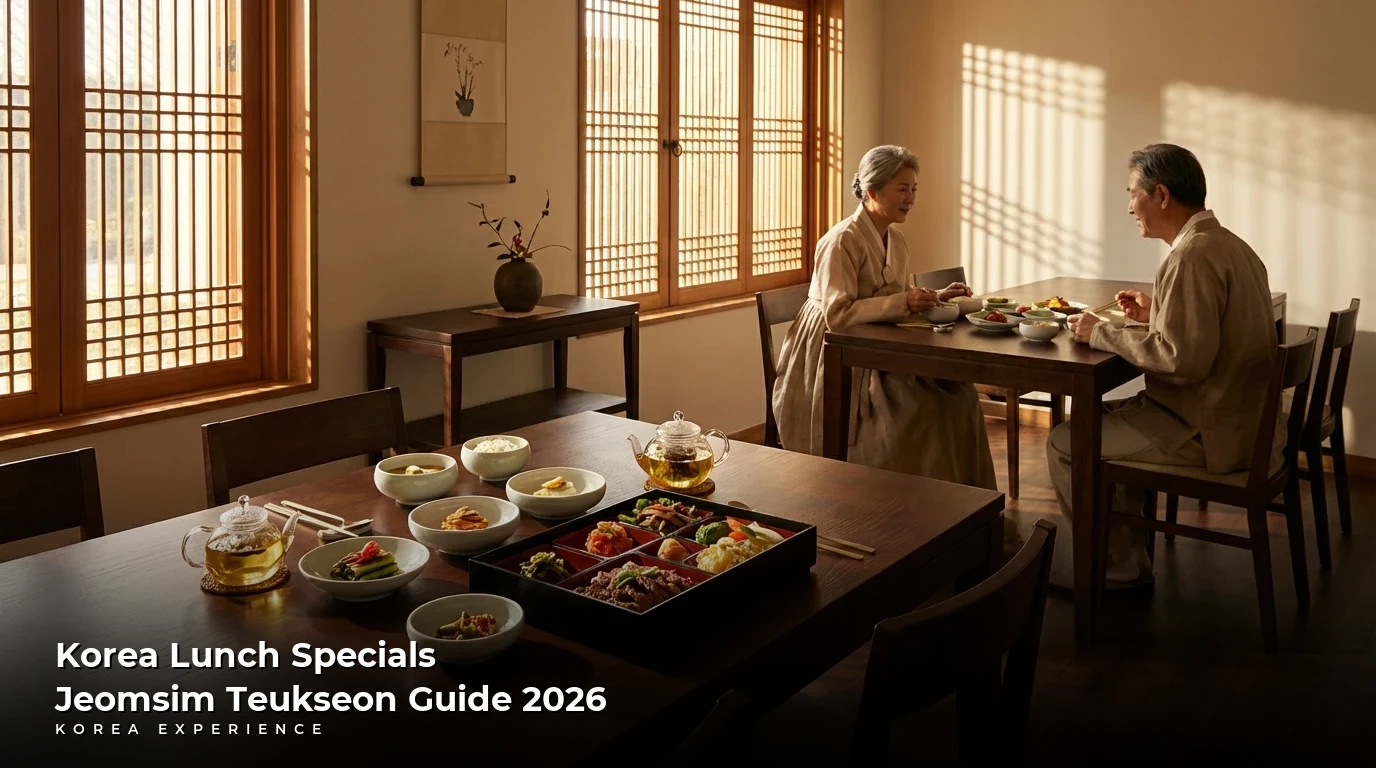
Jeomsim-teukseon, literally translating to "lunch special," is a cherished dining concept in Korea. It's not merely a discounted meal; it's often a curated set menu offered exclusively during lunch hours, typically between 11:30 AM and 2:00 PM. These specials are designed to attract customers during the busy midday rush, providing a taste of a restaurant's best offerings at a significantly lower price point than their dinner counterparts.
The Philosophy Behind Lunch Specials
Korean restaurants, whether high-end fine dining establishments or humble local eateries, understand the importance of lunchtime traffic. By offering attractive Jeomsim-teukseon, they aim to:
- Showcase their signature dishes: It's an opportunity for chefs to present their culinary prowess to a wider audience.
- Maintain customer loyalty: Regulars often frequent their favorite spots for reliable and delicious lunch deals.
- Optimize kitchen operations: Streamlining menus for lunch helps kitchens run more efficiently.
- Provide accessible dining: Making quality food affordable for everyone, from office workers to students and, of course, savvy tourists.
What to Expect from a Typical Jeomsim-teukseon
While the specifics vary, a Jeomsim-teukseon usually includes:
- A main dish: This could be anything from a hearty stew like Kimchi-jjigae (kimchi stew) or Sundubu-jjigae (soft tofu stew), to grilled meat sets, bibimbap (mixed rice), or a noodle dish.
- Banchan (side dishes): The quintessential Korean accompaniment. Expect an array of delightful small dishes like kimchi, seasoned vegetables, fish cakes, and more. The quantity and variety of banchan are often a strong indicator of a restaurant's generosity and quality.
- Rice: Steamed white rice is almost always included.
- Soup or broth: A small bowl of clear soup or a light broth often accompanies the meal.
- Sometimes a dessert or drink: Some more upscale lunch specials might include a small traditional dessert, a cup of coffee, or a soft drink.
The value proposition is clear: you receive a substantial, well-rounded meal, often featuring ingredients or preparations that would cost much more during dinner service, for a price that typically ranges from 8,000 KRW to 15,000 KRW (prices are illustrative for 2026 and can vary based on location and restaurant type).
Finding the Best Value: What to Look for in a Lunch Special
Navigating the myriad of Jeomsim-teukseon options requires a keen eye and a bit of local knowledge. Here's how to spot the best deals and ensure you're getting true value for your money in 2026.
Key Indicators of Value
- Price Point: While "budget" is subjective, aim for meals in the 8,000 to 12,000 KRW range for everyday value. Higher-end restaurants might offer specials up to 18,000 KRW, which can still be excellent value if the dinner price is significantly higher (e.g., 30,000 KRW+).
- Number and Quality of Banchan: A generous spread of fresh, diverse, and delicious banchan is a hallmark of good value. Some restaurants offer unlimited refills, which is a huge bonus.
- Inclusion of Signature Dishes: Does the lunch special feature a dish the restaurant is famous for? This is a great way to try a high-quality item at a reduced cost.
- Portion Size: While not always explicit, experienced diners can often tell if a lunch portion is substantial enough. Korean meals are generally quite filling, so you're unlikely to leave hungry.
- Ambiance and Service: While these don't directly relate to "food value," a pleasant dining environment and friendly service enhance the overall experience, making a meal feel like better value.
Tips for Discovering Hidden Gems
- Look for "Jeomsim-teukseon" signs: Many restaurants display their lunch specials prominently on their storefronts or menus, often with enticing pictures.
- Consult local food blogs and apps: Websites like Mangoplate, Naver Place, or Kakao Maps (though primarily in Korean, Google Translate can help) are invaluable. Search for "점심특선" (jeomsim-teukseon) in a specific area. Locals often review and photograph these specials.
- Ask locals: Don't hesitate to ask hotel staff, tour guides, or even friendly shopkeepers for their recommendations. They often know the best local haunts.
- Observe queues: A long line during lunch hours is usually a good sign of popularity and good value, especially among local office workers.
- Explore side streets: Main thoroughfares are often pricier. Venture into the smaller alleys and side streets, where you'll often find more authentic and affordable eateries.
Top Jeomsim-teukseon Spots in Seoul for 2026 (Illustrative Examples)
Seoul is a sprawling metropolis with countless dining options. Here are some illustrative examples of popular areas and types of restaurants where you can consistently find excellent eating on a budget best value-for-money lunch specials Jeomsim-teukseon 2026.
1. Gangnam Business District: Upscale Value
Despite its reputation for luxury, Gangnam, particularly around Teheran-ro and Gangnam Station, offers fantastic lunch deals catering to office workers.
- Restaurant Example: "Gangnam Grill House"
- Specialty: Korean BBQ (Bulgogi, Galbi)
- Jeomsim-teukseon: Bulgogi-jeongol (bulgogi hot pot) or a small Galbi-jjim (braised short ribs) set.
- Price Range (2026 est.): 12,000 - 18,000 KRW
- What you get: A generous portion of meat, rice, 5-7 banchan, and a side soup. Dinner versions of these dishes typically start from 25,000 KRW.
- Insider Tip: Look for restaurants offering "Hansang Chaerim" (한상차림), which means a full table setting, often indicating a comprehensive meal with many side dishes.
2. Myeongdong/Insadong: Tourist-Friendly Deals
These areas are popular with tourists, and while some places can be overpriced, many offer competitive lunch specials to draw in the crowds.
- Restaurant Example: "Myeongdong Kalguksu & Mandu"
- Specialty: Kalguksu (knife-cut noodles) and Mandu (dumplings).
- Jeomsim-teukseon: A bowl of Kalguksu with 3-4 side dishes and a small portion of Mandu.
- Price Range (2026 est.): 9,000 - 13,000 KRW
- What you get: Hearty, comforting noodles, often with chicken or seafood broth, and perfectly steamed dumplings. Excellent for a chilly day.
- Insider Tip: Many restaurants here specialize in one or two dishes. Their lunch specials are often just smaller, more affordable versions of their main offerings.
3. Hongdae/Sinchon: Youthful & Diverse Options
Known for their youthful vibe and university populations, these areas boast a wide array of trendy and budget-friendly eateries.
- Restaurant Example: "Hongdae Fusion Kitchen"
- Specialty: Modern Korean fusion dishes, often incorporating Western elements.
- Jeomsim-teukseon: Kimchi Risotto set or a spicy Pork Bulgogi rice bowl.
- Price Range (2026 est.): 10,000 - 14,000 KRW
- What you get: Creative dishes that appeal to younger palates, usually with unique banchan and a stylish ambiance.
- Insider Tip: Many cafes and smaller restaurants in these areas offer "brunch sets" that function similarly to lunch specials but with a more international twist.
4. Gwanghwamun/Jongno: Traditional & Office Worker Focus
Near government buildings and corporate offices, this area is a goldmine for traditional Korean lunch specials.
- Restaurant Example: "Jongno Korean Stew House"
- Specialty: Various stews (Jjigae) and hot pots (Jeongol).
- Jeomsim-teukseon: Individual servings of Kimchi-jjigae, Sundubu-jjigae, or Doenjang-jjigae (soybean paste stew).
- Price Range (2026 est.): 8,000 - 10,000 KRW
- What you get: A bubbling hot stew, a bowl of rice, and 4-6 staple banchan. Perfect for a quick, warming, and satisfying meal.
- Insider Tip: Look for restaurants where side dishes are self-service. This often means unlimited refills, offering even better value.
Comparison Table: Seoul Jeomsim-teukseon Styles
| Restaurant Type | Location (Example) | Main Dish Examples | Price Range (2026 Est.) | Key Feature |
|---|---|---|---|---|
| Upscale Korean BBQ | Gangnam Business Dist. | Bulgogi-jeongol, Galbi-jjim set | 12,000 - 18,000 KRW | High-quality ingredients, elegant |
| Traditional Noodle/Stew | Myeongdong, Jongno | Kalguksu & Mandu set, Jjigae (stew) sets | 8,000 - 13,000 KRW | Comfort food, quick & satisfying |
| Modern Fusion Eatery | Hongdae, Sinchon | Kimchi Risotto, Spicy Pork Rice Bowl | 10,000 - 14,000 KRW | Trendy flavors, unique presentation |
| Local Eatery | Back alleys everywhere | Bibimbap, Gukbap (rice soup), Jeyuk-bokkeum | 7,000 - 10,000 KRW | Authentic, hearty, often very generous |
Regional Delights: Value Lunch Specials Beyond Seoul
While Seoul offers an incredible variety, venturing outside the capital can reveal even more specialized and regionally authentic Jeomsim-teukseon. These areas often highlight local produce and culinary traditions.
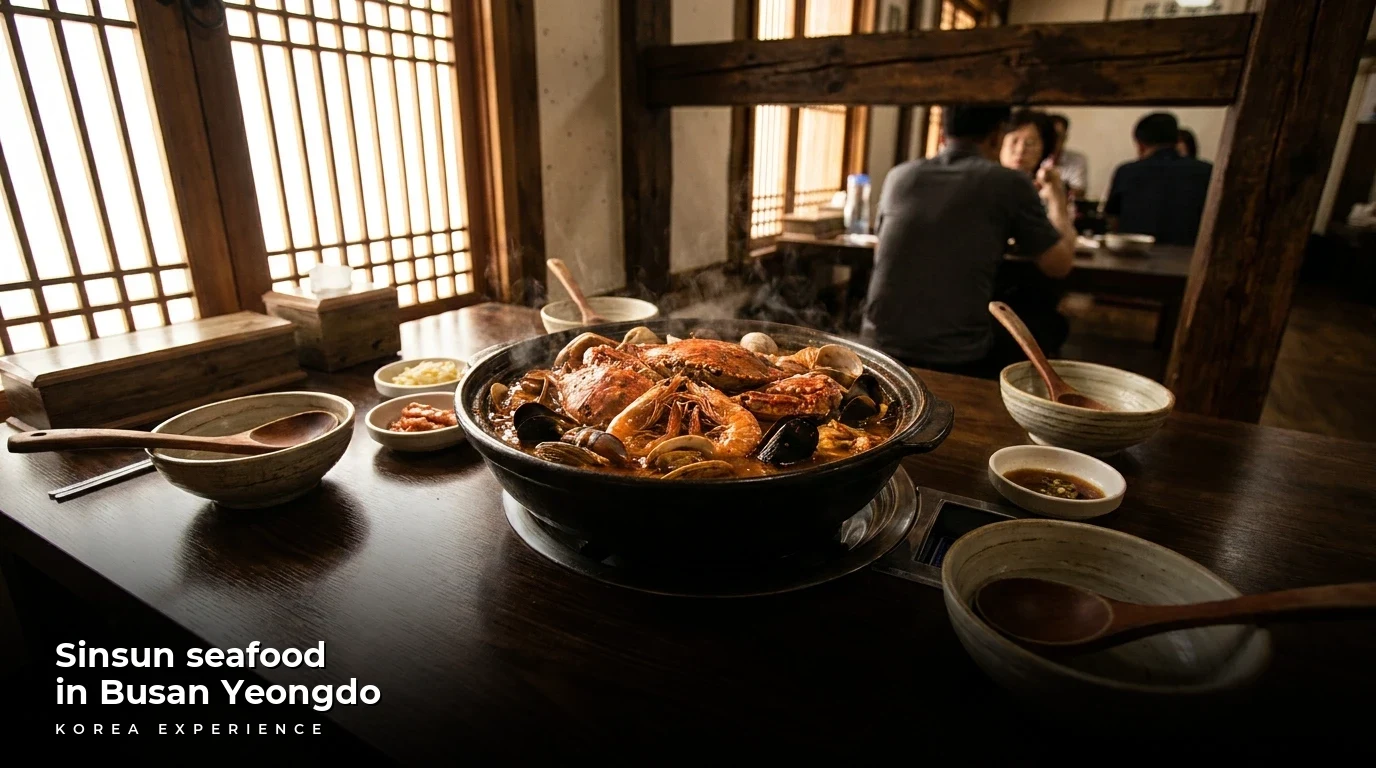
1. Busan: Seafood-Centric Lunch Deals
Busan, a major port city, is renowned for its fresh seafood. Lunch specials here frequently feature the bounty of the sea.
- Restaurant Example: "Jagalchi Seafood Stew" (near Jagalchi Fish Market)
- Specialty: Haemul-jjigae (seafood stew) or Saengseon-gui (grilled fish).
- Jeomsim-teukseon: Individual Haemul-jjigae or a grilled Mackerel set.
- Price Range (2026 est.): 10,000 - 16,000 KRW
- What you get: Exceptionally fresh seafood, often with a robust and spicy broth, or perfectly grilled fish with a crispy skin.
- Insider Tip: Many seafood restaurants at coastal cities have tanks right at the entrance. The fresher the ingredients, the better the value.
2. Jeonju: The Home of Bibimbap
Jeonju is famous for its culinary heritage, especially its iconic bibimbap. A Jeonju bibimbap lunch special is a must-try.
- Restaurant Example: "Jeonju Traditional Bibimbap House"
- Specialty: Jeonju Bibimbap.
- Jeomsim-teukseon: A classic Jeonju Bibimbap set.
- Price Range (2026 est.): 11,000 - 15,000 KRW
- What you get: A beautifully presented bowl of rice mixed with various vegetables, beef, ginkgo nuts, pine nuts, and a raw egg yolk, often served with a bean sprout soup and minimal banchan (as the bibimbap itself is so complete).
- Insider Tip: Compare prices carefully. Some tourist-centric places might hike prices. Look for establishments packed with locals for the best authentic value.
3. Gyeongju: Ancient City, Traditional Flavors
Gyeongju's rich history extends to its cuisine, with many establishments offering traditional Korean set meals that act as substantial lunch specials.
- Restaurant Example: "Gyeongju Hanjeongsik Dining"
- Specialty: Hanjeongsik (traditional full course meal).
- Jeomsim-teukseon: A simplified Hanjeongsik set or a Dolsot Bibimbap (stone pot bibimbap) with a variety of banchan.
- Price Range (2026 est.): 13,000 - 20,000 KRW
- What you get: A taste of royal cuisine at a fraction of the dinner price, with many small dishes showcasing local ingredients.
- Insider Tip: These places are great for experiencing diverse flavors. Go with a friend or two to share and try more dishes.
Comparison Table: Regional Jeomsim-teukseon Highlights
| Region | Specialty | Jeomsim-teukseon Example | Price Range (2026 Est.) | Unique Aspect |
|---|---|---|---|---|
| Busan | Fresh Seafood | Haemul-jjigae, Grilled Mackerel set | 10,000 - 16,000 KRW | Ultra-fresh ingredients from the sea |
| Jeonju | Bibimbap, Traditional Cuisine | Jeonju Bibimbap set | 11,000 - 15,000 KRW | UNESCO City of Gastronomy, iconic dish |
| Gyeongju | Hanjeongsik, Traditional Flavors | Simplified Hanjeongsik, Dolsot Bibimbap | 13,000 - 20,000 KRW | Historical culinary roots, diverse small dishes |
| Gangwon-do | Buckwheat, Mountain Vegetables | Memil Makguksu (buckwheat noodles) | 9,000 - 12,000 KRW | Rustic, wholesome, natural ingredients |
Maximizing Your Jeomsim-teukseon Experience: Tips and Tricks
Beyond just finding the specials, a few strategies can help you get the most out of your value-for-money lunch.
Strategic Timing and Ordering
- Arrive early or late: Beat the rush by arriving right when lunch service begins (around 11:30 AM) or towards the end (around 1:30 PM). This ensures better service and a more relaxed dining experience.
- Go with a group: Many Jeomsim-teukseon, especially those featuring grilled meats or hot pots, are designed for at least two people. Dining with friends allows you to sample more variety.
- Confirm availability: While most places offer lunch specials on weekdays, some might extend them to weekends or even discontinue them without much notice. A quick check on their website or a call can save you a trip.
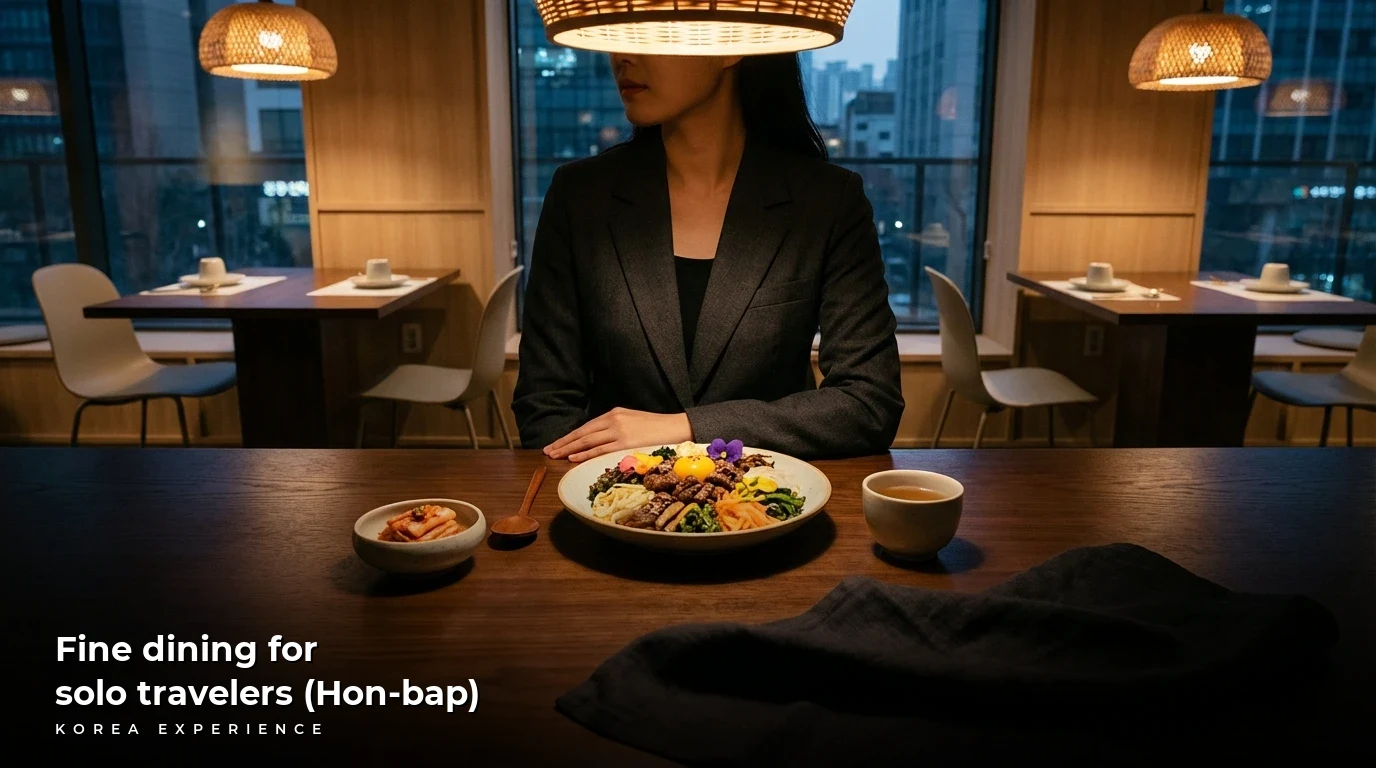
- Understand "Minimum Order": Some restaurants specify a minimum order, e.g., "minimum 2 orders for Bulgogi-jeongol." Always clarify if dining solo.
Embracing Korean Dining Culture
- Don't shy away from banchan refills: Most restaurants are happy to refill your side dishes. It's a key part of the Korean dining experience. Just make sure to ask politely, usually by catching a server's eye and pointing to the empty dish.
- Use the self-service corners: Many budget-friendly eateries have self-service areas for water, extra rice, or specific banchan. Take advantage of these for extra value.
- Experiment with different dishes: Jeomsim-teukseon is a fantastic opportunity to try dishes you might not otherwise order for dinner due to cost. Be adventurous!
- Learn a few Korean phrases: "Jeomsim-teukseon juseyo" (Please give me the lunch special) or "Igeoseun eolmayeyo?" (How much is this?) can go a long way in showing appreciation and clarifying orders. Remember, no Korean characters in this output, so this is just for awareness!
Leveraging Technology
- Translation apps: Google Translate or Papago are indispensable for deciphering menus, especially if there's no English version.
- Digital payment: While cash is accepted, most establishments readily accept credit/debit cards, and mobile payments like Apple Pay or Samsung Pay are becoming increasingly common.
- Restaurant apps/websites: Check official restaurant websites or apps for the most up-to-date menus and special promotions for 2026.
Beyond Lunch: Other Budget-Friendly Eating Strategies
While Jeomsim-teukseon offers exceptional value, it's not the only way to eat on a budget in Korea. Here are other strategies for savvy travelers and expats.
Street Food (Gilmok Eumshik)
- Availability: Widely available in tourist areas, markets, and near subway stations.
- Examples: Tteokbokki (spicy rice cakes), Eomuk (fish cakes), Gyeran-ppang (egg bread), Hotteok (sweet pancakes), Gyeran-mari (rolled omelet).
- Price Range (2026 est.): 2,000 - 7,000 KRW per item.
- Value: Fantastic for snacks or a light meal. Highly affordable and culturally immersive.
Convenience Stores (Pyeonijeom)
- Availability: Ubiquitous across Korea. Chains like CU, GS25, and 7-Eleven.
- Examples: Kimbap (seaweed rice rolls), instant ramen, pre-made sandwiches, various snacks, coffee.
- Price Range (2026 est.): 1,500 - 5,000 KRW per item.
- Value: The ultimate budget option for quick meals, late-night snacks, or drinks. Many stores have seating areas and hot water dispensers.
Traditional Markets (Jae-rae Sijang)
- Availability: Every major city and town has at least one large traditional market.
- Examples: Market food stalls offer everything from Bindaetteok (mung bean pancakes) and Mayak Gimbap to local specialties.
- Price Range (2026 est.): 5,000 - 10,000 KRW per generous serving.
- Value: Incredible authenticity, fresh ingredients, and often very substantial portions. A true cultural and culinary experience.
Group Dining (N-person Sets)
- Strategy: For dinner, many restaurants offer sets for 2, 3, or 4 people. These are often more economical per person than ordering individual dishes.
- Examples: Korean barbeque sets, chicken and beer (Chimaek) combos, Gamjatang (pork bone stew) hot pots.
- Value: Great for sharing and trying a variety of dishes, especially for popular evening meals.
Internal Linking Opportunities:
For more in-depth information, you might consider reading our other guides such as:
- "A Traveler's Guide to Korean Street Food"
- "Understanding Banchan: The Heart of Korean Dining"
- "Navigating Korean Markets: Tips for Travelers"
- "Best Coffee Shops in Seoul for Digital Nomads"
Frequently Asked Questions (FAQ)
Q1: What exactly does Jeomsim-teukseon mean?
A1: Jeomsim-teukseon (pronounced "jum-shim-took-sun") translates to "lunch special" in English. It refers to special set menus or discounted dishes offered by restaurants specifically during lunch hours.
Q2: Are Jeomsim-teukseon available every day of the week?
A2: Generally, lunch specials are offered on weekdays (Monday to Friday) only, to cater to office workers. Some restaurants, especially in tourist areas, might extend them to weekends, but it's always best to check in advance.
Q3: How much can I expect to save by opting for a Jeomsim-teukseon?
A3: The savings can be significant. A lunch special often costs 30-50% less than ordering the same dishes individually or during dinner service. For example, a Korean barbeque set that costs 30,000 KRW for dinner might be available as a lunch special for 15,000-18,000 KRW.
Q4: Can I request changes or substitutions to a Jeomsim-teukseon menu?
A4: Generally, lunch specials are fixed sets to ensure efficiency and speed of service. While you might be able to request minor adjustments (like "less spicy"), significant substitutions are usually not accommodated. It's always polite to ask, but be prepared for a "no."
Q5: What are some common Korean dishes offered as Jeomsim-teukseon?
A5: Popular lunch special dishes include Kimchi-jjigae (kimchi stew), Sundubu-jjigae (soft tofu stew), Bibimbap (mixed rice), Bulgogi (marinated beef), Jeyuk-bokkeum (spicy stir-fried pork), Kalguksu (knife-cut noodles), and various grilled fish sets.
Conclusion: Savoring Korea on a Budget with Jeomsim-teukseon 2026
Exploring Korea's culinary landscape doesn't have to be an expensive endeavor. With the strategic use of Jeomsim-teukseon, international travelers and expats can enjoy high-quality, authentic Korean meals without stretching their budgets. By understanding the concept, knowing what to look for, and utilizing local insights, you're now equipped to embark on a delicious and economical dining journey in 2026.
From the bustling streets of Seoul to the serene charm of regional cities, the best value-for-money lunch specials await your discovery. So, embrace the local dining culture, be adventurous with your choices, and savor every bite. Your wallet will thank you, and your taste buds will rejoice in the rich and diverse flavors of Korea. Happy eating, or as Koreans say, "Masitge deuseyo!" (Enjoy your meal!).
About the Author
Korea Experience Team
Written by the Korea Experience editorial team - experts in Korean medical tourism, travel, and culture with years of research and firsthand experience.
⚠️ Medical Disclaimer
The information provided on this website is for general informational purposes only and does not constitute medical advice. Always consult with qualified healthcare professionals before making any medical decisions.
Continue Reading
Explore more articles you might find interesting
Master ordering food in Korean restaurants with this essential 2026 phrase guide. Navigate menus, handle payments, and dine like a local in Korea.
Discover Banchan, the heart of every Korean meal. Learn the rich Korean side dish culture: history, diverse types, etiquette, and culinary significance.
Discover Seoul's unique vegan temple food classes in 2026, learning ancient culinary traditions and mindful eating from Buddhist monks. Plan your immersive journey.