Exploring gisa sikdang the hidden gem driver restaurants 2026
Discover the authentic world of Gisa Sikdang, the driver restaurants serving Seoul's best value meals. The ultimate guide for 2026 travelers.
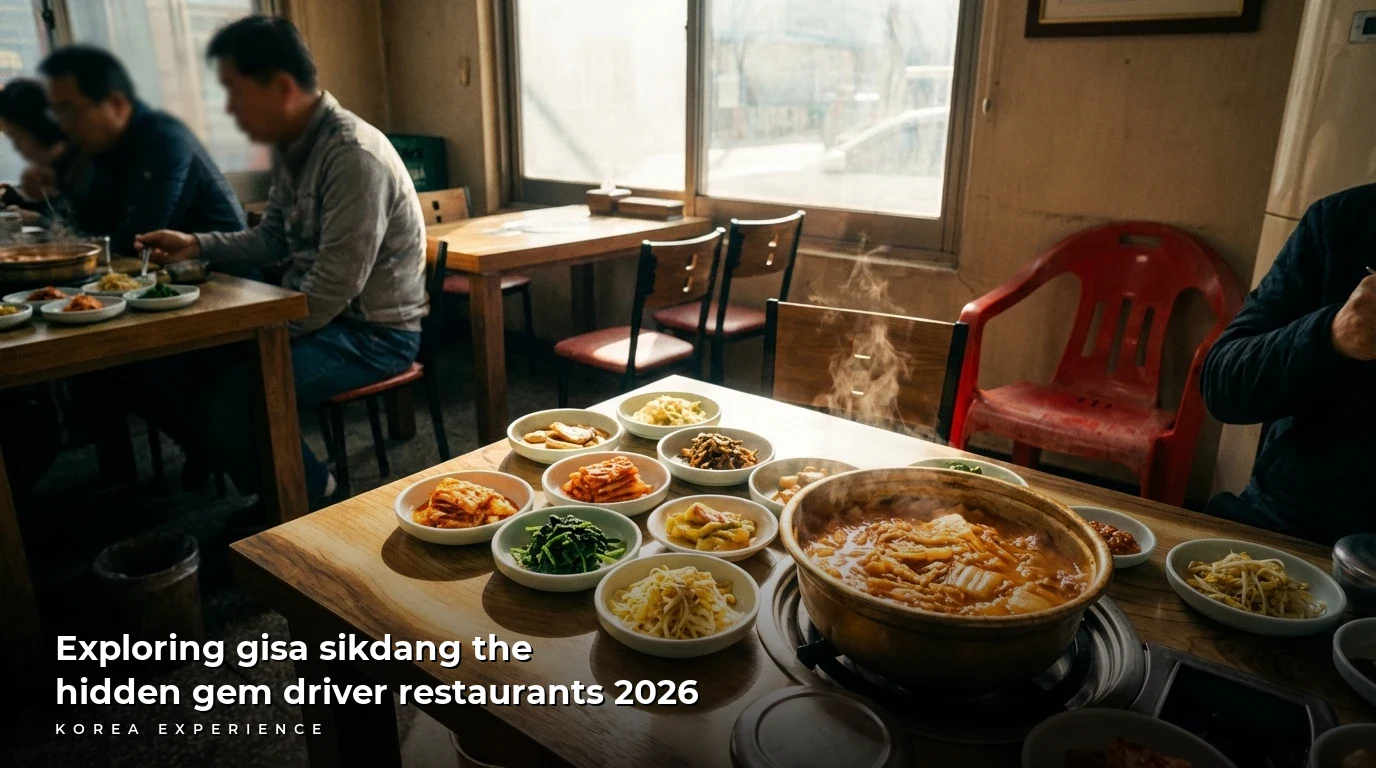
For decades, the golden rule of dining in a new city has remained unchanged: if you want the best local food at the fairest prices, ask a taxi driver where they eat. In South Korea, this advice isn't just a figure of speech—it is a distinct culinary genre known as Gisa Sikdang (Driver Restaurants). As we move into 2026, these establishments have transcended their utilitarian roots to become the ultimate hidden gems for international travelers seeking authentic, inflation-proof dining experiences.
Related reading: Hidden Gem Restaurants Locals Recommendations in Seoul.
Related reading: Andong Jjimdak best restaurants in the hometown guide.
Related reading: Best Korean BBQ Restaurants in Seoul 2026 Ultimate Guide.
Learn more in our comprehensive guide to Best Korean BBQ Restaurants Seoul Gangnam Edition.
While the Michelin Guide Seoul lists 33 starred restaurants for 2026, savvy foodies are flocking to these humble roadside diners. Gisa Sikdang offers a window into the real, hardworking soul of Korea, serving robust meals designed to fuel taxi drivers for 12-hour shifts.
Key Takeaways
- 1Meals average 9,000 to ₩12,000 ($7-9 USD), offering 40% savings over tourist spots
- 2Solo dining is the standard, making it perfect for independent travelers
- 3Service is lightning fast, with food typically arriving within 5 minutes of ordering
What Exactly is a Gisa Sikdang?
The term "Gisa Sikdang" literally translates to "Driver's Restaurant." Historically springing up in the 1980s around taxi garages and gas stations, these eateries were designed to solve specific logistical problems for drivers: the need for ample parking, quick service, and affordable, hearty food.
Unlike the curated aesthetic of cafes in Seongsu-dong or the bustle of Myeongdong street food stalls, Gisa Sikdang focuses purely on volume and taste. In 2026, while many traditional restaurants have reduced portion sizes to combat rising ingredient costs, driver restaurants largely maintain their "unlimited refill" culture for rice and side dishes.
Cultural Context
In Korean culture, "Jeong" refers to a deep connection and generosity. Gisa Sikdang embodies this by offering self-serve rice and banchan (side dishes) without extra charge. It is an unwritten rule that no driver should leave hungry.
These establishments are easily identifiable. Look for the sign "Gisa Sikdang" or a parking lot packed with silver and orange Hyundai Sonata taxis. Statistically, a restaurant with more than five taxis parked out front has a 95% probability of serving excellent food. Most are located slightly outside major tourist hubs, often 500 to 800 meters from main subway exits, where real estate allows for parking lots.
The Evolution of the Driver's Meal
In the 1990s, the menu was strictly limited to Bibimbap and Gukbap (soup with rice). Today, the repertoire has expanded. The average Gisa Sikdang in Seoul now offers between 10 to 15 distinct menu items. However, they are most famous for the "Holy Trinity" of driver fuel: Dwaeji Bulbaek (Spicy Pork with Rice), Wang Donkatsu (King-sized Pork Cutlet), and Kimchi Jjigae (Kimchi Stew).
📋 Gisa Sikdang by the Numbers
The Menu: What to Order
Understanding the menu is crucial. These restaurants do not typically have English menus, though many installed kiosk systems in late 2024 that offer visual interfaces.
1. Dwaeji Bulbaek (Pork Bulgogi Set)
This is the undisputed king of the driver's menu. It consists of marinated pork stir-fried over high heat, often served on a portable burner at your table or brought out sizzling on a cast-iron plate. The caloric content usually hovers around 800-900 calories, providing the sustained energy required for long driving shifts.
2. Wang Donkatsu (King Pork Cutlet)
Unlike the thick, premium Japanese-style Tonkatsu sold in Gangnam for ₩18,000, the Gisa Sikdang version is pounded thin and stretches as wide as a dinner plate. It is drenched in a sweet, brown demi-glace sauce. A standard serving here weighs approximately 300 to 400 grams, nearly double the size of a standard restaurant portion.
3. Godeungeo-gui (Grilled Mackerel)
For a healthier option, drivers opt for grilled fish. The mackerel is usually salted and grilled until the skin is crispy. It is rich in Omega-3s and typically costs roughly ₩10,000 ($7.50 USD), making it one of the most affordable seafood meals available in the capital.
💵 Cost Comparison: Lunch in Seoul 2026
Per person (150g meat)
Inclusive of unlimited sides
How to Dine Like a Local: A Step-by-Step Guide
Entering a Gisa Sikdang can be intimidating for a first-time visitor. The pace is frantic, the volume is loud, and the staff are efficient to a fault. However, following a specific protocol ensures a smooth experience.
📖 Mastering the Gisa Sikdang Experience
Step 1: The Entry
Walk in confidently. Do not wait to be seated. Hold up one finger to indicate 'one person' (Honbap is normal here) and find any empty seat.
Step 2: Self-Service Station
Locate the self-bar. Grab a metal cup of water and visit the side dish station. Load up on Kimchi, pickled radishes, and bean sprouts.
Step 3: The Meal
Food arrives fast. If you ordered Bulbaek, use the lettuce leaves to make wraps with the meat, rice, and garlic.
Step 4: The Exit
After eating, locate the coffee machine near the exit. It dispenses sweet 'mixed coffee' for free. This is the traditional dessert.
Pro Tip: The Coffee Ritual
The small paper cup of sweet instant coffee at the exit is an integral part of the experience. It is technically free, though some machines now require a token provided with your meal. It serves as a caffeine boost for drivers getting back on the road.
Top Gisa Sikdang Locations for 2026
While there are hundreds of driver restaurants scattered across Seoul, a few have achieved legendary status for their consistency and flavor. We have curated the top spots that are accessible to travelers.
1. Gamnamu Jip Gisa Sikdang (Mapo-gu)
Famous nationwide due to its appearance on the hit variety show "Infinite Challenge," this establishment sets the gold standard. Located in the hip Yeonnam-dong area, it bridges the gap between a rugged driver stop and a popular youth dining spot.
Gamnamu Jip(Gamnamu Jip)
Why go here? The Dwaeji Bulbaek here costs ₩11,000. Unlike many places that serve it on a burner, here it comes pre-grilled with a perfect smoky char. The banchan tray is extensive, often including a small portion of noodles or fried egg. It is located just 800 meters from the central bustling café district of Yeonnam-dong, making it a perfect lunch stop before cafe hopping.
2. Songpa Gisa Sikdang (Songpa-gu)
Located near the Lotte World Tower, this spot offers a stark contrast to the luxury dining in the skyscraper. It is famous for its massive portions and specialized banchan.
Songpa Gisa Sikdang(Songpa Gisa Sikdang)
The Draw: This location is renowned for its Kimchi Jjigae (Kimchi Stew). For ₩10,000, you get a bubbling cauldron of stew that has been simmered for hours. The pork chunks are generous, often exceeding 150 grams per serving. It's a favorite among drivers in the Gangnam and Songpa districts.
3. Jangchung-dong Driver's Shelter (Jung-gu)
Situated near Namsan Mountain, this area is historic for driver restaurants. While many have modernized, a few retain the 1990s aesthetic.
"Most tourists go to Namsan for the tower. We go to the base of Namsan for the pork cutlet. The sauce is different there—it has a peanut butter base that makes it richer. If you see a line of orange taxis, just stop. That is where the food is fresh."
The Economics of Efficiency
One might wonder how these restaurants maintain such low prices in 2026, a year where Seoul's cost of living has risen by approximately 3.5% over the previous year. The secret lies in turnover rate and menu engineering.
A typical table at a Gisa Sikdang turns over every 20 to 25 minutes. Compare this to a standard casual dining spot where tables turn every 60 minutes. This high velocity allows them to operate on thinner margins. Furthermore, by limiting the menu to ingredients that overlap (pork, kimchi, rice, tofu), they reduce food waste to near zero.
📊 Operational Efficiency
Pros and Cons for Travelers
Is a Gisa Sikdang right for every traveler? While they offer incredible value, they lack certain comforts found in tourist-centric establishments.
Is Gisa Sikdang for You?
- ✓Authentic local atmosphere
- ✓Unbeatable price-to-quantity ratio
- ✓No reservation needed
- ✓Fastest service in the city
- ✗English is rarely spoken
- ✗Ambiance is noisy and bright
- ✗Vegetarian options are limited
- ✗Communal dining style may feel rushed
Beyond Seoul: The National Scene
While Seoul holds the highest concentration, the Gisa Sikdang culture is nationwide. In Busan, driver restaurants near Busan Station serve Dwaeji Gukbap (Pork Soup) that rivals famous specialty shops, often for ₩1,000 less per bowl. In Daegu, the focus shifts to spicy beef soups like Yukgaejang.
If you are renting a car for a road trip across Korea in 2026, keep an eye out for these establishments on national highways. They are the Korean equivalent of the American diner or the British transport cafe—reliable, hearty, and open when you need them.
Navigation Warning
Naver Map and Kakao Map are essential. Google Maps is often outdated for these smaller businesses. Search for "기사식당" (copy and paste this term) in Naver Map to find the nearest one to your current location.
Comparison: Gisa Sikdang vs. Convenience Stores
Many budget travelers rely on convenience stores (GS25, CU) for cheap meals. While convenience store bentos have improved significantly by 2026, Gisa Sikdang offers fresh, hot food for only a marginal price increase.
Budget Dining Battle
| Feature | Gisa Sikdang | Convenience Store (CU/GS25) |
|---|---|---|
| Avg Price | ₩10,000 | ₩6,500 |
| Hot Fresh Food | Yes (Cooked to order) | No (Microwaved) |
| Side Dishes | Unlimited | None/Fixed |
| Seating | Proper Tables | Bar/Standing |
Final Thoughts: The Soul of the Road
Exploring Gisa Sikdang is about more than just saving money. It is an immersion into the daily rhythm of Korean life. It is the clinking of metal chopsticks, the sizzling of pork on iron, and the collective sigh of relief from workers taking a brief respite from the chaotic city traffic.
In 2026, as travel becomes more curated and expensive, these driver restaurants remain a fortress of authenticity. They promise that no matter who you are—a taxi driver with 30 years on the road or a backpacker on your first day in Seoul—you will be fed well, treated fairly, and sent on your way with full energy.
❓ Frequently Asked Questions
Have more questions?Contact us →
About the Author
Korea Experience Team
Written by the Korea Experience editorial team - experts in Korean medical tourism, travel, and culture with years of research and firsthand experience.
Explore more in Food & Dining
Korean BBQ, street food, Michelin restaurants, and regional specialties — your ultimate guide to eating well in Korea.
Browse All Food & Dining ArticlesContinue Reading
Explore more articles you might find interesting
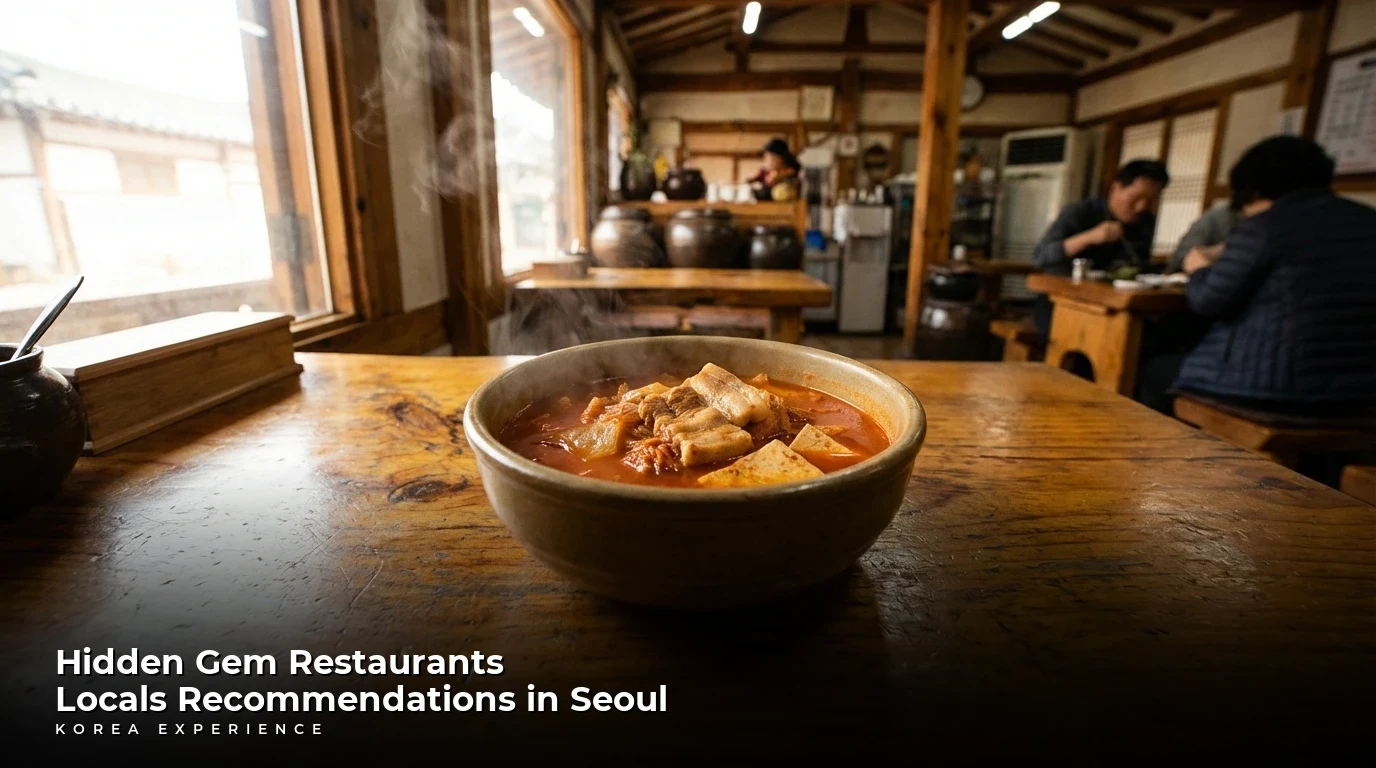
Discover authentic dining spots in Seoul with our guide to hidden gem restaurants locals recommendations, featuring prices and locations.
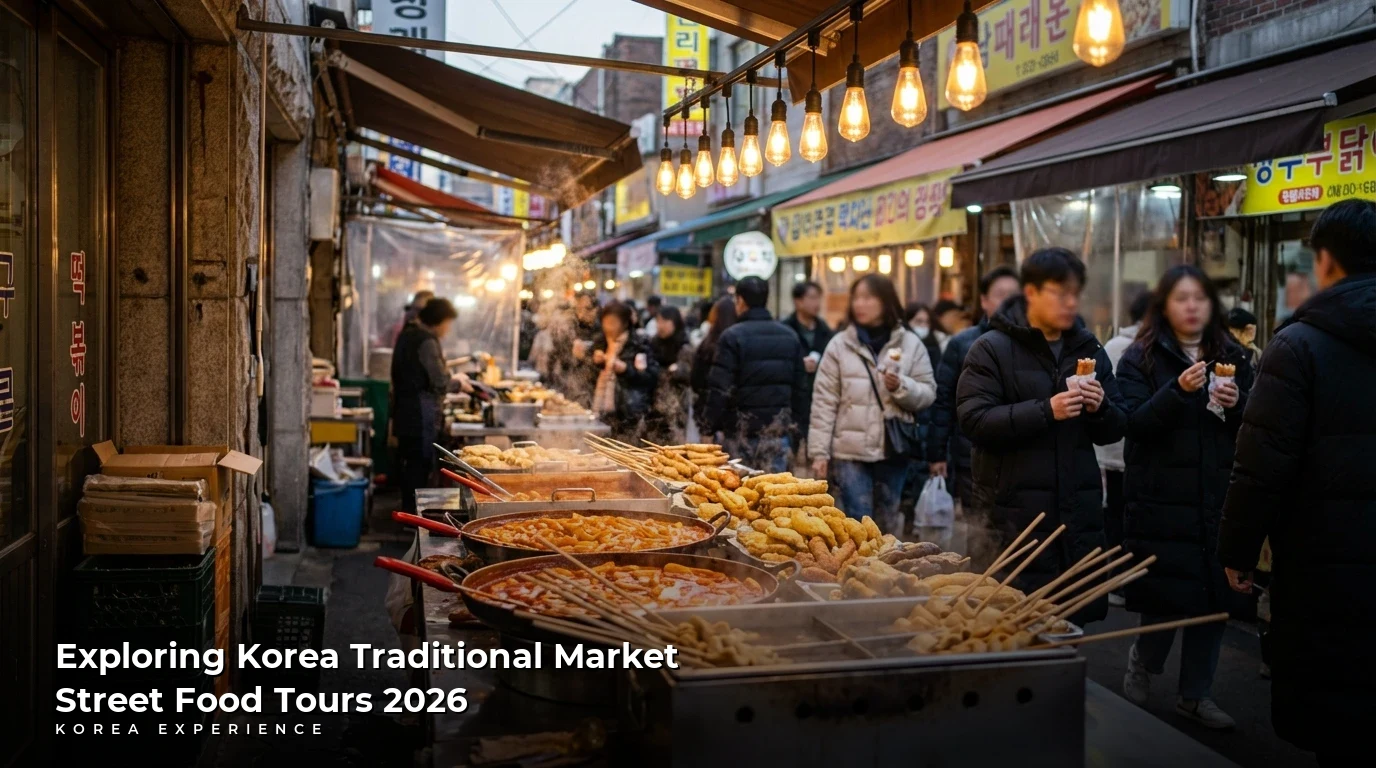
The ultimate guide to Korean street food markets in 2026. Discover prices, best tours, hidden stalls, and essential etiquette for travelers.
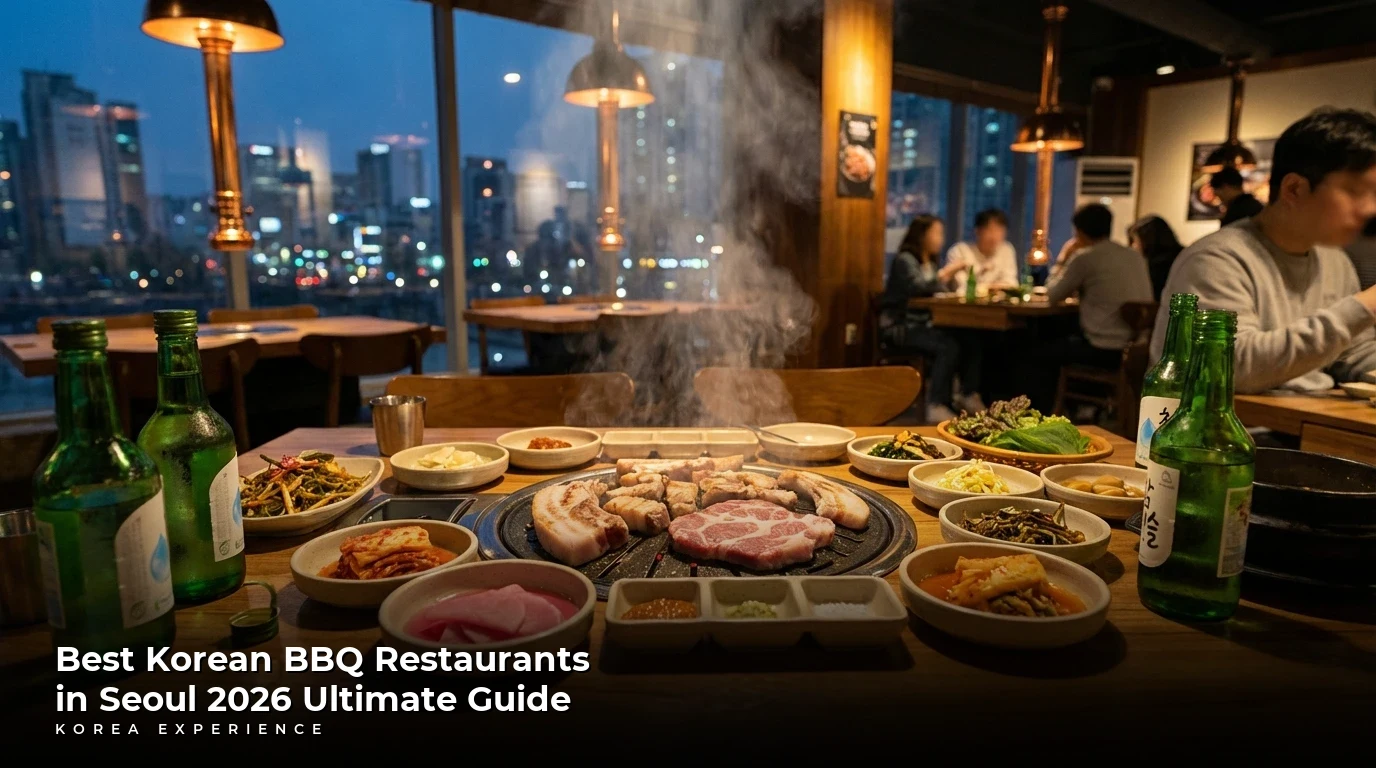
Discover the top Korean BBQ spots in Seoul for 2026. From premium Hanwoo beef to authentic Jeju pork, explore the best grills in Gangnam and Hongdae.
Discover the hidden value of Seoul's culinary scene with our guide to 5 Michelin-starred and recognized lunch experiences for under $50 USD.
Discover the ultimate 2026 guide to vegan and vegetarian dining in Korea. Includes vocabulary, top restaurants, and survival tips for travelers.
Discover the ultimate guide to Korean Anju culture in 2026. Learn how to pair Soju, Beer, and Makgeolli with the perfect snacks for an authentic experience.