Chuncheon Dakgalbi Street A Culinary Journey in Korea
Discover Chuncheon Dakgalbi Street the ultimate destination for spicy stir-fried chicken in Korea. This guide covers everything for international visitors.
Embark on a gastronomic adventure to Chuncheon Dakgalbi Street Food District, a vibrant hub where the sizzling sound of stir-frying chicken fills the air and tantalizes taste buds. For international travelers and expats living in Korea, discovering authentic local cuisine is often a highlight of their experience. Among Korea's vast culinary landscape, Chuncheon Dakgalbi Street stands out as a unique and essential destination, offering not just a meal, but a deeply immersive cultural experience centered around its most famous dish.
This comprehensive guide is designed to illuminate every aspect of the Chuncheon Dakgalbi Street experience. We understand that navigating a new food district in a foreign country can be overwhelming, from understanding menus to choosing the right restaurant. Whether you're a first-time visitor to Korea, a seasoned expat, or simply a food enthusiast planning your next trip, this post will equip you with the insider knowledge needed to fully savor the authentic flavors and lively atmosphere of Chuncheon's iconic Dakgalbi Street. Prepare to learn about the history of this beloved dish, how to select the best dining spot, the proper way to enjoy your meal, and practical tips for making your visit unforgettable.
The Allure of Chuncheon Dakgalbi Street
Chuncheon Dakgalbi Street, specifically located in the Myeongdong neighborhood of Chuncheon, is more than just a cluster of restaurants; it's a living monument to a dish that has captivated Koreans for decades. For many, a trip to Chuncheon is synonymous with eating Dakgalbi, a spicy stir-fried chicken dish cooked right at your table. The street itself is an energetic spectacle, with the aroma of roasting chicken, garlic, and gochujang (Korean chili paste) wafting from every doorway, drawing in hungry patrons.
This district didn't become famous overnight. Its reputation has been built over many years, starting from humble beginnings and evolving into a culinary hotspot. The concentration of restaurants, each vying to offer the best Dakgalbi, creates a competitive yet collaborative environment, ensuring high quality and a memorable dining experience for visitors. It's a place where tradition meets modernity, where old family recipes are passed down, and new variations are enthusiastically embraced.
A Culinary Landmark for Travelers
For international visitors, Chuncheon Dakgalbi Street offers an unparalleled opportunity to delve deep into Korean food culture. It's a place where you can witness the communal dining spirit, a cornerstone of Korean society, in full swing. Unlike many Western dining experiences, Dakgalbi is a highly interactive meal, encouraging conversation and sharing as everyone gathers around a large, sizzling pan.
The street is also a gateway to understanding Chuncheon as a city. While Seoul boasts numerous Dakgalbi restaurants, the authenticity and sheer variety found in its birthplace, Chuncheon, are unmatched. Visiting the district allows you to truly grasp why this particular city holds such a special place in the hearts of Dakgalbi lovers.
What Exactly is Dakgalbi? A Culinary Introduction
Before diving into the street itself, it's essential to understand the star of the show: Dakgalbi. The name "Dakgalbi" literally translates to "chicken ribs," though it typically refers to a dish made with marinated diced chicken, rather than just the ribs. It's a robust, flavorful, and often spicy stir-fry that has become a staple of Korean cuisine.
Key Ingredients and Preparation
The core of Dakgalbi consists of bite-sized pieces of chicken, traditionally leg meat, marinated in a potent sauce. This marinade is a complex blend of gochujang (Korean chili paste), gochugaru (Korean chili powder), soy sauce, garlic, ginger, sugar, and other seasonings, giving the chicken its characteristic sweet, savory, and spicy kick.
Beyond the chicken, an array of vegetables and other ingredients are added to the stir-fry:
- Cabbage: A fundamental component, it softens and sweetens as it cooks, absorbing the rich flavors.
- Perilla Leaves (Kkaennip): These aromatic leaves add a unique, pungent flavor that complements the richness of the chicken.
- Scallions and Onions: Provide a fresh, sharp counterpoint to the heavier flavors.
- Sweet Potato Slices: They become tender and caramelized, adding a delightful sweetness and texture.
- Tteok (Rice Cakes): Chewy and satisfying, these absorb the sauce beautifully.
- Optional Additions: Many restaurants offer extras like cheese, ramyeon (ramen noodles), udon noodles, or even various seafood items to customize your dish.
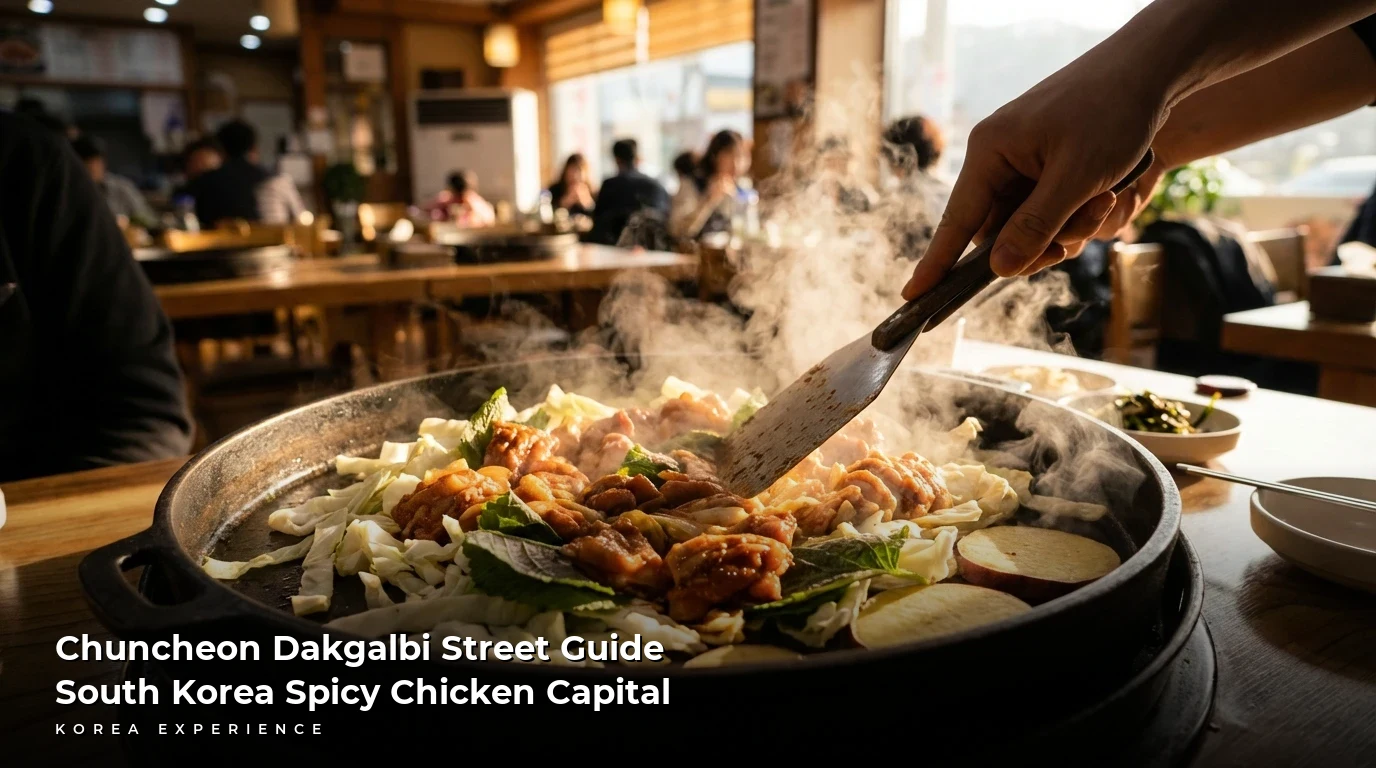
The cooking process is a significant part of the Dakgalbi experience. A large, round cast-iron pan is placed in the center of your table over a burner. The marinated chicken and vegetables are loaded into the pan, and often, a server will help stir and cook the ingredients right in front of you. The sizzling, bubbling mixture, constantly stirred to prevent sticking and ensure even cooking, is as much a feast for the eyes and ears as it is for the palate.
The Flavor Profile
Dakgalbi is known for its bold flavor profile. It's primarily spicy, thanks to the gochujang and gochugaru, but it's a nuanced spiciness, balanced by the sweetness of the vegetables and sugar in the marinade, and the savory depth of soy sauce and garlic. The chicken remains tender and juicy, while the vegetables soften and caramelize. The addition of cheese, a popular modern variation, mellows the spice and adds a creamy, decadent texture.
Chuncheon's Claim to Fame: The Home of Authentic Dakgalbi
Chuncheon's connection to Dakgalbi is deeply rooted in its history and local agricultural practices. While the exact origins are somewhat debated, it's widely believed that Dakgalbi emerged in Chuncheon in the 1960s as an affordable and hearty meal for soldiers and students. The region's abundant chicken farms and agricultural produce made it a natural choice for developing such a dish.
From Humble Beginnings to Culinary Icon
Initially, Dakgalbi was considered a "poor man's meal" due to its simple ingredients and economical preparation. However, its delicious flavor and satisfying nature quickly gained popularity, spreading from local eateries to nationwide fame. Chuncheon, being the birthplace, naturally became the pilgrimage site for those seeking the most authentic version.
The city even hosts an annual Chuncheon Dakgalbi and Makguksu Festival, celebrating its two most famous culinary exports. This festival further solidifies Chuncheon's identity as the definitive home of Dakgalbi, attracting tourists and foodies from all corners of the globe.
Why Chuncheon Dakgalbi is Different
While Dakgalbi can be found throughout Korea, many enthusiasts argue that the Chuncheon version possesses an unparalleled authenticity and taste. Several factors contribute to this:
- Local Ingredients: Many restaurants on Chuncheon Dakgalbi Street prioritize locally sourced chicken and fresh vegetables, ensuring a higher quality and fresher taste.
- Traditional Recipes: Generations of families have perfected their Dakgalbi recipes, often with subtle variations that give each restaurant its unique edge. These traditional methods are carefully preserved.
- Concentration of Expertise: The sheer number of specialized Dakgalbi restaurants in one district means intense competition and a collective dedication to excellence. Chefs here live and breathe Dakgalbi.
- The Atmosphere: Eating Dakgalbi in its hometown, surrounded by fellow enthusiasts, in a district entirely dedicated to it, creates an ambiance that cannot be replicated elsewhere. It’s part of the experience itself.
Navigating Chuncheon Dakgalbi Street: Tips for Choosing a Restaurant
With dozens of restaurants lining Chuncheon Dakgalbi Street, choosing where to eat can be daunting. While most establishments offer delicious Dakgalbi, a few tips can help you find one that perfectly suits your preferences.
What to Look For
- Crowds and Local Patrons: A restaurant bustling with local Koreans is often a good indicator of quality and authenticity. Don't be afraid to queue if it looks popular.
- Cleanliness and Ambiance: While street food districts aren't always pristine, look for establishments that appear well-maintained. Some restaurants offer a more traditional, rustic feel, while others might be more modern.
- Menu Clarity (for foreigners): Many restaurants on Chuncheon Dakgalbi Street cater to international tourists and will have English menus, or at least pictures. If not, don't hesitate to point at what others are eating or use a translation app.
- Open Kitchens/Visible Cooking: Being able to see the fresh ingredients and the cooking process can be reassuring and adds to the experience.
Popular Choices and Insider Tips
While it's hard to name one single "best" restaurant as preferences vary, some establishments have earned a consistent reputation:
- Myeongdong Dakgalbi Street: This is the specific street within Chuncheon's Myeongdong district where the majority of Dakgalbi restaurants are located. Look for signs that clearly indicate "Dakgalbi" in English or stylized Korean characters.
- Restaurants with a Long History: Many of the older establishments have signage proudly displaying their founding year. These often promise a more traditional flavor.
- Observe the "Banchan" (Side Dishes): While Dakgalbi is the main event, the quality and variety of the complimentary side dishes can tell you a lot about the restaurant's overall attention to detail. Common banchan include kimchi, pickled radishes, and bean sprouts.
Remember that most Dakgalbi restaurants specialize in just a few items, primarily Dakgalbi, perhaps a variation like cheese Dakgalbi, and Makguksu (buckwheat noodles), another Chuncheon specialty. This specialization often translates to mastery of their craft.
| Restaurant Feature | What to Look For | Why it Matters |
|---|---|---|
| Local Popularity | Visible queues, many Korean diners, busy atmosphere | Indicates authentic taste, good value, and local approval |
| Menu Accessibility | English menus, picture menus, staff who understand basics | Eases ordering process for non-Korean speakers |
| Specialty Variations | Cheese Dakgalbi, seafood Dakgalbi, original | Offers variety and caters to different tastes and spice tolerances |
| Traditional Setting | Older decor, floor seating (optional), rustic charm | Provides a more immersive and authentic cultural dining experience |
The Dakgalbi Dining Ritual: From Pan to Palate
Dining on Dakgalbi is an experience in itself, complete with its own set of steps and customs. Knowing what to expect will enhance your enjoyment and allow you to fully participate in this communal feast.
Ordering Your Meal
Upon being seated, you'll typically find a large circular pan already installed in the center of your table.
- Choose Your Dakgalbi: Most places offer "Original Dakgalbi" (often just called Dakgalbi) and "Cheese Dakgalbi." If you prefer a milder or richer flavor, Cheese Dakgalbi is an excellent choice. Some might offer a "Seafood Dakgalbi" with octopus or shrimp.
- Specify Quantity: Dakgalbi is usually ordered per person. You'll tell the server how many portions you need (e.g., "Dakgalbi, two servings").
- Select Add-ins: This is where customization comes in. Popular additions include:
- Tteok (Rice Cakes): For extra chewiness.
- Ramyeon (Ramen Noodles) or Udon Noodles: Added towards the end of cooking, they soak up the sauce.
- Sweet Potato (Goguma): Slices often come standard, but you can request more.
- More Cheese: If you're a cheese lover.
- Additional Vegetables: Extra cabbage or perilla leaves.
| Popular Dakgalbi Add-ins | Description | Best Eaten With | Price Range (KRW) |
|---|---|---|---|
| Cheese | Melted mozzarella, often added in a ring around the edge | Original Dakgalbi, any spice level | 3,000-5,000 |
| Tteok (Rice Cakes) | Chewy, cylindrical rice cakes that absorb sauce | Mixed in from the start, a must-have for texture | 2,000-3,000 |
| Ramyeon (Ramen) | Instant ramen noodles, added mid-cook | Best added when chicken is almost done, very filling | 2,000-3,000 |
| Udon Noodles | Thick, chewy wheat flour noodles | Similar to ramyeon, offers a different noodle texture | 2,000-3,000 |
| Sweet Potato | Thinly sliced sweet potatoes that caramelize | Cooked alongside the main ingredients, naturally sweet | 1,000-2,000 |
The Cooking and Eating Process
Once your order is placed, the ingredients will be brought to your table and placed in the pan.
- The Sizzle Begins: The burner is lit, and the cooking starts. Servers often manage the initial stirring and mixing, ensuring the chicken cooks evenly and the sauce coats everything.
- Interactive Dining: As the meal progresses, feel free to stir the ingredients yourself, especially once the chicken is mostly cooked. It's a hands-on experience!
- Wrap It Up: Once the Dakgalbi is fully cooked and sizzling, you can start eating. Many Koreans enjoy wrapping a piece of chicken and some vegetables in a fresh perilla leaf or lettuce leaf. This adds a refreshing crunch and helps balance the richness.
- Bokkeumbap (Fried Rice) Finale: This is arguably the most essential part of the Dakgalbi experience. When you're nearing the end of your chicken and vegetables, ask your server for "bokkeumbap." They will bring rice, seaweed, sesame oil, and often some leftover sauce, which they will mix and fry directly in the same pan on your table. This creates a crispy, flavorful fried rice that is the perfect conclusion to the meal. Do not skip this!
Beyond Dakgalbi: Exploring Other Local Delights
While Dakgalbi is the undeniable king of Chuncheon's culinary scene, the city offers other delicious treats that are worth trying, especially if you're looking to complete your authentic Chuncheon experience.
Makguksu: The Perfect Companion
The second most famous dish from Chuncheon is Makguksu, a cold buckwheat noodle dish. It's a refreshing contrast to the spicy, hot Dakgalbi.
- Ingredients: Makguksu consists of buckwheat noodles served in a cold, tangy broth (often made with dongchimi, radish kimchi broth, or beef broth) or a spicy sauce (bibim makguksu style). It's typically topped with fresh vegetables, boiled egg, and sometimes pieces of chicken or pork.
- Why it's a Must-Try: The cool, chewy noodles and the refreshing broth or spicy sauce cleanse the palate after a rich Dakgalbi meal. Many Dakgalbi restaurants also serve Makguksu, allowing you to enjoy both specialties in one sitting.
Other Local Flavors
While not as prevalent on Dakgalbi Street itself, Chuncheon is surrounded by natural beauty and offers other local produce. Keep an eye out for:
- Chuncheon Hanwoo: High-quality Korean beef, often found in specialized grill restaurants.
- Local Produce: Depending on the season, you might find fresh berries, apples, or other fruits from the surrounding agricultural areas.
- Cafes: The area around Chuncheon Dakgalbi Street and particularly along the nearby Soyang River and Lake Cheongpyeong, boasts numerous picturesque cafes offering specialty coffees and desserts, perfect for a post-meal relaxation.
Essential Tips for Visiting Chuncheon Dakgalbi Street
To ensure your trip to Chuncheon Dakgalbi Street is as smooth and enjoyable as possible, consider these practical tips for international travelers.
Getting There
- From Seoul: Chuncheon is easily accessible from Seoul.
- ITX-Cheongchun Train: This is the fastest and most convenient option. It departs from Yongsan Station or Cheongnyangni Station in Seoul and arrives at Chuncheon Station in approximately 1 hour and 15 minutes. From Chuncheon Station, the Dakgalbi Street is a short taxi ride or a brisk 15-20 minute walk.
- Subway: Take the Gyeongchun Line subway directly to Chuncheon Station. This is slower (around 1 hour 40 minutes) but cheaper.
- Bus: Intercity buses are also available from various Seoul bus terminals.
- Within Chuncheon: Once in Chuncheon, local buses or taxis are readily available. Many major attractions, including Dakgalbi Street, are signposted in English.
Best Time to Visit
- Weekdays vs. Weekends: Weekdays are generally less crowded, offering a more relaxed dining experience. Weekends, especially Saturdays, can be very busy, with long queues at popular restaurants.
- Lunch vs. Dinner: Lunchtime (12 PM - 2 PM) and dinner time (6 PM - 8 PM) are peak hours. Consider visiting slightly outside these times if you prefer fewer crowds.
- Seasons: Chuncheon is beautiful year-round. Spring and autumn offer pleasant weather for exploring the city before or after your meal. Winter can be cold, but a sizzling Dakgalbi provides excellent warmth. Summer can be hot and humid, but the cold Makguksu is a great antidote.
Payment and Budget
- Currency: Korean Won (KRW) is the currency.
- Payment Methods: Most restaurants accept major credit cards (Visa, Mastercard, American Express). Cash is also always accepted.
- Average Price: A serving of Dakgalbi typically costs between 12,000-15,000 KRW per person. With add-ins and Bokkeumbap, expect to pay around 18,000-25,000 KRW per person for a very satisfying meal. This makes it an affordable yet filling dining option.
Communication and Etiquette
- Language: While English menus are becoming more common, learning a few basic Korean phrases ("Annyeonghaseyo" - hello, "Gamsahamnida" - thank you, "Igeo juseyo" - please give me this, pointing at menu items) will greatly enhance your experience.
- Dining Etiquette:
- Communal Dining: Embrace the shared experience.
- Table Manners: Don't blow your nose at the table. It's polite to finish the food you take.
- Tipping: Tipping is not customary in Korea.
| Comparison Feature | Chuncheon Dakgalbi Street | Seoul Dakgalbi Restaurants (General) |
|---|---|---|
| Authenticity & Heritage | High; birthplace of Dakgalbi, traditional recipes | Varies; modern interpretations common |
| Atmosphere | Bustling, specialized district, local vibe | Diverse; can be quiet, trendy, or busy |
| Price Point | Generally more affordable for comparable quality | Slightly higher due to urban overhead |
| Variety | Focus on Dakgalbi and Makguksu with add-ins | Wider range of menu items, less specialization |
| Local Ingredients | Higher likelihood of regionally sourced produce | Varies by restaurant, often wider supply chain |
Frequently Asked Questions About Chuncheon Dakgalbi Street
Q1: Is Chuncheon Dakgalbi very spicy?
A1: Original Chuncheon Dakgalbi can be quite spicy for those not accustomed to Korean flavors, as it uses a significant amount of gochujang and gochugaru. However, the spice level can often be adjusted upon request, or you can opt for Cheese Dakgalbi, where the cheese helps to mellow the heat. Having Makguksu (cold buckwheat noodles) or a cold beverage is also recommended.
Q2: Can I visit Chuncheon Dakgalbi Street as a day trip from Seoul?
A2: Absolutely! Chuncheon is a very popular day trip destination from Seoul, largely due to its Dakgalbi. The ITX-Cheongchun train makes the journey quick and convenient, allowing you plenty of time to enjoy your meal and explore other attractions in Chuncheon like Soyanggang Skywalk or the surrounding lakes.
Q3: Are there vegetarian or vegan options available?
A3: Traditional Dakgalbi is a chicken dish and does not typically offer vegetarian or vegan versions. The main ingredients are chicken, sauce, and vegetables. While you could theoretically request a vegetable-only stir-fry, it might be difficult to find a restaurant that explicitly caters to this, as Dakgalbi is fundamentally meat-based. It's best to confirm with staff beforehand or consider other dining options if you have strict dietary restrictions.
Q4: How do I order Bokkeumbap at the end of the meal?
A4: Once you've finished most of your Dakgalbi, simply say "Bokkeumbap juseyo" (bok-keum-bap joo-say-yo) to your server. They will then take your remaining sauce and ingredients in the pan, add rice, seaweed, and other seasonings, and fry it directly on your table until it's perfectly crispy and delicious. It's a customary and highly recommended part of the experience.
Q5: Is it necessary to reserve a table?
A5: For most restaurants on Chuncheon Dakgalbi Street, reservations are not typically necessary, especially for smaller groups (2-4 people). The street has a high turnover rate. However, if you are visiting during a peak holiday weekend or with a very large group (6+ people), it might be a good idea to call ahead to ensure seating availability, though even then, waiting is often the norm.
Conclusion: Savoring the Heart of Chuncheon's Cuisine
Chuncheon Dakgalbi Street Food District offers far more than just a meal; it provides a deep dive into the heart of Korean culinary culture. From the moment you step onto the bustling street, filled with the intoxicating aromas of sizzling chicken and spicy marinade, you're embarking on an authentic journey. This guide has aimed to demystify the experience, providing you with the knowledge to confidently navigate the district, choose the perfect restaurant, and savor every bite of this iconic dish.
Remember to embrace the communal dining style, experiment with various add-ins, and, most importantly, don't skip the Bokkeumbap finale. By following our practical tips on transportation, timing, and communication, your visit to Chuncheon Dakgalbi Street will undoubtedly be a highlight of your Korean adventure. So pack your appetite and prepare for an unforgettable culinary experience that will leave you with both a full stomach and lasting memories. We encourage you to explore Chuncheon beyond the Dakgalbi as well, perhaps a scenic walk by Soyang Lake or a visit to the city's other charming spots, making your day trip truly complete.
About the Author
Korea Experience Team
Written by the Korea Experience editorial team - experts in Korean medical tourism, travel, and culture with years of research and firsthand experience.
⚠️ Medical Disclaimer
The information provided on this website is for general informational purposes only and does not constitute medical advice. Always consult with qualified healthcare professionals before making any medical decisions.
Continue Reading
Explore more articles you might find interesting
Dive deep into Korean soup culture, from the iconic Kimchi-jjigae to comforting Doenjang-jjigae. Discover flavors, etiquette, and where to find the best bowls in Korea.
Explore popular soju brands, comparing their taste profiles, alcohol content, and unique characteristics to help international travelers choose their perfect bottle.
Master the art of Korean BBQ at home in 2026. Discover essential meat cuts, authentic dipping sauces, and expert tips for an unforgettable culinary experience.