Daegu Makchang guide the ultimate grilled intestines experience
Discover the smoky, savory world of Daegu Makchang. Your complete guide to Anjirang Alley, prices, and how to enjoy Korea's best grilled intestines.
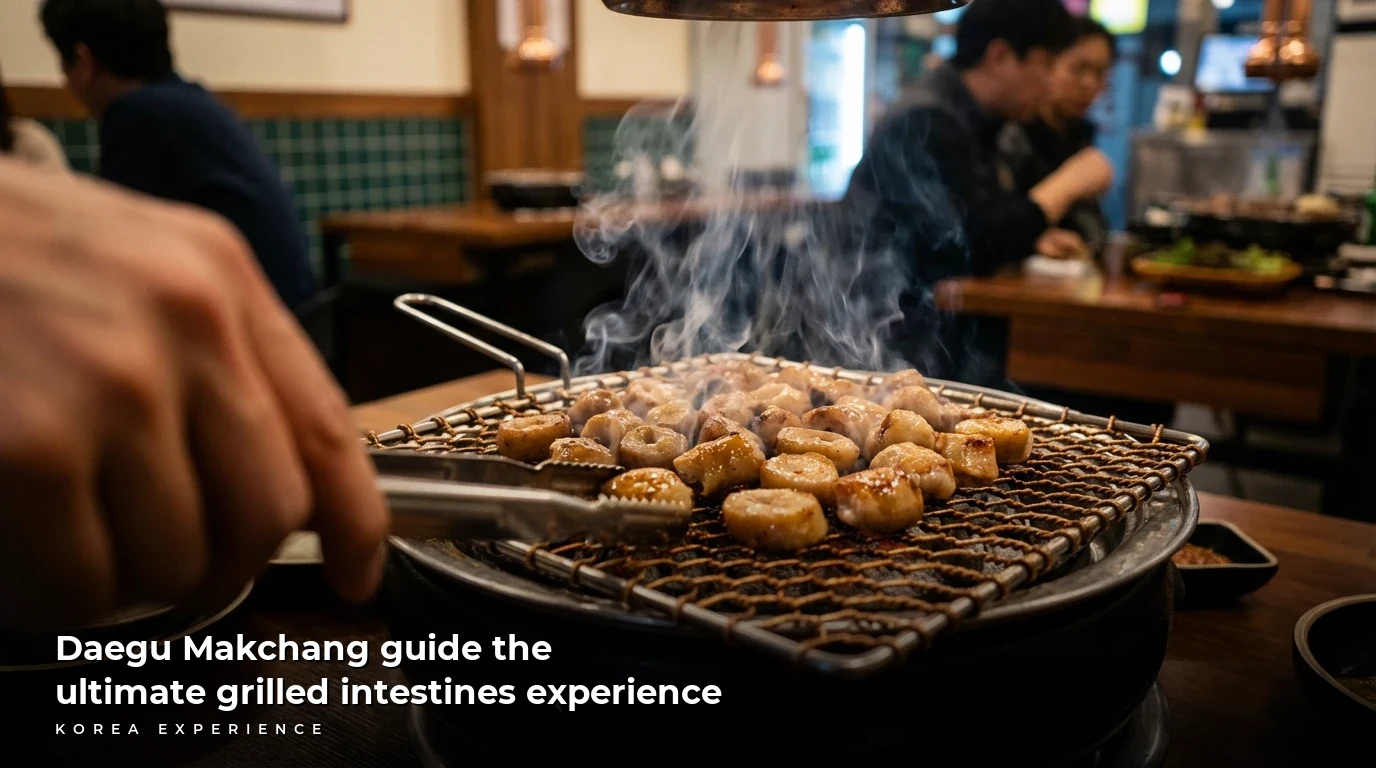
Daegu, the fourth-largest city in South Korea with a population of approximately 2.4 million residents, is often referred to as the city of heat. While this reputation stems from its location in a basin that traps humid summer air, culinary travelers know that the real heat comes from the charcoal grills lining its vibrant streets. If you travel 237 kilometers southeast of Seoul, you will find the undisputed capital of Makchang—Korean grilled intestines.
For the uninitiated, the concept of eating intestines might seem daunting. However, in Daegu, this dish is elevated to an art form. It is a texture-driven experience—chewy, fatty, and deeply savory—that captures the soul of Korean nightlife. While you can find grilled intestines across the peninsula, Daegu's specific style, particularly its unique miso-based dipping sauce, makes it a pilgrimage site for food lovers. With over 1.5 hours of travel time via KTX from Seoul Station, this culinary adventure is accessible and absolutely essential for anyone wanting to go beyond standard Korean BBQ.
You might also enjoy our article about Korean breakfast culture what locals eat in the morning.
Key Takeaways
- 1Daegu is the birthplace of the modern Makchang culture, originating in the early 1970s.
- 2Anjirang Alley hosts over 50 specialized restaurants along a 500-meter stretch.
- 3The signature taste comes from 'Makjang,' a special soybean paste sauce unique to Daegu.
Understanding Makchang: What Are You Eating?
Before you sit down at a round stainless-steel table, it is crucial to understand exactly what is on the menu. Makchang translates to "last intestine" or "end of the intestine." However, the anatomical definition differs depending on the animal.
Related reading: Korean Buffet Culture All You Can Eat Options Guide.
Beef Makchang (So-makchang): This is actually the fourth stomach of the cow (the abomasum). It is high in protein and has a distinctive chewy texture that crisps up beautifully when grilled. A standard serving usually contains about 200 to 300 calories per 100 grams, making it a rich, energy-dense food.
Pork Makchang (Dwaeji-makchang): This refers to the rectum of the pig. While that description might startle some Western palates, thorough cleaning and preparation processes involving flour and salt scrubs remove any odor, leaving behind a cut that is incredibly fatty, tender, and flavorful. Pork makchang is generally more affordable, often costing 30% less than its beef counterpart.
📋 Makchang Quick Facts
The magic of this dish lies not just in the meat, but in the preparation. In Daegu, the intestines are often pre-boiled or pre-grilled lightly with herbs like star anise, ginger, and garlic to tenderize them before they even hit your table's charcoal grill.
You might also enjoy our article about Korean chicken culture yangnyeom vs fried the ultimate guide.
The History: Why Daegu?
The history of Makchang is deeply intertwined with Daegu's post-war economic development. In the late 1960s and early 1970s, as South Korea began its rapid industrialization, meat was expensive. Intestines were affordable byproducts that were often discarded.
Learn more in our comprehensive guide to Korean drinking culture Soju Makgeolli and pocha guide.
Legend has it that the culture began around 1969 near the old Seongdang-dong area. Construction workers and laborers needed cheap sources of protein to accompany Soju (Korean distilled spirit) after a 12-hour workday. Ingenious local cooks developed a way to clean the intestines thoroughly and created a dipping sauce that masked any gamey flavors while enhancing the savory fat.
By 2024, data indicated that Daegu residents consume more intestines per capita than any other region in Korea. What started as "survival food" has gentrified into a premium delicacy, yet it retains its gritty, communal, and unpretentious roots.
Historical Context
The original Makchang restaurants were often tent stalls called 'Pochanmacha.' Today, while most have moved into brick-and-mortar buildings, they retain the open-air feel with sliding doors that stay open from April through October.
The Anjirang Makchang Alley
If Daegu is the capital of Makchang, Anjirang Alley is its royal palace. Located near Anjirang Station (Daegu Subway Line 1), this street is officially designated as one of the top 5 food theme streets in South Korea by the Ministry of Culture, Sports and Tourism.
Stretching approximately 500 meters, the alley is densely packed with over 50 specialized restaurants. At night, the street lights up with neon signs and the air fills with thick, savory smoke. It is a sensory overload in the best possible way. The sheer density of competition ensures that prices remain competitive and quality remains high.
Anjirang Makchang Alley(Anjirang Gopchang Golmok)
A unique aspect of Anjirang is the uniformity of pricing. The local merchants' association often sets standard prices to prevent price gouging. As of early 2026, a standard portion (150g) of pork makchang in the alley averages ₩12,000 (approx. $9 USD), while a bowl of seasoned intestines (Gopchang) can be as low as ₩14,000 for a large 500g bucket meant for sharing.
The Secret Weapon: Makjang Sauce
You cannot talk about Daegu Makchang without discussing the sauce. In Seoul, you might get salt and sesame oil or a spicy gochujang sauce. In Daegu, you get Makjang.
This sauce is a thinner, sweeter variation of distinct soybean paste (Doenjang). It is typically made from fermented soybeans, ground peanuts, cider (lemon-lime soda) for sweetness and tenderizing enzymes, and various aromatics.
When you sit down, you are given a bowl of this brown sauce along with chopped scallions and sliced green chilies (Cheongyang peppers).
📖 How to Customize Your Sauce
Step 1: Assess Heat Tolerance
The sliced green peppers are spicy. If you like heat, add a full spoonful.
Step 2: Add Aromatics
Dump a generous amount of chopped scallions into the sauce.
Step 3: Mix Thoroughly
Stir until the vegetables are coated. The sauce should be chunky.
The synergy is scientifically brilliant. The enzymes in the soybean paste help digest the heavy fats of the intestines, while the chilies cut through the grease, allowing you to eat significantly more than you initially thought possible.
How to Grill and Eat Makchang
Eating Makchang is an active dining experience. Unlike a steakhouse where the chef does the work, here you are the grill master (though staff will often help beginners).
"Patience is key. Makchang is not like thin beef brisket. It takes about 7 to 10 minutes to cook properly. You must wait until the outside is golden brown and crispy, almost like a fried donut. If it's white or gray, it's too chewy."
When the charcoal arrives (usually burning at over 400 degrees Celsius), place the cylindrical intestines on the grill. If you are eating pork makchang, they look like small tubes.
- Lay them flat: Spread them out so they don't steam each other.
- Flip frequently: The high fat content causes flare-ups. Move them around every 30 seconds.
- Cut them: Once they firm up (about 3-4 minutes in), use the provided scissors to cut them into coin-sized rings.
- Crisp the edges: Continue grilling the rings until the fat bubbles and the edges turn dark golden brown.
- The Dip: Take a piece, submerge it fully in your custom sauce, picking up some scallions and peppers with it.
- The Wrap (Optional): Place the sauced meat on a sesame leaf or lettuce, add a slice of raw garlic and Ssamjang (spicy paste), and eat it in one bite.
Safety Notice
Always ensure intestines are cooked thoroughly. Unlike beef steak which can be eaten rare, pork intestines must be well-done to ensure food safety and optimal texture.
Pork vs. Beef: Choosing Your Fighter
Travelers often ask which variety they should try. The answer depends on your budget and texture preference. Here is a detailed breakdown to help you decide.
Pork vs. Beef Makchang
| Feature | Pork Makchang | Beef Makchang |
|---|---|---|
| Texture | Chewy then tender, fatty | Crunchy, firm, less fatty |
| Flavor | Rich, nutty, distinct aroma | Clean, savory, subtle |
| Price (150g) | ₩10,000 - ₩13,000 | ₩18,000 - ₩24,000 |
| Fat Content | High | Medium |
Most locals in Anjirang prefer pork because it pairs better with Soju and offers that quintessential "greasy" satisfaction. Beef makchang is often considered a slightly more upscale option, suitable for business dinners or those sensitive to the distinct aroma of pork.
Budgeting for Your Meal
Daegu is generally 15-20% cheaper than Seoul for dining. A night out for two people, including alcohol and side dishes, is surprisingly affordable.
💵 Cost Estimation (2 People)
3 portions beef makchang + Beer + Stew
Note that side dishes (Banchan) are free and refillable. In Daegu makchang houses, standard banchan includes corn cheese (corn mixed with mayonnaise and mozzarella), steamed egg soufflé (Gyeran-jjim), onion salad, and lettuce. The corn cheese is particularly beloved by international visitors.
Top Restaurant Recommendations
While Anjirang is the cluster, there are legendary spots scattered throughout the city.
1. Gugil Bon-ga (Downtown Area)
Located near the central Dongseong-ro district, this establishment claims to be one of the pioneers, operating since the 1970s. It is famous for its pre-boiled intestines which reduce grilling time.
- Distance: 5-minute walk from Jungangno Station.
- Best for: Beef Makchang.
2. Ddon Ddoni Makchang (Anjirang)
A heavyweight champion within the Anjirang Alley. Known for its generous portions and high-energy atmosphere. They go through over 100kg of intestines on a busy Saturday.
- Wait Time: Expect 20-40 minutes on weekends.
- Best for: The classic Anjirang Pork Makchang experience.
Ddon Ddoni Makchang(Ddon Ddoni Makchang)
Pros and Cons of the Experience
To ensure a balanced view, here is what you need to consider before committing to a Makchang dinner.
The Makchang Experience
- ✓Unique cultural immersion not found in Western dining
- ✓Incredibly affordable for the quantity of food
- ✓High energy atmosphere perfect for groups
- ✓Open very late (often until 4 AM)
- ✗Clothes will smell strongly of smoke (bring a coat bag)
- ✗Texture can be challenging for those used to soft meats
- ✗Can be noisy and chaotic during peak hours
- ✗Not suitable for vegetarians
Travel Logistics: Getting There
If you are basing yourself in Seoul, a day trip or overnight trip to Daegu is seamless.
-
KTX (High-Speed Train):
- Depart: Seoul Station or Suseo Station (SRT).
- Arrive: Dongdaegu Station.
- Duration: 1 hour 35 minutes to 1 hour 50 minutes.
- Cost: Approximately ₩43,500 (economy one-way).
-
Bus:
- Depart: Seoul Express Bus Terminal.
- Duration: 3.5 to 4 hours.
- Cost: Approximately 20,000 - ₩30,000.
Once you arrive at Dongdaegu Station, you can take the subway (Line 1) directly to Anjirang Station. The journey takes about 25 minutes.
The Perfect Daegu Food Evening
Apsan Park Sunset
Take the cable car up Apsan Mountain for a view of the city.
Arrival at Anjirang
Walk down from the mountain area or take a short taxi to the alley.
The Feast
Dinner at a Makchang restaurant.
Second Round
Visit a nearby cafe or pub in the Daemyeong-dong area.
Beyond the Food: Cultural Etiquette
When dining in Daegu, the "Jeong" (connection/affection) culture is strong. Owners might chat with you, or offer a free bottle of soda ("Service") if you order a lot of meat.
- Aprons: Always ask for an apron ("Ap-chi-ma"). The grease splatters are real.
- Coat Bags: Look for large plastic bags or hollow chairs to store your jacket. The smoke smell is potent and will linger on fabrics for days.
- Ordering: It is standard to order a minimum of 3 servings ("Sam-in-bun") for a table of two. Since the portions are weighed raw, they shrink during cooking, so 3 servings is the correct amount for two hungry adults.
📊 Makchang Popularity
Combining Food with Sightseeing
Daegu is not just about intestines. Since you are visiting Anjirang, you are very close to Apsan Park. It is highly recommended to take the Apsan Cable Car before dinner. The observatory offers one of the best urban night views in Korea.
- Cable Car Price: ₩12,000 (Round trip).
- Timing: The last cable car usually descends around 7:00 PM or 9:00 PM depending on the season, so check ahead.
Doing a hike or walk before the meal helps build the appetite necessary to tackle the rich, fatty meal waiting for you at the bottom of the mountain.
Frequently Asked Questions
❓ Common Questions About Daegu Makchang
Have more questions?Contact us →
Final Thoughts
Daegu Makchang is more than just grilled offal; it is a testament to Korean resilience and culinary ingenuity. Turning a discarded cut of meat into a nationally treasured delicacy requires skill, patience, and a culture that values gathering together over a hot grill.
For the international traveler, sitting in Anjirang Alley, surrounded by the clamor of clinking glasses and the aroma of charcoal, offers an authenticity that sophisticated fine dining cannot replicate. It is messy, it is loud, and it is undeniably delicious. When you visit Korea, take the train south, bring your appetite, and discover why Daegu remains the fiery heart of Korean cuisine.
About the Author
Korea Experience Team
Written by the Korea Experience editorial team - experts in Korean medical tourism, travel, and culture with years of research and firsthand experience.
Explore more in Food & Dining
Korean BBQ, street food, Michelin restaurants, and regional specialties — your ultimate guide to eating well in Korea.
Browse All Food & Dining ArticlesContinue Reading
Explore more articles you might find interesting
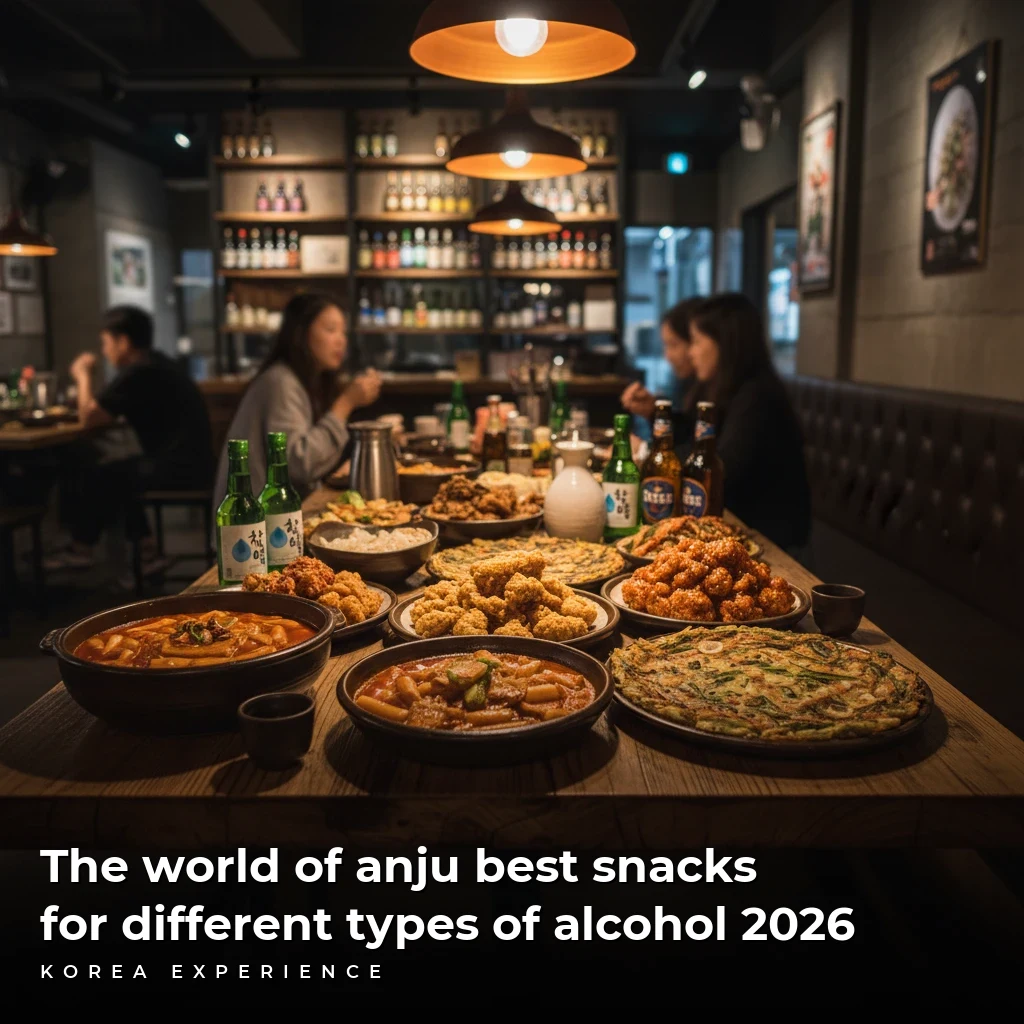
Discover the ultimate guide to Korean Anju culture in 2026. Learn how to pair Soju, Beer, and Makgeolli with the perfect snacks for an authentic experience.
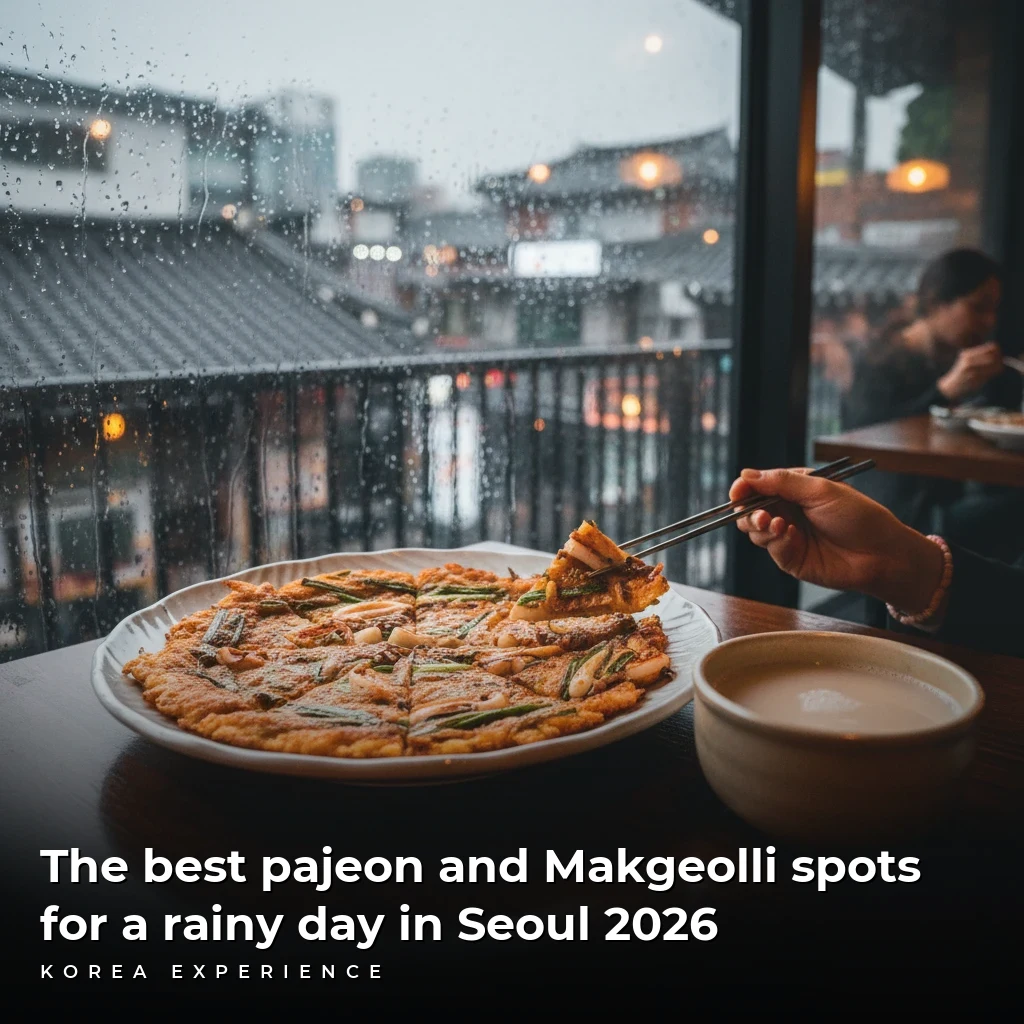
Discover the ultimate guide to savory pancakes and rice wine in Seoul. Top spots, craft brews, and local tips for a perfect rainy day experience.
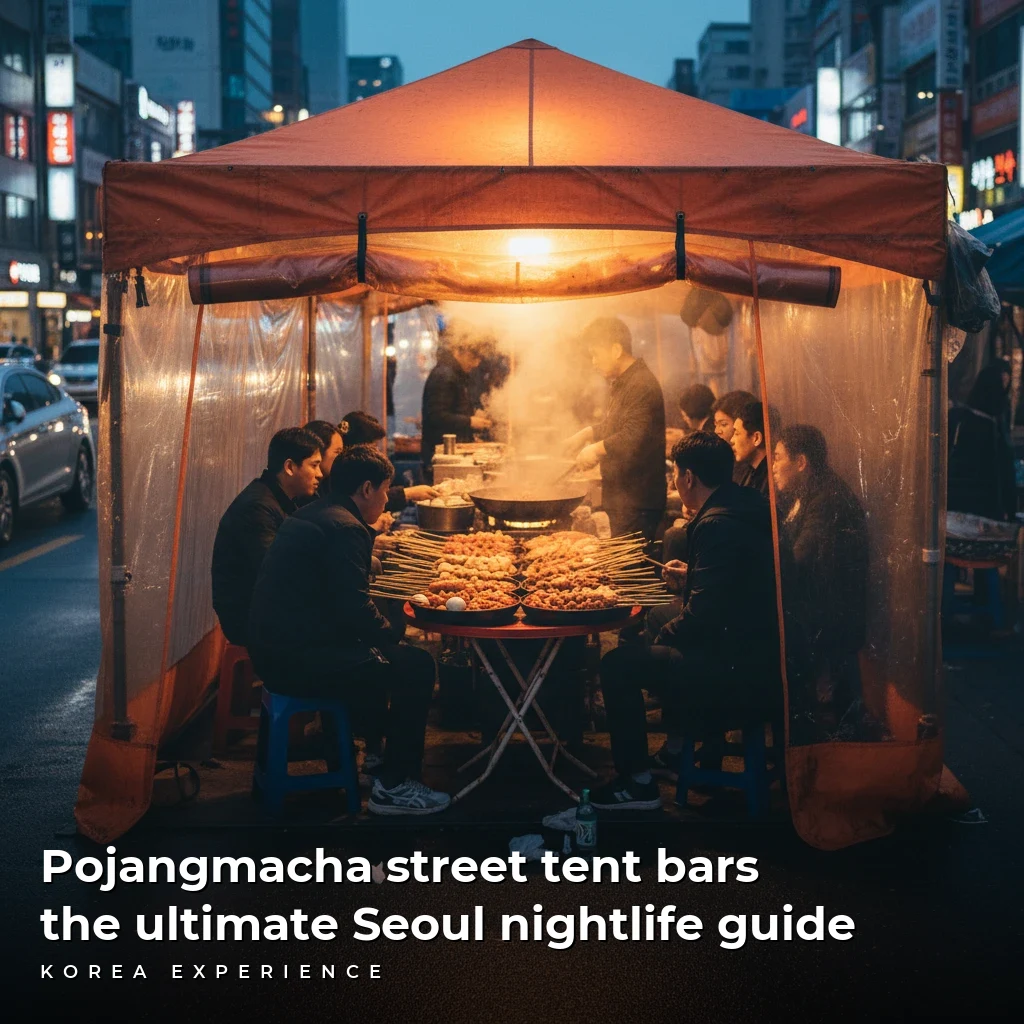
Discover the authentic charm of Korea's pojangmacha. A complete guide to tent bar locations, menu prices, etiquette, and tips for 2026.
Discover the ultimate Gwangjang Market food guide featuring top stalls, prices, operating hours, and local tips for Seoul's oldest traditional market.
Discover the ultimate checklist of 50 essential Korean dishes, from street food to royal cuisine, including prices, spicy levels, and best spots for 2026.
Discover the best Korean webtoon cafes and manhwa culture in 2026. Our guide covers locations, prices, and tips for the ultimate comic experience.