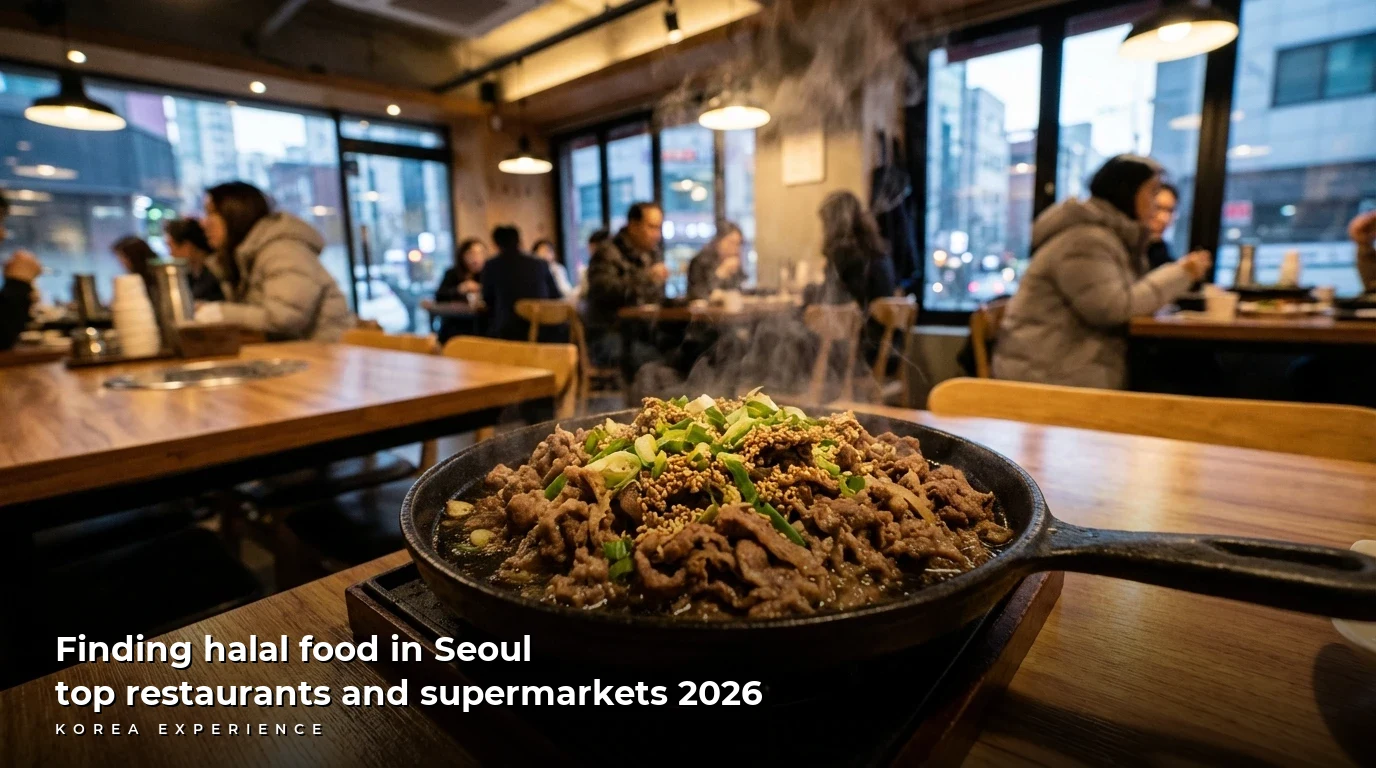
Finding Halal Food in Seoul Top Restaurants and Supermarkets 2026
Discover the best halal restaurants and supermarkets in Seoul for 2026. A comprehensive guide for Muslim travelers and expats seeking delicious certified options.
Finding Halal Food in Seoul: Top Restaurants and Supermarkets 2026
Seoul, a vibrant metropolis known for its cutting-edge technology, rich history, and captivating pop culture, is increasingly becoming a favored destination for travelers worldwide. As the city continues to attract a diverse global audience, the demand for specialized services, including religiously compliant food options, has seen a remarkable surge. For Muslim travelers and expatriates, the quest for delicious and reliable halal food in Seoul has historically presented a unique challenge. However, as we look towards 2026, the landscape has transformed dramatically, making it easier than ever to savor authentic Korean flavors and international cuisines without compromising dietary principles.
This comprehensive guide is meticulously crafted for you, the international visitor or resident, aiming to demystify the process of locating halal food in Seoul. We will navigate through the burgeoning halal culinary scene, spotlighting top-tier restaurants, essential supermarkets, and insider tips to ensure your gastronomic journey in the South Korean capital is as enjoyable and compliant as possible. From understanding certification to discovering hidden gems, prepare to unlock Seoul's expanding halal offerings.
The Evolving Halal Landscape in Seoul
The perception that finding halal food in Seoul is a daunting task is rapidly becoming outdated. Over the past few years, spurred by increased tourism from Muslim-majority countries and a growing Muslim expat community, Seoul has made significant strides in accommodating halal dietary needs.
Growth of Muslim Tourism and Expat Community
The Korean government, recognizing the economic potential of the Muslim travel market, has actively promoted South Korea as a Muslim-friendly destination. This strategic shift has encouraged local businesses to cater specifically to Muslim visitors, leading to an expansion of prayer facilities, cultural experiences, and, most importantly, halal food options. The steady increase in long-term Muslim residents further solidifies the demand, creating a vibrant ecosystem where halal businesses can thrive and grow.
Government Initiatives and Private Sector Responses
The Korea Tourism Organization (KTO) has been at the forefront of these efforts, launching campaigns and providing resources to help businesses understand and implement halal practices. This has led to the emergence of designated "Muslim-friendly" restaurants and facilities across major tourist hubs. Simultaneously, private entrepreneurs, often from Muslim backgrounds, have opened new establishments, bringing diverse halal cuisines to Seoul and filling gaps in the market. By 2026, this synergy between government support and private initiative has created a robust and reliable halal food infrastructure.
Understanding Halal Certification in Korea
When searching for halal food in Seoul, understanding the local certification process is crucial. The primary certifying body in South Korea is the Korea Muslim Federation (KMF). The KMF meticulously inspects and certifies food establishments and products that adhere strictly to Islamic dietary laws. Restaurants bearing the KMF Halal certification provide the highest level of assurance for Muslim diners. Beyond KMF, some restaurants might be "Muslim-owned," meaning the owners are Muslim and adhere to halal principles in their sourcing and preparation, even if they don't carry an official KMF certificate. Lastly, "Muslim-friendly" establishments may offer specific halal dishes or vegetarian/seafood options that avoid pork and alcohol, though their entire menu or kitchen may not be fully halal-certified.
This multi-tiered system allows for varying degrees of confidence, with KMF certified establishments offering the utmost peace of mind.
Top Halal Restaurants in Seoul by Cuisine 2026
Seoul's culinary scene is a kaleidoscope of flavors, and the halal sector is no exception. By 2026, you can expect to find an impressive array of halal-certified or Muslim-friendly eateries offering everything from traditional Korean fare to international delights.
Authentic Halal Korean Cuisine
Experiencing Korean food is a highlight of any trip to Seoul. Thankfully, several establishments now offer authentic Korean dishes prepared according to halal standards.
Busan Jip (Busan House)
- Specialty: Halal Korean barbecue (Bulgogi, Galbi), Seafood stew.
- Location: Itaewon, Yongsan-gu, Seoul. Itaewon remains the heart of Seoul's international community and a hub for halal food.
- Price Range: Mid-to-high, approximately ₩25,000-₩45,000 per person for a main course.
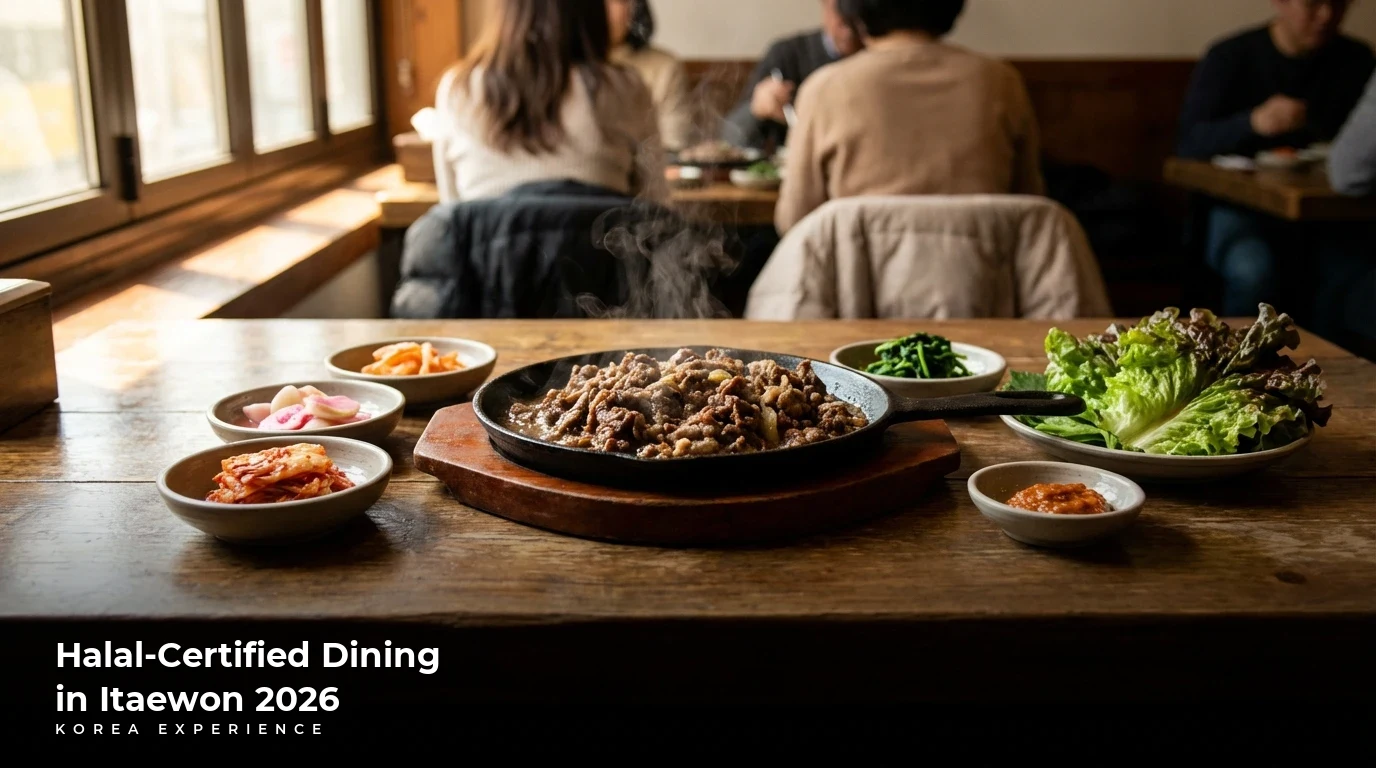
- Details: Known for its tender, marinated beef and chicken Bulgogi cooked right at your table. Their seafood options are also popular and guaranteed fresh. It's a KMF-certified establishment, offering peace of mind. Expect a bustling atmosphere, especially during peak dining hours.
Osegye Hyang
- Specialty: Traditional Korean temple food, vegetarian Korean dishes.
- Location: Insadong, Jongno-gu, Seoul. Easily accessible from cultural landmarks.
- Price Range: Mid-range, around ₩15,000-₩25,000 per person.
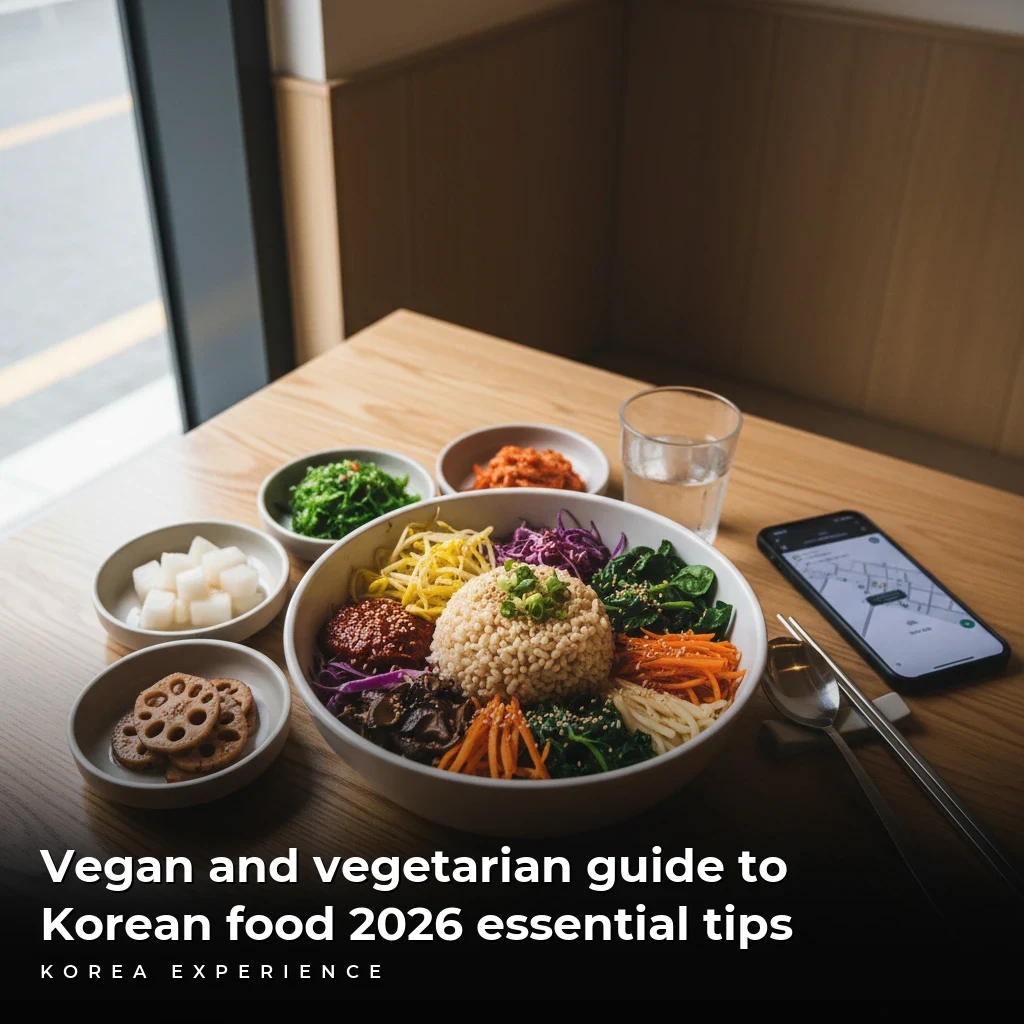
- Details: While not strictly "halal" in the meat sense (as it's purely vegetarian), Osegye Hyang is a fantastic Muslim-friendly option that completely avoids meat, fish, and often the five pungent vegetables (garlic, onion, leek, chives, scallion) sometimes prohibited in temple cuisine. Their Bibimbap and various vegetable pancakes are highly recommended for those seeking a light, healthy, and undoubtedly clean meal.
Makan Halal Korean Restaurant
- Specialty: Dakgalbi (spicy stir-fried chicken), Bulgogi, seafood pancakes, Jjajangmyeon (black bean noodles).
- Location: Itaewon, Yongsan-gu, Seoul. Just a short walk from Itaewon Mosque.
- Price Range: Mid-range, ₩15,000-₩30,000 per person.
- Details: A consistently popular KMF-certified spot offering a wide variety of Korean favorites. Their Dakgalbi, prepared with halal chicken, is a must-try for those who enjoy a bit of spice. The cozy ambiance makes it suitable for both families and solo diners.
Diverse International Flavors
Seoul's global appeal ensures a fantastic selection of international halal cuisines, with Itaewon continuing to be the epicenter.
Petra Palace
- Specialty: Authentic Middle Eastern and Jordanian cuisine, particularly kebabs, hummus, and falafel.
- Location: Itaewon, Yongsan-gu, Seoul. Easily found on the main street.
- Price Range: Mid-range, ₩18,000-₩35,000 per person.
- Details: One of the longest-standing and most reputable halal Middle Eastern restaurants in Seoul. Petra Palace boasts a warm, inviting atmosphere and generous portions. Their mixed grill platters are perfect for sharing, and their fresh-baked bread is a highlight. Known for its consistency and quality over the years.
Sultan Kebab
- Specialty: Turkish kebabs, Pide (Turkish pizza), Lahmacun.
- Location: Multiple branches, most prominent in Itaewon, but also accessible in areas like Myeongdong (though often smaller outlets).
- Price Range: Budget-friendly to mid-range, ₩10,000-₩20,000 per person for a filling meal.
- Details: For a quick, delicious, and satisfying halal meal, Sultan Kebab is a go-to. Their Döner kebabs are legendary among locals and tourists alike. Whether you prefer chicken or lamb, wrapped in bread or served on a plate, Sultan Kebab delivers authentic Turkish flavors. Their Myeongdong branch, while smaller, provides a convenient option in a major tourist area.
Bombay Grill (or similar Indian/Pakistani restaurants)
- Specialty: Indian and Pakistani curries, tandoori dishes, biryani, naan.
- Location: Itaewon, Yongsan-gu, Seoul. Several excellent options exist in this area.
- Price Range: Mid-range, ₩20,000-₩35,000 per person.
- Details: The Indian and Pakistani culinary scene in Itaewon is robust, with several KMF-certified options like Bombay Grill. These establishments offer rich, aromatic curries, perfectly cooked tandoori meats, and fluffy naan bread. They are often excellent choices for groups, with diverse menus catering to various spice preferences.
Halal Korean Fried Chicken & Fast Food Alternatives
The quest for halal Korean fried chicken is a common one. While fully KMF-certified fried chicken chains are still emerging on a large scale by 2026, there are increasingly reliable options and alternatives.
Halal Korean Fried Chicken Spots
- Specialty: Fried chicken, often with various Korean sauces (sweet and spicy Yangnyeom, soy garlic).
- Location: Currently concentrated in Itaewon (e.g., occasional pop-ups or smaller dedicated eateries). Look for establishments explicitly advertising "halal chicken."
- Price Range: Mid-range, ₩18,000-₩28,000 for a whole chicken.
- Details: Keep an eye out for smaller, independent restaurants in Itaewon that specialize in halal fried chicken. These are often Muslim-owned and ensure their chicken is sourced and prepared according to halal standards. While not as widespread as major chains, their numbers are growing. Always verify by asking the staff or looking for certification.
Fast Food Alternatives
- Fish and Chips/Seafood: Many local eateries and Western fast-food chains offer fish or seafood options that are naturally halal. Ensure no alcohol is used in preparation (e.g., beer batter).
- Vegetarian Fast Food: With the rise of plant-based diets, many fast-food chains are introducing vegetarian burgers and wraps. Always confirm ingredients to avoid cross-contamination or non-halal additives.
- Noryangjin Fish Market: While not a restaurant, purchasing fresh seafood here and having it prepared on-site (ensuring no non-halal oils or marinades are used) is an excellent, authentic, and inherently halal dining experience.
Navigating Halal Supermarkets and Groceries 2026
For those living in Seoul or staying for an extended period, access to halal groceries is just as important as dining out. By 2026, the availability of halal products in supermarkets has significantly improved, offering more convenience.
Itaewon's Global Marts
Itaewon remains the undisputed hub for international and halal groceries.
Foreign Food Mart
- Focus: Comprehensive range of imported goods, including a significant halal section.
- Location: Itaewon, Yongsan-gu, Seoul, near the Hamilton Hotel.
- Key Products: Various cuts of halal meat (chicken, beef, lamb), specific spices, sauces, canned goods, frozen items, and dairy products imported from Muslim-majority countries. You can often find specialty items for specific cuisines here.
- Details: This is the flagship store for halal grocery shopping. The selection is vast, and prices are generally reasonable for imported goods. It's a bustling market where you can find ingredients that are hard to come by elsewhere in Seoul.
Other Specialty Stores in Itaewon
- Focus: Smaller independent stores specializing in specific regional foods (e.g., Pakistani, Turkish, Indonesian).
- Location: Scattered throughout the alleys of Itaewon, particularly around the Seoul Central Mosque.
- Key Products: Fresh produce used in specific cuisines, ethnic breads, unique sweets, and sometimes fresh, locally processed halal meats from smaller suppliers.
- Details: Exploring these smaller marts can yield unique finds and often offer more competitive prices for certain items. Don't hesitate to venture into these local shops.
Online Halal Shopping
The convenience of online shopping has permeated the halal market in Seoul by 2026.
- Emerging Platforms: Several online platforms or dedicated sections within larger Korean e-commerce sites (e.g., Coupang, Market Kurly) are increasingly offering halal-certified or Muslim-friendly imported goods.
- Specialized Online Retailers: Look for smaller, independent online stores that specialize exclusively in halal food delivery. These often source directly from certified suppliers and offer next-day delivery.
- Key Products: Halal meat delivery, imported snacks, pantry staples, and frozen foods.
- Details: Online shopping provides unparalleled convenience, especially for those living outside Itaewon. Always check delivery areas and minimum order requirements.
Identifying Halal Products in Major Supermarkets
While not as comprehensive as specialty stores, major Korean supermarkets like Emart, Lotte Mart, and Homeplus are recognizing the demand for halal products.
- KMF Halal Logo: Look for the distinctive KMF Halal certification logo on packaging. This indicates that the product has been verified as halal. This is most commonly found on processed goods, seasonings, and some packaged snacks.
- Imported Sections: Major supermarkets often have "Global Foods" or "Imported Goods" sections where you might find halal-certified products from international brands.
- Reading Labels (English): For non-certified products, carefully read the ingredients list. Look for gelatin (often pork-derived), animal fats, alcohol (ethanol, soju, mirin), or other non-halal additives. Many Korean products now include English ingredient lists.
- Seafood and Vegetarian: Naturally, all seafood is considered halal. Fresh vegetables, fruits, and most staple grains are also safe. Utilize these sections extensively.
Essential Tips for Halal Dining in Seoul 2026
Navigating a foreign culinary scene requires a bit of savvy, and ensuring your food is halal is no exception. Here are some essential tips for a smooth dining experience in Seoul.
Verifying Halal Status
- KMF Certification: Always prioritize restaurants displaying the KMF Halal logo. This is the gold standard for assurance.
- Muslim Ownership: Many Muslim-owned restaurants, especially smaller ones, may not have KMF certification due to cost or administrative reasons, but they adhere to strict halal practices. A quick conversation with the owner can confirm this.
- Online Reviews and Apps: Utilize apps like Halal Korea or search on Google Maps for "halal restaurants Seoul." These platforms often feature user reviews and photos, giving you insights into a restaurant's halal credentials.
- Direct Inquiry: Don't hesitate to ask. A polite "Is this halal?" (using English is usually fine, or you can have it written in Korean on your phone: "이거 할랄 음식인가요? Igeo halal eumsik-ingayo?") is always acceptable.
Communication is Key
Even if a restaurant isn't strictly halal, many are willing to accommodate.
- Key Phrases: Learn a few key phrases to express your dietary needs:
- "No pork, please" (Dweji gogi eopseoyo, juseyo 돼지고기 없어요, 주세요).
- "No alcohol, please" (Sul eopseoyo, juseyo 술 없어요, 주세요).
- "Vegetarian, please" (Chaeshikjaui, juseyo 채식주의, 주세요).
- Translation Apps: Google Translate or Papago are invaluable tools for real-time communication. Type out your dietary restrictions and show it to the staff.
- Be Specific: Instead of just "halal," explain what you avoid: "No pork, no alcohol, no lard." This helps staff understand better, especially in Muslim-friendly establishments.
Vegetarian/Vegan as an Alternative
Many traditional Korean dishes are naturally meat-free or can be easily adapted, making vegetarian options a reliable fallback.
- Bibimbap (비빔밥): A mixed rice bowl, often available with just vegetables and a fried egg. Request "gogi eopseoyo" (no meat).
- Kimchi Jjigae (김치찌개): While traditionally made with pork, some restaurants offer a vegetarian version or a version with tuna (Chamchi Jjigae 참치찌개). Always confirm.
- Sundubu Jjigae (순두부찌개): Soft tofu stew, often available in a seafood or vegetable broth.
- Gyeran Jjim (계란찜): Steamed egg custard, usually safe.
- Jeon (전): Savory pancakes, often made with vegetables (Yachae Jeon 야채전) or seafood (Haemul Jeon 해물전).
Prayer Facilities
Finding a suitable place for prayer is often a concern for Muslim travelers.
- Seoul Central Mosque (Itaewon): The largest mosque in Korea, it offers extensive prayer facilities for men and women.
- Major Shopping Centers: By 2026, many major department stores (e.g., Lotte Department Store, Shinsegae Department Store) and large shopping malls (e.g., COEX Mall, Starfield) are increasingly providing dedicated prayer rooms. Inquire at the customer service desk.
- Airports: Incheon International Airport (ICN) has well-equipped prayer rooms in both terminals.
- Halal Restaurants: Some larger halal restaurants, particularly in Itaewon, may have small designated prayer areas.
Exploring Beyond Certified
Don't limit yourself solely to KMF-certified restaurants. Many establishments, while not officially certified, are genuinely Muslim-friendly.
- Seafood Restaurants: Korea's love for seafood means a plethora of options. Seafood stews (Maeuntang 매운탕, Agujjim 아구찜), grilled fish (Saengseon Gui 생선구이), and raw fish (Hoe 회) are generally safe. Always double-check if any alcohol is used in marinades or cooking, though it's less common for pure seafood dishes.
- Vegetarian Restaurants: As mentioned, these are a reliable and growing sector.
- Buddhist Temple Food: An excellent, inherently vegetarian, and often vegan option, emphasizing natural ingredients and simple preparation.
Emerging Trends and Future Outlook 2026
The halal food scene in Seoul is not static; it's dynamic and continually evolving. By 2026, several exciting trends are shaping its future.
Increased Halal Options in Tourist Hotspots
Beyond Itaewon, areas like Myeongdong, Hongdae, Gangnam, and Insadong are witnessing a steady increase in halal or Muslim-friendly eateries. This means greater convenience for tourists visiting popular attractions, reducing the need to travel specifically to Itaewon for every halal meal. We anticipate seeing more KMF-certified Korean restaurants opening in these areas, offering signature dishes like Bibimbap, Bulgogi, and traditional stews.
Halal Food Trucks and Pop-ups
The vibrant street food culture of Seoul is beginning to embrace halal options. Keep an eye out for halal food trucks, especially in popular night markets or festival areas. These often offer fusion dishes, international street food, or simplified Korean snacks made with halal ingredients. Pop-up stalls at cultural events or during special seasons are also becoming more common, providing unique and transient halal dining experiences.
Technology's Role in Discovery
Smartphone applications and online platforms will continue to play a pivotal role in connecting Muslim consumers with halal food. By 2026, expect more sophisticated apps that offer real-time updates on new restaurants, detailed menus with allergen information, user reviews, and even pre-order or delivery services specifically for halal food. Social media groups and online communities for Muslims in Korea will also remain invaluable resources for finding the latest recommendations and insider tips.
Growth of Specialized Halal Korean Brands
As the halal market matures, we expect to see more Korean food manufacturers and brands developing halal-certified versions of popular Korean products. This could include halal Kimchi, Gochujang (Korean chili paste), instant noodles, and even specific snack items. This development would significantly enhance the options available in major supermarkets, making it easier for expats to cook Korean food at home and for travelers to find halal souvenirs.
Halal Food in Seoul: Comparison Tables
To help you make informed choices, here are some comparison tables summarizing key information.
Top Halal Korean Restaurants in Seoul (2026 Estimates)
| Restaurant Name | Specialty | Location (Key Area) | Price Range (per person) | Halal Status |
|---|---|---|---|---|
| Busan Jip | Korean BBQ (Bulgogi, Galbi) | Itaewon | ₩25,000 - ₩45,000 | KMF Certified |
| Makan Halal Korean | Dakgalbi, Bulgogi, Korean Staples | Itaewon | ₩15,000 - ₩30,000 | KMF Certified |
| Osegye Hyang | Vegetarian Korean (Temple Food) | Insadong | ₩15,000 - ₩25,000 | Muslim-Friendly |
| (New Halal Korean Spot) | Classic Korean Dishes, Seafood | Myeongdong/Gangnam | ₩20,000 - ₩40,000 | KMF Certified |
Halal Supermarkets & Groceries Comparison (2026 Estimates)
| Store Name | Focus | Key Products | Location (Key Area) | Convenience |
|---|---|---|---|---|
| Foreign Food Mart | Comprehensive Halal Imports | Halal Meats, Spices, Asian/Middle Eastern | Itaewon | High |
| Local Itaewon Marts | Specific Regional Foods | Specialty Produce, Snacks, Fresh Meats | Itaewon | Medium |
| Major Supermarkets | General Groceries | KMF Certified Packaged Goods, Seafood, Veg | City-wide | High |
| Online Platforms | Delivery Service | Halal Meats, Imported Goods | City-wide | Very High |
Understanding Halal Status Levels
| Status Category | Description | Level of Assurance |
|---|---|---|
| KMF Halal Certified | Officially inspected and certified by Korea Muslim Federation, meeting strict Islamic dietary laws. | Highest |
| Muslim-Owned/Operated | Owner is Muslim and affirms adherence to halal practices, though no official external certification. | High (based on trust) |
| Muslim-Friendly | Offers specific halal dishes or vegetarian/seafood options. May not be fully halal kitchen/menu. Avoids pork. | Medium (requires inquiry) |
| Vegetarian/Seafood | Dishes contain no meat (pork, beef, chicken) and/or only seafood. Inherently permissible (Mubah). | High (naturally compliant) |
Frequently Asked Questions (FAQ)
Q1: Is it difficult to find halal food in Seoul in 2026?
No, it is significantly easier than in previous years. While Itaewon remains the central hub, increasing numbers of halal-certified and Muslim-friendly restaurants are appearing across other major tourist and commercial areas like Myeongdong, Insadong, and Gangnam. Government initiatives and a growing Muslim community have fueled this expansion.
Q2: What is KMF certification, and why is it important?
KMF stands for Korea Muslim Federation. It is the official body in South Korea responsible for inspecting and certifying food products and establishments as halal, meaning they comply with Islamic dietary laws. KMF certification provides the highest level of assurance for Muslim consumers, indicating that the food has been prepared, processed, and served according to strict halal standards.
Q3: Can I find halal Korean fried chicken in Seoul?
Yes, by 2026, it is increasingly possible to find halal Korean fried chicken. While major non-halal chains are still widely prevalent, dedicated Muslim-owned establishments specializing in halal fried chicken are emerging, particularly in Itaewon. Always look for explicit "halal chicken" signage or ask the staff to confirm their sourcing and preparation methods.
Q4: Are there prayer facilities easily available for Muslim travelers in Seoul?
Yes, prayer facilities are becoming more accessible. The Seoul Central Mosque in Itaewon offers extensive prayer areas. Many major shopping malls, department stores, and larger tourist attractions (like COEX Mall, Lotte World Tower, Incheon Airport) now provide dedicated prayer rooms. It's always a good idea to inquire at the customer service desk.
Q5: What should I do if a restaurant isn't certified halal but seems Muslim-friendly?
If a restaurant is not KMF-certified but is advertised as Muslim-friendly or you suspect it could be, the best approach is to communicate clearly. Politely ask the staff if they serve pork or alcohol ("Dweji gogi eopseoyo?" "Sul eopseoyo?"). Inquire about the ingredients used in cooking, especially oils or marinades. Vegetarian or seafood options are generally safe bets in such establishments.
Conclusion
The journey to finding halal food in Seoul in 2026 is one marked by ease, diversity, and innovation. The era of limited options is firmly in the past, replaced by a vibrant and welcoming culinary landscape. From savoring authentic halal Korean barbecue to indulging in international flavors, and from stocking up on certified groceries to discovering new technological aids, Seoul is truly embracing its role as a global city catering to all.
We hope this comprehensive guide empowers you to explore Seoul's culinary delights with confidence and comfort. Remember to utilize the KMF certification as your primary guide, leverage the resources in Itaewon, embrace communication, and don't hesitate to venture into the growing world of Muslim-friendly options. Your halal gastronomic adventure in Seoul awaits! For more travel tips and insights into Korean culture, explore our other guides on Korean culture etiquette and navigating Seoul's public transport. Enjoy your delicious and compliant journey through Seoul!
About the Author
Korea Experience Team
Written by the Korea Experience editorial team - experts in Korean medical tourism, travel, and culture with years of research and firsthand experience.
⚠️ Medical Disclaimer
The information provided on this website is for general informational purposes only and does not constitute medical advice. Always consult with qualified healthcare professionals before making any medical decisions.
Continue Reading
Explore more articles you might find interesting
Discover top solo dining hon-bap spots in Korea's busiest districts for 2026. Perfect for international travelers and expats seeking delicious meals alone.
Discover Seoul's vibrant 24-hour dining scene, offering everything from hearty Korean classics to quick snacks for every late-night craving.
Discover the ultimate guide to Korean ramyeon for 2026. Explore top instant noodle brands, types, cooking tips, and where to find them in Korea.