Historic Kdrama Sets Folk Villages and Palaces Guide
Explore the real-life historic Kdrama sets, traditional folk villages, and majestic palaces across Korea, bringing your favorite shows to life.
The captivating narratives, stunning cinematography, and unforgettable characters of K-dramas have enchanted audiences worldwide, drawing millions into the rich tapestry of Korean culture. For many, these dramas are not just entertainment; they are a window into a vibrant history, a portal to a bygone era of kings, queens, scholars, and warriors. From the grandeur of royal palaces to the rustic charm of traditional folk villages, these historic Kdrama sets are as much a character in the story as the actors themselves.
But what if you could step directly into these beautifully rendered worlds? Imagine walking the same hallowed grounds where your favorite historical romance unfolded, feeling the ancient stones beneath your feet, and breathing in the atmosphere that brought epic sagas to life. The good news is, you absolutely can.
This comprehensive guide is your essential companion for exploring the most iconic historic Kdrama sets, traditional folk villages, and majestic palaces across Korea. Whether you are a devoted K-drama fan, a history enthusiast, or an international traveler seeking an immersive cultural experience, this post will unveil the secrets to finding and experiencing these remarkable locations. You'll learn about their historical significance, practical visiting information, and insider tips to make your journey truly unforgettable. Get ready to transform your screen-inspired dreams into tangible adventures!
The Enduring Allure of Historic Kdrama Sets
Korean historical dramas, often referred to as "sageuk," have carved a unique niche in global entertainment. They masterfully blend gripping storytelling with meticulously recreated historical settings, transporting viewers to different eras, primarily the Joseon Dynasty (1392-1910) or the preceding Goryeo (918-1392) and Three Kingdoms periods (57 BCE–668 CE). These dramas offer a window into Korea's past, showcasing its unique architecture, intricate social customs, traditional attire (Hanbok), and complex political landscapes.
The appeal of these series lies not just in their compelling plots but also in their breathtaking backdrops. Every ornate gate, serene courtyard, bustling market, and humble Hanok (traditional Korean house) adds depth and authenticity to the narrative. For international audiences, these settings provide a tangible connection to a culture that might otherwise seem distant. Visiting these historic Kdrama sets allows fans to bridge the gap between fiction and reality, fostering a deeper appreciation for Korean heritage and the artistry behind their favorite shows. It's an opportunity to walk in the footsteps of your beloved characters, to imagine their struggles and triumphs within the very walls that witnessed them. This quest for authenticity drives many travelers to seek out these historical treasures, turning a screen-based fascination into a real-world exploration.
Royal Grandeur: Iconic Palaces from the Joseon Dynasty
The magnificent palaces of Seoul are not just historical relics; they are living museums and frequently featured historic Kdrama sets. These grand structures served as the heart of governance, culture, and royal life during the Joseon Dynasty, and their intricate architecture and sprawling grounds continue to captivate visitors.
Gyeongbokgung Palace: The Grand Stage for Joseon History
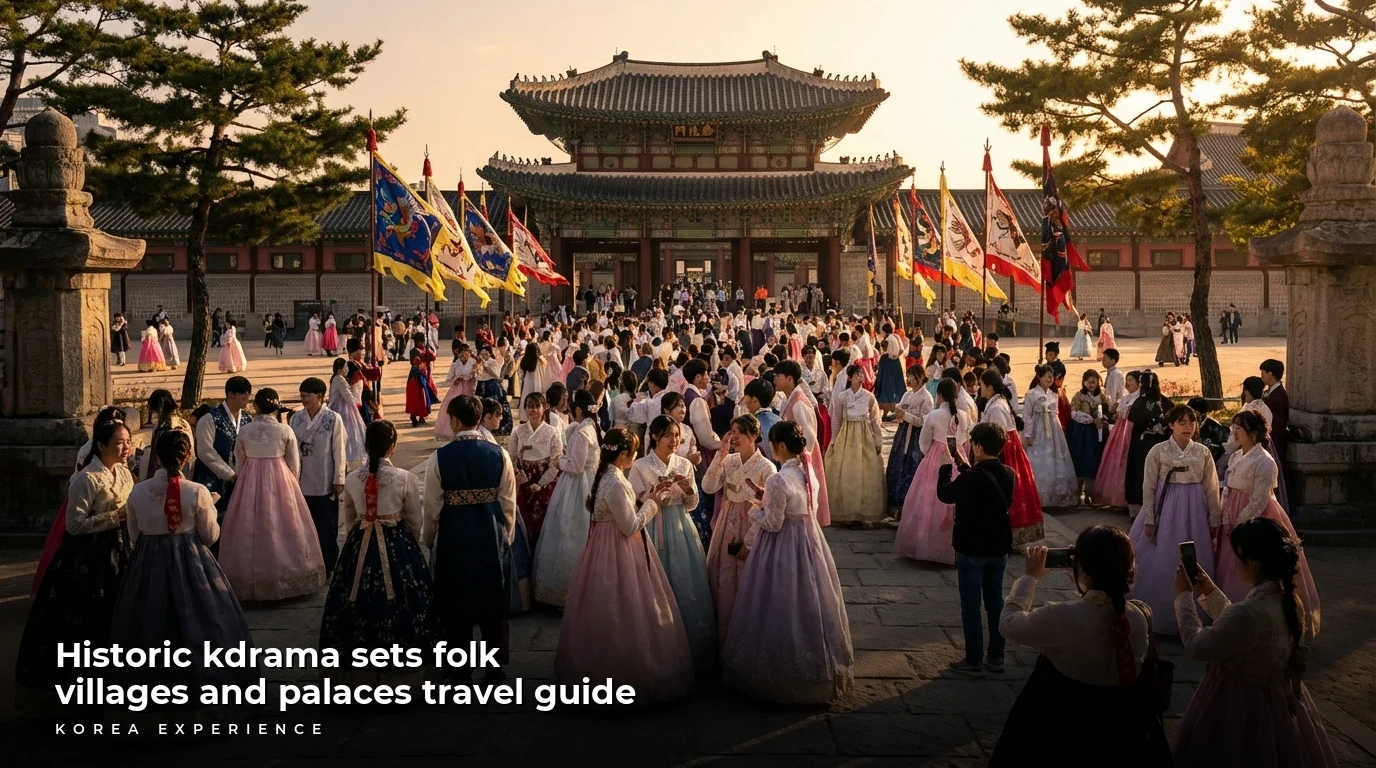
Gyeongbokgung Palace, meaning "Palace of Shining Happiness," is arguably the most iconic and visually stunning of Korea's five grand palaces. Built in 1395, it was the primary royal palace of the Joseon Dynasty and the largest of all. Its grandeur and central location make it a preferred choice for historical dramas aiming to depict the pinnacle of Joseon power and prestige.
- Location: 161 Sajik-ro, Jongno-gu, Seoul. Easily accessible by subway (Gyeongbokgung Station, Line 3, Exit 5).
- Admission: 3,000 Korean Won for adults. Free admission if wearing a Hanbok.
- Hours: Generally 9:00 AM to 5:00 PM or 6:00 PM, closed on Tuesdays. (Always check official website for current timings).
- Key Features:
- Geunjeongjeon (근정전): The Throne Hall, where major state affairs and royal ceremonies took place. Its imposing presence has been seen in countless coronation and dramatic confrontation scenes.
- Gyeonghoeru Pavilion (경회루): A magnificent two-story pavilion set on an artificial pond, used for royal banquets and important receptions. Its picturesque beauty is a Kdrama favorite for moonlit meetings or contemplative scenes.
- Hyangwonjeong Pavilion (향원정): A smaller, hexagonal pavilion on a picturesque island, accessed by a wooden bridge.
- National Palace Museum of Korea & National Folk Museum of Korea: Located within the palace grounds, offering deeper insights into royal culture and traditional life.
- Kdrama Examples: "The King's Affection," "Queen In-Hyun's Man," "Goblin" (exterior scenes), "Jang Ok-jung, Living by Love."
- Practical Tip: Don't miss the Royal Guard Changing Ceremony, held multiple times a day at the main Gwanghwamun Gate. Renting a Hanbok nearby allows you free entry and incredible photo opportunities, making you feel like a character from a historical drama.
Changdeokgung Palace & Huwon: UNESCO World Heritage Serenity
Changdeokgung Palace, meaning "Prospering Virtue Palace," stands apart from Gyeongbokgung with its more organic layout, harmonizing with the natural topography of the land. It was the preferred residence of many Joseon kings and is a UNESCO World Heritage site, particularly renowned for its stunning Secret Garden (Huwon).
- Location: 99 Yulgok-ro, Jongno-gu, Seoul. Easily accessible by subway (Anguk Station, Line 3, Exit 3).
- Admission: 3,000 Korean Won for the palace, plus an additional 5,000 Korean Won for the Huwon tour.
- Hours: Generally 9:00 AM to 5:00 PM or 6:00 PM, closed on Mondays. Huwon tours have limited slots and specific times.
- Key Features:
- Injeongjeon (인정전): The main hall, notable for its intricate decorations and the open courtyard.
- Seonjeongjeon (선정전): A smaller hall used for daily administrative duties, often depicted as a king's private study.
- Huwon (후원) - The Secret Garden: A vast, exquisitely landscaped garden featuring pavilions, ponds, and ancient trees. This secluded haven was reserved for the royal family and is a frequent setting for intimate conversations, secret rendezvous, and reflective moments in dramas.
- Kdrama Examples: "Jewel in the Palace," "Love in the Moonlight," "Goong" (Princess Hours), "Dae Jang Geum."
- Practical Tip: The Huwon tour is mandatory and highly recommended. Book your tickets in advance online, especially during peak season, as spots are limited. The tranquility of the garden truly transports you.
Deoksugung Palace: A Blend of Eras and Royal Residences
Deoksugung Palace, meaning "Palace of Longevity and Virtue," offers a unique architectural contrast, blending traditional Korean royal structures with Western-style buildings. This fusion reflects Korea's tumultuous transition period in the late 19th and early 20th centuries, making it a compelling backdrop for dramas set during this fascinating era.
- Location: 99 Sejong-daero, Jung-gu, Seoul. Accessible by subway (City Hall Station, Line 1 or 2, Exits 2 or 3).
- Admission: 1,000 Korean Won for adults.
- Hours: Generally 9:00 AM to 9:00 PM, closed on Mondays.
- Key Features:
- Seokjojeon (석조전): A grand Western-style stone building that served as an audience hall and royal residence. Now houses the Daehan Empire History Museum.
- Jeonggwanheon (정관헌): A beautiful pavilion combining Korean and Western architectural styles, used as a resting place and venue for tea ceremonies.
- Daehanmun Gate (대한문): The main gate, where the Royal Guard Changing Ceremony takes place.
- Kdrama Examples: While less frequently featured as a primary Joseon period set due to its later history, Deoksugung has appeared in dramas depicting the late Joseon and Korean Empire periods, such as "The Last Empress" (though often for exterior shots or specific scenes).
- Practical Tip: Like Gyeongbokgung, Deoksugung also hosts a Royal Guard Changing Ceremony, offering a different historical perspective on this ritual. The palace's location amidst modern skyscrapers creates a striking juxtaposition of past and present.
Step Back in Time: Traditional Folk Villages
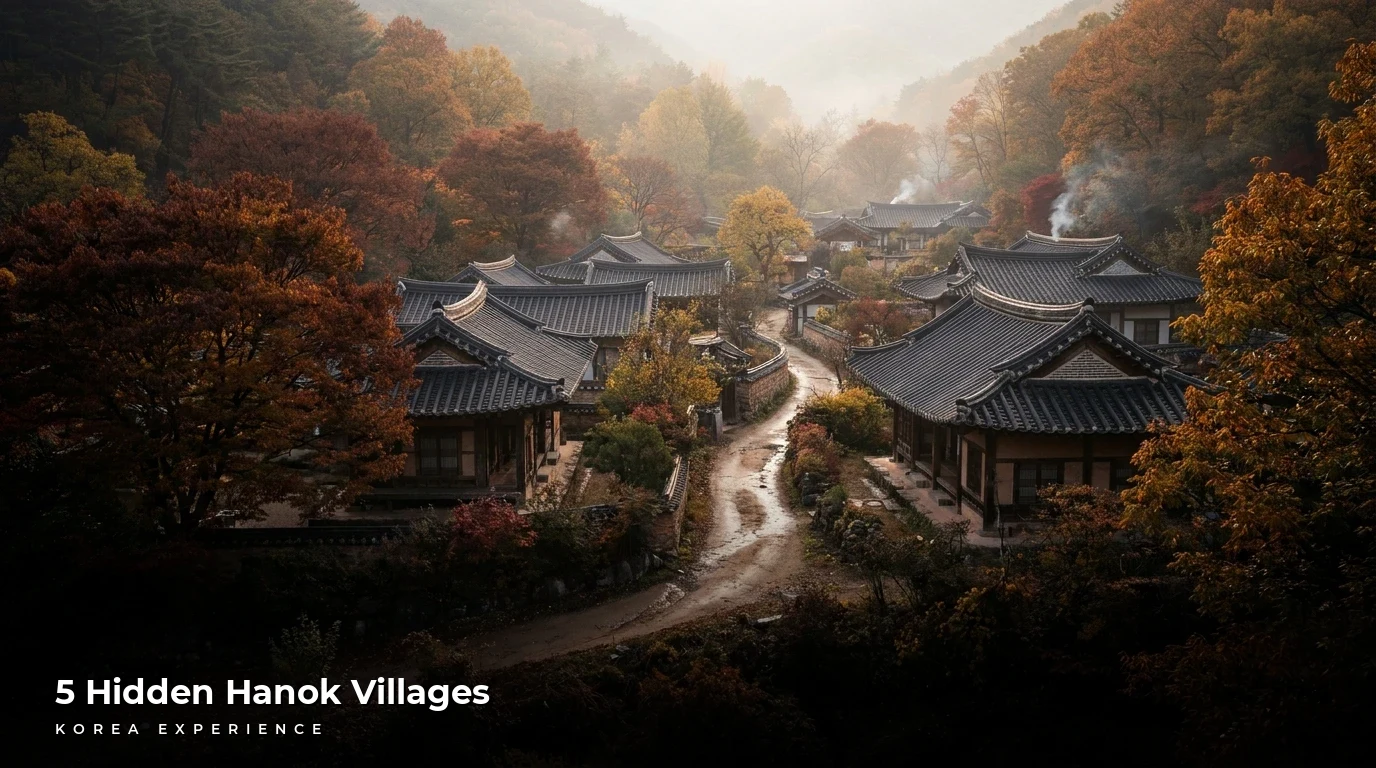
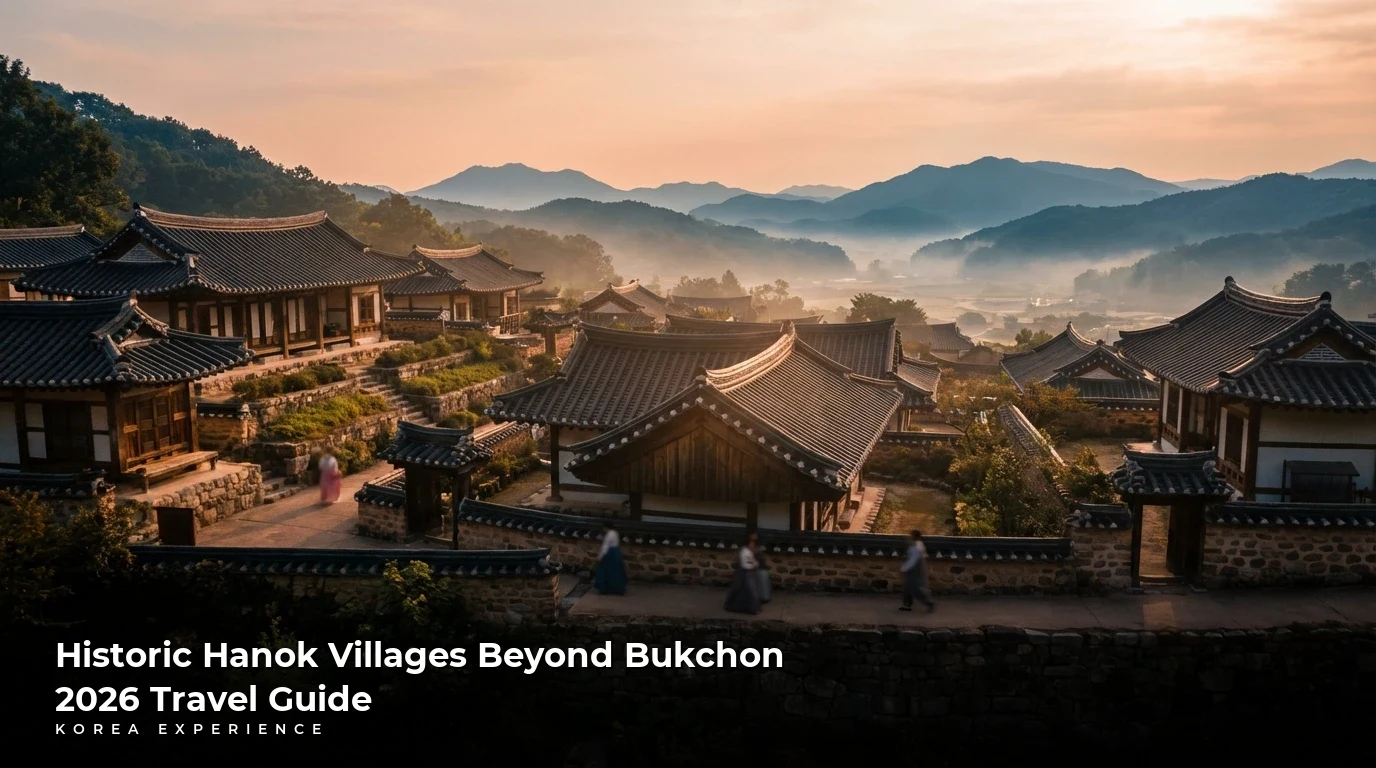
Beyond the grand palaces, Korea's traditional folk villages offer a glimpse into the everyday life of past centuries. These preserved or recreated communities showcase the distinct beauty of Hanok architecture and the cultural practices that defined generations.
Jeonju Hanok Village: Culinary & Cultural Hub
Jeonju Hanok Village, located in the charming city of Jeonju, is one of Korea's most well-preserved traditional villages, boasting over 800 Hanok houses. It's a vibrant living museum, famed not only for its historical authenticity but also as a UNESCO City of Gastronomy.
- Location: Gyo-dong, Wansan-gu, Jeonju, Jeollabuk-do. Accessible by KTX train from Seoul to Jeonju Station, then a short bus or taxi ride.
- Admission: Free to enter the village, individual attractions may have fees.
- Hours: Open 24/7, but shops and attractions typically operate from 10:00 AM to 6:00 PM.
- Key Features:
- Hanok Stays: Many houses offer overnight accommodation, allowing visitors to experience traditional Korean living.
- Traditional Crafts: Workshops for paper craft (Hanji), fan making, and calligraphy.
- Culinary Delights: Home to Jeonju Bibimbap, Kongnamul Gukbap (bean sprout soup), and various street foods.
- Gyeonggijeon Shrine (경기전): Houses the portrait of King Taejo, the founder of the Joseon Dynasty.
- Kdrama Examples: "Sungkyunkwan Scandal" (some exterior shots, evoking the scholarly atmosphere), "Our Beloved Summer" (for its charming traditional streetscapes).
- Practical Tip: Rent a Hanbok and stroll through the narrow alleys for an immersive experience. Don't forget to sample the famous Jeonju Bibimbap, a truly iconic Korean dish. It's an excellent destination for a multi-day trip focusing on culture and food.
Korean Folk Village: Living History Recreated
The Korean Folk Village (한국민속촌) is a large, meticulously recreated village designed to showcase traditional Korean life from the late Joseon Dynasty. It's an interactive open-air museum where visitors can experience traditional culture through performances, craft demonstrations, and historical reenactments.
- Location: 90 Minsokchon-ro, Giheung-gu, Yongin-si, Gyeonggi-do. Accessible by shuttle bus from Suwon Station or Gangnam Station in Seoul.
- Admission: 32,000 Korean Won for adults.
- Hours: Generally 10:00 AM to 6:00 PM, vary by season.
- Key Features:
- Diverse Hanok Styles: Replicas of farmhouses, noblemen's residences, government offices, and even a traditional school (Seodang).
- Traditional Performances: Equestrian feats, tightrope walking (Jultagi), traditional wedding ceremonies, and folk music.
- Craft Workshops: Watch artisans demonstrate pottery, blacksmithing, and weaving.
- Amusement Park: A small traditional-themed amusement park within the village.
- Kdrama Examples: This village is a powerhouse of historic Kdrama sets, having been a primary filming location for countless series including "My Love from the Star," "Moon Embracing the Sun," "Jang Geum Oh My Grandma," "King and the Clown," "Sungkyunkwan Scandal," and "Arthdal Chronicles." Its versatility allows it to stand in for various settings, from humble abodes to bustling markets.
- Practical Tip: Allocate a full day to explore the Korean Folk Village to fully enjoy all the performances and interactive experiences. Check the daily performance schedule upon arrival to plan your visit effectively.
Namsangol Hanok Village: An Urban Oasis of Tradition
Namsangol Hanok Village (남산골 한옥마을) offers a peaceful escape into tradition right in the heart of Seoul. It features five relocated and restored Hanok houses, representing different social classes from the Joseon Dynasty, along with a traditional garden, a pavilion, and a traditional craft workshop.
- Location: 28 Toegye-ro 34-gil, Jung-gu, Seoul. Accessible by subway (Chungmuro Station, Line 3 or 4, Exit 3 or 4).
- Admission: Free.
- Hours: Generally 9:00 AM to 8:00 PM, closed on Mondays.
- Key Features:
- Authentic Hanok Houses: Explore homes of various social strata, from commoners to nobility.
- Traditional Garden: A beautifully landscaped area perfect for a leisurely stroll.
- Time Capsule: A buried time capsule to be opened in 2394, commemorating Seoul's 600th anniversary.
- Kdrama Examples: While less frequently a primary filming set due to its smaller scale compared to other folk villages, Namsangol Hanok Village provides authentic period backdrops for character reflections or smaller, intimate scenes in dramas like "Mr. Sunshine" (for certain interior or garden shots).
- Practical Tip: This village is an excellent choice for those with limited time in Seoul who still want to experience traditional Korean architecture and culture without venturing too far from the city center. It's often less crowded than other major attractions.
Beyond the Palace Walls: Historic Drama Sets and Filming Locations
While palaces and folk villages provide authentic historical backdrops, some dramas require grander, more specific, or even fictionalized settings. This has led to the creation of dedicated filming sets or the utilization of broader historical sites that offer unique architectural styles and landscapes.
Buyeo Baekje Cultural Land: Ancient Kingdom Recreated
The Buyeo Baekje Cultural Land (부여 백제문화단지) is a sprawling historical theme park dedicated to the ancient Baekje Kingdom (18 BCE – 660 CE), one of the Three Kingdoms of Korea. It meticulously reconstructs various aspects of Baekje's royal palace, temples, and residential areas, making it an unparalleled resource for dramas set in this period.
- Location: 365, Hallyu-ro, Gyuam-myeon, Buyeo-gun, Chungcheongnam-do. Requires a bus or taxi from Buyeo Intercity Bus Terminal.
- Admission: 9,000 Korean Won for adults.
- Hours: Generally 9:00 AM to 6:00 PM (seasonal variations).
- Key Features:
- Sabi Palace: A grand replica of the Baekje royal palace, including its main hall and living quarters.
- Neungsa Temple: A meticulously recreated Baekje temple, reflecting the kingdom's strong Buddhist influence.
- Goseogak: A traditional residential area showcasing Baekje commoner and noble houses.
- Living Culture Experience: Demonstrations of Baekje crafts and lifestyle.
- Kdrama Examples: This site is a treasure trove for sagas set in the Three Kingdoms period. It was a major filming location for "Moon Lovers: Scarlet Heart Ryeo," "Jumong," "Gyebaek," and "Queen Seondeok." Its unique architecture offers a distinct visual from Joseon-era sets.
- Practical Tip: Buyeo itself is rich in Baekje heritage. Consider combining your visit to the Cultural Land with other historical sites in Buyeo, such as Busosanseong Fortress and the Baekje National Museum, to fully immerse yourself in the Baekje Kingdom's legacy.
Suncheon Open Film Set: Time Travel Through Decades
The Suncheon Open Film Set (순천 드라마촬영장) is a massive complex with three distinct village areas, each meticulously recreating different periods of Korea's modern history: the 1950s, 1960s, and 1980s. While not a "historic Kdrama set" in the sense of ancient palaces, it is a crucial location for dramas depicting Korea's recent past, from the post-war era to its rapid industrialization.
- Location: 24 Biryegol-gil, Suncheon-si, Jeollanam-do. Accessible by local bus from Suncheon Station or Intercity Bus Terminal.
- Admission: 3,000 Korean Won for adults.
- Hours: Generally 9:00 AM to 6:00 PM (seasonal variations).
- Key Features:
- 1950s Seoul Village: Reproduces the war-torn capital, with humble shacks and narrow alleyways.
- 1960s-70s Small Town: Features a rural town with traditional markets, barbershops, and houses.
- 1980s Seoul Downtown: Recreates bustling streets with theaters, cafes, and retro shops from the period.
- Kdrama Examples: "Love Rain," "Bread, Love and Dreams," "Gangnam Blues," "East of Eden," "A Werewolf Boy," "Light and Shadow." It's incredibly versatile for any drama requiring a realistic backdrop from the mid-20th century.
- Practical Tip: Renting retro school uniforms or other period clothing is available on-site, allowing visitors to take incredibly fun and authentic photos. This place offers a unique kind of historical immersion, different from the ancient palaces.
Planning Your Kdrama-Inspired Itinerary
Embarking on a journey through Korea's historic Kdrama sets requires thoughtful planning to maximize your experience. Here are some essential tips for crafting your itinerary.
Best Time to Visit
- Spring (April-May): Mild weather, cherry blossoms (early April), and blooming flowers make for picturesque palace backdrops. Ideal for outdoor exploration.
- Autumn (September-October): Crisp air, vibrant fall foliage, and comfortable temperatures. This season is often considered the most beautiful for visiting historical sites.
- Summer (June-August): Hot and humid with occasional monsoon rains. While doable, plan for early morning or late afternoon visits to avoid the peak heat.
- Winter (December-February): Cold, often with snow. Palaces under a blanket of snow offer a unique, serene beauty, but be prepared for chilly temperatures. Fewer crowds can be a plus.
Transportation Tips
- Seoul Metro: The most efficient and cost-effective way to navigate Seoul's palaces and Namsangol Hanok Village. The system is well-marked in English.
- KTX (Korea Train eXpress): For destinations outside Seoul like Jeonju or Suncheon, the high-speed KTX train is fast and comfortable. Book tickets in advance, especially for weekends.
- Intercity Buses: An affordable alternative to KTX for many cities, including Buyeo and Yongin (Korean Folk Village).
- Tour Buses/Private Tours: For convenience, especially if you have limited time or prefer a guided experience, consider booking day tours that cover multiple sites. Many cater specifically to Kdrama fans.
- T-Money Card: Essential for public transport (subway and bus) across Korea. Purchase at convenience stores and load with credit.
Hanbok Experience
Renting a Hanbok (traditional Korean dress) is a must-do when visiting palaces and Hanok villages. Not only does it provide fantastic photo opportunities, but it often grants you free admission to the palaces. Look for rental shops near Gyeongbokgung Palace, Bukchon Hanok Village, or Jeonju Hanok Village. Prices vary but typically range from 15,000 to 50,000 Korean Won for a few hours.
Local Guides and Tours
Consider hiring a local guide or joining a themed tour. Guides can provide invaluable historical context, cultural insights, and share specific Kdrama filming anecdotes that you might otherwise miss. Many tours are specifically designed for K-drama fans, focusing on particular shows or periods.
Insider Tips for an Authentic Experience
To truly connect with the history and the magic of these historic Kdrama sets, go beyond just ticking off locations.
Look for Hidden Gems
While the main halls and grand gates are famous, often the smaller, secluded courtyards, narrow pathways, or quiet garden corners are where you'll feel the most immersed. These are often the spots used for intimate, poignant scenes in dramas. For example, explore the side alleys in Jeonju Hanok Village or the less-trodden paths in the Huwon of Changdeokgung.
Engage with Local Culture
Don't just observe; participate. Try on a Hanbok, participate in a traditional tea ceremony (offered at some Hanok villages), watch a traditional performance, or try your hand at a craft. These interactions deepen your understanding and appreciation. At the Korean Folk Village, engage with the actors and artisans to learn more about their craft and role-playing.
Sample Traditional Food
Food is an integral part of Korean culture and historical dramas. Seek out local eateries near these historic sites. In Jeonju, it's a culinary pilgrimage. Near palaces, explore traditional restaurants in areas like Bukchon Hanok Village. Trying traditional snacks or drinks can connect you further to the period.
Photography Etiquette
While capturing memories is encouraged, be mindful of others. Avoid blocking pathways or taking overly long photo sessions in crowded areas. Be respectful of historical structures and any rules regarding flash photography inside museums or specific halls. If you're wearing a Hanbok, be courteous to other visitors who might also want to photograph the beautiful scenery.
Comparison Table: Iconic Palaces
| Palace | Primary Era | Key Features | Kdrama Resonance | Insider Tip |
|---|---|---|---|---|
| Gyeongbokgung | Joseon (1392-1910) | Grandest & largest; Geunjeongjeon, Gyeonghoeru, Royal Guard Change | Ultimate symbol of Joseon royalty, epic coronation & political dramas | Rent Hanbok for free entry & best photos |
| Changdeokgung | Joseon (1392-1910) | UNESCO site; Harmonious with nature; Huwon (Secret Garden) | Serene, contemplative, perfect for secret meetings & royal family life | Book Huwon tour well in advance |
| Deoksugung | Late Joseon / Korean Empire (1897-1910) | Blend of traditional & Western architecture; Seokjojeon, Guard Change | Unique for transitional period dramas, showcasing cultural blend | Explore the modern art museum inside Seokjojeon |
Comparison Table: Traditional Folk Villages
| Folk Village | Type / Focus | Experience Highlights | Kdrama Resonance | Accessibility (from Seoul) |
|---|---|---|---|---|
| Jeonju Hanok Village | Living traditional village; Culinary & crafts hub | Hanok stays, Bibimbap, traditional workshops, Gyeonggijeon | Authentic period street scenes, scholarly atmosphere | KTX train (approx. 1.5-2 hrs) |
| Korean Folk Village | Recreated open-air museum; Interactive history | Performances, craft demonstrations, historical reenactments | Highly versatile, used for countless sagas (commoner to noble settings) | Shuttle bus or local bus (approx. 1-1.5 hrs) |
| Namsangol Hanok Village | Urban oasis; Relocated Hanoks; Traditional garden | Quick cultural immersion, varied Hanok styles, free entry | Convenient for quick scenes, smaller historical settings in Seoul | Subway (within Seoul) |
Comparison Table: Dedicated Historic Drama Sets
| Historic Set | Primary Period(s) | Type of Set | Key Features | Kdrama Resonance | Insider Tip |
|---|---|---|---|---|---|
| Buyeo Baekje Cultural Land | Baekje Kingdom (18 BCE - 660 CE) | Reconstructed ancient kingdom palace & city | Sabi Palace, Neungsa Temple, Baekje lifestyle demonstrations | Unique for Three Kingdoms period dramas, distinct architecture | Combine with other Baekje heritage sites in Buyeo |
| Suncheon Open Film Set | 1950s-1980s Korea | Replicated modern history urban & rural environments | Three distinct villages: 1950s, 1960s-70s, 1980s; retro shops | Perfect for dramas depicting Korea's modern history & societal changes | Rent retro school uniforms for fun photos |
Frequently Asked Questions (FAQ)
Q1: Do I need to book palace tickets in advance?
For the main palaces like Gyeongbokgung and Changdeokgung, general admission tickets can usually be purchased on arrival. However, for the Changdeokgung Huwon (Secret Garden) tour, booking in advance online is highly recommended, especially during peak season, as entry is limited. Some special exhibitions or events might also require advance booking.
Q2: Can I wear Hanbok to all historic sites?
Yes, wearing Hanbok is generally welcomed and encouraged at most historic sites, especially palaces and Hanok villages. In fact, wearing a Hanbok often grants you free admission to the five grand palaces in Seoul (Gyeongbokgung, Changdeokgung, Deoksugung, Changgyeonggung, Gyeonghuigung). It's a fantastic way to immerse yourself in the experience and take memorable photos.
Q3: Are these sites accessible by public transport?
Absolutely. Most major palaces and urban Hanok villages in Seoul (like Namsangol Hanok Village) are easily accessible by the extensive Seoul subway system. For destinations further afield like Jeonju, Suncheon, or Buyeo, you can utilize Korea's efficient KTX train or intercity bus network, followed by local buses or taxis to reach the specific sites. The Korean Folk Village also has dedicated shuttle buses from major transportation hubs.
Q4: What's the difference between a Hanok Village and a Folk Village?
A "Hanok Village" typically refers to a residential area or neighborhood where traditional Korean Hanok houses are still preserved, lived in, or repurposed as guesthouses, shops, and cafes. They often have a natural, organic feel, like Jeonju Hanok Village or Bukchon Hanok Village. A "Folk Village," like the Korean Folk Village, is usually a purpose-built or extensively reconstructed open-air museum designed to showcase traditional life, customs, and architecture of a specific historical period, often featuring performances and interactive exhibits.
Q5: Which historic Kdrama sets are best for families with children?
The Korean Folk Village (Yongin) is an excellent choice for families due to its interactive performances, craft workshops, and even a small amusement park. Children often enjoy seeing traditional tightrope walking, equestrian shows, and exploring the diverse houses. Suncheon Open Film Set is also fun for families, particularly for older children who might enjoy dressing up in retro outfits and exploring the different period villages. Palaces can also be engaging, especially with the Royal Guard Changing Ceremony at Gyeongbokgung or Deoksugung.
Conclusion: Your Kdrama Adventure Awaits
The world of Korean historical dramas offers more than just captivating stories; it presents an invitation to explore the breathtaking landscapes and architectural marvels that inspired them. From the solemn majesty of Gyeongbokgung Palace, where kings once ruled, to the charming alleys of Jeonju Hanok Village, echoing with centuries of tradition, these historic Kdrama sets, folk villages, and palaces are gateways to an unforgettable cultural journey.
By visiting these iconic locations, you're not just a tourist; you become a participant in Korea's vibrant history, a temporary resident in the very settings that have ignited your imagination. You'll gain a deeper appreciation for the meticulous craftsmanship of traditional architecture, the resilience of Korean culture, and the enduring power of its storytelling.
So, take this guide as your first step. Start planning your personalized Kdrama-inspired itinerary, choose your favorite historical period, and prepare to be transported. Whether you're seeking the grandeur of royalty, the simplicity of traditional life, or the dramatic backdrops of epic sagas, Korea's historic sites await your arrival. Your Kdrama adventure is no longer confined to the screen—it's ready to unfold in real life. Happy travels!
About the Author
Korea Experience Team
Written by the Korea Experience editorial team - experts in Korean medical tourism, travel, and culture with years of research and firsthand experience.
⚠️ Medical Disclaimer
The information provided on this website is for general informational purposes only and does not constitute medical advice. Always consult with qualified healthcare professionals before making any medical decisions.
Continue Reading
Explore more articles you might find interesting
Discover the vibrant world of K-Pop Random Play Dance in Seoul. Learn where to find events, how to participate, and essential tips for an unforgettable experience.
Discover the best Korean webtoon platforms like Naver, Kakao, and Lezhin. Explore popular titles and learn how to dive into Korea's digital comic culture.
Discover where to buy K-Drama OST concert tickets in Korea. This guide covers platforms, tips for international fans, and what to expect.