K-Culture

Hallyu 4.0 What Next for the Global Korean Wave 2026

Explore Hallyu 4.0: The future of the Korean Wave in 2026, from immersive tech and sustainable travel to K-wellness and regional experiences.

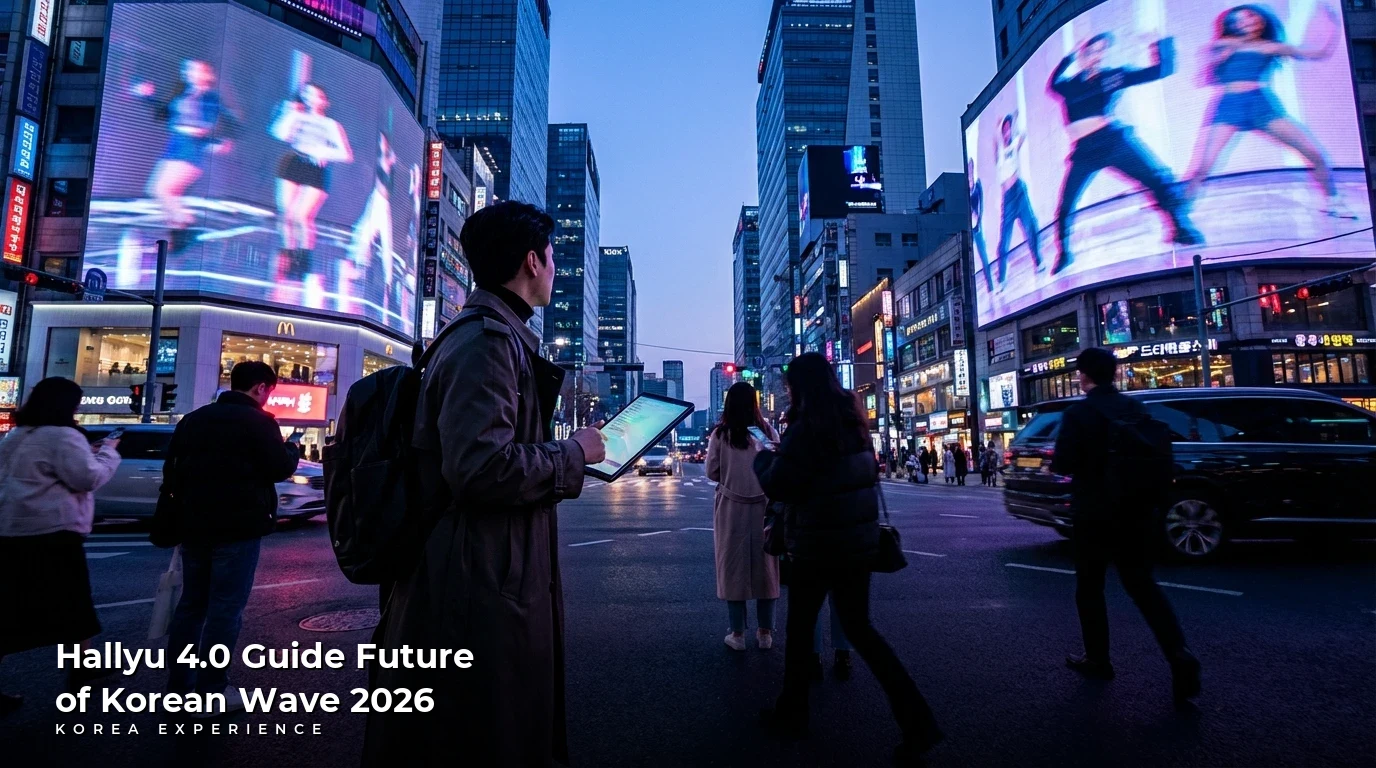
The Korean Wave, or Hallyu, has transcended borders, transforming from a niche cultural phenomenon into a global powerhouse. For international travelers and expats, understanding and experiencing Hallyu is key to unlocking a deeper appreciation for Korea. But as we look towards Hallyu 4.0, what's next for the global Korean Wave 2026? We've witnessed K-pop dominate music charts, K-dramas captivate millions, and Korean beauty set global trends. Now, Hallyu is evolving into something more immersive, sustainable, and deeply integrated with advanced technology and authentic local experiences.

This comprehensive guide will explore the exciting trajectory of Hallyu, offering insights into its next phase, Hallyu 4.0. We'll delve into how technology, sustainability, and a deeper dive into Korean lifestyle are shaping the future. Get ready to discover practical tips, insider knowledge, and specific locations to experience the forefront of the Korean Wave as we envision its exciting landscape in 2026.

Defining Hallyu 4.0: Beyond the Familiar Screen

To understand where Hallyu is headed, it's crucial to acknowledge its journey. The Korean Wave has consistently reinvented itself, moving from initial cultural exports to a multifaceted global phenomenon. Hallyu 4.0 represents a significant shift, moving beyond passive consumption to active participation, personalized experiences, and a focus on deeper cultural understanding.

Evolution of the Wave: From 1.0 to 3.0

  • Hallyu 1.0 (Late 1990s - Early 2000s): Characterized by the initial spread of K-dramas (like "Winter Sonata") and K-pop (first-generation idols like H.O.T.) across East and Southeast Asia. This phase was about introducing Korean culture through entertainment.
  • Hallyu 2.0 (Mid-2000s - Early 2010s): Witnessed K-pop's expansion into the global mainstream with groups like Girls' Generation and Super Junior. K-dramas gained wider international recognition, aided by digital platforms. K-beauty and K-food also began to emerge on the global stage.
  • Hallyu 3.0 (Mid-2010s - Early 2020s): Defined by the unprecedented global explosion of BTS and Blackpink, the Oscar-winning "Parasite," and Netflix's "Squid Game." This era saw Hallyu become a dominant force in global pop culture, driving interest in Korean language, tourism, and soft power.

Characteristics of Hallyu 4.0: Immersion, Interaction, Inclusivity

Hallyu 4.0 shifts from mere popularity to deep engagement. It's about providing avenues for international audiences to not just watch or listen, but to truly experience and participate in Korean culture. This phase emphasizes:

  • Immersion: Experiencing Korea's culture directly, whether virtually or physically, in a highly personalized way.
  • Interaction: Opportunities for fans to engage with content creators, artists, and each other through innovative platforms.
  • Inclusivity: Expanding the narrative beyond mainstream entertainment to highlight diverse aspects of Korean society, regional cultures, and sustainability efforts.

Here's a comparison of the Hallyu eras:

FeatureHallyu 1.0 (Early Exposure)Hallyu 2.0 (Digital Expansion)Hallyu 3.0 (Global Dominance)Hallyu 4.0 (Immersive Future 2026)
Primary MediumTV Dramas, Pop MusicYouTube, Digital PlatformsStreaming Services, Social MediaMetaverse, AI, Experiential Travel
Audience ReachAsia-focusedWestern ExpansionTruly Global, Mass AppealNiche to Mass, Personalized
EngagementPassive ConsumptionOnline Fandom, MV StreamingActive Fandom, Merchandise, ToursInteractive, Co-creation, Participatory
Key DriversStorytelling, Catchy MelodiesInternet AccessibilityCelebrity Power, High ProductionTechnology, Sustainability, Authenticity

The Digital Frontier: Metaverse, AI, and Immersive Korean Experiences

In Hallyu 4.0, technology will play a pivotal role in shaping how we interact with Korean culture. The metaverse and artificial intelligence are not just buzzwords but emerging platforms for unparalleled immersion, offering a glimpse into the Korean Wave 2026.

Virtual Idol Concerts and Digital Fan Engagement

Imagine attending a concert featuring your favorite K-pop idols, not in a physical arena, but in a sprawling digital world. Companies like HYBE (home to BTS) and SM Entertainment (NCT, aespa) are already investing heavily in metaverse platforms.

  • SMTOWN Meta-Passport: SM Entertainment's "Meta-Passport" allows fans to create digital avatars, interact with virtual versions of their idols, and explore digital concert venues and fan spaces. By 2026, these platforms will offer fully interactive experiences, including meet-and-greets with AI-generated idol personas and exclusive digital content.
  • HYBE's Weverse: While already a robust fan community platform, Weverse is expected to integrate more metaverse features, offering virtual fan events, augmented reality (AR) experiences with idol merchandise, and even fan-created content within digital worlds.
  • Practical Tip: To experience this, keep an eye on official announcements from major K-pop labels regarding their metaverse projects. Many are free to join, with premium content available for purchase. You'll likely need a good internet connection and a compatible device (PC or high-end smartphone).

AI-Powered Travel Guides and Personalized Itineraries

AI will revolutionize travel planning for Korea. Forget generic itineraries; future AI guides will understand your preferences, suggest off-the-beaten-path destinations, and even adjust recommendations based on real-time conditions (weather, crowds).

  • Personalized K-Culture Journeys: Imagine an AI assistant that knows your favorite K-drama genres, K-pop groups, and food preferences. It could then generate a bespoke itinerary that includes filming locations, hidden fan cafes, traditional eateries, and even recommend a temple stay based on your interest in mindfulness.
  • Real-time Assistance: AI chatbots on official tourism websites (like Korea Tourism Organization - VisitKorea.or.kr) will provide instant answers to complex questions, help with booking, and offer translation services on the go.
  • Insider Knowledge: These AI systems will be trained on vast amounts of data, including local blogs and forums, providing "insider tips" that even seasoned travelers might miss, such as the best time to visit a certain market or a lesser-known hiking trail with stunning views.

Korean Metaverse Worlds: Exploring Seoul in VR

Beyond fan engagement, entire virtual replicas of Korean cities and historical sites are being developed.

  • Seoul Metaverse (MySoul Metaverse): The Seoul Metropolitan Government is investing in creating a "metaverse Seoul," allowing users to access city services, explore historical landmarks like Gyeongbokgung Palace virtually, and even attend festivals from anywhere in the world. By 2026, this platform is expected to offer interactive tours, educational programs, and opportunities to purchase digital assets representing Korean culture.
  • Digital Hanok Experiences: Virtual reality (VR) will allow you to explore traditional Hanok villages, wear digital Hanbok, and even participate in virtual tea ceremonies, bridging the gap between historical tradition and futuristic technology.
  • Practical Tip: Look for VR applications and platforms that collaborate with the Korea Tourism Organization or city governments. Some experiences may require a VR headset for full immersion, but many will be accessible via web browsers or mobile apps.

Sustainable Hallyu: Eco-Conscious Travel and Ethical Engagement

As Hallyu's global footprint grows, so does the awareness of its environmental and social impact. Hallyu 4.0 places a strong emphasis on sustainability, encouraging eco-conscious travel and ethical consumption within the Korean Wave.

Green K-Pop: Fan Initiatives and Eco-Friendly Merch

K-pop fans are at the forefront of driving sustainable changes within the industry.

  • Fan-Led Reforestation Projects: Numerous fan clubs organize tree-planting initiatives and donate to environmental causes in their idols' names. Traveling fans can participate in local environmental volunteer programs.
  • Eco-Friendly Merchandise: Expect to see a significant shift towards sustainable materials in K-pop albums and merchandise. Look for products made from recycled paper, biodegradable plastics, or ethically sourced materials. Some agencies are even exploring digital-only albums to reduce waste.
  • Reducing Concert Footprint: Concert venues are increasingly adopting green practices, such as waste reduction programs and promoting public transport. Future concerts might incorporate digital ticketing and reusable cups.
  • Insider Knowledge: Before purchasing K-pop merchandise, check if the agency has publicly committed to sustainability goals. Many fan communities actively share information on eco-friendly options.

Rural Tourism and Ecotourism Destinations

Beyond the bustling cities, Korea's provinces offer stunning natural beauty and unique cultural experiences, perfect for sustainable travel.

  • Jeju Island: A UNESCO World Heritage site, Jeju is a pioneer in ecotourism. Visitors can explore volcanic landscapes, hike Hallasan Mountain, and enjoy carbon-free zones. Future tours will focus on local produce, responsible diving, and protecting its unique ecosystem.
  • Gangwon Province: Known for its pristine mountains and coastlines, Gangwon offers opportunities for hiking, skiing (Pyeongchang Olympic sites), and exploring national parks like Seoraksan. Sustainable lodging options, from eco-friendly pensions to traditional Hanok stays, are growing.
  • DMZ Ecotourism: The Demilitarized Zone, despite its history, has become an accidental wildlife sanctuary. Future tours will emphasize its ecological importance, offering guided nature walks and bird-watching while respecting the sensitive area.
  • Practical Tip: When planning your trip, research accommodation and tour operators that prioritize environmental protection. Many small, locally-run guesthouses in rural areas offer authentic experiences with a lower environmental impact. Consider public transport or shared rides to reduce your carbon footprint.

Supporting Local Communities: Fair Trade K-Products

Hallyu 4.0 encourages travelers to support local economies and traditional craftsmanship.

  • Traditional Markets: Visit traditional markets like Gwangjang Market (Seoul) or Jeonju Nambu Market to purchase local produce, handmade goods, and traditional snacks directly from vendors. This supports small businesses and offers an authentic cultural experience.
  • Craft Workshops: Participate in workshops to learn traditional crafts like pottery, knot-tying (Maedeup), or natural dyeing. Many local artisans offer these experiences, providing income directly to the community.
  • Fair Trade Korean Products: Look for products certified as fair trade, particularly for agricultural goods like tea, coffee, or crafts from rural areas. This ensures producers receive fair compensation.
  • Contact Info: For traditional craft workshops, check the Korea National Souvenir Center (located near Insadong, Seoul) or local tourism information centers for listings. Their websites (often English-friendly) can provide booking details.

Holistic Wellness and Lifestyle: Integrating Korean Philosophy

Beyond entertainment, Hallyu 4.0 shines a spotlight on Korean wellness and lifestyle, inviting visitors to experience the country's unique approach to health, mindfulness, and traditional living.

The Rise of K-Wellness: Skincare, Spa, and Mindfulness

Korean wellness extends far beyond the famed K-beauty industry, encompassing holistic health practices.

  • Jjimjilbang Reimagined: Traditional Korean bathhouses (Jjimjilbang) are evolving. While still offering communal baths and saunas, luxury Jjimjilbangs now integrate wellness programs, meditation rooms, healthy Korean food, and even sleeping pods, providing a complete rejuvenation experience. Entry typically ranges from 15,000 to 30,000 KRW (approximately 12-25 USD) for basic admission.
  • K-Beauty Beyond Skincare: Expect more experiential K-beauty offerings, including personalized consultations with dermatologists, DIY skincare workshops using traditional Korean ingredients, and beauty-focused spa treatments that combine modern science with ancient remedies.
  • Mindfulness and Stress Reduction: With growing global awareness of mental health, Korea's emphasis on mindfulness (often rooted in Buddhist traditions) is gaining traction. Meditation centers and urban healing spaces will become more prevalent.
  • Insider Knowledge: For a truly luxurious Jjimjilbang experience, look for places like "Spa Land Centum City" in Busan or "Dragon Hill Spa" in Seoul. For unique K-beauty experiences, explore the Myeongdong or Gangnam areas which host numerous clinics and experiential stores.

Temple Stays and Traditional Healing Practices

For a deeper dive into Korean spirituality and tranquility, temple stays offer an unparalleled immersive experience.

  • Enhanced Temple Stay Programs: By 2026, temple stays will offer even more diverse programs, catering to various interests. Beyond basic monastic life (meditation, tea ceremonies, communal meals), some temples will introduce specialized programs in traditional Korean arts, ecological awareness, or even digital detox retreats.
  • Specific Locations:
    • Magoksa Temple (Gongju): A UNESCO World Heritage site known for its serene environment and rich history. Offers diverse programs from half-day to multi-night stays.
    • Haeinsa Temple (Hapcheon): Home to the Tripitaka Koreana, one of the most complete collections of Buddhist scriptures. Offers a profound cultural and spiritual experience.
    • Jeungsimsa Temple (Gwangju): Provides urban temple stay experiences focusing on meditation and mindful living.
  • Cost: Temple stays typically range from 50,000 to 100,000 KRW (approximately 40-80 USD) per person per night, including meals and program activities. Booking in advance via the official Temple Stay website (eng.templestay.com) is highly recommended.
  • Traditional Healing: Explore Korean traditional medicine (Hanbang). Clinics and spas specializing in acupuncture, herbal remedies, and traditional diagnostics will offer programs for international visitors.
  • Practical Tip: Dress modestly and be prepared for early mornings and simple accommodations. It's a fantastic opportunity to disconnect and reflect.

Lifestyle Influences: Hanok Living and Slow Living

The allure of traditional Korean living, especially the Hanok (traditional Korean house), is becoming a global aspiration.

  • Hanok Stays: Boutique Hanok hotels and guesthouses are increasingly popular, offering a blend of traditional aesthetics with modern comforts. These provide a unique way to experience Korean architecture and hospitality.
  • Bukchon Hanok Village (Seoul): While still a popular tourist spot, future tours will emphasize respectful interaction with residents and offer more immersive activities like traditional craft classes within actual Hanoks.
  • Slow Living Workshops: Experience the Korean philosophy of "slow living" through workshops focusing on traditional cooking, pottery, or appreciating nature in a mindful way.

Here's a comparison of traditional vs. future Korean Wave experiences:

AspectHallyu 3.0 (Current)Hallyu 4.0 (Future 2026)
K-Pop ConcertsPhysical venues, Live StreamsMetaverse concerts, AR experiences
K-Drama TourismFilming locations, Themed cafesAI-guided tours, VR set exploration
K-BeautyProduct shopping, Skincare routinesPersonalized clinics, DIY workshops
K-FoodStreet food, RestaurantsExperiential dining, Farm-to-table
Cultural ImmersionHanok visits, PalacesTemple stays, Rural ecotourism, Hanok living
Travel PlanningGuidebooks, Blogs, Agency toursAI itineraries, Real-time support

Culinary Innovation: The Global Palate of K-Food 2026

K-Food has exploded onto the international scene, but Hallyu 4.0 will see it evolve further, embracing innovation, sustainability, and deeper cultural narratives. For the Korean Wave 2026, prepare your taste buds for an even richer culinary journey.

Fusion and Fermentation: Michelin-Starred K-Food

Korean cuisine is gaining critical acclaim, with fine dining restaurants elevating traditional dishes to new heights.

  • Michelin Guide Seoul: The city boasts numerous Michelin-starred restaurants that creatively reinterpret Korean flavors. Expect more experimental fusion dishes combining Korean ingredients with global culinary techniques. Examples include restaurants like Jungsik, Mingles, and La Yeon.
  • Fermentation Focus: Korea's rich fermentation tradition (Kimchi, Gochujang, Doenjang) will be explored further in high-end dining, showcasing its complexity and health benefits. Workshops and tastings dedicated to traditional fermentation will become more accessible.
  • Plant-Based K-Food: With growing global demand for plant-based options, Korean cuisine, which traditionally features many vegetable dishes, will see an expansion of innovative vegetarian and vegan offerings, moving beyond traditional temple food.
  • Practical Tip: Reservations are essential for Michelin-starred restaurants, often months in advance. Prices can range from 100,000 to 300,000 KRW (approximately 80-250 USD) or more per person for a tasting menu.

Street Food Evolution: Healthier, Sustainable Options

The vibrant street food scene, a cornerstone of Korean culture, will also adapt to new trends.

  • Health-Conscious Choices: Expect to find healthier versions of popular street foods, incorporating fresh, local ingredients and reduced sugar/sodium options. Innovative concepts like "healthy Tteokbokki" or nutrient-rich Gyeranppang (egg bread) might emerge.
  • Sustainable Sourcing: More street vendors will source ingredients locally and sustainably, highlighting the provenance of their dishes.
  • Hygiene and Modernization: Street food stalls will continue to modernize, with improved hygiene standards and payment options, making them even more appealing to international visitors.
  • Locations: Myeongdong Street Food Alley, Gwangjang Market (Seoul), BIFF Square (Busan).
  • Prices: Street food is generally very affordable, ranging from 3,000 to 10,000 KRW (approximately 2.50-8 USD) per item.

Experiential Dining: Cooking Classes and Farm-to-Table

Beyond eating, Hallyu 4.0 encourages a deeper engagement with K-Food through hands-on experiences.

  • Korean Cooking Classes: Participate in classes to learn how to make classic dishes like Bibimbap, Bulgogi, or Kimchi. Many classes cater specifically to foreigners and include market tours.
  • Farm-to-Table Experiences: Rural areas will offer farm stays where you can participate in harvesting ingredients and then cook traditional meals with them, connecting you directly to the source of your food.
  • Makgeolli (Rice Wine) Breweries: Tour traditional Makgeolli breweries, learn about the fermentation process, and enjoy tastings. Some even offer hands-on brewing experiences.
  • Contact Info: For cooking classes, check websites like "O'ngo Food Communications" or "Food and Culture Academy" in Seoul. For farm-to-table experiences, explore options in provinces like Jeolla or Gyeonggi via local tourism websites.

The Regionalization of Hallyu: Discovering Korea Beyond Seoul

While Seoul remains the heart of the Korean Wave, Hallyu 4.0 champions the exploration of Korea's diverse regional cultures. International travelers and expats in 2026 will increasingly seek out authentic experiences in other cities and provinces, discovering new facets of the Korean Wave.

Busan: A Hub for Film, Art, and Coastal Charm

Korea's second-largest city offers a vibrant mix of urban sophistication, stunning coastlines, and a thriving arts scene.

  • Busan International Film Festival (BIFF): Continues to be a major draw, offering opportunities to see world-class films and potentially spot celebrities. Future festivals will likely integrate more immersive and digital experiences.
  • Art and Culture: Explore the colorful Gamcheon Culture Village, a former slum transformed into an artistic wonderland. Visit the Busan Museum of Art or the Busan Modern History Museum. The city's street art scene is also burgeoning.
  • Coastal Activities: Enjoy Haeundae Beach and Gwangalli Beach, take a scenic cable car ride, or explore the bustling Jagalchi Fish Market.
  • Insider Knowledge: Busan's seafood is exceptional. Try a fresh Sashimi platter at Jagalchi Market or delve into local specialties like Dwaeji Gukbap (pork soup with rice). The city also has a strong craft beer scene.

Jeonju: The UNESCO City of Gastronomy and Hanok Village

For a taste of traditional Korea and its culinary heritage, Jeonju is an essential destination.

  • Jeonju Hanok Village: A beautifully preserved village with over 700 traditional Hanok houses. Many offer guesthouse accommodations, allowing you to experience traditional living.
  • UNESCO City of Gastronomy: Jeonju is renowned for its food, especially Bibimbap (mixed rice with vegetables). Take a walking tour of the village, sampling local delicacies and trying famous snacks like Choco Pie from PNB Bakery.
  • Traditional Crafts: Participate in workshops for traditional paper (Hanji) making, fan painting, or calligraphy.
  • Practical Tip: Rent a Hanbok (traditional Korean dress) for a few hours and explore the village for iconic photo opportunities. Many rental shops are available around the Hanok Village. Prices typically range from 15,000 to 30,000 KRW (approximately 12-25 USD) for 2-4 hours.

Gangwon Province: Nature, Olympic Legacy, and Wellness Retreats

Easily accessible from Seoul, Gangwon offers a refreshing escape into nature and a taste of Korea's sporting heritage.

  • Pyeongchang Olympic Sites: Visit the venues from the 2018 Winter Olympics, some of which now offer year-round activities like bobsledding or gondola rides with panoramic views.
  • Seoraksan National Park: Hike its majestic peaks, renowned for stunning autumn foliage and challenging trails.
  • Coastal Towns: Explore charming coastal cities like Sokcho, known for its seafood, or Gangneung, with its coffee culture and serene beaches.
  • Wellness Retreats: Gangwon is increasingly becoming a hub for wellness, offering forest bathing (healing through nature) and traditional spa experiences amidst its pristine environment.
  • Insider Knowledge: Try Dakgalbi (spicy stir-fried chicken) in Chuncheon, a signature dish of Gangwon Province.

Here's a comparison of major Hallyu destinations:

FeatureSeoul (Capital)Busan (Coastal Metropolis)Jeonju (Traditional & Culinary)Gangwon (Nature & Wellness)
Main DrawK-Pop, K-Drama, Fashion, City LifeFilm, Beaches, Seafood, ArtHanok Village, Gastronomy, HistoryMountains, Beaches, Wellness, Olympics
Hallyu FocusAgencies, Concerts, Trendy SpotsFilm Fests, Unique CultureTraditional Food, CraftsEcotourism, Relaxing Breaks
VibeFast-paced, Modern, InternationalEnergetic, Artistic, RelaxedQuaint, Historical, FoodieSerene, Outdoorsy, Rejuvenating
Typical Stay4-7 Days2-3 Days1-2 Days2-3 Days

Frequently Asked Questions about Hallyu 4.0 and Korea Travel in 2026

Q1: Is Korea expensive for international travelers in 2026?

A1: While major cities like Seoul can be comparable to other developed nations, Korea offers a range of options. Accommodation ranges from budget guesthouses (30,000 KRW/night) to luxury hotels (200,000+ KRW/night). Public transport is very affordable (around 1,500 KRW per ride). Food can be inexpensive, especially at local markets or casual restaurants (5,000-15,000 KRW per meal). Overall, a comfortable mid-range daily budget would be approximately 100-150 USD, excluding major shopping or high-end experiences.

Q2: How can I actively participate in Hallyu 4.0 experiences as a traveler?

A2: Actively participate by exploring beyond mainstream attractions. Engage with metaverse platforms from K-pop agencies, try AI-powered travel apps, seek out sustainable tourism initiatives, book a temple stay for wellness, take a Korean cooking class, or visit regional cities like Jeonju or Busan. Look for workshops and local experiences rather than just passive viewing.

Q3: What are some lesser-known Hallyu experiences beyond K-Pop and K-Drama?

A3: Explore traditional Korean arts (calligraphy, pottery, Maedeup knot-tying), immerse yourself in the burgeoning Korean indie music scene, visit regional craft breweries, learn about Korean traditional medicine (Hanbang), or discover unique Korean design and architecture. Rural tourism and agricultural experiences (farm stays) also offer a deep dive into local culture.

Q4: Will it be difficult to communicate in Korea in 2026 without knowing Korean?

A4: While knowing some basic Korean phrases is always helpful and appreciated, it's generally manageable for international travelers, especially in major cities and tourist areas. Many signs are in English, and translation apps (like Papago or Google Translate) are highly effective. AI-powered translation tools will likely be even more advanced by 2026, offering real-time assistance for conversations and menus.

Q5: What are the best ways to find sustainable Hallyu products and experiences?

A5: Look for official certifications or explicit statements about sustainability from brands and tourism operators. Many K-pop fan communities are excellent resources for identifying eco-friendly merchandise or fan-led environmental projects. For travel, choose tour operators focused on responsible tourism, stay in eco-certified accommodations or traditional guesthouses, and support local markets and artisans directly. Websites like the Korea Tourism Organization (VisitKorea.or.kr) are increasingly highlighting sustainable options.

Conclusion: Riding the Next Wave of Korean Culture

Hallyu 4.0 is not just a continuation; it's a transformation. For international travelers and expats, the Korean Wave 2026 offers an unprecedented opportunity to engage with Korean culture on a deeper, more personal level. From the cutting-edge fusion of technology and entertainment in the metaverse to the tranquility of a sustainable temple stay, Korea is ready to enchant you with its multifaceted charm.

Actionable Takeaways for Your 2026 Korea Experience:

  1. Embrace the Digital: Explore virtual idol platforms and leverage AI travel guides for a personalized journey.
  2. Travel Responsibly: Seek out eco-friendly tours, support local communities, and choose sustainable options for accommodation and activities.
  3. Dive Deeper into Wellness: Consider a temple stay, explore traditional Jjimjilbangs, or participate in a K-wellness program.
  4. Savor Authentic K-Food: Go beyond the popular dishes; try Michelin-starred Korean cuisine, take a cooking class, or discover regional specialties.
  5. Explore Beyond Seoul: Venture into Busan for its cinematic charm, Jeonju for its history and food, or Gangwon for its breathtaking nature.

The future of Hallyu is bright, interactive, and deeply authentic. Prepare to immerse yourself in a Korean experience that is richer, more meaningful, and unforgettable. The Korean Wave 2026 invites you to not just witness, but to become a part of its unfolding story. We look forward to sharing more insights on specific aspects of K-culture in future posts, such as "Ultimate Guide to K-Pop Concert Etiquette" or "Exploring Korea's UNESCO World Heritage Sites."

About the Author

Korea Experience Team

Written by the Korea Experience editorial team - experts in Korean medical tourism, travel, and culture with years of research and firsthand experience.

⚠️ Medical Disclaimer

The information provided on this website is for general informational purposes only and does not constitute medical advice. Always consult with qualified healthcare professionals before making any medical decisions.

Continue Reading

Explore more articles you might find interesting