K-Culture & Entertainment

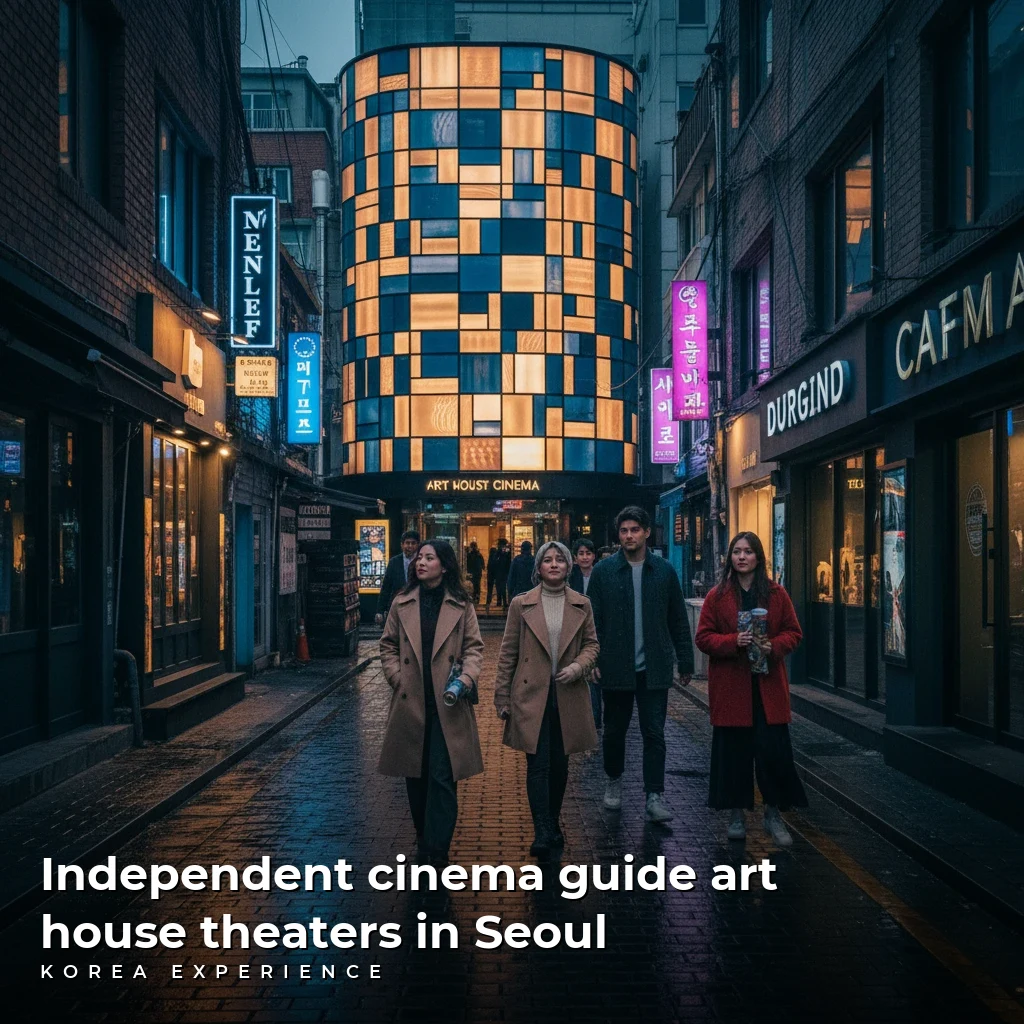
Independent Cinema Guide Art House Theaters in Seoul

Discover Seoul's thriving independent cinema scene. This guide explores the best art house theaters, offering unique films and cultural experiences beyond the mainstream.

Seoul, a city pulsating with K-culture, is widely known for its vibrant pop music, cutting-dge fashion, and of course, its groundbreaking cinema. While blockbusters and multiplexes dominate much of the public imagination, there exists a profound and thriving undercurrent: the world of independent cinema and art house theaters. For international travelers and expats seeking a deeper dive into Korea's cultural landscape, or simply a unique cinematic experience, this independent cinema guide to art house theaters in Seoul is your definitive resource.

Beyond the glitz of commercial releases, Seoul's art house theaters serve as vital hubs for creative expression, showcasing an eclectic mix of independent Korean films, international festival darlings, classic retrospectives, and thought-provoking documentaries. These venues are not just places to watch movies; they are cultural sanctuaries where film lovers gather, ideas are exchanged, and the diverse tapestry of global storytelling unfolds. If you're eager to uncover the authentic heartbeat of Korean film beyond the mainstream, understand local perspectives, and engage with cinematic art that challenges and inspires, then exploring Seoul's independent cinema scene is an absolute must. In this comprehensive guide, you will learn about the history and significance of these unique venues, discover essential art house theaters with practical details, gain tips for navigating showtimes and ticketing, and understand what makes the independent film experience in Seoul truly special.

The Allure of Seoul's Independent Cinema Scene

Seoul's independent cinema scene offers a compelling counter-narrative to the dominant forces of commercial filmmaking. It's a space where artistic integrity, diverse voices, and experimental storytelling take precedence. For visitors, delving into this world provides an unparalleled opportunity to connect with Korean culture on a more intimate and profound level, witnessing stories that often reflect societal nuances, personal struggles, and innovative artistic visions that might not find a home in larger, profit-driven theaters.

A Rich Cinematic Heritage

Korea boasts a globally recognized cinematic heritage, with directors like Bong Joon-ho ("Parasite"), Park Chan-wook ("Oldboy"), and Lee Chang-dong ("Burning") continually pushing boundaries and garnering international accolades. While these directors have achieved mainstream success, many began their careers within the independent circuit, honing their craft and developing their unique styles away from commercial pressures. The art house theaters in Seoul are the direct descendants of a long tradition of supporting such emerging talent and preserving the legacy of influential filmmakers. They are often the first to screen debut features from promising directors, offering a crucial platform that fosters the next generation of Korean cinema. This historical context imbues each screening with a sense of connection to a larger, ongoing artistic movement.

Beyond Blockbusters

While massive multiplexes showcase the latest Hollywood blockbusters and high-budget Korean films, independent cinemas offer an alternative. They provide a curated selection that prioritizes artistic merit, thematic depth, and innovative form over commercial appeal. This means you might find anything from a rarely seen classic of Korean cinema, a critically acclaimed independent film from Europe, a documentary exploring a pressing social issue, or an experimental short film from a local artist. For an international audience, this diversity is particularly enriching. It's a chance to witness Korean society through the eyes of its independent filmmakers, explore global narratives, and engage with cinema as a true art form. These theaters are also frequently involved in promoting film literacy, hosting discussions, and creating an educational environment around film appreciation.

Essential Art House Theaters in Seoul

Seoul is home to a robust network of independent cinemas, each with its own character, programming focus, and loyal following. Here's a closer look at some of the most prominent and beloved art house theaters that are a must-visit for any film enthusiast.

Seoul Art Cinema (서울아트시네마)

Located in the heart of Jongno-gu, Seoul Art Cinema is arguably the most iconic and historically significant independent cinema in the city. Operating as a non-profit foundation, its primary mission is to screen classic films, organize retrospectives of influential directors (both Korean and international), and offer educational programs. It's a true cinematheque in the classical sense, dedicated to film preservation and scholarship. Screenings are often accompanied by insightful program notes, and discussions with critics or scholars are common. While the interior might feel a bit old-school, it exudes an authentic charm that serious cinephiles appreciate. Their schedule is a treasure trove of cinematic history, offering a rare opportunity to see masterpieces on the big screen.

  • Location Area: Jongno-gu
  • Specialty: Classic film retrospectives, international film series, educational programs.
  • Atmosphere: Serious, academic, dedicated to film history.

Cinematheque KOFA (한국영상자료원 시네마테크)

The Korean Film Archive (KOFA) operates its own state-of-the-art cinematheque in Mapo-gu, Sangam-dong. This is a vital institution for anyone interested in Korean film history, as KOFA is responsible for collecting, preserving, and restoring Korean films. Their cinematheque offers an incredible program of screenings, often free of charge, showcasing newly restored classics, themed retrospectives, and special exhibitions related to Korean cinema. It boasts excellent projection and sound facilities. Due to its archival focus, it's one of the best places to see historically significant Korean films, many with English subtitles. It also includes a museum dedicated to Korean film history and a research library.

  • Location Area: Mapo-gu (Sangam-dong)
  • Specialty: Korean film archives, restored classics, free screenings, film museum.
  • Atmosphere: Modern, educational, resource-rich.

IndieSpace (인디스페이스)

As its name suggests, IndieSpace, located in Jongno-gu, is Seoul's first cinema exclusively dedicated to screening independent Korean films. It plays a crucial role in supporting local independent filmmakers by providing a dedicated platform for their work. If you want to experience the cutting edge of contemporary Korean independent cinema – from experimental shorts to feature-length dramas and documentaries – IndieSpace is the place to be. It fosters a strong sense of community among filmmakers and audiences, often hosting director Q&As and talk sessions after screenings. It's a small, intimate theater, which enhances the feeling of connection to the film and its creators.

  • Location Area: Jongno-gu
  • Specialty: Exclusively independent Korean films, debut features, director Q&As.
  • Atmosphere: Intimate, community-focused, supportive of new talent.

Sangsangmadang Cinema (상상마당 시네마)

Part of the larger KT&G Sangsangmadang complex in Hongdae (Mapo-gu), this cinema is integrated into a vibrant cultural hub that also includes an art gallery, design store, and live music venue. Sangsangmadang Cinema has a reputation for its diverse and trendy programming, showcasing a mix of independent Korean films, critically acclaimed international films, and sometimes even unique animation. Its location in the youthful and artistic Hongdae neighborhood makes it a popular spot for a younger, creative crowd. The overall atmosphere of the complex is buzzing with artistic energy, making it a great place to spend an entire afternoon or evening exploring different facets of Korean contemporary art.

  • Location Area: Mapo-gu (Hongdae)
  • Specialty: Diverse independent films (Korean and international), art-house blockbusters, part of a cultural complex.
  • Atmosphere: Trendy, artistic, youthful, integrated with other cultural offerings.

Artnine (아트나인)

Perched on the 12th floor of a building in Dongjak-gu, Artnine offers a unique cinematic experience with stunning city views, especially from its adjoining cafe and rooftop terrace. This cinema is known for its carefully curated selection of independent and art house films, often focusing on new releases from around the world that might not get a wider distribution. It provides a more upscale and sophisticated atmosphere compared to some other independent theaters. Many patrons arrive early to enjoy a coffee or a meal with a view before their screening. Artnine often hosts special screenings, mini-film festivals, and talks, making it a destination for those seeking a premium art house experience.

  • Location Area: Dongjak-gu (near Isu Station)
  • Specialty: Curated international art house films, rooftop cafe with city views, sophisticated ambiance.
  • Atmosphere: Upscale, modern, scenic.

KU Cinematheque (KU시네마테크)

Affiliated with Konkuk University in Gwangjin-gu, KU Cinematheque is another excellent venue for independent and art house cinema. While it primarily serves the university community, it is open to the public and offers a consistently strong program of diverse films. You'll find a good mix of independent Korean works, international festival highlights, and sometimes even themed series. The tickets are often more affordably priced, especially for students, making it an accessible option for budget-conscious film lovers. Its location near a major university means it often attracts a vibrant and intellectually curious audience.

  • Location Area: Gwangjin-gu (Konkuk University area)
  • Specialty: University-affiliated, diverse independent films, affordable tickets, academic focus.
  • Atmosphere: Accessible, student-friendly, intellectually stimulating.

Finding showtimes, purchasing tickets, and understanding the logistics of independent cinema in Seoul is generally straightforward, even for international visitors. Here's a breakdown of how to navigate the system efficiently.

Online Resources and Apps

The most reliable way to find showtimes and plan your visit is through online platforms. Most independent theaters have their own websites (often with English language options or Google Translate compatibility), where they post their weekly or monthly schedules.

  • Individual Theater Websites: Always check the specific theater's website (e.g., Sangsangmadang Cinema, Artnine) for the most up-to-date schedule.
  • Online Ticketing Platforms: Major Korean ticketing sites like Yes24 and Naver Reservation often list showtimes for independent cinemas. While these sites are primarily in Korean, they are manageable with browser translation tools.
  • Social Media: Follow the theaters on Instagram or Facebook. They often post daily updates, special event announcements, and sometimes even offer English summaries of their programming.
  • Specialized Film Information Sites: Websites dedicated to Korean film news might aggregate information, but these are rarer for daily listings.

Ticket Booking and Pricing

Booking tickets for independent cinemas in Seoul is typically quite simple.

  • Online Booking: The most convenient method is to book tickets directly through the theater's website or an affiliated ticketing platform. You'll usually receive an e-ticket or a reservation number to show at the box office. Some sites might require a Korean phone number or local payment method, so purchasing at the venue can be an easier option for tourists.
  • On-Site Purchase: Tickets can always be purchased directly at the box office before the screening. It's advisable to arrive at least 15-30 minutes early, especially for popular films or weekend showings, to ensure you get a seat. Most independent theaters are relatively small, so sell-outs are more common than in large multiplexes.
  • Typical Prices: Standard adult ticket prices for independent cinemas usually range from 10,000 KRW to 15,000 KRW. Some special screenings, film festivals, or longer films might be slightly more. Student discounts are almost always available with a valid student ID (international student IDs are often accepted, but it's good to double-check). Cinematheque KOFA often has free screenings for archived films.

Membership Programs and Discounts

Many independent theaters offer membership programs. While primarily aimed at local audiences, these can sometimes provide benefits like discounted tickets, early access to special events, or loyalty points. For a short-term visitor, this might not be practical, but for expats living in Seoul, it's worth inquiring about. Additionally, some theaters partner with specific credit cards or cultural organizations for promotional discounts, so keep an eye out for these notices at the box office.

The Unique Experience of Seoul's Art Houses

Attending a screening at one of Seoul's art house theaters is more than just watching a movie; it's an immersive cultural experience that offers something distinct from the mainstream.

Diverse Film Programming

The most obvious draw is the exceptional diversity of films on offer. Unlike multiplexes that focus on commercially viable genres, art houses curate their selections with artistic merit, cultural relevance, and unique perspectives in mind. You might discover:

  • Independent Korean Films: From gritty urban dramas to poetic rural narratives, these films offer raw and authentic glimpses into contemporary Korean society, often tackling themes unseen in mainstream media.
  • International Festival Favorites: Award-winning films from Cannes, Berlin, Venice, and other major festivals that might not receive wide distribution in your home country.
  • Classic Retrospectives: Opportunities to see masterpieces of world cinema or delve deep into the filmography of a legendary director.
  • Documentaries: Hard-hitting social commentaries, intimate portraits, or environmental investigations that broaden your understanding of global issues.
  • Experimental Films: Works that challenge traditional narrative structures and cinematic forms, pushing the boundaries of what film can be.

Director Q&As and Special Events

Many art house theaters regularly host special events that enrich the viewing experience. These often include:

  • Director or Actor Q&As: After a screening, the director, sometimes accompanied by cast members, will participate in a question and answer session with the audience. This provides invaluable insight into the filmmaking process, the intentions behind the story, and the challenges faced during production. For international visitors, while these are usually in Korean, some theaters might provide basic interpretation or, at the very least, it's fascinating to observe the interaction and passion of the filmmakers and audience.
  • Panel Discussions: Experts, critics, or scholars may lead discussions related to the film's themes, historical context, or artistic significance.
  • Mini-Film Festivals: Theaters often collaborate to host small festivals dedicated to a specific country's cinema, a particular genre, or emerging filmmakers.
  • Lectures and Workshops: Some venues offer educational opportunities for those interested in deeper film analysis or even filmmaking techniques.

Community and Cultural Hubs

Independent cinemas are often more than just screening rooms; they function as genuine cultural hubs. They foster a sense of community among film enthusiasts, local artists, and intellectuals. You'll find patrons lingering in the lobbies, discussing films, or debating cinematic theories. This atmosphere of engagement and shared passion is a refreshing contrast to the often impersonal experience of a large commercial cinema. It's a place where you can genuinely feel the pulse of Seoul's intellectual and artistic scene. Many of these theaters also have associated cafes or bookshops, encouraging patrons to extend their visit and engage further with the cultural offerings.

Cafe and Lounge Culture

A distinctive feature of many independent cinemas in Seoul is their inviting cafe or lounge areas. Places like Artnine boast stunning views from their cafes, making them perfect for pre- or post-screening relaxation. Even smaller venues like IndieSpace often have cozy spaces where you can grab a coffee, read program notes, or simply soak in the artistic ambiance. These cafes are not just concession stands; they are integral parts of the overall cultural experience, offering a comfortable environment for reflection and discussion. It's common to see people working on laptops, reading, or meeting friends, further cementing these cinemas as community spaces.

Practical Tips for Independent Film Enthusiasts

To make your independent cinema experience in Seoul as smooth and enjoyable as possible, keep these practical tips in mind.

Language Barrier Considerations

One of the most common questions for international visitors is about English subtitles.

  • Korean Independent Films: Many contemporary independent Korean films screened at venues like IndieSpace, Sangsangmadang Cinema, or KU Cinematheque do offer English subtitles, especially those that have played at international film festivals. However, it's not a universal guarantee. Always check the specific movie listing on the theater's website. Look for "ENG" or "English subtitles" in the program details.
  • International Films: Films from other countries (e.g., French, Japanese) will almost always be screened with their original audio and Korean subtitles. English subtitles for these might be rare, so check carefully if you don't understand Korean.
  • Classic Films and Retrospectives: At places like Seoul Art Cinema or Cinematheque KOFA, the availability of English subtitles for older Korean classics or obscure international films can be hit or miss. KOFA, due to its archival mission, often provides them for their Korean films, but always verify.

Tip: If English subtitles aren't available, don't let it deter you entirely. Sometimes, experiencing the visual storytelling, sound design, and performances can still be incredibly rewarding, especially for films that are less dialogue-heavy.

Transportation and Accessibility

Seoul's independent cinemas are generally well-connected by the city's excellent public transportation system (subway and bus).

  • Subway: Most theaters are within a reasonable walking distance of a subway station. For example, IndieSpace and Seoul Art Cinema are near Jongno 3-ga Station, Sangsangmadang Cinema is easily accessible from Hongdae University Station, and Artnine is close to Isu Station.
  • KakaoMap/Naver Map: Use these apps for navigation (they are generally more accurate in Korea than Google Maps for public transport directions). Input the theater's name in English, and the apps will provide detailed public transport routes.
  • Accessibility: Most newer or renovated theaters offer good accessibility for those with mobility challenges. Older venues might have stairs, so it's best to check with the specific theater if you have concerns.

Exploring Surrounding Neighborhoods

A visit to an independent cinema can be part of a larger cultural outing. Many of these theaters are located in vibrant neighborhoods rich with other attractions:

  • Jongno-gu (IndieSpace, Seoul Art Cinema): Explore historic Insadong for traditional crafts and tea houses, or the bustling streets of Jongno for street food and cafes.
  • Mapo-gu (Sangsangmadang Cinema, Cinematheque KOFA): Immerse yourself in the youthful energy of Hongdae with its street art, live music, trendy shops, and cafes. Sangam-dong (KOFA) is a media city with impressive architecture.
  • Dongjak-gu (Artnine): Enjoy the panoramic views and upscale cafes, then explore the local eateries and markets around Isu Station.
  • Gwangjin-gu (KU Cinematheque): Experience the university district vibe around Konkuk University, known for its fashion streets and diverse dining options.

Pairing a film screening with exploration of the surrounding area truly enhances the overall experience and allows you to delve deeper into Seoul's multifaceted character.

Etiquette and Cultural Nuances

Cinema etiquette in Korea is generally respectful and quiet.

  • Silence: Audiences are typically very quiet during screenings. Avoid talking, using your phone, or making disruptive noises.
  • Food and Drink: While some theaters allow outside food, it's generally frowned upon, especially if it's noisy or odorous. Stick to snacks and drinks purchased at the cinema's concession stand or cafe.
  • Punctuality: Arrive on time. Screenings usually start promptly, and latecomers might not be admitted until a suitable break.
  • Respectful Viewing: Engage with the film thoughtfully. These venues are for serious film appreciation, and the atmosphere reflects that.

The Future of Independent Cinema in Korea

The landscape of independent cinema, both globally and in Korea, is constantly evolving. Despite challenges from streaming services and commercial blockbusters, Seoul's art house theaters continue to adapt and thrive, playing a crucial role in the cultural ecosystem.

Digital Transformation

The shift from film reels to digital projection has made independent cinema more accessible and cost-effective for theaters. It allows for a wider variety of content to be screened and simplifies the logistics of programming. However, it also presents challenges in terms of preserving film history and the unique aesthetic of celluloid. Many art houses balance this by occasionally hosting special 35mm screenings to honor the traditional format. The rise of digital platforms also means more opportunities for independent filmmakers to find an audience, though the communal experience of the theater remains irreplaceable.

Government Support and Film Festivals

The Korean government and various cultural foundations actively support the independent film industry through grants, funding for film production, and subsidies for art house theaters. Organizations like the Korean Film Council (KOFIC) play a vital role in ensuring the sustainability of this sector. Furthermore, Korea is renowned for its vibrant film festival scene, with the Busan International Film Festival leading the way. Many independent films that screen at Seoul's art houses first gain recognition at these major festivals, highlighting the interconnectedness of the industry. Supporting art houses is supporting the entire chain of film production and appreciation.

A Growing Global Audience

With the global explosion of K-culture, there's an increasing international appetite for diverse Korean content beyond the mainstream. Independent films offer authentic insights that resonate with global audiences seeking genuine cultural exchange. As more international travelers and expats discover Seoul's independent cinema scene, it reinforces its importance and contributes to its continued growth and innovation. This increasing demand from a varied audience helps push theaters to offer more subtitled screenings and expand their international programming.

Call for Community Engagement

The future of independent cinema largely relies on community engagement. These theaters are not just businesses; they are vital cultural institutions. By attending screenings, participating in Q&As, and sharing your experiences, you directly contribute to their longevity and success. They offer a unique lens through which to view Korean society and connect with the global artistic community, making them indispensable components of Seoul's dynamic cultural identity.

Independent TheaterLocation AreaPrimary FocusAvg. Ticket Price (KRW)English Subtitles (Korean Films)
Seoul Art CinemaJongno-guClassic films, retrospectives, film education12,000Limited, check program
Cinematheque KOFAMapo-gu (Sangam)Korean film archives, restored classicsFreeOften, check program
IndieSpaceJongno-guContemporary independent Korean films10,000Often, check program
SangsangmadangMapo-gu (Hongdae)Diverse indie, international art house12,000-15,000Often, check program
ArtnineDongjak-guCurated international art house, new releases13,000-15,000Less common for Korean films
KU CinemathequeGwangjin-guAcademic, diverse indie, student-friendly10,000Often, check program
Film Content TypeDescriptionExample Genres / ThemesTarget Audience
Korean IndependentFilms by emerging directors, unique perspectives on Korean society.Social realism, personal dramas, experimental shortsThose interested in authentic Korean stories, local talent
International Art HouseCritically acclaimed films from global festivals, diverse cultural contexts.European dramas, Asian independent films, world cinemaGlobal cinephiles, those seeking non-Hollywood narratives
Classic Film RetrospectivesRevived screenings of historical and culturally significant films.Golden age Korean cinema, acclaimed foreign classicsFilm historians, classic movie buffs, students
DocumentariesNon-fiction films exploring social, political, or environmental issues.Investigative journalism, biographical films, cultural docsViewers seeking intellectual stimulation, current affairs
Experimental/Avant-GardeFilms that challenge traditional narrative and cinematic forms.Abstract visuals, non-linear storytelling, artistic studiesAdventurous viewers, film students, artists

FAQ Section

Q1: Are films in Seoul's independent cinemas usually subtitled in English?

A1: For contemporary Korean independent films, English subtitles are quite common, especially if the film has played at international festivals. For older Korean classics or international films from non-English speaking countries, English subtitles are less guaranteed. Always check the specific movie listing on the theater's website for "ENG" or "English subtitles" information before your visit.

Q2: What's the best way to find current showtimes for independent films?

A2: The most reliable method is to check the individual theater's official website. Many have English options or are manageable with browser translation tools. Following their social media accounts (Instagram, Facebook) is also useful for daily updates and special announcements. Korean ticketing apps like Naver Reservation or Yes24 also list some independent cinema schedules.

Q3: Are tickets for independent films expensive compared to regular cinemas?

A3: No, tickets are generally comparable to or slightly less expensive than mainstream multiplexes. Expect to pay between 10,000 KRW and 15,000 KRW for a standard adult ticket. Student discounts are often available with a valid ID, and some theaters like Cinematheque KOFA even offer free screenings for their archival content.

Q4: Can I buy tickets at the door, or do I need to book in advance?

A4: You can usually buy tickets at the box office on the day of the screening. However, since independent theaters are often smaller, seats can sell out quickly, especially for popular films or on weekends. It's recommended to arrive 15-30 minutes early, or if possible, book online in advance to guarantee your seat, though online booking might sometimes require a Korean phone number or payment method.

Q5: What's the main difference between a "Cinematheque" and an "IndieSpace"?

A5: A "Cinematheque" (like Seoul Art Cinema or Cinematheque KOFA) typically focuses on film preservation, screening classic films, retrospectives, and educational programs, often with an archival or academic mission. An "IndieSpace" (like IndieSpace) is specifically dedicated to screening and promoting contemporary independent films, often supporting emerging local talent and providing a platform for current indie productions. Both contribute to the independent film scene but have slightly different focuses.

Conclusion

Exploring the independent cinema scene in Seoul is an immensely rewarding experience for any international traveler or expat looking to delve deeper into the city's rich cultural fabric. Beyond the glossy surface of mainstream entertainment lies a vibrant world of artistic expression, critical thought, and diverse storytelling. From the historic archives of Cinematheque KOFA to the cutting-edge Korean indie films at IndieSpace, and the sophisticated international selections at Artnine, each art house theater offers a unique window into the soul of cinema.

By stepping into these intimate venues, you're not just watching a film; you're supporting local artists, engaging with thought-provoking narratives, and becoming part of a passionate community of film lovers. You'll gain fresh perspectives on Korean society, discover global cinematic masterpieces, and find a quiet refuge for reflection amidst the bustling energy of Seoul. So, grab your subway map, check the latest schedules, and embark on a cinematic journey that promises to enrich your understanding of Korea and the art of filmmaking. The reels are spinning, and a world of independent narratives awaits your discovery. Don't miss the opportunity to experience this vital, authentic side of Seoul's K-culture.

About the Author

Korea Experience Team

Written by the Korea Experience editorial team - experts in Korean medical tourism, travel, and culture with years of research and firsthand experience.

⚠️ Medical Disclaimer

The information provided on this website is for general informational purposes only and does not constitute medical advice. Always consult with qualified healthcare professionals before making any medical decisions.

Continue Reading

Explore more articles you might find interesting