Insadong traditional crafts and souvenirs: A buyer's guide 2026
Discover the best Insadong traditional crafts and souvenirs in 2026. From authentic hanji paper to celadon ceramics, find prices and hidden shops here.
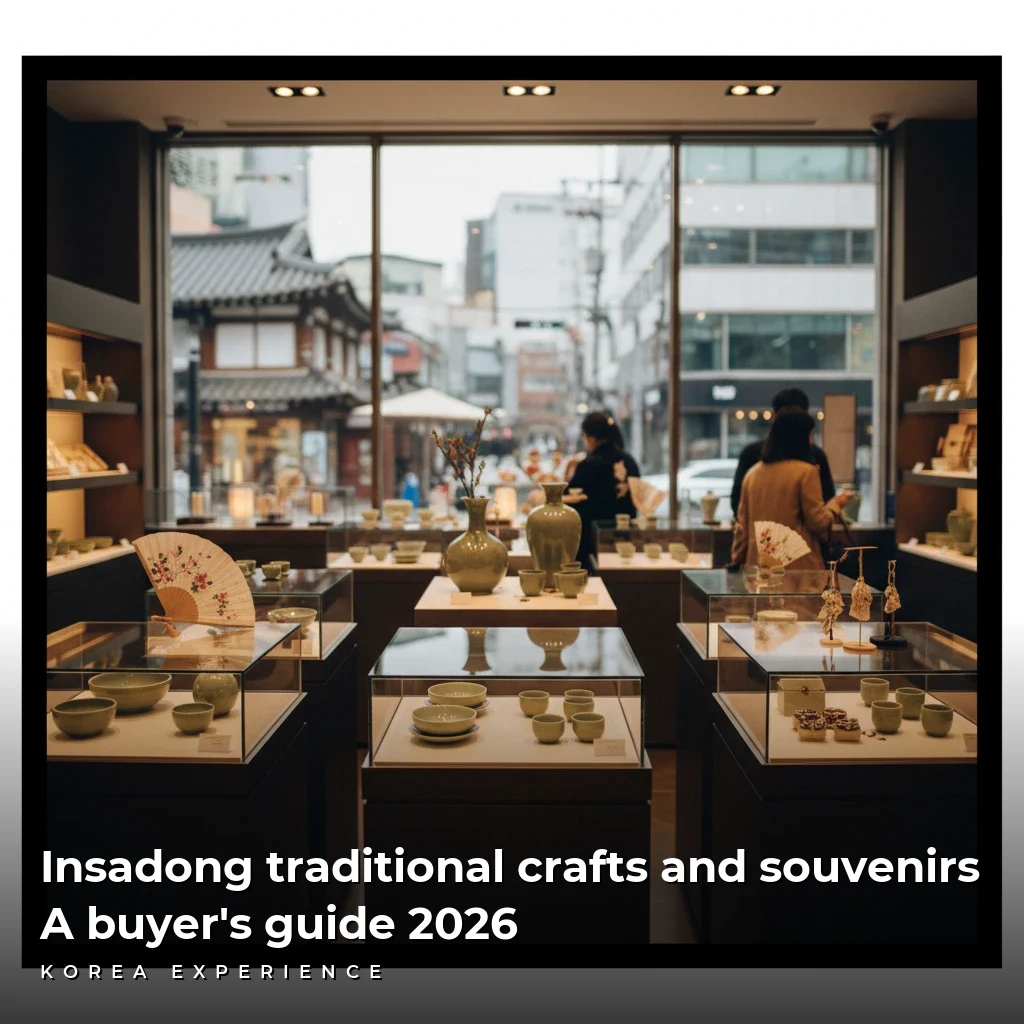
If you are looking for authentic Korean heritage items, Insadong is the undisputed cultural capital of Seoul, but navigating its mix of genuine artisan workshops and mass-market souvenir stalls requires local knowledge. You will find everything from ₩1,000 ($0.75) keychains to ₩5,000,000 ($3,750) master-crafted ceramics along this 700-meter main street and its winding labyrinth of side alleys.
The short answer: For authentic Insadong traditional crafts and souvenirs, move away from the main drag into the side alleys (golmok) for artisan workshops, or visit the 2nd and 3rd floors of Ssamzigil for verified handmade goods. In 2026, the best value items are personalized Dojang stamps (30,000-₩50,000) and Hanji paper crafts, while Celadon ceramics remain the premium choice.
Key Takeaways
- 1Authentic artisan shops are mostly located in the narrow side alleys, not the main street.
- 2Personalized Dojang (stone stamps) take 30-40 minutes to carve and cost approx. ₩35,000.
- 3Look for the 'Made in Korea' certification sticker to avoid mass-produced imports.
- 4Most artisan shops open around 10:30 AM and close by 8:00 PM.
The Landscape of Insadong: What to Expect
Insadong-gil, the main thoroughfare, stretches roughly 700 meters from Tapgol Park to the Anguk-dong rotary. Historically, this area was home to government officials (yangban) during the Joseon Dynasty, which naturally attracted artists, craftsmen, and paper suppliers to service the elite. Today, despite modernization, it retains the highest density of traditional art galleries and craft shops in South Korea, with over 100 dedicated galleries and 60+ traditional teahouses packed into the district.
However, the commercialization of the area means a sharp divide in quality. The main street is often lined with vendors selling socks, magnets, and chopsticks that you might also find in Namdaemun Market. The true treasure hunt begins when you venture into the Insadong 8-gil, 10-gil, and 12-gil side streets, where rent is lower, allowing master craftsmen to maintain their workshops.
📋 Insadong Shopping Facts
Must-Buy Categories: A Detailed Breakdown
When shopping for Insadong traditional crafts and souvenirs, it helps to categorize your purchases by material and intent. Below are the primary categories that define the district's reputation.
1. Hanji (Traditional Korean Paper)
Hanji is paper handmade from the inner bark of the mulberry tree. Known for its durability—there is a Korean saying that "silk lasts five hundred years, but Hanji lasts a thousand"—it is an essential souvenir. In Insadong, you won't just find sheets of paper; you will find Hanji transformed into lamps, boxes, dolls, and stationary.
What to buy:
- Hanji Notebooks: Ranging from 8,000 to ₩15,000.
- Hanji Lamps: Small table lamps start at ₩40,000, while intricate artisan pieces can exceed ₩200,000.
- Craft Kits: DIY kits to make your own Hanji hand mirror or pencil holder usually cost between 10,000 and ₩20,000.
Pro Tip
Check the texture. Real Hanji has visible fibers and a soft, cloth-like feel. If the paper feels slick or brittle, it is likely machine-made pulp rather than authentic mulberry bark.
2. Ceramics: Celadon and Buncheong
Korea has a pottery history spanning thousands of years. Insadong serves as the primary retail outlet for kilns located in Icheon and Yeoju. You will primarily encounter two types: Goryeo Celadon (green-blue glaze) and Joseon White Porcelain (minimalist white).
Pricing tiers:
- Entry-level: Small teacups or sauce dishes (5,000 - ₩15,000). These are often mass-produced but still high quality.
- Mid-range: Tea sets for two (pot and cups) typically range from 50,000 to ₩120,000.
- High-end: Signed pieces by renowned masters start at ₩300,000 and can go up to tens of millions.
💵 Ceramics Price Comparison
Signed, hand-thrown, wood-fired kiln
Gas-fired kiln, durable for daily use
3. Dojang (Personalized Name Stamps)
Perhaps the most popular souvenir for international visitors is the Dojang. In Korea, these stamps are still used legally to sign contracts, but for tourists, they make excellent personalized gifts. You can choose the stone, the font, and even have a custom design carved on the side of the stone.
The process is fast and fascinating to watch. You select a stone from the shelf (prices vary by stone type, from simple wood to semi-precious jade-like stone), write down your name in English or Hangul, and the artisan carves it by hand or machine.
📖 How to Order a Custom Dojang
Step 1: Select Your Stone
Choose a stone base. Prices range from ₩30,000 to ₩100,000 depending on quality and pattern.
Step 2: Choose Your Script
Decide between seal script (ancient style) or standard Hangul. Most foreigners prefer their name translated into Korean phonetically.
Step 3: Wait for Carving
Hand-carving takes about 30-40 minutes. Machine carving takes 10 minutes but lacks the artisan touch.
4. Maedeup (Traditional Knots)
Maedeup is the art of Korean knotting, traditionally used to adorn Hanbok (traditional clothing) or furniture. These make for lightweight, affordable, and beautiful gifts. A simple Norigae (a hanging ornament with a tassel) can cost between 15,000 and ₩50,000 depending on the complexity of the knot and the quality of the silk thread.
If you are interested in how these accessories complement traditional clothing, you should check out our guide to Hanbok styles before shopping, so you know what colors and styles match best.
5. Najeon Chilgi (Mother of Pearl Lacquerware)
This craft involves inlaying iridescent abalone shells into lacquerware. It is incredibly labor-intensive. In Insadong, you will find jewelry boxes, business card holders, and compact mirrors featuring these designs.
- Business Card Holder: 20,000 - ₩35,000.
- Small Jewelry Box: 45,000 - ₩80,000.
- Authenticity Check: Tilt the item in the light. Authentic mother of pearl should shift colors (purple, green, pink). Painted plastic imitations will remain a static white or silver.
Major Shopping Venues in Insadong
While the whole district is a shopping zone, three specific locations anchor the experience.
Ssamzigil: The Spiral of Creativity
Opened in 2004, Ssamzigil is an open-air shopping complex where a single walkway spirals from the ground floor to the roof, meaning you can visit every shop without using stairs. It houses over 70 small workshops. This is the best place for "modern traditional" items—crafts that use traditional techniques but feature contemporary, cute, or functional designs.
Ssamzigil(쌈지길)
Anyoung Insadong: The Modern Challenger
Located near the entrance of Insadong (closer to Anguk Station), this newer complex offers a more polished, premium experience. It features high-end curated shops, the Line Friends store (for K-pop fans), and cleaner facilities. It is less "gritty" than the alleys but excellent for finding high-quality gifts in a comfortable environment with air conditioning—a blessing during the humid Korean summer.
The Side Alleys (Golmok)
This is where the E-E-A-T (Experience, Expertise, Authoritativeness, and Trustworthiness) of Insadong truly lives. The alleys branching off the main street house the oldest galleries and antique shops. If you are looking for a celadon vase that costs ₩1,000,000 or an antique wooden duck (wedding duck), this is where you go.
"Don't be afraid to walk into the shops that look like museums. The owners in the side alleys of Insadong 12-gil are often eager to explain the history of their wares, even if you don't buy. It is where you find the soul of the district, not just the sales."
Authenticity vs. Mass Production
One of the biggest challenges for visitors in 2026 is distinguishing between genuine Korean crafts and mass-produced imports. Statistics suggest that up to 40% of the low-cost souvenirs (keychains, magnets, cheap metal bookmarks) on the main street are imported.
How to spot the difference:
- Price: A hand-painted fan cannot cost ₩5,000. Authentic Hapjukseon (bamboo folding fans) start at roughly ₩30,000.
- Origin Sticker: Look for "Made in Korea" or the specific artisan's seal. "Designed in Korea" often implies manufactured elsewhere.
- Imperfections: In ceramics and handmade paper, slight irregularities are a sign of handmade authenticity, whereas perfect uniformity suggests factory molding.
Street Stalls vs. Artisan Workshops
- ✓Street: 50% cheaper prices
- ✓Street: Great for bulk small gifts (magnets/socks)
- ✓Workshop: Guaranteed 'Made in Korea'
- ✓Workshop: Story behind every item
- ✗Street: Mostly imported goods
- ✗Street: Lower durability
- ✗Workshop: Fixed prices (harder to bargain)
- ✗Workshop: Limited stock availability
Budgeting for Your Trip
To help you plan, here is a realistic budget breakdown for typical souvenirs in 2026. Prices have risen slightly due to inflation, so 2024-2025 guides might be outdated.
- Small Gifts (Coworkers/Acquaintances): 5,000 - ₩10,000 per item.
- Items: Metal bookmarks, decorative chopsticks, socks.
- Medium Gifts (Friends/Family): 30,000 - ₩60,000 per item.
- Items: Personalized dojang, quality tea cups, najeon chilgi business card holder.
- Special Keepsakes (Yourself/Partner): 100,000 - ₩300,000.
- Items: Complete tea set, large celadon vase, handmade Hanji lamp.
If you are buying multiple items, especially in the open market stalls or independently owned shops, bargaining is acceptable but requires tact. For a deep dive on how to do this respectfully, read our article on bargaining culture in Korea.
A Recommended Walking Itinerary
To maximize your efficiency and see the best of Insadong Traditional Crafts And Souvenirs without backtracking, follow this linear route. The total distance is about 1.2 kilometers and takes roughly 2 to 3 hours depending on your shopping speed.
The Insadong Craft Route
Start at Anguk Station
Exit 6. Start at the North end of Insadong-gil. Visit the Tourist Information Center for a free map.
Anyoung Insadong
Browse the premium shops on the 1st and 2nd floors. Great for high-end stationary.
Ssamzigil Complex
Walk the spiral. Stop at the caricature shop and the handmade music box store.
Lunch & Tea
Duck into a side alley for lunch, followed by traditional tea.
Antique Alley
Explore the deeper alleys near the south end for ceramics and old books.
Where to Take a Break: Traditional Teahouses
Shopping in Insadong is physically demanding. The crowds can be dense, especially on weekends when the street is closed to vehicles. A vital part of the Insadong experience is stopping at a Chatjip (Traditional Tea House).
You should order Omija-cha (Five-flavor berry tea) or Daechu-cha (Jujube tea). These teas are thick, rich, and medicinal, often served with traditional hangwa (rice snacks).
Shin Old Tea House(신옛찻집)
If you have a sweet tooth and want to explore more options nearby, check our guide to best dessert cafes in Seoul, which includes some traditional fusion spots in the area.
Feature Comparison: Choosing the Right Souvenir
If you are limited by luggage space or budget, here is how the top three souvenir categories compare.
Souvenir Suitability Guide
| Feature | Ceramics | Hanji Crafts | Dojang Stamp |
|---|---|---|---|
| Durability | Fragile | Medium | High |
| Luggage Space | Bulky | Compact | Tiny |
| Customizable | No | Rarely | Yes |
| Price Point | $$$ | $$ | $$ |
Practical Tips for Shoppers
Tax Refunds
Most formal shops in Insadong (including those in Ssamzigil and Anyoung Insadong) offer "Immediate Tax Refund" for purchases between ₩30,000 and ₩500,000. You must present your physical passport at the time of purchase. The tax (approx. 6-7% refund value) is deducted instantly. For street stalls, this is usually not possible.
Payment Methods
While credit cards are widely accepted, carrying cash is advisable for:
- Street food vendors (Hotok, Ddongbbang).
- Bargaining in antique shops (cash often secures a better discount).
- Small accessory stalls.
Accommodation
Many travelers choose to stay in Insadong to be close to the action. The area is quiet at night as shops close early (around 8-9 PM). If you are considering staying here, review our insights on accommodation near traditional markets to see if the vibe suits your travel style.
📊 Insadong Visitor Stats
Conclusion
Insadong remains the beating heart of traditional Korean culture in Seoul. While modernization has brought convenience stores and cosmetic shops to the main street, the spirit of the artisan is alive and well in the side alleys and workshops. By focusing on the "Big Four" souvenirs—Hanji, Ceramics, Dojang, and Maedeup—and distinguishing between mass-market trinkets and genuine craftsmanship, you ensure that your souvenirs carry the true story of your Korean journey.
Whether you spend ₩10,000 or ₩1,000,000, the value of Insadong traditional crafts lies in their connection to a history that values patience, nature, and beauty.
❓ Frequently Asked Questions
Have more questions?Contact us →
About the Author
Korea Experience Team
Written by the Korea Experience editorial team - experts in Korean medical tourism, travel, and culture with years of research and firsthand experience.
Explore more in Shopping & K-Beauty
From Olive Young hauls to Myeongdong shopping tips — discover the best K-Beauty products, fashion trends, and shopping destinations in Korea.
Browse All Shopping & K-Beauty ArticlesContinue Reading
Explore more articles you might find interesting
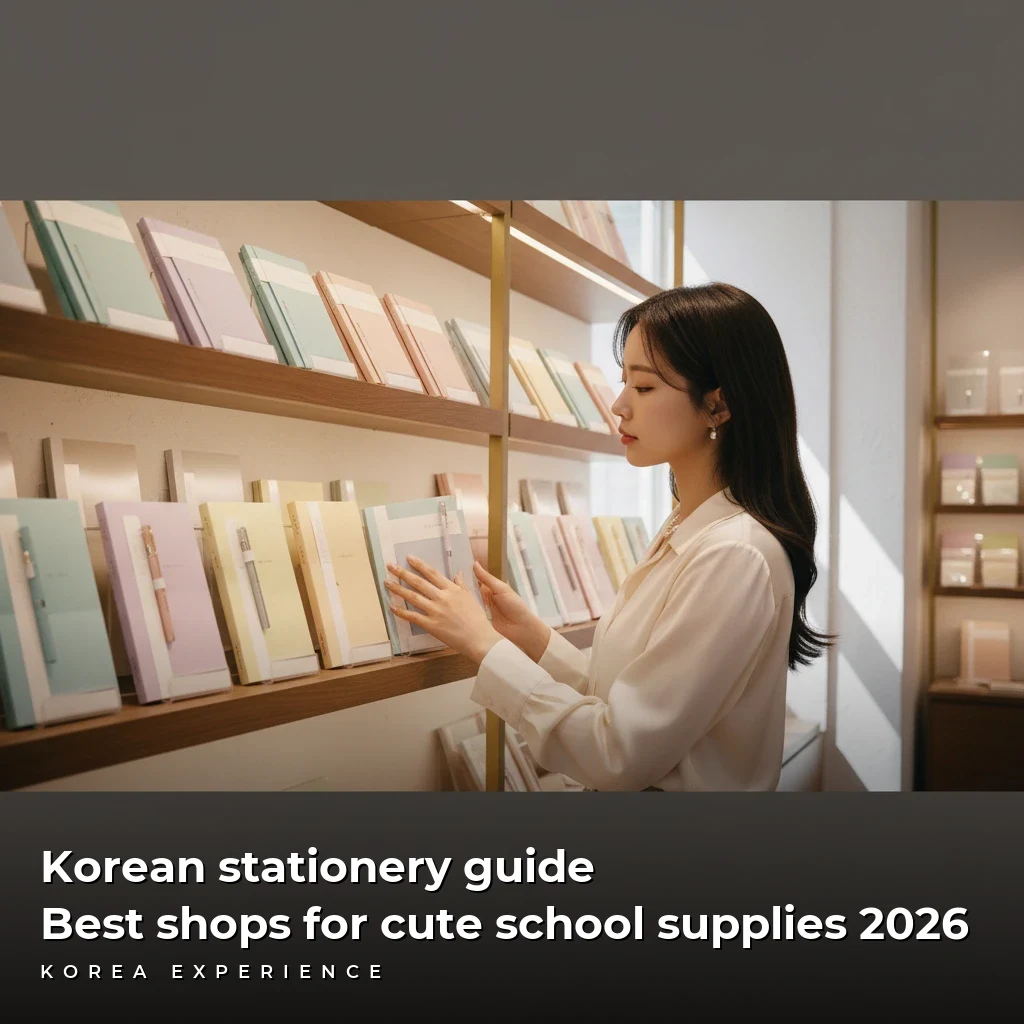
Discover Seoul's best stationery shops from Artbox to Point of View. Find prices, locations, and top souvenirs starting at ₩1,000 in our 2026 guide.

Discover the top Korean candle brands and fragrance shops in Seoul. From Granhand to Tamburins, find the perfect scent souvenir. Prices start at ₩15,000.
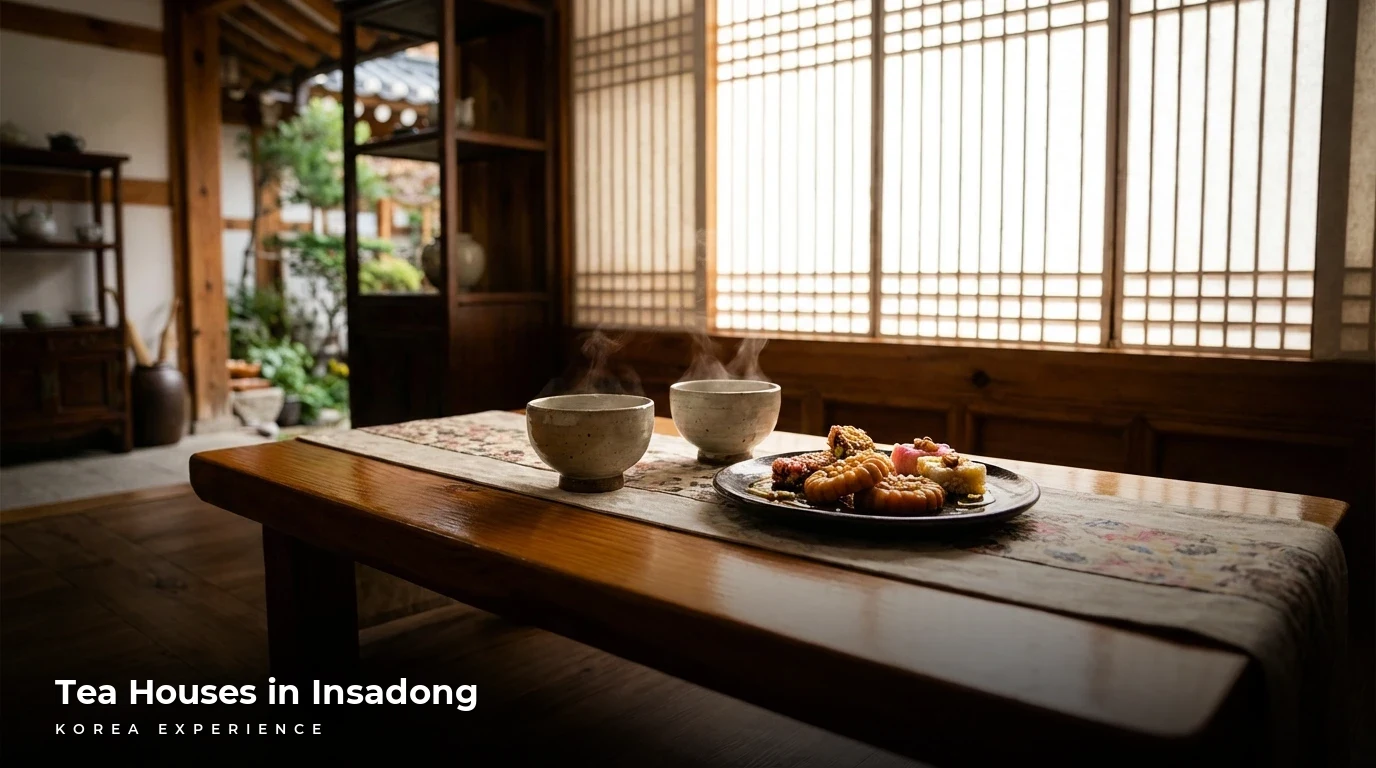
Discover Seoul's soul in 2026 with 100-year-old Hanoks and healing teas starting at 9,000 KRW. Find the best hidden spots away from the main street crowds.
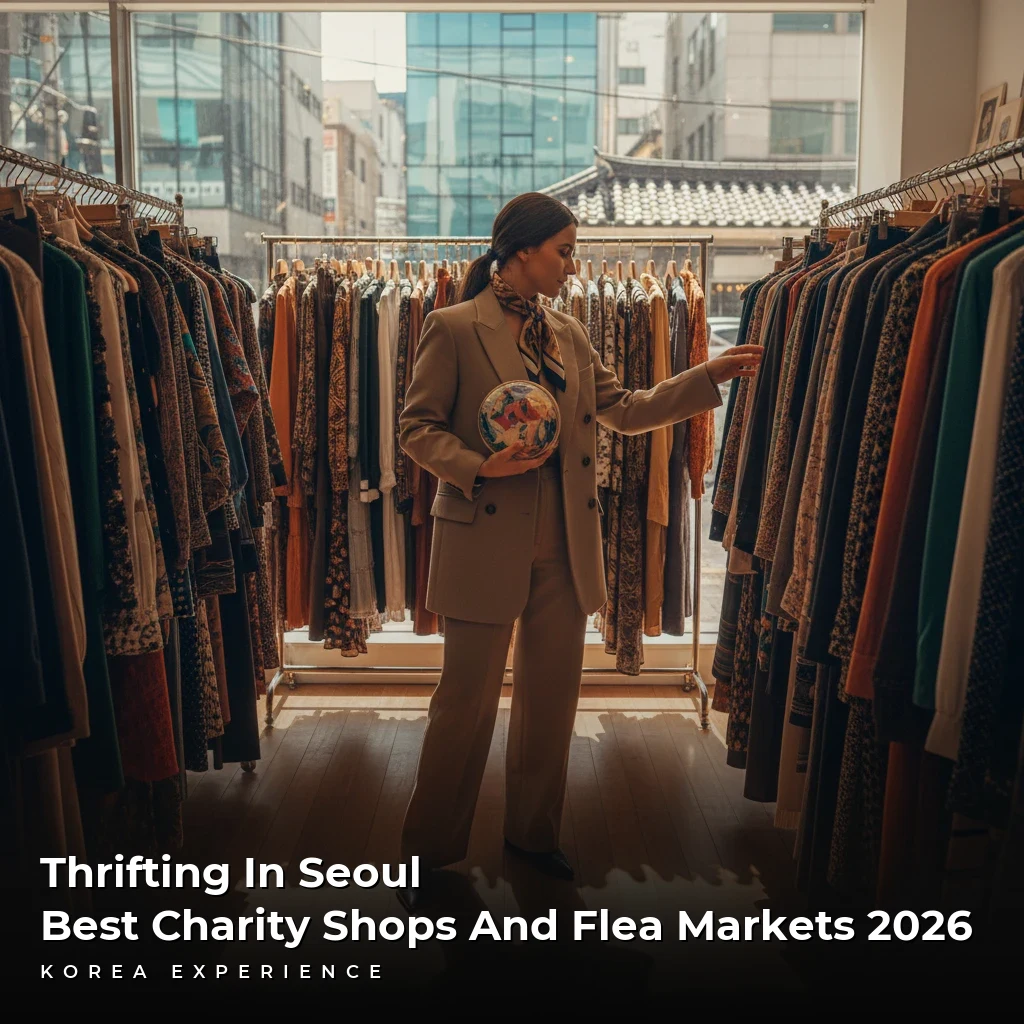
Discover the best thrifting in Seoul for 2026. From Dongmyo's $1 piles to Seongsu's vintage boutiques, find hidden gems and luxury brands for under ₩50,000.
Discover where to buy modern Hanok decor in Seoul. From handmade Soban tables ($150) to minimalist ceramics, find the best artisan shops and shipping tips.
Find the best English books in Seoul. From Kyobo Gwanghwamun's massive collection to hidden gems in Itaewon, here is your 2026 guide with prices and maps.