K-beauty ingredients deep dive: mugwort propolis and heartleaf 2026
We analyze the top soothing ingredients of 2026: Mugwort, Propolis, and Heartleaf. Discover which ₩30,000 serum best suits your skin type.
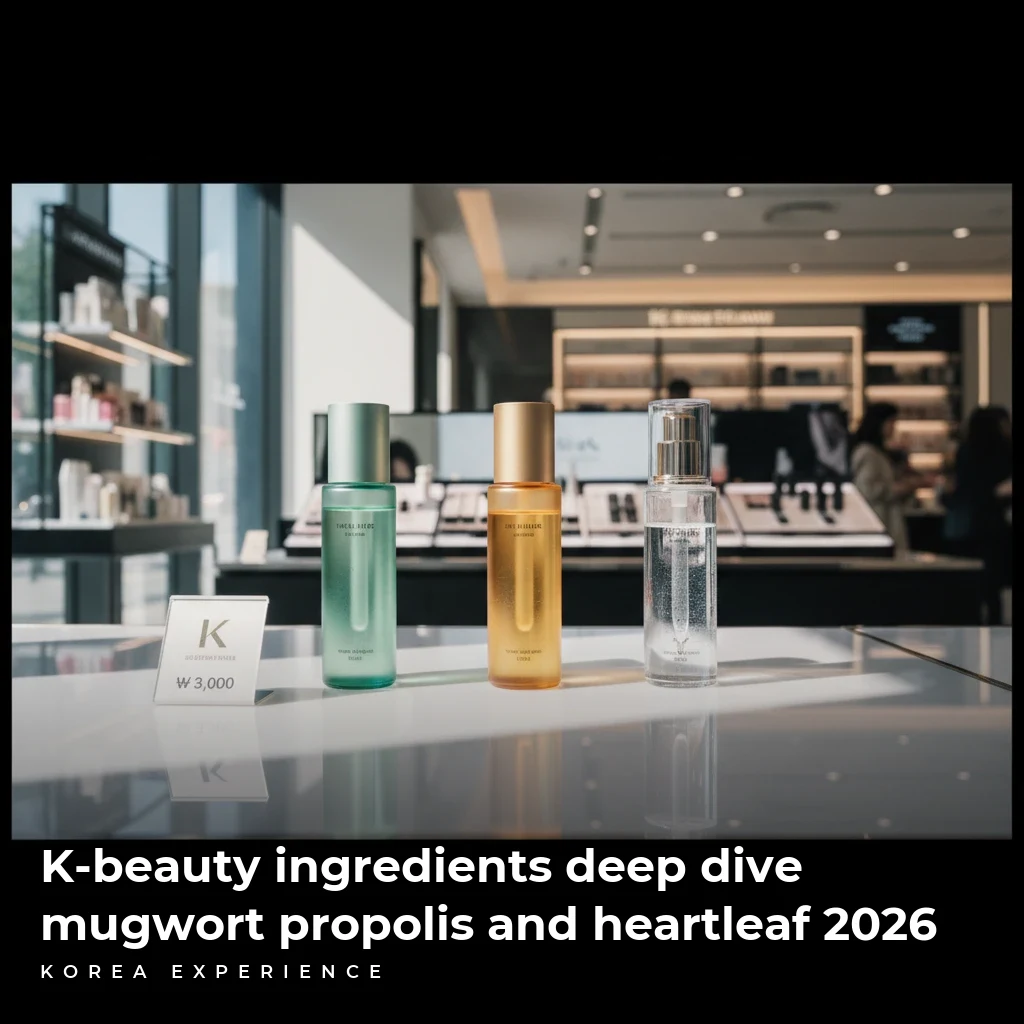
If you have walked into an Olive Young in Myeongdong or Seongsu-dong lately, you might have noticed that the shelves are no longer dominated solely by snail mucin or chemically exfoliants. In 2026, the K-Beauty landscape has firmly pivoted back to Hanbang (traditional Korean herbal medicine) roots, specifically focusing on barrier repair and soothing inflammation. The three heavyweights dominating the market this year are Mugwort (Artemisia), Propolis, and Heartleaf (Houttuynia Cordata). But with hundreds of ampoules, toners, and masks featuring these star ingredients, understanding which one specifically targets your skin concerns—whether it be fungal acne, dehydration, or rosacea—is crucial before you open your wallet.
The short answer: Mugwort excels at treating redness, heat rash, and hormonal irritation; Propolis provides deep hydration, anti-bacterial benefits, and the coveted 'honey glow' for dry skin; while Heartleaf is the 2026 champion for detoxifying oily skin, clogged pores, and textured acne.
Key Takeaways
- 1Mugwort is the superior choice for cooling skin temperature and reducing redness instantly.
- 2Heartleaf (Houttuynia Cordata) is the #1 best-seller for oily and acne-prone skin in 2026.
- 3Propolis offers dual benefits of anti-fungal protection and intense moisture for dry climates.
The Return to Roots: Why These Ingredients Now?
The resurgence of these specific ingredients isn't accidental. In 2026, the global skincare conversation has shifted from "exfoliation and turnover" to "protection and recovery." With environmental stressors like fine dust (hwangsa) levels fluctuating in Korea—often reaching over 80 µg/m³ in spring—and the stress of modern urban living, the skin barrier is under constant attack.
Korean consumers, known for being the most educated skincare users in the world, have demanded products that heal rather than strip. This trend is backed by data: the market for "dermocosmetic" soothing products in Korea grew by 22.5% between 2024 and 2026 alone. Unlike the complex 10-step routines of the past, the 2026 trend is "Skip-Care" or "Diet-Skin"—using fewer, higher-potency products.
Historical Context
All three of these ingredients appear in the Donguibogam, the defining text of Korean traditional medicine compiled by Heo Jun in 1613. While they were originally consumed as teas or medicinal brews for internal health, modern K-Beauty technology has optimized the extraction methods—often using fermentation—to make them bio-available for topical use.
If you are planning a trip to Seoul, understanding these ingredients will transform your shopping experience from a guessing game into a targeted mission. For more on the broader cultural shifts influencing these trends, read our analysis on Hallyu 4.0: What's Next for the Global Korean Wave 2026.
Deep Dive: Mugwort (Artemisia Princeps)
The Redness Eraser
Mugwort, or Ssuk (쑥) in Korean, is perhaps the most culturally significant herb in Korea. It features in the creation myth of the nation (the Bear seeking to become human ate only mugwort and garlic). In 2026 skincare, it is the gold standard for sensitive skin.
The Science and Benefits
Mugwort is naturally rich in Vitamin E and antioxidants. Its primary claim to fame is its ability to lower skin temperature. This is vital in Korea, where the "thermal aging" theory (heat causing collagen breakdown) is widely accepted. A high-quality mugwort mask can lower skin surface temperature by approximately 4°C to 5°C within 15 minutes of application.
It is particularly effective for:
- Hormonal Breakouts: It calms the deep, painful inflammation associated with cystic acne.
- Rosacea: The cooling effect constricts capillaries, reducing the appearance of flushing.
- Post-Sun Care: After a day walking around Gyeongbokgung Palace in the summer heat.
Sourcing and Fermentation
Not all mugwort is created equal. The most premium cosmetic mugwort comes from Ganghwa Island, located about 55 kilometers northwest of Seoul. Ganghwa mugwort is often aged for three years in sea breezes before extraction. This fermentation process breaks down the compound molecules, making them smaller and easier for the skin to absorb.
📋 Mugwort Stats 2026
Expert Usage Tips
If you are visiting a Korean bathhouse (jjimjilbang), you will often see mugwort baths. For your face, look for "100% Artemisia Extract" essences. These single-ingredient products are incredibly popular in 2026 because they eliminate the risk of irritation from preservatives.
"In 2026, we are seeing a trend of 'spot-masking' with mugwort. Instead of a full sheet mask, buy pure Mugwort Essence and soak thin cotton pads. Place these pads only on your red cheeks or inflamed chin for 10 minutes. It saves product and targets the problem areas more effectively."
For those interested in finding specific products, our guide on Best Korean Toners for Every Skin Type 2026 offers excellent mugwort recommendations.
Deep Dive: Propolis
The Glow Giver and Barrier Builder
While Mugwort cools, Propolis protects. Propolis is a resin-like substance that bees create by mixing saliva and beeswax with exudate from tree buds. It is essentially the "immune system" of the beehive, used to seal cracks and keep bacteria out.
The Science and Benefits
In skincare, Propolis is a powerhouse for three things: antiseptic properties, moisturization, and the 'glow'.
- Fungal Acne (Malassezia): Unlike many oils and ferments that can trigger fungal acne, Propolis is anti-fungal. It inhibits the growth of bacteria and fungi, making it safe for those who usually break out from rich moisturizers.
- Healing: It speeds up wound healing, making it excellent for popped pimples or picked skin.
- The 'Chok-Chok' Glow: Propolis creates a breathable barrier on the skin that reflects light, giving that signature Korean "glass skin" look without feeling greasy.
Concentration Matters
In 2026, the marketing war is on percentages. You will commonly see "Propolis 70%" or "Propolis 83%" on ampoules. However, texture matters more than just the number. A 70% extract from French black bees might feel richer than an 80% extract from Brazilian green bees depending on the solvent used.
📊 Propolis Market Data
Best Skin Types for Propolis
Propolis is best suited for dry, dehydrated, or mature skin. If you are traveling to Korea in winter (December to February), when humidity drops to 30%, Propolis is non-negotiable. It prevents the dry, biting wind from cracking your skin barrier.
If you are dealing with scarring or texture issues, combining Propolis with other treatments can be effective. Check out our post on Acne Scar Treatment Korea: Best Options to see how professionals utilize these ingredients post-procedure.
Deep Dive: Heartleaf (Houttuynia Cordata)
The Acne Annihilator
If Mugwort is the calm aunt and Propolis is the rich cousin, Heartleaf is the hardworking detoxifier. Known as Eoseongcho (fish-smelling herb) in Korean due to its scent when raw (don't worry, the skincare doesn't smell), Heartleaf has exploded in popularity, overtaking Centella Asiatica (Cica) in the acne category for 2026.
The Science and Benefits
Heartleaf is rich in quercitrin, a flavonoid that helps remove toxins from blood vessels in the skin.
- Sebum Control: It regulates oil production without stripping the skin, a rare balance.
- Detoxification: It is excellent for "city skin"—skin congested by pollution and fine dust.
- Texture Improvement: Users report a significant reduction in small bumps (closed comedones) after 2 weeks of consistent use.
The Anua Effect and Beyond
The massive viral success of brands like Anua in 2024/2025 cemented Heartleaf's status, but in 2026, the ingredient has evolved. We are now seeing Heartleaf combined with succinic acid or LHA (capryloyl salicylic acid) for a gentle chemical exfoliation effect alongside the herbal soothing.
The Soothing Trinity: At a Glance
| Feature | Mugwort | Propolis | Heartleaf |
|---|---|---|---|
| Primary Benefit | Redness Reduction | Barrier/Glow | Sebum Control |
| Best Skin Type | Sensitive/Rosacea | Dry/Dehydrated | Oily/Acne-Prone |
| Texture | Watery/Light | Viscous/Syrupy | Watery/Light |
| Scent Profile | Herbal/Earthy | None/Sweet | Clean/Herbal |
Shopping for Heartleaf
When shopping, look for toners with a high concentration (77% to 80%) as the first step after cleansing. Heartleaf toner pads are the number one selling item in the toner category across major Korean retailers in early 2026.
For those struggling with acne specifically, read our detailed breakdown in the COSRX Skincare Guide: Best Products for Acne-Prone Skin 2026.
Price Analysis: Is the Hype Worth the Cost?
In Korea, skincare pricing follows a "Dualism" structure—affordable drugstores vs. luxury department stores. Interestingly, for these specific single-ingredients, the drugstore (Road Shop) brands often outperform luxury brands because they focus purely on the extract concentration rather than fancy packaging.
💵 Cost Comparison 2026 (150ml Toner/Essence)
Aged 3+ years, ceramic jar packaging
100% extract, plastic bottle, frequent 1+1 deals
Pro Tip: Always check for "1+1" (Buy One Get One Free) stickers at Olive Young or Chicor. These ingredients are staples, so brands aggressively discount them to capture loyal customers.
How to Incorporate Them into Your Routine
You do not need to choose just one. In fact, the "sandwich method" is highly popular in Seoul right now.
📖 The Soothing Sandwich Routine
Step 1: Cleanse
Start with a gentle oil cleanser followed by a foam cleanser.
Step 2: Heartleaf Toner
Use a cotton pad soaked in Heartleaf toner to wipe away residual dirt and control sebum.
Step 3: Mugwort Essence
Pat in a layer of Mugwort essence with your hands to lower skin temperature.
Step 4: Propolis Ampoule
Apply a few drops of Propolis ampoule to seal in the moisture and add glow.
This routine covers all bases: Heartleaf cleans the pores, Mugwort calms inflammation, and Propolis seals the barrier. For a comprehensive look at how this fits into a full regimen, refer to our Complete Guide to Korean Skincare Routine 10-Step Method 2026.
Where to Buy in Seoul: The 2026 Hotspots
While you can find these products anywhere, specific locations offer better experiences and exclusive sets.
1. Olive Young Flagship (Myeongdong or Gangnam)
The Myeongdong flagship was renovated in late 2025 and now features dedicated "Ingredient Zones." You can find the "Soothing/Calming" section where these three ingredients are grouped together.
Olive Young Myeongdong Flagship(올리브영 명동 플래그십)
2. Amore Seongsu
For a more curated experience, Amore Seongsu offers the ability to create custom toners. You can choose a base of Mugwort or Heartleaf and add boosters tailored to your skin.
3. The Pharmacist's Choice: Yak-guk (Pharmacy)
Don't overlook Korean pharmacies. Brands like Dongkook Pharmaceutical produce high-grade soothing creams (often containing Centella or Mugwort) that are clinical strength. They are often cheaper and more effective for acute skin issues.
For a deeper dive into shopping strategies, check out our guide on Best Under-the-Radar K-Beauty Brands Gaining Popularity in 2026.
Pros and Cons of Natural Ingredients
While these ingredients are marketed as "natural" and "gentle," they are biologically active. It is important to know the potential downsides.
Natural Ingredients Analysis
- ✓Fewer synthetic preservatives in single-ingredient formulas
- ✓High bio-compatibility with skin
- ✓Multifunctional benefits (hydration + treatment)
- ✗Batch variation (color/scent changes slightly per harvest)
- ✗Potential allergies (especially Mugwort for pollen allergy sufferers)
- ✗Shorter shelf life once opened
Allergy Warning
Mugwort is part of the ragweed family. If you have hay fever or seasonal allergies to ragweed/pollen, perform a patch test behind your ear 24 hours before applying Mugwort products to your face.
Sustainability and "Clean Beauty" 2026
In 2026, the source of these ingredients matters as much as the effect. "Ugly Carrot" and "Upcycled Heartleaf" are terms you will see on packaging. This refers to the practice of using cosmetic-grade produce that was rejected by supermarkets for aesthetic reasons.
Heartleaf farms in Jeonju and Mugwort farms in Ganghwa are increasingly opening their doors to tourists, allowing for "Farm-to-Face" experiences. It ties into the broader trend of experiential travel in Korea.
FAQ: Common Questions About K-Beauty Ingredients
❓ Frequently Asked Questions
Have more questions?Contact us →
Final Thoughts
The beauty of the 2026 K-Beauty market lies in its specificity. You no longer have to settle for a generic "moisturizer." By understanding the distinct personalities of Mugwort (the cooler), Propolis (the healer), and Heartleaf (the detoxifier), you can curate a routine that responds to your skin's daily needs.
Whether you are battling the dry winters of Seoul or the humidity of a Korean summer, these three ingredients offer a natural, effective solution rooted in centuries of tradition but perfected by modern science.
Ready to explore more of Seoul's beauty scene? Don't miss our guide to Best Korean Skin Clinics in Gangnam 2026 to see where the locals go for professional treatments.
About the Author
Korea Experience Team
Written by the Korea Experience editorial team - experts in Korean medical tourism, travel, and culture with years of research and firsthand experience.
Explore more in Shopping & K-Beauty
From Olive Young hauls to Myeongdong shopping tips — discover the best K-Beauty products, fashion trends, and shopping destinations in Korea.
Browse All Shopping & K-Beauty ArticlesContinue Reading
Explore more articles you might find interesting
Discover the top-rated K-Beauty toners of 2026. From the viral Anua Heartleaf to Sulwhasoo luxury, find the perfect pH 5.5 match for your skin barrier.
Discover the best K-beauty products for 2026. From viral sunscreens ($15) to barrier creams, here is the ultimate shopping guide with prices and skin type
Discover the top clinic-approved K-beauty products for mask acne in 2026. Experts recommend barrier repair creams and tea tree solutions starting at $15.
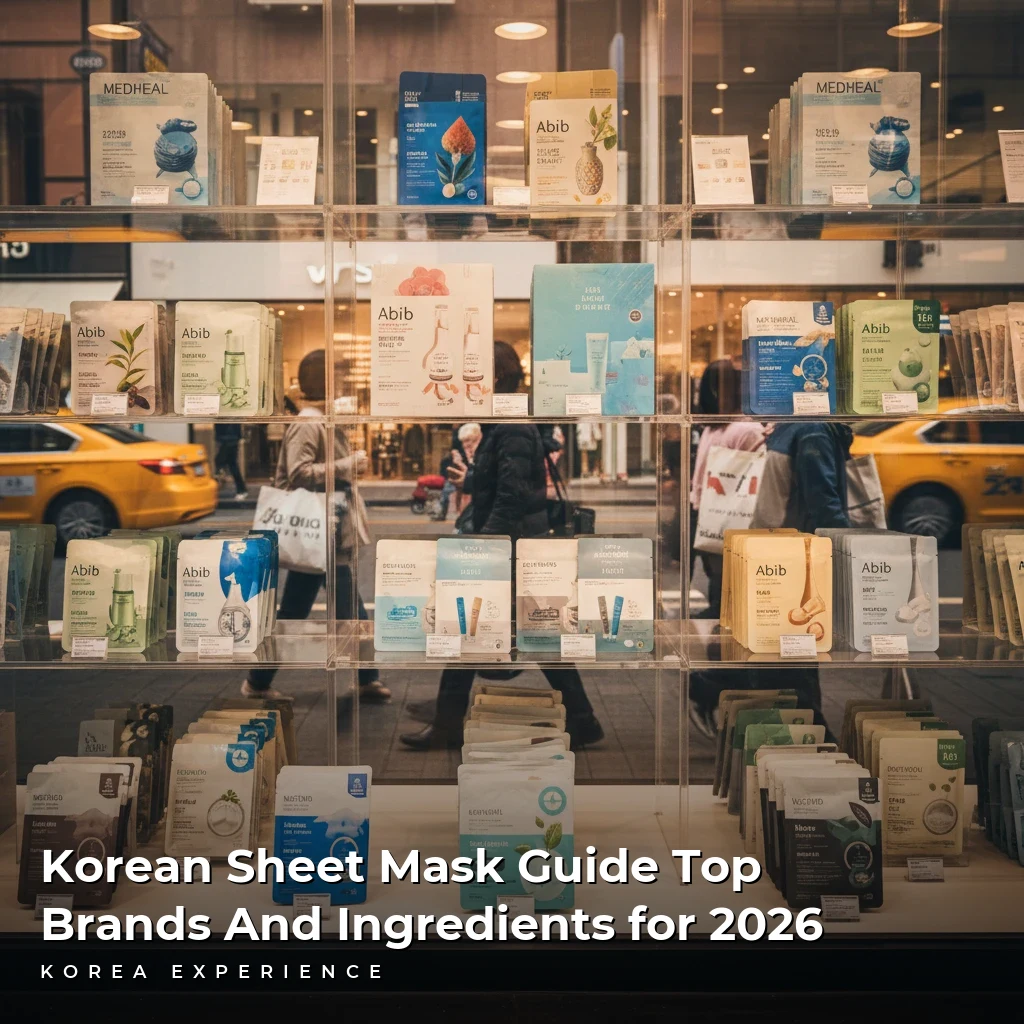
Discover the best K-Beauty sheet masks for 2026. A complete guide to top brands like Mediheal and Abib, essential ingredients, and prices starting at ₩1,000.
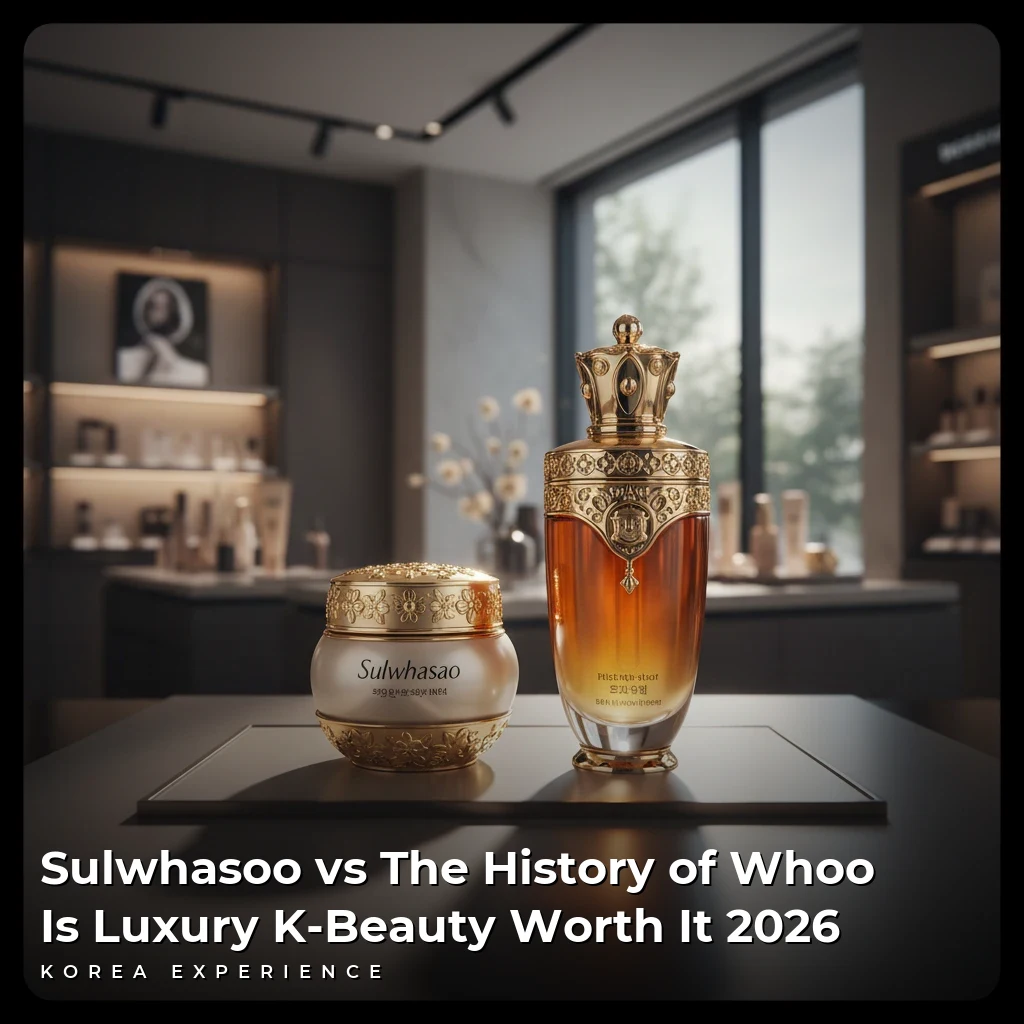
We analyze if Korean luxury skincare giants Sulwhasoo and History of Whoo are worth the $200+ price tags in 2026, comparing ingredients and results.
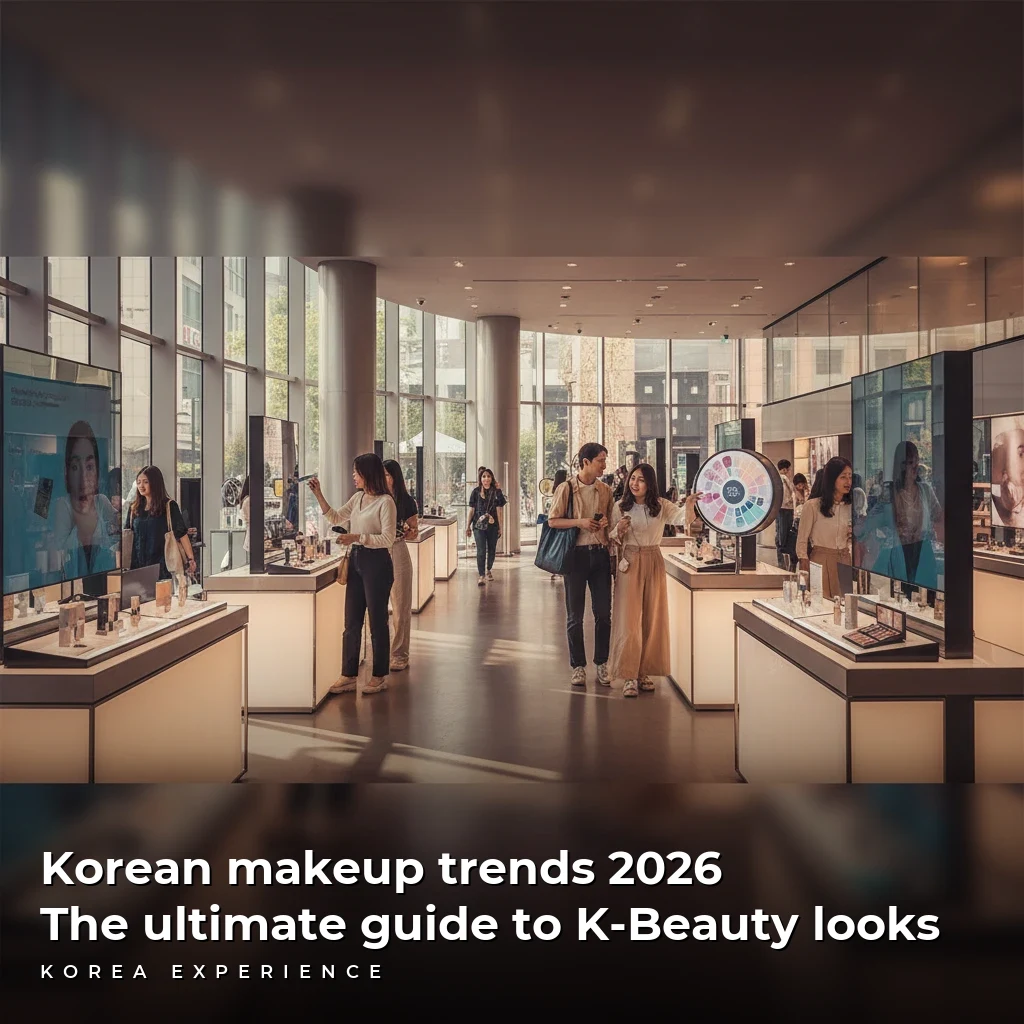
Discover the top Korean makeup trends of 2026, from Protein Skin to AI color analysis. Learn prices, top brands, and where to shop in Seoul for under $50.