Food & Dining

Master Korean Cuisine: Cooking Classes in Seoul for Tourists 2026

Dive into Seoul's culinary heart with immersive Korean cooking classes tailored for tourists in 2026. Learn authentic recipes, cultural insights, and cooking techniques.

Unlocking the Flavors of Korea: Your 2026 Culinary Journey in Seoul

Imagine yourself in a bustling Seoul kitchen, the aroma of garlic, sesame, and chili filling the air. You're not just observing; you're chopping, stirring, and learning to create authentic Korean dishes from scratch. For international travelers visiting South Korea in 2026, taking a Korean cooking class in Seoul isn't just an activity; it's an immersive cultural experience that connects you directly to the heart of Korean tradition and daily life. As the world reopens and travel flourishes, Seoul stands ready to welcome food enthusiasts eager to delve deeper than just tasting.

This comprehensive guide is your essential resource for navigating the exciting world of Korean cooking classes in Seoul for tourists in 2026. We'll explore why these classes are a must-do, spotlight top-rated programs, detail what to expect, and provide practical tips to ensure your culinary adventure is unforgettable. From mastering the art of Kimchi making to perfecting Bibimbap, prepare to learn, cook, and savor the incredible flavors of Korea. By the end of this post, you'll be equipped with all the knowledge to book your perfect class and bring a piece of Korean culinary magic back home.

Why a Korean Cooking Class is a Must-Do in Seoul for Tourists in 2026

Seoul is a global culinary hub, offering everything from Michelin-starred fine dining to vibrant street food. While simply eating your way through the city is a delight, participating in a Korean cooking class in Seoul elevates your experience beyond mere consumption. It transforms you from an observer into an active participant, offering unique insights and lasting memories.

Deeper Cultural Immersion Beyond Sightseeing

While palaces, temples, and modern skyscrapers offer visual spectacles, food provides a sensory and interactive window into Korean culture. Cooking classes often start with an introduction to Korean ingredients, their history, and their role in society. You'll learn about the philosophy behind Korean cuisine, such as the emphasis on balanced flavors, seasonal ingredients, and the communal aspect of dining. This hands-on engagement transcends a typical tour, allowing you to connect with local traditions on a much more personal level. Understanding the origins of dishes like Kimchi, for example, offers a profound appreciation for its historical significance and its enduring place on every Korean table.

Practical Skills to Bring Home and Share

Unlike souvenirs that collect dust, the skills you acquire in a Korean cooking class in Seoul are practical and enduring. You'll leave with authentic Korean recipes and the confidence to recreate your favorite dishes in your own kitchen. Imagine impressing friends and family with homemade Bulgogi (marinated grilled beef) or a vibrant Japchae (stir-fried glass noodles). These classes teach fundamental techniques and ingredient combinations that form the backbone of Korean cooking, empowering you to experiment and adapt recipes long after you've returned home. This isn't just about following a recipe; it's about understanding the "why" behind the "how."

Connect with Locals and Fellow Travelers

Cooking classes offer a fantastic opportunity for social interaction. You'll often be guided by passionate local instructors who are eager to share their knowledge and stories. This provides a genuine exchange, allowing you to ask questions about Korean life, customs, and, of course, food. Furthermore, sharing a kitchen space with fellow travelers from around the world fosters a sense of camaraderie and shared discovery. It's a chance to make new friends, share laughs, and bond over a common love for good food and cultural exploration. Many classes are designed to be interactive, encouraging teamwork and discussion as you prepare your meal together.

Fresh, Healthy, and Delicious Ingredients

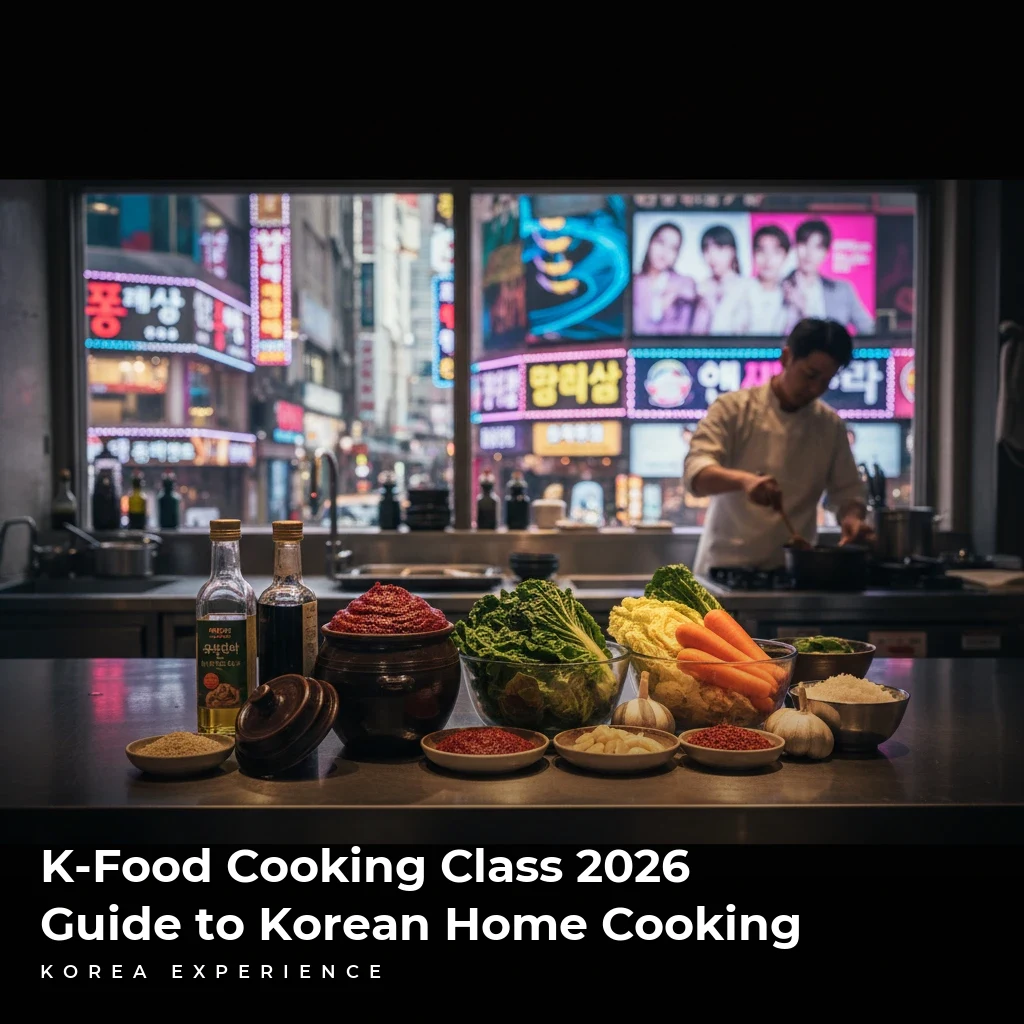
Korean cuisine is renowned for its fresh, wholesome ingredients and often healthy preparation methods. During your class, you'll learn about the importance of seasonal produce, fermented foods like Gochujang (Korean chili paste) and Doenjang (fermented soybean paste), and the health benefits associated with a typical Korean diet. Many classes begin with a visit to a local market, allowing you to see and learn about the ingredients firsthand, ensuring you understand the quality and freshness that go into each dish. This connection to the source of ingredients is a valuable lesson in itself, highlighting the farm-to-table ethos that many Korean chefs embrace.

Top-Rated Korean Cooking Classes for Tourists in Seoul in 2026

Seoul boasts a vibrant array of cooking classes, each offering a unique experience. While specific names and programs can evolve, here are examples of popular types of classes and what they generally offer for Korean cooking classes in Seoul for tourists in 2026, along with estimated details.

1. Traditional Korean Home Cooking Experience

  • Focus: Authentic everyday Korean dishes often taught in a cozy, home-like setting, sometimes within a traditional Hanok (Korean house).
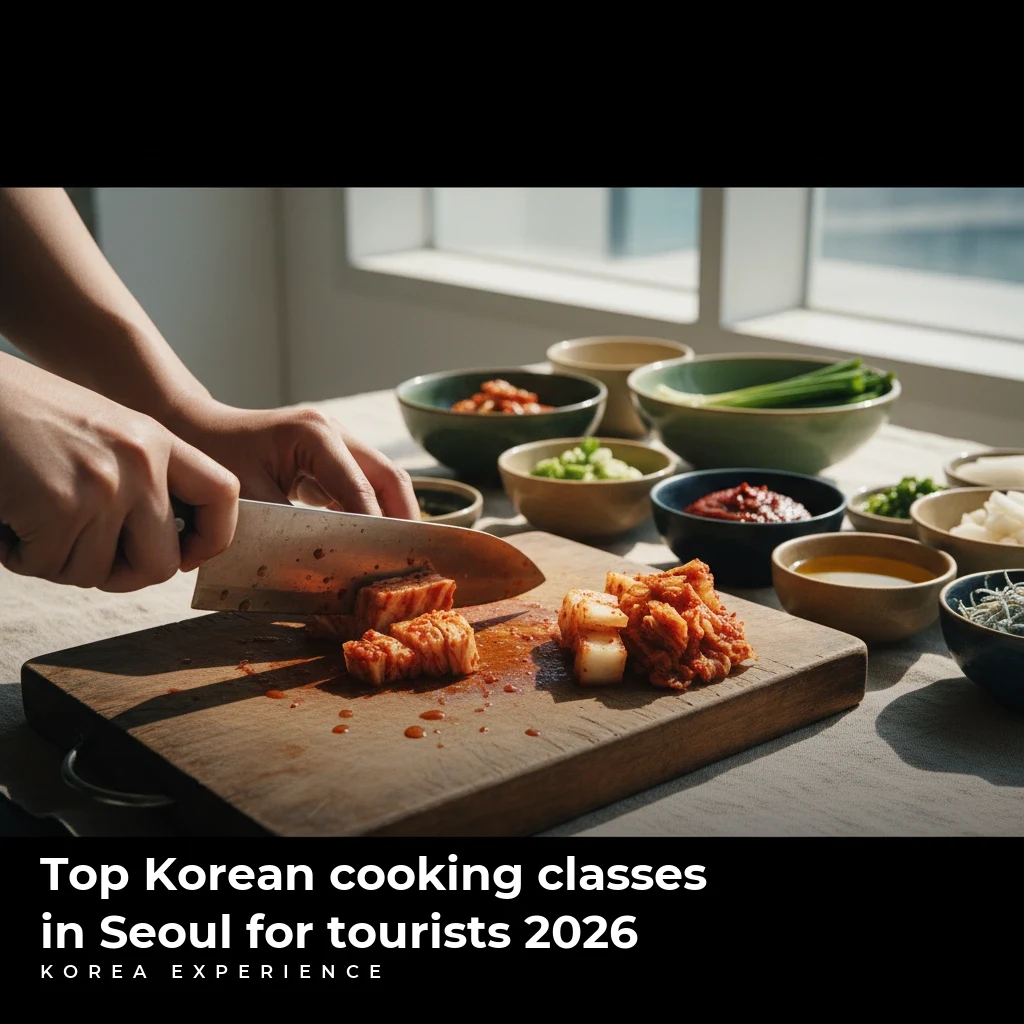
  • Typical Dishes: Kimchi (fermented cabbage), Bibimbap (mixed rice with vegetables and meat), Bulgogi (marinated grilled beef), Jeon (savory pancakes), Kimchi Jjigae (Kimchi stew).
  • Location: Often found in areas like Bukchon Hanok Village, Insadong, or quieter residential areas of Gangnam.
  • Duration: 3-4 hours.
  • Estimated Price (2026): KRW 70,000 - 120,000 (approximately $55 - $95 USD).
  • Highlights: Personalized attention, intimate group sizes, often includes a market tour to select ingredients, deep dive into the cultural significance of dishes. Instructors typically share personal stories and family recipes, making the experience feel very authentic and warm.

2. Korean Royal Cuisine & Specialty Classes

  • Focus: More advanced or specialized dishes, sometimes focusing on specific culinary traditions like royal court cuisine or temple food (vegan).
  • Typical Dishes: Gujeolpan (platter of nine delicacies), elaborate Banchan (side dishes), specific regional specialties, or intricate desserts. Temple food classes would focus on plant-based dishes using natural seasonings.
  • Location: High-end culinary schools or specialized cultural centers, potentially in areas like Jongno or near major cultural institutions.
  • Duration: 4-6 hours, sometimes multi-day workshops.
  • Estimated Price (2026): KRW 100,000 - 250,000+ (approximately $80 - $200+ USD), depending on complexity and duration.
  • Highlights: Learning intricate techniques, historical context of dishes, use of premium ingredients. These classes cater to those with a deeper interest in Korean culinary history or specific dietary preferences, offering a refined and often more challenging cooking experience.

3. Kimchi Making Workshop

  • Focus: Dedicated solely to mastering the art of making Korea's most iconic dish.
  • Typical Dishes: Primarily different types of Kimchi (Baechu Kimchi, Kkakdugi, etc.), sometimes paired with a simple complementary dish like Bossam (boiled pork slices).
  • Location: Various cultural centers, specialty food workshops across Seoul, often very accessible in tourist-heavy districts like Myeongdong or Hongdae.
  • Duration: 1.5-2.5 hours.
  • Estimated Price (2026): KRW 50,000 - 80,000 (approximately $40 - $65 USD).
  • Highlights: Perfect for a shorter, focused experience. You'll learn the fermentation process, ingredient selection, and different regional variations. You usually get to take home a jar of your freshly made Kimchi, a perfect edible souvenir. This class is fantastic for understanding the cornerstone of Korean cuisine.
  • Focus: Recreating beloved Korean street food and popular everyday dishes that tourists often encounter.
  • Typical Dishes: Tteokbokki (spicy rice cakes), Kimbap (seaweed rice rolls), Korean Fried Chicken (Chimaek style), Mandu (dumplings), Hoddeok (sweet pancakes).
  • Location: Often in modern, vibrant areas like Hongdae or Myeongdong, catering to younger demographics and those looking for fun, accessible recipes.
  • Duration: 2.5-3.5 hours.
  • Estimated Price (2026): KRW 60,000 - 100,000 (approximately $50 - $80 USD).
  • Highlights: Fun, energetic atmosphere, learning highly popular and replicable dishes. These classes are great for capturing the essence of modern Korean dining and are often very hands-on, with a focus on quick preparation and delicious results.

5. Vegan & Vegetarian Korean Cooking Classes

  • Focus: Catering to specific dietary needs, offering traditional and modern Korean dishes without meat or animal products.
  • Typical Dishes: Various vegetable-based Banchan, specific kinds of Jjigae (stews) using mushroom or tofu bases, Japchae, Bibimbap with plant-based protein, temple food adaptations.
  • Location: Specialized studios or cultural centers that emphasize health and wellness, possibly in areas like Itaewon or Gangnam.
  • Duration: 3-4 hours.
  • Estimated Price (2026): KRW 75,000 - 130,000 (approximately $60 - $105 USD).
  • Highlights: A fantastic option for those with dietary restrictions, demonstrating the richness and versatility of plant-based Korean cuisine. You'll discover how flavor is created using various vegetables, fermented ingredients, and plant-based broths, proving that Korean food is delicious for everyone.

What to Expect From a Korean Cooking Class Experience

Booking a Korean cooking class in Seoul is an investment in an unforgettable experience. While each class has its unique charm, there's a general flow and set of expectations you can have, ensuring you're prepared for your culinary adventure in 2026.

Welcoming and Introduction

Upon arrival, you'll typically be greeted by your instructor, often a local Korean chef or a passionate home cook. The session usually begins with a brief introduction to Korean cuisine, its history, and the specific dishes you'll be preparing. Many instructors are bilingual or provide excellent English translation, ensuring clear communication. This initial overview sets the stage and provides valuable context for the cooking process.

Many high-quality Korean cooking classes in Seoul include an optional or integrated visit to a local market, such as Gwangjang Market or a smaller neighborhood market. This is a fantastic opportunity to see and learn about the fresh, seasonal ingredients you'll be using. Your instructor will guide you through the stalls, explaining different vegetables, spices, and sauces, and perhaps even offering samples of local delicacies. This market tour transforms the cooking experience into a holistic journey from farm (or market stall) to table.

Hands-On Cooking Session

This is where the magic happens! You'll move into a well-equipped kitchen space where each participant typically has their own station or works in small groups. The instructor will demonstrate each step of the recipe, providing clear instructions and tips. You'll get to actively participate in all stages:

  • Ingredient Preparation: Chopping vegetables, slicing meat, measuring out seasonings.
  • Marinading and Mixing: Learning the crucial balance of Korean flavors.
  • Cooking Techniques: Stir-frying, boiling, stewing, grilling, and proper use of traditional Korean cooking utensils.
  • Plating and Presentation: Understanding the aesthetic appeal of Korean dishes.

The atmosphere is usually lively and supportive, with instructors ready to assist and answer questions. It's a truly interactive experience designed for all skill levels, from complete beginners to more experienced cooks.

Cultural Insights and Storytelling

Beyond the recipes, instructors often share fascinating cultural insights. They might discuss the significance of certain dishes for holidays, family gatherings, or daily life. You could learn about Korean dining etiquette, the philosophy of "Son-mat" (the taste of one's hands/home cooking), or personal anecdotes that bring the cuisine to life. These cultural exchanges enrich the experience and help you appreciate the deeper meaning behind the food.

Enjoying Your Culinary Creations

The highlight of any cooking class is, of course, feasting on your freshly prepared meal! You'll gather around a communal table, often with other participants, to savor the fruits of your labor. This shared meal is a wonderful way to reflect on what you've learned, discuss your favorite dishes, and enjoy the company of new friends. Many classes also include samples of other traditional Korean beverages or snacks to complement the meal.

Recipe Cards and Certificates

Before you leave, most classes provide comprehensive recipe cards, usually in English, so you can easily recreate the dishes at home. Some also offer a small souvenir or a certificate of completion, serving as a tangible reminder of your Korean cooking class in Seoul adventure. This ensures that the learning doesn't stop when you leave the kitchen; you'll have all the tools to continue your Korean culinary journey.

Choosing the Right Korean Cooking Class in Seoul for You

With so many fantastic options for Korean cooking classes in Seoul for tourists 2026, selecting the perfect one can feel daunting. Consider these factors to ensure your experience aligns with your interests, schedule, and budget.

Your Culinary Interests and Skill Level

  • Beginner: If you're new to cooking or Korean cuisine, opt for classes focusing on popular, accessible dishes like Bibimbap, Bulgogi, or Kimchi Jjigae.
  • Intermediate/Advanced: Look for classes that delve into more complex royal cuisine, specialized regional dishes, or advanced techniques.
  • Specific Dishes: If you have a particular dish in mind (e.g., you really want to master Kimchi or Korean Fried Chicken), seek out classes that specialize in it.

Duration and Schedule Flexibility

  • Short & Sweet (1.5-2.5 hours): Ideal if you have limited time or want a focused experience, like a Kimchi making workshop.
  • Standard (3-4 hours): Most common duration, allowing time for multiple dishes, cultural insights, and a leisurely meal.
  • Extended/Multi-day: For serious foodies wanting a deep dive into various aspects of Korean cuisine. Consider how this fits into your overall Seoul itinerary for 2026.

Class Size and Instructor Attention

  • Small Groups (4-8 people): Offers more personalized attention from the instructor and a more intimate atmosphere. This is ideal if you have many questions or prefer a hands-on approach.
  • Larger Groups (10+ people): Can be more cost-effective and a fun, energetic experience, but with potentially less one-on-one guidance. Check reviews for instructor-to-student ratio.

Location and Accessibility

Consider the class location relative to your accommodation and other planned activities. Many classes are conveniently located in popular tourist areas like Myeongdong, Hongdae, or Bukchon Hanok Village, which are easily accessible via Seoul's efficient subway system. Some may be in quieter neighborhoods, offering a more local feel. Factor in travel time when making your booking.

Dietary Restrictions and Preferences

If you have allergies, follow a vegetarian, vegan, or gluten-free diet, always check with the class provider beforehand. Many classes are accommodating and can adapt recipes or offer specific menus. Look for classes specifically advertised as "Vegan Korean Cooking" if this is a priority.

Price and What's Included

Prices for Korean cooking classes in Seoul vary widely. Ensure you understand what's included:

  • All ingredients?
  • Market tour?
  • Full meal?
  • Recipe cards (in English)?
  • Souvenirs or take-home items (like Kimchi)?
  • Drinks?
  • Are taxes and service charges included or extra?

Comparing these factors will help you find a class that offers excellent value for your money and a truly enriching experience.

To help you visualize the differences, here's a comparison of common features you might find among Korean cooking classes in Seoul for tourists 2026:

Feature CategoryBudget-Friendly OptionMid-Range ExperiencePremium/Specialty Option
Price Range (2026)KRW 50,000 - 80,000 ($40-$65)KRW 70,000 - 120,000 ($55-$95)KRW 100,000 - 250,000+ ($80-$200+)
Typical Duration1.5 - 2.5 hours (e.g., Kimchi only)3 - 4 hours4 - 6 hours or multi-session
Class SizeLarger groups (10-15+ participants)Small to medium (6-10 participants)Very small/private (2-6 participants)
Dishes Taught1-2 essential dishes (Kimchi, Tteokbokki)3-4 popular dishes (Bibimbap, Bulgogi)3-5 intricate/specialty dishes (Royal Cuisine)
Market TourUsually not included or briefOften included as an optionFrequently included, in-depth
Language SupportInstructor may speak basic EnglishFluent English-speaking instructorHighly fluent, often bilingual, deep insights
AmbianceFunctional kitchen, efficient paceCozy, welcoming, cultural elementsElegant, professional studio/traditional Hanok
Take-Home ItemsKimchi jar, basic recipe cardDetailed recipe book, small souvenirPremium recipe book, gift, certificate

Practical Tips for Your Korean Culinary Adventure in Seoul (2026)

To make your Korean cooking class in Seoul as enjoyable and seamless as possible, keep these practical tips in mind for your 2026 trip.

Book in Advance, Especially for Peak Season

Seoul is a popular destination, and the best cooking classes often fill up quickly, particularly during peak travel seasons (spring, autumn, and major holidays). To secure your spot, especially for smaller, highly-rated classes, it's wise to book several weeks or even months ahead of your 2026 trip. Many booking platforms like Klook, Trazy, or directly through the class websites allow you to reserve your spot with flexible cancellation policies.

Communicate Dietary Needs Clearly

If you have any food allergies (e.g., shellfish, nuts), dietary restrictions (vegetarian, vegan, gluten-free), or strong dislikes, communicate these clearly when booking your class. Most instructors are happy to make substitutions or adapt recipes if they know in advance. Don't assume they can accommodate last-minute changes.

Dress Comfortably and Practically

You'll be standing, chopping, and stirring, so wear comfortable clothes and shoes. Aprons are usually provided, but it's a good idea to wear something you don't mind getting a splash on. If a market tour is included, be prepared for walking and potentially navigating crowded areas.

Be Open-Minded and Enthusiastic

Approach the class with an open mind and a willingness to try new flavors and techniques. Korean cuisine uses ingredients like fermented pastes and unique vegetables that might be new to your palate. Embrace the experience, ask questions, and engage with your instructor and fellow participants. Your enthusiasm will enhance the experience for everyone.

Bring a Camera and Notepad

You'll want to capture the memories! Take photos of the ingredients, the cooking process, and your final delicious creations. A small notepad can be useful for jotting down extra tips or anecdotes shared by the instructor that aren't on the recipe card. However, remember to be mindful of others' privacy and the instructor's workflow when taking photos.

Consider a Local Market Visit Beforehand

Even if your chosen class doesn't include one, consider visiting a traditional Korean market like Gwangjang Market or Namdaemun Market on your own before your class. This will help you familiarize yourself with some of the ingredients, sights, and smells, making your class experience even richer. It's a fantastic way to immerse yourself in Seoul's food culture. (For more on Seoul's vibrant markets, check out our guide to "Exploring Seoul's Best Traditional Markets.")

Plan Your Post-Class Activities

After indulging in your culinary creations, you might be quite full! Consider planning a leisurely activity afterward, such as a stroll through a nearby park (like Namsan Park if you're in central Seoul) or a visit to a relaxing tea house. If you're still hungry for more Korean food experiences, you could explore a local cafe or try some desserts.

Beyond the Classroom: Exploring Seoul's Food Scene in 2026

While a Korean cooking class in Seoul is an incredible experience, it's just one facet of the city's dynamic food landscape. Use the knowledge and inspiration gained from your class to further explore Seoul's culinary offerings in 2026.

Dive into Street Food Alleys

With your newfound appreciation for Korean ingredients, you'll view Seoul's famous street food stalls with fresh eyes. Head to Myeongdong, Hongdae, or Namdaemun Market to sample Tteokbokki (spicy rice cakes), Odeng (fish cakes on skewers), Gyeranppang (egg bread), and Hotteok (sweet pancakes). You'll better understand the simplicity and deliciousness of these everyday delights.

Experience Authentic Korean BBQ

No trip to Seoul is complete without a Korean BBQ experience. Search for popular spots in Gangnam, Hongdae, or Sinchon. Try different cuts of beef (Hanwoo if you're feeling fancy) and pork, cook them right at your table, and practice wrapping them in lettuce with Kimchi, garlic, and Ssamjang (spicy dipping sauce) – a technique you might have learned in your cooking class.

Explore Traditional Tea Houses

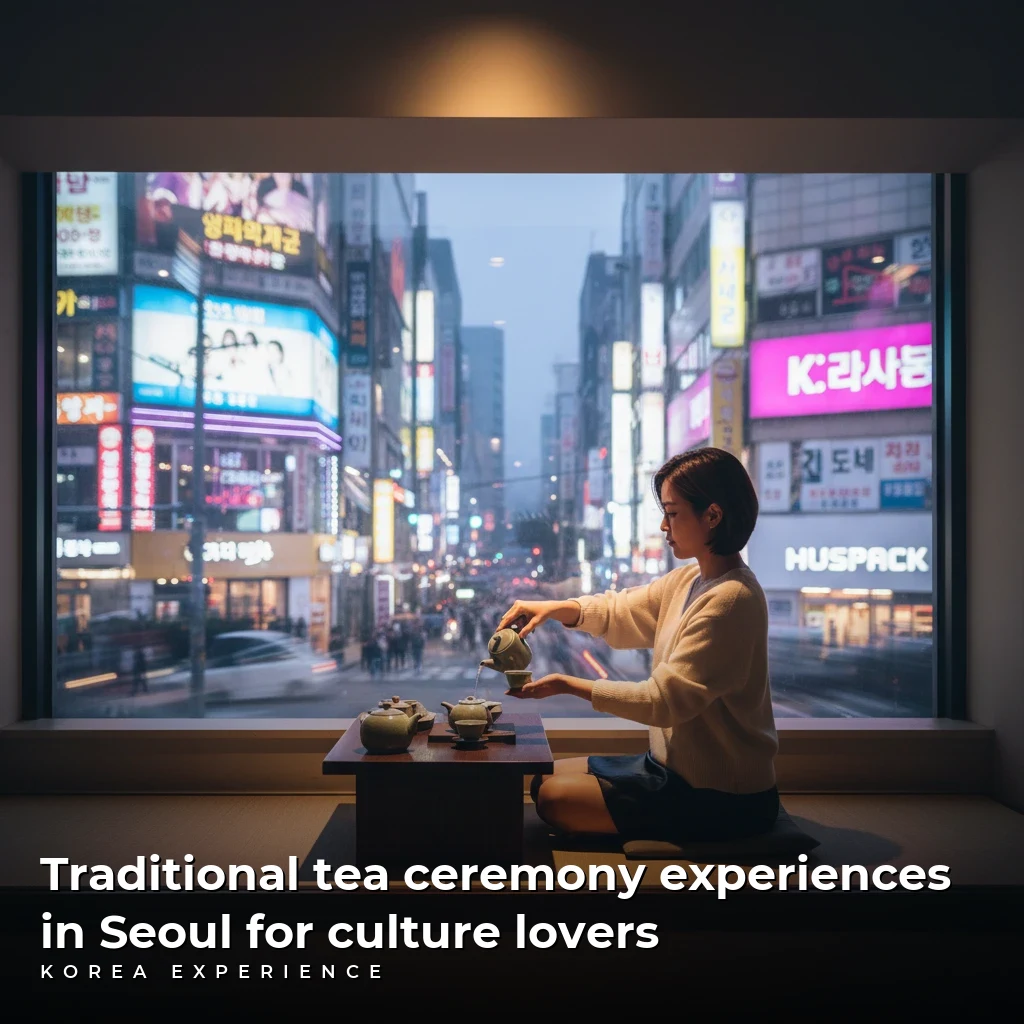
After a rich meal, unwind in a traditional Korean tea house, especially in areas like Insadong or Bukchon Hanok Village. Enjoy a soothing cup of Omija-cha (five-flavor berry tea) or Jujube-cha (red date tea) and perhaps some traditional Korean desserts (Hangwa), appreciating the serene atmosphere and the delicate balance of flavors.

Visit a Noodle or Dumpling Specialist

Korean cuisine offers a vast array of noodle dishes, from the refreshing Naengmyeon (cold noodles) to hearty Kalguksu (knife-cut noodles). Seek out a restaurant specializing in your preferred noodle or try a Mandu (dumpling) eatery for perfectly steamed or fried dumplings. Your cooking class might have even introduced you to the art of making these staples.

Discover Fine Dining Korean Cuisine

For a more upscale experience, consider visiting one of Seoul's many acclaimed fine dining establishments that reinterpret traditional Korean flavors with modern techniques. These restaurants often offer tasting menus that showcase the breadth and sophistication of Korean culinary artistry.

By combining your hands-on cooking experience with these diverse dining adventures, you'll gain an unparalleled understanding and appreciation for Korean food culture during your 2026 visit to Seoul.

Frequently Asked Questions About Korean Cooking Classes in Seoul (2026)

Here are some common questions travelers have when considering Korean cooking classes in Seoul for tourists 2026.

Q1: Are Korean cooking classes suitable for beginners?

A1: Absolutely! Most Korean cooking classes in Seoul are designed with beginners in mind. Instructors provide clear, step-by-step guidance, and the focus is on a hands-on, enjoyable experience rather than culinary expertise. Many classes cater specifically to tourists with no prior cooking experience.

Q2: What is the typical cost of a Korean cooking class in Seoul for tourists in 2026?

A2: Prices generally range from KRW 50,000 to KRW 150,000 (approximately $40 to $120 USD) for a standard 2.5 to 4-hour class. Specialized classes, private sessions, or those including extensive market tours might be higher, up to KRW 250,000 or more. Prices provided in this article are estimates for 2026 and are subject to change.

Q3: Do I need to speak Korean to take a cooking class?

A3: No, you do not. The vast majority of Korean cooking classes in Seoul for tourists are taught by instructors who are fluent in English or provide excellent English translation. It's always a good idea to confirm the language of instruction when booking, but finding an English-friendly class is very easy.

Q4: Can I take the food I make home?

A4: Typically, you will eat the meal you prepare during the class. However, for certain items like Kimchi, many Kimchi-making workshops will allow you to take home a small jar of your freshly made Kimchi. Some classes might also provide containers for leftovers, but this varies by provider.

Q5: What is the best way to book a Korean cooking class in Seoul for 2026?

A5: You can book classes through various online travel platforms popular in Korea, such as Klook, Trazy, or Viator. Many reputable cooking schools also have their own English-language websites where you can book directly. Booking in advance is highly recommended, especially for popular classes or during peak tourist seasons. Always check reviews before booking.

Your Authentic Korean Culinary Adventure Awaits in 2026

Embarking on a Korean cooking class in Seoul for tourists 2026 is more than just learning to cook; it's an immersive dive into the heart and soul of Korean culture. You'll gain practical skills, create delicious memories, and forge connections that will last long after your trip. From the spicy kick of Kimchi to the savory delight of Bulgogi, each dish tells a story, and you'll become part of that narrative.

As you plan your 2026 journey to Seoul, make sure to carve out time for this truly unique and enriching experience. Whether you're a seasoned chef or a kitchen novice, there's a perfect class waiting to ignite your passion for Korean cuisine. Book your spot, prepare to get hands-on, and get ready to savor the authentic flavors of Korea that you'll carry with you long after you've left its vibrant capital. Don't just eat Korean food; learn to create it, cherish it, and share it. Your delicious Korean adventure starts here!

About the Author

Korea Experience Team

Written by the Korea Experience editorial team - experts in Korean medical tourism, travel, and culture with years of research and firsthand experience.

⚠️ Medical Disclaimer

The information provided on this website is for general informational purposes only and does not constitute medical advice. Always consult with qualified healthcare professionals before making any medical decisions.

Continue Reading

Explore more articles you might find interesting