Food & Dining

Korean Dessert Evolution Traditional vs Modern Sweets

Explore the fascinating journey of Korean desserts, from ancient traditional confections to innovative modern cafe treats, a sweet cultural dive.

Korean Dessert Evolution: Traditional vs. Modern Sweets

Korea, a land celebrated for its dynamic blend of ancient traditions and cutting-edge modernity, extends this captivating duality to its culinary landscape, particularly in the realm of sweets. For international travelers and expats, understanding the Korean dessert evolution offers a delicious window into the nation's heart and soul. From the subtly sweet, artfully crafted confections of centuries past to the vibrant, often audacious creations found in today's bustling cafes, Korean sweets tell a story of resilience, adaptation, and unwavering creativity.

This comprehensive guide invites you on a sweet journey through Korea's dessert history. We'll delve into the foundational principles and cherished flavors of traditional Korean sweets, explore the influences that sparked a modern dessert revolution, and highlight the iconic treats that define each era. You'll gain practical insights into where to find these delectable creations, discover their unique characteristics, and learn how to appreciate the intricate tapestry of flavors that makes Korean desserts so compelling. Prepare to satisfy your sweet tooth and deepen your cultural understanding, one bite at a time.

The Roots of Sweetness: Understanding Traditional Korean Desserts

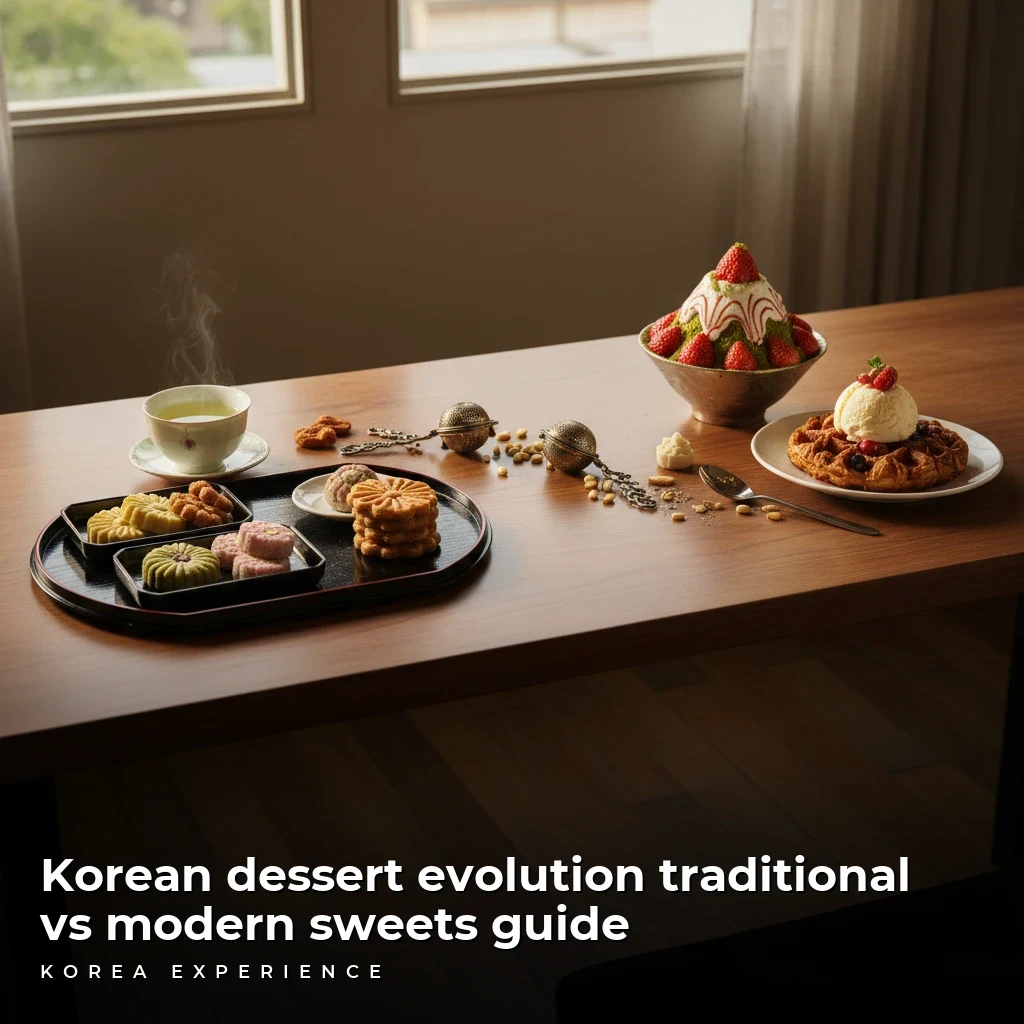
The history of Korean desserts is deeply intertwined with its agricultural past, particularly the cultivation of grains, and its rich ceremonial culture. Traditional Korean sweets, often referred to as hangwa (meaning "Korean confection"), were not merely snacks but integral parts of rituals, festivals, and celebrations. They reflected the meticulous craftsmanship and aesthetic values of their creators, often boasting natural colors and intricate designs.

Key Characteristics of Traditional Korean Sweets

Traditional Korean desserts are distinct from their Western counterparts, emphasizing natural sweetness, unique textures, and a harmonious balance of flavors.

Natural Ingredients and Subtlety

Unlike many Western desserts that rely heavily on refined sugar, traditional Korean sweets often derive their sweetness from natural sources like honey, rice syrup (jocheong), and fruit. Main ingredients typically include grains such as glutinous rice, wheat flour, and nuts, along with various root vegetables and fruits. The sweetness is generally more subdued, allowing the inherent flavors of the ingredients to shine through.

Textures and Presentation

Texture plays a crucial role. Many traditional sweets feature a chewy, sticky consistency from glutinous rice, while others offer a crisp snap or a soft, melt-in-your-mouth feel. Presentation is equally important; hangwa are often meticulously shaped, decorated with natural dyes, and arranged beautifully, reflecting the Korean aesthetic of natural elegance.

Cultural Significance and Occasions

These desserts were traditionally prepared for special occasions, including ancestral rites (jesa), weddings, birthdays, and holidays like Seollal (Lunar New Year) and Chuseok (Korean Thanksgiving). Serving hangwa was a gesture of respect and hospitality, signifying abundance and good fortune.

Iconic Traditional Korean Dessert Categories

Understanding the specific types of traditional Korean desserts enriches the appreciation of their history and craftsmanship.

Tteok (Rice Cakes)

Perhaps the most ubiquitous traditional Korean food, tteok encompasses a vast array of rice cakes made primarily from glutinous or non-glutinous rice flour. There are hundreds of varieties, varying in shape, color, ingredients, and preparation methods.

  • Sirutteok: Steamed tteok, often layered with red beans or other grains. One of the oldest forms.
  • Gyeongdan: Small, ball-shaped tteok coated in various powders like sesame, mugwort, or red bean. Chewy and delightful.
  • Jeolpyeon: Pattern-stamped tteok, often eaten for snacks or special occasions.
  • Injeolmi: Sticky, chewy glutinous rice cake coated with toasted soybean powder (konggaru). A beloved classic, often served with honey.

Hangwa (Traditional Confections)

This broad category includes various sweets made from flour, honey, jocheong, and often fried or baked.

  • Yakwa: A deep-fried wheat flour pastry, shaped into a flower or geometric pattern, then soaked in ginger-infused honey syrup. It's rich, sweet, and wonderfully aromatic.
  • Dasik: Delicate, intricately patterned tea cookies made by pressing various flours (chestnut, sesame, soybean, pine pollen) mixed with honey into decorative molds. They are designed to complement traditional tea.
  • Gangjeong: Puffed grain snacks made from glutinous rice flour, often flavored with nuts, seeds, or various natural powders, then deep-fried and coated in rice syrup. They are light and crispy.
  • Yumilgwa: A general term for fried confections, including yakwa and other similar treats, often made from wheat flour and honey.

Other Traditional Sweets

  • Yeot: A traditional Korean taffy or candy made from malted barley and rice. It comes in various forms, from chewy to hard, and can be made with different grains or sweet potatoes. It symbolizes stickiness, often given to students hoping to "stick" to their studies and pass exams.
  • Sujeonggwa: A traditional cinnamon punch, often served cold, flavored with ginger, cinnamon, and sweetened with honey or sugar. It's typically garnished with dried persimmon and pine nuts. A refreshing digestive aid.
  • Sikhye: A sweet rice punch, also served cold. Made by fermenting malted barley water with cooked rice, giving it a unique, slightly sweet, and grainy texture. Popular at saunas (jjimjilbang) and after meals.

The Dawn of Modern Korean Desserts: Influences and Innovations

The mid-20th century, especially after the Korean War, marked a significant turning point in Korean society and, consequently, its culinary scene. Global influences, rapid industrialization, and changing lifestyles began to reshape the traditional dessert landscape, paving the way for the vibrant modern Korean dessert culture we see today.

Westernization and Global Culinary Exchange

The influx of Western culture, particularly from the United States, introduced new ingredients, cooking techniques, and dessert concepts. Bread, cakes, pastries, and ice cream quickly gained popularity, challenging the dominance of traditional rice-based sweets. Coffee culture also began to take root, creating a demand for desserts that paired well with beverages.

The Rise of Cafes and Bakeries

The proliferation of cafes and bakeries, initially in urban centers like Seoul, became a crucial catalyst for modern dessert innovation. Chains like Paris Baguette and Tous Les Jours emerged, offering a wide array of pastries, cakes, and sandwiches, often with a distinct Korean twist. These establishments provided accessible, comfortable spaces for socializing, fueling the demand for new and exciting sweet treats.

Youth Culture and Social Media

Modern Korean desserts are heavily influenced by youth culture and the pervasive impact of social media. Desserts are not just about taste; they are about aesthetics, novelty, and shareability. Visually stunning creations, often elaborate and colorful, are designed to be "Instagrammable," driving trends and encouraging rapid innovation.

Key Characteristics of Modern Korean Sweets

Modern Korean desserts are characterized by their diversity, often incorporating global flavors while maintaining a unique Korean identity.

Fusion of Flavors

Contemporary desserts frequently blend traditional Korean ingredients with Western techniques or vice-versa. Think matcha green tea lattes, injeolmi flavored ice cream, or tteok incorporated into waffles. This fusion creates exciting new taste experiences.

Emphasis on Visual Appeal

Presentation is paramount in modern Korean desserts. They are often colorful, elaborately decorated, and sometimes playfully themed. This focus on visual artistry reflects a broader cultural appreciation for aesthetics and the desire to create an experience beyond just taste.

Modern dessert shops are quick to adapt to seasonal ingredients and trending flavors. Strawberry desserts dominate in spring, while mango and melon are popular in summer. Ingredients like sweet potato, pumpkin, and various fruit extracts are also widely used.

Iconic Modern Korean Sweet Treats

The landscape of modern Korean desserts is dynamic and constantly evolving, yet certain items have achieved iconic status, becoming must-try experiences for any visitor.

Bingsu (Shaved Ice Dessert)

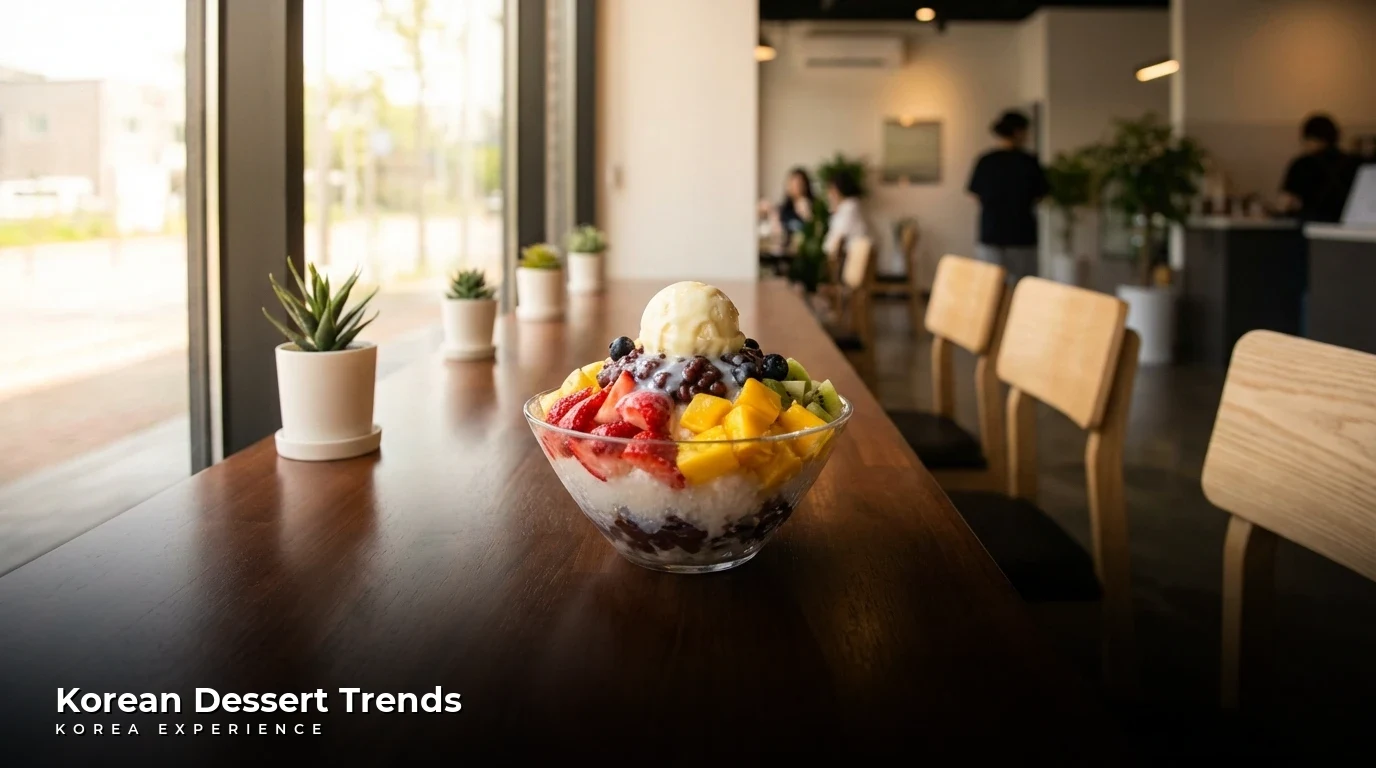
Bingsu is arguably the quintessential modern Korean dessert, especially during the hot summer months. While its origins trace back to shaved ice with red beans, contemporary bingsu has transformed into an elaborate, often enormous, creation.

  • Types: Classic patbingsu (red bean shaved ice) remains popular, but variations like injeolmi bingsu (with soybean powder and rice cakes), mango bingsu, strawberry bingsu, and even cheese bingsu are widely available.
  • Experience: Typically served in large bowls, often topped with condensed milk, fresh fruit, tteok pieces, ice cream, and sometimes even cheesecake bites. It's designed to be shared.
  • Where to find: Sulbing (설빙) is a popular chain specializing in bingsu, with numerous locations across Korea. Many independent cafes also offer their unique versions. Prices range from 10,000 KRW to 18,000 KRW, depending on the ingredients and size.

Cafe Desserts and Baked Goods

The cafe scene in Korea is incredibly vibrant, with each establishment often offering unique and innovative dessert menus.

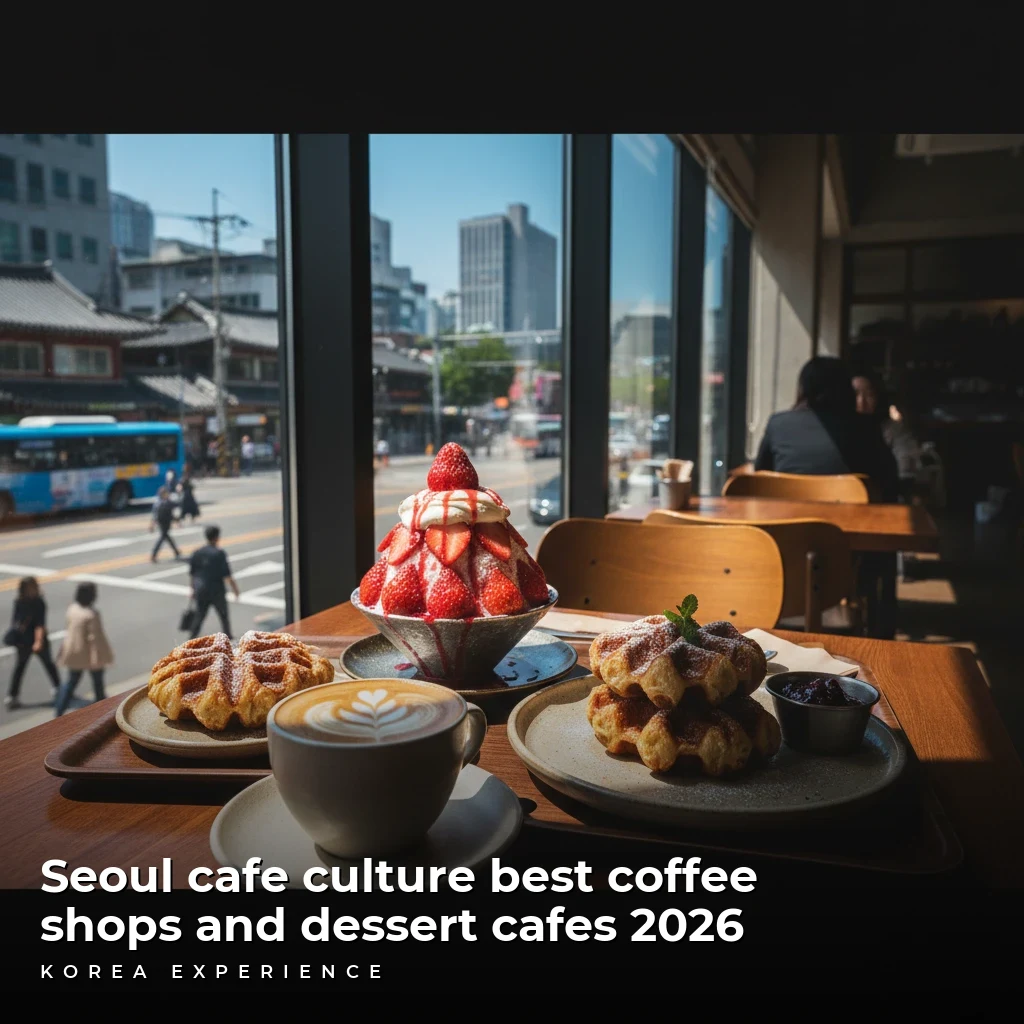
  • Croffles: A popular hybrid, combining a croissant and a waffle, often topped with ice cream, fruit, or sweet syrups.
  • Macarons: While French in origin, Korean macarons (ttungcaron or "fat macarons") are known for their oversized fillings and creative flavor combinations (e.g., green tea, red bean, injeolmi, cheesecake).
  • Basque Cheesecake: A burnt cheesecake with a creamy interior, often found in specialty cafes.
  • Creative Cakes & Pastries: From delicate mousse cakes to elaborate fruit tarts and uniquely flavored breads (like sweet potato bread or chestnut bread), Korean bakeries constantly innovate.
  • Where to find: High-end cafes in districts like Gangnam, Garosu-gil, and Seongsu-dong are known for their dessert offerings. Also, larger bakery chains offer a reliable selection.

Street Food Sweets

Korean street food isn't just savory; it also boasts a fantastic range of quick, affordable, and delicious sweet treats.

  • Hotteok (Sweet Pancake): A popular winter street food. A pan-fried pancake filled with a sweet mixture of brown sugar, honey, chopped peanuts, and cinnamon. The outer crust is crispy, and the inside is gooey and warm.
    • Where to find: Popular in traditional markets like Namdaemun Market or Gwangjang Market, especially in colder months. Expect to pay around 1,500-3,000 KRW.
  • Hodu-gwaja (Walnut Cakes): Small, walnut-shaped cakes with a soft cake-like exterior and a filling of red bean paste and a piece of walnut. They are delightful, often sold warm, and perfect for a quick snack.
    • Where to find: Often found at train stations, subway entrances, and rest stops. A bag of 10-12 usually costs around 3,000-5,000 KRW.
  • Dalgona (Honeycomb Candy): A classic nostalgic street snack, a thin, brittle candy made from melted sugar and baking soda. The challenge is to eat around a pressed shape (star, circle) without breaking it.
    • Where to find: Traditional markets, tourist areas like Insadong, and sometimes even at theme parks. Around 2,000 KRW per piece.

Where Tradition Meets Trend: Hybrid Korean Desserts

The most exciting developments in Korean desserts often occur at the intersection of traditional and modern. Chefs and home bakers alike are constantly experimenting, taking beloved traditional flavors and incorporating them into contemporary forms, or vice versa.

Fusing Old and New

This fusion isn't just about combining ingredients; it's about reinterpreting textures, presentations, and consumption methods.

  • Injeolmi Toast/Waffles: The chewy soybean powder-coated rice cake is toasted on bread or waffles, often drizzled with honey or condensed milk, offering a unique blend of crispy and chewy.
  • Green Tea and Black Sesame Creations: These traditional tea flavors, often used in dasik, are now staples in lattes, ice creams, cakes, and macarons, appealing to a broader, health-conscious audience.
  • Modern Tteok Bakeries: Some bakeries specialize in contemporary tteok, offering beautifully packaged, smaller portions of traditional rice cakes infused with modern flavors like fruit purees, cheese, or chocolate, making them more accessible as everyday treats.

Specialty Shops and Hanok Cafes

Certain establishments specialize in these hybrid desserts or offer a unique ambiance that enhances the experience.

  • Hanok Cafes: Traditional Korean houses (hanok) converted into cafes offer a serene setting to enjoy both traditional hangwa with tea and modern coffee and pastries. Places like those in Ikseon-dong or Bukchon Hanok Village often feature this blend.
  • Dessert Boutiques: High-end dessert shops in areas like Cheongdam-dong or Sinsa-dong frequently feature innovative desserts that push culinary boundaries, often incorporating rare or premium Korean ingredients.

Exploring Korea's Dessert Havens: Cafes, Markets, and Bakeries

To fully experience the Korean dessert evolution, knowing where to look is key. Each type of venue offers a distinct atmosphere and selection.

Traditional Markets and Specialty Tteok Shops

For an authentic taste of traditional sweets, head to Korea's bustling traditional markets.

  • Gwangjang Market (Seoul): Famous for its vibrant street food, you can find fresh tteok, yakwa, and gangjeong at various stalls. It's an immersive cultural experience.
  • Namdaemun Market (Seoul): Another large market where you can sample hotteok, hodu-gwaja, and often find vendors selling beautifully packaged hangwa.
  • Local Tteok Shops: Scattered throughout residential areas, these small, often family-run shops specialize in freshly made tteok daily. Look for signs that say '떡집' (tteok-jip). They are excellent for experiencing the everyday consumption of tteok.

Modern Cafes and Dessert Cafes

Korea's cafe culture is legendary, offering endless opportunities to explore modern dessert trends.

  • Hongdae, Gangnam, Garosu-gil (Seoul): These districts are teeming with trendy cafes, each vying for attention with unique dessert menus, artistic presentations, and stylish interiors. Expect to find everything from bingsu to custom cakes, croffles, and artisan coffees.
  • Seongsu-dong (Seoul): Known for its industrial-chic aesthetic, Seongsu-dong's cafes often feature creative, visually striking desserts in renovated factory spaces.
  • Chain Cafes: For a reliable and widely available option, cafes like A Twosome Place, Caffe Bene, and Holly's Coffee offer a good selection of cakes, pastries, and bingsu.

Department Store Food Courts and Bakeries

High-end department stores often house gourmet food courts and upscale bakeries that offer a curated selection of both traditional and modern sweets.

  • Lotte, Shinsegae, Hyundai Department Stores: Their basement food halls are treasure troves of culinary delights, featuring renowned bakeries, specialty tteok vendors, and international dessert brands. These are great places to find beautifully packaged hangwa as gifts.
  • Premium Bakeries: Look for independent bakeries within these department stores or in affluent neighborhoods that specialize in French-Korean fusion pastries, artisan bread, and elaborate cakes.

Comparison Tables: Traditional vs. Modern Korean Desserts

To summarize the key differences and similarities, here are some comparison tables.

Table 1: Traditional vs. Modern Korean Desserts - Core Characteristics

FeatureTraditional Korean DessertsModern Korean Desserts
Primary SweetenerHoney, rice syrup (jocheong), fruitRefined sugar, condensed milk, chocolate, artificial sweeteners
Main IngredientsRice, glutinous rice, wheat flour, beans, nuts, roots, fruitsDairy (milk, cream), wheat flour, chocolate, fruits, coffee
Flavor ProfileSubtly sweet, natural, earthy, often savory undertones (e.g., red bean)Often intensely sweet, rich, diverse (fruity, chocolatey, creamy)
Texture FocusChewy (tteok), crispy (gangjeong), soft (yakwa)Creamy (bingsu, mousse), fluffy (cakes), crispy (croffles)
PreparationSteaming, pan-frying, deep-frying, molding, lengthy processesBaking, freezing, whipping, quick assembly, often mass-produced
OccasionCeremonies, holidays, gifts, special eventsEveryday treat, cafe hopping, social gatherings, casual snacking
PresentationElegant, natural colors, intricate patterns, often symmetricalVisually striking, colorful, often elaborate, "Instagrammable"
Cultural LinkDeeply rooted in history, rituals, and agrarian societyReflects global trends, youth culture, rapid urban lifestyle
Dessert NamePrimary IngredientsKey CharacteristicsWhere to Try (Examples)
Tteok (Rice Cake)Glutinous/non-glutinous rice flourChewy, versatile, various shapes & colors, often steamedLocal tteok shops, Gwangjang Market, traditional markets
Yakwa (Honey Cookie)Wheat flour, sesame oil, honey, gingerDeep-fried, flower-shaped, soaked in sweet syrup, denseInsadong souvenir shops, hangwa specialty stores, department stores
Injeolmi (Soybean Rice Cake)Glutinous rice, soybean powder, honeyVery chewy, nutty flavor, soft, often served with honeyCafes (e.g., injeolmi bingsu), traditional markets, home-style eateries
Dasik (Tea Cookie)Various flours (chestnut, sesame), honeyDelicate, pressed into decorative molds, subtly sweet, firmHanok cafes (e.g., Insadong), specialty tea houses, high-end hangwa stores
Sujeonggwa (Cinnamon Punch)Cinnamon, ginger, dried persimmon, pine nutsRefreshing, spicy-sweet, cold beverage, digestive aidKorean restaurants, jjimjilbang, supermarkets (bottled)
Dessert NamePrimary IngredientsKey CharacteristicsWhere to Try (Examples)
Bingsu (Shaved Ice)Shaved ice, condensed milk, fruit, red beansCreamy, icy, refreshing, often elaborately topped, large portionsSulbing, many independent cafes (Hongdae, Gangnam)
Croffles (Croissant Waffles)Croissant dough, waffle ironCrispy exterior, fluffy interior, often topped with sweet elementsTrendy cafes (Seongsu-dong, Garosu-gil), dessert cafes
Hotteok (Sweet Pancake)Wheat flour dough, brown sugar, nuts, cinnamonPan-fried, gooey sweet filling, crispy exterior, served warmNamdaemun Market, street food stalls in Myeongdong (winter)
Hodu-gwaja (Walnut Cakes)Wheat flour, red bean paste, walnutsWalnut-shaped, soft cake, sweet red bean filling, smallSubway stations, rest stops, express bus terminals
Korean Macarons (Ttungcaron)Almond flour, sugar, cream fillingsOversized, diverse and creative flavors, visually appealingSpecialty macaron shops, independent cafes (Hongdae)

FAQ: Your Korean Dessert Questions Answered

For international visitors navigating Korea's sweet treats, here are answers to some common questions.

Q1: Are traditional Korean desserts very sweet?

A1: Generally, traditional Korean desserts are less sweet than their Western counterparts, emphasizing natural flavors and a more subtle sweetness derived from honey, rice syrup, or fruits. Their sweetness is often described as "elegant" or "mild."

Q2: Where is the best place to try a variety of traditional Korean sweets?

A2: Traditional markets like Gwangjang Market or Namdaemun Market in Seoul are excellent starting points for variety and authenticity. For a more curated experience, visit hangwa specialty shops in Insadong or the food courts of major department stores, which offer beautifully packaged assortments. Hanok cafes also often serve dasik and yakwa with traditional tea.

Q3: What is bingsu and which flavors should I try?

A3: Bingsu is a popular Korean shaved ice dessert, typically topped with various ingredients. The classic is patbingsu (red bean shaved ice). For modern flavors, try mango bingsu (sweet and fruity), injeolmi bingsu (nutty and chewy with soybean powder and rice cakes), or strawberry bingsu when strawberries are in season.

Q4: Can I find vegetarian or vegan Korean desserts?

A4: Many traditional Korean desserts, especially various types of tteok and gangjeong, are naturally vegan as they are primarily rice-based and use plant-derived sweeteners like honey or rice syrup. Always confirm ingredients for specific items, as some may contain dairy or egg, particularly in modern pastries or cakes. Sujeonggwa and Sikhye are generally vegan.

Q5: What's the difference between tteok and hangwa?

A5: Tteok refers specifically to Korean rice cakes, made predominantly from rice flour, usually steamed or pounded, and characterized by their chewy texture. Hangwa is a broader term for traditional Korean confections, which includes various sweets made from flour (not always rice), honey, or syrup, often fried or baked, like yakwa or gangjeong. While some tteok can be considered a type of traditional sweet, hangwa is a distinct category of prepared confections.

Conclusion: A Sweet Journey Through Korean Culture

The Korean dessert evolution is a fascinating culinary narrative, showcasing a journey from ancient ceremonial confections to innovative, globally-inspired delights. From the humble, naturally sweet tteok and artfully crafted hangwa that have graced Korean tables for centuries, to the vibrant bingsu towers and exquisitely designed cafe treats that define modern Seoul, each dessert tells a part of Korea's dynamic story.

For international travelers and expats, embracing both the traditional and modern sides of Korean sweets offers an unparalleled cultural immersion. Seek out the subtle elegance of dasik in a serene hanok cafe, savor the comforting warmth of a hotteok from a street vendor, and revel in the playful extravagance of a towering bingsu. By exploring these diverse flavors and textures, you're not just satisfying a craving; you're connecting with Korea's past, present, and its deliciously promising future. So, go forth and explore – your sweet adventure awaits!

About the Author

Korea Experience Team

Written by the Korea Experience editorial team - experts in Korean medical tourism, travel, and culture with years of research and firsthand experience.

⚠️ Medical Disclaimer

The information provided on this website is for general informational purposes only and does not constitute medical advice. Always consult with qualified healthcare professionals before making any medical decisions.

Continue Reading

Explore more articles you might find interesting