Korean Buffet Culture All You Can Eat Options Guide 2026
Discover the best Korean buffet culture all you can eat options, from luxury hotels to K-BBQ and endless street food spots in Seoul.
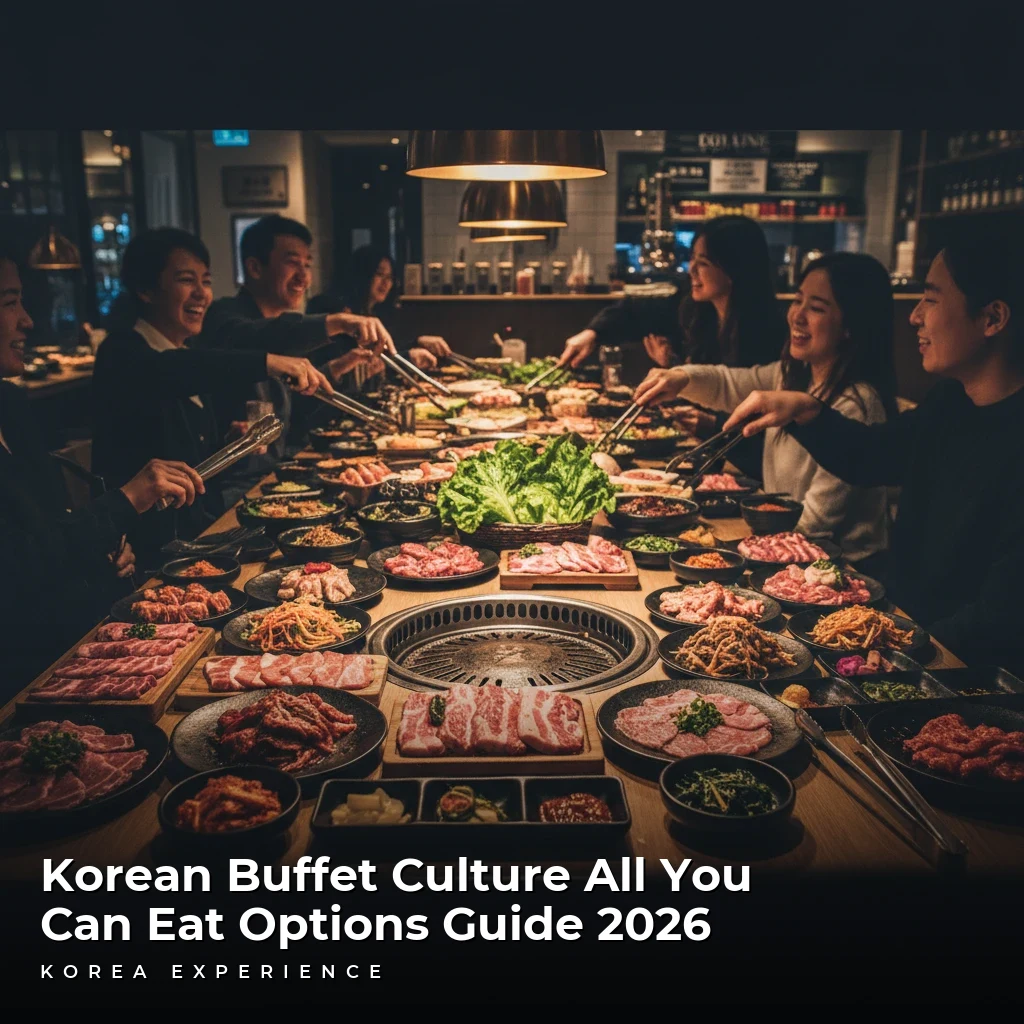
South Korea has revolutionized the concept of dining out with its unique "Muhan Refill" culture. Unlike standard Western buffets where quality often takes a backseat to quantity, the Korean buffet scene offers a sophisticated blend of high-quality ingredients, specialized themes, and incredible value for money. Whether you are craving premium cuts of pork belly, endless customized tteokbokki, or a luxurious seafood spread at a 5-star hotel, Seoul and its surrounding cities offer an all-you-can-eat experience that caters to every palate and budget.
You might also enjoy our article about Korean breakfast culture what locals eat in the morning.
For more details, check out our guide on Top 5 all you can eat buffet restaurants in Seoul.
For more details, check out our guide on Korean Seasonal Fish Guide 2026 Best Seafood by Season.
Learn more in our comprehensive guide to Daegu Makchang guide the ultimate grilled intestines expe....
For international travelers, navigating these establishments can be a culinary adventure. The landscape of Korean dining has shifted significantly over the last three years, with a 40% increase in specialized buffet franchises opening across major districts like Gangnam and Hongdae since 2024. Understanding the rules, the timing, and the specific types of buffets available is crucial to maximizing your gastronomic journey.
Key Takeaways
- 1Muhan Refill refers to unlimited refill restaurants, distinct from standard buffets
- 2Time limits are strictly enforced, averaging 100 to 120 minutes per table
- 3Leftover fines (environmental charges) range from 3,000 to ₩10,000
The "Muhan Refill" Phenomenon: More Than Just a Buffet
In Korea, the term "Muhan Refill" translates directly to "infinite refill." While this sounds like a standard buffet, the distinction lies in the service model. In a typical Muhan Refill restaurant, particularly BBQ spots, you often stay seated while premium meats are brought to your table, or you access a specific high-end salad bar. This culture is driven by "Gaseongbi"—the Korean concept of cost-effectiveness or value for money.
Recent consumer data from late 2025 indicates that 65% of office workers in Seoul visit a buffet-style restaurant at least twice a month for team lunches. This popularity has driven competition high, keeping prices relatively stable. You can expect to find entry-level refill stations starting as low as ₩12,000 (approx. $9 USD) for lunch, while dinner services usually command a premium of 3,000 to ₩5,000 more per person.
The Environmental Charge
Most Korean buffets enforce an "Environmental Contribution Charge." This is a fine charged if you leave excessive food on your plate or grill. The standard fee is between ₩3,000 and ₩5,000, but luxury venues may charge up to ₩10,000. It is rarely collected if you leave a small amount, but it serves as a strong deterrent against waste.
Korean BBQ Buffets: The Crown Jewel
When travelers think of Korean buffet culture all you can eat options, K-BBQ is the first image that comes to mind. These establishments focus heavily on pork (Samgyeopsal and Galbi) and sometimes beef. Unlike à la carte restaurants where a single serving of pork belly (150g-180g) costs around 16,000 to ₩19,000, unlimited BBQ places offer infinite meat for a flat fee, usually ranging from ₩19,900 to ₩29,900 per person.
The typical layout involves a self-service bar for side dishes (banchan), including kimchi, lettuce, garlic, and sauces, while the meat is either self-serve from a refrigerator or ordered from staff. Most BBQ buffets impose a strict 2-hour (120-minute) dining limit, with the last order for meat usually taken at the 90-minute mark.
Myeongnyun Jinsa Galbi(Myeongnyun Jinsa Galbi)
Navigating the Grill
Cooking your own meat is part of the experience. The grills are typically changed every 20 to 30 minutes to prevent charring. You can request a grill change by pressing the call button (often labeled 'Call' or 'Ding-dong' on the table) and saying "Bulpan-gal-a-juseyo" (Please change the grill plate).
📖 How to Master the K-BBQ Buffet
Step 1: Start Unmarinated
Begin with plain pork belly (Samgyeopsal) or beef brisket. Using clean grills for non-sauced meat prevents early burning.
Step 2: Move to Marinated
Once satisfied with plain cuts, switch to Galbi (marinated ribs). The sugar in the marinade caramelizes quickly, so flip often.
Step 3: The Carb Finish
Koreans finish the meal with cold noodles (Naengmyeon) or soybean stew (Doenjang-jjigae). These often cost an extra ₩5,000.
Luxury Hotel Buffets: The High-End Experience
On the opposite end of the spectrum are Seoul's luxury hotel buffets. These are not just meals; they are status symbols and events. Known as the "Three Great Buffets" of Seoul, venues like The Shilla's The Parkview, Lotte Hotel's La Seine, and The Westin Josun's Aria dominate the market.
Prices here have risen sharply. As of 2026, a weekend dinner at a top-tier hotel buffet averages between ₩160,000 and ₩195,000 per person ($115-$140 USD). Despite the price, reservations are incredibly competitive. Bookings typically open on the 1st of the month for the following month and can sell out within 15 minutes for prime weekend slots.
If you cannot get a reservation for dinner, try the weekday lunch slots. They are usually 15-20% cheaper (around ₩140,000) and offer 90% of the same menu items, including the signature snow crab and lobster tails. Also, cancellations often pop up 24 hours before the date, so keep checking the apps.
The luxury experience differs in service. Used plates are cleared within 3 minutes of finishing a round. Water is often premium bottled brands like San Pellegrino (included or extra depending on the venue), and there are specialized stations for sushi prepared by master chefs.
💵 Buffet Price Comparison (Weekend Dinner)
Lobster, Snow Crab, A++ Beef, 3hr limit
Sushi, Pasta, Korean Grill, 2hr limit
Tteokbokki and Snack Buffets: Youth Culture
For a fun, budget-friendly immersion into Korean youth culture, Tteokbokki (spicy rice cake) buffets are a must-visit. The most famous franchise, Dookki, has locations globally, but the Korean branches offer the widest variety of ingredients.
For a price of roughly ₩10,900 to ₩12,900 per person, you get access to a 90-minute session where you cook your own Tteokbokki pot. You choose the sauce (ranging from mild cream to ghost pepper spicy), the type of rice cakes (cheese-filled, sweet potato, wheat, or rice), and unlimited fried sides like gimmari (seaweed rolls) and fried chicken.
These venues are particularly popular with students. Consequently, the noise level is high, and the locations are busiest between 4:00 PM and 7:00 PM. Most are located within 500 meters of major subway stations or near universities.
📋 Tteokbokki Buffet Facts
Kisa Sikdang: The Driver's Buffet
A hidden gem in the Korean buffet culture all you can eat options list is the "Kisa Sikdang" (Taxi Driver's Restaurant). Originally designed for taxi drivers needing a quick, nutritious, and cheap meal, many have evolved into buffet-style establishments open to the public.
These places serve "Hanjeongsik" (traditional Korean meal) style buffets. You will find large trays of Bulgogi, spicy pork, grilled fish, endless rice, soup, and 10+ types of vegetable side dishes. The price is unbeatable, typically ranging from ₩9,000 to ₩11,000 per person. These are "eat-and-go" spots; the average dining time is 20 to 30 minutes, though you are welcome to stay longer.
Kisa Sikdang Analysis
- ✓Extremely affordable (under $8 USD)
- ✓Authentic home-cooked flavors
- ✓No time limits (usually)
- ✗Very casual atmosphere (no service)
- ✗Menu changes daily without notice
- ✗English signage is rare
Seafood and Sushi Buffets
Korean sushi buffets occupy the mid-range price tier. Brands like Kusina or Ashley Queens (which offers a mix of Western and Asian) provide a sushi section. However, specialized seafood buffets like Bono Bono or Makino Chaya focus entirely on aquatic delights.
Expect to pay between ₩50,000 and ₩85,000 for these specialized seafood buffets. The freshness is generally high, with Sashimi delivered daily from markets like Noryangjin. Unlike Japan, Korean sushi buffets often feature "Hwe" (Korean style sashimi) eaten with Chogochujang (vinegar chili paste) alongside traditional soy sauce.
📊 Seafood Consumption
Specialized Dietary Options: Vegetarian and Halal
Finding vegetarian-friendly buffets in Korea was historically difficult, but the landscape changed significantly in 2024. Temple food buffets are now a thriving sub-sector. Restaurants like Balwoo Gongyang (though often course-meal based, some offer buffet lunches) or smaller temple-cuisine spots in Insadong offer vegan-friendly all-you-can-eat options for around ₩15,000 to ₩25,000.
For Halal options, international buffets in hotels like the Lotte Hotel Seoul are your safest bet, as they label ingredients clearly. However, dedicated Halal buffets are still rare outside of specific zones in Itaewon.
Essential Etiquette and Tips
To seamlessly blend in with the locals, there are specific behaviors to observe. First, water is almost always self-service at budget and mid-range buffets. Look for a water purifier and a UV-sterilizer cabinet containing stainless steel cups.
Second, cutlery is often kept in a drawer built into the side of the table. If you cannot find chopsticks, feel under the table ledge.
Excessive Waste
Do not overfill your plate. It is considered polite to take small amounts frequently rather than piling food high. Leaving a mountain of food is not just wasteful; it invites the environmental fine mentioned earlier. Staff will visually inspect tables before processing the final bill.
Buffet Type Comparison
| Feature | K-BBQ Refill | Hotel Buffet | Kisa Sikdang |
|---|---|---|---|
| Avg Price | ₩22,000 | ₩170,000 | ₩10,000 |
| Time Limit | 120 Mins | 180 Mins | None |
| Service Style | Cook Yourself | Full Service | Self Serve |
Strategic Timing for Travelers
Timing your visit is as important as choosing the restaurant. Lunch specials (usually 11:30 AM to 2:30 PM) are significantly cheaper than dinner. For example, a sushi buffet might cost ₩29,000 for lunch but jump to ₩45,000 for dinner, often with only 2-3 additional menu items like sashimi or steak.
If you are targeting popular spots in Gangnam or Hongdae on a Friday or Saturday, you must use apps like CatchTable or Naver Map to queue remotely. Some popular BBQ buffets have waiting lists that open at 4:30 PM for a 6:00 PM dinner, with wait times often exceeding 90 minutes.
The Dinner Rush Timeline
Early Bird
Arrive now for instant seating.
Peak Hour
Wait times hit 45-90 minutes.
Late Entry
Crowds thin, but food replenishment slows.
Conclusion
The Korean buffet culture all you can eat options provide a unique window into the country's dining soul. It balances the modern desire for variety and luxury with the traditional values of generosity and communal eating. Whether you are grilling your own pork belly in a smoky, energetic room in Hongdae or sipping champagne at a hotel overlooking Namsan Tower, the experience is distinctly Korean. By understanding the pricing structures, time limits, and etiquette, you can ensure your culinary adventure is both delicious and respectful.
❓ Frequently Asked Questions
Have more questions?Contact us →
About the Author
Korea Experience Team
Written by the Korea Experience editorial team - experts in Korean medical tourism, travel, and culture with years of research and firsthand experience.
Explore more in Food & Dining
Korean BBQ, street food, Michelin restaurants, and regional specialties — your ultimate guide to eating well in Korea.
Browse All Food & Dining ArticlesContinue Reading
Explore more articles you might find interesting
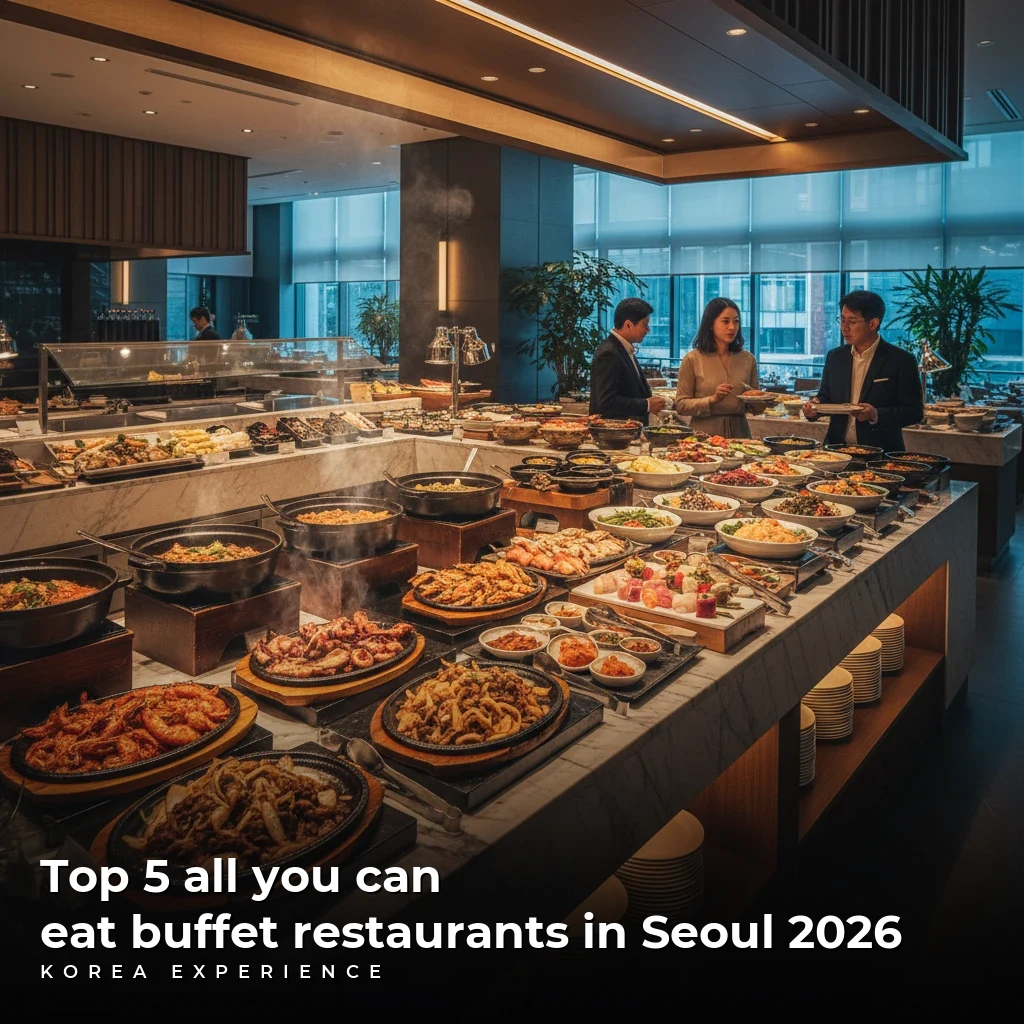
Discover the best all you can eat buffets in Seoul for 2026. From luxury hotels to budget BBQ, find pricing, locations, and expert dining tips.
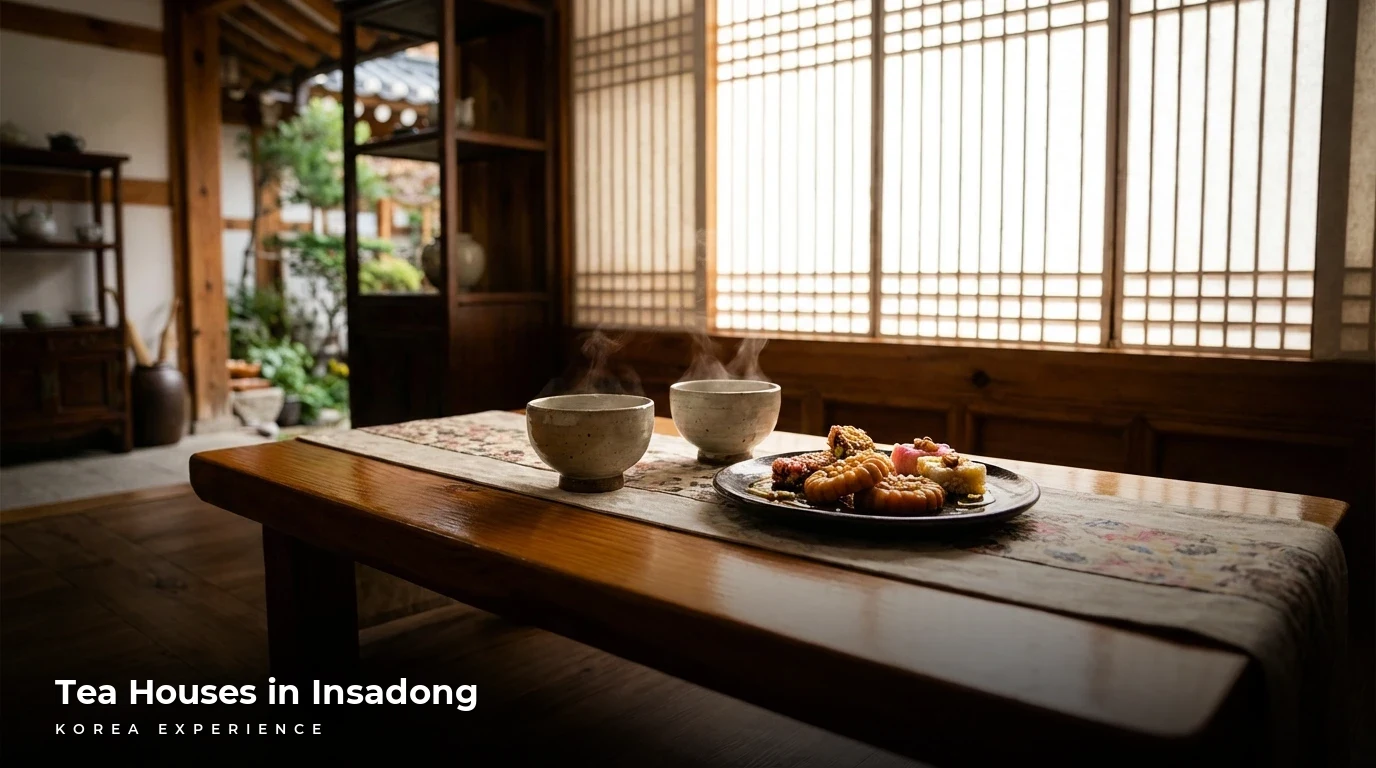
Discover Seoul's soul in 2026 with 100-year-old Hanoks and healing teas starting at 9,000 KRW. Find the best hidden spots away from the main street crowds.
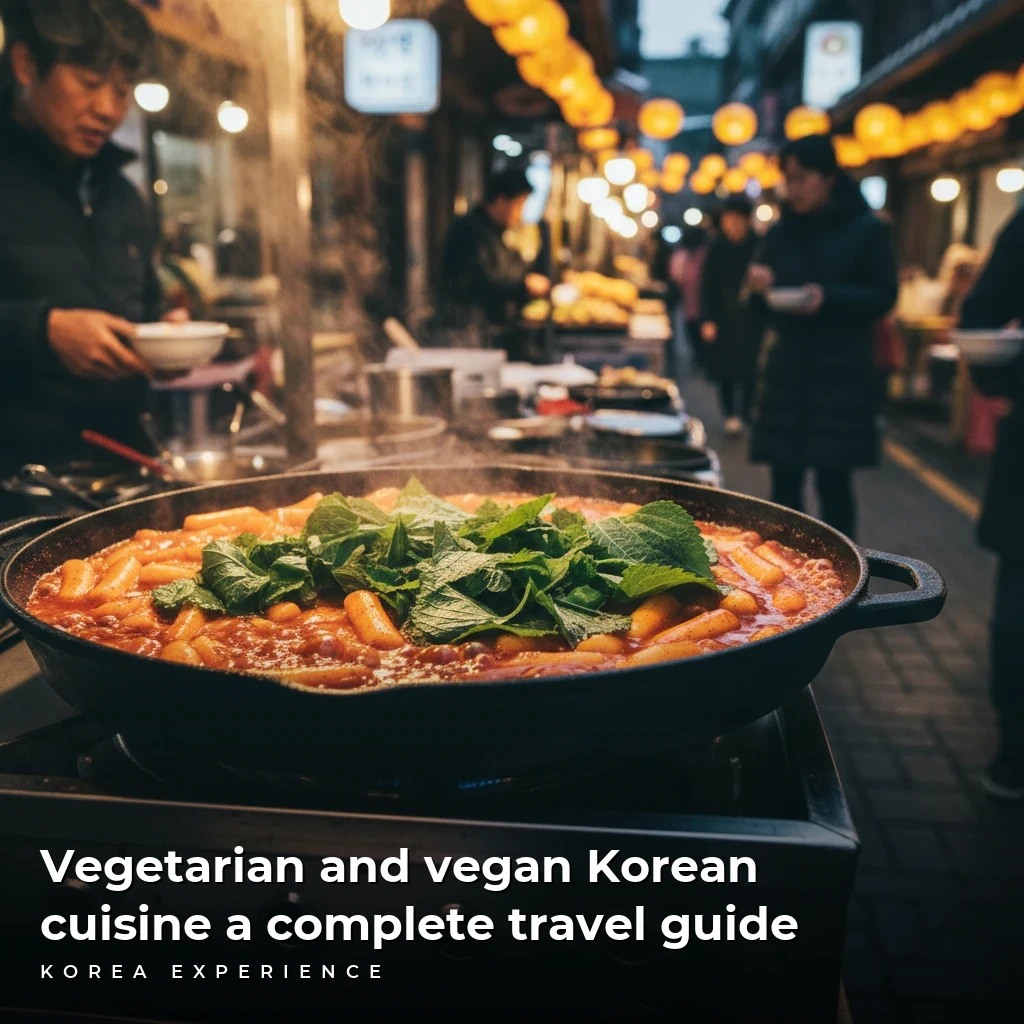
Discover the best vegetarian and vegan Korean cuisine options. From Michelin-starred temple food to spicy street snacks, navigate dining in Korea easily.
Discover the ultimate guide to Seoul cafe culture in 2026, featuring top coffee shops, trending dessert spots, and local insights for travelers.
Discover the holy trinity of Korean street food. Essential guide to Tteokbokki, Hotteok, and Sundae including best spots, prices, and eating tips.
Discover the authentic flavors of Korean breakfast, from hearty soups and savory rice dishes to modern cafe culture and street food staples.