Korean Chicken Culture: Yangnyeom vs Fried Explained
Dive deep into Korean chicken culture, exploring the iconic differences between crispy fried chicken and sweet, spicy yangnyeom chicken. Your ultimate guide awaits.
Unraveling Korean Chicken Culture: Yangnyeom vs Fried - Your Ultimate Guide
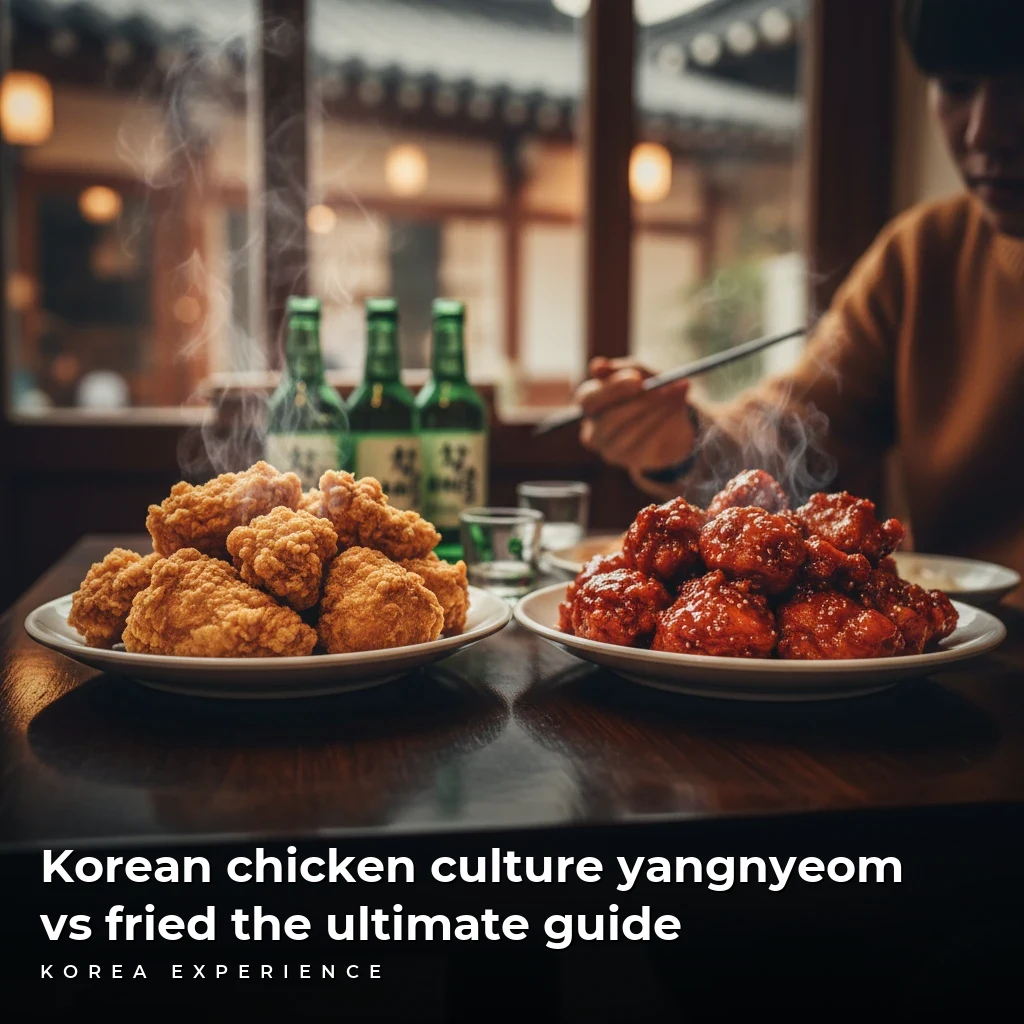
Korean chicken has transcended its origins to become a global culinary sensation, synonymous with crispy perfection and an explosion of flavors. For international travelers and expats in Korea, navigating the vast and delicious world of Korean chicken can be both exciting and, at times, a little overwhelming. The quintessential debate often centers around two titans: the classic "Huraideu Chicken" (Korean Fried Chicken) and the beloved "Yangnyeom Chicken" (Seasoned Chicken).
This comprehensive guide will take you on a deep dive into the heart of Korean chicken culture. We will explore the rich history that shaped this national obsession, meticulously break down the distinct characteristics of fried and yangnyeom chicken, offer practical tips for ordering and enjoying your meal, and equip you with the insider knowledge to fully appreciate this cornerstone of Korean cuisine. By the end of this post, you'll not only understand the fundamental differences between yangnyeom and fried chicken but also discover your own preferred path in this flavorful journey, ensuring an unforgettable Korean dining experience.
The Evolution of Korean Chicken: A Culinary Phenomenon
The story of Korean chicken is a fascinating blend of historical context, culinary innovation, and cultural adaptation. While chicken has always been a part of the Korean diet, its transformation into the fried and seasoned spectacle we know today is a relatively modern phenomenon, largely influenced by post-Korean War developments and Western fast-food trends.
Early Beginnings and Western Influence
Prior to the 1960s, chicken in Korea was typically prepared by boiling or roasting, often reserved for special occasions or traditional dishes like "Samgyetang" (Ginseng Chicken Soup). The true turning point arrived with the influx of American culture and military presence after the Korean War. Fast-food chains, particularly those specializing in fried chicken, began to emerge, introducing Koreans to the concept of deep-fried poultry.
However, early Korean fried chicken was distinct from its American counterpart. Chefs quickly adapted the technique to suit local preferences, focusing on lighter batters and a more delicate crispness. The first dedicated fried chicken restaurant, Lims Chicken, opened in Myeongdong in 1977, marking a pivotal moment in the popularization of this dish.
The Rise of Yangnyeom Chicken
While fried chicken was gaining traction, the innovation didn't stop there. Korean palates often favor bold, complex flavors, and a purely savory fried chicken sometimes left something to be desired. This led to the ingenious creation of "Yangnyeom Chicken" in the 1980s. A chef named Yoon Jonggye of Pelicana Chicken is widely credited with developing the sweet and spicy sauce that would define yangnyeom chicken.
The concept was simple yet revolutionary: take the perfectly crispy fried chicken and coat it in a thick, flavorful sauce. This combination offered a new dimension of taste and texture, quickly captivating the Korean public and establishing yangnyeom chicken as an equally iconic, if not more beloved, variant.
The "Chi-maek" Culture and Modern Expansion
The 1990s and 2000s saw an explosion in the popularity of Korean chicken, fueled by the rise of home delivery services and the establishment of "Chi-maek" (chicken and "Maekju" or beer) as a quintessential social ritual. Whether for a late-night snack, a family dinner, or a gathering with friends, chicken and beer became an inseparable pair.
Today, Korea boasts an astonishing number of chicken restaurants, with estimates suggesting over 50,000 establishments nationwide. This fierce competition has driven continuous innovation, leading to a dizzying array of flavors, styles, and preparation methods. Korean chicken culture is not just about food; it's about comfort, camaraderie, and a distinct culinary identity that continues to evolve and charm palates worldwide.
Understanding "Fried Chicken" (Huraideu Chicken): The Crispy Classic
At its core, "Huraideu Chicken" (often simply referred to as "fried chicken" by Koreans, pronounced similarly to the English word) is the foundation upon which much of Korean chicken culture is built. It’s a masterclass in achieving an unparalleled crispiness and a subtly seasoned flavor that allows the quality of the chicken itself to shine.
The Art of the Double Fry
The secret to Korean fried chicken's signature crispiness lies in its unique preparation method, most notably the "double-fry" technique. Unlike many Western fried chicken recipes that involve a single deep fry, Korean fried chicken is typically fried twice.
- First Fry: The chicken pieces, lightly coated in a thin batter often made with potato starch or cornstarch, are fried at a lower temperature. This step cooks the chicken thoroughly and renders out much of the fat from the skin, preventing it from becoming soggy.
- Second Fry: After a brief rest, the chicken is returned to hotter oil for a second fry. This crucial step creates an incredibly thin, almost transparent, and shatteringly crispy crust. The low moisture content of the chicken skin after the first fry allows it to become exceptionally light and crunchy during the second.
This meticulous process results in a distinct texture: the skin is paper-thin and audibly crunchy, while the meat remains juicy and tender.
Flavor Profile and Characteristics
Korean fried chicken is known for its relatively light seasoning. The focus is on the chicken's natural flavor, enhanced by a simple marinade and the crispy batter.
- Taste: Savory, subtly salty, with a clean chicken flavor. It's often less heavily spiced than its American counterparts, allowing for versatility when paired with various dipping sauces or simply enjoyed on its own.
- Texture: The defining characteristic is its extreme crispiness, which holds up remarkably well even after cooling. The meat inside is consistently moist and tender.
- Appearance: Typically a golden-brown hue, often glistening from the light oil and thin batter.
Popular Variations of Fried Chicken
While the classic "huraideu" is a staple, many chains offer variations on the unseasoned fried chicken:
- Plain Fried Chicken: The traditional, unadorned crispy chicken.
- Garlic Fried Chicken: Often features a savory garlic powder seasoning or thinly sliced fried garlic cloves mixed in.
- Soy Garlic Fried Chicken (Ganjang Chicken): While technically a seasoned chicken, this distinct variety often falls into the fried chicken category due to its direct application of a soy-garlic glaze after frying, rather than a thick coating. It balances savory, sweet, and umami notes.
- Spicy Fried Chicken (Maeun Huraideu): Seasoned with a dry spice blend for a direct heat kick, rather than a saucy coating.
Huraideu chicken is the purist's choice, celebrated for its perfect crunch and unadulterated chicken flavor, making it an excellent starting point for anyone exploring Korean chicken culture.
Delving into "Yangnyeom Chicken": The Iconic Korean Flavor
If "Huraideu Chicken" is the crispy canvas, "Yangnyeom Chicken" is the vibrant masterpiece painted with bold, unforgettable flavors. Meaning "seasoned chicken," yangnyeom chicken takes the perfectly fried chicken pieces and coats them generously in a thick, glossy, and intensely flavorful sauce. This is arguably the most globally recognized form of Korean fried chicken, embodying the country's love for complex, balanced tastes.
The Magic of the Sauce
The heart of yangnyeom chicken lies entirely in its sauce. While recipes vary widely between restaurants and home cooks, the core ingredients and flavor profile remain consistent: a harmonious blend of sweet, spicy, savory, and tangy.
- Gochujang (Korean Chili Paste): Provides the foundational spicy kick and a deep, complex umami flavor.
- Gochugaru (Korean Chili Flakes): Adds additional heat and a subtle texture.
- Soy Sauce: Contributes saltiness and depth of flavor.
- Garlic and Ginger: Essential aromatics that provide pungency and warmth.
- Sugar or Corn Syrup: Crucial for sweetness and to give the sauce its characteristic glossy, sticky texture.
- Vinegar: Adds a touch of acidity to balance the richness and sweetness.
- Sesame Oil and Seeds: For nutty aroma and garnish.
The sauce is typically cooked down to a thick, syrupy consistency, then the freshly fried chicken is either tossed directly in it or individually brushed with the sauce just before serving. This ensures every piece is thoroughly coated, delivering an immediate burst of flavor with every bite.
Flavor Profile and Characteristics
Yangnyeom chicken offers a multi-layered sensory experience distinct from its fried counterpart.
- Taste: Predominantly sweet and spicy, with underlying savory, garlicky, and tangy notes. The heat level can range from mild to intensely fiery, depending on the restaurant and specific recipe. It's a flavor profile that is immediately addictive.
- Texture: While the underlying chicken retains much of its initial crispiness, the sauce adds a new textural dimension. It's sticky, slightly chewy, and provides a satisfying contrast to the crunchy chicken beneath. The sauce also makes the chicken feel more substantial.
- Appearance: Distinctive deep red or reddish-brown color, often glistening, and frequently garnished with roasted sesame seeds and sometimes crushed peanuts for added texture and aroma.
Popular Yangnyeom Variations
Due to its immense popularity, yangnyeom chicken has spawned numerous variations:
- Original Yangnyeom: The classic sweet and spicy sauce.
- Spicy Yangnyeom (Maeun Yangnyeom): An extra-hot version for chili lovers, often indicated by specific spice levels.
- Garlic Yangnyeom: Features a heavier emphasis on garlic in the sauce, providing a more pungent aroma and taste.
- Honey Garlic Yangnyeom: A milder, sweeter version with a prominent honey flavor, often less spicy.
- Soy Garlic Yangnyeom (Ganjang Yangnyeom): While sometimes categorized under fried chicken, this variant focuses on a savory, sweet soy-garlic glaze, often with minimal or no chili. This is a very popular choice for those who prefer less heat.
Yangnyeom chicken is a bold statement, a testament to Korea's culinary creativity, offering a rich and satisfying experience that has captivated taste buds worldwide.
The Great Debate: Yangnyeom vs Fried - A Head-to-Head Comparison
The choice between yangnyeom and fried chicken is a personal one, often debated passionately among Korean food enthusiasts. Each offers a unique experience, catering to different preferences and occasions. Let's break down the key differences to help you make an informed decision.
Flavor Intensity
- Fried Chicken (Huraideu): Offers a cleaner, simpler flavor profile. The taste of the chicken itself, along with a subtle seasoning, is paramount. It’s ideal for those who appreciate the natural taste of chicken and a straightforward savory experience.
- Yangnyeom Chicken: Delivers an explosion of complex flavors – sweet, spicy, savory, and tangy. It's a more assertive taste that dominates the palate and is perfect for those who crave bold, layered sensations.
Texture Experience
- Fried Chicken (Huraideu): Defined by its extreme crispiness. The thin, shatteringly crunchy crust provides an audible crunch with every bite, maintaining its crispness for an extended period.
- Yangnyeom Chicken: While the chicken beneath the sauce is still crispy, the thick sauce adds a sticky, slightly chewy, and tender outer layer. The initial crunch is still present, but it's enveloped by the rich texture of the sauce. It tends to lose some crispness faster than plain fried chicken if left sitting.
Versatility and Pairings
- Fried Chicken (Huraideu): Highly versatile. Its neutral flavor makes it an excellent base for various dipping sauces (salt and pepper, mustard, sweet chili) and pairs well with almost any beverage. It's also a good choice if you're ordering multiple types of chicken.
- Yangnyeom Chicken: Its strong flavor profile means it often stands alone. While it pairs wonderfully with beer ("Maekju"), its distinct taste can sometimes overshadow other accompaniments.
Mess Factor
- Fried Chicken (Huraideu): Relatively clean to eat. Minimal mess, mostly dry and easy to handle.
- Yangnyeom Chicken: Can be quite messy due to the sticky sauce. Expect to use plenty of wet wipes and perhaps resort to gloves (often provided by restaurants) to keep your hands clean.
Dietary Considerations
- Fried Chicken (Huraideu): Generally has a lower sugar content compared to yangnyeom.
- Yangnyeom Chicken: Contains significant amounts of sugar and sodium from the sauce.
Here’s a comparison table summarizing the key aspects:
| Feature | Fried Chicken (Huraideu Chicken) | Yangnyeom Chicken (Seasoned Chicken) |
|---|---|---|
| Flavor Profile | Savory, subtly salty, pure chicken flavor, clean | Sweet, spicy, savory, tangy, garlicky, complex |
| Texture | Extreme crispiness, thin shatteringly crunchy crust | Crispy base coated in sticky, slightly chewy, glossy sauce |
| Crust Retention | Excellent, maintains crispness longer | Good initially, but sauce softens crust over time |
| Messiness | Low, relatively dry and easy to handle | High, sticky sauce requires napkins or gloves |
| Primary Appeal | Purity of chicken flavor, satisfying crunch | Bold, addictive flavor, rich and saucy experience |
| Popularity | Universally loved as a classic | Often the first choice for foreigners and spice lovers |
| Key Ingredient | High-quality chicken, perfect double-frying technique | The distinctive, complex sweet and spicy sauce |
Beyond the Basics: Other Popular Korean Chicken Varieties
While yangnyeom and fried chicken are the stars, the Korean chicken universe is vast and continually expanding. Many restaurants offer creative twists and entirely different preparation methods that are worth exploring.
Ganjang Chicken (Soy Garlic Chicken)
As mentioned, "Ganjang Chicken" is a wildly popular variety that bridges the gap between fried and seasoned. It features a savory, sweet soy-garlic glaze that is thinner than traditional yangnyeom sauce but equally flavorful. It’s less spicy, often with just a hint of black pepper or ginger, making it an excellent choice for those who prefer savory over spicy or sweet. Brands like Kyochon Chicken are particularly famous for their distinct ganjang chicken, known for its deep umami and thin, crispy coating.
Honey Combo Chicken
A sweet and savory delight, "Honey Combo Chicken" typically features chicken pieces glazed in a delectable honey-based sauce. It's often paired with garlic or soy for added complexity, offering a milder, sweeter alternative to yangnyeom chicken. This is a fantastic option for families or those with a lower spice tolerance.
Cheese Snow Chicken (Cheese Ball Chicken)
This quirky and indulgent option has gained significant popularity, especially among younger generations. "Cheese Snow Chicken" is typically plain fried chicken generously dusted with a powdered cheese seasoning, reminiscent of cheese-flavored snacks. It offers a rich, savory, and slightly salty cheese flavor with every bite, creating a unique fusion experience. Some restaurants also offer "Cheese Balls" as a side – chewy rice balls filled with melted cheese, perfect for dipping in extra sauce or eating alongside the chicken.
Roasted/Oven-Baked Chicken (Gupne Chicken)
Not all Korean chicken is fried! "Gupne Chicken" (Goobne Chicken is a famous chain specializing in this) offers a healthier alternative by oven-baking or roasting their chicken. This method results in a significantly less greasy chicken with crispy skin and juicy meat, often seasoned with various marinades or served with dipping sauces. It's a great option for those looking to enjoy Korean chicken flavors without the deep-fried indulgence. They offer original, spicy, and even cheese-baked versions.
Half-and-Half (Banh-banh) and Sam-jong (Three Kinds)
Can't decide? Many Korean chicken restaurants offer "Banh-banh" (half-and-half) options, allowing you to order a full chicken split into two different flavors, most commonly fried and yangnyeom. This is incredibly popular and highly recommended for first-timers or groups. For larger groups, some places even offer "Sam-jong" (three kinds), letting you try three different flavors in one order. This ensures everyone gets their favorite and allows for a diverse tasting experience.
Exploring these varieties adds another layer of excitement to your Korean chicken journey, revealing the depth and innovation within this beloved cuisine.
Pairing Perfection: What to Drink and Eat with Korean Chicken
Korean chicken isn't just a meal; it's an experience, often accompanied by specific drinks and side dishes that enhance its flavors and cultural significance. Understanding these pairings is key to fully immersing yourself in Korean chicken culture.
The Indispensable "Chi-Maek" Culture
The most iconic pairing with Korean chicken is undoubtedly "Chi-maek" – a portmanteau of "Chikin" (chicken) and "Maekju" (beer). This combination is deeply ingrained in Korean social life, symbolizing relaxation, celebration, and casual gatherings.
- Beer: Korean lagers like Cass, Hite, and Terra are the traditional choices. Their crisp, light, and slightly bitter profiles perfectly cut through the richness of the fried or sauced chicken, refreshing the palate with every sip. Craft beers are also gaining popularity, offering more complex pairing options.
- Soju: While less common than beer, some people enjoy pairing chicken with Soju, Korea's national spirit. The clean, alcoholic kick of Soju can cleanse the palate, especially after spicy yangnyeom chicken. For an adventurous twist, some mix beer and Soju to create a "Somaek" (Soju + Maekju) bomb, delivering a potent and celebratory punch. For more on Soju culture, check out our guide to Korean drinking traditions.
Essential Side Dishes (Banchan)
Korean chicken meals typically come with a few essential side dishes that complement the main attraction.
- Pickled Radish (Chicken Mu): This is a non-negotiable accompaniment. Small cubes of pickled daikon radish, sweet, tangy, and crunchy, act as a perfect palate cleanser between bites of rich chicken. Its acidity cuts through the fat and sweetness of the chicken, refreshing your mouth for the next piece.
- Coleslaw: Often a simple, creamy coleslaw made with cabbage and mayonnaise. It provides a cool, crisp contrast to the warm chicken.
- Assorted Sauces: Even if you order yangnyeom, plain fried chicken often comes with a small dish of salt and pepper, mustard sauce, or sweet chili sauce for dipping, allowing for customizable flavor.
Other Popular Accompaniments
- Tteokbokki (Spicy Rice Cakes): Many chicken restaurants now offer "Tteokbokki" as a side dish. The chewy rice cakes in a fiery gochujang sauce offer another layer of spice and texture, making for a hearty combination.
- French Fries: A classic fast-food pairing, often seasoned with salt or a dusting of cheese powder.
- Soft Drinks: For non-drinkers, classic sodas like Coca-Cola, Sprite, or local Korean soft drinks like "Chilsung Cider" (lemon-lime soda) are perfect for quenching your thirst and balancing the flavors.
Remember, the true joy of Korean chicken culture lies not just in the food itself, but in the shared experience, the clinking of beer glasses, and the lively conversations that accompany every meal.
Finding Your Favorite: Top Korean Chicken Chains and Hidden Gems
With tens of thousands of chicken restaurants in Korea, knowing where to start can be daunting. While local neighborhood spots ("Tongdak집" - whole chicken house) often offer incredible value and unique local flavors, established chains provide consistent quality and a wide menu, making them excellent choices for international visitors.
Major Korean Chicken Chains (Franchises)
These brands are ubiquitous across Korea, easily recognizable by their vibrant storefronts and extensive delivery services.
-
Kyochon Chicken (KyoChon):
- Specialty: Known for its thin, extra-crispy fried chicken with distinct, flavorful glazes applied by brush. Their "Original Soy Garlic" and "Red Series" (spicy) are legendary. Their chicken pieces are typically smaller, leading to more crispy surface area.
- Tip: Often considered a more "premium" chicken brand. Try the "Half-and-Half" with Original Soy Garlic and Red Series for a classic Kyochon experience.
- Approximate Price: A whole chicken set usually ranges from 19,000 to 25,000 Korean Won.
-
BHC Chicken (Better & Happier Choice):
- Specialty: Famous for its "Bburinkle Chicken," fried chicken dusted with a savory, slightly sweet cheese and vegetable powder. Also offers excellent yangnyeom and crispy original fried chicken.
- Tip: If you're feeling adventurous and love cheesy flavors, "Bburinkle" is a must-try. Their "Red King" is also a very popular spicy yangnyeom option.
- Approximate Price: 18,000 to 24,000 Korean Won.
-
BBQ Chicken (Best of the Best Quality):
- Specialty: Globally recognized, BBQ Chicken prides itself on its "Golden Olive Oil Fried Chicken," claiming to use only premium extra virgin olive oil for frying. Offers a wide range of flavors, including excellent original fried and various yangnyeom options.
- Tip: A reliable choice for consistently good fried chicken. Their "Secret Sauce Chicken" (sweet and spicy) is a solid yangnyeom pick.
- Approximate Price: 20,000 to 26,000 Korean Won.
-
Goobne Chicken (Gupne Chicken):
- Specialty: Specializes in oven-roasted chicken, offering a healthier, non-fried alternative. Their "Original" roasted chicken is simple but flavorful, and they have popular seasoned roasted options like "Goobne Galbi Cheonwang" (Korean BBQ flavor) and "Goobne Volcano" (extremely spicy).
- Tip: Great if you're looking for juicy, less greasy chicken. Don't underestimate the heat of their spicy options.
- Approximate Price: 17,000 to 23,000 Korean Won.
-
Nene Chicken (NeNe Chicken):
- Specialty: Known for its diverse menu and generous portions, often featuring various dipping sauces. Popular for their "Snowing Cheese" (similar to Bburinkle) and "Hot Bling" (spicy yangnyeom).
- Tip: Often provides a good value for money with ample side servings.
- Approximate Price: 16,000 to 22,000 Korean Won.
Locating Your Chicken Fix
- Delivery Apps: For expats and long-term visitors, downloading a Korean delivery app like "Baedal Minjok" (배달의민족) or "Yogiyo" (요기요) is essential. While they require Korean phone numbers and often local payment methods, some offer English interfaces or options for foreigner-friendly services.
- In-Person Dining: Most chicken restaurants offer dine-in options. Look for "치킨" (Chikin) signs. Popular areas like Hongdae, Gangnam, Myeongdong, and Itaewon will have numerous options, both chains and independent stores.
- Local Tongdak집: Don't shy away from smaller, independent "Tongdak" (whole chicken) shops. These often have long histories, loyal local customers, and unique recipes that offer a glimpse into regional variations or hidden gems. Look for bustling spots, especially during dinner hours.
Choosing a chicken restaurant is part of the adventure. Each brand offers a slightly different take on the classic, so don't be afraid to try a few until you find your perfect match!
Practical Tips for Enjoying Korean Chicken
To maximize your Korean chicken experience, keep these practical tips in mind:
- Portion Sizes: A "whole chicken" order is typically enough for two to three people, especially if accompanied by sides and drinks. If you're a solo diner or just want a snack, some places offer "ban-mari" (half chicken) or "boneless" options with smaller servings.
- Boneless Options: Many restaurants offer boneless chicken ("sun-sal chikin"). This is excellent for easier eating, especially with sauced varieties, and often comes in slightly smaller portions.
- Gloves are Your Friend: For sauced chicken like yangnyeom, most restaurants will provide disposable plastic gloves. Don't hesitate to use them! They'll save you from sticky fingers and ensure a more enjoyable, mess-free meal.
- Delivery Culture: Chicken delivery is a cornerstone of Korean life. It's incredibly fast and efficient. If you're staying in an accommodation where ordering delivery is possible (and you can navigate the apps or have a Korean friend help), it's a quintessential Korean experience.
- "Service" Items: Don't be surprised if your order comes with complimentary pickled radish ("chicken mu"), a small coleslaw, and a plastic cup for your beer. These are standard "service" items.
- Tipping is Not Customary: Tipping is not part of Korean dining culture, including at chicken restaurants or for delivery.
- Explore Beyond the Famous: While the big chains are reliable, local, independent chicken shops can offer incredible, authentic flavors and often a more intimate dining experience. Ask locals for their recommendations!
By keeping these tips in mind, you're set to fully savor the delightful and diverse world of Korean chicken.
Frequently Asked Questions (FAQ)
1. Is Korean fried chicken always spicy? No, Korean fried chicken is not always spicy. While "Yangnyeom Chicken" often has a sweet and spicy kick, the classic "Huraideu Chicken" (original fried chicken) is savory and only lightly seasoned. Many chains also offer non-spicy options like "Ganjang Chicken" (soy garlic) or "Honey Garlic Chicken," catering to all spice preferences.
2. What is the difference between Korean fried chicken and Western fried chicken? The main differences lie in the preparation and flavor profile. Korean fried chicken typically employs a "double-fry" method, resulting in an exceptionally thin, light, and shatteringly crispy crust. The batter is often lighter, using potato starch or cornstarch. Western fried chicken, especially American Southern style, usually has a thicker, flakier, and often more heavily seasoned crust from a single fry. Korean chicken also offers unique sauce varieties like sweet and spicy "Yangnyeom" and savory "Ganjang," which are distinct from common Western fried chicken seasonings.
3. Can I get boneless Korean chicken? Absolutely! Most Korean chicken restaurants offer boneless options, known as "sun-sal chikin" (순살치킨). These are typically made with chicken thigh meat, ensuring tenderness and juiciness, and are often slightly smaller portions, making them great for individual diners or those who prefer convenience.
4. How much does Korean fried chicken cost? The price for a full Korean chicken order (typically serving 2-3 people) generally ranges from 16,000 to 26,000 Korean Won, depending on the restaurant, specific flavor, and whether it includes sides. Boneless options or premium sets might be slightly more expensive. Half portions ("ban-mari") are sometimes available at a lower price point.
5. What is the best way to eat Korean chicken? The best way is to enjoy it with friends or family, pairing it with beer ("Maekju") for the classic "Chi-maek" experience. Don't forget the pickled radish ("Chicken Mu") as a palate cleanser. For sauced chicken, embrace the mess and use the provided plastic gloves. And most importantly, savor every crispy, flavorful bite!
Conclusion: Your Korean Chicken Adventure Awaits
Korean chicken culture, with its iconic "Huraideu Chicken" and the universally beloved "Yangnyeom Chicken," is a culinary adventure not to be missed. From the meticulous double-frying technique that creates an unparalleled crispiness to the complex, addictive flavors of its signature sauces, every aspect of Korean chicken speaks to a rich history of innovation and a deep-seated love for good food.
Whether you're drawn to the pure, unadulterated crunch of classic fried chicken or yearn for the sweet, spicy, and savory explosion of yangnyeom, there's a chicken for every palate. Remember to dive into the "Chi-maek" culture, cleanse your palate with pickled radish, and don't hesitate to explore the myriad of flavors offered by different chains and local gems.
Armed with this comprehensive guide, you are now ready to confidently navigate the delicious world of Korean chicken. Go forth, explore, and discover your own favorite. Your ultimate Korean chicken experience truly begins now!
About the Author
Korea Experience Team
Written by the Korea Experience editorial team - experts in Korean medical tourism, travel, and culture with years of research and firsthand experience.
⚠️ Medical Disclaimer
The information provided on this website is for general informational purposes only and does not constitute medical advice. Always consult with qualified healthcare professionals before making any medical decisions.
Continue Reading
Explore more articles you might find interesting
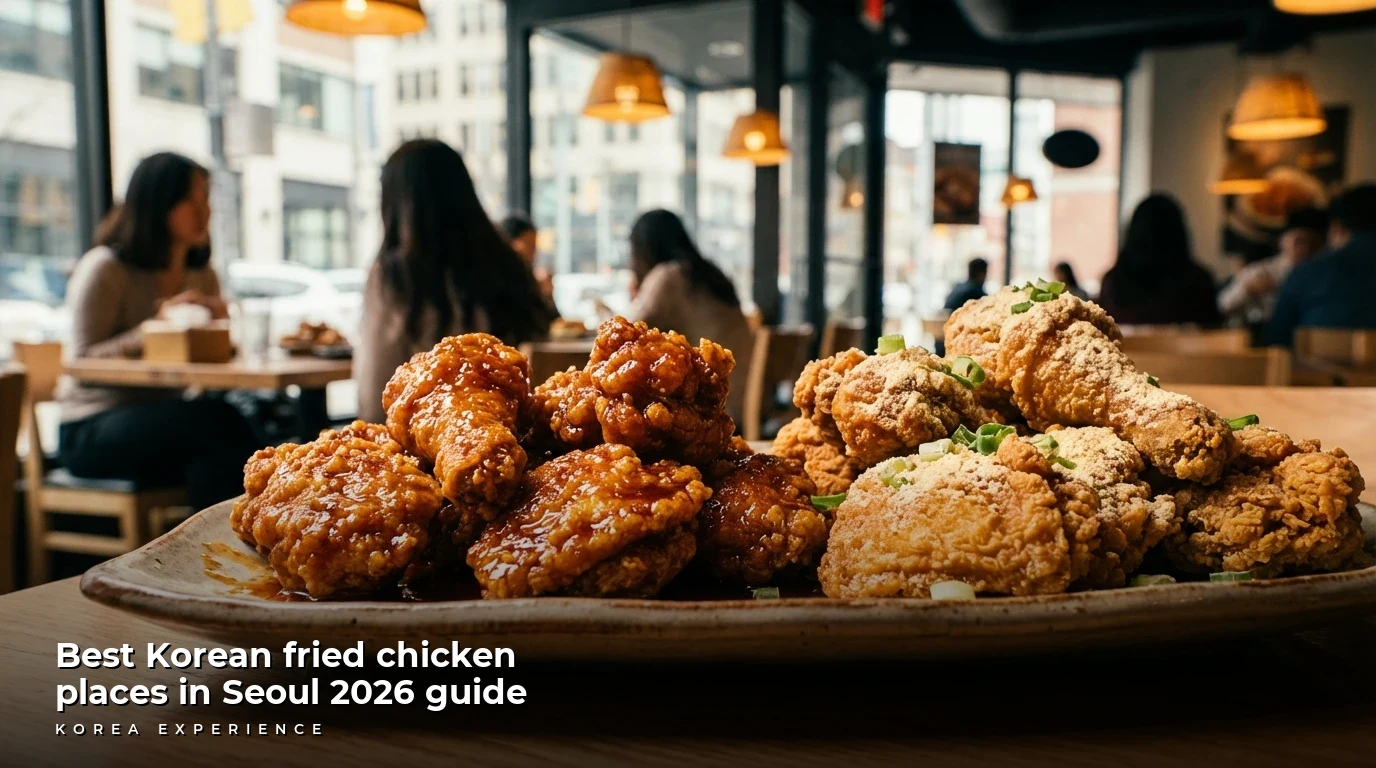
Discover the authentic taste of Andong Jjimdak in its true hometown. This guide unveils the best restaurants, history, and essential tips for an unforgettable culinary journey.
Discover the iconic flavors of Sokcho, South Korea, with our in-depth guide to local specialties: fresh Sokcho Squid and the unique Abai Sundae.
Discover Seoul's top Michelin Star Korean restaurants in 2026, offering unparalleled gastronomic experiences for international foodies.