Learning to cook Korean food at home essential pantry items 2026
Master Korean cooking with our 2026 guide to essential pantry items. Discover the must-have sauces, spices, and ingredients for authentic flavors.
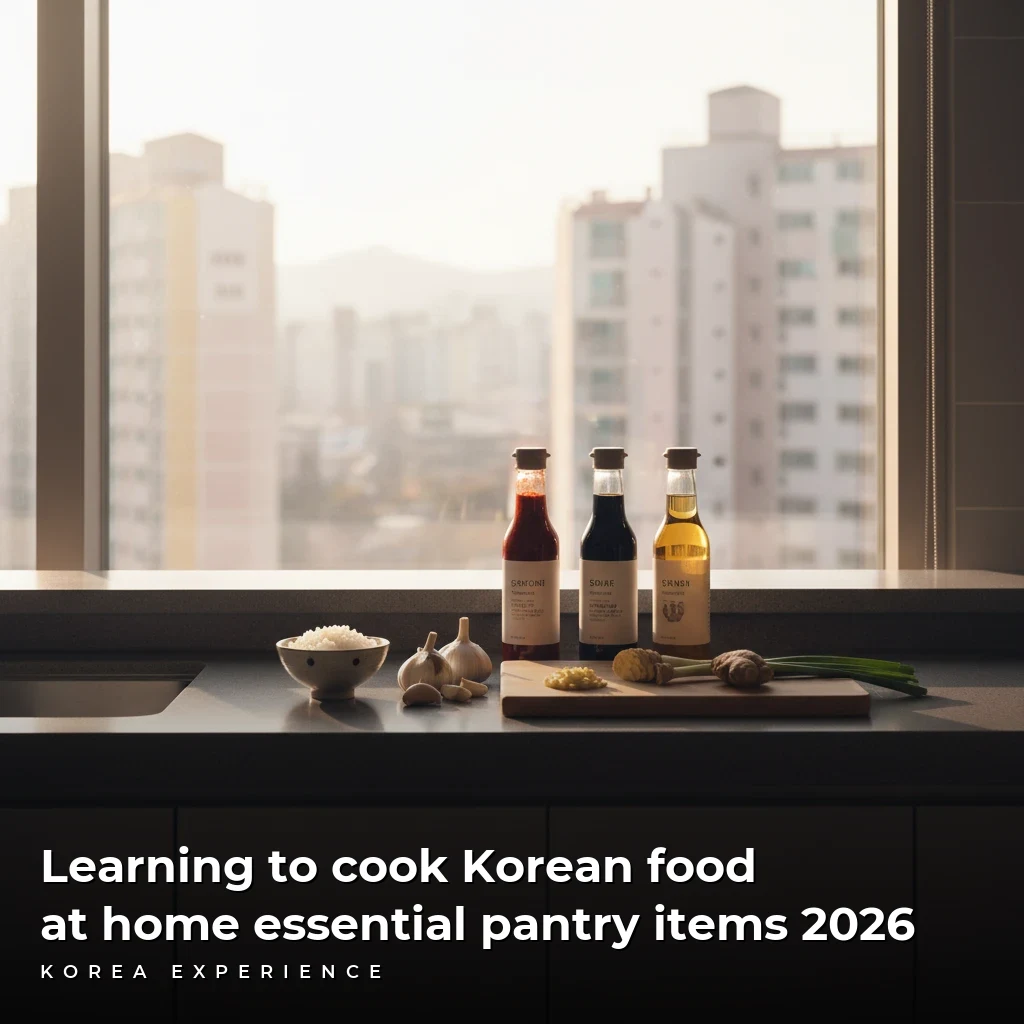
In 2026, the global culinary landscape has been undeniably transformed by the "K-Food Wave," with Korean cuisine solidifying its place as a staple in households from New York to London. Cooking authentic Korean food at home is no longer an insurmountable challenge reserved for professional chefs; it is an accessible, rewarding journey that begins with a well-stocked pantry. The secret to that distinct, depth-filled flavor profile lies not in complex techniques, but in the specific fermentation and seasoning ingredients used.
Whether you are an expat adjusting to life in Seoul or a food enthusiast abroad, building your Korean pantry is an investment in flavor. While the initial setup might seem daunting, the longevity of these ingredients makes them incredibly cost-effective. A single tub of fermented paste can last upwards of a year, unlocking hundreds of meals. By securing just a dozen core items, you can successfully recreate over 80% of the most popular Korean dishes, from Kimchi Jjigae to Bibimbap.
For more details, check out our guide on Home insurance for expats what to cover in Korea.
Key Takeaways
- 1The 'Big Three' fermented sauces (Gochujang, Doenjang, Ganjang) form the flavor base of 90% of Korean dishes
- 2Expect to spend approximately $65 to $85 USD to fully stock a beginner pantry with high-quality essentials in 2026
- 3Authentic Korean sesame oil offers a nutty depth that generic supermarket toasted oils cannot replicate
The Holy Trinity of Fermentation: Jang (Sauces)
At the heart of Korean cuisine lies "Jang," the collective term for fermented sauces. These are not merely condiments; they are the soul of the food, providing the savory umami, heat, and depth that define the palate. Historically, these were made in earthenware pots called onggi in the courtyards of traditional homes. Today, in 2026, while modern manufacturing has taken over, the fermentation principles remain critical.
For more details, check out our guide on Learning Korean via apps vs KIIP which is better for your....
1. Gochujang (Korean Red Chili Paste)
Gochujang is perhaps the most famous Korean ingredient globally. It is a savory, sweet, and spicy fermented paste made from chili powder, glutinous rice, fermented soybean powder, barley malt powder, and salt. Unlike hot sauces like Tabasco or Sriracha, Gochujang is a thick paste meant to be used as a base for stews, marinades, and sauces, rather than a finishing drizzle.
Learn more in our comprehensive guide to Tax returns for foreign workers in Korea essential guide.
In 2026, the market offers various heat levels, usually numbered 1 through 5 on the packaging. For beginners, a level 3 (Medium Hot) is the most versatile starting point. A standard 500g (1.1 lb) tub typically retails between $7.50 and $9.00 depending on your region.
Pro Tip
Never use Gochujang straight from the tub as a dipping sauce. It is too thick and intense. Always cut it with liquid ingredients like vinegar, soy sauce, or sesame oil to create a balanced sauce.
2. Doenjang (Fermented Soybean Paste)
Often compared to Japanese Miso, Doenjang is earthier, saltier, and has a coarser texture with visible bean chunks. It is fermented for a longer period, resulting in a deeper, more pungent flavor profile. It is the primary ingredient for Doenjang Jjigae (Soybean Paste Stew), a staple consumed more frequently in Korean households than Kimchi stew.
A quality commercial Doenjang in 2026 will have a shelf life of approximately 12 to 18 months once opened and refrigerated. Prices have stabilized around $6.50 for a 450g container, making it an economical source of protein and probiotics.
3. Ganjang (Soy Sauce)
Korean soy sauce is nuanced. You cannot simply buy one bottle for everything. There are two main categories you must know:
- Jin-ganjang (Regular Soy Sauce): Used for braising, stir-frys, and marinades. It has a slightly sweet finish and is heat-stable.
- Guk-ganjang (Soup Soy Sauce): Also known as Joseon-ganjang. It is lighter in color but much saltier and more savory. It is used to season soups and vegetable side dishes (namul) without darkening the broth too much.
📋 Jang Trio Specs
Essential Powders and Oils
Once the wet sauces are secured, the dry spices and finishing oils provide the texture and aroma. The distinction between Korean ingredients and general Asian ingredients is most sharp in this category. Using generic chili flakes instead of Korean ones will result in a dish that tastes fundamentally wrong.
4. Gochugaru (Korean Red Chili Flakes)
This is the engine of heat in Korean cooking. Unlike cayenne or crushed red pepper flakes found in Western pizza parlors, Gochugaru is sun-dried and deseeded before being ground, offering a vibrant red color, moderate heat, and a subtle fruity sweetness.
There are two grinds you need to be aware of:
- Coarse Grind: Used for making Kimchi and most stews.
- Fine Grind: Used for Gochujang production and certain soups where a smooth texture is desired.
For 95% of home cooking, the Coarse Grind is what you need. In 2026, a 1kg (2.2 lb) bag of high-quality, sun-dried peppers (Taeyangcho) costs approximately $22.00 to $28.00. While cheaper versions exist (often using peppers grown outside Korea), the flavor difference is noticeable.
Store your Gochugaru in the freezer! The high oil content in the peppers means they can go rancid or lose their vibrant red color if left in a warm cupboard. In the freezer, they stay fresh for up to two years.
5. Chamgireum (Toasted Sesame Oil)
Korean sesame oil is intense. It is roasted heavily before pressing, resulting in a dark amber liquid with a powerful nutty aroma. It is almost exclusively used as a finishing oil or in marinades, rarely for frying, as high heat destroys its delicate flavor compounds. A 300ml tin of premium 100% sesame oil averages $14.00, significantly higher than blends, but the potency means you only need a teaspoon at a time.
6. Bokken-chamkkae (Roasted Sesame Seeds)
These are used as a garnish for almost every Korean side dish (banchan). While you can buy raw seeds and toast them yourself in a dry pan for 3 minutes, buying pre-roasted seeds saves time. They add a crucial texture and visual finish to dishes like Bibimbap and Bulgogi.
📊 Global Export Growth
The Foundation: Stocks and Rice
Authentic flavor often starts before the main ingredients are even added. The base stock and the accompanying rice are the canvas upon which the spicy and savory flavors are painted.
7. Dashima (Dried Kelp) and Myeolchi (Dried Anchovies)
Water is rarely used as the sole liquid in Korean stews. The standard base is a simple stock made from dried anchovies and kelp. This provides a clean, briny umami that MSG or beef stock cannot replicate.
In 2026, "Stock Coins" or "Dashi Tablets" have become incredibly popular in Korea and abroad. These are compressed tablets of freeze-dried anchovy, kelp, radish, and onion that dissolve in boiling water in 3 minutes. A pack of 20 tablets costs around $12.00 and is a massive time-saver for modern cooks. However, the traditional method remains superior for depth.
📖 How to Make Basic Anchovy Kelp Stock
Step 1: Prep Ingredients
Gut 7-8 large dried anchovies (remove the black innards to prevent bitterness) and wipe one 5x5 inch piece of dried kelp with a damp cloth.
Step 2: Toast Anchovies
In a dry pot, toast the anchovies for 1-2 minutes until fragrant.
Step 3: Boil
Add 1.5 liters of water and the kelp. Bring to a boil.
Step 4: Simmer and Strain
Boil for 10 minutes. Remove the kelp (it gets slimy if boiled too long). Boil anchovies for another 10 minutes. Strain.
8. Short-Grain Rice
Korean cuisine is inseparable from rice. The variety used is short-grain or medium-grain "sticky" rice (Japonica varieties). Long-grain rice like Jasmine or Basmati does not have the cohesive texture required to be eaten with a spoon or to balance the intense flavors of Korean side dishes. A 15lb bag of premium new-crop rice usually costs between $25.00 and $35.00.
Sweeteners and Aromatics
Korean food achieves a balance of salty, spicy, and sweet. The sweetness rarely comes from white sugar alone.
9. Mulyeot (Corn Syrup) or Oligodang (Oligosaccharide)
These liquid sweeteners are used in stir-frys and braises. They provide sweetness but, more importantly, they give the dish a glossy, appetizing sheen ("yun-gi") that granulated sugar cannot achieve. Oligodang is preferred in 2026 for being lower in calories and containing prebiotic fibers.
10. Maesil-cheong (Plum Extract)
Made from fermenting green plums with sugar for 100 days, this syrup adds a complex, fruity acidity and sweetness. It is also known to aid digestion. It is a secret ingredient in many marinades and kimchi recipes.
Sweetener Comparison
| Type | Primary Use | Gloss Level | Health Note |
|---|---|---|---|
| White Sugar | General seasoning | Low | High Glycemic |
| Oligodang | Stir-frys, Glazes | High (Glassy) | Prebiotic Fiber |
| Plum Extract | Marinades, Dressings | Medium | Digestive Aid |
Where to Buy: Sourcing in 2026
The accessibility of Korean ingredients has skyrocketed. In major cities, H-Mart remains the dominant physical retailer, with over 120 locations across North America and Europe as of 2026. However, online logistics have made it possible to receive fresh kimchi in rural areas within 24 hours.
If you are living in Korea, services like Coupang Fresh deliver groceries by 7:00 AM if ordered before midnight. For international cooks, dedicated Asian grocery platforms have optimized their cold-chain logistics.
💵 Pantry Setup Costs (2026 Estimates)
Artisan-aged Jangs, 100% domestic sesame oil, premium crop rice
Standard commercial brands (CJ/Sempio), basic spice essentials
Essential Cookware
While you can cook Korean food in standard Western pans, two items will significantly enhance your experience and the quality of the food.
The Ddukbaegi (Earthenware Pot)
The iconic sizzling sound of a Korean stew comes from the Ddukbaegi. These porous clay pots retain heat exceptionally well, keeping the stew boiling while you eat it. They are essential for Doenjang Jjigae and Gyeran Jjim (Steamed Eggs).
Earthenware Pot (Ddukbaegi)
- ✓Retains heat for 20+ minutes
- ✓Adds mineral depth to stews
- ✓Inexpensive ($15-25)
- ✗Sensitive to thermal shock (can crack)
- ✗Cannot use soap to clean (porous)
- ✗Heavy
Measuring Tools
Korean recipes often use a mix of metric weights and volume. However, the standard "cup" in Korean rice cookers is actually 180ml (approx 3/4 US cup), based on the traditional hop measurement. Be careful when following recipes to check if they mean a standard 240ml cup or a rice cup.
Putting It All Together: First Recipes
With your pantry stocked, you are ready to cook. The beauty of these ingredients is their interchangeability.
- Bibimbap Sauce: Gochujang + Sesame Oil + Sugar + Water.
- Bulgogi Marinade: Soy Sauce + Sugar + Garlic + Sesame Oil + Pear.
- Simple Spinach Side Dish: Blanched Spinach + Soy Sauce + Sesame Oil + Garlic + Sesame Seeds.
The barrier to entry is low, but the ceiling for mastery is high. By investing in these core ingredients, you aren't just buying groceries; you are buying the capability to explore a thousand years of culinary history from your own kitchen.
Sustainability Note
Korean cooking is incredibly low-waste. Leftover vegetables become Bibimbap; over-fermented Kimchi becomes Kimchi Stew; leftover rice becomes Fried Rice (Bokkeumbap) or scorched rice tea (Sungnyung).
Pantry Building Timeline
The Basics
Buy Gochujang, Soy Sauce, Sesame Oil, and Rice.
The Expansion
Add Gochugaru, Fish Sauce, and Doenjang.
The Specialist
Acquire Malt Syrup, Plum Extract, and a Ddukbaegi pot.
Frequently Asked Questions
❓ Common Pantry Questions
Have more questions?Contact us →
About the Author
Korea Experience Team
Written by the Korea Experience editorial team - experts in Korean medical tourism, travel, and culture with years of research and firsthand experience.
Explore more in Living in Korea
Everything expats and long-term visitors need to know — from visa requirements and housing to banking, healthcare, and daily life tips.
Browse All Living in Korea ArticlesContinue Reading
Explore more articles you might find interesting
Compare costs, amenities, and lifestyle differences between Goshiwons and Officetels in Korea for 2026. Find your perfect Seoul accommodation.

Compare KIIP and language apps for Korean visa points. Discover the best strategy for F2 and F5 visas in 2026 with cost and time analysis.

A comprehensive guide to long-term stay options for retirees in South Korea, including investment visas, costs, and healthcare access.

Discover the best apps and offline meetups for language exchange in Korea. Learn about costs, locations, safety tips, and how to make local friends.

A complete guide to finding English-speaking therapy in Seoul. Covers costs, insurance, top clinics, and mental health resources for expats in 2026.

Discover essential insights into Korean work culture in 2026. From hierarchy and etiquette to salaries and visa types, master the professional landscape.