Language exchange meetups and apps in Korea 2026 guide
Discover the best apps and offline meetups for language exchange in Korea. Learn about costs, locations, safety tips, and how to make local friends.
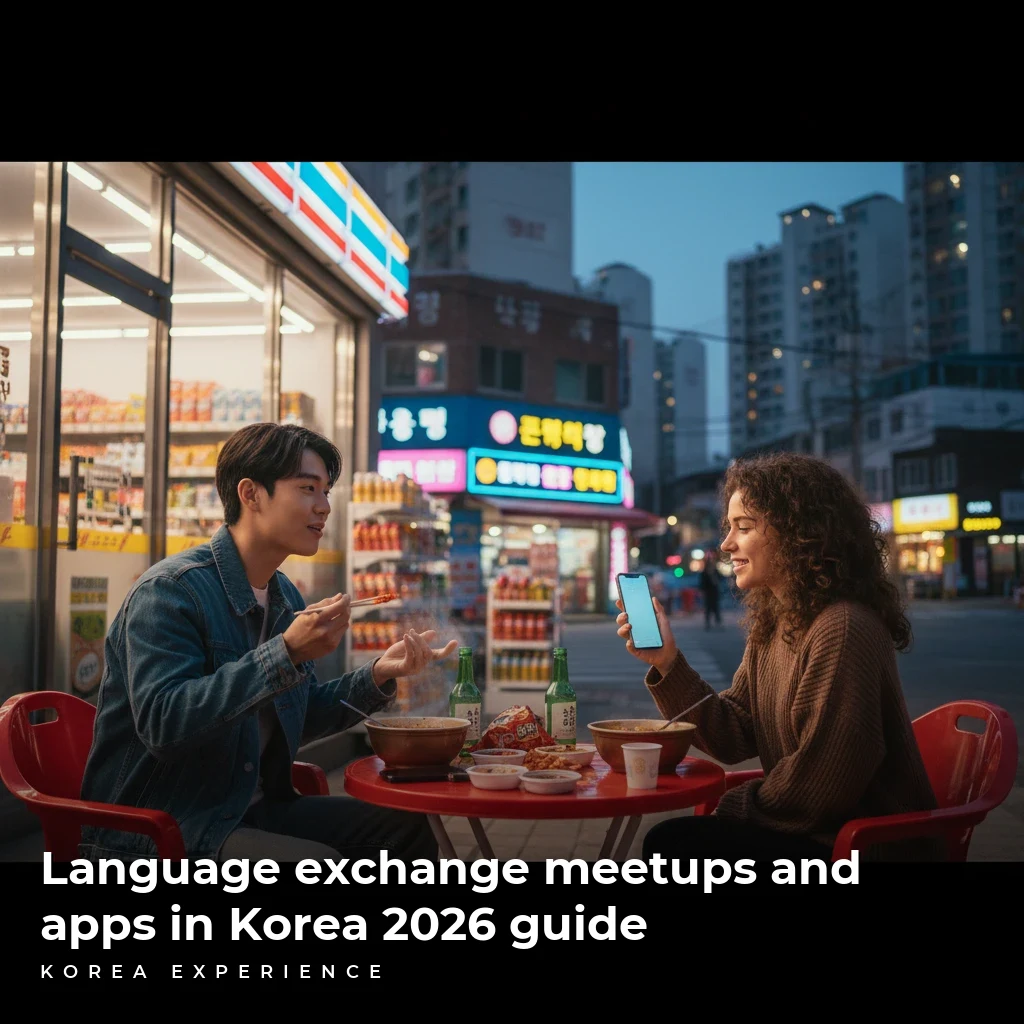
Moving to or visiting Korea offers a sensory overload of neon lights, incredible food, and a vibrant culture. However, the true depth of the Korean experience is unlocked through communication. While you can survive with Papago and basic gestures, connecting with locals via Language Exchange—often referred to locally as "eon-eo gyo-hwan"—is the golden ticket to social integration. In 2026, the landscape of these interactions has evolved into a hybrid of sophisticated digital apps and high-energy offline events.
Whether you are a student at Yonsei University, an expat in Itaewon, or a short-term traveler, finding the right platform to practice Korean and help others with English (or other languages) is essential. This guide covers everything from the safest apps to the liveliest Saturday night parties in Seoul.
Related reading: Dealing with yellow dust and air quality best apps and masks.
Key Takeaways
- 1Top apps like HelloTalk and Meeff have over 10 million active users combined in Korea
- 2Offline meetups in Hongdae and Gangnam typically cost 10,000 to ₩15,000 per entry
- 3Beware of 'cult recruiters' disguised as language partners near subway stations
The Digital Landscape: Best Language Exchange Apps
Before you even step on a plane or leave your Airbnb in Mapo-gu, digital apps are your first line of connection. In 2026, the algorithm-driven matching has become incredibly precise, allowing you to find partners based on specific interests, age, and location radius.
You might also enjoy our article about Finding apartments real estate apps in English in Korea.
📊 App Usage in Korea
1. HelloTalk: The Global Standard
HelloTalk remains the heavyweight champion of language learning. With a user base exceeding 35 million globally, its presence in Korea is massive. The app functions like a social media feed where you can post "Moments" and get corrections from native speakers.
For more details, check out our guide on Korean banking apps best user interface for foreigners.
- Data Point: The "VIP" subscription costs approximately $9.99 per month, unlocking unlimited translations and the ability to search for users by city (e.g., filtering specifically for Seoul or Busan).
- Best Feature: Voice rooms where up to 20 people can practice speaking simultaneously.
2. Meeff: The 'Tinder' of Language Exchange
Meeff is distinctively Korean-centric. It uses a swipe-based interface similar to dating apps, which is a double-edged sword. While it is incredibly fast for finding people nearby (often within a 1 to 5-kilometer radius), it has a reputation for blurring the lines between dating and studying.
Related reading: Korean language requirements for jobs TOPIK guide.
- Data Point: A "Premium" filter to remove ads costs roughly ₩5,500 per month.
- Warning: Expect to receive 5-10 connection requests within your first hour if your profile is set to Seoul.
Language App Showdown
| Feature | HelloTalk | Meeff | Tandem |
|---|---|---|---|
| Primary Focus | Learning/Correction | Meeting Up | Conversation |
| Korea User Base | High | Very High | Medium |
| Dating Vibe | Low | High | Low |
Profile Optimization
To attract serious study partners rather than dates, explicitly state "Study Only" or "Married/Taken" in your bio. Upload photos of you in a library or café rather than selfies to signal your intent.
Offline Meetups: The Social Heartbeat
While apps are convenient, nothing beats the energy of a live meetup. In Seoul, these events are industries in themselves. They generally fall into two categories: the Social Party and the Structured Study Group.
The Social Party: Global Seoul Mates (GSM)
GSM is the undisputed giant of the Korean meetup scene. They host events nearly every night of the week, with the biggest parties occurring on Fridays and Saturdays. These events are often held in large pubs or rented lounges in nightlife districts.
- Location: Primary venues are in Hongdae (near Exit 9) and Gangnam (near Exit 11).
- Attendance: A typical Saturday night event draws between 100 to 300 participants.
- Format: You enter, pay a fee, receive stickers indicating the languages you speak and want to learn, and grab a drink. The atmosphere is loud, energetic, and stands somewhere between a networking event and a club night.
GSM Terrace (Hongdae)(GSM 테라스)
Structured Study: Culcom (Culture Complex)
If shouting over loud music isn't your style, Culcom offers a quieter, more academic approach. They operate physical branches throughout Seoul, Incheon, and Busan. You must pass a level test and are then assigned to a team of 5-7 people that meets at fixed times.
- Commitment: usually requires a minimum 3-month commitment.
- Frequency: Teams meet 2 times a week for 2 hours per session.
- Demographics: The ratio is strictly maintained at roughly 50% Koreans and 50% foreigners to ensure balanced practice.
📋 Offline Meetup Snapshot
Cost Analysis: Budgeting for Socializing
Participating in language exchanges is generally affordable, but costs can accumulate if you attend frequent social parties that transition into drinking sessions. A typical "Party Style" meetup charges an entrance fee to cover venue rental and one free drink. In contrast, "Café Style" meetups often just require you to purchase a coffee.
💵 Exchange Cost Comparison
Cost of one Americano or Latte
For a budget-conscious traveler, sticking to 1-on-1 meetups arranged via apps at a low-cost franchise coffee shop like Mega Coffee (where an Americano is roughly ₩2,000) is the most economical route. However, the organized parties offer a higher volume of potential connections in a single night.
How to Navigate Your First Meetup
Walking into a room full of strangers can be intimidating. Here is a guide to navigating the experience seamlessly, specifically tailored for the popular Hongdae playground park area meetups.
📖 Surviving Your First GSM Party
Step 1: Arrival & Payment
Arrive at 7:30 PM. Pay the 10,000-₩15,000 entry fee. Bring cash to speed up the line, though cards are accepted.
Step 2: The Sticker Ritual
Staff will place flags on your chest. Top flag is your native language, bottom is your target. This is your icebreaker.
Step 3: Table Rotation
Every 45-60 minutes, staff may ask groups to rotate tables to mix up the crowd. Use this opportunity to escape awkward conversations.
Safety First: The "Cult" Warning
This is a critical section for anyone new to Korea. While Korea is statistically one of the safest countries in the world with a crime rate significantly lower than most Western nations, there is a specific type of scam targeting foreigners interested in culture and language.
Religious groups, often referred to as "cults" (such as Shincheonji or Daesoon Jinrihoe), aggressively recruit foreigners. They often operate in pairs (usually two women or a man and a woman) near major university stations like Hongik University, Sinchon, or Gangnam.
Red Flag Warning
If two friendly strangers approach you on the street asking for directions, asking to complete a survey about "Korean Culture," or complimenting your "bright energy" (Gi), walk away immediately. They will eventually invite you to a "Ceremony" where you will be pressured to give money (often 20,000 to ₩50,000) and perform bowing rituals.
Genuine language exchange partners will virtually never approach you randomly on the street. Stick to verified apps and designated venues.
Beyond Seoul: Busan and Daegu
While Seoul holds the highest concentration of events, the southern cities have vibrant communities too. The foreigner-to-local ratio in these cities is often more favorable for foreigners, as there are fewer English speakers compared to the capital.
- Busan: The main hubs are in Seomyeon and near Pukyong National University (Kyungsung University area). Events here are generally cheaper, with entry fees averaging 5,000 to ₩10,000.
- Daegu: The downtown area of Dongseong-ro hosts several regular meetups. The community is tighter-knit; if you attend for two weeks in a row, everyone will know your name.
"In Busan, the meetups are less commercialized than Seoul. You end up making deeper friendships because the transient tourist crowd is smaller. Try the Friday night exchange at HQ Gwangan—it has a great view of the bridge and no cover charge."
Pros and Cons of Different Methods
Choosing between an app-based partner and a large group event depends on your personality and goals.
Group Meetups vs. 1-on-1 App Dates
- ✓Meet 20+ people in 3 hours at group events
- ✓Low pressure; if one chat fails, you turn to the next person
- ✓Instant social circle and drinking buddies
- ✗Loud environments make serious study difficult
- ✗Repeated surface-level introductions ('Where are you from?')
- ✗1-on-1 allows for deeper, specific correction
Making the Most of Your Exchange
To truly benefit from these interactions, you need a strategy. Many foreigners fall into the trap of becoming an "English listening post" for Koreans without getting a chance to practice their own Korean skills.
The "Time Banking" Technique
If meeting 1-on-1, establish a rule immediately: 30 minutes in English, followed strictly by 30 minutes in Korean. Set a timer on your phone. This creates a fair boundary and ensures both parties get value. Without this, the conversation will naturally drift to the language of least resistance (usually English).
Topics to Prepare
Don't just rely on "How long have you been in Korea?" Prepare 3 specific topics before you go.
- Food: "Have you tried the new Mint Chocolate trends?"
- Travel: "I'm planning a trip to Jeju Island, do you have recommendations?"
- Media: "Did you see the latest episode of [Popular Drama]?"
Your Language Journey Timeline
The App Phase
Download HelloTalk/Meeff. Filter for serious partners. Meet 2-3 people for coffee.
The Party Phase
Attend GSM or Playground. Build confidence speaking to strangers.
The Hobby Phase
Join a Korean hiking or cooking club (Donghohoe) to use language naturally.
Conclusion
Language exchange in Korea is more than just conjugation drills; it is the primary social lubricant for the expat community. Whether you choose the high-octane energy of a Gangnam pub party with 200 people or a quiet coffee chat in a quaint Yeonnam-dong café, the key is consistency.
Start with the apps to get your bearings, but do not hide behind the screen. The real magic happens when you step out, order that drink, and stumble through your first clumsy introduction in Korean. The friends you make in these settings often become your travel companions, your dining partners, and your lifelong connection to the Land of the Morning Calm.
❓ Frequently Asked Questions
Have more questions?Contact us →
About the Author
Korea Experience Team
Written by the Korea Experience editorial team - experts in Korean medical tourism, travel, and culture with years of research and firsthand experience.
Explore more in Living in Korea
Everything expats and long-term visitors need to know — from visa requirements and housing to banking, healthcare, and daily life tips.
Browse All Living in Korea ArticlesContinue Reading
Explore more articles you might find interesting
Discover the best English-speaking clinics in Seoul. From major university hospitals to local care, get costs, locations, and expert tips for 2026.
A complete guide to Korea's unique lump-sum housing deposit system. Learn costs, loans, and safety tips for foreigners navigating Jeonse in 2026.
Discover the essential guide to dating and marriage in Korea as a foreigner in 2026. Learn about apps, cultural etiquette, F6 visas, and wedding costs.
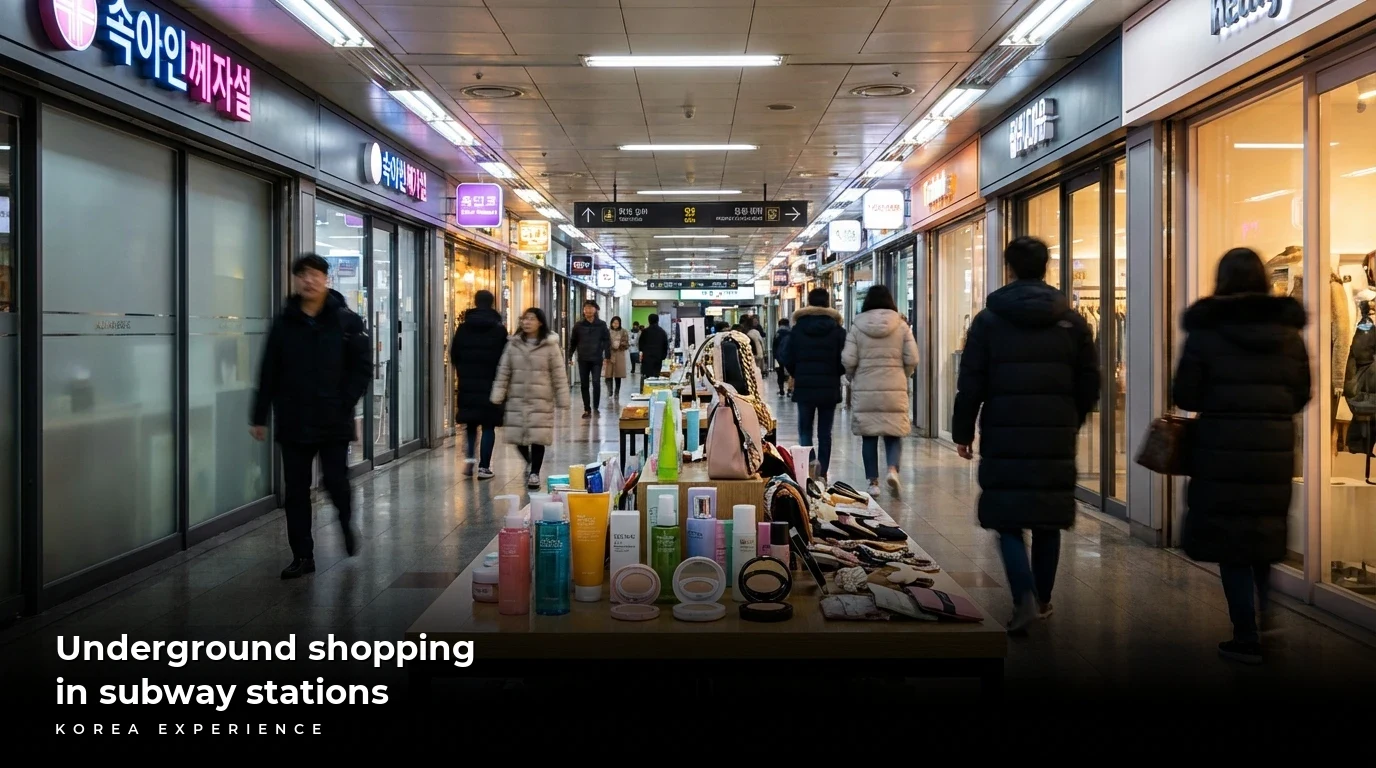
Discover Seoul's underground malls where trendy fashion costs just 10,000 KRW. Our 2026 guide covers 5 top locations, shopping hacks, and essential locker tips.
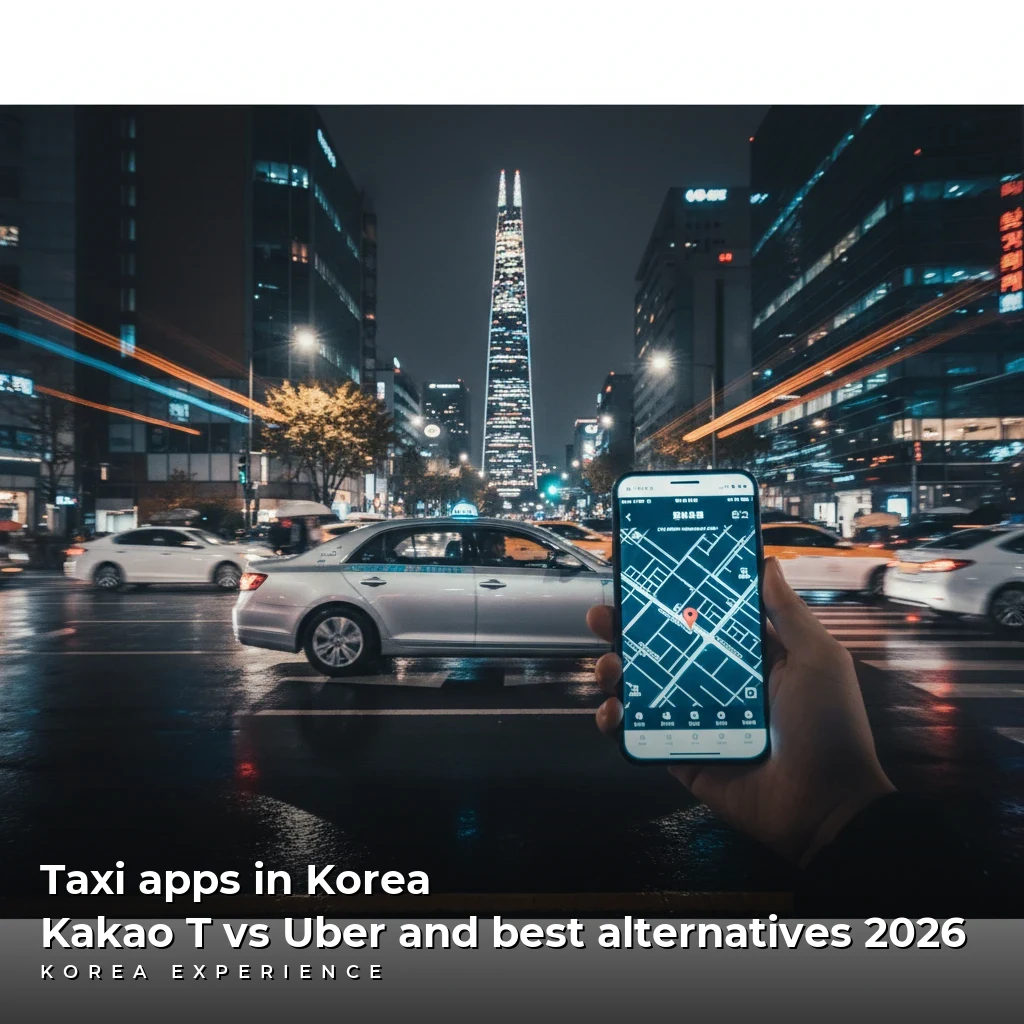
Compare Kakao T and Uber in Korea for 2026. Discover prices starting at ₩4,800, foreign card tips, and how to navigate Seoul like a local.
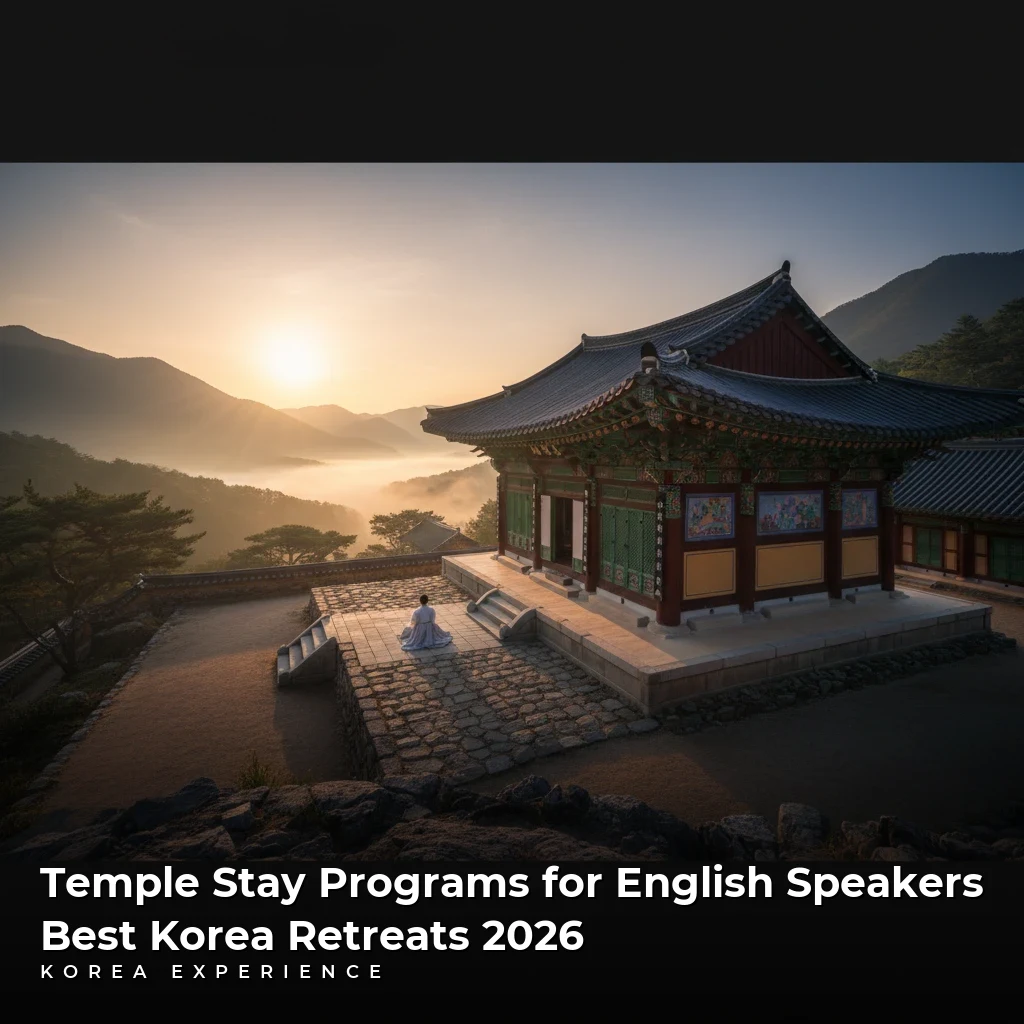
Discover the top 15+ English-friendly temple stays in Korea. From Seoul to mountains, learn booking tips, costs (₩50k-80k), and schedules for 2026.