Living in Korea

Expat Home Insurance in Korea Your Essential Guide

Secure your Korean home. This guide covers essential expat home insurance in Korea, ensuring your belongings and peace of mind are protected.

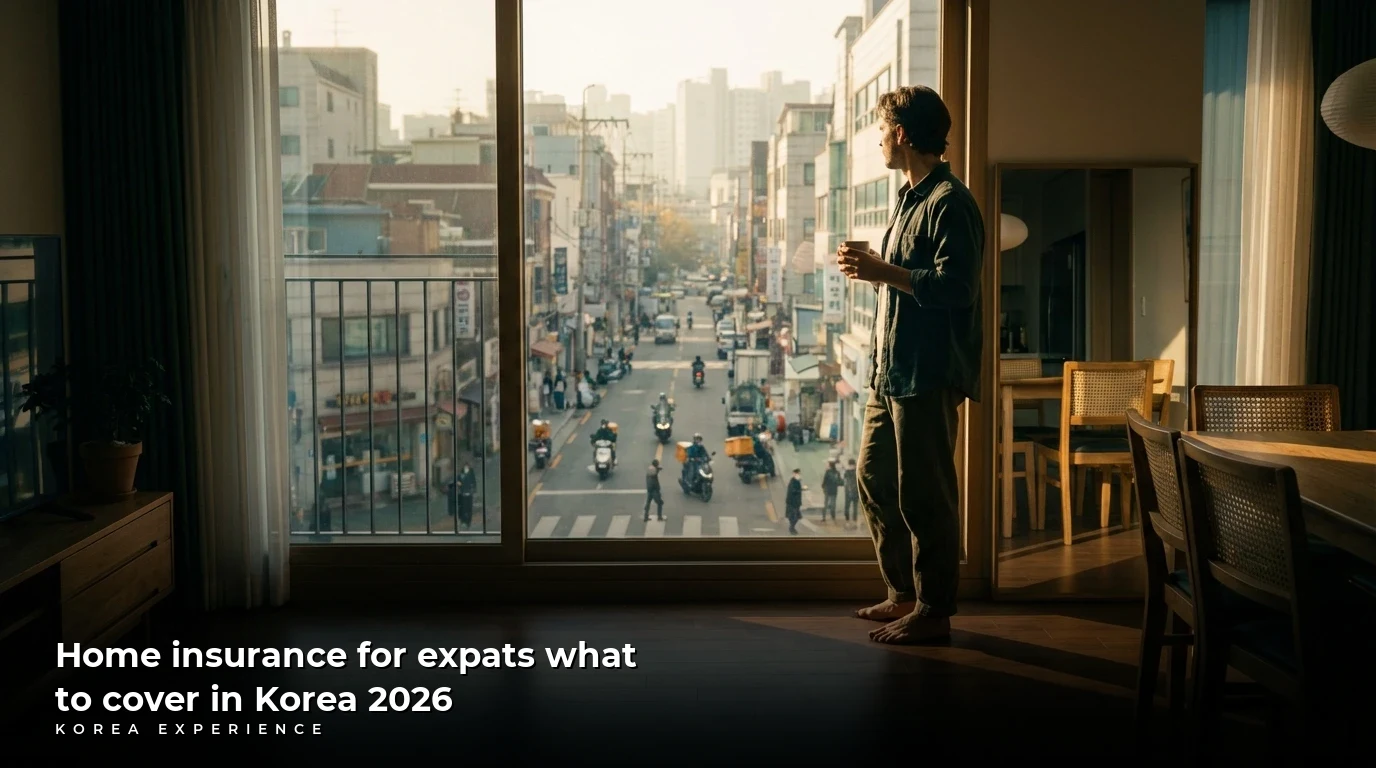
Home Insurance for Expats: What to Cover in Korea

Embarking on life in South Korea is an adventure filled with vibrant culture, bustling cities, and delicious food. From the ancient palaces of Seoul to the sandy beaches of Busan, the country offers a unique blend of tradition and modernity that captivates thousands of expats every year. As you settle into your new home, whether it is a high-rise apartment in Gangnam, a cozy officetel in Hongdae, or a charming house in a quieter neighborhood, one crucial aspect often overlooked by newcomers is securing adequate home insurance.

Living abroad comes with its own set of challenges and responsibilities. While the excitement of a new life can be all-consuming, practical matters like protecting your belongings and finances from unforeseen circumstances are paramount. For expats in Korea, understanding the nuances of home insurance, known as hwa-jae bo-heom (fire insurance) but often encompassing broader coverage, is not just advisable—it is a necessity. Without proper coverage, you could face significant financial burdens from theft, fire, natural disasters, or even liability claims. This comprehensive guide aims to demystify home insurance for expats in Korea, covering everything from understanding local housing types to navigating policy options, ensuring you are well-equipped to make informed decisions for your peace of mind.

In this detailed article, we will explore why expat home insurance in Korea is so vital, delve into the different types of housing you might encounter and their specific insurance needs, break down the key coverage types you should seek, guide you through the local insurance market, and offer practical tips for managing your policy. By the end, you will have a clear roadmap to securing your home and belongings in your exciting new Korean life.

Why Home Insurance is Crucial for Expats in Korea

Moving to a new country involves a myriad of logistics, and often, securing your living arrangements takes precedence. However, failing to consider home insurance for expats in Korea can leave you vulnerable to a range of financial risks. Unlike some home countries where certain types of insurance might be mandatory or widely discussed, the landscape in Korea can be less clear for foreigners.

Protecting Your Personal Belongings

Imagine losing all your personal items – your laptop, clothes, electronics, and sentimental valuables – due to a fire, flood, or theft. The cost of replacing these items can quickly accumulate into thousands of dollars. Many expats arrive with high-value electronics and personal items that are essential for their work or comfort. A comprehensive home insurance policy can cover the cost of replacing these belongings, ensuring you do not have to dip into your savings or go into debt to recover from such an event. This is especially important as you build your life in Korea, acquiring new items that reflect your new environment.

Guarding Against Unexpected Disasters

Korea, while generally safe, is not immune to natural disasters. Typhoons and heavy rainfall are common during the monsoon season (typically June to September), which can lead to flooding. While major earthquakes are rare, minor tremors do occur. Furthermore, accidental fires, burst pipes, or other unexpected incidents can cause significant damage to your rented property or your own items. Home insurance provides a safety net, covering the costs associated with repairing damage to the structure or replacing your contents, depending on your policy type.

Addressing Liability Concerns

One of the most overlooked aspects of home insurance is personal liability. What if an accident occurs in your apartment that causes damage to a neighboring unit or injures a third party? For example, a pipe bursts in your apartment, causing water damage to the unit below, or a guest trips and falls inside your home. Without liability coverage, you could be held financially responsible for these damages or medical expenses. This type of coverage is especially important in dense urban environments common in Korea, where properties are often closely connected, increasing the potential for ripple effects from incidents. For an expat, navigating legal and financial liabilities in a foreign country can be particularly daunting, making liability coverage an essential peace of mind investment.

Landlord Requirements and Rental Deposits

While not always explicitly stated upfront, some landlords or property management companies in Korea may strongly recommend or even subtly require tenants to have some form of home insurance, particularly fire insurance, to protect their property. Even if not mandatory, having your own policy can strengthen your position as a responsible tenant. More importantly, it helps protect your often-significant rental deposit. In Korea, housing options like jeonse (a large lump-sum deposit) or wolse (monthly rent with a smaller deposit) involve substantial upfront payments. While your home insurance primarily protects your contents and liability, having a clear policy demonstrating financial responsibility can be beneficial in interactions with landlords, especially if disputes arise over property damage that you are not directly liable for. Protecting yourself from claims that could eat into your deposit is a smart move.

Understanding Different Housing Types and Their Insurance Needs

Korea offers a diverse range of housing options, each with unique characteristics that influence the type and extent of home insurance an expat might need. Understanding your specific housing situation is the first step in tailoring your insurance policy.

Officetels and Apartments (A-pa-teu)

Officetels are popular choices for single expats or couples due to their convenience, compact size, and often prime locations, functioning as both an office and a residence. Apartments (A-pa-teu) are the most common residential type, ranging from large complexes in new cities to older, smaller buildings in established neighborhoods.

  • Key Considerations for Officetels/Apartments:
    • Contents Insurance: Essential for all your personal belongings, given the compact living spaces where damage to one area can affect everything.
    • Liability Coverage: Crucial in multi-unit buildings where damage from your unit can easily impact neighbors (e.g., water leaks, fire).
    • Structure vs. Contents: Typically, the building structure itself (walls, floors, fixtures) is covered by the landlord's or building management's master policy. Your insurance primarily focuses on your personal property and liability. Always clarify this with your landlord.
    • Rental Deposit Protection: While not direct insurance for your deposit, preventing damage and liability claims reduces the risk of your deposit being withheld for repairs.

Villas (Bil-la) and Townhouses

Villas in Korea are generally smaller multi-unit dwellings, often with fewer amenities than large apartment complexes but potentially offering more space or a unique neighborhood feel. Townhouses are less common but exist, often as part of planned residential areas.

  • Key Considerations for Villas/Townhouses:
    • Increased Structural Responsibility: In some villa or townhouse arrangements, especially if you are on a jeonse contract, there might be slightly more expectation regarding the upkeep of certain fixtures. Always review your rental contract carefully.
    • Contents and Liability: Remain paramount, similar to apartments.
    • Specific Risks: Depending on the age and construction, older villas might have different risks for plumbing or electrical issues.

Houses (Ju-taek)

Renting a standalone house, or ju-taek, while less common for new expats in major cities, offers a different living experience, often with a yard or more private space. These are more frequently found outside city centers or in specific expat communities.

  • Key Considerations for Houses:
    • Broader Structural Concerns: While still a rental, damage to the exterior (e.g., roof, garden fixtures) might fall under the landlord's purview. However, understanding the boundaries of your responsibility in the lease is vital.
    • Higher Liability Risk: With a yard and more independent space, the potential for third-party liability (e.g., a visitor getting injured on your property) can be different compared to an apartment.
    • Outbuilding Coverage: If there are detached structures like sheds, ensure your contents policy covers items stored within them if applicable.

Goshiwon/Goshitel/One-room

These are typically very small, furnished rooms, often popular with students or those seeking budget accommodation. They usually come fully furnished and are common in university areas or bustling districts.

  • Key Considerations for Goshiwon/One-Room:
    • Minimal Contents: Your personal belongings might be limited, but still valuable (laptop, phone, passport).
    • Limited Liability: Due to the small space and often shared facilities, liability for property damage to the building might be covered by the building owner's master policy. However, personal liability (e.g., injuring a roommate) could still be a concern.
    • Specialized Policies: Standard home insurance might be overkill. Look for specific contents-only or personal liability riders on travel insurance if staying short-term, or check if the provider offers micro-policies.

Key Coverage Types to Look For in an Expat Home Insurance Policy

When shopping for home insurance for expats in Korea, it is vital to understand the different types of coverage available and what they protect. A robust policy will typically combine several elements to provide comprehensive protection.

1. Contents Insurance (Dong-san Bo-heom)

This is arguably the most important coverage for renters, as it protects your personal belongings inside your home.

  • What it covers: Furniture, electronics, clothing, jewelry, artwork, and other personal items against perils like fire, theft, smoke, water damage (from burst pipes, not usually floods from external sources unless specified), vandalism, and sometimes natural disasters (typhoon, windstorm, hail).
  • Replacement Cost vs. Actual Cash Value: Understand if your policy pays out the "replacement cost" (what it costs to buy a new item) or "actual cash value" (replacement cost minus depreciation). Replacement cost policies offer better protection but are generally more expensive.
  • High-Value Items: For expensive items like laptops, cameras, or jewelry, you might need to specifically list them in your policy or purchase an additional rider to ensure full coverage. There is often a per-item limit.
  • Off-Premises Coverage: Some policies offer limited coverage for your belongings when they are outside your home, such as a laptop stolen from a coffee shop. This is a valuable addition for expats who often travel with electronics.

2. Personal Liability Coverage (Gae-in Bae-sang Chaek-im)

This protects you financially if you are held responsible for injuries to others or damage to their property that occurs in your home or, in some cases, even outside.

  • What it covers: Medical expenses for injured visitors, repair costs for damage to a neighbor's apartment due to an incident in your home (e.g., a burst pipe), or legal fees if you are sued.
  • Exclusions: Be aware of exclusions, such as intentional acts or certain types of professional activities conducted from home.
  • Global Coverage: Some policies extend personal liability coverage worldwide, which can be a significant benefit for expats who travel frequently.

3. Additional Living Expenses (ALE) (Ju-geo Bi-yong)

Also known as Loss of Use coverage, ALE pays for temporary housing and living expenses if your home becomes uninhabitable due to a covered peril.

  • What it covers: Hotel stays, temporary rental, restaurant meals, laundry services, and other increased living costs while your home is being repaired or you are seeking a new permanent residence.
  • Limits: Policies typically have limits on the amount of time or money they will cover for ALE, so review these carefully. This can be a lifesaver if you are suddenly displaced in a foreign country.

4. Optional Add-ons and Riders

Depending on your specific needs and location in Korea, you might consider various additional coverages.

  • Flood and Earthquake Coverage: While standard policies often cover water damage from burst pipes, external flooding (e.g., from a river overflowing, a typhoon) or earthquake damage might require specific add-ons. Check the risks for your particular region.
  • Theft Coverage for Unattended Vehicles: If you own a car, you might already have coverage for items stolen from it, but some home policies can extend this.
  • Identity Theft Protection: A growing concern, this rider can help with the costs and recovery process if your identity is stolen.
  • Glass Breakage: While often included in landlord's policies, if you have any responsibility for windows or glass features, this could be useful.

The Korean insurance market can seem complex to expats, with language barriers and different policy structures. However, several options cater to the international community.

Local Korean Insurance Companies (Da-eum Bo-heom, Samsung Fire & Marine, KB Insurance)

Major Korean insurers like Samsung Fire & Marine (Samsung Hwa-jae), DB Insurance (DB Son-hae Bo-heom), and KB Insurance (KB Son-hae Bo-heom) offer various general insurance products, including fire insurance which can be expanded to cover contents and liability.

  • Pros: Often more competitive pricing, extensive local networks, potential for package deals if you also need health or car insurance.
  • Cons: Websites and policy documents might primarily be in Korean. Communication can be challenging without proficiency in Korean or a reliable translator/agent. Customer service might not be fully equipped for complex expat scenarios.
  • How to access: Through their official websites, direct agents, or independent insurance brokers in Korea. Some larger branches in expat-heavy areas might have English-speaking staff.

International Insurance Providers with Korean Presence

Some global insurers have a presence in Korea or offer policies tailored for expats living abroad. These often cater specifically to international clients.

  • Pros: English-speaking support, familiar policy terms and structures, often designed with expat needs in mind (e.g., worldwide liability coverage, temporary accommodation).
  • Cons: Potentially higher premiums than purely local options. Fewer physical branches in Korea.
  • How to access: Often through online portals, international brokers, or their global offices. Examples include specific expat insurance platforms that partner with local providers.

Comparison Table: Local vs. International Providers

FeatureLocal Korean Insurers (e.g., Samsung F&M)International Expat Insurers
Language SupportPrimarily Korean; limited English support.Extensive English support, multilingual options.
Policy FamiliarityKorean specific terms, may require translation.English policies, familiar terms for expats.
Premium CostsGenerally more competitive for basic coverage.Potentially higher, but often includes expat-specific benefits.
Coverage ScopeStrong local coverage, add-ons needed for expat specifics (e.g., worldwide).Often broader, with built-in expat benefits like global liability, travel inclusions.
Claim ProcessLocalized process, may require Korean documentation.Streamlined for international clients, often online or via dedicated expat teams.
AccessibilityPhysical branches, local agents, Korean websites.Online platforms, international brokers, direct contact with expat teams.
Best ForExpats comfortable with Korean or with local assistance, seeking cost-efficiency.Expats prioritizing convenience, English support, and comprehensive international coverage.

Using an Insurance Broker (Bo-heom Jung-gae-in)

For expats, engaging an independent insurance broker who specializes in expat services can be invaluable. These brokers act as intermediaries, helping you navigate the market and find policies that best fit your needs.

  • Benefits:
    • Language Barrier: Brokers often have English-speaking staff who can explain policies clearly.
    • Market Knowledge: They know the local market, including which companies offer expat-friendly terms.
    • Customization: They can help you tailor a policy that includes all necessary coverages (contents, liability, ALE) and excludes unnecessary ones.
    • Claims Assistance: Some brokers offer support during the claims process, which can be crucial when dealing with a foreign insurance company.
    • Price Comparison: They can compare quotes from multiple providers to find you the best value.

Tips for Choosing a Policy:

  1. Read the Fine Print (in English): Always request policy documents in English if available, or have a trusted person translate critical sections. Pay close attention to exclusions, deductibles (the amount you pay before insurance kicks in), and policy limits.
  2. Assess Your Needs: Catalog your high-value items. Consider your lifestyle and potential risks. Do you travel frequently with electronics? Is your neighborhood prone to theft?
  3. Understand Deductibles: A higher deductible generally means a lower premium, but ensure you can comfortably pay that amount out-of-pocket if you need to file a claim.
  4. Check Customer Service: Inquire about their English-speaking customer service options and their availability. A responsive and helpful team is vital during stressful times.
  5. Review Exclusions: Ensure the policy does not exclude common risks in Korea, like specific types of water damage or natural disasters relevant to your region.

The Claims Process and Important Considerations

Even with the best policy, filing a claim can be stressful, especially in a foreign country. Knowing the process and what to expect can significantly ease the burden.

Step-by-Step Claims Process

  1. Ensure Safety First: In case of fire, flood, or serious incident, prioritize safety. Contact emergency services (119 for fire/medical emergencies, 112 for police) immediately.
  2. Document Everything:
    • Photos/Videos: Take extensive photos and videos of the damage, lost items, and the scene of the incident before any cleanup or repairs begin.
    • Police Report: For theft or vandalism, file a police report (gyung-chal sin-go) immediately. This report is crucial for your insurance claim.
    • Detailed List: Create a detailed list of all damaged or stolen items, including make, model, serial number, approximate age, and original purchase price. Gather receipts if possible.
  3. Notify Your Insurer/Broker: Contact your insurance company or broker as soon as possible after the incident. They will guide you through their specific claims procedure. Provide them with all the documented evidence.
  4. Cooperate with the Adjuster: The insurance company will likely send an adjuster (son-hae sa-jeong-in) to assess the damage. Be cooperative and provide all requested information.
  5. Review Settlement Offer: Carefully review the settlement offer. If you believe it is unfair, discuss it with your insurer or broker, providing additional evidence if needed.

What to Have Ready (Pre-emptively)

Being prepared before an incident occurs can make the claims process much smoother.

  • Inventory of Belongings: Create a home inventory list, ideally with photos or videos, of all your major possessions. Store it digitally (e.g., cloud storage) so it is accessible even if your physical items are lost. Update it periodically.
  • Important Documents: Keep copies of your insurance policy, passport, visa, and rental contract in a secure, easily accessible location, both physically and digitally.
  • Emergency Contacts: Have your insurer's claims number and your broker's contact information readily available.
  • Proof of Purchase: Keep receipts for high-value items.
  • Rental Contract: Understand your landlord's responsibilities for structural repairs versus your tenant responsibilities for contents.

Common Pitfalls for Expats

  • Language Barrier: This can be the biggest hurdle. If you are not fluent in Korean, ensure your broker or a trusted Korean friend can assist with communications.
  • Misunderstanding Policy Terms: Exclusions, deductibles, and limits can be confusing. Do not assume your policy covers everything. Clarify any doubts before purchasing.
  • Lack of Documentation: Without proper documentation (police reports, photos, inventory), claims can be denied or significantly reduced.
  • Delayed Reporting: Waiting too long to report an incident can complicate your claim.
  • Not Understanding Building Structure Coverage: Expats often confuse their contents insurance with coverage for the actual building structure. Clarify what your landlord's policy covers and what yours covers.

Practical Tips for Choosing and Managing Your Policy

Securing the right expat home insurance in Korea is an ongoing process. Here are some practical tips to ensure you are well-covered and manage your policy effectively throughout your stay.

1. Start Early and Research Thoroughly

Do not wait until you have moved in. Begin researching insurance options as soon as you have secured your housing in Korea. This allows you to compare quotes, understand terms, and ensure seamless coverage from day one. Look for insurers or brokers specializing in expat services in Korea, as they will be more familiar with your unique needs.

2. Understand Your Rental Contract (Jeonse vs. Wolse)

Your rental agreement is key. For jeonse (lump-sum deposit) agreements, you often have more responsibility for minor repairs than with wolse (monthly rent plus smaller deposit). While home insurance primarily covers your belongings and liability, understanding your contractual obligations for property maintenance can inform your overall risk assessment. For example, if your contract states you are responsible for certain fixture repairs, liability for damage originating from those fixtures becomes even more pertinent.

3. Consider Short-Term vs. Long-Term Needs

If you are on a short-term assignment (e.g., less than a year), some travel insurance policies might offer limited contents or liability riders that could suffice. However, for long-term stays (over a year), a dedicated home insurance policy is almost always recommended for comprehensive protection. The cost-benefit analysis usually leans heavily towards a dedicated policy for extended residency.

4. Regularly Review and Update Your Policy

Your life and belongings in Korea will change.

  • New Purchases: If you acquire significant new items (e.g., a new TV, expensive furniture, artwork), ensure they are reflected in your contents coverage.
  • Lifestyle Changes: If you start a home-based business, or your living situation changes (e.g., new roommate), review your liability coverage.
  • Policy Renewal: Do not just auto-renew. Use your renewal period as an opportunity to reassess your needs, compare prices, and check for new offerings from other providers.

5. Document Your Home and Valuables

As mentioned in the claims section, having a detailed inventory of your belongings is crucial. Take photos or videos of every room and all valuable items. Keep receipts for expensive purchases. Store this information securely in the cloud. This simple step can save immense headaches during a claim.

6. Know Your Emergency Numbers and Procedures

Familiarize yourself with Korea's emergency services:

  • 119: Fire, ambulance, emergency medical services.
  • 112: Police (theft, vandalism, other crimes).
  • 1330: Korea Travel Hotline (for foreigners, can assist with interpretation in emergencies). Knowing who to call and having a basic understanding of what to say (or having a translator ready) is vital.

7. Leverage Expat Networks and Online Forums

Join expat groups on social media (e.g., Facebook groups for "Expats in Seoul," "Expats in Busan"). Ask for recommendations for insurance brokers or companies that have served other expats well. Real-world experiences can provide invaluable insights and help you find reliable services. However, always verify information directly with providers.

FAQ: Home Insurance for Expats in Korea

Q1: Is home insurance mandatory for renters in Korea?

A1: While not legally mandatory for renters in the same way auto insurance is for drivers, landlords sometimes require tenants to have fire insurance. Even if not explicitly required, having contents and liability insurance is highly recommended to protect your finances and belongings as an expat.

Q2: Can I get an English-speaking agent or policy documents in English?

A2: Yes, many international insurance providers or local brokers specializing in expat services offer English-speaking agents and can provide policy documents in English. It's crucial to confirm this before committing to a policy to avoid language barriers during claims or understanding terms.

Q3: What is the typical cost of home insurance for an expat in Korea?

A3: The cost varies significantly based on coverage limits, deductible, location, type of housing, and the value of your belongings. A basic contents and liability policy might range from 15,000 to 50,000 Korean Won per month, but comprehensive plans for high-value items or larger homes can be considerably more. It's best to get several quotes.

Q4: Does my home country's insurance policy cover me in Korea?

A4: Generally, no. Most home country policies only cover properties within that country's borders. While some high-end international travel insurance might offer limited coverage for personal belongings overseas, it's usually insufficient for a long-term expat stay. It's essential to secure a policy specifically for your residence in Korea.

Q5: What if I move to a new apartment in Korea? Does my policy transfer?

A5: You typically cannot simply transfer your home insurance policy to a new address without notifying your insurer. You must inform your insurance provider about your move. They will then revise your policy to reflect your new address, adjusting premiums and coverage limits as necessary based on the new location and property type. Failing to update your address could void your coverage.

Conclusion: Securing Your Korean Home, Protecting Your Future

Living as an expat in South Korea is an enriching experience, offering a vibrant lifestyle and countless opportunities for growth and exploration. However, the practicalities of settling in, particularly securing your home, should never be underestimated. Home insurance for expats in Korea is not just another item on a to-do list; it is a fundamental pillar of financial security and peace of mind.

By understanding the unique housing landscape, identifying crucial coverage types like contents and personal liability, and navigating the local and international insurance markets, you can make an informed decision that safeguards your belongings and protects you from unforeseen financial burdens. Remember to:

  • Prioritize contents and personal liability coverage.
  • Understand your specific housing type and rental agreement.
  • Consider an expat-focused insurance broker for assistance.
  • Always read the fine print and clarify any questions.
  • Maintain an up-to-date inventory of your valuables.
  • Regularly review and update your policy as your circumstances change.

Taking these proactive steps will ensure that your focus remains on enjoying your incredible journey in Korea, knowing that your home and everything within it are well-protected. Do not let uncertainty about insurance detract from your expat adventure. Secure your peace of mind today, and embrace all that Korea has to offer!

About the Author

Korea Experience Team

Written by the Korea Experience editorial team - experts in Korean medical tourism, travel, and culture with years of research and firsthand experience.

⚠️ Medical Disclaimer

The information provided on this website is for general informational purposes only and does not constitute medical advice. Always consult with qualified healthcare professionals before making any medical decisions.

Continue Reading

Explore more articles you might find interesting