Insadong Tea Houses 2026 Hidden Hanoks & Traditional Brews Guide
Discover Seoul's soul in 2026 with 100-year-old Hanoks and healing teas starting at 9,000 KRW. Find the best hidden spots away from the main street crowds.
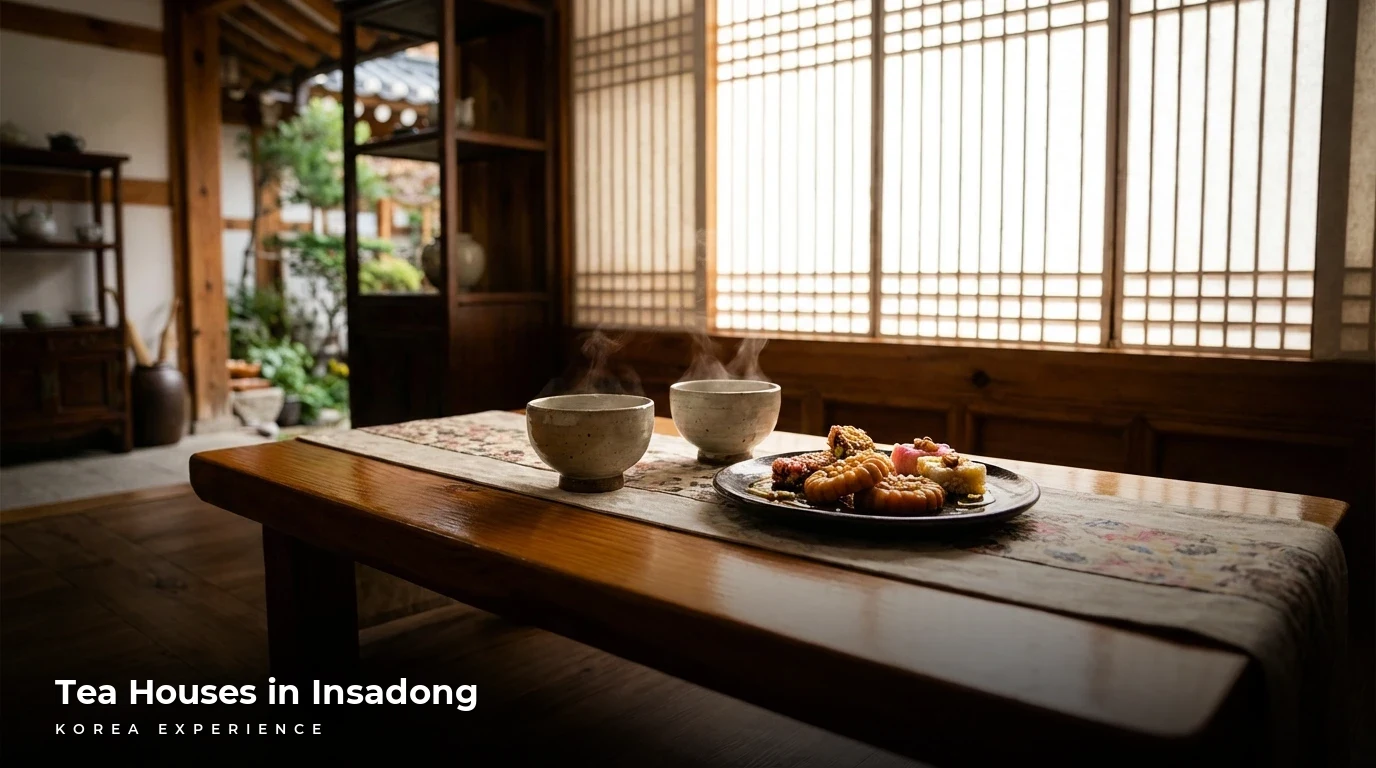
So, you've made it to Seoul. You've probably already tapped your T-Money card on the subway, marveled at the skyscrapers in Gangnam, and maybe even braved the crowds at Gyeongbokgung Palace. But here's the question I get asked most often by friends visiting for the first time: "Where can I go to just... breathe?"
The answer isn't a fancy spa or a hotel lobby. It's Insadong. But not the loud main street where guys are selling dragon's beard candy and cheap socks. I'm talking about the hidden world of traditional tea houses—or Chatjip—that live in the cracks of this historic district.
Here's the deal: In 2026, finding a quiet spot in Seoul feels like a superpower. These tea houses are time machines. For about ₩9,000 (that’s roughly $7 USD), you aren't just buying a cup of hot water with leaves in it. You are renting peace of mind. You're paying for the smell of ancient wood, the warmth of the ondol floor beneath your freezing toes, and a taste of history that Starbucks simply cannot replicate. Whether you're a solo traveler needing a break or a couple looking for a romantic nook, these tea houses are the non-negotiable heart of the Seoul experience. Trust me, that first sip of cinnamon-spiced Sujeonggwa changes everything.
If you are trying to decide between the old-school vibe and newer spots, check out our Korean tea houses dabang vs modern cafes 2026 guide for a broader comparison.
Key Takeaways
- 1The short answer is... you absolutely cannot visit Seoul without spending at least two hours sitting on the floor of a 100-year-old Hanok sipping Omija-cha. The best spots are not on the main street; you have to dive into the winding alleyways.
- 2Here's the number you need to know: ₩10,000 (roughly $7.50 USD). That’s the average price of a tea set in 2026. It sounds steep, but you are paying for the service (free rice cakes!), the heated floors, and the sanctuary.
- 3Actionable advice: Don't eat dessert before you go! Almost every authentic tea house in Insadong serves complimentary tteok (rice cakes) or hangwa (traditional snacks) with your drink.
📋 Quick Facts
The History of Insadong's Tea Culture
Okay, let’s rewind a bit. How did this one neighborhood become the tea capital of Korea? It’s actually a pretty cool story. Back in the Joseon Dynasty (we’re talking 500+ years ago), the area we now call Insadong was dominated by the "Dohwaseo"—basically the Royal Bureau of Painting. It was the neighborhood for artists, scholars, and government officials. And what did scholars love to do? They loved to sit, think, paint, and drink tea.
Fast forward to the Japanese occupation in the early 20th century. Many wealthy Korean families living in the grand Bukchon Hanok Village nearby fell on hard times and had to sell their belongings. Insadong became an antique market, a place where history was bought and sold.
But the real "Tea House Boom" that we see today is actually a bit of a revival movement from the 1980s. As Seoul modernized at breakneck speed—tearing down old buildings to put up apartment blocks—artists and students flocked to Insadong to save the "old ways." They opened these tea houses in renovated Hanoks (traditional houses) as a way to preserve Korean culture.
So when you step into places like Shin Old Tea House or Dawon, you aren't just stepping into a business. You're stepping into a cultural preservation project that worked. In 2026, despite the shiny tech and AI guides taking over the city, these creaky wooden floors are still here, grounding the city in its past.
Joseon Dynasty Begins
The area now known as Insadong becomes a hub for government officials and scholars (who loved their tea and art).
Antique Market Shift
During the Japanese occupation, wealthy families sold heirlooms here, cementing the area's reputation for antiques and tradition.
Cultural Revival
A movement to preserve Korean heritage leads to the restoration of Hanoks and the opening of dedicated traditional tea houses (Chatjip).
Cultural District Status
Insadong is officially designated as a Cultural District, protecting the traditional architecture from being bulldozed for skyscrapers.
Tourism Boom
Places like Moon Bird and Shin Old Tea House go viral on early travel blogs, shifting from local hideouts to tourist must-dos.
The Retro Renaissance
A massive surge in Gen-Z interest in Halmae-niol (Grandma millennial) trends makes traditional tea houses trendier than modern cafes.
Top Tea House Recommendations
Now, let's get practical. You're standing in Insadong. Where do you actually go? It depends entirely on your vibe.
1. The "I'm in a K-Drama" Experience: Shin Old Tea House
Shin Old Tea House (Sinyet Chatjip) is legendary for a reason. It’s tucked down a tiny alley (seriously, you might think you’re trespassing), and it’s deeply traditional. You sit on the floor. It’s quiet. It smells like old wood and quince. This is for the purists. If you have bad knees, though, be warned—floor seating is the main option here.
- Address: 47-8 Insadong-gil, Jongno-gu, Seoul
- Highlights: 130-year-old Hanok, Heated Ondol floors, Parrot/Birds in the entrance.
- Insider Tip: Try the scorched rice snack (Nurungji) if they have it—it's smoky and crunchy!
2. The Quirky & Artistic Choice: Moon Bird Only Thinks of the Moon
Yes, that is the real name (Dal-sae-neun Dal-man Saeng-gak-han-da). It’s eccentric, cluttered with vintage farming tools, old photos, and napkins with notes scribbled by travelers from ten years ago. It feels like your cool, hoarding grandmother’s attic in the best way possible. They are incredibly generous with the free snacks here. It’s less "sacred silence" and more "cozy chaos."
- Address: 14-3 Insadong 12-gil, Jongno-gu, Seoul
- Highlights: Graffiti/Notes on walls, Free snacks (lots!), Rustic "cluttered" decor.
- Insider Tip: Leave your own napkin note on the wall to mark your visit like thousands before you.
3. Sunshine & Scenery: Dawon (Kyung-in Museum)
For those who want sunshine and scenery, Dawon inside the Kyung-in Museum of Fine Art is the winner. Unlike the dark, cozy interiors of the other two, Dawon has a massive outdoor seating area in a sculpture garden. In the spring or autumn, sitting out here with an iced Omija tea is unbeatable. It’s also table seating, so if you hate sitting on the floor, this is your safe haven.
- Address: 11-4 Insadong 10-gil, Jongno-gu, Seoul
- Highlights: Large outdoor sculpture garden, Airy atmosphere, Omija punch.
- Insider Tip: Visit the art galleries in the same compound for free after your tea!
| Feature | Shin Old Tea House | Moon Bird | Dawon (Kyung-in Museum) |
|---|---|---|---|
| Vibe | Authentic, rustic, quiet | Quirky, artistic, cluttered | Open, airy, scenic |
| Seating | Mostly floor (Ondol) | Mix of tables & floor nooks | Tables (Indoor) & Garden |
| Best For | Couples & privacy | Creatives & photographers | Groups & sunny days |
| Cost | ₩8,000 - ₩10,000 | ₩9,000 - ₩11,000 | ₩8,000 - ₩10,000 |
| Signature | Ssanghwa-cha (Medicinal) | Sujeonggwa (Cinnamon) | Omija-cha (Berry) |
| Difficulty | Medium (Hidden in alley) | Hard (Very hidden) | Easy (Inside Museum) |
Understanding the Menu & Pricing
Walking into a traditional establishment can be intimidating if you don't speak Korean. I’ve been there—standing at the door, panicking about my shoes. The menu will likely have pictures, which saves the day, but here is your cheat sheet for flavors.
- Omija-cha: Red, berry flavor. It hits 5 tastes: sweet, sour, salty, bitter, pungent. Very refreshing.
- Ssanghwa-cha: Dark brown, topped with nuts and sometimes an egg yolk (optional). It tastes medicinal, earthy, and like licorice. It’s a health tonic. Only order this if you want to feel "healthy" or cure a cold.
- Maesil-cha: Plum tea. Sweet, tart, and delicious. Safe for everyone.
- Yuja-cha: Citron marmalade tea. Sweet and citrusy. Like a hug in a mug.
If you are looking for more plant-based options or specific dietary needs, check out our guide to 7 Best Vegan-Friendly Hanok Restaurants in Seoul.
Price Table Breakdown
| Option | Price | Category | Description |
|---|---|---|---|
| Premium Hotel Tea | ₩18,000+ | Luxury | Tea sets at places like the Four Seasons or Osulloc 1979 (fancy service). |
| Insadong Hanok | ₩9,000 | Mid | The standard authentic experience with snacks and atmosphere. |
| Street Stall / Takeout | ₩3,000 | Budget | A paper cup of ginger tea from a street vendor (good, but no seating). |
Pros
- ✓The Slow Factor: Once you slide that wooden door shut, the noise of the city vanishes. It is physically impossible to be stressed.
- ✓Health Benefits: Unlike your third iced Americano, these teas are actually good for you. Ssanghwa-cha fights colds and Jujube tea calms nerves.
- ✓Free Snacks (The Service): A plate of puffed rice snacks or chewy rice cakes almost always appears at your table.
Cons
- ✗The Leg Numbness Struggle: If you aren't used to sitting cross-legged on the floor for an hour, you will feel it.
- ✗The Price Tag: ₩10,000 for a cup of tea can feel shocking compared to cheap coffee. You have to shift your mindset—you're renting a sanctuary.
- ✗The Medicinal Taste: Some teas like Ssanghwa-cha taste like liquid medicine. If you have a sweet tooth, stick to Omija or Yuja.
Insider Tips & Etiquette
Okay, here are the things the guidebooks usually skip, but you really need to know.
First, The "Service" (Seo-bi-su). In Korea, "Service" means "free stuff." At these tea houses, you rarely just get tea. You will almost certainly get a side plate. Usually, it’s Hangwa (traditional puffed rice snacks) or Tteok (chewy rice cakes). At Moon Bird, they often give you a whole spread. Do not order a massive dessert immediately. Wait to see what comes with the tea first. You can always order more later.
Second, The Toilet Situation. Because these are renovated old houses, the bathrooms are... variable. Some are modernized and spotless. Others are tiny, located outside in the courtyard, and might be a bit chilly in winter. It’s part of the charm, but maybe use the restroom at Ssamziegil or a museum before you settle in if you’re picky.
Third, The Seasonal Switch. Koreans are obsessed with seasonality. In summer, these tea houses transform. They blast A/C (sometimes too much!) and serve Patbingsu (shaved ice). In winter, the floors are heated so hot you might sweat. Dress in layers. Being able to take off a sweater when you hit that hot floor is a lifesaver.
For a deeper dive into social norms, read our guide on Mastering the Pour: The Ultimate 2026 Guide to Korean Drinking Etiquette.
Route Recommendation: The Tea Lover’s Insadong Loop
If you have about 4 hours, try this loop. Start at Dawon (Kyung-in Museum) for an iced Omija tea in the sunny garden to cool down after the subway ride (₩9,000). Then, walk off the first tea by spiraling up the Ssamziegil craft center (Free). Finally, hunker down at Shin Old Tea House for hot Jujube tea and silence (₩8,500). Do this on a weekday afternoon to avoid the crushing weekend crowds.
📖 How to Navigate an Insadong Tea House Like a Local
Step 1: Locate the Alley
Most of the best tea houses are NOT on the main Insadong-gil street. Look for small wooden signs pointing into narrow gaps between buildings. Use Naver Maps, not Google Maps!
Step 2: The Entrance Ritual
When you arrive, check the door. If it is a traditional Hanok with a raised wooden floor, you absolutely must take off your shoes. There will be a shoe shelf.
Step 3: Ordering
You’ll be seated (floor or table). The menu will likely have English. If you want safe/sweet, order Yuja-cha. If you want hardcore, order Ssanghwa-cha.
Step 4: The Service & Payment
Enjoy your tea and complimentary snacks. Relax. When you are done, you usually pay at the counter on your way out, not at the table.
Many tourists rush to drink the tea and leave in 20 minutes. That is a mistake. The tea house is designed for 'Meong' (spacing out). In 2026, we are seeing a return to 'Cha-do' (the way of tea) even among young people. Sit. Watch the garden. Let the tea cool down. The flavor changes as the temperature drops. That is the real experience.
No Korean Phone/ARC? Here's What To Do
If you are a tourist without a Resident Card (ARC) or a Korean phone number, you might worry about reservations or payments.
- Payments: All these tea houses accept Wowpass, Namane Cards, and international Visa/Mastercards. You do NOT need a local bank card.
- Navigation: Google Maps is useless in these alleys. Download Naver Map. You don't need a Korean phone number to use the app in English. It will show you the walking paths that Google misses.
- Reservations: You generally don't need them! Just walk in. If there's a wait, it's usually short.
Warnings and Pro Tips
Go on a rainy day. I know, nobody likes walking in the rain, but the sound of rain hitting the tiled roof of a Hanok while you drink hot ginger tea? It is a cinematic experience you will never forget. It turns a gloomy day into a core memory.
Avoid the "Insadong Main Street" Traps. There are modern cafes on the main drag that sell "Traditional Tea" in paper cups. Avoid these. They are overpriced and lack the atmosphere. Walk 50 meters into an alley and you get the real deal for the same price.
❓ Frequently Asked Questions
Have more questions?Contact us →
Conclusion
Here is your mission for your first afternoon in Insadong:
Start at Anguk Station, Exit 6. Walk past the street performers. Turn left into the alleyway near the "Ssamziegil" complex. Don't look at Google Maps. Open Naver Map and type in "Shin Old Tea House." Follow the little blue arrow.
When you get there, take off your shoes. Order a hot Jujube tea (Daechu-cha). Eat the free rice cake. Put your phone away for 20 minutes. Just sit there and listen to the quiet.
In a city of 10 million people, finding silence is the greatest luxury you can buy. And here, it only costs ₩9,000. Go find it. You’ll thank me later.
If you're looking for more ways to enjoy Korean food culture conveniently, check out our guide on GS25 vs. CU: The Ultimate 2026 Guide to Korean Convenience Store Feasts for quick bites between tea sessions.
Sources
- [Visit Korea (Official)] - https://english.visitkorea.or.kr/svc/contents/contentsView.do?vcontsId=75508 - [Data on Dawon Tea House location and menu]
- [Birds & Chandeliers] - https://birdsnchandeliers.com/2015/03/28/a-traditional-teahouse-in-insadong/ - [Review of Dawon and atmosphere details]
- [That Backpacker] - https://thatbackpacker.com/a-traditional-tea-house-in-insadong/ - [Detailed history and visitor guide for Shin Old Tea House]
- [CreateTrip] - https://creatrip.com/en/blog/12385 - [Information on the 100-year history of Shin Old Tea House building]
- [Soul of Seoul] - https://thesoulofseoul.net/5894/ - [Detailed review of Moon Bird Only Thinks of the Moon and menu pricing]
- [Visit Seoul] - https://english.visitseoul.net/attractions/Beautiful-Tea-Museum/ENP004467 - [Data on Beautiful Tea Museum collection and status]
About the Author
Korea Experience Team
Written by the Korea Experience editorial team - experts in Korean medical tourism, travel, and culture with years of research and firsthand experience.
Explore more in Food & Dining
Korean BBQ, street food, Michelin restaurants, and regional specialties — your ultimate guide to eating well in Korea.
Browse All Food & Dining ArticlesContinue Reading
Explore more articles you might find interesting
Discover the best traditional tea houses and ceremony classes in Seoul. From hidden Hanoks to temple stays, find your perfect calm.
Discover the best traditional Korean hanbok experience in Seoul with rental tips, pricing guides, and hidden photo spots for 2026 travelers.

Discover the top rooftop bars in Seoul for 2026. From Gangnam luxury to Hongdae vibes, find prices, dress codes, and the best sunset spots starting at ₩15,000.
Discover 10 secret autumn spots in Korea away from crowds. Includes 2026 peak foliage dates, transport costs, and specific hiking routes for the perfect trip.
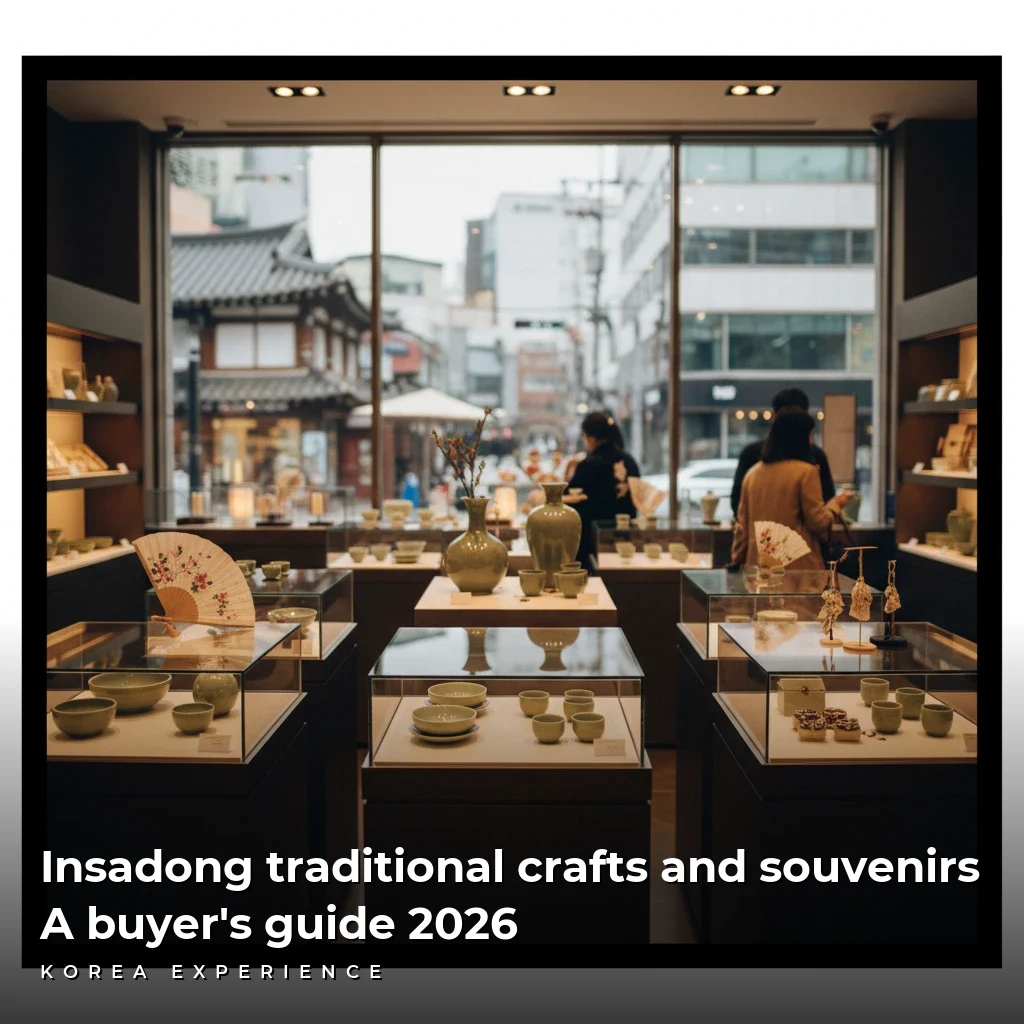
Discover the best Insadong traditional crafts and souvenirs in 2026. From authentic hanji paper to celadon ceramics, find prices and hidden shops here.

Discover the top 20 cafes in Seoul for 2026. From Seongsu warehouses to Hanok spots, find prices, wait times, and signature brews.