Medical Tourism In Busan Vs Seoul Pros Cons And Price Differences 2026
Compare medical tourism in Busan vs Seoul for 2026. Discover price differences, clinic quality, recovery spots, and pros/cons for your procedure.
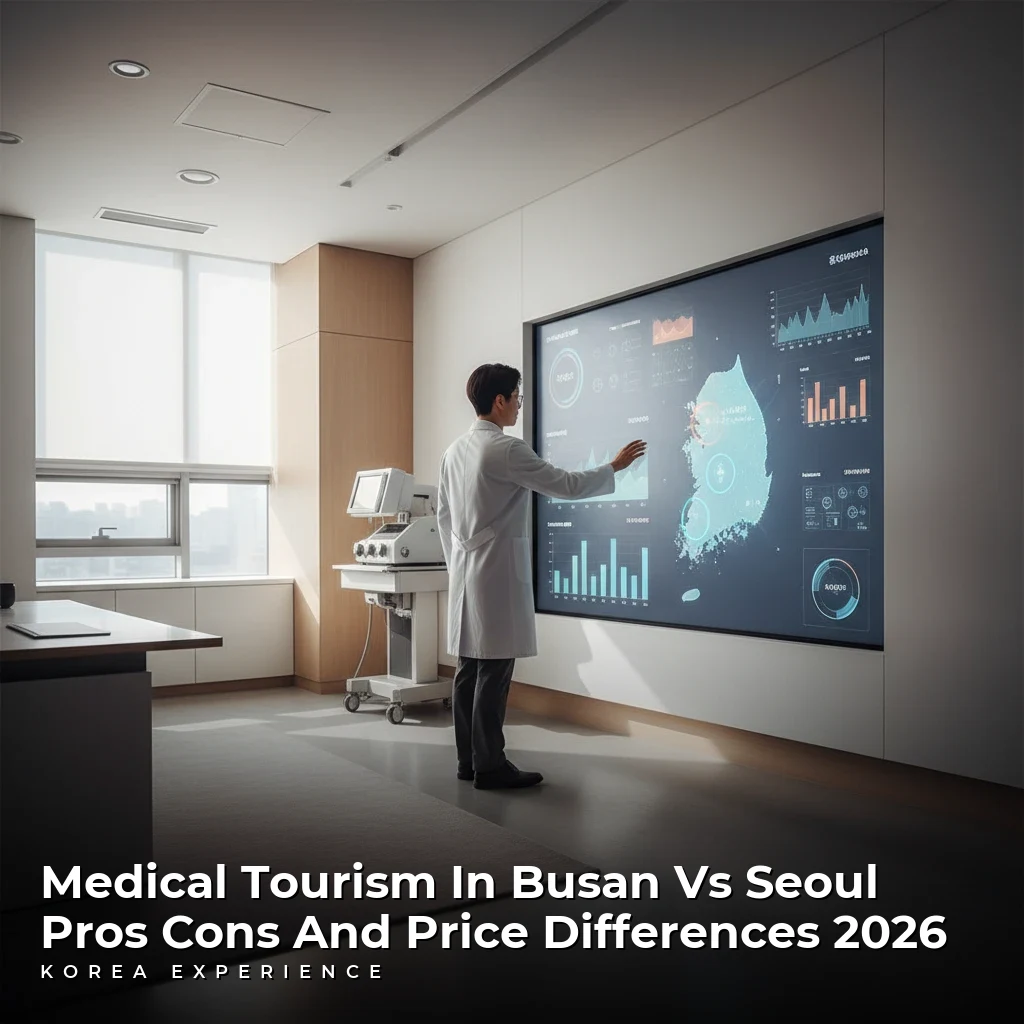
Choosing between Seoul and Busan for medical procedures in 2026 depends largely on the complexity of your treatment, your budget, and your preferred recovery environment. While Seoul remains the global capital of plastic surgery with the highest concentration of specialists, Busan has rapidly emerged as a cost-effective alternative, offering identical technology at 15-30% lower prices, combined with a relaxing coastal atmosphere ideal for healing.
The short answer: Seoul is best for complex surgeries and maximum clinic variety, while Busan offers significantly better value for standard procedures (dermatology, dental, basic plastic surgery) and a superior, stress-free recovery environment near the ocean.
Key Takeaways
- 1Busan medical procedures cost 15-30% less than Seoul on average in 2026
- 2Seoul has over 500 plastic surgery clinics in Gangnam alone, offering niche specialists
- 3Busan's Seomyeon Medical Street concentrates 300+ clinics in one walkable district
- 4Recovery accommodation in Busan is approximately 40% cheaper than Gangnam
Medical Disclaimer
The content in this article is for informational purposes only and does not constitute medical advice. Always consult with a qualified healthcare professional before undergoing any medical procedure. For medical emergencies in Korea, dial 119.
The Evolution of Medical Tourism in Korea 2026
By 2026, South Korea has solidified its position as a top-tier global medical destination, attracting over 2.5 million medical tourists annually. While Seoul has traditionally held the monopoly, the South Korean government has aggressively decentralized medical tourism, pouring substantial funding into Busan to create a "Smart Medical City."
The infrastructure in both cities is world-class, utilizing AI-driven diagnostics and robotic surgery. However, the patient experience differs vastly. Seoul is a fast-paced metropolis where efficiency is king, whereas Busan offers a "medical resort" vibe. Understanding these nuances is critical for planning a trip that involves significant financial investment and physical recovery.
📊 2026 Market Overview
Seoul: The Global Heavyweight
Seoul, specifically the Gangnam district (encompassing Apgujeong and Sinsa), is the epicenter of K-Beauty. In 2026, the density of clinics here is unrivaled anywhere in the world.
The Gangnam Advantage
If you are looking for an ultra-niche procedure—such as complex craniofacial reconstruction or revision rhinoplasty (fixing a previous botch job)—Seoul is the safest bet. The sheer volume of patients means top surgeons in Seoul perform thousands of specific procedures annually, honing their skills to perfection.
Furthermore, the support infrastructure in Seoul is seamless. Most clinics in Gangnam have in-house interpreters for English, Chinese, Japanese, Russian, and Arabic. You are unlikely to face a language barrier in Apgujeong.
The Cost of Excellence
The downside is the "Gangnam Premium." Real estate prices in Gangnam have soared by another 12% since 2024, and these overhead costs are passed down to patients. A standard rhinoplasty that might cost ₩4,500,000 (approx. $3,400 USD) in a provincial city can easily command ₩6,500,000 (approx. $4,900 USD) or more in a top-tier Gangnam clinic.
Apgujeong Rodeo Street(압구정 로데오 거리)
Busan: The Smart Alternative
Busan, Korea's second-largest city, has branded itself as a hub for "Healing Medical Tourism." The center of this activity is Seomyeon Medical Street, a designated district with over 300 medical institutions packed into a 1km radius.
Why Choose Busan?
The primary driver is value. In 2026, price sensitivity is a major factor for travelers. Busan offers the same FDA-approved equipment (like Ulthera and Thermage FLX for anti-aging) and board-certified surgeons who often trained in Seoul, but at significantly lower rates due to lower operating costs.
Many patients assume Busan doctors are less qualified, but that is a misconception. Many of us graduated from Seoul National University or Yonsei but chose Busan for a better quality of life. You get the same hands, just a different zip code and a lower price tag.
The Recovery Environment
Recovering from surgery in Seoul often means staying in a small hotel room in a congested city. In contrast, Busan allows you to recover by the sea. The air quality in Busan is generally better than in Seoul, and the pace of life is slower. For patients undergoing painful procedures, the psychological benefit of looking out at Haeundae Beach cannot be overstated.
If you are interested in what to eat during your recovery, check out our guide on best Korean healing foods for surgery recovery.
Comprehensive Price Comparison 2026
One of the most frequent questions we receive is about the exact price difference. While costs vary wildly based on individual patient anatomy, we have compiled average market rates for 2026.
Generally, you can expect a 15% to 30% savings in Busan compared to Gangnam, Seoul.
💵 Procedure Cost Comparison (Average)
Rhinoplasty (Nose)
Full Face Botox/Filler Pkg
Full Face Lift
Rhinoplasty (Nose)
Full Face Botox/Filler Pkg
Full Face Lift
📋 Additional Costs
Understanding the Variance
The price gap is widest in dermatology and dental work. For purely cosmetic skin treatments (lasers, facials), Busan is incredibly competitive. For highly invasive surgeries requiring general anesthesia and overnight stays, the price gap narrows slightly because the cost of medical supplies and anesthesiology is standard nationwide.
For a deeper dive into skin treatments, read about anti-aging treatments in Korea.
Technology and Safety Standards
A common fear is that lower prices equate to older technology. In 2026, this is largely unfounded in Korea's major cities.
The Korean Ministry of Health and Welfare strictly regulates clinics that are certified to treat foreign patients. Whether you are in Seoul or Busan, certified clinics utilize:
- 3D CT Scanners for precise bone structure analysis.
- Virtual Simulation Software to predict post-surgery results.
- HEPA-filtered operating rooms to minimize infection risk.
Service & Tech Comparison
| Feature | Seoul (Gangnam) | Busan (Seomyeon) |
|---|---|---|
| English Fluency | Native/Fluent | Conversational/Good |
| Revision Surgery Specialists | High Availability | Limited Availability |
| Airport Access | 1hr (Incheon) | 40min (Gimhae) |
| Wait Times | Long (Months) | Short (Weeks) |
Accommodations and Lifestyle Differences
Medical tourism isn't just about the hour you spend in the operating room; it's about the two weeks you spend recovering.
Staying in Seoul
In Seoul, you will likely stay in Gangnam or Sinsa to be close to your clinic for follow-ups.
- Pros: Incredible convenience, massive delivery food apps (Coupang Eats covers everything), endless shopping.
- Cons: High cost. A decent hotel room in Gangnam in 2026 averages $150-$250 USD per night. Airbnb laws are strict, and finding a spacious apartment is difficult and expensive.
- Traffic: Navigating Seoul traffic with a bandaged face can be stressful.
Staying in Busan
In Busan, you can stay in Haeundae or Gwangalli Beach areas, which are about 20-30 minutes by taxi from the Seomyeon medical district.
- Pros: Resort hotels are 30-40% cheaper than Seoul. You can rent a studio with an ocean view for the price of a basement room in Seoul.
- Cons: Public transport is good, but the subway system is less extensive than Seoul's. You may rely more on taxis.
For a broader look at expenses, see our breakdown of cost of living in Seoul vs Busan.
The Language Barrier Reality
This is where Seoul still holds a distinct advantage.
In Seoul: You can walk into almost any major clinic in Gangnam without an appointment and find a consultant who speaks English. The medical concierge services are highly sophisticated, often providing airport pickup, hotel booking, and 24/7 translation support included in premium surgery packages.
In Busan: While major clinics in Seomyeon have English interpreters, it is less ubiquitous. You often need to book an appointment in advance to ensure the English-speaking staff is working that day. However, the Busan Medical Tourism support center offers free interpretation services for registered tourists, which bridges this gap significantly.
Translation Apps
In 2026, real-time AI translation has improved drastically. Even if staff speaks limited English, apps like Papago and Google Translate's conversation mode make communication in Busan seamless for logistics and basic nursing care.
Step-by-Step Guide: How to Choose and Book
Deciding between the two cities can be overwhelming. Follow this timeline to structure your medical trip.
📖 Planning Your Medical Trip
Step 1: Define Procedure Scope
If it is a complex revision or major reconstruction, default to Seoul. If it is standard anti-aging, dental, or primary surgery, consider Busan.
Step 2: Online Consultation
Contact 3 clinics in Seoul and 3 in Busan. Send photos via WhatsApp or KakaoTalk for estimates.
Step 3: Compare Total Cost
Calculate: Procedure Cost + (Hotel Rate x 14 days) + Flights. Often, the hotel savings in Busan pay for the flight.
Step 4: Booking
Secure your surgery date 2 months in advance. Pay the deposit (usually 10%).
Specialized Treatments: Where to Go?
Not all procedures are created equal. Here is our recommendation based on 2026 trends.
Go to Seoul For:
- Revision Rhinoplasty: If your nose was damaged in a previous surgery, the world's best experts are in Seoul.
- Facial Contouring (Bone Surgery): This requires high-level anesthesiology and intensive care units (ICU), which are more prevalent in large Seoul hospitals.
- Hair Transplants: Seoul has dedicated hair centers with massive teams for large graft counts.
For recommendations on top facilities, read our guide to best plastic surgery clinics for foreigners in Seoul.
Go to Busan For:
- Dermatology & Lasers: Get the same Ulthera, InMode, or Potenza treatments for 20% less.
- Dental Work: Implants and veneers are significantly cheaper, and the quality is excellent.
- Basic Eyelid Surgery (Blepharoplasty): A standard procedure performed expertly in Busan.
- Executive Checkups: Comprehensive full-body MRI/CT checkups at university hospitals in Busan are a steal compared to Seoul or the US.
Logistics: Getting There
Seoul: Incheon International Airport (ICN) is the main gateway. You can take the AREX train directly to Seoul Station, then a taxi to Gangnam. The travel time is roughly 90 minutes.
Busan: Gimhae International Airport (PUS) serves Busan. It has direct flights from many Asian hubs (Tokyo, Taipei, Singapore, Bangkok). If flying from the US or Europe, you can transfer at Incheon to a domestic flight to Busan (keep in mind you often have to switch from ICN to Gimpo Airport, which is a hassle) or take the KTX train.
The KTX Option: Many travelers land in Incheon, spend 2 days in Seoul for sightseeing, then take the KTX high-speed train (2.5 hours) to Busan for their procedure and recovery. This "Dual City" approach is very popular in 2026.
The KTX Medical Route
Arrival ICN
Land in Incheon, take AREX to Seoul Station.
Consultation
Consultations in Gangnam (optional comparison).
Move to Busan
KTX Train to Busan Station (2.5 hrs). Check into Haeundae hotel.
Surgery
Procedure at Seomyeon Medical Street.
Food and Recovery
Diet plays a huge role in minimizing swelling (deswelling). Korean Pumpkin Porridge (Hobak-juk) is the gold standard for recovery food.
In Seoul, you have access to premium department store food courts in Gangnam that sell high-end porridge and nutrient-rich soups. Delivery services are 24/7.
In Busan, specifically near the Jagalchi market area or coastal towns, you have access to incredibly fresh seafood. While you might not be eating chewy raw fish (hoe) immediately after jaw surgery, the abalone porridge (Jeonbok-juk) in Busan is superior to Seoul's.
Don't miss our guide to the Busan seafood guide for when you have fully recovered!
Pros and Cons Summary
To summarize your decision-making process for 2026:
Seoul vs. Busan Medical Tourism
- ✓Seoul: Highest concentration of English-speaking staff
- ✓Seoul: Best for complex/revision surgeries
- ✓Seoul: World-class shopping and entertainment
- ✓Busan: 15-30% lower procedure costs
- ✓Busan: Relaxing ocean-side recovery environment
- ✓Busan: Lower accommodation costs
- ✗Seoul: Expensive accommodation and general costs
- ✗Seoul: Congested traffic and fast-paced stress
- ✗Busan: Fewer direct intercontinental flights
- ✗Busan: Slightly higher language barrier in smaller clinics
Final Verdict
If budget is your primary concern, or if you are seeking standard non-invasive treatments, Busan is the clear winner for 2026. The combination of lower costs, high medical standards, and a vacation-like atmosphere makes it the smart choice for savvy medical tourists.
However, if you require highly specialized surgical intervention, or if money is no object and you demand the absolute pinnacle of luxury concierge service, Seoul remains the undisputed king.
Whichever city you choose, the standard of care in South Korea remains among the highest in the world.
❓ Frequently Asked Questions
Have more questions?Contact us →
About the Author
Korea Experience Team
Written by the Korea Experience editorial team - experts in Korean medical tourism, travel, and culture with years of research and firsthand experience.
⚠️ Medical Disclaimer
The information provided on this website is for general informational purposes only and does not constitute medical advice. Always consult with qualified healthcare professionals before making any medical decisions.
Explore more in Medical Tourism
World-class medical procedures at competitive prices. From plastic surgery and dermatology to dental care and health checkups — your complete guide to medical tourism in Korea.
Browse All Medical Tourism ArticlesContinue Reading
Explore more articles you might find interesting
Complete 2026 guide to recovery hotels in Seoul. Compare prices (₩100k-500k/night), find nursing services, and book the perfect aftercare stay.
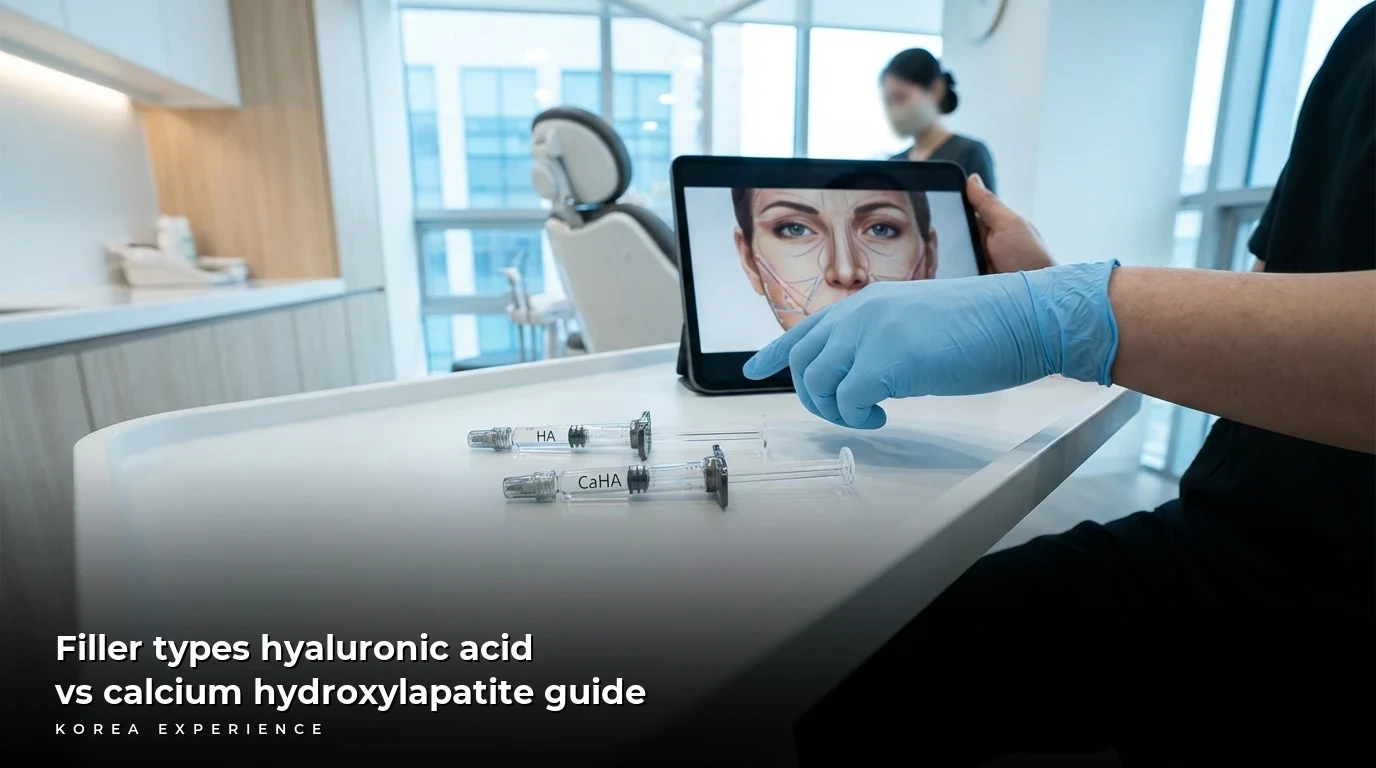
Compare HA and CaHA fillers for your medical tourism trip to Korea. Discover costs, longevity, and expert advice for procedures in Seoul.
Compare Airbnb and recovery hotels for medical tourism in Korea. Discover costs, safety features, and amenities for your post-surgery stay.
Compare costs, amenities, and lifestyle differences between Goshiwons and Officetels in Korea for 2026. Find your perfect Seoul accommodation.

Compare KTX and SRT high-speed trains in Korea. Discover price differences (10% cheaper), station locations, and how to book tickets for your 2026 trip.
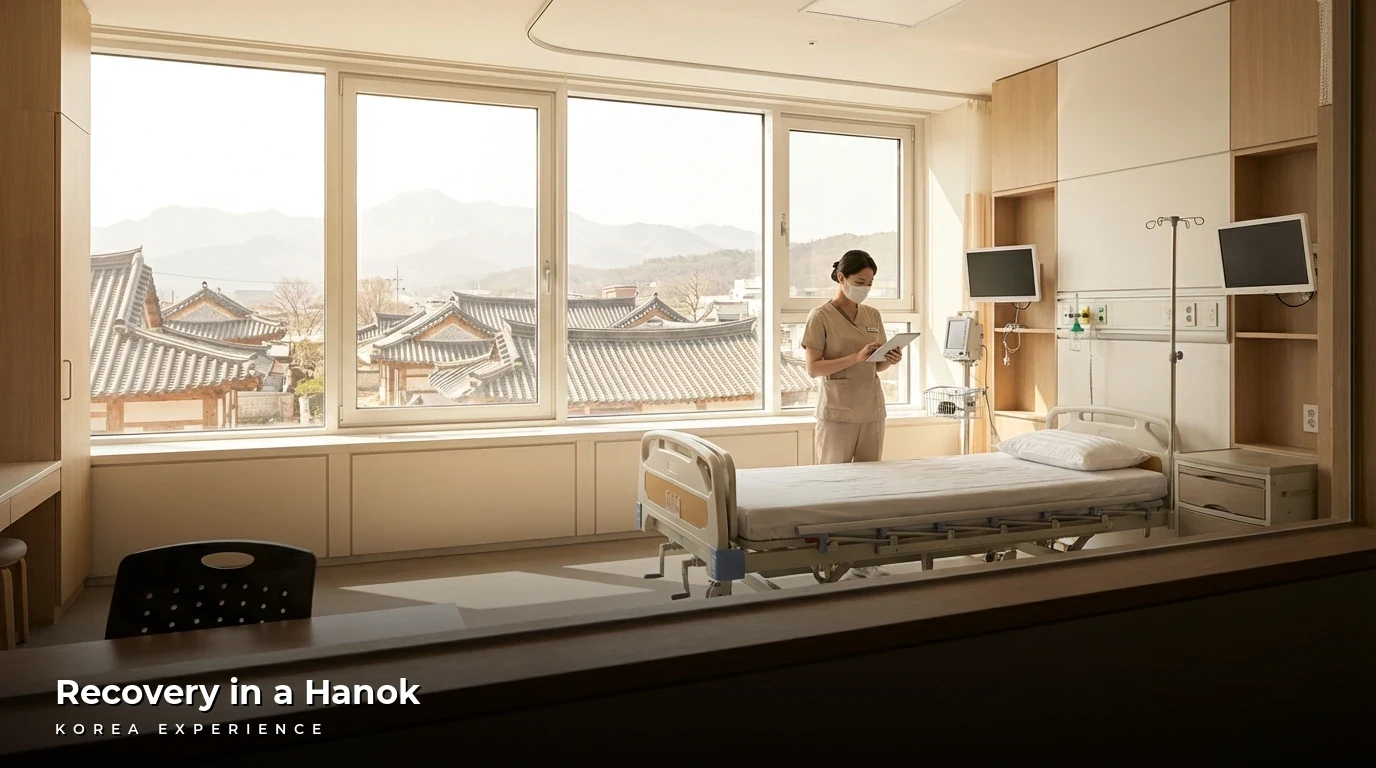
Discover why 57% of 2025 medical tourists chose dermatology and how recovering in a luxury Hanok for $250 a night is the ultimate 2026 healing hack.