Busan Seafood Guide Fresh Fish Markets & Restaurants
Dive into Busan's vibrant seafood scene with this guide to fresh fish markets, delicious restaurants, and insider tips for an authentic culinary adventure.
Busan Seafood Guide: Fresh Fish Markets and Restaurants
Welcome to Busan, South Korea's bustling port city, a place where the rhythm of life is intrinsically tied to the boundless sea. For international travelers and expats, Busan offers an unparalleled gastronomic adventure, particularly for those with a penchant for fresh seafood. The sheer variety, the vibrant markets, and the innovative ways seafood is prepared here can be both exhilarating and a little overwhelming.
Are you eager to sample the freshest catches but unsure where to begin? Do you want to navigate the bustling fish markets like a local, or discover the best restaurants for specific seafood delights? This comprehensive guide is designed to be your compass, leading you through the heart of Busan's seafood culture. We'll unveil the secrets of its famed fish markets, recommend top dining spots, and arm you with practical tips to ensure your Busan seafood experience is nothing short of spectacular. Get ready to embark on a delicious journey where every bite tells a story of the ocean.
Understanding Busan's Seafood Culture
Busan's identity is inextricably linked to the sea, making its seafood culture not just about food, but a way of life. The city’s strategic coastal location on the southeastern tip of the Korean peninsula has historically made it a pivotal fishing hub and a gateway for maritime trade. This deep-rooted connection has shaped its culinary traditions, creating a vibrant seafood scene that is both authentic and incredibly diverse.
Historical Significance and Local Identity
For centuries, Busan's inhabitants have relied on the ocean for sustenance and livelihood. The fishing industry fueled the city's growth, leading to the establishment of massive fish markets that became vital economic and social centers. This legacy is palpable today; from the early morning auctions at the port to the evening diners enjoying a fresh catch, seafood permeates daily life. It represents resilience, community, and the bounty of the Korean seas. Understanding this heritage enriches every dining experience, transforming a simple meal into a cultural immersion.
A Diverse Ocean Harvest
The waters surrounding Busan are rich in marine life, offering a dazzling array of seafood throughout the year. Depending on the season, you might find everything from plump oysters and succulent shrimp to various whitefish, octopus, and a multitude of clams and mussels. Seasonal availability dictates the freshest and most prized catches, with certain periods being ideal for particular types of seafood. For instance, autumn often brings an abundance of blue crabs, while winter is prime for king crabs and various shellfishes. This seasonal variation means there's always something new and exciting to discover for repeat visitors.
Iconic Busan Seafood Dishes Explained
Busan’s culinary landscape is dotted with iconic seafood dishes, each offering a unique taste of the ocean. Here are some must-try preparations:
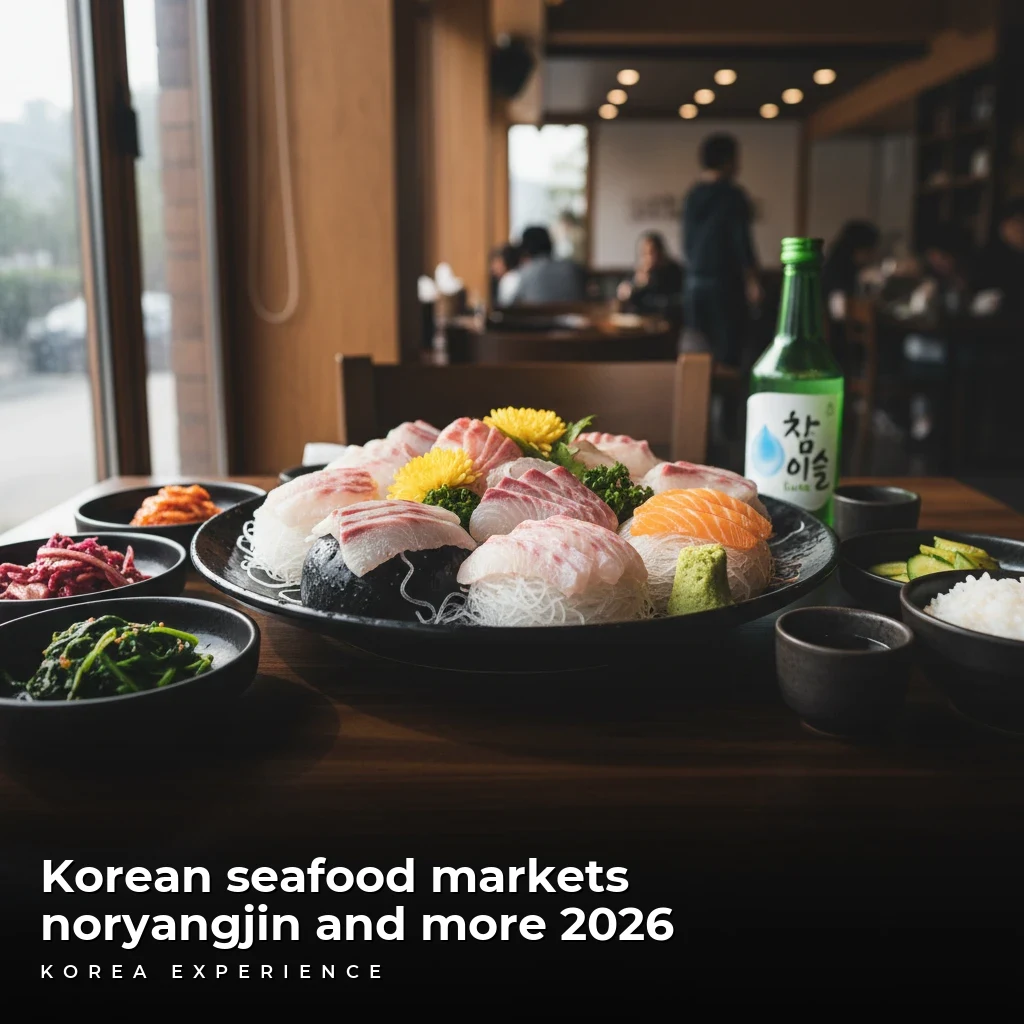
- Hoe (Raw Fish Sashimi): This is perhaps the most celebrated way to enjoy Busan's fresh catch. Fish, often still alive moments before serving, is expertly sliced into thin, delicate pieces and typically served with spicy gochujang-based sauce (chogochujang), wasabi, soy sauce, and fresh vegetables like garlic and chili peppers. It is common to wrap the fish in lettuce or perilla leaves with accompanying condiments. The experience of eating "hoe" in Busan is about savoring the pure, unadulterated flavor and texture of the ocean.
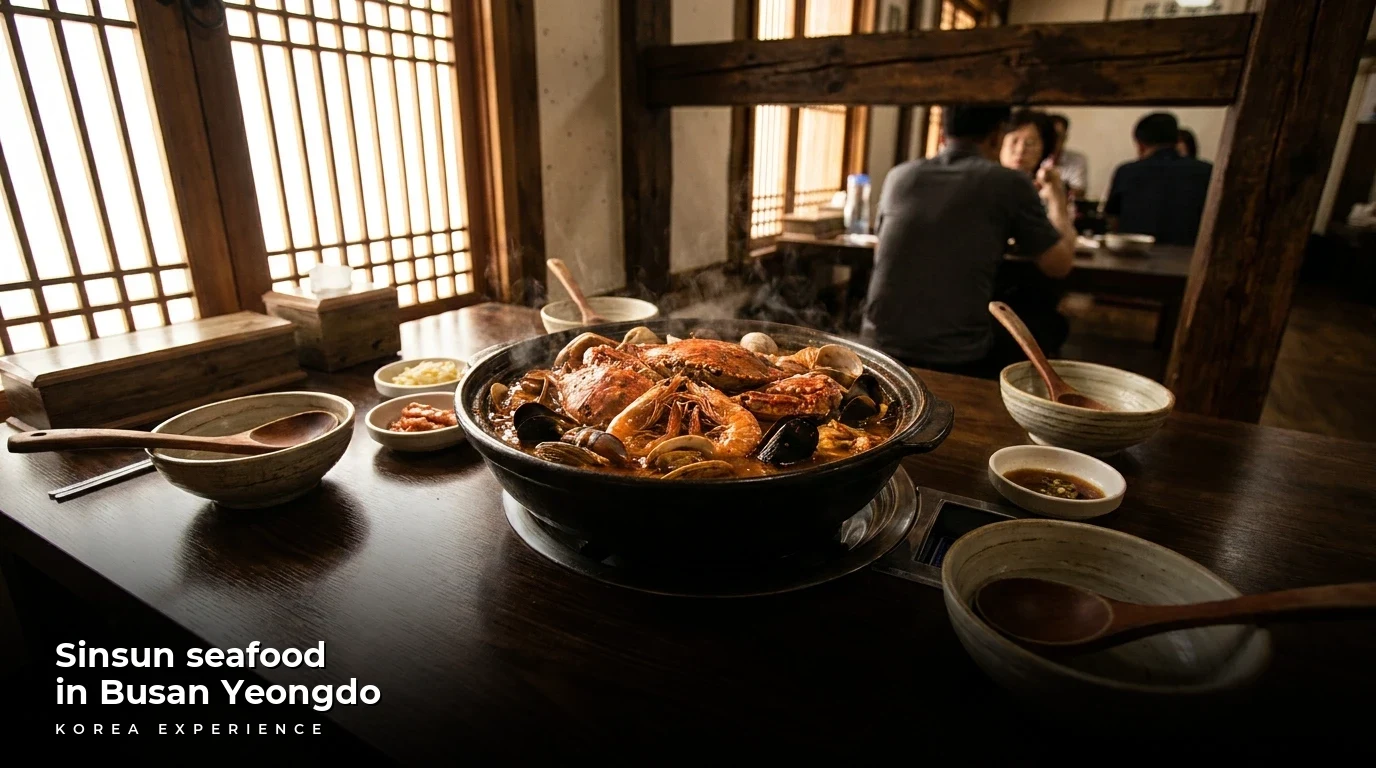
- Jjigae (Spicy Seafood Stew): A hearty and warming dish, seafood jjigae is perfect for cooler days or as a comforting accompaniment to "hoe." Packed with various shellfish, fish, tofu, and vegetables, simmered in a spicy broth, it offers a robust flavor profile that is deeply satisfying. Common variations include "eun daegu tang" (codfish stew) or "haemul jjigae" (general seafood stew).
- Gui (Grilled Seafood): Grilling brings out the natural sweetness and smoky flavors of fish and shellfish. From whole grilled mackerel ("godeungeo gui") to grilled scallops or clams ("jogae gui"), "gui" dishes are simple yet incredibly delicious. They are often lightly seasoned to allow the freshness of the seafood to shine through.
- Agujjim (Spicy Braised Monkfish): A fiery and flavorful dish, "agujjim" features tender monkfish braised with bean sprouts, minari (Korean water dropwort), and a rich, spicy sauce. It is a textural delight and a favorite among locals for its bold flavors.
- Ganjang Gejang (Soy-Marinated Raw Crab): While not exclusively from Busan, this dish is widely available and cherished. Fresh raw crabs are marinated in a savory soy sauce mixture, resulting in incredibly tender, sweet, and umami-rich meat that is often eaten by scooping out the flesh directly from the shell.
Busan's Premier Fish Markets: A Sensory Feast
The heart of Busan's seafood experience lies in its bustling fish markets. These aren't just places to buy and sell; they are living, breathing monuments to the city's maritime heritage, offering a sensory overload of sights, sounds, and smells. Visiting them is an essential part of understanding Busan.
Jagalchi Fish Market: The Iconic Gateway
- Location: 52, Jagalchihaean-ro, Jung-gu, Busan (Near Nampo-dong)
- Hours: Generally 5:00 AM - 10:00 PM (individual stalls vary; many restaurants open until late evening). Closed on the first and third Tuesdays of each month.
- Contact: +82-51-245-2594
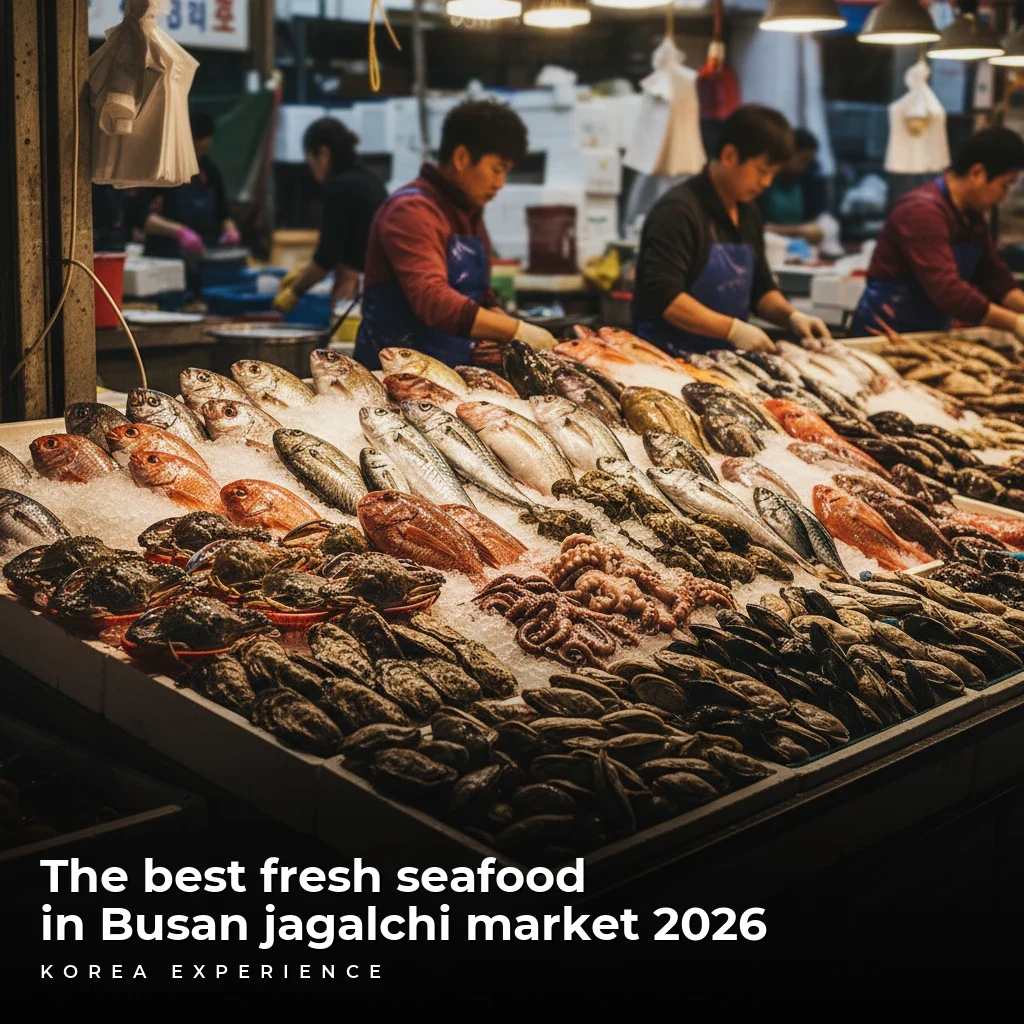
- Description: Jagalchi is not just Korea's largest fish market; it's a cultural landmark. Divided into indoor and outdoor sections, it’s a vibrant spectacle where vendors, mostly women known as 'Jagalchi Ajumma,' energetically hawk their fresh catches. The outdoor section buzzes with activity, featuring an array of live seafood in tanks, while the multi-story indoor building houses more organized stalls and restaurants.
- What to Do:
- Explore the Ground Floor: Wander through the aisles, marveling at the staggering variety of live and freshly caught seafood. You'll see everything from gigantic crabs and octopus to colorful fish and various shellfish. This is where you choose your seafood.
- Select Your Catch: Point to the fish or shellfish you want. Vendors will often try to entice you with their freshest offerings. Be prepared to bargain slightly, especially if you’re buying multiple items or during quieter hours.
- Head Upstairs for Cooking: Once you've made your selection, the vendor will direct you to one of the many restaurants on the upper floors (or sometimes directly connected to their stall). For a small cooking fee (usually 5,000 - 10,000 Korean Won per person, depending on the restaurant and amount of food), they will prepare your chosen seafood exactly to your liking – typically as "hoe" (raw fish), grilled, or in a spicy stew ("maeuntang").
- Estimated Prices (Varies greatly by season and negotiation):
- Small plate of "hoe" (for 1-2 people): 30,000 - 50,000 Korean Won
- Medium fish for grilling: 20,000 - 40,000 Korean Won
- Large king crab/snow crab: 80,000 - 150,000+ Korean Won (per kg, seasonal)
- Cooking fee: 5,000 - 10,000 Korean Won per person
Gijang Crab Market: A Crustacean Paradise
- Location: Gijanghaean-ro, Gijang-eup, Gijang-gun, Busan (a bit further north from central Busan, accessible by bus or taxi)
- Hours: Typically 9:00 AM - 9:00 PM (restaurants often open later).
- Description: For serious crab lovers, Gijang Crab Market is a pilgrimage site. While Jagalchi offers crabs, Gijang specializes in them, particularly the coveted "daege" (king crab) and "hongge" (snow crab). The market street is lined with numerous shops, each displaying tanks overflowing with live crabs.
- What to Do: Similar to Jagalchi, you select your crab directly from a tank. The vendor will weigh it, quote a price, and then you can take it to a designated restaurant (often affiliated with the vendor) to have it steamed to perfection. Crabs are usually served simply steamed, allowing their sweet, delicate meat to be the star.
- Best Time to Visit: Winter (November to March) is generally considered the peak season for king crab and snow crab, when they are at their fattest and most flavorful.
- Estimated Prices:
- King Crab ("daege"): 80,000 - 150,000 Korean Won per kg (depending on size and season). A medium crab might cost 100,000 - 200,000 Korean Won total.
- Snow Crab ("hongge"): Slightly more affordable than king crab, but still a premium item.
- Cooking fee: Usually included in the crab price or a small separate charge.
Millak Raw Fish Town: Ocean Views with Your Hoe
- Location: 101, Millaksubyeon-ro, Suyeong-gu, Busan (near Gwangalli Beach)
- Hours: Generally 10:00 AM - Midnight (restaurants stay open late).
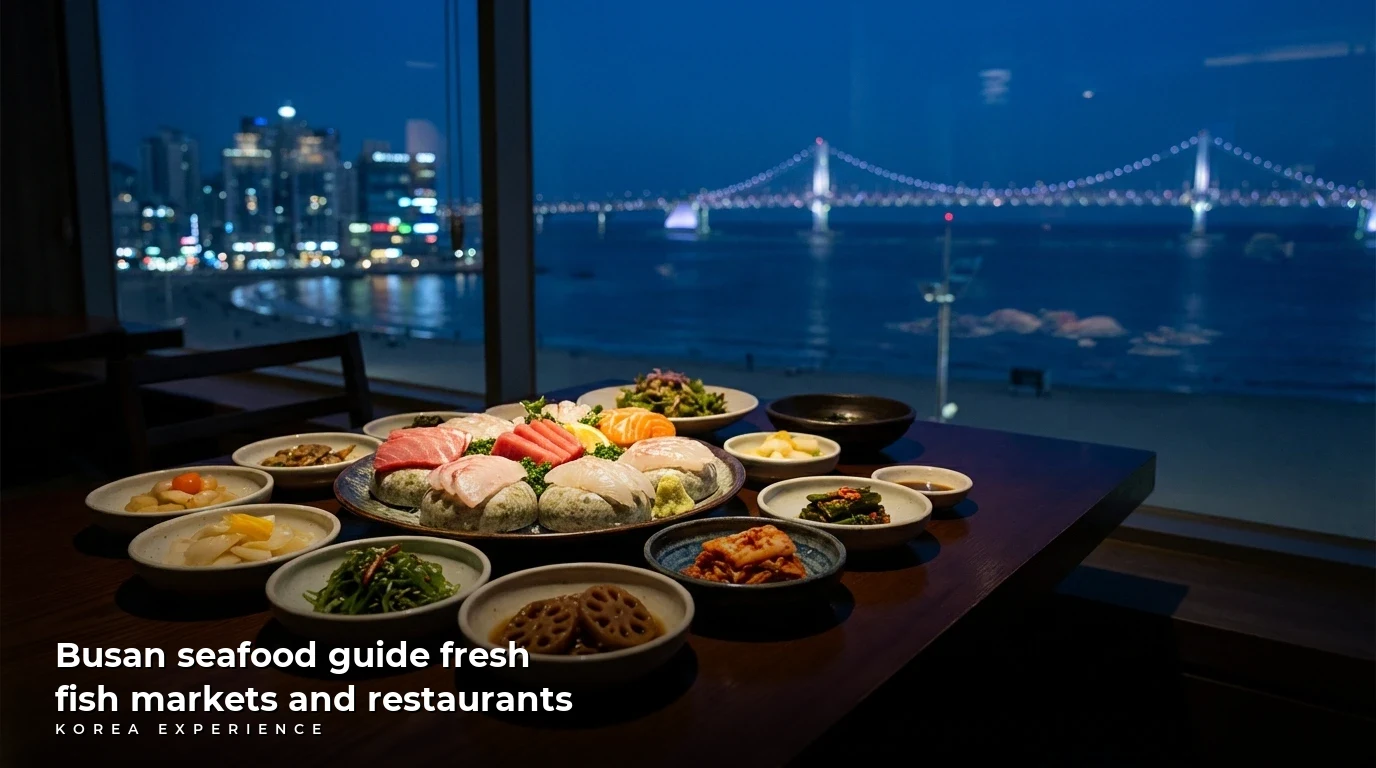
- Description: Millak Raw Fish Town offers a slightly different experience. It's a multi-story building primarily focused on "hoe" (raw fish) with stunning views of Gwangalli Beach and the Diamond Bridge. The ground floor functions like a market where you choose your fish, and the upper floors are dedicated to restaurants where your selection is prepared and served, often with panoramic ocean vistas.
- Unique Experience: The main draw here is the combination of incredibly fresh seafood and the picturesque backdrop. It’s perfect for a romantic dinner or a relaxed evening with friends, enjoying the glittering night views of the bridge.
- What to Do: Similar to Jagalchi, select your fish on the ground floor. The vendors will clean and prepare it, then guide you to one of the upper-floor restaurants. The restaurant will charge a "chogap" (table setting fee), which includes side dishes and sauces, and then serve your raw fish.
- Estimated Prices:
- Plate of mixed "hoe" (for 2 people): 50,000 - 80,000 Korean Won
- Cooking fee/Table setting fee: 5,000 - 10,000 Korean Won per person
Comparison Table 1: Major Fish Markets
| Feature | Jagalchi Fish Market | Gijang Crab Market | Millak Raw Fish Town |
|---|---|---|---|
| Specialty | Wide variety of all seafood, iconic experience | King Crab, Snow Crab, other premium crabs | Raw Fish ("Hoe") with scenic ocean views |
| Vibe | Bustling, traditional, authentic, crowded | Specialized, focused, slightly quieter than Jagalchi | Modern, relaxed, panoramic, perfect for Gwangalli views |
| Price Level | Mid-range to high (depending on choice) | High (crabs are premium) | Mid-range to high |
| Dining Style | Choose fish, go upstairs to eat; many independent restaurants | Choose crab, eat at affiliated restaurant | Choose fish downstairs, eat upstairs with a view |
| Accessibility | Central, easily accessible by public transport (Nampo-dong) | Requires a longer journey from city center (bus/taxi/train) | Near Gwangalli Beach, good public transport connections |
Dining Out: Top Seafood Restaurants in Busan
Beyond the vibrant markets, Busan boasts an impressive array of dedicated seafood restaurants, each specializing in different preparations and offering various dining atmospheres. Whether you seek a humble local eatery or a sophisticated dining experience, Busan has it all.
Local Delicacies & Specialties to Seek Out
While "hoe" and grilled fish are ubiquitous, Busan offers unique seafood dishes that are absolute must-tries.
- Eomuk (Fish Cakes): A quintessential Busan street food. These savory fish cakes, made from ground fish paste, are steamed, fried, or boiled and served on skewers in a hot, clear broth. You'll find countless "eomuk" stalls, especially in Nampo-dong and Gukje Market. They are a delicious and affordable snack.
- Dwaeji Gukbap (Pork Soup): While not seafood, this iconic Busan dish is often found near fish markets, offering a hearty, non-seafood option for those craving warmth and comfort. It's a rich, milky pork bone broth served with rice, thinly sliced pork, and various toppings.
- Jangeo Gui (Grilled Eel): Known for its rich flavor and health benefits, grilled eel is a popular delicacy. It's often marinated in a sweet and savory soy-based sauce or a spicy gochujang-based sauce before being grilled to perfection.
- Haemul Pajeon (Seafood Pancake): A crispy, savory pancake loaded with various seafood (squid, shrimp, mussels, oysters) and scallions, served with a soy-dipping sauce. It's a perfect accompaniment to "makgeolli" (rice wine).
- Myeongnan Jeot (Spicy Pollock Roe): While a side dish, "myeongnan jeot" is incredibly popular in Busan. It's salted and fermented pollock roe, often seasoned with chili flakes, garlic, and sesame oil. It's intensely savory and pairs wonderfully with rice or as a topping for other dishes.
Recommended Restaurants (General Examples)
Specific restaurant names can change, but here are types of establishments and general areas to look for top-tier seafood experiences:
- Near Jagalchi Market: Beyond the market's upper-floor restaurants, the surrounding streets of Nampo-dong are teeming with independent eateries. Look for smaller, unassuming places specializing in "maeuntang" (spicy fish stew) or "eun daegu tang" (codfish stew). Many have been operating for decades and offer authentic, comforting flavors.
- Recommendation Type: A Local Maeuntang House: Search for well-regarded "maeuntang" or "haemul tang" (seafood stew) restaurants on local blogs or maps. These often have simple decor but deliver rich, flavorful stews. Expect prices around 10,000 - 20,000 Korean Won per person for a stew, plus extra for sides.
- Gwangalli Beach Front: For those seeking ambiance with their meal, the restaurants along Gwangalli Beach offer stunning views. Many here specialize in "jogae gui" (grilled clams) or more upscale raw fish sets.
- Recommendation Type: Gwangalli Jogae Gui: Many restaurants along the beach strip specialize in grilling various clams, often served with cheese or butter. They provide a lively atmosphere, perfect for an evening out. Prices for a clam set for two might range from 40,000 - 70,000 Korean Won.
- Haeundae Area: This upscale area has a mix of traditional and modern seafood dining. You can find everything from casual "eomuk" stalls to high-end restaurants focusing on seasonal catches and refined preparations.
- Recommendation Type: Haemul Restaurant in Haeundae: Look for restaurants offering "haemuljjim" (braised seafood) or refined raw fish platters. These often have a more modern decor and slightly higher prices. A "haemuljjim" for two might be 50,000 - 80,000 Korean Won.
- Busanjin Market Area: Not a primary seafood market, but some excellent "agujjim" (spicy braised monkfish) restaurants are concentrated here, known for their authentic and fiery preparations.
- Recommendation Type: Agujjim Specialty Restaurant: Find a restaurant dedicated solely to "agujjim." They typically serve generous portions with perfectly cooked, tender monkfish. A medium "agujjim" serving 2-3 people could be 40,000 - 60,000 Korean Won.
Choosing Your Seafood Restaurant: Insider Tips
- Look for Freshness: In Korea, the best indicator of freshness is often live seafood in tanks. If a restaurant has tanks with active, healthy-looking fish and shellfish, it's a good sign.
- Observe the Locals: A restaurant packed with local diners, especially during peak hours, is usually a reliable indicator of quality and good value.
- Specialization is Key: Restaurants that specialize in one or two types of seafood or preparations (e.g., only "hoe," only grilled clams, or only crab) often do them exceptionally well.
- Consider the Ambiance: Do you want a bustling market experience, a cozy local eatery, or a restaurant with a view? Busan offers all these options, so choose according to your preference.
- Don't Be Afraid to Ask: Most Korean restaurant staff, especially in tourist areas, will have some English ability or be willing to use translation apps to help you understand the menu and dishes.
Navigating the Seafood Experience: Practical Tips
To fully enjoy Busan's seafood scene, a few practical tips can make all the difference, especially for first-time visitors.
Best Time to Visit Markets and Restaurants
- Markets: For the most lively experience and widest selection, visit Jagalchi Fish Market in the morning (around 9 AM - 11 AM) when new catches are coming in. Avoid early mornings if you're sensitive to strong fish smells, but do note that some auctions start before dawn. Mid-afternoon can be a good time for a more relaxed browse. For dining, evenings are popular.
- Restaurants: Weekday lunch or dinner times are generally less crowded than weekends. If you plan to visit popular restaurants, consider going slightly before or after peak meal hours (e.g., 11:30 AM or 1:30 PM for lunch, 5:30 PM or 7:30 PM for dinner) to avoid long waits.
How to Order "Hoe" (Raw Fish): A Step-by-Step Guide
- Choose Your Fish: At a market, point to the live fish you want. The vendor will usually weigh it and tell you the price.
- Confirm Preparation: Clearly state you want "hoe" (pronounced "hweh").
- Head to the Restaurant: The vendor will either take your fish or direct you to an affiliated restaurant (usually upstairs or nearby) where they will prepare it.
- Pay the "Chogap" (Table Setting Fee): At the restaurant, you'll pay a per-person "chogap" which typically includes basic side dishes ("banchan"), dipping sauces (chogochujang, ssamjang, soy sauce, wasabi), lettuce, and perilla leaves for wrapping.
- Enjoy: Your beautifully sliced "hoe" will arrive. Use the provided sauces and vegetables to customize each bite. Don't forget to try the "maeuntang" (spicy fish stew) made from the leftover fish bones and head, often served as an optional add-on at the end for a small fee – it's incredibly flavorful!
Price Negotiation and Budgeting
- Markets: Negotiation is part of the culture, especially in large markets like Jagalchi. It's usually small reductions or a bit of extra service (like an added shellfish). Be polite and friendly. Start by asking for the price ("eolmayeyo?").
- Restaurants: Prices are generally fixed in restaurants. Menus usually clearly state prices. Look for "set menus" (jeongsik) which can offer good value.
- Budgeting:
- Budget-Friendly (under 15,000 Korean Won per person): Street food like "eomuk," small bowls of fish cake soup, or simple noodle dishes.
- Mid-Range (15,000 - 40,000 Korean Won per person): Most local seafood stews, grilled fish sets, or smaller "hoe" portions.
- Splurge (40,000+ Korean Won per person): Premium "hoe" platters, king crab, large grilled clam sets, or upscale restaurant dining.
Korean Dining Etiquette
- Share Dishes: Most Korean meals are served family-style, with dishes meant for sharing.
- Use Chopsticks and Spoon: Use chopsticks for solid food and a spoon for rice and soup. It's okay to lift your bowl to eat.
- Don't Waste Food: Try to finish what you take.
- Respect Elders: Always offer food to elders first, and wait for them to start eating.
- Soju and Makgeolli: Alcoholic beverages like soju (a clear distilled spirit) and makgeolli (a milky rice wine) are popular accompaniments to seafood. When pouring for others, use two hands if pouring for an elder, and never fill your own glass.
- "Kansha-hamnida" (Thank You): A polite way to thank the staff.
Food Safety and Hygiene
Busan's seafood industry is generally well-regulated, and establishments are typically clean. However, a few tips:
- Look for Cleanliness: Visually assess the cleanliness of the tanks, floors, and general environment in markets and restaurants.
- Opt for Cooked Dishes if Sensitive: If you have a sensitive stomach or are not used to raw fish, stick to cooked options like stews, grilled fish, or braised dishes.
- Freshness is Key: In markets, ensure the live seafood is lively and the fresh seafood is stored on ice.
- Trust Your Senses: Fresh seafood should smell clean, like the ocean, not overly fishy or ammonia-like.
Comparison Table 2: Seafood Dishes & Experiences
| Dish/Experience | Description | Typical Price Range (KRW) | Best For |
|---|---|---|---|
| Hoe (Raw Fish) | Freshly sliced raw fish, served with sauces and vegetables | 30,000 - 80,000 (per platter, 1-2 people) | Pure seafood taste, traditional experience |
| Jjigae (Stew) | Spicy, hearty seafood stew (e.g., Maeuntang, Haemul Jjigae) | 10,000 - 20,000 (per person) | Warmth, comfort, robust flavors |
| Gui (Grilled Fish) | Whole fish or shellfish grilled, often lightly seasoned | 20,000 - 50,000 (per fish/set) | Smoky flavors, simple yet delicious |
| Agujjim (Monkfish) | Spicy braised monkfish with bean sprouts and sauce | 40,000 - 70,000 (for 2-3 people) | Spicy food lovers, unique textures |
| Ganjang Gejang | Soy-marinated raw crab, sweet and savory | 30,000 - 60,000 (per serving/set) | Umami lovers, adventurous palates |
| Eomuk (Fish Cakes) | Street food fish cakes on skewers in broth | 500 - 2,000 (per skewer) | Quick snack, budget-friendly, authentic street food |
Beyond the Plate: Seafood-Related Activities
Your Busan seafood adventure doesn't have to end with your meal. The city offers numerous ways to further immerse yourself in its maritime culture.
Coastal Walks and Scenic Views
Busan is renowned for its beautiful coastline. After a satisfying seafood meal, take a stroll along:
- Haeundae Beach: Iconic and bustling, perfect for people-watching.
- Gwangalli Beach: Offers stunning night views of the Diamond Bridge, especially magical after a "hoe" dinner at Millak Raw Fish Town.
- Oryukdo Skywalk: A glass-bottomed U-shaped bridge extending over the sea, offering thrilling views of the Oryukdo Islands.
- Taejongdae Park: A natural park with cliffs, a lighthouse, and dramatic ocean vistas. Consider a ride on the Danubi train for easy exploration.
- Igidae Coastal Walk: A more rugged trail offering breathtaking cliffside views and fresh sea air.
These locations provide not just exercise but also a deeper appreciation for the very waters that provide Busan's incredible seafood.
Cultural Experiences and Festivals
Busan's connection to the sea is celebrated through various festivals and cultural activities:
- Jagalchi Festival: Usually held in autumn, this festival at Jagalchi Market features seafood-themed events, cooking competitions, and cultural performances. It's an excellent opportunity to experience the market's lively spirit and community.
- Busan International Film Festival (BIFF): While not directly seafood-related, BIFF often features outdoor screenings and events along the Haeundae and Nampo-dong waterfronts, providing a vibrant backdrop to enjoy the city's food scene.
- Local Fishing Villages: Consider a day trip to smaller fishing villages outside the main city, like those near Gijang, to see traditional fishing practices or even try some recreational fishing.
Learning About the Fishing Industry
For those interested in the bigger picture, delve into the history and present-day operations of Busan's fishing industry. While not always directly tourist-facing, observing the early morning auctions at the Busan Cooperative Fish Market (separate from Jagalchi and primarily for wholesale) offers a raw, authentic glimpse into the sheer scale of operations. While not generally open to the public for tours, one can sometimes glimpse the activity from nearby vantage points. Learning about the journey from ocean to plate truly enhances the appreciation for the freshness and dedication found in Busan's seafood.
Busan Seafood for Every Budget
Busan’s seafood scene is wonderfully democratic, catering to all budgets without compromising on flavor or freshness.
Affordable Street Food Delights
Busan is a paradise for budget-conscious foodies. You can enjoy delicious seafood for just a few thousand Korean Won:
- Eomuk (Fish Cakes): As mentioned, skewers of hot "eomuk" in broth are a staple. Find them everywhere, especially in Nampo-dong.
- Gyeranppang (Egg Bread): While not seafood, this popular sweet and savory street snack (a small loaf of bread with a whole egg baked inside) is often found alongside seafood stalls.
- Tteokbokki (Spicy Rice Cakes) with Seafood: Some "tteokbokki" stalls offer variations with added fish cakes, mussels, or squid, providing a spicy, satisfying meal for a low price.
- Hotteok (Sweet Pancake): Another non-seafood but famous Busan street treat – a sweet pancake filled with brown sugar syrup and nuts. Perfect for dessert after a savory "eomuk" snack.
Mid-Range Dining Experiences
Most of Busan's local restaurants and market-affiliated eateries fall into this category, offering excellent value for money:
- Local Fish Stew Houses: Enjoy a hearty "maeuntang" or "eun daegu tang" set meal, often including rice and multiple "banchan," for around 10,000 - 20,000 Korean Won per person.
- Casual "Hoe" Restaurants: Many establishments outside the main markets offer reasonably priced raw fish sets, particularly during lunch hours.
- Grilled Fish Restaurants: A whole grilled fish with rice and sides can be a satisfying and affordable meal for one or two people.
- Haemul Pajeon: A large seafood pancake is often affordable and great for sharing, typically costing 15,000 - 25,000 Korean Won.
Luxury Seafood Experiences
For those looking to splurge or celebrate a special occasion, Busan also offers high-end seafood dining:
- Premium "Hoe" Omakase: Some upscale restaurants offer multi-course "omakase" (chef's choice) menus featuring the finest seasonal raw fish and exquisitely prepared seafood dishes.
- King Crab Feasts: A large king crab at Gijang Market or a specialized crab restaurant can be a luxurious and memorable meal, especially when shared.
- Fine Dining with Ocean Views: Restaurants in prime locations along Haeundae or Gwangalli might offer more refined seafood dishes with a sophisticated ambiance and higher price tags.
- Hotel Seafood Buffets: Many luxury hotels in Busan (e.g., in Haeundae) offer extensive seafood buffets, providing a wide array of high-quality seafood preparations in a comfortable setting.
Comparison Table 3: Budgeting for Seafood
| Budget Level | Typical Meal/Experience | Estimated Price Range (KRW) | Key Characteristics |
|---|---|---|---|
| Budget-Friendly | Eomuk, Tteokbokki with seafood, small local stalls | 500 - 10,000 per person | Quick, casual, street food, authentic local snacks |
| Mid-Range | Local fish stews, grilled fish sets, modest Hoe platters, Haemul Pajeon | 10,000 - 40,000 per person | Hearty meals, good portions, everyday dining, market restaurants |
| Splurge | Large King Crab/Snow Crab, Premium Hoe sets, Fine Dining | 40,000 - 150,000+ per person (for crabs, often shared) | High-quality ingredients, special occasion, expansive options |
Frequently Asked Questions About Busan Seafood
Here are answers to some common questions international travelers have about Busan seafood:
Q1: Is it safe to eat raw fish ("hoe") in Busan?
A1: Yes, generally it is very safe. Koreans place a very high emphasis on the freshness and hygiene of seafood, especially when it's served raw. The fish you select at markets like Jagalchi are often alive moments before being prepared. If you're concerned, choose reputable, busy establishments that have a high turnover of fish.
Q2: How do I order if I don't speak Korean?
A2: In major markets and tourist areas, many vendors and restaurant staff have some basic English. Pointing, using a translation app (like Papago or Google Translate), and hand gestures are perfectly acceptable and commonly used. For "hoe," simply pointing to the fish and saying "hoe" is usually enough. For cooking, "gui" (grilled) or "jjigae" (stew) are good terms to know.
Q3: What's the best time of year for Busan seafood?
A3: Busan offers fantastic seafood year-round. However, specific seasons are best for certain catches. Winter (November-March) is prime for king crabs, snow crabs, and codfish. Autumn is great for blue crabs and plump oysters. Summer offers a variety of whitefish and seasonal shellfish. Spring is also excellent for certain types of raw fish.
Q4: Can I buy seafood at the market and cook it myself somewhere else?
A4: While theoretically possible, it's not commonly done by tourists in Busan. The market experience is largely built around buying fish and having it prepared by an affiliated restaurant on-site. Most accommodations in Korea don't have facilities for cooking raw seafood purchased elsewhere. It's best to take advantage of the market's cooking services.
Q5: Is Busan seafood suitable for vegetarians or those who don't eat fish?
A5: While Busan is a seafood paradise, finding purely vegetarian options can be a bit challenging, especially in dedicated seafood eateries. However, most Korean restaurants will offer some vegetarian side dishes (banchan) like kimchi, various seasoned vegetables, or tofu. Non-seafood options like "dwaeji gukbap" (pork soup) are also widely available in Busan, even near fish markets. For strictly vegetarian or vegan diets, it's best to seek out dedicated vegetarian restaurants or refer to our separate guide on vegetarian dining in Korea.
Conclusion: Your Unforgettable Busan Seafood Journey Awaits
Busan’s seafood scene is a vibrant, multi-faceted tapestry woven with tradition, innovation, and the freshest flavors of the ocean. From the lively chaos of Jagalchi Fish Market to the serene views at Millak Raw Fish Town, and the countless restaurants serving up everything from fiery stews to delicate raw fish, there’s an adventure awaiting every palate and every budget.
We hope this comprehensive guide has equipped you with the knowledge and confidence to dive headfirst into Busan's culinary wonders. Remember to embrace the local customs, experiment with different dishes, and don't be afraid to try something new. The genuine warmth of the Busan people, combined with the unparalleled freshness of their seafood, guarantees an unforgettable experience.
So, pack your bags, sharpen your appetite, and prepare for a seafood journey that will tantalize your taste buds and create lasting memories. Your ultimate Busan seafood guide is here – go forth and savor every delicious moment!
About the Author
Korea Experience Team
Written by the Korea Experience editorial team - experts in Korean medical tourism, travel, and culture with years of research and firsthand experience.
⚠️ Medical Disclaimer
The information provided on this website is for general informational purposes only and does not constitute medical advice. Always consult with qualified healthcare professionals before making any medical decisions.
Continue Reading
Explore more articles you might find interesting
Dive into Seoul's culinary heart with immersive Korean cooking classes tailored for tourists in 2026. Learn authentic recipes, cultural insights, and cooking techniques.
Unlock Korea's vibrant plant-based culinary scene with this essential 2026 guide for vegan and vegetarian travelers and expats.
Explore popular soju brands, comparing their taste profiles, alcohol content, and unique characteristics to help international travelers choose their perfect bottle.