Modern Korean art scene top contemporary galleries in hannam dong 2026
Explore the epicenter of Seoul's art world. Our 2026 guide covers Hannam-dong's top galleries, from Leeum to Pace, with walking routes and dining tips.
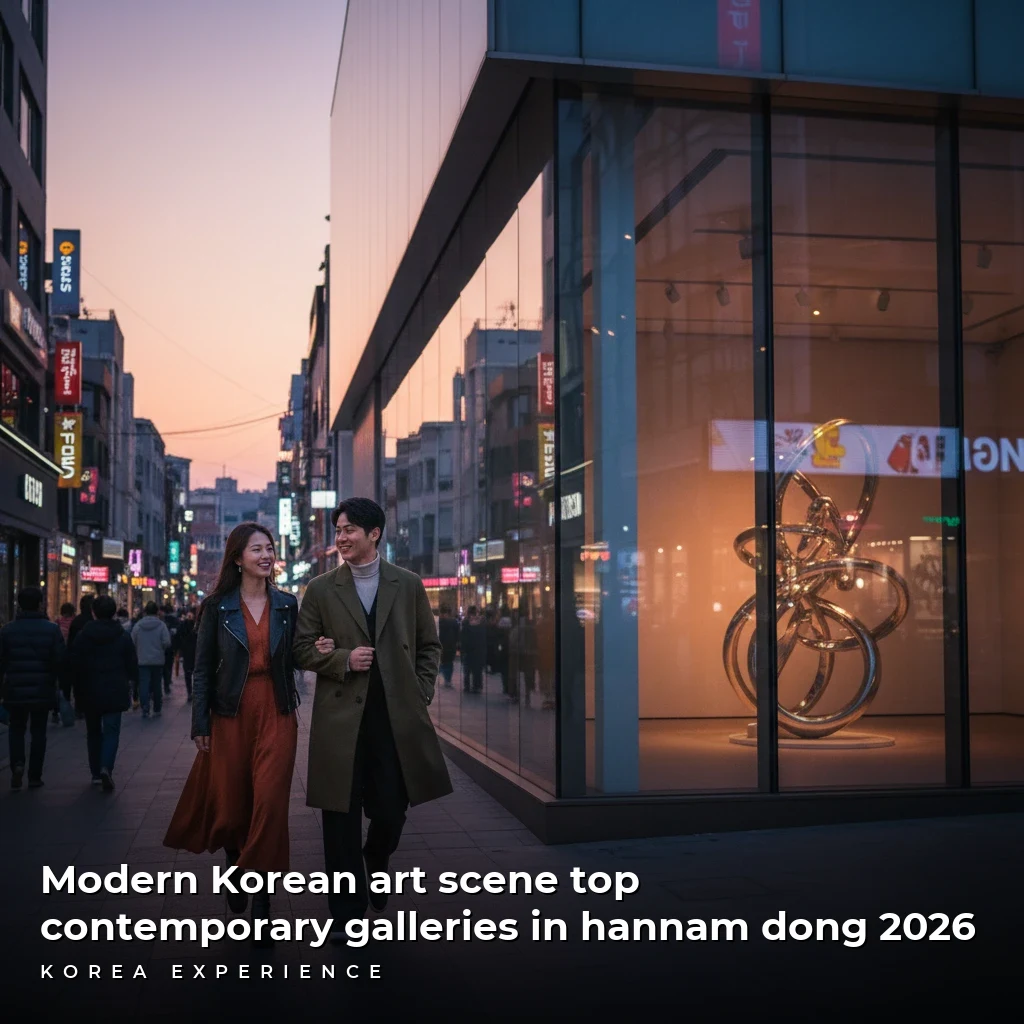
By 2026, Hannam-dong has definitively cemented its status as the beating heart of the Asian art market. While Gangnam offers slick commercialism and Samcheong-dong holds onto traditional charm, Hannam-dong represents the perfect synthesis of Seoul's past and its hyper-modern future. Nestled between Namsan Mountain and the Han River, this neighborhood creates a unique "Art Valley" where blue-chip international heavyweights sit shoulder-to-shoulder with cutting-edge domestic curators.
Learn more in our comprehensive guide to Calligraphy classes in Seoul mastering Hangeul art.
Related reading: Independent cinema guide art house theaters in Seoul.
For more details, check out our guide on K-Drama Cafe Culture Scene Filming Locations Guide.
For more details, check out our guide on K literature in English top books to understand modern Korea.
For the international traveler, Hannam-dong is more than just a gallery district; it is a compact, walkable ecosystem of culture. Within a radius of just 1.2 kilometers, visitors can access over 15 major art institutions, making it the most dense concentration of high-value art real estate in South Korea. Whether you are a serious collector or a casual enthusiast, the sheer variety of visual experiences available here is unmatched.
Key Takeaways
- 1Hannam-dong hosts Seoul's highest density of blue-chip galleries, including Pace and Thaddaeus Ropac.
- 2Most galleries are closed on Mondays; plan your visit for Tuesday through Saturday for full access.
- 3The area is hilly; wear comfortable shoes as you'll cover approx. 3km of incline walking.
The Rise of the "Art Valley"
Why has Hannam-dong become the epicenter for the 2026 art scene? The answer lies in a mix of geography and luxury demographics. Historically a wealthy residential district home to diplomats and business tycoons, the area underwent a massive transformation in the early 2020s.
International galleries, seeking a foothold in the booming Korean art market, flocked here to be close to their clientele. By 2026, the "Frieze Seoul effect" has matured, leaving a permanent infrastructure of world-class exhibition spaces. Real estate data indicates that commercial rents in Hannam-dong's main gallery strips have risen by 40% since 2023, reflecting the area's prestige. However, unlike the sprawling avenues of Gangnam, Hannam retains an intimate, walkable scale.
Geographic Context
Hannam-dong is geographically central. It sits just north of the Han River, connecting the classic city center (Jongno) with the modern business district (Gangnam). It takes approximately 15 minutes by taxi to reach Hannam-dong from either major hub in light traffic.
The Anchor: Leeum Museum of Art
No discussion of Hannam-dong is complete without its crown jewel, the Leeum Museum of Art. Owned by the Samsung Foundation of Culture, Leeum is not just a gallery; it is an architectural pilgrimage site. The complex is composed of three distinct structures designed by three titans of modern architecture: Mario Botta, Jean Nouvel, and Rem Koolhaas.
In 2026, Leeum continues to bridge the gap between Korea's dynastic past and its digital future. Museum 1 houses traditional Korean art, including celadon and buncheong ware, while Museum 2 is dedicated to contemporary works from global masters like Rothko, Warhol, and Damien Hirst.
Leeum Museum of Art(Leeum Misulguan)
The Visitor Experience
Upon arrival, you are greeted by Anish Kapoor's tall sculpture in the outdoor deck. The walk from the subway station to the museum entrance is roughly 600 meters, but it is a steep uphill climb. Many visitors opt to take a taxi directly to the entrance to save energy for the gallery walk.
Inside, the digital guide (Leeum D.O.) uses ultra-wideband technology to automatically play descriptions as you approach artworks. This seamless integration of tech is a hallmark of the Korean museum experience. Expect to spend at least 2.5 hours here to fully appreciate both the permanent collection and the rotating temporary exhibitions.
Don't skip the lobby shop. Leeum collaborates with contemporary Korean artisans to create souvenirs that are actually high-quality design objects. The celadon-inspired diffusers (approx. ₩45,000) are the best gift you can take home.
The International Heavyweights
Descending from Leeum towards the main road, Itaewon-ro, you enter the domain of the international mega-galleries. These institutions chose Hannam-dong to tap into the liquidity of Seoul's collector base.
Thaddaeus Ropac Seoul
Located in the distinct "Fort Hill" building, Thaddaeus Ropac’s Seoul outpost is a fortress of contemporary art. The gallery is known for bringing monumental sculpture and conceptual heavy hitters to Korea. The space itself is breathtaking, with high ceilings designed to accommodate large-scale installations that smaller galleries cannot handle.
- Average Exhibition Cycle: 6-8 weeks
- Price Point: Primary market sales usually start at $50,000 USD and reach well into the millions.
- Vibe: Serious, museum-quality, quiet.
Pace Gallery
Pace was one of the first movers in the current wave, expanding its footprint significantly in the Le Beige building. Pace Seoul in 2026 focuses heavily on the intersection of technology and art, frequently showcasing digital artists and teamLab-style immersive works alongside traditional painting. The gallery features an outdoor terrace that offers a stunning view of Hannam-dong's brick architecture.
Lehmann Maupin
Situated slightly closer to the Hyundai Card Music Library, Lehmann Maupin is known for representing artists who challenge identity, politics, and medium. Their Seoul space is intimate but impactful, often featuring solo shows that debut new bodies of work specifically created for the Korean market.
📋 The Big Three: Quick Comparison
The Local Vanguard: Korean Contemporary Galleries
While international names bring the star power, the domestic galleries in Hannam-dong provide the soul. These are the spaces where you will discover the next generation of Korean masters, moving beyond the Dansaekhwa (monochrome painting) movement that dominated the 2010s.
Gallery BHAK
A stalwart of the scene, Gallery BHAK has a history dating back to the early 90s but reinvented itself in Hannam-dong. In 2026, they are crucial for understanding the lineage of modern Korean art. They excel at showcasing mid-career Korean artists who are bridging traditional techniques with modern aesthetics.
P21
P21 is easily missed if you aren't looking—it is located in a small, sleek building that looks more like a bunker than a gallery. They are known for high-concept, minimalist exhibitions. The curation here is sharp, often featuring younger artists who are favorites of the Seoul Biennale circuit. The space is small (approx. 40 square meters per floor), making the viewing experience intense and focused.
Photography Etiquette
Unlike in some European galleries, photography is widely encouraged in Seoul's commercial galleries, as social media reach is considered a vital part of an artist's success. However, always turn off your flash and shutter sound (a default feature on Korean phones, but manual for tourists).
Foundry Seoul
Located in the basement levels of the Gucci Gaok flagship store, Foundry Seoul represents the collision of fashion and fine art. The space is cavernous, contrasting with the typical intimate sizes of Hannam galleries. It feels industrial and raw. They specialize in emerging international and Korean artists who need large volumes of space for experimental installations.
📊 Hannam Art Market 2026
Curating Your Afternoon: A Walking Itinerary
To maximize your time, a strategic route is essential. Hannam-dong is hilly, and backtracking can be exhausting. This "Gravity Route" starts at the top of the hill and works its way down, saving your legs.
The Gravity Route: Art & Leisure
Start at Leeum
Begin at the highest point. Explore the Museum 1 and the deck.
Lunch at Itaewon-ro
Walk down toward Pace Gallery. Stop for a light lunch at a cafe.
International Loop
Visit Pace, Ropac, and Lehmann Maupin. They are clustered close together.
Foundry Seoul
Cross the main street to visit the Gucci Gaok building/Foundry.
Sounds Hannam
End your walk at this cultural complex for coffee or wine.
This route covers approximately 3.5 kilometers of walking and takes about 5 to 6 hours, depending on how long you linger at each venue.
Beyond the Canvas: Lifestyle and Dining
Hannam-dong’s art crowd needs fuel. The neighborhood’s culinary scene is as curated as its gallery walls. In 2026, the trend has moved toward "gallery-cafes" where the line between dining and viewing art is blurred.
Sounds Hannam
This is not just a building; it is a "urban resort." The brick complex houses a flower shop, the Aesop signature store, a high-end audio store, and several eateries. It is the perfect resting spot. The central courtyard is an architectural marvel, providing a quiet acoustic shelter from the city noise.
- Cost: Coffee approx. ₩7,000; Meals 20,000 - ₩35,000.
- Vibe: Sophisticated, influential, relaxed.
Anthracite Coffee (Hannam Branch)
Housed in a repurposed industrial building, this cafe treats coffee beans like art objects. The interior is dark, moody, and filled with plant life—a favorite spot for curators and artists to hold meetings. It is located roughly 400 meters downhill from the Leeum Museum.
Anthracite Hannam(Anthracite)
Practical Logistics for the 2026 Traveler
Visiting Hannam-dong requires a bit of logistical planning, primarily due to the topography and the premium nature of the district.
Transportation
- Subway: The main artery is Line 6 (Brown Line). Hangangjin Station is your primary hub. Exit 1 leads to Leeum; Exit 3 leads to the main gallery strip.
- Taxi: Taxis are plentiful, but traffic on Itaewon-ro can be gridlocked on Saturday afternoons. From Gangnam Station, a taxi will cost approximately 12,000 - ₩15,000 and take 15-20 minutes across the Hannam Bridge.
- Bus: The Blue Bus 110A or 405 services this area well, offering a scenic route around Namsan Mountain.
Cost of Visiting
While looking at art is mostly free (except for Leeum and special exhibitions), the surrounding lifestyle is premium.
💵 Art Day Budget (Per Person)
All Access + Fine Dining Lunch + Taxi + Souvenirs
Leeum ticket + Coffee + Public Transit
📖 How to Book a Private Viewing
Step 1: Identify the Gallery
Most commercial galleries (Pace, Ropac) are open to the public, but VIP rooms require appointment.
Step 2: Email in Advance
Send an email 2 days prior. Mention if you are an overseas collector or affiliated with an institution.
Pros and Cons of Hannam-dong Art District
Is Hannam-dong the right art district for you? Compare it to other areas like Samcheong-dong or Cheongdam-dong.
Hannam-dong Assessment
- ✓Highest density of top-tier galleries in Seoul
- ✓Extremely English-friendly environment
- ✓High-quality dining and cafe options nearby
- ✓Proximity to Itaewon for evening entertainment
- ✗Steep hills make walking tiring in summer
- ✗More commercial/polished, less 'indie' feel
- ✗Dining prices are higher than Seoul average
- ✗Traffic congestion on weekends
Insights for the 2026 Visitor
By 2026, the "K-Art" phenomenon has stabilized into a mature market. What does this mean for you? It means the galleries are less chaotic than they were during the boom years of 2022-2024. The staff are more attentive, the exhibitions are curated with longer lead times, and the infrastructure for English speakers is seamless.
However, the crowds have not diminished. The sheer popularity of visual culture among Korea's Gen Z means that even commercial galleries can have queues on weekends, especially if there is an "Instagrammable" installation.
Seoul Art Districts Comparison
| Feature | Hannam-dong | Samcheong-dong | Gangnam (Cheongdam) |
|---|---|---|---|
| Primary Vibe | Global/Blue-Chip | Traditional/Academic | Luxury/Commercial |
| Walkability | Hilly/Compact | Flat/Sprawling | Poor (Car needed) |
| Avg. Meal Cost | $$$ | $$ | $$$$ |
Frequently Asked Questions
❓ Hannam-dong Gallery Guide FAQ
Have more questions?Contact us →
Hannam-dong in 2026 remains the definitive destination for those looking to understand the modern Korean aesthetic. It is a place where the pristine white cube of the gallery meets the textured red brick of the city, creating an atmosphere that is uniquely Seoul. Whether you are there to buy, to learn, or simply to see, the Art Valley awaits.
About the Author
Korea Experience Team
Written by the Korea Experience editorial team - experts in Korean medical tourism, travel, and culture with years of research and firsthand experience.
Explore more in K-Culture
K-Pop, K-Drama, traditional arts, and modern culture — dive deep into the cultural phenomena that have captivated the world.
Browse All K-Culture ArticlesContinue Reading
Explore more articles you might find interesting
Explore the vibrant Korean indie music scene with our comprehensive guide to the best live music venues, booking tips, and local secrets in Seoul.
Explore the ultimate guide to K-Drama filming locations and cafe culture in Seoul. Discover iconic spots, prices, and travel tips for fans.
Discover the 2026 guide to modern Korean fine dining. From 3-star masters to rising chefs, explore the best culinary experiences in Seoul.
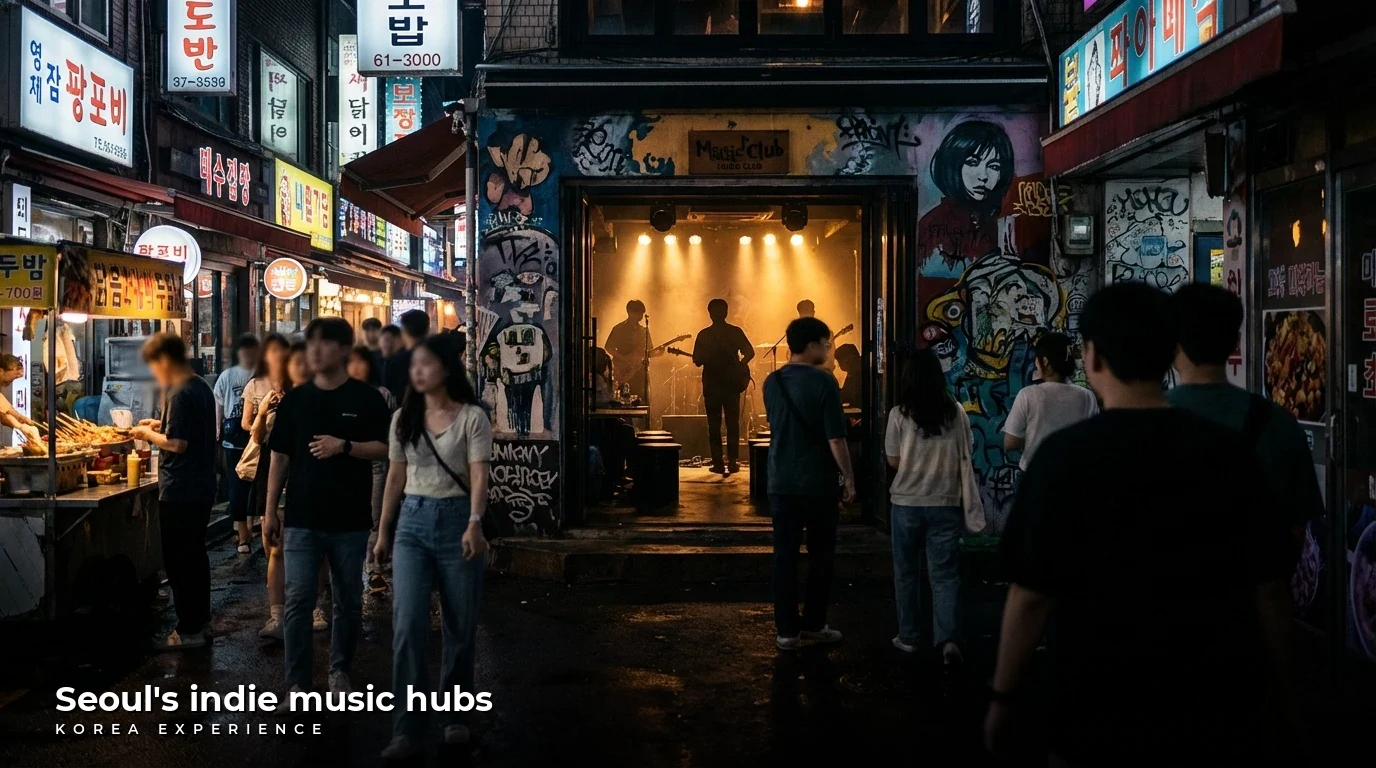
Explore Seoul's 2026 indie scene from Hongdae to Mullae where entry costs just 20,000 KRW and global apps unlock tickets.
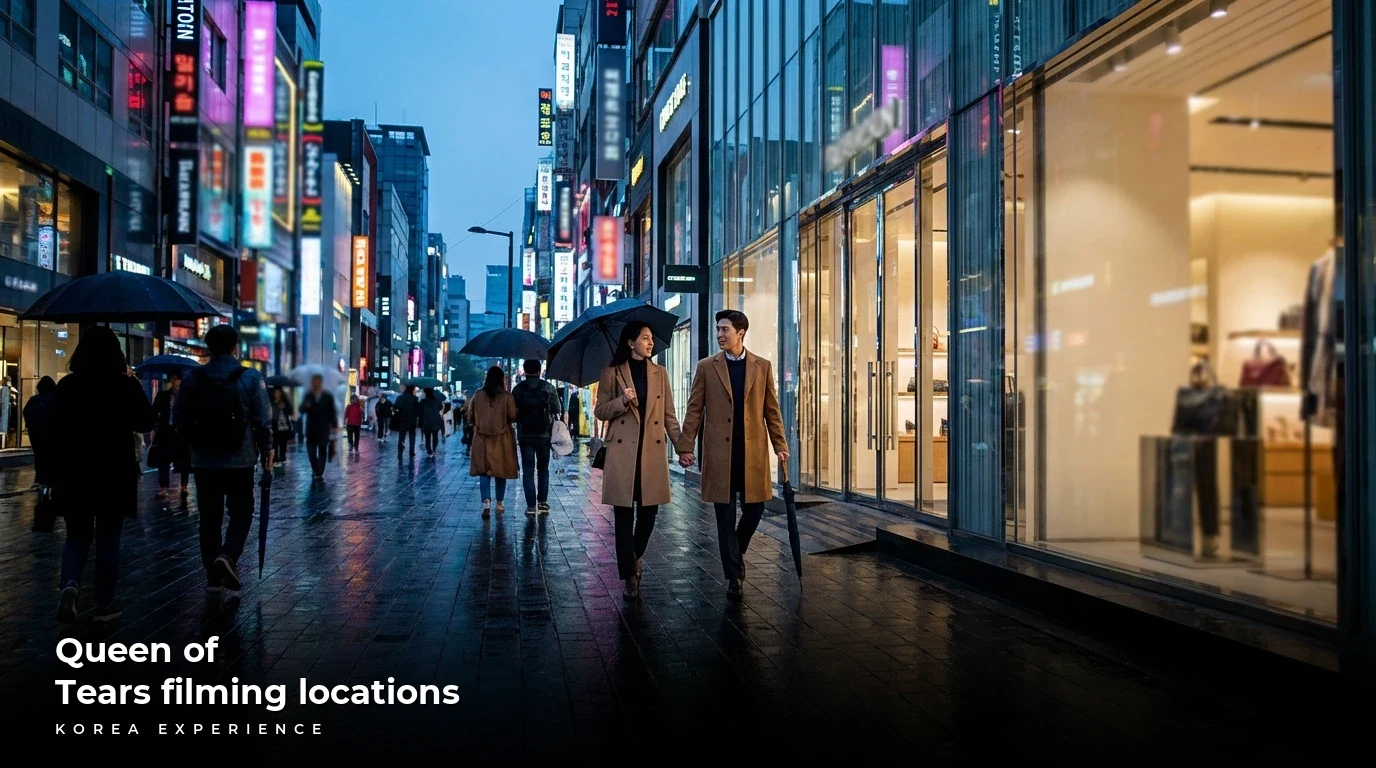
Visit the ₩100 million wedding venue and The Hyundai Seoul. This 2026 guide covers 17+ locations from Seoul to Germany with travel tips and cost breakdowns.

Master the art of Korean convenience store dining. Learn viral recipes, budget tips, and how to eat like a local in Seoul.