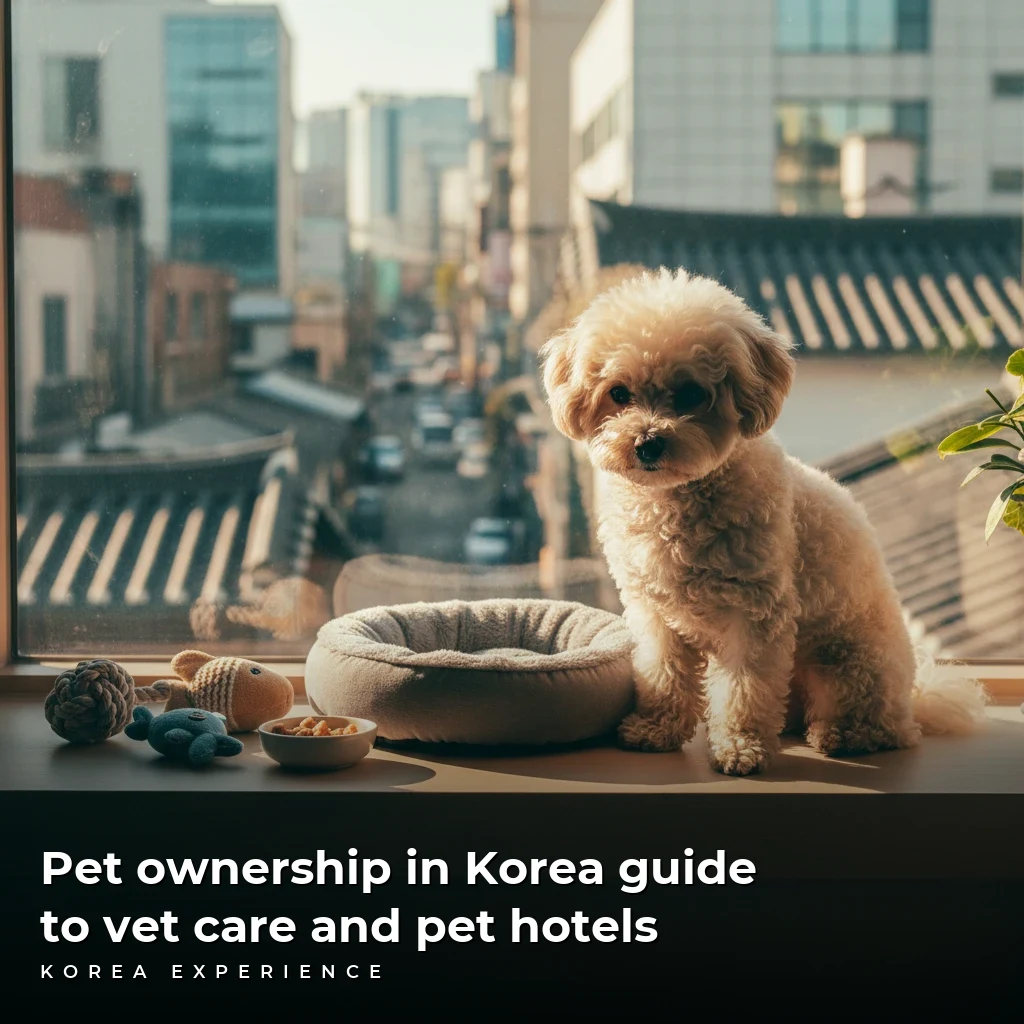
Navigating Pet Ownership in Korea: Vet Care & Hotels
Comprehensive guide for expats on pet ownership in Korea, covering vet care, emergency services, pet hotels, and local regulations. Get practical tips.
Navigating Pet Ownership in Korea: Vet Care and Pet Hotels for Expats
Korea, once primarily known for its bustling cities and rich history, has undergone a significant transformation in its pet culture over the past decade. The concept of "banryeodongmul," or companion animals, has deeply permeated society, leading to a surge in pet ownership and, consequently, a robust and evolving industry catering to pets' needs. For international residents, whether long-term expats or temporary visitors considering bringing their furry companions, understanding the nuances of pet ownership in Korea is crucial. From accessing quality vet care to finding reliable pet hotels for travel, the landscape offers both excellent services and unique challenges.
This comprehensive guide aims to demystify pet ownership in Korea, providing practical, in-depth information on everything you need to know about veterinary services, emergency care, luxury pet accommodations, and essential legal considerations. We will delve into specific details, offering price estimates, location insights, and invaluable tips to ensure a smooth and joyful experience for you and your beloved pet in the Land of the Morning Calm. By the end of this post, you'll be well-equipped with the knowledge to provide the best possible care for your companion animal while embracing life in Korea.
The Evolving Landscape of Pet Ownership in Korea
Korea’s pet market is booming, reflecting a societal shift towards viewing pets as cherished family members. This cultural transformation has spurred immense growth in pet-related industries, making it easier than ever to find a wide array of services. However, for expats, navigating this landscape can still present unique hurdles, primarily due to language barriers and unfamiliarity with local customs and regulations.
A Growing Pet-Friendly Culture
In major cities like Seoul, Busan, and Daegu, it's increasingly common to see pet owners strolling with their dogs in parks, enjoying pet-friendly cafes, and even utilizing specialized pet transportation services. The number of households owning pets has surged dramatically, leading to an increased demand for high-quality pet products and services. This growth ensures that pet owners in Korea have access to a sophisticated network of care options, rivaling those found in many Western countries.
Unique Challenges for International Residents
Despite the abundance of services, expats often face specific challenges. The primary hurdle is often the language barrier, as not all veterinary clinics or pet hotels employ English-speaking staff. Understanding local regulations regarding pet registration, leash laws, and public transport rules also requires some effort. Furthermore, cultural differences in pet care philosophies might occasionally arise. This guide aims to bridge that information gap, providing you with the necessary tools to confidently manage your pet's needs.
Finding Quality Vet Care in Korea: Services and Costs
Ensuring your pet receives excellent veterinary care is paramount. Korea boasts a highly developed veterinary infrastructure, with modern facilities and well-trained professionals. However, costs and service availability can vary.
General Consultations and Routine Vaccinations
Most cities, particularly Seoul, offer a wide selection of "Dongmul Byeongwon" (animal hospitals/clinics). These range from small neighborhood clinics to large, multi-specialty hospitals. A typical general consultation involves a physical examination, discussion of your pet's symptoms, and often diagnostic tests if needed.
- Initial Consultation: Expect to pay approximately 30,000 to 50,000 Korean Won (KRW) for a basic check-up. This fee may increase if additional services, such as blood tests or X-rays, are required.
- Vaccinations: Routine vaccinations (e.g., DHPP for dogs, FVRCP for cats, rabies) are readily available. A single vaccination shot typically costs between 20,000 and 40,000 KRW. Annual boosters are highly recommended and are part of standard preventive care.
- Deworming/Flea and Tick Prevention: Medications for internal parasites (deworming) and external parasites (fleas, ticks, heartworm) are widely available. A single dose of heartworm medication might cost 10,000 to 25,000 KRW, depending on your pet's weight and the brand.
Common Procedures and Pricing
Beyond routine care, Korean vet clinics are equipped to handle a range of common procedures. It is important to note that pet insurance is not as prevalent or comprehensive as in some Western countries, so owners often bear the full cost of treatments.
- Spaying/Neutering: These common surgical procedures vary significantly in price based on the pet's size, age, and sex, as well as the clinic's location and reputation.
- Dog Neutering: 200,000 - 400,000 KRW
- Dog Spaying: 300,000 - 600,000 KRW (more complex due to internal surgery)
- Cat Neutering: 150,000 - 300,000 KRW
- Cat Spaying: 250,000 - 500,000 KRW These prices generally include anesthesia, surgery, and basic post-operative care, but always confirm what's included.
- Dental Cleanings: Dental scaling and polishing typically range from 150,000 to 400,000 KRW, depending on the severity of plaque buildup and whether extractions are needed.
- Microchipping: Mandatory for dog registration in Korea, microchipping costs approximately 20,000 to 40,000 KRW. This is a one-time fee.
Choosing the Right Vet Clinic
When selecting a vet clinic, consider the following:
- Location and Accessibility: Choose a clinic that is convenient to your home or work, especially for emergencies.
- English-Speaking Staff: Look for clinics that explicitly advertise English services or have staff members fluent in English. Online expat communities are excellent resources for recommendations. Some larger hospitals in expat-heavy areas like Itaewon, Gangnam, or Bundang often have English speakers.
- Facility and Equipment: Observe the cleanliness, organization, and range of equipment available. Modern clinics often have digital X-rays, ultrasound, and in-house laboratory services.
- Reviews and Recommendations: Consult online reviews (e.g., Google Maps, Naver Maps) and seek advice from other expats in Korea.
- Emergency Services: Enquire about their emergency protocols and whether they offer after-hours care or can refer you to an emergency hospital.
Comparison Table: General Vet Clinic vs. Emergency Vet Hospital
| Feature | General Vet Clinic (e.g., Local Animal Clinic) | Emergency Vet Hospital (e.g., Seoul National University Veterinary Medical Teaching Hospital, Animal Medical Center) |
|---|---|---|
| Services Offered | Routine check-ups, vaccinations, minor surgeries, basic diagnostics | Advanced diagnostics (MRI, CT), complex surgeries, critical care, specialist consultations (e.g., cardiology, oncology) |
| Operating Hours | Typically 9 AM - 7 PM, closed Sundays/public holidays | 24/7 emergency care, often with night-time and weekend specialists |
| Cost Range | Moderate (30,000 KRW for consult, 200,000-600,000 KRW for spay/neuter) | Higher (60,000-100,000 KRW for emergency consult, 500,000 KRW+ for complex procedures) |
| Staffing | General practitioners, vet technicians | General practitioners, specialists, critical care vets, interns, full support staff |
| Best For | Routine care, preventive medicine, minor illnesses/injuries | Life-threatening conditions, complex medical issues, after-hours emergencies |
Emergency Vet Services and Specialized Care
Emergencies can happen unexpectedly, and knowing where to go for urgent care is vital for any pet owner in Korea. Major cities have dedicated 24-hour emergency animal hospitals.
24-Hour Emergency Hospitals
These facilities are equipped to handle critical cases at any time. They typically have advanced diagnostic equipment, surgical suites, and intensive care units. Some prominent examples include:
- Seoul National University Veterinary Medical Teaching Hospital (SNUVH): Located in Gwanak-gu, Seoul. As a university hospital, it offers comprehensive, specialized care and often has English-speaking staff, especially among the younger vets. However, it can be expensive.
- Animal Medical Center (AMC): With branches in several areas including Gangnam and Songpa in Seoul, AMC provides 24-hour emergency services and boasts a range of specialists.
- Woori Dongne Animal Medical Center: Another reputable 24-hour facility, particularly known in the Gyeonggi area but with a strong presence in Seoul as well.
It is highly recommended to research and identify the closest 24-hour emergency vet to your residence upon arrival in Korea. Keep their contact information readily accessible. Emergency consultations will be more expensive than routine check-ups, often starting from 60,000 KRW and rapidly increasing depending on the necessary interventions.
Specialized Veterinary Services
Beyond general practice and emergency care, Korea offers a growing number of specialized veterinary services:
- Internal Medicine: For complex diagnostic cases involving organ systems.
- Surgery: Advanced surgical procedures, including orthopedic and soft tissue surgeries.
- Cardiology: Diagnosis and treatment of heart conditions.
- Oncology: Cancer diagnosis and treatment options.
- Dermatology: For chronic skin conditions and allergies.
- Ophthalmology: Eye conditions and surgeries.
- Dental Specialists: For complex dental procedures beyond routine cleaning.
These specialized services are typically found in larger animal hospitals or university teaching hospitals. Referral from a general practitioner might be required. Costs for specialized treatments can be substantial, often ranging from hundreds of thousands to several million KRW, depending on the complexity and duration of treatment. Always discuss treatment plans and estimated costs thoroughly with the veterinary team.
Pet Hotels and Boarding Facilities: Options for Travelers
When you need to travel, finding reliable and comfortable accommodation for your pet is a top priority. Korea's pet hotel industry is diverse, offering everything from basic boarding to luxurious resorts.
Standard Pet Hotels and Boarding Kennels
These facilities provide supervised lodging for pets while their owners are away. They generally offer individual kennels or rooms, regular feeding, and exercise time.
- Typical Features:
- Individual climate-controlled kennels/rooms.
- Regular feeding according to owner's instructions.
- Daily walks or playtime in a designated area.
- Basic monitoring by staff.
- Often include a mandatory health check upon arrival.
- Pricing:
- Small dogs/cats: 30,000 - 50,000 KRW per night.
- Medium dogs: 40,000 - 70,000 KRW per night.
- Large dogs: 60,000 - 100,000 KRW per night. Prices can vary based on location (Seoul vs. provincial cities), season (peak holidays are more expensive), and additional services.
- Booking and Preparation: Book well in advance, especially during peak travel seasons like Chuseok (Korean Thanksgiving) or Lunar New Year. Provide your pet's vaccination records, food, medications, and any comfort items (bed, toy) to help them settle in.
Premium Pet Accommodation and "Pet-tels"
For owners seeking a more upscale experience, Korea's pet hotel scene includes luxury accommodations and "pet-tels" (a combination of "pet" and "hotel," often found in actual human hotels that also cater to pets). These facilities offer enhanced amenities and personalized services.
- Luxury Pet Resorts:
- Features: Private suites with webcams for owner monitoring, specialized diets, grooming services, obedience training, large outdoor play areas, swimming pools, spa treatments, and even pet psychological counseling. Often designed with a hotel-like aesthetic.
- Examples: Some facilities near Seoul, like "Dog Land" or "Pet Club" type resorts, offer comprehensive programs. High-end pet cafes in Gangnam or Cheongdam-dong sometimes offer limited luxury boarding options.
- Pricing: 80,000 KRW to 200,000 KRW+ per night, depending on the suite size and included services.
- Human Hotels with Pet Accommodation ("Pet-tels"):
- Several mainstream hotels in major cities now offer pet-friendly rooms and services. These are distinct from traditional pet hotels as they allow the pet to stay in the guest's room.
- Examples: Some chains like Four Seasons Hotel Seoul, Josun Palace, or certain boutique hotels in popular areas like Hongdae or Gangnam have dedicated pet-friendly policies.
- Features: Pet beds, bowls, welcome amenities for pets, designated walking areas, sometimes even pet room service menus.
- Pricing: An additional fee (often 30,000 - 100,000 KRW per night) is usually applied on top of the regular room rate. Weight and breed restrictions often apply.
Comparison Table: Standard Pet Hotel vs. Luxury Pet Resort
| Feature | Standard Pet Hotel (e.g., Neighborhood Pet Boarding) | Luxury Pet Resort (e.g., High-End Pet Hotel & Spa) |
|---|---|---|
| Accommodation | Individual kennels, basic rooms | Private suites, themed rooms, webcams |
| Services Included | Feeding, walks, basic supervision | Grooming, training, spa, swimming, personalized play, vet on-call |
| Price Per Night | 30,000 - 100,000 KRW (varies by size) | 80,000 - 200,000 KRW+ (varies by suite/services) |
| Typical Location | Urban neighborhoods, industrial areas, suburban | Scenic outskirts, upscale urban districts |
| Target Audience | Budget-conscious owners, short stays | Owners seeking premium care, longer stays, specialized services |
Daycare and Grooming Services
Beyond overnight stays, Korea's pet industry excels in providing daily care and aesthetic services, reflecting the high standards many Koreans have for their pets' well-being and appearance.
Pet Daycare Facilities
Pet daycare offers a solution for owners who work long hours or want their pets to socialize during the day.
- Services: Supervised playtime, socialization with other dogs, individual rest areas, feeding, basic training, and often grooming options. Many facilities have indoor and outdoor play spaces.
- Examples: Numerous pet cafes and dedicated daycare centers exist in most urban areas. Search for "애견유치원" (aegyeon yuchiwon - dog kindergarten) or "애견카페" (aegyeon kaepae - dog cafe) in your area.
- Pricing:
- Half-day (4-6 hours): 20,000 - 35,000 KRW
- Full-day (8-10 hours): 30,000 - 50,000 KRW Many offer monthly packages that reduce the daily cost significantly.
Professional Grooming Services
Grooming is a highly developed art in Korea, with many pet owners regularly styling their dogs with intricate cuts.
- Services: Bathing, brushing, nail trimming, ear cleaning, anal gland expression, and various breed-specific or creative haircuts. Spa treatments, de-shedding, and dental scaling are also often available.
- Pricing (basic cut and wash):
- Small dogs (e.g., Poodle, Maltese): 40,000 - 70,000 KRW
- Medium dogs (e.g., Cocker Spaniel, Beagle): 60,000 - 100,000 KRW
- Large dogs (e.g., Golden Retriever, Samoyed): 90,000 - 150,000 KRW+ Prices vary greatly based on size, breed, coat condition, and the complexity of the desired style. Full creative grooming can easily exceed 100,000 KRW for smaller dogs.
- Finding a Groomer: Look for "애견미용실" (aegyeon miyongsil - dog beauty salon) or ask for recommendations at your vet clinic or pet store. Many high-end pet hotels also offer grooming services.
Legal Aspects and Regulations for Pet Owners in Korea
Understanding and adhering to local laws is essential for responsible pet ownership in Korea.
Pet Registration and Microchipping
- Mandatory Registration for Dogs: All dogs over three months old must be registered with the local government office ("Si-Gun-Gu office") within 30 days of acquisition or entry into Korea. This applies to citizens and foreign residents alike.
- Microchipping Requirement: As part of the registration process, dogs must be microchipped. The microchip number is linked to the owner's information.
- Benefits of Registration: Helps in reuniting lost pets with owners and contributes to responsible pet management.
- Penalties: Failure to register your dog can result in fines.
Leash Laws and Muzzle Requirements
- Leash Laws: Dogs must be kept on a leash in public spaces. The leash should not exceed 2 meters in length. Exceptions may exist in designated off-leash dog parks, but these are still relatively few.
- Muzzle Requirements: Certain breeds considered "potentially dangerous" (e.g., Pit Bulls, Rottweilers, Tosa Inus, and their mixes) or dogs with a history of aggression are required to wear muzzles in public spaces. Always check the latest regulations as these can be updated.
Pet Waste and Public Cleanliness
- Scoop the Poop: Owners are legally required to clean up after their pets in all public areas. Failure to do so can result in fines. Carry waste bags at all times.
- Urine Dilution: While not a legal requirement, it is common courtesy to carry a small bottle of water to dilute your dog's urine on public paths or building exteriors.
Public Transportation with Pets
- Subways: Small pets are generally allowed on subways if they are fully enclosed in a carrier that meets size requirements and does not disturb other passengers. Pets must remain inside the carrier at all times. Guide dogs are an exception.
- Buses: Similar rules apply to buses; pets must be in carriers. Some bus drivers may have discretion, so it's always best to be prepared for refusal, especially on crowded routes.
- Taxis: Pets are usually allowed in taxis at the driver's discretion. It's polite to call ahead or inform the driver when hailing a taxi that you have a pet. An additional cleaning fee might be requested. Using apps like Kakao Taxi can sometimes allow you to specify pet travel.
- KTX (High-Speed Rail): Pets are allowed in carriers, typically only in specific carriages or with certain restrictions. Always check KTX regulations before traveling.
For detailed information on current regulations, consult the Ministry of Agriculture, Food and Rural Affairs (MAFRA) or your local Si-Gun-Gu office. Expats can often find translated information or assistance through community groups.
Essential Tips for Expats with Pets in Korea
Moving to or living in Korea with a pet requires some planning and adaptation. Here are some insider tips to make the experience smoother.
Navigating Language Barriers at the Vet
- Google Translate: Have the Google Translate app ready, especially for medical terms. You can type in symptoms or questions.
- Pre-Translated Notes: Prepare a note in Korean detailing your pet's medical history, current symptoms, and any specific concerns.
- Expat Groups: Ask for recommendations for English-speaking vets in expat online communities (e.g., Facebook groups like "Seoul Expats Pets" or "Korea Expats").
- Call Ahead: Before visiting a new clinic, call and ask if they have English-speaking staff available.
- Bring a Korean Friend: If possible, ask a Korean-speaking friend to accompany you for initial visits or complex discussions.
Pet-Friendly Spaces and Activities
While Korea is becoming more pet-friendly, restrictions still exist, especially regarding indoor public spaces.
- Dog Parks: Look for designated "애견놀이터" (aegyeon noriteo - dog playground) in larger parks. These are fenced areas where dogs can run off-leash.
- Pet Cafes: Many "애견카페" (aegyeon kaepae) allow you to bring your own dog to socialize. Some even offer drinks and snacks for owners.
- Outdoor Areas: Many outdoor public spaces are generally fine for leashed dogs, but avoid crowded areas. National parks often have restrictions on pets.
- Pet-Friendly Accommodations: When traveling domestically, search for "반려동물 동반 가능 숙소" (banryeodongmul dongban ganeung suksu - pet-friendly accommodation). This includes some pensions, guesthouses, and increasingly, hotels.
Pet Supplies and Food
- Online Retailers: Online shopping is incredibly popular in Korea and offers a vast selection of pet supplies. Major platforms like Coupang (Coupang Pet), Gmarket, and SSG.com have extensive pet sections. Delivery is usually fast and efficient.
- Large Pet Stores: Chains like Emart Pet Club, Lotte Mart Pet Garden, or independent large pet stores (e.g., Pet Friends, Pet Garden) offer a wide range of food, toys, and accessories.
- Specialty Pet Boutiques: In upscale areas, you'll find boutique stores selling premium and imported pet foods, organic treats, and designer accessories.
- Vet Clinics: Many vet clinics also sell prescription diets and some premium pet foods.
Import/Export Regulations
- Bringing a Pet to Korea: Korea has strict import regulations, including microchip, rabies vaccination, and health certificate requirements. Research these well in advance through the Korean Animal and Plant Quarantine Agency (QIA) website. This process can take several months.
- Leaving Korea with a Pet: Similarly, each destination country will have its own import requirements. Work with a vet experienced in international health certificates to ensure all documentation is correctly completed for your pet's departure. This can be a complex and time-consuming process.
Comparison Table: Common Pet Expenses in Korea
| Item | Estimated Cost Range (KRW) | Frequency | Notes |
|---|---|---|---|
| Premium Dry Food (1.5-2kg) | 30,000 - 60,000 | Monthly (small/medium dog) | High-quality brands, imported options available. |
| Canned Wet Food (per can) | 3,000 - 8,000 | Daily/Weekly (supplemental) | Varies by brand and size. |
| Heartworm Prevention (monthly) | 10,000 - 25,000 | Monthly | Crucial for year-round protection. |
| Flea/Tick Prevention (3-month) | 50,000 - 80,000 | Quarterly | Spot-on treatments or oral medications. |
| Annual Vet Check-up + Vaccinations | 80,000 - 150,000 | Annually | Includes consultation, basic vaccines. |
| Grooming (Small Dog) | 40,000 - 70,000 | Every 1-3 months | Basic wash and cut. |
| Pet Daycare (Full Day) | 30,000 - 50,000 | As needed | Many offer monthly packages. |
| Pet Hotel (Standard, per night) | 30,000 - 70,000 | As needed (for travel) | Varies by pet size and hotel type. |
| Microchipping | 20,000 - 40,000 | One-time (mandatory for dogs over 3 months) | Includes registration fee. |
Frequently Asked Questions about Pet Ownership in Korea
1. Is pet insurance widely available in Korea? Pet insurance is available but not as common or comprehensive as in some Western countries. Coverage options are growing, but many policies have limitations on what they cover and often only reimburse a percentage of costs. It's advisable to research different providers (e.g., Samsung Fire & Marine Insurance, KB Insurance) and compare plans carefully. Be prepared to cover significant medical expenses out-of-pocket, as insurance may not cover everything.
2. Are there many pet-friendly restaurants or cafes in Korea? While the number is growing, truly pet-friendly restaurants (where pets can dine inside with you) are still somewhat limited. You'll find more "pet cafes" (애견카페) that cater specifically to dogs and their owners, and some restaurants with outdoor seating might allow well-behaved, leashed dogs. Always check ahead or look for signs indicating "반려동물 동반 가능" (banryeodongmul dongban ganeung - pets allowed).
3. What should I do if my pet gets lost in Korea? If your dog is microchipped and registered, contact your local animal protection center and the microchip registration authority immediately. Post on local expat and Korean community groups online (e.g., Facebook, KakaoTalk open chat rooms). Provide a clear photo, description, last known location, and your contact information. Many communities are very helpful in these situations.
4. How can I find an English-speaking vet outside of Seoul? Finding English-speaking vets can be more challenging outside of major cities. Your best approach is to inquire in local expat social media groups for recommendations specific to your region. You can also try calling larger, more modern animal hospitals in nearby provincial capitals, as they are more likely to have younger vets who may have studied English. Carrying a translation app and having key medical terms written down in Korean are essential backup strategies.
5. What are the common challenges for expats owning pets in Korea? The most common challenges include:
- Language Barrier: Communicating complex medical issues at the vet.
- Housing Restrictions: Many apartments and rental properties have strict "no pet" policies. Finding pet-friendly accommodation can be difficult.
- Limited Pet-Friendly Public Spaces: While improving, access to certain public facilities and transportation can still be restricted.
- Cost of Veterinary Care: Without comprehensive insurance, high-quality care can be expensive.
- Cultural Differences: Adapting to local pet etiquette and laws.
Conclusion: Embracing Pet Ownership in Korea with Confidence
Pet ownership in Korea offers a rewarding experience, supported by a rapidly expanding and increasingly sophisticated pet industry. From advanced veterinary clinics to luxurious pet hotels and an array of grooming and daycare services, pet parents have access to high-quality care. While navigating this environment as an expat comes with its unique set of challenges—primarily language barriers and understanding local regulations—these hurdles are easily overcome with proper preparation and access to the right information.
By leveraging online communities, researching clinics with English-speaking staff, understanding registration requirements, and being mindful of public etiquette, you can ensure your beloved companion animal thrives alongside you in Korea. Remember to identify your nearest 24-hour emergency vet, plan for your pet's accommodation during your travels, and stay informed about the latest pet-related laws. With these actionable takeaways, you are now better equipped to provide the best possible care for your pet, making your shared journey in Korea a truly memorable and joyful one.
For more insights into living in Korea, explore our guides on housing for expats or navigating the healthcare system in Korea.
About the Author
Korea Experience Team
Written by the Korea Experience editorial team - experts in Korean medical tourism, travel, and culture with years of research and firsthand experience.
⚠️ Medical Disclaimer
The information provided on this website is for general informational purposes only and does not constitute medical advice. Always consult with qualified healthcare professionals before making any medical decisions.
Continue Reading
Explore more articles you might find interesting
Unlock Korean fluency and cultural immersion through language exchange. Discover top meetups and apps for expats and travelers in Korea.
Navigating international money transfers from Korea can be complex. This guide compares traditional bank transfers and Wise, helping expats choose the best option.
Navigating mental health as an expat in Seoul can be challenging. Discover English-speaking therapy options and support networks for 2026 to thrive abroad.