Post-Op Exercise When to Resume Gym and Cardio Safely in Korea
Navigating post-operative exercise in Korea requires careful planning and medical guidance. Learn safe timelines for gym and cardio, ensuring a healthy recovery.
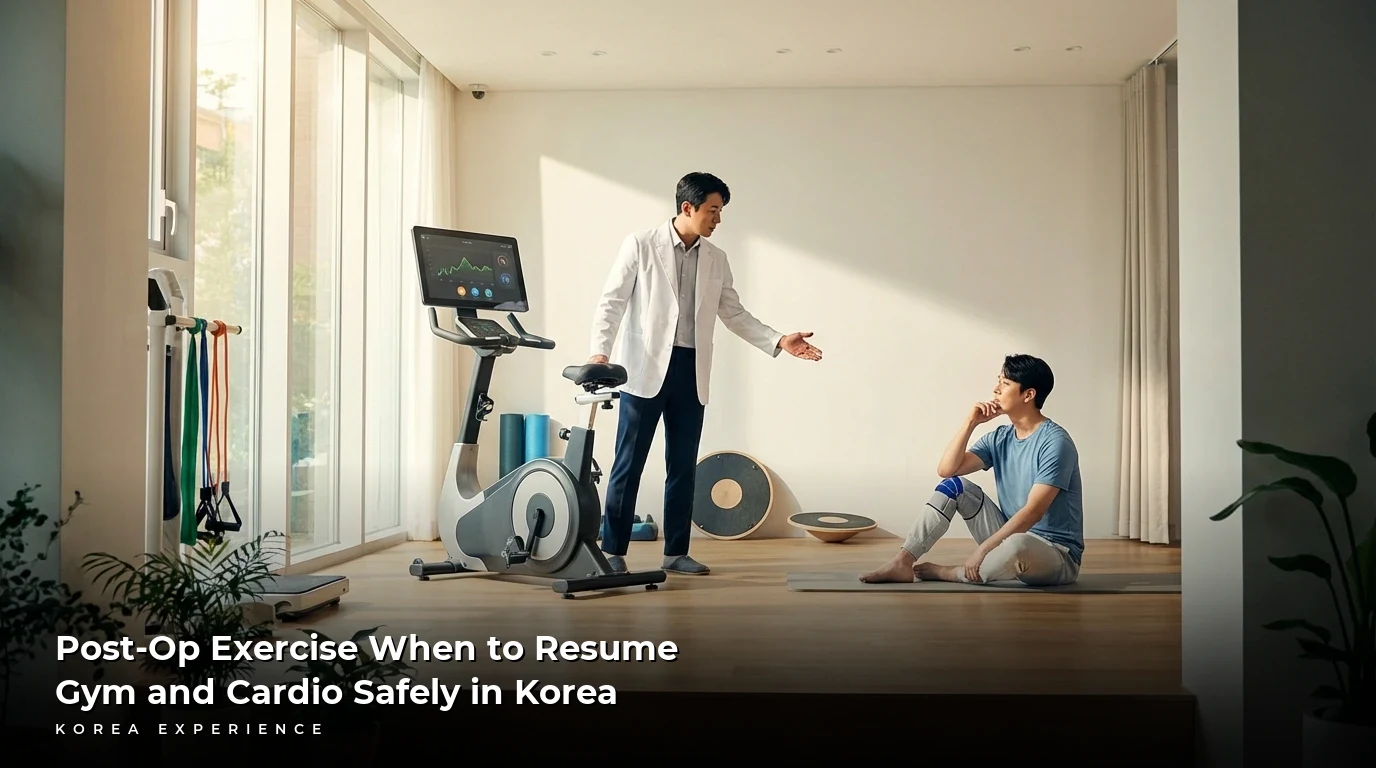
Post-Op Exercise When to Resume Gym and Cardio Safely in Korea
Undergoing a medical procedure, whether a complex surgery or a minor intervention, is a significant event. For many international visitors and expats in Korea, the allure of the country's advanced medical facilities for everything from cosmetic enhancements to orthopedic repairs is undeniable. However, once the procedure is complete, a new set of questions often arises, particularly for those with an active lifestyle: "When can I resume post-op exercise? When is it safe to get back to the gym? And when can I pick up my cardio routine without risking my recovery?"
Returning to your fitness regimen after surgery is a journey that requires patience, informed decisions, and, most importantly, strict adherence to medical advice. Rushing back into strenuous activity can lead to complications, delay healing, or even undo the benefits of your surgery. This comprehensive guide will navigate the complexities of post-operative exercise in Korea, offering insights into general timelines, specific considerations, and practical tips for a safe and effective return to your gym and cardio activities. We'll explore how to balance your desire for fitness with the critical need for proper recovery, ensuring your medical tourism experience in Korea culminates in both successful treatment and a healthy, sustainable return to your active life.
The Golden Rule of Post-Op Exercise in Korea: Doctor's Orders First
The single most crucial piece of advice regarding post-op exercise is to always prioritize and strictly follow your surgeon's and medical team's instructions. While general guidelines exist, every patient's recovery journey is unique, influenced by the type of surgery, individual health, and the presence of any complications. Your Korean medical professionals are best equipped to provide a personalized recovery plan.
Why Doctor's Orders Reign Supreme
Korean hospitals and clinics, renowned for their precision and patient care, will provide detailed post-operative instructions. These are not merely suggestions; they are critical directives designed to protect your healing body. Ignoring them can lead to:
- Infection: Straining an incision site can reopen wounds, making them vulnerable.
- Bleeding: Increased blood pressure from exertion can cause internal or external bleeding.
- Swelling and Pain: Overexertion almost guarantees increased swelling and discomfort, prolonging recovery.
- Delayed Healing: Your body dedicates immense energy to repair. Intense exercise diverts this energy, hindering recovery.
- Implant Displacement/Damage: Especially crucial for procedures involving implants (e.g., breast augmentation, joint replacements).
Understanding Your Body's Healing Process
Healing occurs in several phases, each with its own vulnerabilities:
- Inflammatory Phase (Days 0-5): Swelling, pain, and redness are normal as your body initiates repair. Rest is paramount.
- Proliferative Phase (Days 5-21): New tissue begins to form, and wounds start to close. This is when light, gentle movement might be introduced.
- Remodeling Phase (Weeks 3 - Months/Years): Tissue strengthens and matures. Gradual increase in activity is possible, but full strength and flexibility take time.
Returning to gym and cardio too early disrupts these delicate phases. Patience truly is a virtue in post-operative recovery.
General Timelines for Resuming Activity: A Differentiated Approach
The timeline for resuming post-op exercise varies significantly depending on the invasiveness and nature of your surgery. It's not a one-size-fits-all schedule. Always consult your surgeon for specific advice tailored to your procedure.
Non-Invasive Procedures
These typically involve minimal downtime.
- Examples: Dermal fillers, Botox, minor laser skin treatments, dental cleanings.
- Exercise Timeline: Often within 24-48 hours. Avoid direct pressure on treated areas. For dental work, avoid vigorous activity that might increase blood pressure to the head for a day.
- Korean Context: Many dermatology clinics in areas like Gangnam or Apgujeong will provide specific post-care for their procedures, often recommending avoiding heavy sweating or direct sun immediately after.
Minimally Invasive Surgeries
Procedures with smaller incisions and less trauma.
- Examples: Laparoscopic appendectomy, some arthroscopic knee surgeries, minor liposuction, eyelid surgery (blepharoplasty), nose surgery (rhinoplasty).
- Exercise Timeline:
- Light Walking: Often encouraged within a few days to a week.
- Gentle Cardio (low impact): 2-4 weeks, gradually increasing duration and intensity.
- Light Strength Training (away from incision site): 4-6 weeks, with very light weights and high reps.
- Full Gym/Cardio: 6-8 weeks, with gradual progression.
- Korean Context: For cosmetic surgeries popular in Korea, such as double eyelid surgery or rhinoplasty, doctors typically advise avoiding bending down, heavy lifting, and vigorous exercise for at least 3-4 weeks to prevent swelling and complications.
Major Surgeries
Procedures involving significant incisions, organ manipulation, or joint reconstruction.
- Examples: Abdominal surgery (e.g., hysterectomy, colectomy), joint replacement (knee, hip), spinal surgery, major organ surgery, significant breast augmentation/reduction.
- Exercise Timeline:
- Light Walking: Essential from day 1-3 post-op, often with assistance, to prevent blood clots.
- Gentle Cardio (very low impact, e.g., stationary bike, light walking): 6-12 weeks, under strict guidance.
- Light Strength Training (under physical therapist guidance): 3-6 months, focusing on rehabilitation.
- Full Gym/Cardio: 6 months to 1 year, often with ongoing physical therapy.
- Korean Context: For orthopedic procedures (정형외과 - jeonghyeong-oe-gwa) or general surgery in major hospitals like Seoul National University Hospital or Asan Medical Center, comprehensive physical therapy programs are standard, guiding patients through each stage of recovery.
Here's a general comparison table:
| Surgery Type | Initial Rest/Limited Activity | Light Walking/Gentle Movement | Light Cardio/Bodyweight | Moderate Gym/Cardio | Full Activity |
|---|---|---|---|---|---|
| Non-Invasive | 0-1 day | 1-2 days | 1-3 days | 3-7 days | 1 week |
| Minimally Invasive | 1-3 days | 3-7 days | 2-4 weeks | 4-8 weeks | 8-12 weeks |
| Major Surgery | 3-7 days | 1-3 weeks | 6-12 weeks | 3-6 months | 6-12 months |
Note: These are general guidelines. Individual recovery varies. Always consult your surgeon.
Starting Light: The First Steps Back to Cardio
When your doctor gives the green light, your initial foray into post-op exercise should be gentle and focused on reintroducing movement without strain. For most procedures, this means starting with low-impact cardio.
Gentle Cardio Options in Korea
Korea offers many beautiful and accessible places for light activity, perfect for early recovery.
- Walking: The safest and most recommended initial cardio.
- Cheonggyecheon Stream (청계천): A beautifully restored urban stream in Seoul, offering flat, easy walking paths. Perfect for short, leisurely strolls.
- Olympic Park (올림픽공원): Expansive green spaces with paved walking and jogging paths. Ideal for gradually increasing distance and duration.
- Local Parks (공원): Almost every neighborhood in Korea has a well-maintained local park. These provide a convenient and safe environment for short walks.
- Indoor Walking Tracks: Many large department stores or public fitness centers have indoor walking areas, especially useful during extreme weather.
- Stationary Bike: Once cleared, a recumbent or upright stationary bike can be an excellent option as it's non-weight bearing and low impact. Many jjimjilbangs (Korean bathhouses) or public fitness centers might have these.
- Elliptical Trainer: A good step up from walking, offering a full-body, low-impact workout, usually after 4-6 weeks for most surgeries.
Monitoring Your Body for Warning Signs
Listen intently to your body. Any of the following symptoms mean you need to stop, rest, and potentially consult your doctor:
- Increased Pain: Sharp, shooting, or persistent pain around the incision or surgical site.
- Excessive Swelling: More swelling than usual in the affected area.
- Redness or Warmth: Signs of inflammation or potential infection.
- Discharge: Any oozing or bleeding from the incision.
- Fever: A sign of potential infection.
- Dizziness or Nausea: Indicating overexertion.
- Unusual Fatigue: Feeling excessively drained after minimal activity.
Hydration and Nutrition During Recovery
Proper nutrition and hydration are vital for healing and energy during this phase. Korea's diverse culinary scene offers plenty of healthy options:
- Protein-rich foods: To rebuild tissues (e.g., Korean BBQ, samgyetang - ginseng chicken soup, tofu dishes).
- Vitamins and minerals: Especially Vitamin C for collagen production and Zinc for wound healing (e.g., fresh fruits, vegetables, seafood).
- Adequate hydration: Crucial for all bodily functions (bottled water is readily available everywhere).
When to Hit the Gym: Resuming Strength Training
Resuming gym activities, especially strength training, requires even greater caution than cardio. The risk of straining muscles, increasing intra-abdominal pressure, or damaging incision sites is higher.
Avoiding Core Strain
This is critical, especially after any abdominal surgery (e.g., liposuction, tummy tuck, C-section, hernia repair). Movements that engage the core, such as sit-ups, planks, heavy lifting, or even some yoga poses, can put immense pressure on healing tissues.
- Timeline: Typically, no direct core work for 6-12 weeks, sometimes longer.
- Alternative: Focus on gentle walking and light upper/lower body exercises that do not engage the core at all. Avoid twisting motions.
Protecting Incision Sites
Even for non-abdominal surgeries, incisions need protection.
- Upper Body Surgery (e.g., breast, arm, shoulder): Avoid heavy overhead presses, push-ups, and exercises that stretch the incision area. Start with very light weights, focusing on isolated movements.
- Lower Body Surgery (e.g., knee, hip, ankle): Be cautious with squats, lunges, and high-impact exercises. Focus on range-of-motion exercises first, then introduce resistance with bands or very light weights.
The Role of Physical Therapy in Korea
Korean hospitals often have excellent physical therapy (재활치료 - jaehwal-chiryo) departments, especially in university hospitals or specialized orthopedic clinics. If your surgeon recommends it, embrace physical therapy.
- Guided Rehabilitation: A physical therapist (PT) will assess your progress, design a personalized exercise program, and guide you through safe movements. They can advise you on when it's safe to resume gym activities and which specific exercises are appropriate.
- Specialized Clinics: Beyond hospitals, many independent PT clinics (cheonghyeong-oe-gwa uiwon - often combined with orthopedic doctors) offer rehabilitation services, particularly in cities like Seoul and Busan. You might need a referral from your surgeon.
- Cost: Physical therapy sessions can vary, but for international patients, it's advisable to check with your insurance provider. A typical session might range from ₩50,000 to ₩150,000 or more depending on the clinic and intensity.
Here's a table outlining safe gym activities post-op:
| Activity / Exercise | 2-4 Weeks Post-Op | 4-8 Weeks Post-Op | 8-12 Weeks Post-Op | 3-6 Months Post-Op |
|---|---|---|---|---|
| Walking (flat) | Yes (gradual) | Yes | Yes | Yes |
| Stationary Bike | No/Limited (low resist.) | Yes (gradual) | Yes | Yes |
| Elliptical | No | No/Limited (light) | Yes (gradual) | Yes |
| Upper Body Weights | No/Very Light (extremities) | Light (isolated) | Moderate | Heavy (gradual) |
| Lower Body Weights | No/Very Light (extremities) | Light (isolated) | Moderate | Heavy (gradual) |
| Core Exercises | No | No | Very Light (gentle) | Moderate (gradual) |
| High-Impact Cardio | No | No | No | Gradual |
Note: This table is for general guidance only. Always defer to your surgeon's specific instructions and a physical therapist's guidance.
Navigating Post-Op Exercise in Korean Gyms and Fitness Centers
For international visitors and expats, returning to a gym in a new country can present unique challenges, especially when recovering from surgery.
Communicating Your Needs
- Language Barrier: While many staff in larger gyms in central Seoul (e.g., Gangnam, Itaewon) may speak English, it's not guaranteed. Have your post-op instructions translated into Korean, or carry a written note explaining your limitations.
- Doctor's Notes: Always carry a copy of your surgeon's discharge papers or a specific note from them detailing your exercise restrictions. Show this to gym staff or a personal trainer if you hire one.
- Personal Trainers: Consider hiring a personal trainer (peoseuneol teureineo) who has experience with post-rehabilitation clients. Ensure they understand your specific surgical history and limitations.
Finding Recovery-Friendly Facilities
Not all gyms are created equal for post-op recovery.
- Public Health Centers (보건소 - bogeonso): Many offer basic gym facilities at very low cost, often with senior-friendly equipment or quiet spaces. While staff might not be English-speaking, the environment is generally less intimidating than a high-intensity commercial gym.
- Small Studios/Pilates/Yoga: These often offer more personalized attention. Look for studios that emphasize rehabilitation or gentle movement. While not always cheap, the tailored guidance can be invaluable.
- Hotel Gyms: If staying in a hotel with a gym, these can be convenient for very light, unsupervised cardio (like walking on a treadmill or using a stationary bike) once cleared.
- Commercial Gyms (헬스장 - helseujang): Larger chains like Spolex, California Fitness, or local independent gyms offer a wide range of equipment. However, be mindful of peak hours and self-advocate for your space and needs.
Cost Considerations for Gym Memberships in Korea
Gym prices in Korea vary significantly.
- Public Facilities: Bogeonso facilities can be as low as ₩10,000 - ₩30,000 per month.
- Local Gyms: Mid-range gyms might cost ₩50,000 - ₩100,000 per month, often with discounts for longer commitments.
- Premium Chains/Hotel Gyms: Can range from ₩100,000 to ₩300,000+ per month.
- Personal Training: Expect ₩50,000 - ₩100,000 per session, often with package deals.
Consider short-term memberships or day passes initially if you're not sure how long your recovery will take or if you're only in Korea for a limited time.
Here's a comparison table of gym types for post-op recovery:
| Gym Type | Suitability for Early Post-Op | Pros | Cons | Cost (Monthly Est.) |
|---|---|---|---|---|
| Public Health Ctr. | High | Quiet, affordable, basic equipment, safe | Limited English, less specialized equip. | ₩10,000 - ₩30,000 |
| Small Studios (Pilates/Yoga) | High (if rehab-focused) | Personalized attention, expert guidance | Higher cost, limited equipment beyond focus | ₩150,000 - ₩300,000 |
| Hotel Gym | Moderate | Convenient, often quiet | Limited equipment, no staff guidance | Often included/high |
| Commercial Gyms | Moderate-Low | Wide equipment range, flexible hours | Busy, less personal attention, language | ₩50,000 - ₩150,000 |
Special Considerations for Specific Procedures
While general rules apply, certain types of procedures in Korea demand particular attention when planning your post-op exercise return.
Orthopedic Surgery Recovery
Korea is a leader in orthopedic care, with specialized clinics and university hospitals providing advanced treatments for joint, bone, and muscle issues.
- Focus: Rehabilitation is paramount. Your surgeon (often an orthopedic surgeon, 정형외과 의사 - jeonghyeong-oe-gwa uisa) will prescribe a detailed physical therapy plan.
- Knee/Hip Replacement: Expect a focus on range of motion and strengthening surrounding muscles with very specific, low-impact exercises. High-impact activities and deep squats will be restricted for many months.
- Spinal Surgery: Core stabilization is key, but direct core exercises are often contraindicated for a long period. Gentle walking and specific PT exercises are crucial.
- Anterior Cruciate Ligament (ACL) Reconstruction: This is a long recovery, often 6-9 months before return to sport. Initial exercises will focus on regaining extension, flexion, and gentle quad activation, moving to balance and agility under strict PT guidance.
Cosmetic Surgery Aftercare
Korea's reputation for cosmetic surgery attracts many. The desire to look good often extends to fitness, but patience is essential.
- Breast Augmentation: Avoid chest exercises, heavy lifting, and activities that put pressure on the chest or cause breast movement for at least 6-8 weeks. Running or vigorous cardio may require a supportive bra and gradual reintroduction.
- Abdominoplasty (Tummy Tuck) / Liposuction: Crucially, avoid any core exercises or activities that strain the abdominal muscles for 2-3 months or longer. Compression garments are typically worn for weeks, influencing comfort during exercise.
- Rhinoplasty / Facial Surgery: Avoid activities that increase blood pressure to the face, could lead to accidental impact, or cause excessive sweating (which can irritate incisions) for several weeks.
Visceral Surgery Recovery
Surgeries involving internal organs (e.g., digestive, gynecological) necessitate careful consideration of internal healing.
- Abdominal Pressure: All activities that increase intra-abdominal pressure (lifting, straining, intense core work) must be avoided for at least 6-12 weeks.
- Fatigue: These surgeries can be metabolically demanding, leading to significant fatigue. Prioritize rest and gentle movement over pushing through exhaustion.
The Mental Aspect of Post-Op Recovery
Beyond the physical, the mental and emotional journey of post-op exercise recovery is significant. It requires immense patience, resilience, and a positive mindset.
Dealing with Frustration and Setbacks
It's natural to feel frustrated, especially if you're an active individual.
- Set Realistic Expectations: Understand that recovery is not linear. There will be good days and bad days.
- Celebrate Small Victories: Acknowledge every milestone, no matter how small – walking an extra 5 minutes, less pain, improved range of motion.
- Avoid Comparison: Your recovery is unique. Don't compare your progress to others.
- Seek Support: Talk to friends, family, or support groups. Many expat communities in Korea have forums or groups where you can share experiences.
Leveraging Korea's Wellness Culture
While you might be restricted from intense gym workouts, Korea offers many other ways to support your well-being.
- Mindfulness: Explore traditional Korean practices like temple stays (템플스테이 - tempeul seutei) for meditation and quiet reflection.
- Light Hikes: When cleared, gentle trails in national parks like Bukhansan (북한산) offer beautiful scenery and fresh air without excessive strain. Start with easy, paved paths.
- Healthy Eating: Focus on nutrient-dense Korean cuisine, which is often rich in vegetables, fermented foods, and lean proteins, aiding overall recovery.
- Spa & Relaxation: Once incisions are fully healed and cleared by your doctor, a visit to a jjimjilbang (찜질방) can be wonderfully relaxing, but avoid hot tubs, saunas, and intense massages initially.
- Explore Culture: Take advantage of Korea's vibrant cultural scene. Gentle activities like visiting museums, palaces, or art galleries can keep you engaged and active without physical strain.
Conclusion: Your Journey to Resuming Post-Op Exercise Safely in Korea
Undergoing a medical procedure in Korea is often a rewarding experience, but the journey doesn't end when you leave the clinic. Returning to post-op exercise, including resuming gym and cardio routines, is a critical phase of your recovery that demands careful planning, patience, and unwavering adherence to medical advice.
Remember the golden rule: Always consult your surgeon and follow their specific instructions. They are your primary guide. Start slow, listen to your body, and don't push through pain. Leverage the excellent physical therapy resources available in Korea and consider a phased approach to reintroduce activities.
Embrace the slower pace of recovery. Use this time to explore the quieter, more contemplative aspects of Korean culture or focus on gentle movements in Korea's beautiful parks and public spaces. With a disciplined approach and the right guidance, you can ensure a full and healthy recovery, allowing you to eventually return to your desired level of fitness, stronger and healthier than before.
FAQ: Post-Op Exercise and Recovery in Korea
Q1: How soon can I walk after surgery? A1: For most surgeries, light walking is encouraged within 24-72 hours to prevent complications like blood clots. However, the duration and intensity should be very limited initially and strictly guided by your surgeon.
Q2: Can I go to a Korean jjimjilbang (bathhouse) or sauna after surgery? A2: Generally, no. Avoid jjimjilbangs, saunas, hot tubs, and swimming pools until all incisions are completely healed and your doctor has given explicit clearance. This is usually several weeks to a few months post-op, as heat and moisture can increase infection risk and swelling.
Q3: What if I feel pain during exercise after surgery? A3: Stop immediately. Pain is your body's signal that something is wrong. Rest, apply ice if appropriate, and consult your surgeon or physical therapist. Do not try to push through pain.
Q4: How can I communicate my post-op exercise restrictions to gym staff in Korea? A4: It's best to have your surgeon's instructions written down, ideally with a Korean translation. You can show this to gym staff or a personal trainer. In larger international areas, some staff may speak English, but a written note ensures clarity.
Q5: What are some good, gentle cardio options in Seoul during early recovery? A5: Excellent options include walking along the Cheonggyecheon Stream, leisurely strolls through Olympic Park or Seoul Forest, or utilizing the walking tracks in local community centers (Bogeonso) or larger department stores. Always start with short durations and flat surfaces.
Medical Disclaimer
The information provided in this blog post is for general informational purposes only and does not constitute medical advice. It is essential to consult with a qualified healthcare professional, particularly your surgeon and medical team, for personalized advice regarding your specific condition, surgery, and post-operative exercise plan. Do not disregard professional medical advice or delay in seeking it because of something you have read here.
Emergency Contact Numbers in Korea
- Ambulance/Emergency Services (including medical emergency): Dial 119
- Medical Information and Consultation for Foreigners (24/7): Dial 1339 (services in English, Chinese, Japanese, and Vietnamese)
About the Author
Korea Experience Team
Written by the Korea Experience editorial team - experts in Korean medical tourism, travel, and culture with years of research and firsthand experience.
⚠️ Medical Disclaimer
The information provided on this website is for general informational purposes only and does not constitute medical advice. Always consult with qualified healthcare professionals before making any medical decisions.
Explore more in Medical Tourism
World-class medical procedures at competitive prices. From plastic surgery and dermatology to dental care and health checkups — your complete guide to medical tourism in Korea.
Browse All Medical Tourism ArticlesContinue Reading
Explore more articles you might find interesting
Plan post-treatment travel around your own recovery, follow-up needs, medical documents, and the treating clinician's advice.
Discover the safest recovery hotels in Gangnam for post-surgery care, featuring adjustable beds, 24/7 concierge, and clinic proximity for 2026 travelers.
Comprehensive guide to mental health resources for medical tourists in Korea. Find English-speaking counselors, recovery centers, and costs in 2026.
A detailed guide comparing FUE and FUT hair transplants in Seoul, including 2026 price data, recovery timelines, and success rates for medical tourists.
Understand the crucial safety timeline for flying after plastic surgery in Korea. Learn about risks, recovery, and essential tips for a smooth return journey.
Comprehensive guide on flying after surgery in Korea. Learn safe timelines, DVT prevention, and doctor-approved tips for your flight home in 2026.