Post-Surgery Swelling Timeline: Week by Week Guide
Understand the Post-Surgery Swelling Timeline in Korea. Our week-by-week guide helps international patients manage recovery expectations for various procedures.
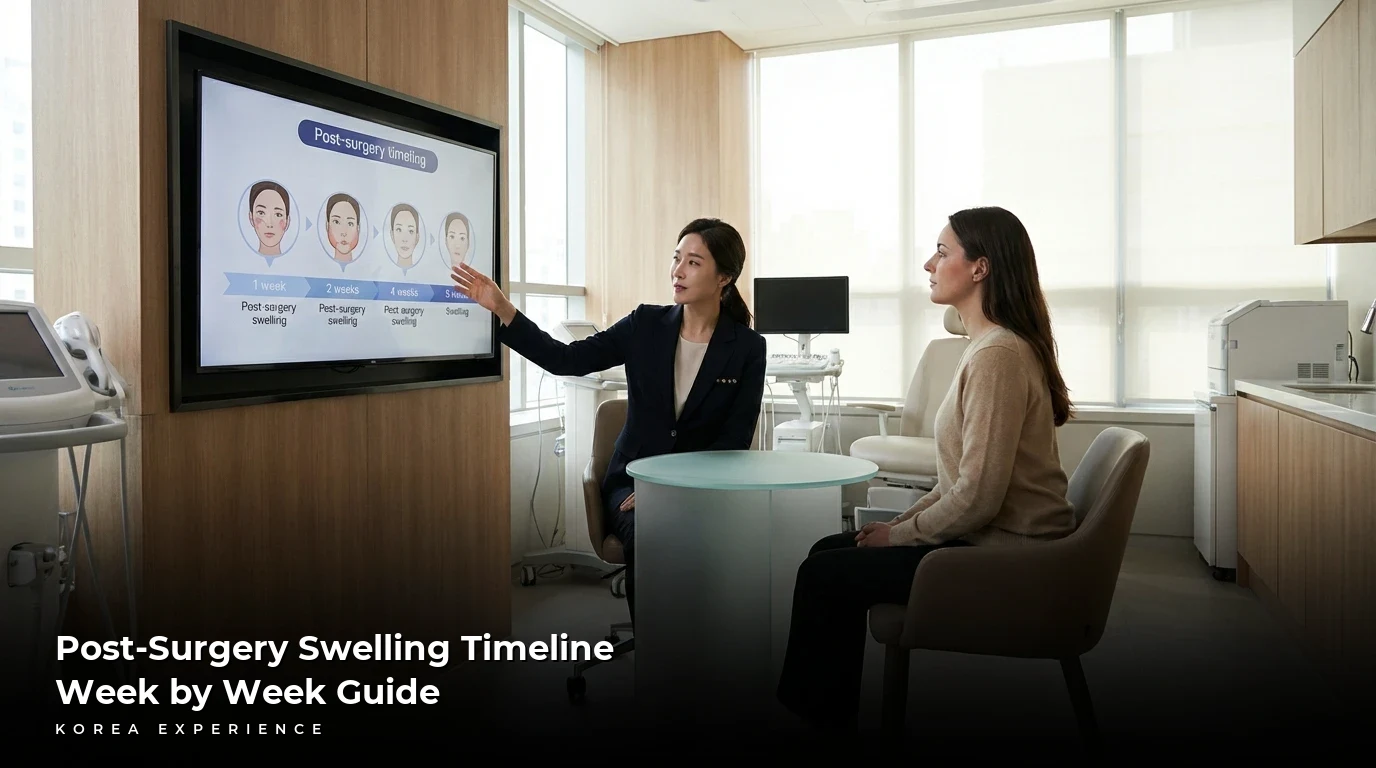
Post-Surgery Swelling Timeline: What to Expect Week by Week in Korea
Undergoing surgery, whether for aesthetic enhancement or medical necessity, is a significant decision. For many international patients, Korea has become the premier destination, offering world-class medical facilities, highly skilled surgeons, and advanced recovery protocols. However, a common and often underestimated aspect of the post-operative journey is managing post-surgery swelling.
This comprehensive guide, tailored for international travelers and expats in Korea, will demystify the post-surgery swelling timeline, providing a week-by-week breakdown of what to expect. We'll cover various types of procedures, explore effective swelling reduction strategies, and offer insider tips to ensure a smoother, more comfortable recovery experience in Korea. Understanding this timeline is crucial for setting realistic expectations and navigating your healing journey with confidence.
The Initial Days: Week 1 After Surgery – Peak Swelling Phase
The first week following surgery is often the most critical for post-surgery swelling management. Immediately after your procedure, your body initiates its natural healing process, which involves an inflammatory response. This leads to fluid accumulation in the surgical area, resulting in noticeable swelling, bruising, and discomfort.
Understanding Acute Swelling
Acute swelling begins almost immediately and typically peaks within the first 48 to 72 hours. This is your body's protective mechanism, bringing immune cells and healing factors to the site. The extent of swelling will vary significantly depending on the type and invasiveness of the surgery. For instance, facial surgeries like rhinoplasty or double eyelid surgery might show more prominent, visible swelling than, say, a knee arthroscopy, though internal swelling can still be substantial.
Key Characteristics of Week 1 Swelling:
- Maximum Prominence: Expect swelling to be at its most noticeable, often accompanied by bruising (ecchymosis).
- Discomfort and Tightness: The swollen area might feel tight, heavy, or tender. Pain medication will be crucial during this phase.
- Limited Mobility: Depending on the surgery, movement might be restricted to prevent further irritation or injury.
- Dressing and Drainage: Surgical dressings, compression garments, or even drainage tubes might be in place to manage fluid and support the healing area.
Management Strategies During Week 1:
- Strict R.I.C.E Protocol: Rest, Ice (cold compresses), Compression (garments), Elevation. This is fundamental for minimizing swelling and promoting circulation. Your Korean medical team will provide specific instructions.
- Medication Adherence: Follow your doctor's prescriptions for pain relievers, antibiotics, and anti-inflammatory drugs diligently.
- Gentle Movement: While rest is key, gentle, doctor-approved movements (e.g., walking short distances after body surgery) can help improve circulation and prevent blood clots.
- Hydration and Nutrition: Focus on clear fluids and easily digestible, nutrient-rich foods. Korean hospitals often provide specialized recovery meals.
Example Insight: Many clinics in Gangnam's Apgujeong area, famous for cosmetic procedures, will provide detailed post-operative care kits that include specific cold packs and compression bandages designed for quick recovery. Some even offer immediate access to specialized recovery rooms within the clinic itself for the first 24-48 hours.
Navigating Early Recovery: Weeks 2-4 – Gradual Reduction Phase
As you move past the initial acute phase, weeks 2 to 4 mark a period of gradual post-surgery swelling reduction. While the most dramatic swelling begins to subside, it's important to understand that you won't be entirely "normal" yet. This phase is about continued healing and a noticeable improvement in comfort and appearance.
What to Expect During Weeks 2-4:
- Visible Improvement: The extreme puffiness of week 1 will start to diminish. Bruising will fade from purples and blues to greens and yellows, eventually disappearing.
- Persistent Firmness: While overall swelling decreases, you might notice localized areas that feel firm or hard. This is often due to internal scar tissue formation and residual fluid, which can take longer to resolve.
- Increased Mobility: With your doctor's approval, you can gradually increase light activities. However, strenuous exercise should still be avoided.
- Return to Normal Routines (Limited): Many patients can return to non-strenuous work or daily activities, keeping recovery limitations in mind.
Advanced Swelling Management in Korea (Weeks 2-4):
- Compression Garments: Continue wearing compression garments as advised by your surgeon. These are vital for shaping and reducing persistent swelling, particularly after body contouring procedures like liposuction or abdominoplasty.
- Warm Compresses (as advised): Once the acute inflammatory phase is over, your doctor might recommend warm compresses to improve circulation and help resolve bruising and deeper swelling.
- Lymphatic Drainage Massage: Korea is known for its specialized post-operative care, and lymphatic drainage massage is a popular and effective method. These gentle massages, performed by trained therapists, help move lymphatic fluid, reducing swelling and discomfort. Clinics around Seoul, especially near medical tourism hubs, offer these services.
- Nutritional Support: Continue with a healthy diet. Many traditional Korean foods, like pumpkin porridge (Hobakjuk) and red bean soup (Patjuk), are believed to aid in reducing swelling and promoting recovery.
- Traditional Korean Medicine (Hanbang): Some patients explore Hanbang treatments, such as specific herbal formulations or acupuncture, under the guidance of a licensed Hanbang practitioner, to support healing and reduce swelling. This should always be discussed with your primary surgeon.
Table 1: General Post-Surgery Swelling Timeline by Procedure Type
| Procedure Type | Peak Swelling Duration | Significant Reduction By | Full Resolution (Approx.) | Key Concerns |
|---|---|---|---|---|
| Facial Surgeries | 2-5 days | 2-4 weeks | 3-6 months | Bruising, unevenness, asymmetry |
| Breast Augmentation | 3-7 days | 4-8 weeks | 3-6 months | Firmness, implant settling |
| Liposuction | 5-10 days | 6-12 weeks | 6-12 months | Lumps, bumps, skin irregularities |
| Abdominoplasty | 7-14 days | 8-16 weeks | 6-12 months | Seroma (fluid collection), tightness |
| Joint Surgeries | 3-7 days | 3-6 weeks | 3-6 months | Stiffness, limited range of motion |
(Note: These are general timelines; individual experiences may vary. Always follow your surgeon's specific advice.)
Sustained Improvement: Months 2-3 – The Maturation Phase
By months 2 and 3, the majority of the visible post-surgery swelling should have resolved, and you will begin to see a much clearer picture of your surgical results. However, it's crucial to understand that internal swelling and tissue healing continue.
Characteristics of Swelling in Months 2-3:
- Subtle Swelling: You might still experience minor, residual swelling, often referred to as "hard swelling" or "firmness," especially after waking up or after periods of activity. This is completely normal and often more noticeable to you than to others.
- Increased Comfort: Pain and discomfort should be minimal to non-existent, unless overexerting yourself.
- Improved Contour: The surgical area will start to take on its more defined shape as swelling recedes and tissues settle.
- Scar Maturation: Scars will begin to flatten and fade, although full scar maturation takes much longer.
Continued Care and Monitoring:
- Compression (Reduced): Your surgeon might advise a reduced schedule for compression garments or suggest wearing them only at night.
- Gentle Exercise: Gradually reintroduce moderate exercise, but always listen to your body and avoid anything that causes pain or excessive swelling.
- Scar Management: Begin specific scar management routines, such as silicone sheets, massage, or creams, as recommended by your doctor. Many Korean clinics offer advanced scar treatment options.
- Regular Follow-ups: Continue attending follow-up appointments with your surgeon. These check-ups are vital for monitoring your progress and addressing any concerns.
Internal Linking Opportunity: For those planning their journey, understanding "Navigating Pre-Surgery Consultations in Korea" can help set realistic expectations for the entire recovery process, including swelling.
The Final Stages: Months 4-6 and Beyond – Full Resolution
The journey to full recovery and the complete resolution of post-surgery swelling can extend well beyond the first few months. For many complex procedures, especially those involving significant tissue manipulation, it can take up to a year or even longer for all internal swelling to disappear and for the final results to fully emerge.
What Happens During Months 4-6 and Beyond:
- Full Swelling Resolution: Most, if not all, residual swelling should have dissipated. The tissues will feel softer and more natural.
- Final Results: The true aesthetic or functional outcome of your surgery will become apparent.
- Scar Maturation Continues: Scars will continue to fade and soften, often becoming less noticeable over time.
- Nerve Sensation Return: Numbness in the surgical area, if present, will gradually resolve as nerves regenerate, though this can be a slow process.
Long-Term Swelling Management & Lifestyle:
- Healthy Lifestyle: Maintaining a balanced diet, staying hydrated, and engaging in regular, moderate exercise are key to overall well-being and can help prevent any minor recurrent swelling.
- Sun Protection: Protect scars from sun exposure to prevent hyperpigmentation.
- Patience: The most important tool during this final phase is patience. Healing is a marathon, not a sprint. Trust the process and your body's remarkable ability to recover.
Table 2: Swelling Management Techniques & Korean Offerings
| Technique | Description | Availability in Korea (Examples) | Benefits |
|---|---|---|---|
| Cold Compresses | Reduces inflammation and numbs pain. | Provided by clinics, pharmacies. | Immediate relief, limits fluid buildup. |
| Compression Garments | Applies even pressure to surgical site. | Post-op care kits, specialized stores. | Reduces fluid retention, supports tissues. |
| Lymphatic Drainage Mass | Gentle massage to move lymph fluid. | Specialized aesthetic clinics, recovery centers. | Speeds up fluid removal, reduces bruising. |
| Elevation | Keeping the surgical area above the heart. | Post-op instructions, recovery pillows. | Gravity helps drain fluid away. |
| Anti-inflammatory Meds | Prescription or OTC drugs to reduce inflammation. | Provided by clinics, Korean pharmacies. | Reduces pain and swelling systemically. |
| Herbal Medicine (Hanbang) | Specific traditional Korean remedies. | Licensed Hanbang clinics, specific teas. | Holistic approach, swelling reduction properties. |
Optimizing Swelling Reduction: Korean Approaches & Practical Tips
Korea's medical tourism industry excels not only in surgical prowess but also in comprehensive post-operative care, specifically designed to accelerate recovery and minimize post-surgery swelling.
Leveraging Korean Recovery Protocols:
- Specialized Post-Op Clinics: Beyond the surgical hospital, Korea offers numerous specialized post-operative care clinics. These facilities focus solely on recovery, providing services like high-frequency management, lymphatic drainage massage, and LED light therapy tailored to reduce swelling and improve skin healing. Many are located conveniently in areas like Gangnam.
- Nutritional Guidance: Korean surgeons and recovery centers often provide detailed dietary advice. As mentioned, pumpkin porridge (Hobakjuk) and red bean soup (Patjuk) are widely recommended for their purported diuretic and anti-inflammatory properties. Avoiding salty foods and processed items is also key.
- Advanced Technology: Expect access to advanced recovery technologies. Laser treatments might be used to improve skin texture and reduce scar visibility, while certain therapies can aid in faster bruising resolution.
- Integrated Care: Many Korean clinics offer an integrated approach, combining Western medicine with elements of traditional Korean medicine (Hanbang) for a more holistic recovery. Always consult with your primary surgeon before combining treatments.
Practical Tips for International Patients:
- Plan for Extended Stay: Do not rush your recovery. For significant surgeries, plan to stay in Korea for at least 2-4 weeks to benefit from initial follow-ups and specialized post-operative care.
- Communication is Key: Utilize translation services provided by your clinic or medical tourism agency. Ensure you fully understand all post-operative instructions.
- Comfortable Accommodation: Choose accommodation that supports your recovery, ideally close to your clinic for easy access to follow-ups. Many hotels cater to medical tourists with amenities like kitchenettes for preparing simple, healthy meals.
- Stay Hydrated: Drink plenty of water. This helps flush toxins and maintain fluid balance, crucial for swelling reduction.
- Avoid Alcohol and Smoking: These substances significantly impede healing and can worsen swelling and bruising.
- Gentle Activity: Engage in light walking as soon as permitted. This helps circulation without straining the body.
- Follow Up: Do not skip follow-up appointments. Your surgeon needs to monitor your progress and can offer personalized advice for your specific post-surgery swelling timeline.
Table 3: Dietary Recommendations for Swelling Reduction
| Category | Recommended Foods | Foods to Avoid | Rationale |
|---|---|---|---|
| Hydration | Water, herbal teas (e.g., green tea), coconut water | Sugary drinks, excessive caffeine, alcohol | Flushes toxins, maintains fluid balance, prevents dehydration |
| Proteins | Lean meats (chicken, fish), eggs, tofu, legumes | Processed meats, high-fat dairy | Essential for tissue repair and immune function |
| Vitamins | Berries, citrus fruits, leafy greens, bell peppers | Heavily processed snacks | Antioxidants reduce inflammation, boost healing |
| Minerals | Bananas, avocados, sweet potatoes, nuts | High-sodium foods (processed meals, fast food) | Supports electrolyte balance, aids muscle function |
| Fiber | Whole grains, fruits, vegetables | Refined carbs, white bread | Prevents constipation, supports gut health |
| Korean Spec. | Pumpkin porridge (Hobakjuk), Red bean soup (Patjuk), Seaweed soup (Miyeokguk) | Spicy foods, very salty dishes | Believed to aid detoxification and reduce swelling |
Frequently Asked Questions (FAQ) about Post-Surgery Swelling
Q1: Is it normal to have uneven swelling after surgery?
A1: Yes, it is quite common to experience some degree of uneven swelling, especially in the early stages of recovery. Factors like gravity, surgical technique, and individual body response can cause one side or area to appear more swollen than another. This usually resolves as the healing progresses, but always discuss any significant or persistent asymmetry with your surgeon.
Q2: How can I tell the difference between normal swelling and a complication?
A2: Normal swelling is typically diffuse, gradually decreases over time, and might be accompanied by bruising that changes color. Signs of a complication, such as infection or seroma (fluid collection), include rapidly increasing, localized, or painful swelling, redness, warmth, pus, fever, or foul odor. If you suspect a complication, contact your surgeon immediately.
Q3: When can I stop wearing my compression garment for post-surgery swelling?
A3: The duration for wearing a compression garment varies greatly depending on the type of surgery and your individual healing. Your surgeon will provide specific instructions, often recommending continuous wear for several weeks, followed by a reduced schedule. Never stop wearing it prematurely without your surgeon's approval, as this can negatively impact your results and swelling resolution.
Q4: Can exercise help reduce post-surgery swelling?
A4: Gentle, light exercise, such as walking, as approved by your surgeon, can indeed help improve circulation and reduce swelling. However, strenuous activities, heavy lifting, or exercises that strain the surgical area should be avoided for an extended period, as they can exacerbate swelling and risk injury. Always follow your doctor's guidelines for returning to physical activity.
Q5: Are there any specific Korean beauty treatments that can help with post-surgery swelling?
A5: Yes, beyond clinical lymphatic drainage massage, some Korean aesthetic clinics offer specialized "post-op recovery programs" that incorporate treatments like high-frequency therapy, targeted LED light therapy, and even specialized masks and serums designed to calm inflammation, reduce bruising, and promote healing, thereby aiding in the resolution of post-surgery swelling. Always ensure these treatments are cleared by your surgeon.
Conclusion: Empowering Your Swelling Recovery Journey in Korea
Navigating the post-surgery swelling timeline is a crucial part of any surgical recovery, and understanding what to expect week by week empowers you to manage your expectations and actively participate in your healing. Korea, with its advanced medical infrastructure and patient-centric approach, offers unparalleled support throughout this journey.
By adhering to your surgeon's instructions, leveraging the specialized recovery services available in Korea, and adopting a proactive approach to swelling management, you can ensure a smoother, more comfortable, and ultimately more successful recovery. Remember, patience is key, and every small step forward brings you closer to your desired results. Trust your body's healing process and the expertise of your Korean medical team.
Medical Disclaimer
The information provided in this blog post is for general informational purposes only and does not constitute medical advice. It is not a substitute for professional medical advice, diagnosis, or treatment. Always seek the advice of your surgeon or other qualified healthcare provider with any questions you may have regarding a medical condition or treatment. Never disregard professional medical advice or delay in seeking it because of something you have read in this article. Individual results and recovery timelines may vary.
Emergency Contact Numbers in Korea
In case of a medical emergency during your stay in Korea, please use the following contact numbers:
- 119: For ambulance services (similar to 911 in North America)
- 1339: For medical consultation and interpretation services (available in multiple languages)
About the Author
Korea Experience Team
Written by the Korea Experience editorial team - experts in Korean medical tourism, travel, and culture with years of research and firsthand experience.
⚠️ Medical Disclaimer
The information provided on this website is for general informational purposes only and does not constitute medical advice. Always consult with qualified healthcare professionals before making any medical decisions.
Explore more in Medical Tourism
World-class medical procedures at competitive prices. From plastic surgery and dermatology to dental care and health checkups — your complete guide to medical tourism in Korea.
Browse All Medical Tourism ArticlesContinue Reading
Explore more articles you might find interesting
A comprehensive guide to FFS, VFS, and top surgery in Seoul for 2026. Includes costs, recovery times, and clinic recommendations for international patients.
Your comprehensive guide to double eyelid surgery in Korea, covering procedures, costs, recovery, and finding the best clinics for international patients.
Comprehensive guide to mental health resources for medical tourists in Korea. Find English-speaking counselors, recovery centers, and costs in 2026.
Explore liposuction and Coolsculpting in Korea for body contouring Compare procedures costs recovery for international patients make informed decisions
Explore 2026 male plastic surgery trends in Korea for jawline definition and gynecomastia. Discover top clinics, costs, and recovery insights for international patients interested in medical tourism.
Understand the crucial safety timeline for flying after plastic surgery in Korea. Learn about risks, recovery, and essential tips for a smooth return journey.