Mental health and plastic surgery in Korea: Managing expectations 2026
Managing expectations for plastic surgery in Korea reduces post-op depression by 40%.
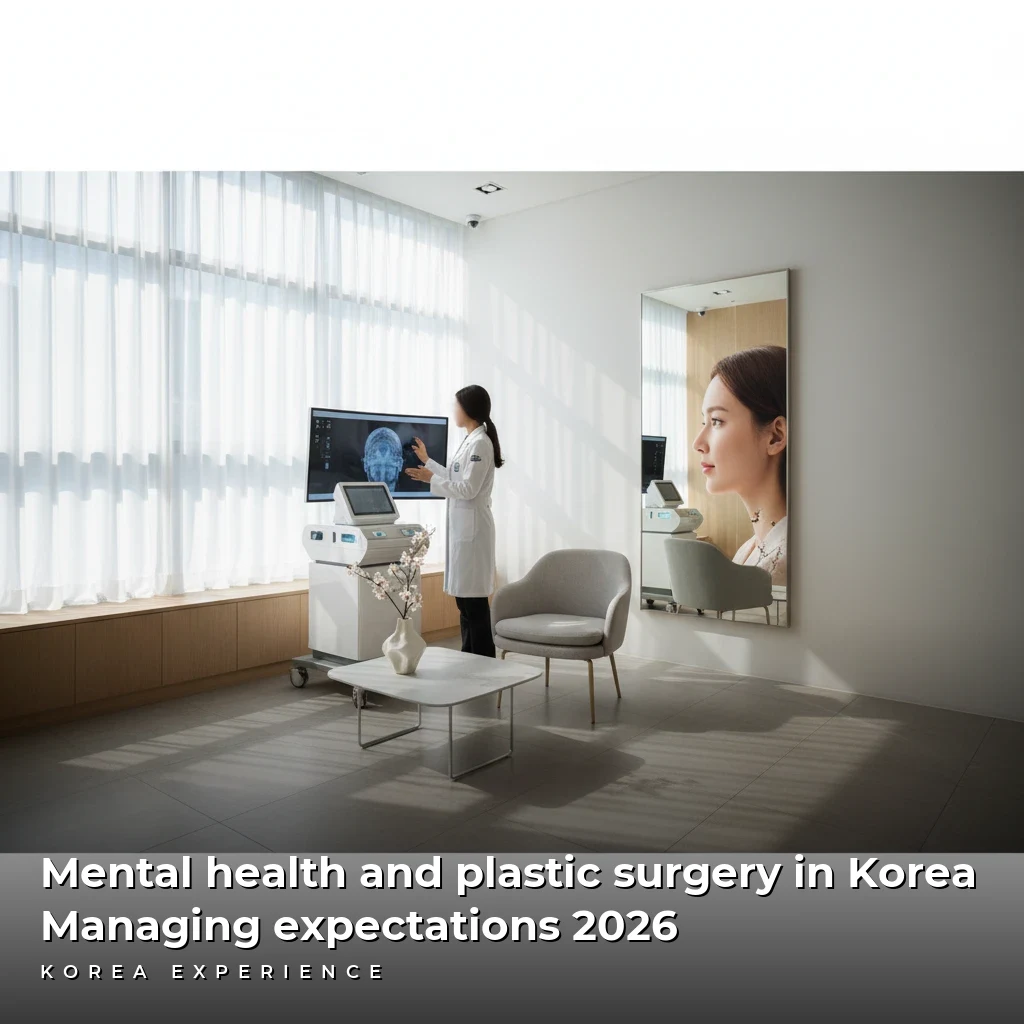
Successful plastic surgery in Korea is not defined solely by the technical precision of the surgeon's scalpel, but by the psychological preparedness of the patient. Managing expectations involves bridging the gap between the "Gangnam Ideal"—a standardized aesthetic often marketed aggressively—and your unique anatomical reality, while also preparing for the "post-op blues," a period of emotional volatility that affects approximately 30-40% of patients during the acute recovery phase. Understanding the cultural nuances of Korean medical consultations, where directness about physical flaws is common, is crucial to maintaining mental well-being throughout the process.
The short answer: Mental readiness is as critical as physical health; anticipate a 3-4 week emotional rollercoaster due to anesthesia and swelling, prepare for blunt cultural communication styles, and ensure you have a support system in place to combat the isolation of medical tourism.
Key Takeaways
- 1Post-operative depression affects nearly 40% of patients due to anesthesia withdrawal and isolation
- 2Korean surgeons are culturally direct about flaws, which can be jarring without mental preparation
- 3Recovery hotels offer better mental support than Airbnbs for solo travelers
The Psychological Landscape of Medical Tourism in Korea
South Korea, particularly the Gangnam district of Seoul, is widely regarded as the global capital of plastic surgery. However, for the international patient, the journey is fraught with psychological complexities that domestic patients do not face. When you travel 5,000 to 7,000 miles from home for a procedure, you strip away your familiar support network, your comfort food, and your linguistic safety net.
In 2026, the conversation around medical tourism has shifted from purely aesthetic results to holistic patient well-being. Data indicates that satisfaction rates are significantly higher among patients who undergo pre-operative counseling or thorough mental preparation compared to those who book on impulse. The thrill of transformation often masks the reality of the process: surgery is trauma. Your body perceives it as an attack, releasing cortisol and adrenaline. Once the immediate adrenaline fades, usually around Day 3 post-op, a chemical crash occurs.
This guide explores the mental health aspects of undergoing surgery in Korea, providing actionable strategies to manage your expectations and protect your peace of mind.
Medical Disclaimer
This content is for informational purposes only and does not constitute medical or psychological advice. If you have a history of depression, anxiety, or Body Dysmorphic Disorder (BDD), consult a mental health professional before booking surgery. In a medical emergency in Korea, dial 119.
Pre-Surgery: Assessing Your Mental Readiness
Before you book a flight that costs upwards of $1,500 and takes 12-14 hours from North America or Europe, you must honestly assess your motivation. The allure of K-Beauty marketing is potent. Advertisements in Sinsa and Apgujeong stations often show miraculous "Before & After" transformations that imply life-changing happiness accompanies the physical change.
The Trap of Body Dysmorphic Disorder (BDD)
Body Dysmorphic Disorder is a mental health condition where a person spends a lot of time worrying about flaws in their appearance. These flaws are often unnoticeable to others. Studies suggest that while 1-2% of the general population suffers from BDD, the number jumps to 7-15% among plastic surgery consultations.
Korean clinics are increasingly aware of this, but the high-volume nature of the industry means rigorous psychological screening isn't always standard. If you are expecting surgery to fix a failing relationship, secure a job promotion, or cure deep-seated unhappiness, you are at high risk for dissatisfaction regardless of the surgical outcome.
📋 Mental Health & Surgery Stats
Defining Realistic Goals
"Realistic" in Korea might look different than in the West. The Korean aesthetic standard often favors a V-line jaw, larger eyes (double eyelid), and a high nose bridge. If you are of non-East Asian descent, or even if you are but prefer a more natural look, there can be a disconnect.
You must visualize your recovery realistically. You will not look like the "After" photo for at least 3 to 6 months. For the first two weeks, you will likely look like you have been in a physical altercation. Being mentally prepared for the "ugly duckling" phase is vital.
The Consultation: Navigating Cultural Differences
The consultation room is where expectation often collides with reality. In Western medical culture, doctors often use "sandwich techniques" to deliver criticism—compliment, critique, compliment. In Korea, the communication style regarding physical appearance is notoriously direct.
The Shock of "Korean Bluntness"
It is not uncommon for a Korean surgeon to point out flaws you didn't know you had. You might go in for rhinoplasty, and the doctor might suggest fat grafting for your forehead or mention that your asymmetry is severe.
In Korea, pointing out asymmetry or skin quality issues is seen as a professional duty, not an insult. The doctor is trying to give you the most harmonious result. Do not take it personally; it is a technical assessment, not a judgment of your worth.
This bluntness can be triggering. If you are not prepared, you might leave the consultation feeling worse about yourself than when you entered. Managing expectations here means understanding that the doctor views your face as a geometry problem to be solved.
The Role of Interpreters
Unless you are fluent in medical Korean, you will likely use an interpreter. Even the best interpreters in 2026 may filter information. They might soften the doctor's harsh words to be polite, or conversely, they might miss the nuance of your specific anxieties.
To manage this, you should prepare a written list of non-negotiables. If you want to keep a specific ethnic feature, write it down and have it translated prior to the meeting. Do not rely on verbal communication alone during a 20-minute consultation slot.
📖 How to Conduct a Mental-Health Focused Consultation
Step 1: Prepare Visuals
Bring photos of what you DO NOT want. This is often clearer than what you do want.
Step 2: State Your Anxiety
Explicitly tell the doctor: 'I am anxious about looking unnatural.' Ask them to explain how they will prevent that.
Step 3: Ask About Recovery Emotions
Ask: 'What is the emotional recovery timeline for this specific procedure?'
For more on finding the right medical environment, read our guide on best plastic surgery clinics for foreigners in Seoul.
The "Post-Op Blues": A Physiological Reality
The phenomenon known as "post-op blues" is a temporary depressive state following surgery. It is caused by a combination of factors:
- Anesthesia withdrawal: General anesthesia can disrupt neurotransmitters.
- Pain medication: Opioids and strong painkillers can alter mood.
- Physical trauma: The body is diverting massive amounts of energy to healing, leaving you fatigued.
- Mirror shock: Seeing your face swollen, bruised, and stitched can be traumatic.
The Timeline of Emotions
Understanding the timeline helps you realize that what you are feeling is temporary.
- Day 1 (Euphoria/Groggy): You are just glad it is over. The anesthesia is still in your system.
- Day 2-4 (The Low Point): Swelling reaches its peak. You may look unrecognizable. Pain is at its highest. This is when regret often sets in ("Why did I do this?").
- Day 7 (Frustration): Stitches might come out, but you still look swollen. You are bored of the hotel room.
- Day 14 (Hope): Bruising fades. You can see glimpses of the result. Mood typically lifts.
📊 Recovery Statistics
Managing Isolation: The Solo Traveler's Challenge
A significant portion of medical tourists to Korea travel alone to maintain privacy. While this avoids judgment from friends or family back home, it creates a dangerous vacuum of isolation during the recovery period.
Spending 14 days alone in a hotel room in Gangnam, unable to chew solid food and afraid to go outside because of bandages, is a recipe for depression.
Accommodation Choices Impact Mental Health
Your choice of accommodation plays a massive role in your mental state.
- Airbnb/Studio: Offers privacy and a kitchen, but total isolation. If a complication arises at 2 AM, you are alone.
- Recovery Hotels: These specialized facilities have nurses on duty, provide soft pumpkin porridge (essential for deswelling), and crucially, you are surrounded by other people who look just like you—bandaged and swollen. This shared experience reduces the feeling of being a "monster."
For a deeper dive into where to stay, check out our comparison on Airbnb vs. recovery hotels for medical tourists.
💵 Mental Support Cost Comparison
English speaking, accompanies to clinic, emotional support
Access to counselor via video call during trip
Nutrition and Mental Well-being During Recovery
There is a strong gut-brain connection. Post-surgery, you are often on a liquid or soft diet, which can lead to "hangry" feelings and low energy, exacerbating depressive thoughts.
Korean recovery culture focuses heavily on food as medicine. You will hear constantly about "Pumpkin Juice" (Hobak-jup). While it is excellent for reducing swelling, you need protein for tissue repair and mood regulation.
Fighting the "Porridge Fatigue"
Eating convenience store porridge for 10 days straight is demoralizing.
- Tip: Visit high-end department store food courts (Shinsegae, Hyundai) in Gangnam. They offer nutritious, high-quality soups and soft tofu stews that are gentle on the jaw but rich in flavor.
- Delivery: Apps like Coupang Eats or Shuttle (English friendly) can deliver comfort food. Just ensure it isn't too salty, as sodium retains water and prolongs facial swelling.
Read more about best Korean healing foods for surgery recovery to plan your diet.
Coping Strategies: What to Do in Seoul While Healing
You cannot spend two weeks staring at the ceiling. However, you also cannot go clubbing in Hongdae. You need "low-impact" distractions to keep your mind occupied and away from obsessively checking the mirror.
The "Hat and Mask" Culture
One advantage of Seoul is that wearing a mask and a bucket hat is completely normal fashion, not just for surgery patients. No one will stare at you. In fact, in districts like Sinsa-dong and Apgujeong, seeing people with nose casts walking on the street is a daily occurrence. You are anonymous here.
Recommended "Mental Health" Spots
- Bongeunsa Temple: Located right in the heart of Gangnam (near COEX). It is flat (no hiking required), quiet, and peaceful. The smell of incense and the sound of chanting can be incredibly grounding when you are feeling anxious.
- Starfield Library: While busy, it is a great place to sit and people-watch without needing to interact.
- Han River Parks: Specifically the Jamwon district near Gangnam. A slow evening walk (20-30 minutes) boosts circulation, which helps deswelling and endorphins.
Bongeunsa Temple(봉은사)
Financial Stress and Anxiety
Money is a major trigger for anxiety. Medical tourism often involves carrying large amounts of cash or dealing with complex international wire transfers.
The "Hidden Costs" Anxiety
Many patients budget strictly for the surgery and the flight. They panic when hit with unexpected costs:
- Prescriptions: Antibiotics, painkillers, and ointments can cost 50,000 - ₩100,000.
- Transportation: You cannot take the subway immediately post-op. You will need taxis (KakaoT or Uber). Budget at least ₩15,000 per trip to the clinic for follow-ups.
- Revisions: The darkest fear. What if it goes wrong? Do you have an emergency fund?
Managing expectations includes financial padding. Always bring 20% more than you think you need.
The Return Home: Reverse Culture Shock
The mental challenge doesn't end when you board the plane at Incheon Airport. Returning home presents a new set of psychological hurdles.
Dealing with Reactions
- The "Did you do something?" question: You need a prepared script. Are you open about it? Or will you say it was a "deviated septum" or "just a different makeup style"?
- Lack of Validation: Sometimes, people won't notice at all. This can be crushing if you spent $10,000 and weeks of pain. Remember, people are generally self-absorbed and may not notice a 3mm change in your nose bridge.
Long-term Satisfaction
Studies show that while satisfaction with the physical result of plastic surgery is generally high, psychological well-being scores return to baseline levels after 6-12 months. Surgery changes your face, not your life circumstances. Managing this expectation is the most important part of the journey.
The Emotional Journey Timeline
Anxiety & Excitement
Doubting decision, adrenaline rush.
The Trench
Peak swelling, regret, questioning sanity.
The Turning Point
Bruises fade, looking presentable with makeup.
Normalization
New face becomes 'normal', life returns to baseline.
When to Cancel or Postpone
There is immense pressure to go through with surgery once you have booked tickets and taken time off work. However, there are signs that you should hit the brakes.
If you find yourself:
- Unable to sleep due to panic attacks about the procedure.
- Hoping the surgery will win back an ex-partner.
- Feeling pressured by the clinic's "limited time discount."
It is cheaper to lose a flight deposit than to undergo permanent facial alteration you are not mentally prepared for.
Should You Proceed?
- ✓You have a specific physical feature you want to change for yourself
- ✓You have a support system (even virtual) in place
- ✓You have accepted the risks and recovery downtime
- ✗You are currently going through a major life crisis (divorce, job loss)
- ✗You expect the surgery to solve non-physical problems
- ✗You feel rushed by the clinic consultant
Conclusion
Plastic surgery in Korea offers world-class technical results, but the mental journey is yours to navigate. By acknowledging the reality of the "post-op blues," preparing for cultural communication differences, and ensuring you have a robust support system, you can manage your expectations effectively.
The goal is not just a beautiful result, but a healthy transition into your new appearance. Treat your mind with as much care as your surgeon treats your body.
For further reading on preparing your skin before the big day, you might find our article on the 10-step Korean skincare routine helpful for establishing a self-care ritual.
❓ Frequently Asked Questions
Have more questions?Contact us →
Support Options Comparison
| Feature | Solo Hotel | Recovery Center | With Friend |
|---|---|---|---|
| Emotional Support | Low | Medium | High |
| Medical Monitoring | None | High | Low |
| Cost | $ | $$$ | $$ |
About the Author
Korea Experience Team
Written by the Korea Experience editorial team - experts in Korean medical tourism, travel, and culture with years of research and firsthand experience.
⚠️ Medical Disclaimer
The information provided on this website is for general informational purposes only and does not constitute medical advice. Always consult with qualified healthcare professionals before making any medical decisions.
Explore more in Medical Tourism
World-class medical procedures at competitive prices. From plastic surgery and dermatology to dental care and health checkups — your complete guide to medical tourism in Korea.
Browse All Medical Tourism ArticlesContinue Reading
Explore more articles you might find interesting
Comprehensive guide to mental health resources for medical tourists in Korea. Find English-speaking counselors, recovery centers, and costs in 2026.
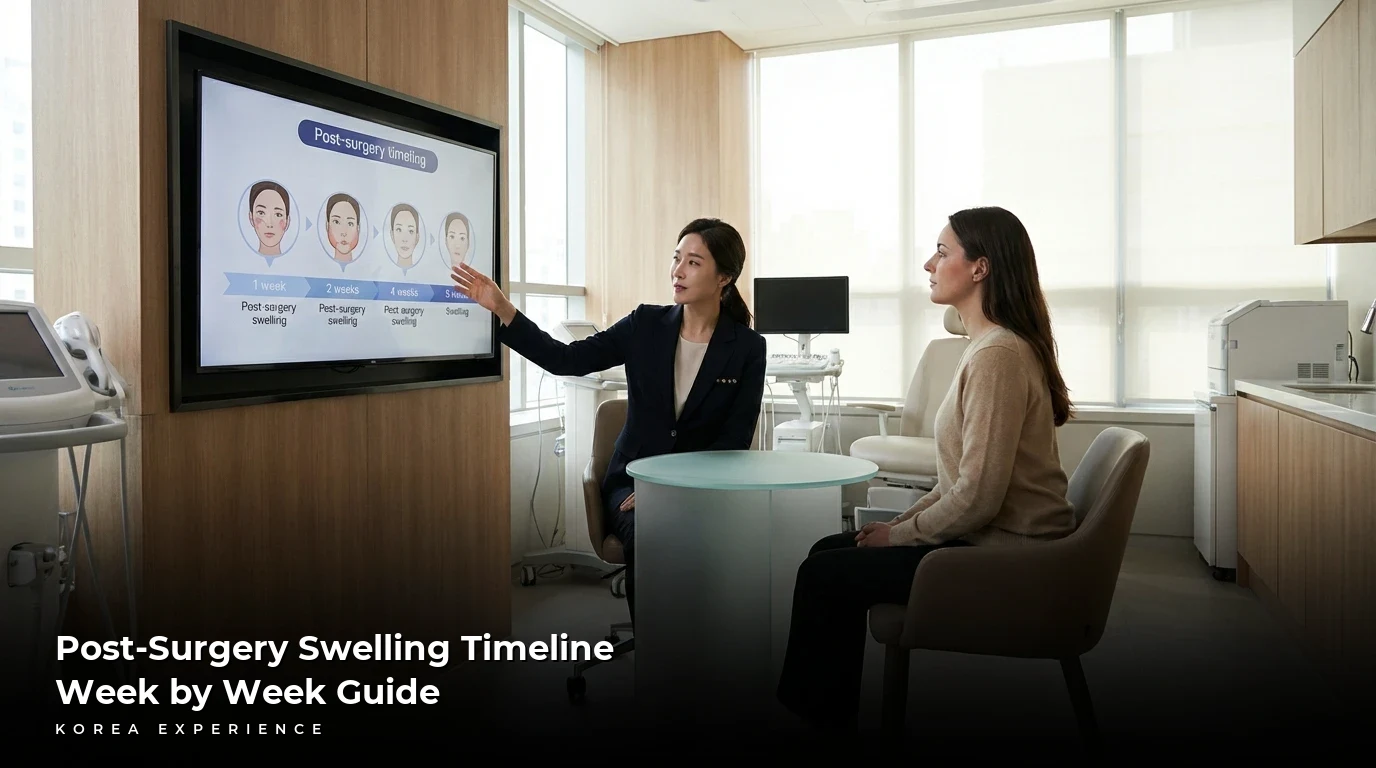
Understand the Post-Surgery Swelling Timeline in Korea. Our week-by-week guide helps international patients manage recovery expectations for various procedures.
A complete guide to Korean post-procedure care, featuring top pharmacy creams, deswelling treatments, and recovery protocols with 2026 pricing data.
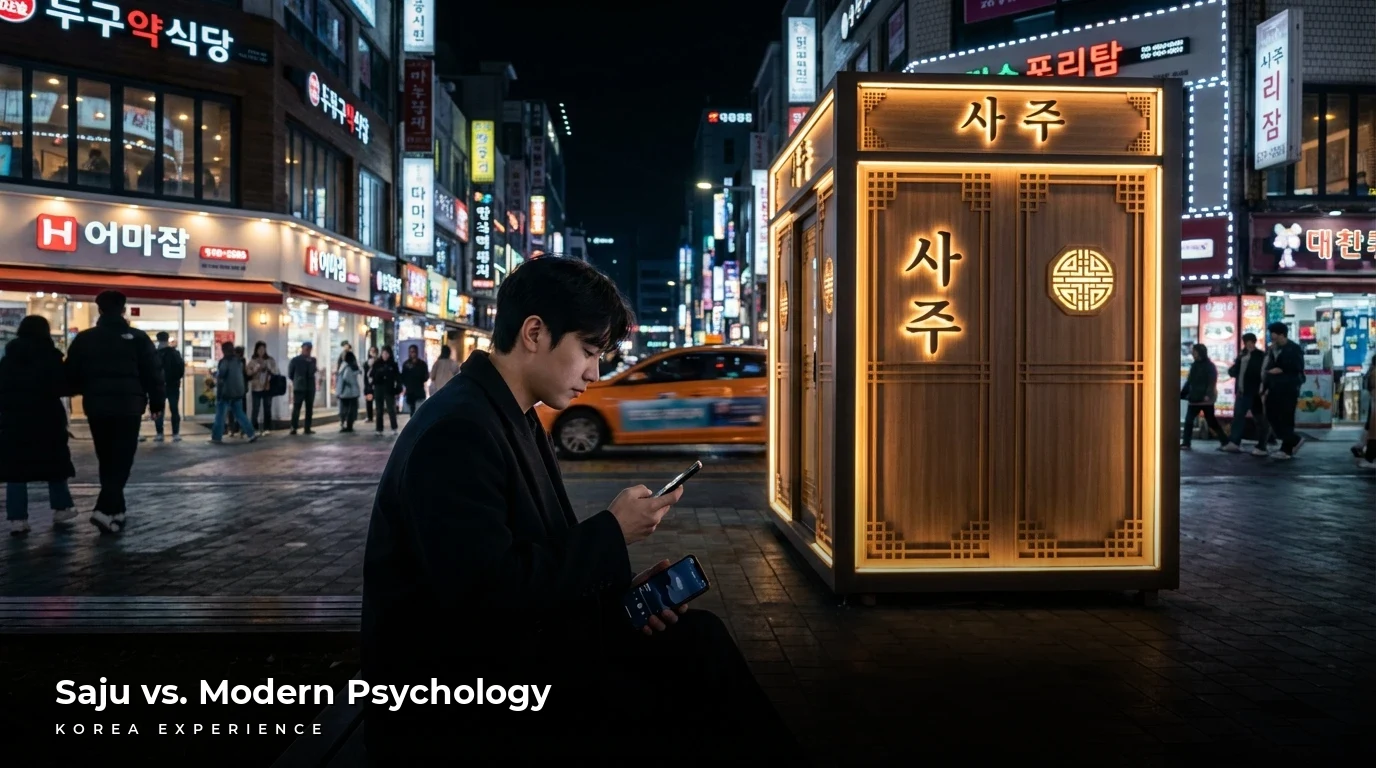
Navigate mental wellness in South Korea in 2026. Compare traditional Saju readings for 30,000 KRW with modern therapy to beat the 6.7 percent depression rate.
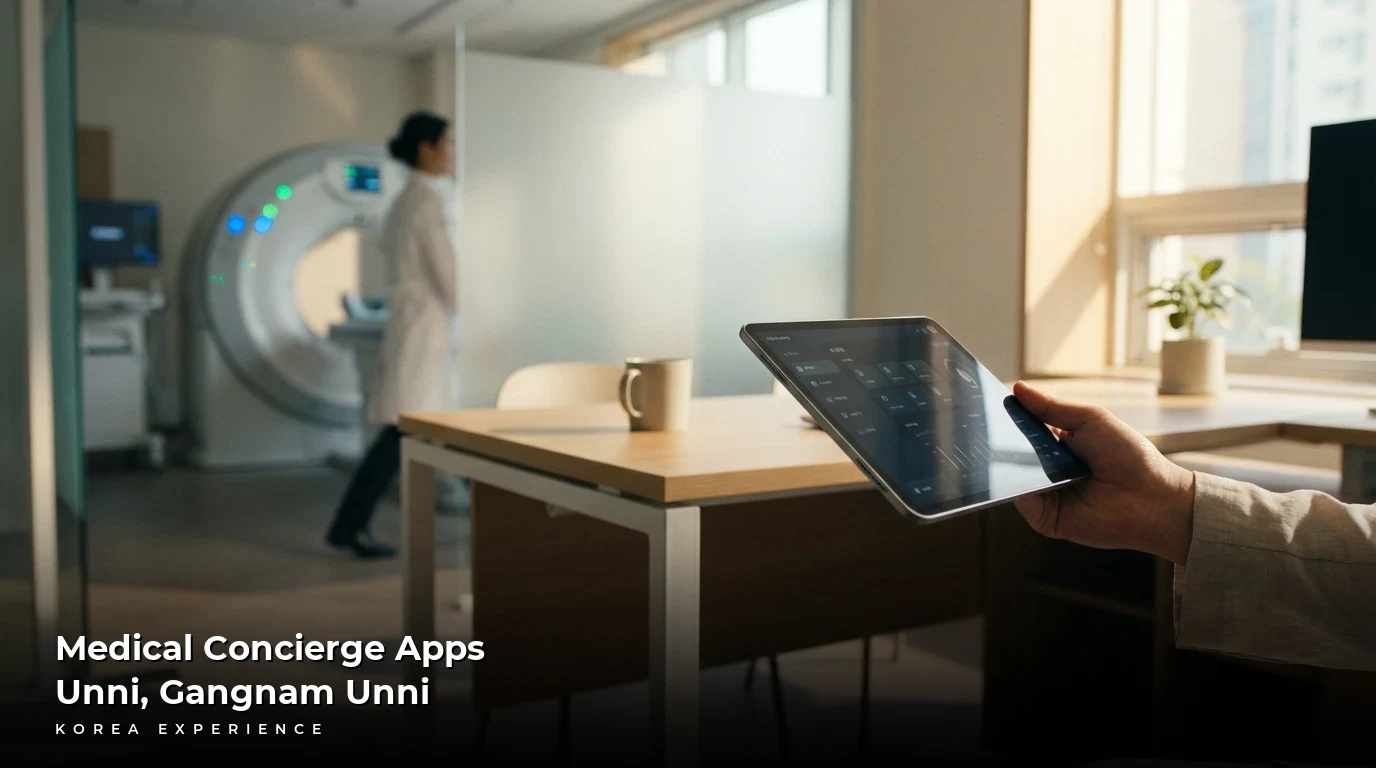
Save 40-70% on Korean plastic surgery using the UNNI app. We reveal 2026 VAT refund updates and how to filter for CCTV safety in 1,800 verified clinics.
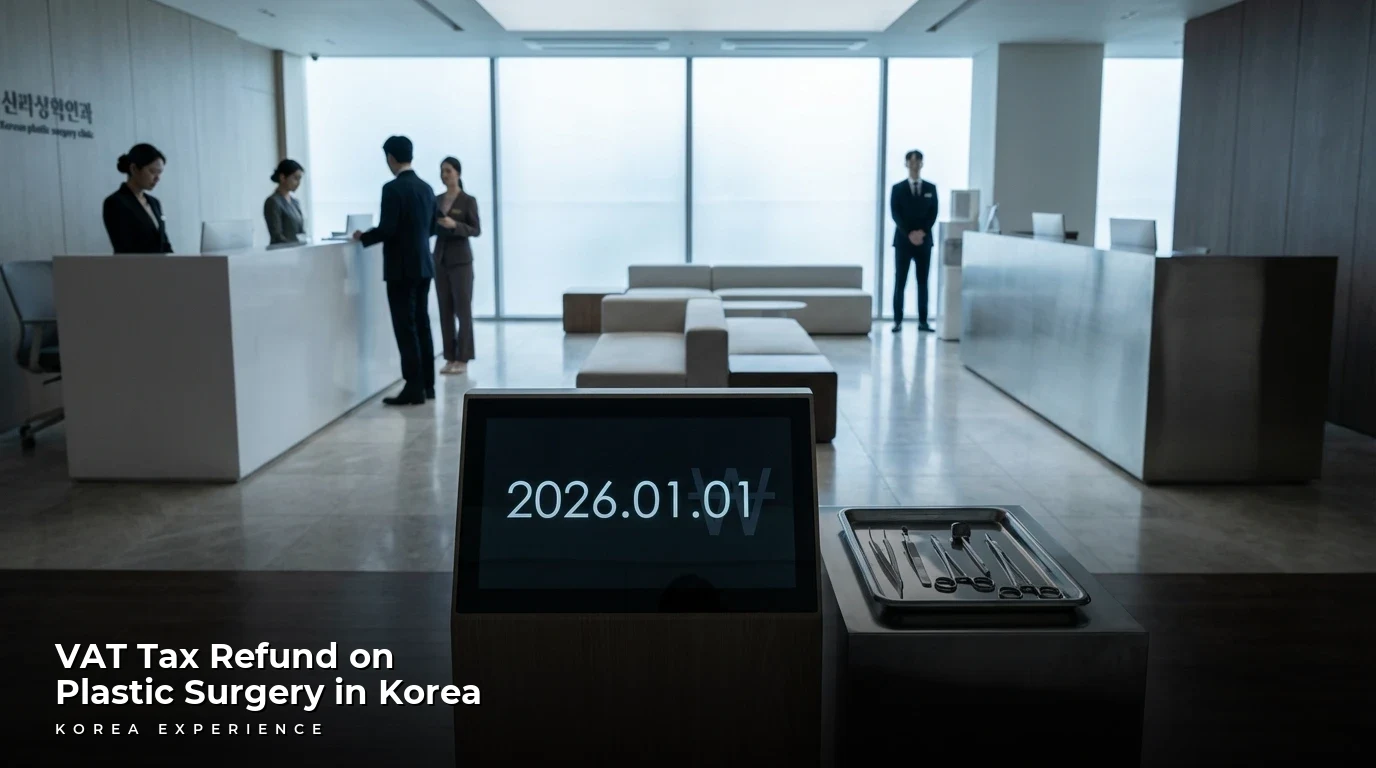
So, here is the big news: as of January 1, 2026, the official government VAT refund for plastic surgery is officially a thing of the past.