Medications to Avoid Before Surgery in Korea
Essential guide for international patients preparing for surgery in Korea. Learn which medications to stop, why it's critical, and how to plan effectively.
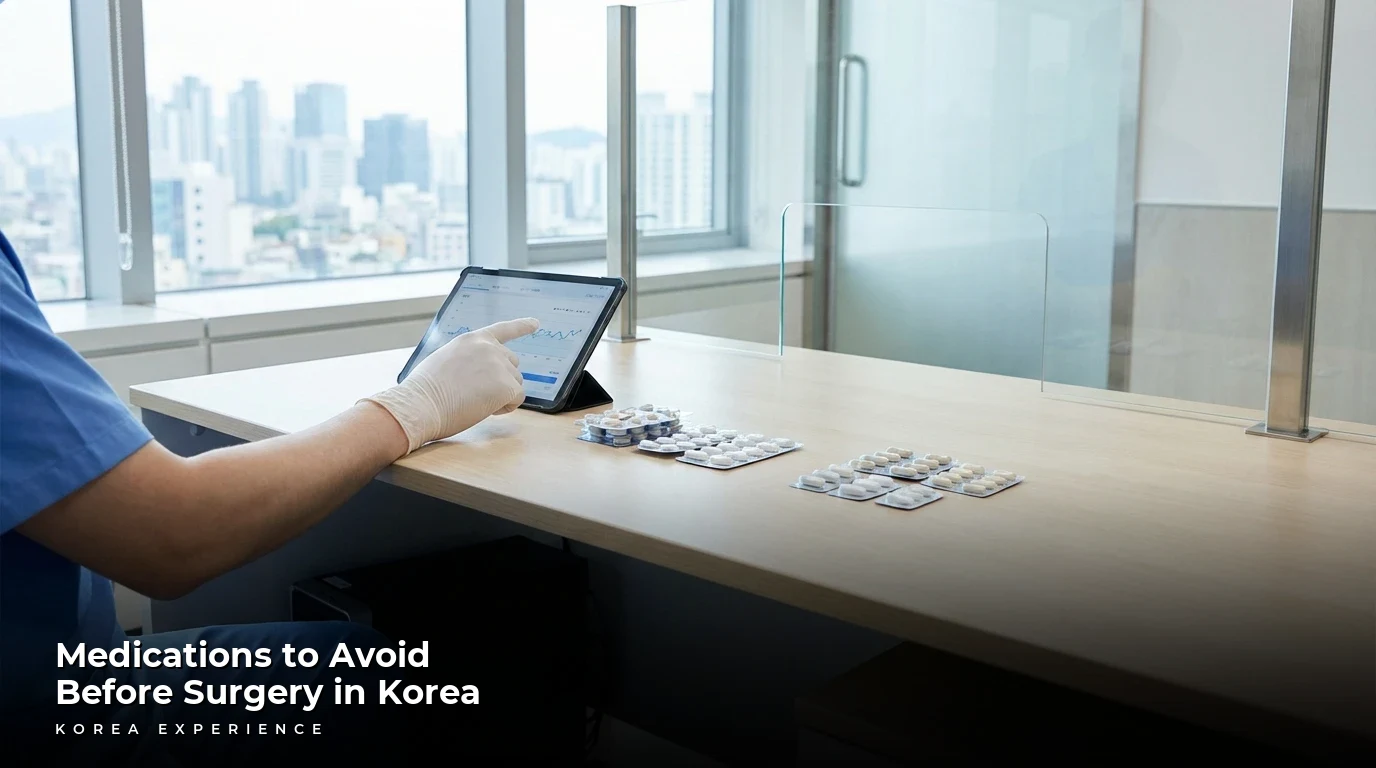
Korea has emerged as a global leader in medical tourism, drawing thousands of international patients each year with its cutting-edge technology, highly skilled medical professionals, and world-class healthcare facilities. From advanced diagnostics to complex surgical procedures, the quality of care in Korea is exceptional. However, preparing for surgery in a foreign country, even one as sophisticated as Korea, requires meticulous planning, especially concerning your medication regimen.
One of the most critical aspects of pre-surgical preparation, often overlooked by international patients, is understanding which Pre-Surgery Checklist Medications to Avoid. This isn't just a minor detail; it's a fundamental step that significantly impacts your safety, the success of your procedure, and your recovery journey. Failure to properly manage your medications before surgery can lead to serious complications, including excessive bleeding, adverse reactions to anesthesia, and prolonged healing.
This comprehensive guide is designed specifically for international travelers and expats considering or undergoing surgery in Korea. We will delve into the critical categories of medications you must stop, the reasons behind these precautions, practical timelines for cessation, and essential communication strategies with your Korean medical team. By the end of this article, you will have a clear understanding of how to prepare safely and effectively for your medical procedure in Korea, ensuring a smooth and successful experience.
Understanding Why Medication Management is Crucial Before Surgery
The period leading up to surgery is often filled with anticipation and preparation, but one aspect that cannot be overemphasized is the careful management of your medication list. For international patients seeking treatment in Korea, this step is particularly vital due to potential differences in healthcare protocols and medication availability. Your Korean surgical team needs a complete and accurate picture of your health, and the medications you take are a significant part of that.
Minimizing Bleeding Risks
Many common medications, both prescription and over-the-counter, can interfere with your body's ability to clot blood. During surgery, even minor procedures, precise control over bleeding is paramount. If your blood is too thin, it can lead to excessive blood loss during the operation, making the procedure more difficult, increasing the need for blood transfusions, and prolonging your recovery. This heightened bleeding risk can also lead to complications like hematomas (collections of blood) and delayed wound healing post-surgery. Properly stopping these medications ensures your body's natural clotting mechanisms are functioning optimally when you go under the knife.
Preventing Anesthesia Complications
Anesthesia is a complex medical procedure designed to keep you pain-free and unconscious during surgery. Various medications can interact negatively with anesthetic agents, leading to unpredictable and potentially dangerous outcomes. For instance, certain psychiatric medications, herbal supplements, or even some over-the-counter cold remedies can affect heart rate, blood pressure, or respiratory function when combined with anesthesia. Your anesthesiologist in Korea needs to know every substance you've ingested recently to tailor the anesthesia plan safely and effectively, minimizing risks such as arrhythmias, respiratory depression, or prolonged recovery from anesthesia.
Optimizing Recovery Outcomes
Beyond the immediate risks during surgery, certain medications can impact your post-operative recovery. Anti-inflammatory drugs, while helpful for pain relief, might interfere with bone healing or tissue repair in specific types of surgeries. Immunosuppressants might need careful adjustment to balance the risk of infection against the need to prevent rejection in transplant cases. Even seemingly innocuous vitamins or supplements can have metabolic effects that could slow healing or interact with post-operative medications. By adhering to the Pre-Surgery Checklist Medications to Avoid, you are actively contributing to a faster, smoother, and more successful recovery period, which is especially important when you are recovering in a foreign country away from your usual support system.
Key Categories of Medications to Avoid Before Surgery in Korea
Understanding the types of medications that pose risks before surgery is the first step in creating your comprehensive pre-operative plan. It's crucial to discuss all your medications with your Korean medical team, even those you consider harmless. Here's a breakdown of the key categories of Pre-Surgery Checklist Medications to Avoid and why:
Blood Thinners and Antiplatelet Drugs
These medications are designed to prevent blood clots but are a primary concern for surgeons due to the risk of excessive bleeding.
- Examples: Warfarin (Coumadin), Heparin, Dabigatran (Pradaxa), Rivaroxaban (Xarelto), Apixaban (Eliquis), Clopidogrel (Plavix), Ticagrelor (Brilinta), Prasugrel (Effient).
- Why avoid: They directly interfere with blood clotting, dramatically increasing the risk of hemorrhage during and after surgery.
- Specific considerations: Often, patients on these medications will be instructed to stop them several days to a week prior to surgery and may be bridged with a short-acting anticoagulant, like low molecular weight heparin, under strict medical supervision. Never stop these medications without explicit instructions from your doctor.
Non-Steroidal Anti-Inflammatory Drugs (NSAIDs)
Common pain relievers and anti-inflammatory medications.
- Examples: Ibuprofen (Advil, Motrin), Naproxen (Aleve), Diclofenac (Voltaren), Celecoxib (Celebrex), Aspirin (except low-dose aspirin used for cardiac protection, which may have specific instructions).
- Why avoid: NSAIDs can inhibit platelet function, similar to blood thinners, leading to an increased risk of bleeding. They can also affect kidney function, which is important during surgery.
- Specific considerations: Generally stopped 5-7 days before surgery. Low-dose aspirin for cardiac conditions might be continued depending on the type of surgery and individual patient risk, but this decision is always made by the surgeon and cardiologist.
Herbal Supplements and Traditional Remedies
Many patients, especially international ones, rely on herbal remedies, which are often mistakenly perceived as benign.
- Examples: Ginseng, Ginkgo Biloba, Garlic supplements, Fish Oil, Vitamin E, St. John's Wort, Valerian Root, Echinacea. This also includes traditional Korean herbal medicines (Hanbang) or other traditional medicine products from your home country.
- Why avoid: Many herbal supplements have anticoagulant properties, can interfere with anesthesia, or affect blood pressure and blood sugar. Ginseng, for example, is widely used in Korea but is known to have antiplatelet effects. St. John's Wort can interact with various medications and anesthesia.
- Specific considerations: Typically, these should be stopped at least 2 weeks before surgery, sometimes even longer. Always disclose all supplements and remedies you are taking.
Diabetes Medications
Management of blood sugar is critical during the pre-operative and peri-operative periods.
- Examples: Metformin, Insulin, Sulfonylureas (e.g., Glyburide, Glipizide), GLP-1 receptor agonists (e.g., Ozempic).
- Why avoid/adjust: These medications need careful adjustment or temporary cessation to prevent hypoglycemia (low blood sugar) or hyperglycemia (high blood sugar) during fasting and surgery. Anesthesia and the stress of surgery can affect blood sugar levels significantly.
- Specific considerations: Your doctor will provide a precise fasting and medication schedule. Insulin doses often need to be modified, and some oral medications might be held.
Specific Psychiatric Medications
While most psychiatric medications are continued, some require careful management.
- Examples: Monoamine Oxidase Inhibitors (MAOIs), certain Tricyclic Antidepressants (TCAs), Lithium.
- Why avoid/adjust: MAOIs and TCAs can have significant interactions with anesthetic agents, potentially causing dangerous fluctuations in blood pressure. Lithium has a narrow therapeutic index and can be affected by fluid shifts during surgery.
- Specific considerations: Discontinuation of psychiatric medications can have serious consequences. This must only be done under the direct supervision of your psychiatrist and surgeon. A plan for gradual tapering or alternative medication may be needed.
Over-the-Counter Medications and Vitamins
Even seemingly harmless medications can pose risks.
- Examples: Cold and flu remedies (containing pseudoephedrine or antihistamines), weight loss supplements, high-dose vitamins (especially Vitamin E).
- Why avoid: Some cold remedies can affect blood pressure and heart rate. High doses of Vitamin E can have anticoagulant effects. Weight loss supplements often contain stimulants that can interact with anesthesia.
- Specific considerations: Be transparent about all over-the-counter products you use. When in doubt, stop it or ask your doctor.
Navigating Your Medication List with Korean Medical Teams
Effective communication is the cornerstone of safe and successful medical tourism, especially when discussing your medication history. For international patients in Korea, preparing your medication list and transparently discussing it with your medical team is non-negotiable.
Preparing Your Comprehensive Medication List
Before your initial consultation, prepare a detailed, written list of all medications, supplements, and herbal remedies you are currently taking or have taken recently.
- Include:
- Medication name (brand and generic, if known).
- Dosage (e.g., 20mg, 500mg).
- Frequency (e.g., once daily, twice a day).
- Reason for taking it (e.g., high blood pressure, depression, pain relief).
- Date you started taking it.
- Any over-the-counter drugs, vitamins, or herbal supplements, even those you only take occasionally.
- Any allergies to medications and the reaction you experienced.
- Tip: If possible, bring the actual medication bottles or packaging with you to your first consultation. This provides concrete evidence and helps the medical team identify exact formulations, especially if there are local equivalents in Korea.
The Importance of Transparency
It might feel like a lot of information, but withholding even minor details about your medication use can have severe consequences. Your Korean doctors are highly trained and dedicated to your well-being. They need a complete picture to make informed decisions about your care. Remember:
- No judgment: Doctors are not there to judge your lifestyle choices or self-medication habits. They are there to ensure your safety.
- Hidden dangers: What might seem insignificant to you (e.g., "just a herbal tea") could have powerful pharmacological effects that interact with anesthesia or surgery.
- Cultural differences: Be aware that what is considered a "medication" might vary culturally. Always err on the side of caution and disclose everything.
Communication Challenges and Solutions
Language barriers can be a significant hurdle for international patients in Korea. However, Korean hospitals catering to medical tourists often have robust systems in place to mitigate this.
- International Clinics/Departments: Many major hospitals in Korea (e.g., Asan Medical Center, Samsung Medical Center, Severance Hospital, Ewha Womans University Medical Center) have dedicated international clinics with English-speaking staff and medical coordinators.
- Interpreters: Professional medical interpreters are crucial. Do not rely on friends, family, or online translation apps for critical medical discussions. Your hospital can usually arrange for a certified medical interpreter. Confirm this service in advance.
- Prepared Questions: Write down all your questions about your medications and the pre-operative instructions beforehand. This ensures you don't forget anything important during the consultation. Ask for written instructions whenever possible, preferably in English.
A Practical Timeline for Medication Cessation
The timing of when to stop specific medications is critical and can vary significantly depending on the drug, your medical history, and the type of surgery. Always follow the specific instructions provided by your Korean surgeon and anesthesiologist, as this information supersedes any general guidelines.
General Guidelines and Variable Factors
- Individualized Plans: Every patient receives an individualized plan. Factors influencing the timeline include:
- The specific medication's half-life (how long it stays in your system).
- Your overall health and kidney/liver function.
- The type and invasiveness of the surgery.
- Your risk of bleeding versus the risk of stopping a critical medication.
- Early Consultation: Discuss your full medication list as early as possible with your Korean medical team. Ideally, this should happen weeks before your scheduled surgery date.
Medications Requiring Longer Halts
Some medications need to be stopped well in advance due to their prolonged effects on blood clotting or other bodily functions.
- Warfarin (Coumadin) and other oral anticoagulants (e.g., Dabigatran, Rivaroxaban): Typically stopped 5-7 days before surgery. Depending on your risk profile, you might be put on a 'bridge' therapy with injectables like Heparin or Enoxaparin (low molecular weight heparin) which are shorter-acting and can be stopped closer to surgery.
- Clopidogrel (Plavix), Ticagrelor, Prasugrel: Often stopped 5-7 days prior, sometimes up to 10 days for higher-risk procedures.
- Herbal supplements (Ginseng, Ginkgo Biloba, Fish Oil, Vitamin E): A conservative approach suggests stopping these at least 2 weeks (14 days) before surgery due to their varied and sometimes unpredictable effects on clotting and metabolism.
Short-Term Cessation Medications
Other medications have shorter half-lives and can be stopped closer to the surgery date.
- NSAIDs (Ibuprofen, Naproxen, Diclofenac): Generally stopped 3-5 days before surgery.
- Aspirin (anti-platelet dose): If not specifically for cardiac protection, often stopped 7 days before surgery. For low-dose cardiac aspirin, follow your doctor's specific instructions, as it may be continued.
- Specific diabetes medications: Some oral medications like Metformin might be stopped 24-48 hours before surgery. Insulin dosages will be adjusted by your endocrinologist or surgical team based on your fasting schedule.
Below is a general reference table. Crucially, this is for informational purposes only and does not replace professional medical advice.
| Medication Category | Common Examples | Recommended Stop Time Before Surgery (General Guideline) | Key Reason for Stopping |
|---|---|---|---|
| Blood Thinners / Anticoagulants | Warfarin, Dabigatran, Rivaroxaban, Apixaban | 5-7 days (may require bridging therapy) | High risk of severe bleeding |
| Antiplatelet Drugs | Clopidogrel, Ticagrelor, Prasugrel, Aspirin (high dose) | 5-10 days | Increased risk of bleeding |
| NSAIDs | Ibuprofen, Naproxen, Diclofenac, Celecoxib, Aspirin (low dose for pain) | 3-7 days | Impaired platelet function, kidney effects |
| Herbal Supplements | Ginseng, Ginkgo Biloba, Garlic, Fish Oil, Vitamin E, St. John's Wort | 14 days or more | Anticoagulant properties, anesthesia interactions |
| Specific Diabetes Meds | Metformin, Sulfonylureas, GLP-1 agonists | 24-48 hours (or specific dose adjustments) | Risk of hypoglycemia/hyperglycemia, lactic acidosis |
| Certain Psychiatric Meds | MAOIs, TCAs, Lithium | Highly individualized (discuss with psychiatrist) | Anesthesia interactions, fluid balance issues |
| Over-the-Counter/Others | Cold remedies, weight loss pills, high-dose vitamins | 7-14 days (or as advised) | Stimulant effects, blood pressure, interactions |
Special Considerations for International Patients in Korea
Navigating the healthcare system in a foreign country can present unique challenges. For international patients undergoing surgery in Korea, understanding these nuances is crucial for a smooth experience.
Language Barriers and Interpretation Services
While many top Korean hospitals have international departments with English-speaking staff, relying solely on them for every medical detail might not be sufficient, especially during complex discussions.
- Professional Medical Interpreters: Highly recommended for all critical consultations, consent forms, and pre-operative instructions. These interpreters are trained in medical terminology and patient confidentiality.
- Hospital International Desks: These departments are your primary resource for language support. They can arrange interpreters, manage appointments, and guide you through the process.
- Translation Apps (Limited Use): While useful for daily interactions, avoid using general translation apps for sensitive medical discussions. The nuances of medical language are easily lost.
Here's a table of common interpretation services and key contacts:
| Service/Resource | Description | Contact Information (General) |
|---|---|---|
| Hospital International Offices | Dedicated departments at major hospitals for foreign patients, offering interpretation, coordination, and administrative support. | Check individual hospital websites (e.g., Asan, Samsung, Severance). |
| Medical Interpreters | Professional, certified interpreters available for hire or via hospital. | Often arranged directly through hospital international offices. |
| Medical Tourism Hubs | Government-supported centers offering information and support for medical tourists. | Korea Medical Tourism Center: +82-2-1339 (general info) |
| Emergency Medical Hotline | For urgent medical advice and general health inquiries (English available). | 1339 (available 24/7) |
Pharmacy Access and Medication Equivalents
The Korean pharmaceutical system is highly regulated, and you may find that some medications you take at home are not available, or have different brand names and dosages.
- Prescription Requirements: You will need a prescription from a licensed Korean doctor to obtain most prescription medications. Foreign prescriptions are generally not valid in Korea.
- Generic vs. Brand Name: Be prepared for potential differences. Your Korean doctor will prescribe the appropriate equivalent if your usual medication isn't available.
- Over-the-Counter (OTC) Availability: Many medications that are OTC in your home country might require a prescription in Korea, and vice-versa. Always consult with a pharmacist or doctor.
- Bring Sufficient Supply (for non-surgery medications): For any ongoing medications that you will continue after surgery, bring an adequate supply from your home country, along with your prescription, to last your entire stay. However, be mindful of customs regulations regarding bringing medications into Korea.
Emergency Protocols and Local Contacts
Understanding emergency procedures is vital for any international traveler.
- Emergency Hotline (119): For immediate medical emergencies (ambulance, fire, police), dial 119. Operators can connect you to English-speaking services.
- Medical Consultation Hotline (1339): For non-emergency medical advice or to find a medical facility, dial 1339. This service is available 24/7 and offers consultation in several languages, including English.
- Hospital Emergency Rooms: Major hospitals have fully equipped emergency rooms (응급실 - Eunggeupsil). If you need to go to an ER, try to go to one with an international clinic or a reputation for treating foreign patients.
- Know Your Location: Always have the address of your accommodation and the hospital in Korean, along with phone numbers for your medical coordinator or interpreter, readily available.
Real-World Scenarios and Insider Tips for Medical Tourists
Preparing for surgery in Korea goes beyond medical instructions; it involves practical steps to ensure a stress-free experience. Here are some insights and tips:
Case Study: A Patient's Experience with Medication Management
Sarah, an American patient, traveled to Seoul for orthopedic surgery. She meticulously listed her prescription medications but initially forgot to mention her daily routine of Ginkgo Biloba and high-dose Vitamin E, believing them to be "natural" and harmless. During her pre-operative consultation at Severance Hospital's International Health Care Center, the coordinator specifically asked about all supplements. Sarah then remembered to disclose them.
Her Korean surgeon immediately instructed her to stop the Ginkgo Biloba and Vitamin E for at least 14 days prior to her surgery, explaining their significant anti-clotting effects. This timely disclosure prevented a potential bleeding complication during her procedure, highlighting the critical importance of full transparency and clear communication, even for seemingly innocuous items on the Pre-Surgery Checklist Medications to Avoid.
Pre-Consultation Checklist for International Patients
To ensure a smooth pre-operative process in Korea:
- Comprehensive Medication List: As detailed above, prepare an exhaustive list.
- Medical Records: Bring all relevant medical records, diagnostic reports, and imaging (X-rays, MRI scans) from your home country, preferably translated into English.
- Interpreter: Confirm if your chosen hospital provides an interpreter or arrange one yourself for key appointments.
- Questions List: Write down all your questions for the doctor and medical team.
- Travel Insurance: Ensure your medical travel insurance covers your planned procedure and any potential complications in Korea.
- Accommodation & Logistics: Plan your accommodation near the hospital, especially for your recovery period. Research local transportation options.
- Contact Info: Keep emergency contact numbers (119, 1339, hospital international desk) and the local address of your accommodation handy.
Recommended Korean Hospitals for International Patients
Korea boasts numerous hospitals with excellent international programs. Here are a few prominent examples known for their high standards and services for medical tourists:
- Asan Medical Center (Seoul): One of the largest and most advanced hospitals in Korea, with a world-renowned International Health Center. Located in Songpa-gu, Seoul.
- Samsung Medical Center (Seoul): Known for its state-of-the-art facilities and patient-centered care, also with a robust international clinic. Located in Gangnam-gu, Seoul.
- Severance Hospital (Seoul): Part of Yonsei University Health System, it has a long history and a highly regarded International Health Care Center. Located in Seodaemun-gu, Seoul.
- Seoul National University Hospital (Seoul): A leading national hospital with comprehensive services and an international clinic. Located in Jongno-gu, Seoul.
- Ewha Womans University Medical Center (Seoul): Particularly noted for its women's health services and international clinic. Located in Gangseo-gu, Seoul.
These hospitals offer dedicated support for international patients, including interpretation services, appointment scheduling, and guidance through the Korean healthcare system. When choosing your facility, confirm their specific services for medical tourists.
Frequently Asked Questions (FAQ)
Q1: What happens if I accidentally take a medication I was supposed to avoid before surgery?
A1: Immediately inform your surgical team or medical coordinator in Korea. Do not hide it. They may need to postpone your surgery, perform additional tests, or adjust the anesthesia plan to ensure your safety. Transparency is paramount.
Q2: Can I continue taking my usual vitamins and supplements before surgery?
A2: Generally, it's best to stop most vitamins and all herbal supplements at least 2 weeks before surgery, especially Vitamin E, fish oil, and anything with "blood-thinning" properties like Ginseng or Ginkgo Biloba. Always discuss your entire supplement regimen with your doctor.
Q3: How do I arrange for a medical interpreter if my hospital does not provide one automatically?
A3: If your hospital's international desk cannot provide one, you can search for independent professional medical interpreters in Korea. Organizations like the Korea Medical Tourism Association might also offer resources or recommendations. Be sure to book well in advance.
Q4: What if I have chronic conditions like heart disease or epilepsy? Should I stop my medications?
A4: Medications for chronic conditions such as heart disease, hypertension, epilepsy, or Parkinson's disease are often critical and should NOT be stopped unless specifically instructed by your Korean surgeon or specialist. They will work with your primary doctor to create a safe peri-operative plan, which may involve temporary dose adjustments or substitutions.
Q5: Is it safe to buy over-the-counter medications in Korea? What if I need a painkiller post-surgery?
A5: For post-surgery pain, your Korean doctor will prescribe appropriate painkillers. For other minor ailments, over-the-counter medications are safe, but it's always best to ask a pharmacist or your medical coordinator for guidance, especially regarding potential interactions with your recovery medications. Always clarify if a specific medication from your home country has an equivalent in Korea.
Conclusion
Embarking on a medical journey in Korea offers access to some of the world's finest healthcare. However, the success of your surgical experience hinges not just on the expertise of your Korean medical team, but also on your diligent preparation, particularly regarding medication management. Understanding the Pre-Surgery Checklist Medications to Avoid is an indispensable part of this process, directly impacting your safety, the efficacy of the procedure, and your recovery.
Remember these key takeaways:
- Transparency is Gold: Disclose every medication, supplement, and herbal remedy you take, no matter how insignificant it seems.
- Communicate Clearly: Utilize interpretation services and ask for written instructions. Don't hesitate to ask questions until you fully understand.
- Follow Instructions Meticulously: Adhere strictly to the medication cessation timeline provided by your Korean medical team.
- Plan Ahead: Prepare your medication list and medical records well in advance, and understand the local emergency protocols.
By taking these proactive steps, you empower your Korean medical team to provide you with the safest and most effective care, ensuring a positive and successful medical tourism experience. Your health and safety are their top priority, and with careful planning, you can look forward to a smooth journey to recovery in Korea.
Medical Disclaimer
The information provided in this blog post is intended for general informational purposes only and does not constitute medical advice. It is not a substitute for professional medical advice, diagnosis, or treatment. Always seek the advice of your physician or other qualified health provider with any questions you may have regarding a medical condition or treatment, and before undertaking a new healthcare regimen. Never disregard professional medical advice or delay in seeking it because of something you have read in this article. Specific medical advice and pre-operative instructions must always come directly from your attending physician and surgical team in Korea.
Emergency Contact Numbers
- Emergency Services (Ambulance, Fire, Police): Dial 119
- Medical Consultation Hotline (English available, 24/7): Dial 1339
About the Author
Korea Experience Team
Written by the Korea Experience editorial team - experts in Korean medical tourism, travel, and culture with years of research and firsthand experience.
⚠️ Medical Disclaimer
The information provided on this website is for general informational purposes only and does not constitute medical advice. Always consult with qualified healthcare professionals before making any medical decisions.
Explore more in Medical Tourism
World-class medical procedures at competitive prices. From plastic surgery and dermatology to dental care and health checkups — your complete guide to medical tourism in Korea.
Browse All Medical Tourism ArticlesContinue Reading
Explore more articles you might find interesting
Compare PRP and PDO thread lifts in Korea with costs, recovery times, and results. A detailed guide for medical tourists seeking natural rejuvenation.

Understand the Post-Surgery Swelling Timeline in Korea. Our week-by-week guide helps international patients manage recovery expectations for various procedures.
Comprehensive guide to mental health resources for medical tourists in Korea. Find English-speaking counselors, recovery centers, and costs in 2026.

Discover the best delivery apps and healing foods for post-surgery recovery in Seoul. From pumpkin juice to premium porridge, here is your 2026 guide.
Stop relying on Google Translate. Here is the ultimate 2026 guide to decoding real Korean medical reviews, spotting fake specialized blogs.

Navigating post-operative exercise in Korea requires careful planning and medical guidance. Learn safe timelines for gym and cardio, ensuring a healthy recovery.