Seoul shopping guide Myeongdong to Gangnam: Best malls and streets 2026
Ultimate Seoul shopping guide covering Myeongdong to Gangnam. Compare ₩15,000 street food with luxury boutiques and find the best 2026 sales.
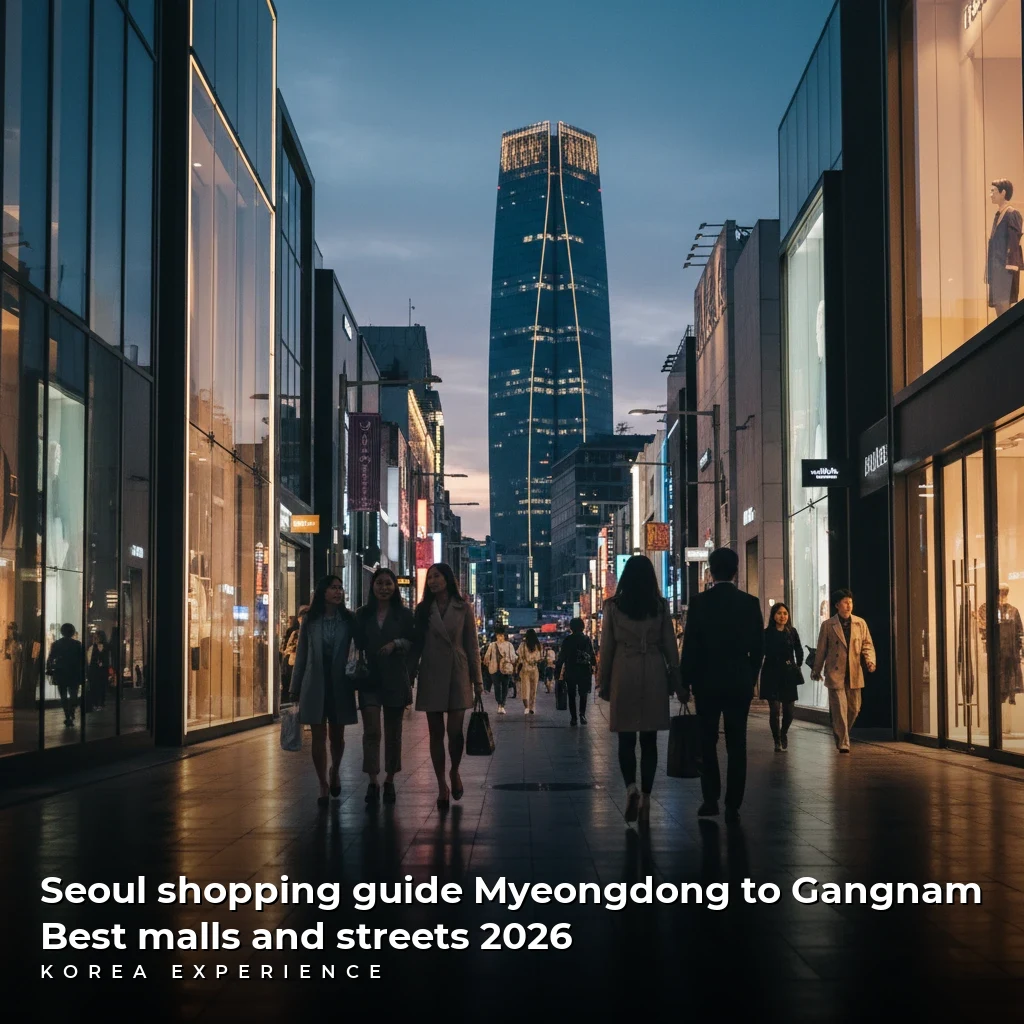
If you are planning a shopping spree in Seoul, the two most critical districts to understand are Myeongdong and Gangnam, as they represent the two distinct poles of Korea's retail identity.
The short answer: Myeongdong is the epicenter of K-Beauty, street food, and mid-range global brands perfect for first-time visitors, while Gangnam offers a mix of high-end luxury, underground budget malls, and trend-setting boutiques spread across a much larger geographic area.
Key Takeaways
- 1Myeongdong is best for concentrated skincare shopping and street food (avg price ₩5,000 per item)
- 2Gangnam requires subway travel between nodes like COEX, Gotomall, and Garosu-gil
- 3Tax refunds are instant at many counters for purchases between ₩30,000 and ₩500,000
- 4Travel time between Myeongdong and Gangnam is approximately 45 minutes by subway (Line 4 to Line 2)
The Geography of Seoul Shopping: River North vs. River South
To navigate Seoul effectively, you must understand the Han River divide. Myeongdong is located in Gangbuk (North of the River), the historic center of the city. This area is denser, more walkable, and packed with tourists. Gangnam (South of the River) is a sprawling modern district characterized by wide boulevards, towering skyscrapers, and distinct shopping "nodes" rather than a single walkable cluster.
Distance-wise, the two districts are about 10 kilometers apart. While a taxi might cost between ₩15,000 and ₩25,000 depending on traffic, the subway is the most efficient method, costing approximately ₩1,600 (using a T-Money card) and taking about 45 to 50 minutes.
Pro Tip
Avoid traveling between Myeongdong and Gangnam by taxi during rush hour (5:30 PM – 7:30 PM). The famously congested Hannam Bridge can turn a 25-minute drive into a 90-minute crawl.
Myeongdong: The K-Beauty and Street Food Capital
Myeongdong remains the undisputed champion of tourist-friendly shopping in 2026. Despite the rise of other hip neighborhoods like Seongsu-dong, Myeongdong offers a density that is unmatched. You can visit 15 different cosmetic brand flagship stores within a 400-meter radius.
The K-Beauty Ecosystem
In Myeongdong, skincare isn't just a product; it's a competitive sport. The streets are lined with road-shop brands like Etude House, Innisfree, and Nature Republic. However, the crown jewel is the Olive Young Myeongdong Flagship Store.
Olive Young Myeongdong Flagship(올리브영 명동 플래그십)
At this flagship location, you can find exclusive sets often priced 10-20% lower than standard retail. For detailed product recommendations, check out our guide to best Korean face masks for dry sensitive skin.
Myeongdong Street Food: Pricing and Variety
As evening approaches (usually around 4:00 PM), the main thoroughfares transform into a night market. In 2026, prices have stabilized after a surge in previous years. You should budget approximately ₩20,000 per person for a filling "dinner" consisting solely of street snacks.
💵 Myeongdong Street Food Prices (2026)
The most expensive street item
Classic winter snack
Fried dough with brown sugar
Many tourists don't realize that Myeongdong also houses some of the best eyewear shopping. Look for 'Davich' or 'Look Optical.' You can get prescription glasses made in 30 minutes for as low as ₩40,000, which is a fraction of the cost in the US or Europe.
Department Stores: Lotte and Shinsegae
At the edge of Myeongdong lie the giants: Lotte Department Store (Main Branch) and Shinsegae Department Store. These are essential for luxury shopping and duty-free purchases. The basement food courts (Sikpum-gwan) close around 8:00 PM, and just before closing (from 7:00 PM), you can often find fresh food discounted by 30-50%.
Gangnam: The Modern Metropolis
Moving South of the river, "Gangnam" refers to a much wider area than Myeongdong. It usually encompasses three main districts for shoppers: Gangnam Station, Apgujeong/Cheongdam, and the COEX area in Samseong-dong.
Gangnam Station Underground Shopping Center
This is where the locals shop for trends. Located directly inside the subway station (Line 2 and Shinbundang Line), this subterranean mall stretches for nearly 800 meters.
- Target Audience: Young women (20s-30s).
- Price Point: Extremely affordable. Tops often sell for ₩10,000, and dresses for ₩15,000–₩25,000.
- Quality: "Fast fashion" quality. Great for seasonal items you wear for a year or two.
- Fitting Rooms: Rare. Most shops do not allow trying on tops (to prevent makeup stains), only skirts or pants.
📋 Gangnam Underground Specs
COEX Mall: The Indoor Behemoth
A short taxi ride or subway trip (Samseong Station, Line 2) from Gangnam Station brings you to Starfield COEX Mall. This is Asia's largest underground shopping mall. Unlike the budget stalls at Gangnam Station, COEX features flagship stores for global brands like Nike, Zara, and Korean mid-tier brands like 8Seconds and SPAO.
The centerpiece is the Starfield Library, featuring bookshelves towering 13 meters high. It is an essential photo spot, though buying books there is secondary to the aesthetic. For a full breakdown of this massive complex, read our COEX mall complete shopping and dining guide.
📊 COEX Scale
Apgujeong Rodeo & Garosu-gil: Luxury and Vibes
For high-end luxury, head to Apgujeong Rodeo. This is where the flagship houses of Dior, Gucci, and Louis Vuitton reside, often with stunning architectural cafes inside. A coffee at the Dior Café might cost ₩25,000, but it is considered an entry-level experience into the luxury lifestyle.
Nearby Garosu-gil used to be the "It" street. While it has commercialized significantly, the backstreets (Serosu-gil) are still filled with perfume workshops and indie designers. If you are interested in creating your own scent, you might enjoy custom perfume making in Seoul.
The Myeongdong to Gangnam Itinerary: A Dualism Route
If you have one full day to conquer both areas, you need a strategy that maximizes your time and energy. We recommend starting in Gangnam (as it opens slightly later but stays open late) or doing a split day.
Here is a curated route that balances high-end experiences with budget wins.
One Day: The River Crossing
The Dualism Concept: Experience the best of both worlds — premium luxury moments paired with authentic budget-friendly experiences in one route.
Myeongdong Morning
Olive Young flagship & K-Gimbap breakfast
Transit
Line 4 to Line 2 (scenic han river view)
Gangnam Lunch
Premium Hanwoo Beef Omakase
COEX Afternoon
Window shopping & Library photos
Garosu-gil Dinner
Fusion Korean Fine Dining
Start in Myeongdong for skincare hauling when shelves are fully stocked in the morning, then move to Gangnam for the evening atmosphere.
Comparative Analysis: Myeongdong vs. Gangnam vs. Hongdae
Travelers often get confused about where to prioritize their time. Hongdae is another major contender, located in Western Seoul. Here is how they stack up in 2026.
Seoul Shopping Districts Showdown
| Feature | Myeongdong | Gangnam | Hongdae |
|---|---|---|---|
| Primary Vibe | Tourist Hub | Sophisticated/Biz | Indie/Youth |
| Best For | Skincare & Street Food | Luxury & Underground Malls | Street Fashion & Busking |
| Price Range | $$ (Mid) | $$$ (High) & $ (Low) | $ (Low/Mid) |
| English Level | Very High | Moderate | Moderate |
| Crowd Type | International Tourists | Professionals & Rich Kids | University Students |
If you are looking for accommodation that positions you well for these areas, check our guide on best areas to stay near shopping districts.
Transport Guide: Moving Between the Giants
Navigating between these two districts is straightforward if you know the route.
The Subway Journey (Myeongdong to Gangnam)
Start at Myeongdong Stn.
Enter Line 4 (Blue Line) heading towards Dongdaemun History Park.
Transfer at DDP
Get off at Dongdaemun History & Culture Park. Transfer to Line 2 (Green Line).
Ride Line 2
Ride the Green Line for approx 30 mins crossing the Han River.
Arrive Gangnam Stn.
Exit at Gangnam Station. Use Exits 10/11 for shopping street.
Bus Option: The Blue Bus 470 or 471 runs directly from the center of Seoul to Gangnam Station. It utilizes the dedicated bus lanes, making it faster than a taxi during medium traffic, taking about 40 minutes. It costs ₩1,500.
Tax Refund Guide for 2026
Korea's tax refund system has become incredibly streamlined. As of 2026, the immediate tax refund limit is ₩500,000 per transaction and ₩2,500,000 total for the duration of your trip.
📖 How to Claim Instant Tax Refunds
Step 1: Check the Logo
Look for 'Tax Free' or 'Tax Refund' logos on the shop window.
Step 2: Present Passport
You MUST have your physical passport (or a high-quality scan sometimes accepted) at the cashier.
Step 3: Pay Discounted Price
The cashier will deduct the tax (approx 6-7% effective return) instantly. You pay the net amount.
If the store does not offer immediate refund but offers a tax refund slip, you must claim it at the airport or at automated kiosks in the city (like in Myeongdong or COEX). You will need to scan your passport and the receipt.
Seasonal Shopping: When to Go?
Timing your visit can save you significant money. Korea has two major sale periods.
- Korea Grand Sale (January - February): Targeted at foreigners, offering discounts on shopping, flights, and accommodation.
- Seoul Summer Sale (July): Great for summer fashion and cosmetics.
During these times, discounts in Myeongdong can reach up to 50% on cosmetics bundles. In Gangnam, department stores usually run their seasonal "Bargain Sales" in January, April, July, and October (typically the first two weeks of the month).
Pros and Cons of Each District
To summarize your decision-making process:
Myeongdong vs Gangnam
- ✓Myeongdong: English is spoken everywhere
- ✓Myeongdong: unparalleled cosmetic density
- ✓Gangnam: Better infrastructure and wider aisles
- ✓Gangnam: Access to premium luxury brands
- ✗Myeongdong: extremely crowded on weekends
- ✗Myeongdong: restaurants can be tourist traps
- ✗Gangnam: spread out, requires walking/cabs
- ✗Gangnam: Underground air quality can be poor
Hidden Gems Near Myeongdong and Gangnam
While the main streets grab the headlines, the surrounding alleys offer unique finds.
Near Myeongdong: Walk 10 minutes to Euljiro. Known as "Hipjiro," this area features industrial hardware stores that transform into trendy wine bars and cafes at night. It's a stark contrast to the polished veneer of Myeongdong.
Near Gangnam: Visit Sinsa-dong. Just north of the main Gangnam strip, this area (specifically Garosu-gil) offers a mix of European-style open-air cafes and local designer boutiques. The price point is high (₩30,000+ for t-shirts), but the quality is superior to the underground malls.
Size Warning
Korean "Free Size" (One Size) typically fits a US 2-6 (XS-M). In Myeongdong, you will find more international sizing options (H&M, Uniqlo, Zara). In Gangnam Underground, sizes run notoriously small.
For those interested in specialized shopping, like K-Pop merchandise, Myeongdong's underground arcade and the Music Korea store in Nature Republic are key spots. Check our guide on collecting K-Pop photocards for more details.
Final Thoughts
Shopping in Seoul is high-energy. Myeongdong offers the frenetic, neon-lit experience that defines modern Asian tourism, perfect for stocking up on gifts and skincare. Gangnam offers a glimpse into the lifestyle of Seoul's elite and the savvy fashion choices of its youth.
By combining the two—perhaps a morning skincare haul in Myeongdong followed by an evening exploring the depths of COEX or the heights of Lotte World Tower in Jamsil (near Gangnam)—you get the full spectrum of Seoul's consumer culture.
❓ Frequently Asked Questions
Have more questions?Contact us →
About the Author
Korea Experience Team
Written by the Korea Experience editorial team - experts in Korean medical tourism, travel, and culture with years of research and firsthand experience.
Explore more in Travel & Tourism
From Seoul's neon-lit streets to Jeju's volcanic landscapes — discover the best of Korea with insider travel tips, itineraries, and seasonal guides.
Browse All Travel & Tourism ArticlesContinue Reading
Explore more articles you might find interesting
Explore Seoul's largest vintage market with our 2026 guide. Find luxury brands for ₩5,000, navigate 600+ stalls, and discover hidden boutiques.
Discover Seoul's top 7 shopping districts for 2026. Compare Myeongdong beauty prices, Gangnam luxury, and Hongdae vintage fashion with tax refund tips.
Discover the best Lotte Department Store flagship locations. Compare Myeongdong vs Jamsil, find 2026 luxury brands, food courts, and duty-free prices.
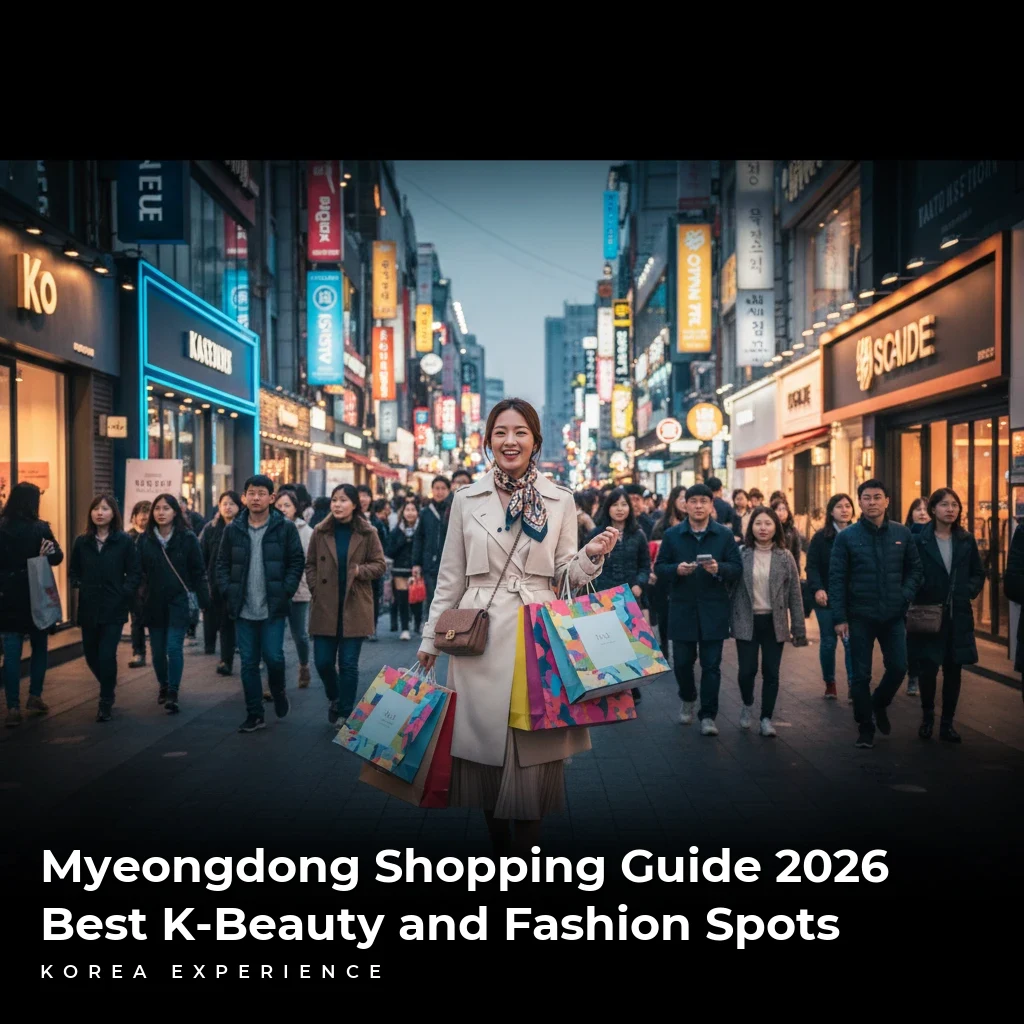
Explore the best of Myeongdong in 2026. Discover top K-beauty flagship stores, trendy fashion boutiques, and street food prices starting at ₩4,000.
Compare Seoul's top medical districts: Gangnam for value, Apgujeong for expertise, and Cheongdam for luxury. Find the right fit for your 2026 surgery.
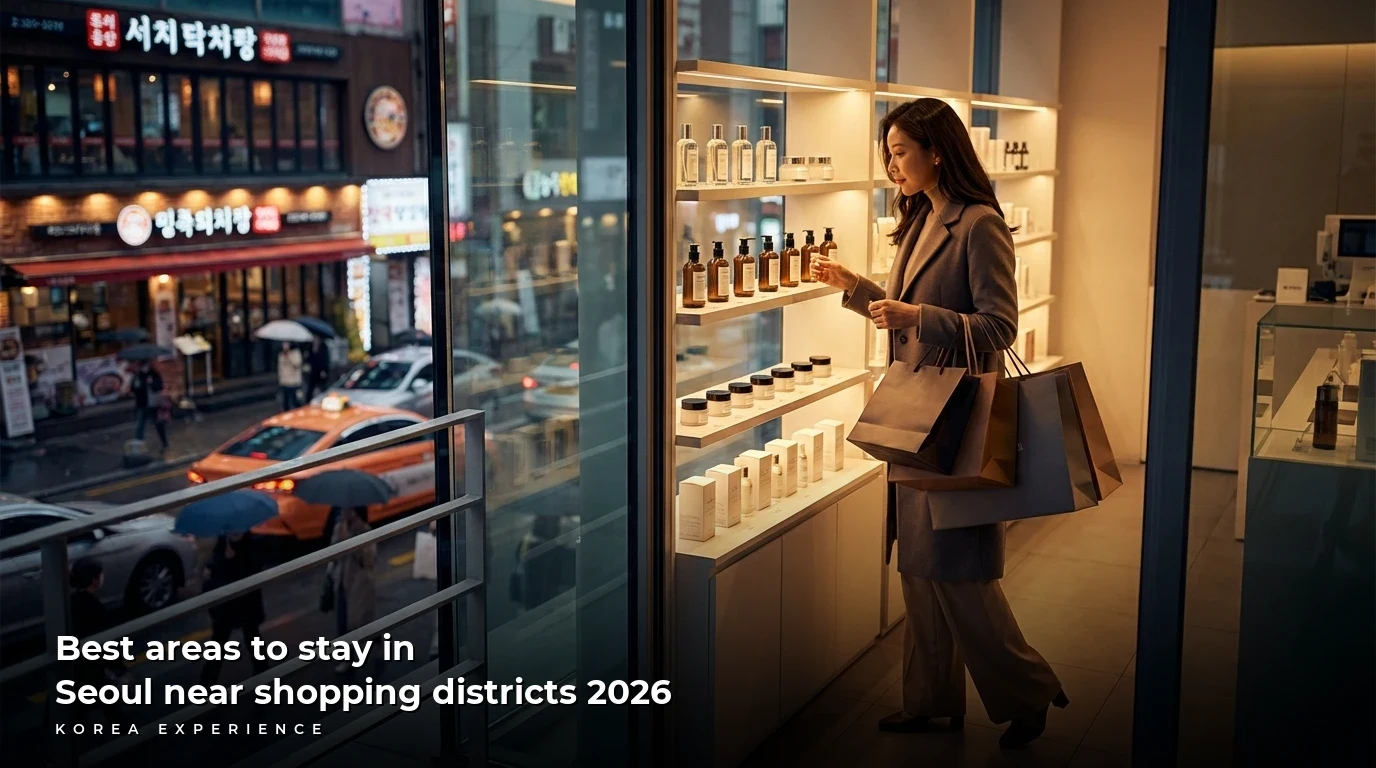
A strategic guide to choosing the best accommodation in Seoul based on your shopping style, covering Myeongdong, Gangnam, Hongdae.