Sokcho and Yangyang surfing guide 2026: Best spots and lessons
Discover Korea's surfing capital with our 2026 guide to Yangyang and Sokcho. Find rental costs (₩30,000+), transport tips, and best seasons for waves.
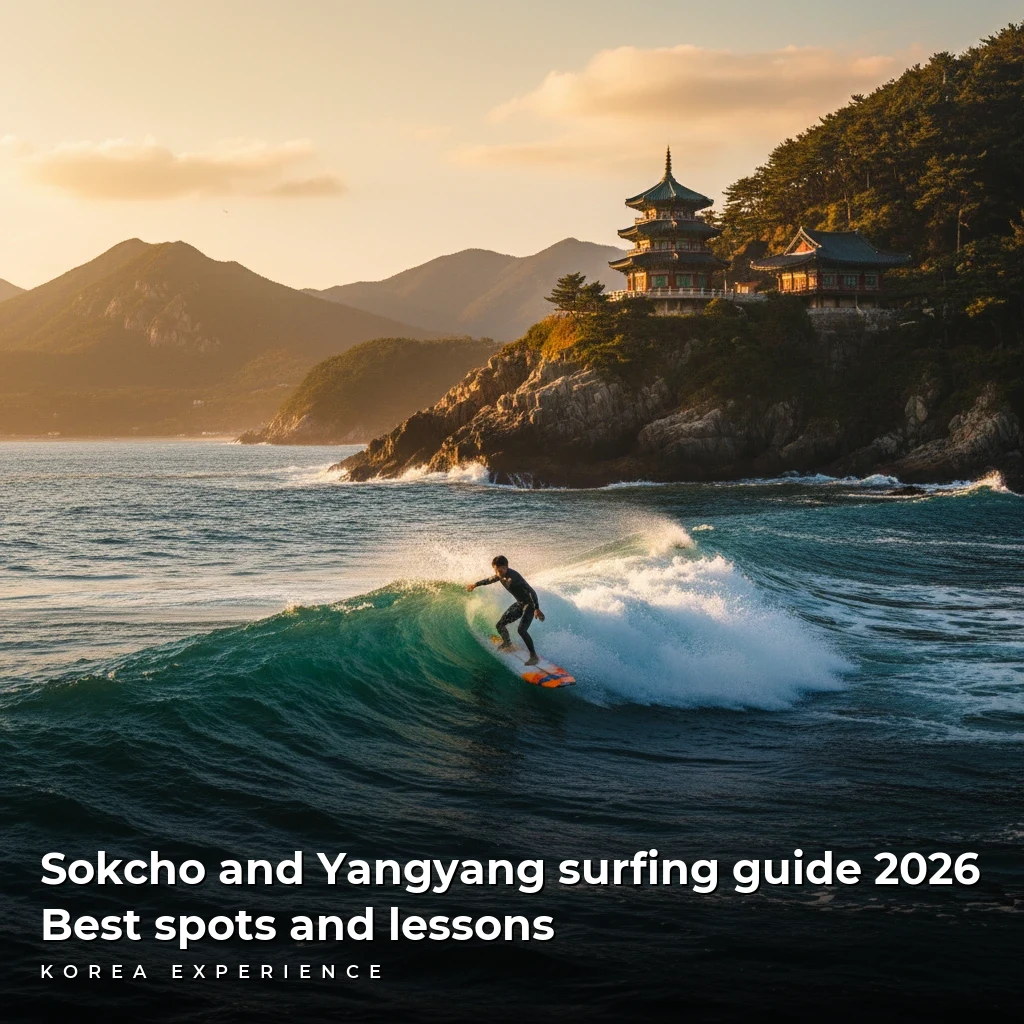
For international travelers asking where to find the best surfing in Korea in 2026, the answer is unequivocally the eastern coastline of Gangwon Province, specifically the stretch between Yangyang and Sokcho. While Busan and Jeju Island have their merits, Yangyang has developed into the undisputed "Surfing Capital of Korea," boasting over 20 surf shops per square kilometer in key districts and dedicated surf-only beaches. The area offers consistent knee-to-waist high waves for beginners during the summer (June–August) and powerful head-high swells for advanced riders during the winter season (November–March).
The short answer: Yangyang is Korea’s premier surf hub, located 2 hours from Seoul, offering beginner lessons for roughly ₩50,000–₩80,000 and best waves in autumn/winter, while neighboring Sokcho serves as the ideal urban base for food and logistics.
Key Takeaways
- 1Yangyang is the surf hub; Sokcho is the logistic gateway 20 mins north
- 2Beginners should visit June-Aug (warm water, small waves); Pros go Oct-March
- 3Average surf lesson cost is ₩60,000 including board and suit rental
Why Yangyang became the "Ibiza of Korea"
In the last decade, Yangyang has transformed from a quiet agricultural county known for pine mushrooms into a bustling subculture hub often dubbed the "Ibiza of Korea." This transformation wasn't accidental; it was driven by the opening of the Seoul-Yangyang Expressway in 2017, which cut travel time from 4 hours to under 2 hours.
As of 2026, the district hosts over 100 registered surf businesses. The vibe here is distinct from the rest of Korea. You will see open-air pubs, skateboard ramps, and a distinct lack of the "ppalli-ppalli" (hurry-hurry) culture found in Seoul. The demographics are young, with 70% of visitors falling between the ages of 20 and 35.
However, it is important to understand the geography. Yangyang is a county with several distinct beaches, while Sokcho is a city located just 15-20 kilometers north. Many travelers choose to stay in Sokcho for better hotel infrastructure and cheaper food options, taking a 20-minute bus or taxi ride down to the surf spots in Yangyang.
Pro Tip
If you visit during July or August, book accommodation at least 3 weeks in advance. Prices for pensions near Jukdo Beach can spike by 200% on weekends, often exceeding ₩250,000 per night for a basic room.
Best time to surf: Understanding the Korean swell
Surfing in Korea is heavily dependent on the season. Unlike Bali or Hawaii, the swell here is generated by wind and weather systems rather than deep ocean groundswells.
Summer (June – August)
This is the peak tourist season but actually the "low" season for wave size.
- Wave Height: 0.5m to 1.0m (Knee to Waist high).
- Water Temp: 22°C to 26°C.
- Wetsuit: Boardshorts/Bikini or a 2mm spring suit.
- Crowd Factor: Extremely high. Expect 300+ people in the water at Surfyy Beach on a Saturday.
- Best For: Complete beginners, parties, and tanning.
Autumn (September – November)
Widely considered the "Golden Season" by locals. The typhoons moving north from Japan often send solid swell to Gangwon-do.
- Wave Height: 1.0m to 2.0m (Waist to Head high).
- Water Temp: 18°C to 22°C.
- Wetsuit: 3/2mm full suit is recommended.
- Crowd Factor: Moderate.
- Best For: Intermediates and those looking for the best weekend getaways for expats.
Winter (December – March)
This is for the dedicated. The Siberian winds create clean, powerful lines.
- Wave Height: 1.5m to 3.0m (Head high to Double overhead).
- Water Temp: 4°C to 8°C.
- Wetsuit: 5/4mm hooded suit, booties, and gloves are mandatory.
- Crowd Factor: Zero. You might be the only one out.
- Best For: Advanced surfers chasing quality waves.
📊 Seasonal Conditions
Getting there: Transport options from Seoul
Access to the East Coast has never been easier. In 2026, you have three primary options to reach Yangyang and Sokcho from Seoul.
1. Express Bus (Most Popular)
The bus system in Korea is efficient, cheap, and comfortable.
- Departure: Seoul Express Bus Terminal (Gyeongbu Line) or East Seoul Bus Terminal.
- Arrival: Yangyang Bus Terminal or Sokcho Express Bus Terminal.
- Duration: Approximately 2 hours 10 minutes (can take 3+ hours during holiday traffic).
- Cost: Premium (Gold) bus is roughly ₩24,600; Standard is around ₩18,000.
- Frequency: Buses leave every 20-30 minutes between 06:30 and 23:00.
2. KTX Train (The Gangneung Route)
There is no direct KTX station in Yangyang or Sokcho yet (the East-West High Speed Rail is scheduled for later in the decade).
- Route: Seoul Station to Gangneung Station (KTX-Eum).
- Duration: 2 hours to Gangneung.
- Connection: From Gangneung, you must take a taxi (40 mins, approx ₩50,000) or a local bus (1 hour) north to Yangyang.
- Verdict: Not recommended unless you plan to visit Gangneung first.
3. Rental Car
Ideal for hauling surfboards and exploring isolated spots.
- Route: Seoul-Yangyang Expressway (Highway 60).
- Tolls: Approximately ₩13,000 one way.
- Gas: Approx ₩35,000 one way for a standard sedan.
- Parking: Most beaches have free public parking, but spots fill up by 10:00 AM in summer.
📋 Transport Quick Stats
The main surf spots: A detailed breakdown
Yangyang's coastline is dotted with beaches, but three distinct areas dominate the scene.
Jukdo Beach: The Rodeo Drive of Surfing
Jukdo is the epicenter. The street parallel to the beach is lined with major surf brands like Patagonia, heavy-duty coffee roasters, and endless rows of boards. The beach itself is a sand bottom break.
- Vibe: Trendy, crowded, see-and-be-seen.
- Facilities: Excellent. Dozens of pensions, cafes, and convenience stores.
- Parking: Very difficult on weekends.
- Best For: Social surfers who want to be in the middle of the action.
Ingu Beach: The Nightlife Hub
Located immediately adjacent to Jukdo (separated by a small hill), Ingu has taken over as the nightlife capital. By day, it's a solid surf spot. By night, the streets turn into an open-air party zone with pubs and pochas (tent bars).
- Vibe: High energy, loud music, younger crowd.
- Waves: Similar to Jukdo, perhaps slightly more shelter from North winds.
- Warning: If you want a quiet night's sleep, do not book accommodation on the main Ingu strip.
Surfyy Beach (Hajodae): The Private Experience
Surfyy Beach is a unique concept in Korea—a section of Hajodae Beach designated exclusively for surfing. Swimming is actually restricted in the surf zones to prevent accidents.
- Access: It is technically a private business operating on public land.
- Pass: You often need to purchase a "Pass" (approx ₩10,000) to use their bean bags, hammocks, and facilities, though walking on the sand is free.
- Vibe: exotic, "Bali-style" decor, highly Instagrammable with the famous yellow "SURFYY BEACH" sign.
- Waves: wide open beach break, very consistent.
Surfyy Beach(서피비치)
Learning to surf: Costs and curriculum
If you are a first-timer, Yangyang is an excellent place to learn. The competition among surf schools keeps the quality relatively high and prices standardized.
Most beginner lessons follow a 3-hour structure:
- Theory (30 mins): Safety, etiquette, and pop-up mechanics on land.
- Water Practice (1-1.5 hours): Instructor pushes you into waves.
- Free Surf (1 hour): Rental equipment is usually yours for the rest of the day.
💵 2026 Surf Lesson Pricing
Dedicated instructor, video analysis included.
Includes board, suit, & shower. 1:6 ratio.
Language Barrier
While many instructors speak basic English ("Paddle!", "Up!", "Bend knees!"), full English lessons are rarer. Shops like Surfing Korea and Tyler's Surf Shop are known to be expat-friendly. It is highly advisable to message them on Instagram before booking to confirm English availability.
📖 How to Book a Surf Lesson
Step 1: Choose a Region
Decide between Jukdo (busy) or Mulchi (quieter closer to Sokcho).
Step 2: Reservation
Most shops use Naver Booking. If you don't have a Korean number, DM them on Instagram.
Step 3: Arrival
Arrive 30 minutes early to change. Bring flip-flops, sunscreen, and a change of clothes.
Where to stay: Sokcho vs. Yangyang
This is the biggest decision for your trip. Yangyang offers proximity to waves, while Sokcho offers urban convenience and better value.
Staying in Yangyang (The Surfer's Choice)
- Pros: Walk to the beach, soak in the culture, no driving needed after surfing.
- Cons: Expensive for what you get. Many "pensions" are aging but charge premium rates (₩120,000+ per night).
- Recommendation: Look for guest houses specifically for surfers like Ingu Guest House (beds approx ₩35,000).
Staying in Sokcho (The Smart Traveler's Choice)
- Pros: Huge hotels like Lotte Resort and Ramada, endless food options at Sokcho Central Market, better public transport.
- Cons: You need to take a bus (Bus #9 or #9-1) or taxi (20 mins) to surf spots.
- Recommendation: Sokcho Hutte or newer hotels near Cheongcho Lake.
Accommodation Showdown
| Feature | Yangyang (Jukdo) | Sokcho City |
|---|---|---|
| Avg. Weekend Price | ₩150,000+ | ₩80,000-120,000 |
| Food Options | Western/Pubs | Traditional/Seafood |
| Nightlife | Parties/Clubs | Local Bars/Dining |
| Transport | Requires Car/Taxi | Excellent Bus Links |
Food culture: Burgers vs. Raw Fish
The food scene in this region is a fascinating dualism. In the surf districts of Yangyang, the cuisine is surprisingly Western-heavy. Due to the "California vibe" marketing, you will find high-quality burger joints, taco stands, and craft beer pubs.
Singlefin Aleworks is a must-visit. It's a massive corn-barn-style taproom serving deep-dish pizza and craft beer. Prices are Seoul-level (pizzas around ₩28,000), but the atmosphere is unbeatable.
Conversely, Sokcho is famous for Mulhoe (Spicy Cold Raw Fish Soup). This is a local delicacy where fresh sashimi sits in a slushy, spicy red pepper broth. It is incredibly refreshing after a hot day in the sun. The most famous spot is Cheongcho Soo Mulhoe, a massive enterprise where robots serve your food. A bowl costs around ₩19,000.
For those interested in Korean culinary staples, check out our guide to best Korean BBQ restaurants in Seoul to see how the meat quality compares to the pork BBQ famous in Gangwon province.
Don't leave Sokcho without trying "Dakgangjeong" (Sweet and sour fried chicken) from the Central Market. Manseok Dakgangjeong is the famous brand—you'll see everyone carrying their square white boxes. It's better when eaten cold the next day!
Beyond Surfing: What else to do?
If the waves are flat or your arms are tired, the region has world-class attractions.
Seoraksan National Park
Located just 15 minutes from Sokcho, this is Korea's most beautiful mountain range.
- The easy way: Take the Seoraksan Cable Car (₩15,000 round trip) to Gwongeumseong Fortress for epic rocky views.
- The challenge: Hike to Ulsanbawi Rock. It’s a grueling 2-hour stair climb, but the view is legendary.
- Note: During October (autumn foliage), the queue for the cable car can be 3 hours long. Arrive at 07:00 AM.
Naksansa Temple
A stunning Buddhist temple overlooking the ocean. It features a massive 16-meter tall Bodhisattva statue facing the sea. The entrance fee is ₩4,000. It offers a peaceful contrast to the loud music of Ingu Beach.
Sokcho Eye
Opened recently, this giant ferris wheel on Sokcho Beach offers a bird's eye view of the coastline. Tickets are roughly ₩18,000.
For those looking to time their visit with the best weather for hiking, refer to our guide on the best time to visit Korea.
Budget breakdown for a weekend trip
Korea is generally affordable, but Yangyang can be a "tourist trap" if you aren't careful. Here is a realistic budget for a 2-day, 1-night trip for one person departing from Seoul.
- Transport (Bus): ₩50,000 (Round trip)
- Accommodation: ₩60,000 (Hostel/Shared Pension)
- Surf Lesson: ₩60,000 (Includes gear)
- Food & Drink: ₩80,000 (3 meals + coffee + drinks)
- Total: ₩250,000 (approx $190 USD)
Cash vs. Card
While 99% of Korea is cashless, some small surf shacks or umbrella rentals on the beach might prefer bank transfers or cash. However, all major surf shops and restaurants accept foreign credit cards.
Suggested Itinerary: The "Surf & Turf" Route
Maximizing a weekend requires logistical precision.
48 Hours: Surf & Mountain
The Dualism Concept: Experience the best of both worlds — premium luxury moments paired with authentic budget-friendly experiences in one route.
Day 1: Jukdo Beach
Surf lesson followed by craft beer at Singlefin.
Day 2: Seoraksan
Early morning hike to Biryong Falls.
Do the active surfing on Saturday when energy is high, and the scenic hiking on Sunday morning before the bus ride home.
Safety and Etiquette
Surfing in Korea comes with strict rules, often enforced by the Coast Guard.
- Sunset Curfew: It is illegal to be in the water after sunset. The military monitors the coast (you will see fences and guard posts). Whistles will blow if you stay out too long.
- Leash Laws: You must wear a leash. It is not optional.
- Summer Zones: In July/August, swimmers and surfers are strictly separated by buoys. Do not surf in the swimming zone (tube zone).
Conclusion
Sokcho and Yangyang offer a side of Korea that few international travel guides cover in depth. It is a place where the hyper-modern efficiency of Korea meets a laid-back, almost Californian beach culture. Whether you are battling the winter swells in a 5mm suit or sipping a lager at Surfyy Beach in July, the East Coast provides a necessary escape from the concrete jungle of Seoul.
For those planning to explore more urban adventures after their beach trip, our 24-hour Seoul itinerary is the perfect companion for your return to the capital.
❓ Frequently Asked Questions
Have more questions?Contact us →
Visual Guide to the Beaches
To help you visualize the layout:
- North: Sokcho City (Urban, High-rise hotels)
- Mid-North: Mulchi Beach (Quieter, near harbor)
- Central: Naksan Beach (Old school tourism, big temple)
- South: Hajodae / Surfyy Beach (The Instagram spot)
- Deep South: Jukdo / Ingu (The surf village hub)
When booking your bus ticket via the "T-Money GO" or "Kobus" app, ensure you select the terminal closest to your specific beach. "Yangyang Terminal" is central, but "Ingu" is a stop on some intercity routes, saving you a taxi fare.
The Digital Nomad Factor
Increasingly, Yangyang is becoming a hub for digital nomads. Several cafes in the Jukdo area offer high-speed Wi-Fi and power outlets, though dedicated co-working spaces are still rare compared to Seoul. If you need to work remotely, cafes like Solty Cabin offer ocean views and decent ergonomics.
If you are considering a longer stay in the country to work and surf, check out our guide on the best Korea SIM cards for long-term travelers to ensure you stay connected on the beach.
Final Packing List for 2026
- Sunscreen: Korean sun is deceptive. Bring SPF 50+.
- Flip-flops: Essential.
- Dry Bag: For keeping valuables sand-free.
- T-Money Card: For the local buses between Sokcho and beaches.
- KakaoMap App: Google Maps does not work well for walking directions in this area.
Yangyang is more than just waves; it is a cultural phenomenon. It represents a shift in Korean leisure culture, embracing the outdoors and a slower pace of life. Whether you stand up on your first wave or just enjoy the pine-scented ocean breeze, the East Coast awaits.
About the Author
Korea Experience Team
Written by the Korea Experience editorial team - experts in Korean medical tourism, travel, and culture with years of research and firsthand experience.
Explore more in Travel & Tourism
From Seoul's neon-lit streets to Jeju's volcanic landscapes — discover the best of Korea with insider travel tips, itineraries, and seasonal guides.
Browse All Travel & Tourism ArticlesContinue Reading
Explore more articles you might find interesting
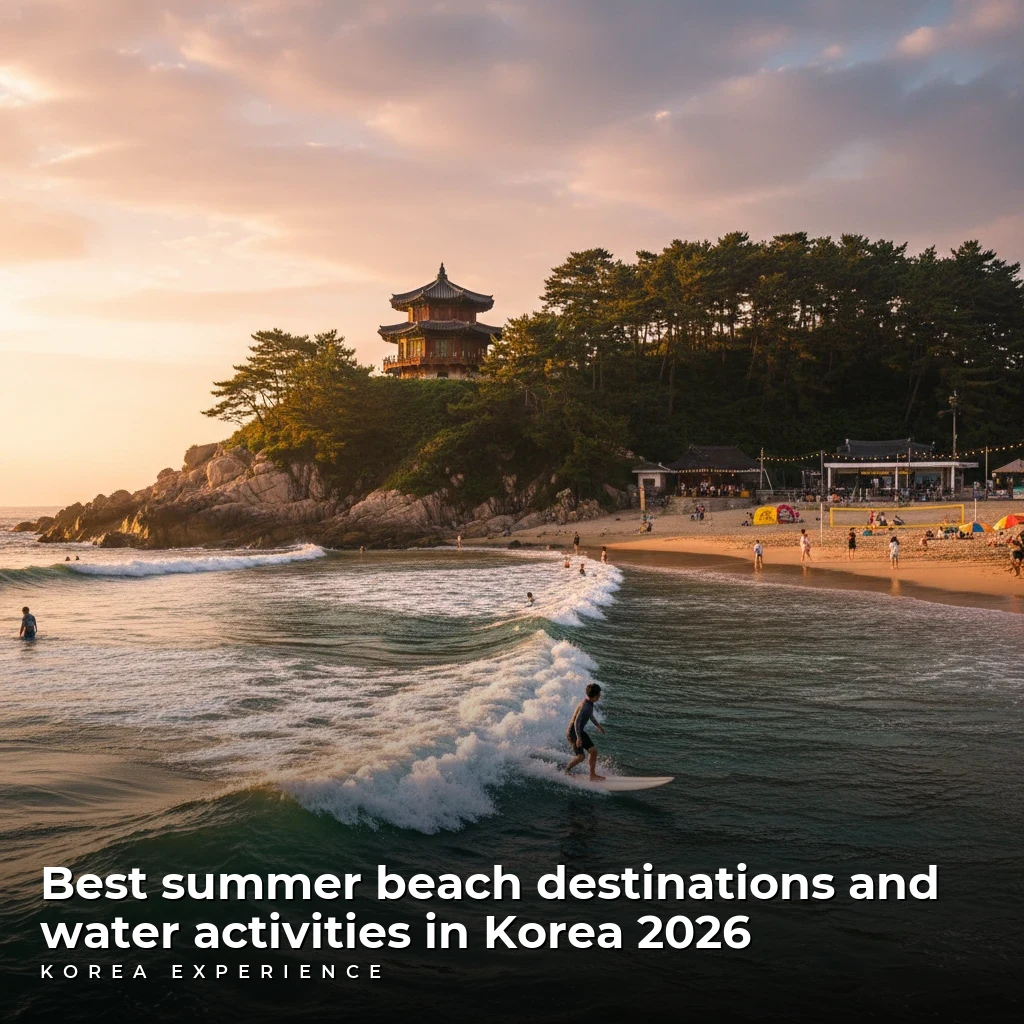
Discover top Korean beaches from Yangyang surfing to Jeju snorkeling. Includes 2026 prices, transport tips, and water activity costs for summer travel.
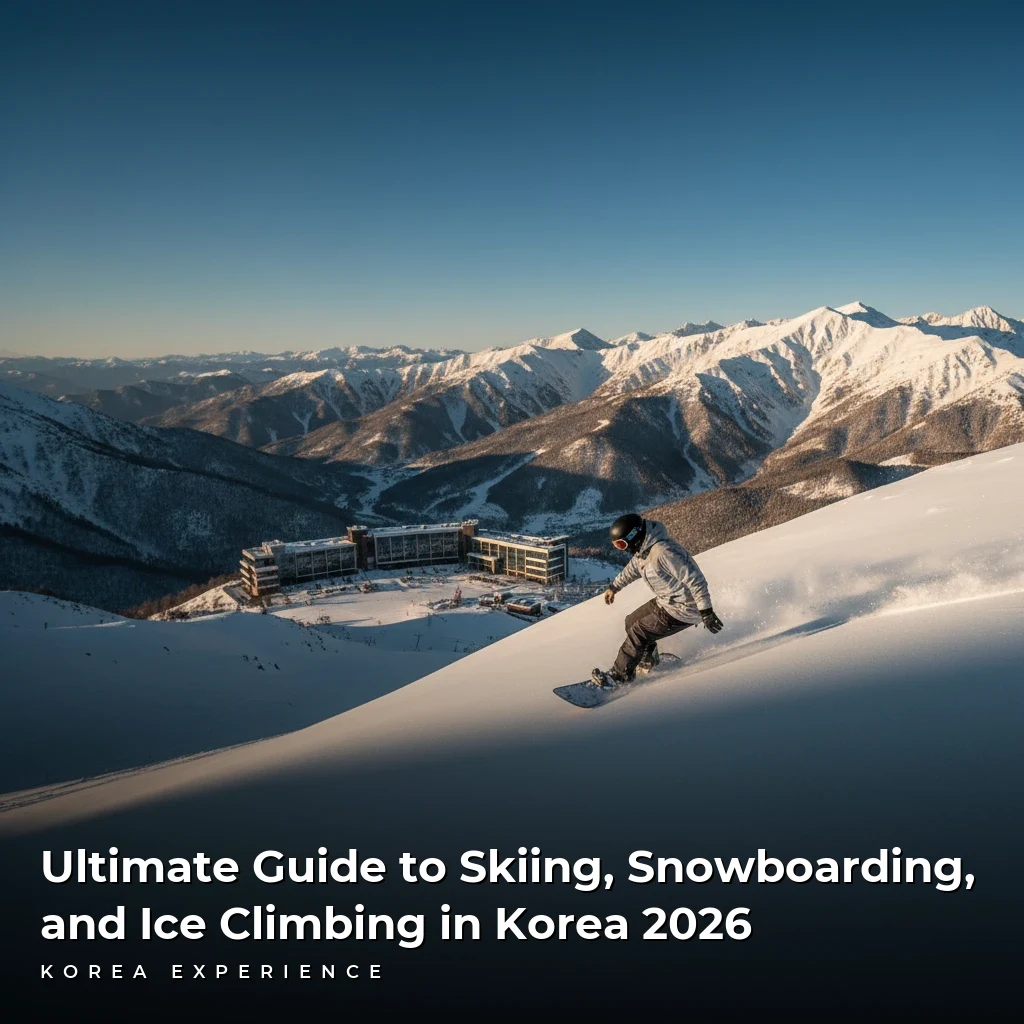
Discover Korea's top winter sports spots for 2026. From Yongpyong slopes to Cheongsong ice walls, get prices, transport tips, and rental guides.
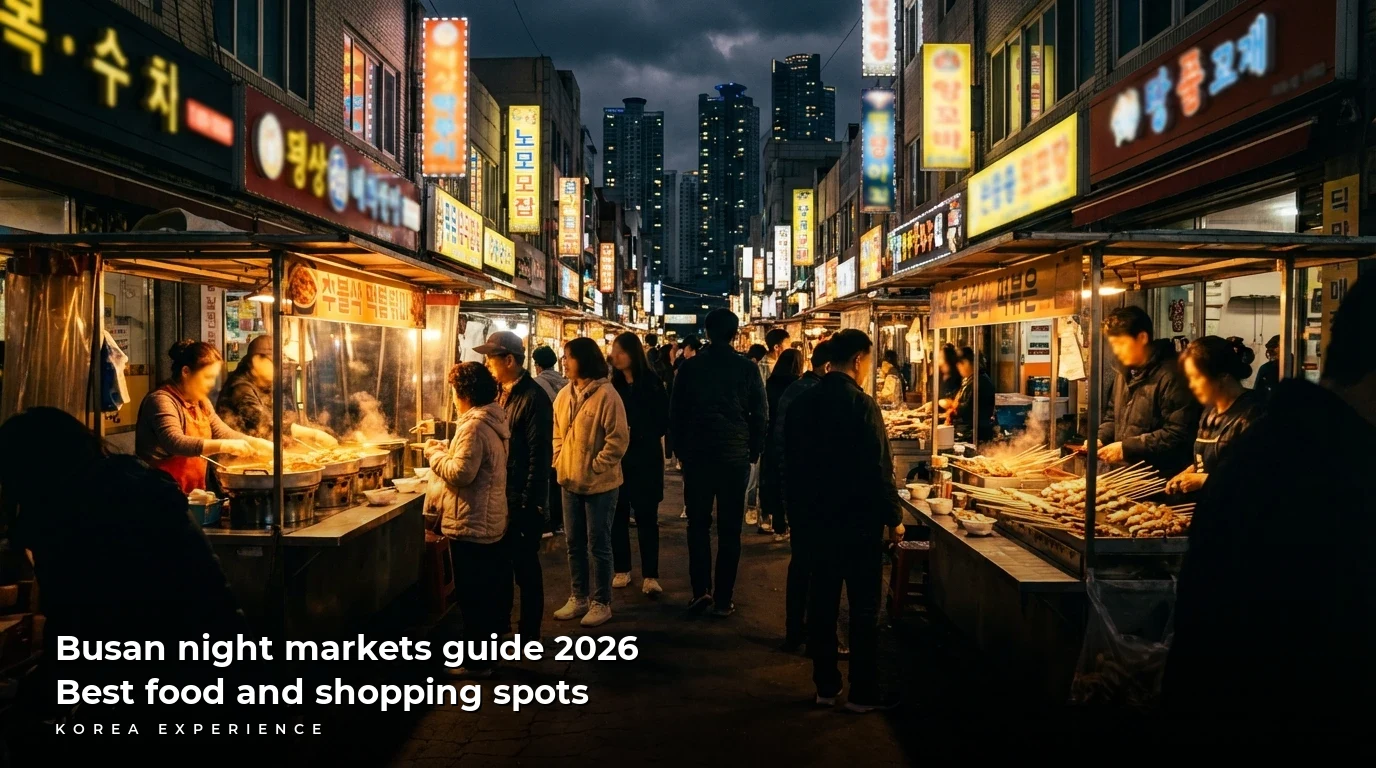
Discover the best Busan night markets in 2026. From Bupyeong Kkangtong's street food to Haeundae's seafood, find prices, hours, and transport tips.
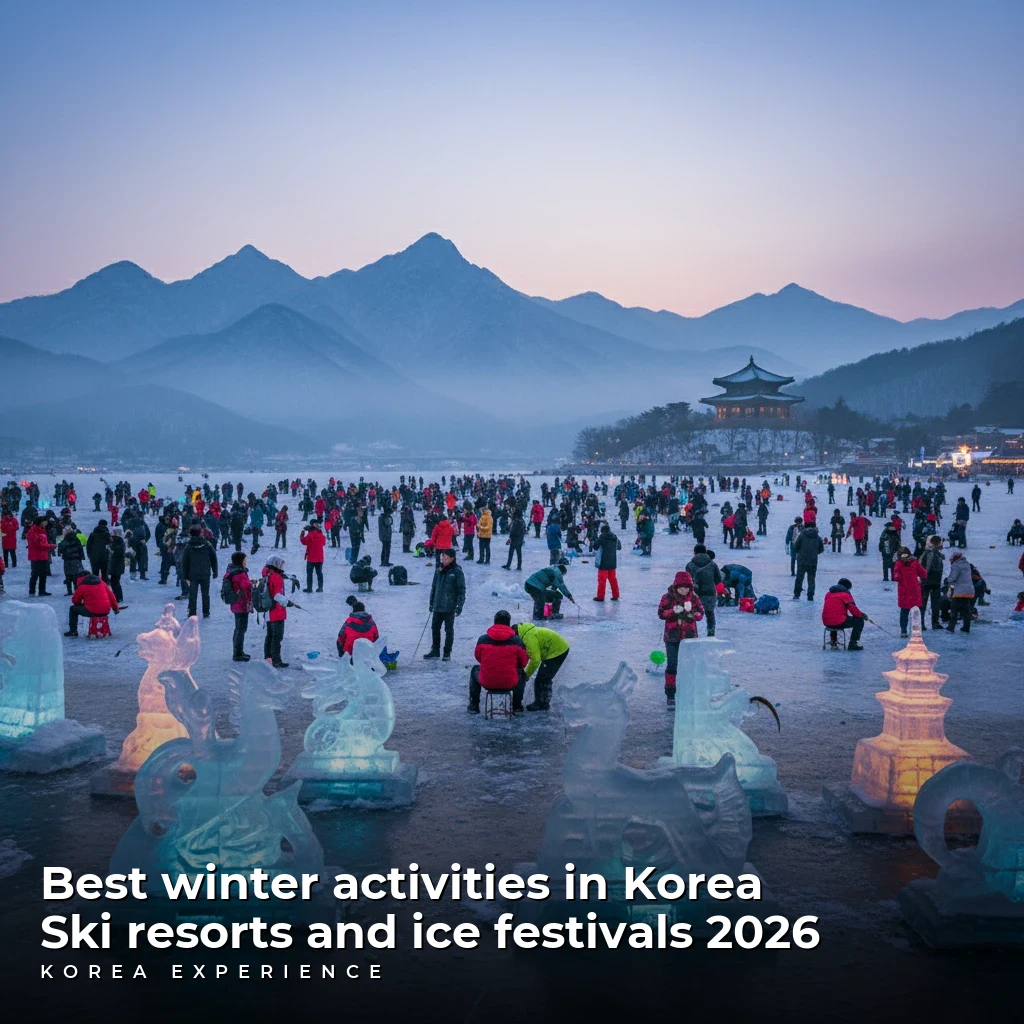
Discover top Korean ski resorts and ice festivals for 2026. From High1 to Hwacheon, find prices, transport tips, and gear rentals in our complete guide.
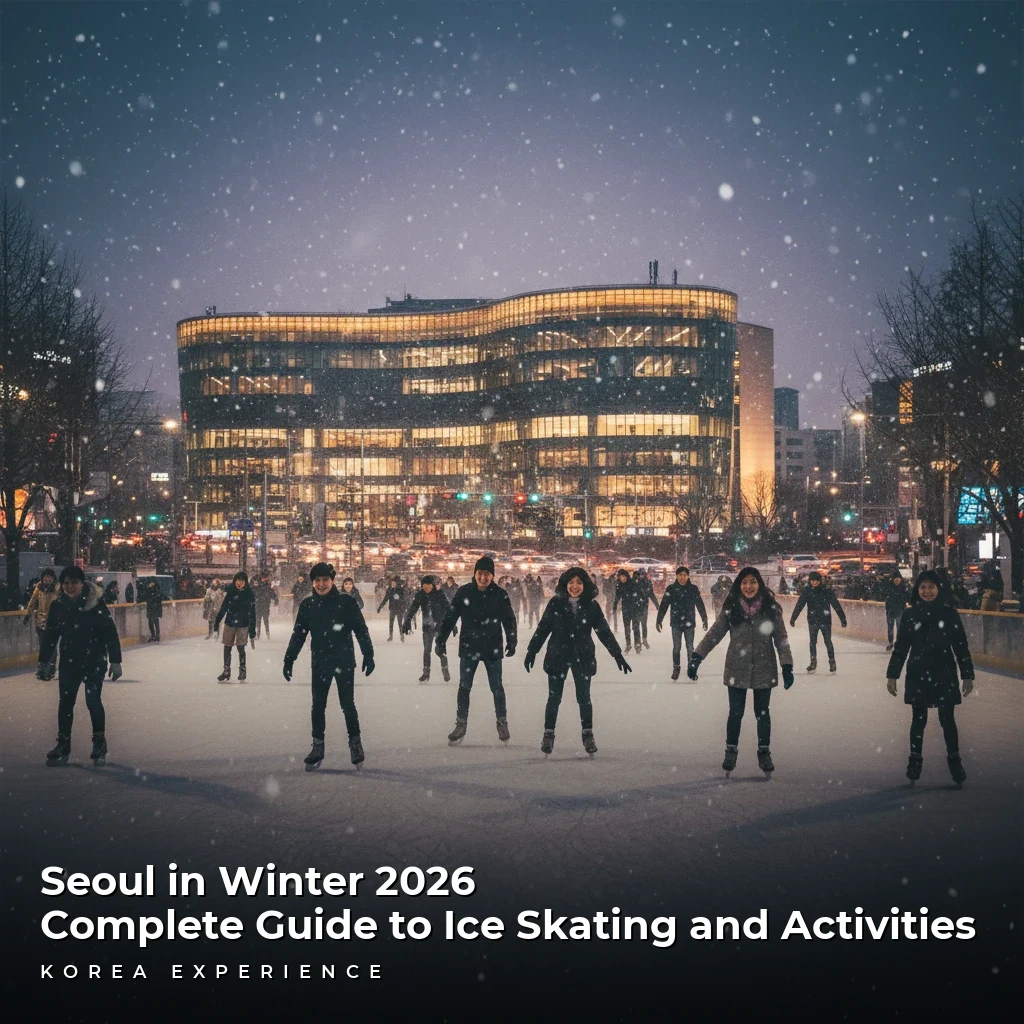
Discover Seoul's best winter spots for 2026. From ₩1,000 skating at City Hall to luxury spas, find temperatures, costs, and festivals in this complete guide.
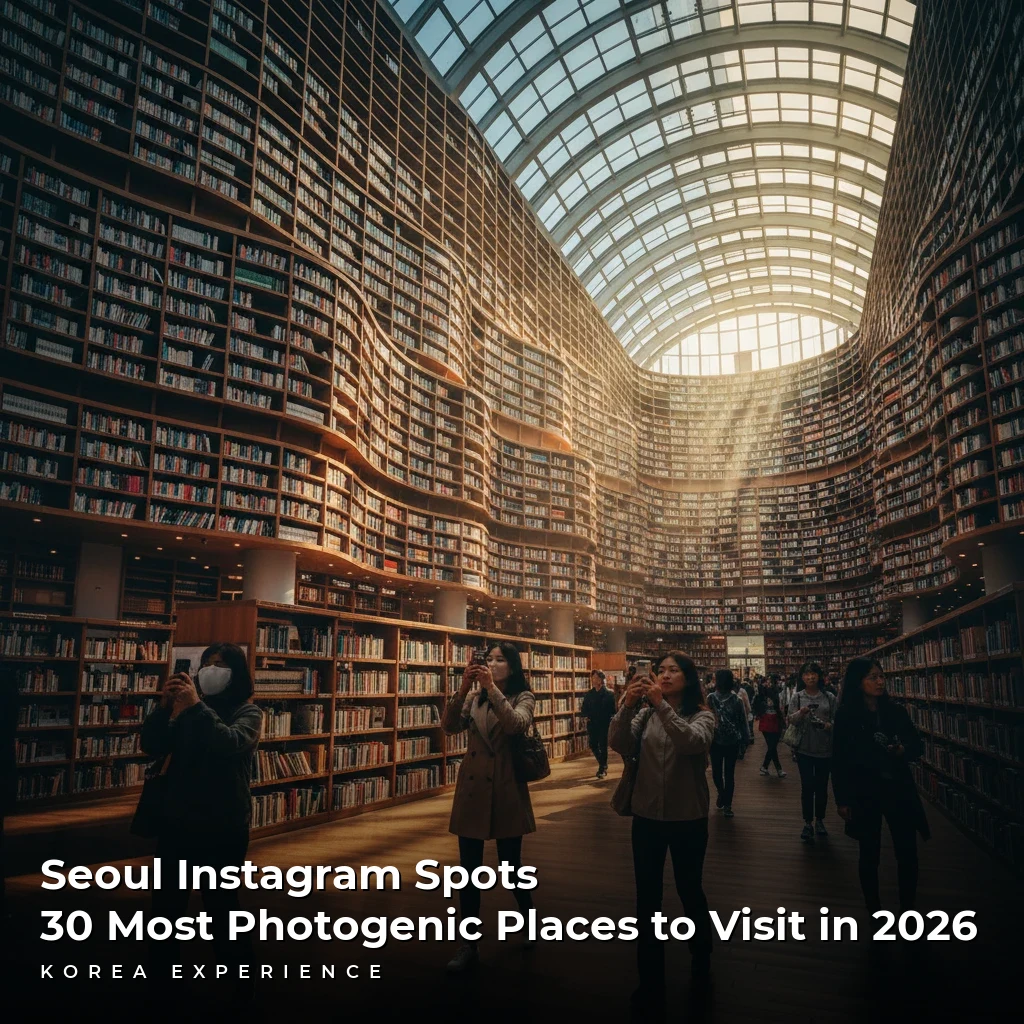
Discover the top 30 Seoul Instagram spots for 2026. From the new Starfield Library to hidden Hanok cafes, get precise locations, lighting tips, and costs.