Collecting K-Pop photocards the global market and trading etiquette
Master the art of K Pop photocard collecting in 2026 with our guide to global markets, trading etiquette, and exclusive Seoul shopping spots.
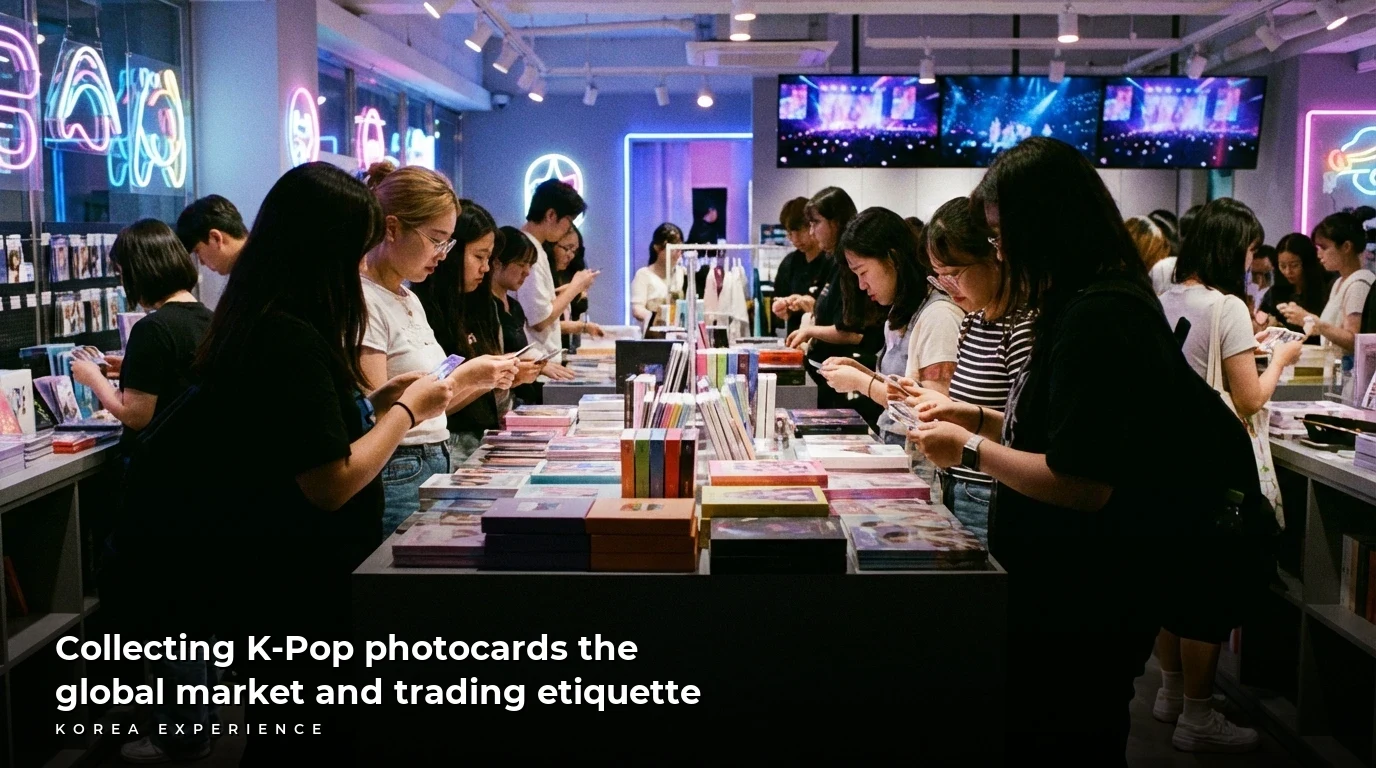
The world of K-Pop fandom has always been passionate, but as we enter 2026, the specific subculture of photocard collecting has evolved into a sophisticated global marketplace comparable to sports trading cards or luxury goods. What started as a simple CD inclusion has morphed into a multi-million dollar asset class where rare pieces of cardboard featuring idols like BTS, BLACKPINK, NewJeans, or the latest 5th-generation stars can command prices rivaling high-end electronics.
For the international fan or the traveler visiting Korea, navigating this landscape requires more than just enthusiasm. It demands an understanding of complex market dynamics, specific trading etiquette that varies by region, and knowledge of where to hunt for these treasures in the heart of Seoul. Whether you are hunting for a standard album inclusion or a rare broadcast event card, the ecosystem in 2026 is faster, more digital, yet deeply rooted in physical verification and trust.
For more details, check out our guide on K-Pop album unboxing culture photocards and inclusions guide.
Key Takeaways
- 1The 2026 photocard market creates a distinct split between mass-produced album inclusions ($5-20) and rare broadcast/event cards ($200+).
- 2Seoul remains the physical hub for collecting, with Myeongdong and Hongdae offering over 50 specialized offline shops.
- 3Global trading etiquette now mandates rigid 'video proof' standards and specific packaging protocols to prevent damage.
The State of the Photocard Market in 2026
By 2026, the "poca" (Korean slang for photocard) market has matured significantly. Industry analysts estimate the secondary market for K-Pop merchandise, driven primarily by photocards, now exceeds $500 million annually. This surge is fueled by entertainment agencies releasing an ever-increasing number of Pre-Order Benefits (POBs) and Lucky Draw events. Where an album in 2020 might have had 2-3 retail variants, major releases in 2026 often see upwards of 15 to 20 different retailer-exclusive cards per member.
Learn more in our comprehensive guide to K-Pop fan cafe culture daum vs weverse guide for global fans.
The democratization of buying platforms has also shifted the landscape. While Twitter (X) remains the community hub for trades, specialized apps utilizing AI for condition grading have captured 40% of the market share. However, for the true collector, the thrill remains in the physical hunt or the direct peer-to-peer trade.
Related reading: Best K-Pop concert venues in Seoul ultimate guide.
📊 2026 Market Snapshot
Understanding Valuation: Rarity vs. Demand
Not all cards are created equal. In 2026, the hierarchy of value is strictly defined. Standard album photocards generally depreciate over time unless the group disbands or the member gains massive solo popularity. Conversely, "Broadcast Cards"—gifted only to fans who attend live music show recordings in Seoul—have skyrocketed. A broadcast card that cost $300 in 2023 might trade for $550 to $800 in 2026 due to stricter attendance quotas at Korean broadcasting stations.
You might also enjoy our article about Hallyu 4.0 Guide Future of Korean Wave.
💵 Photocard Valuation Tiers (2026)
Extremely limited supply (less than 100 printed), distributed at inkigayo or fan meets.
Mass production cards or store pre-order benefits (POBs) available globally.
Buying in Seoul: The Offline Experience
For travelers coming to Korea, buying photocards offline is a bucket-list experience. Seoul is dotted with shops that function like consignment stores. Sellers rent small acrylic boxes (cubes) to display their cards, and the shop handles the transaction. The quintessential experience is no longer just finding the card, but finding it at the right price among hundreds of vendors.
Currency Prep
While many modern shops in Seoul accept cards, the best deals in underground shopping centers or flea markets are often cash-only. Always carry around 50,000 to ₩100,000 in mixed bills when going on a "poca tour."
Myeongdong Underground Shopping Center
Located directly connected to Myeongdong Station (Subway Line 4), this underground sprawling network remains the epicenter for K-Pop merchandise. As of 2026, roughly 30% of the storefronts here are dedicated purely to photocards and lightsticks.
Myeongdong Underground Mall(명동 지하상가)
Hongdae: The Gen-Z Hub
Hongdae offers a more curated experience. Stores like WithMuu AK Plaza and various pop-up cafes offer a cleaner, more organized shopping environment compared to Myeongdong. Here, you are more likely to find the latest POBs released within the last 2 weeks. The "Lucky Draw" machines—kiosks where you buy an album and receive a random exclusive card dispensed like a vending machine—are a staple here.
"When shopping in Hongdae, always check the back of the card against your phone's flashlight. Some consignment shops wrap cards in multiple layers of plastic. Ask the staff to let you inspect the surface for 'haja' (defects) before paying. A single scratch can drop the value by 40% in the Korean market."
Digital Platforms and Global Logistics
If you cannot visit Seoul, you are likely trading online. The global market relies on a few key platforms. Korean Twitter (X) is where the best deals are, but the language barrier is high. "Bunjang" (Korea's version of eBay/Craigslist) is the gold standard for finding rare items, but it requires a Korean phone number to register.
This restriction has given rise to the "Proxy" industry. Services like Neokyo, Delivered Korea, and various "Twitter Group Order Managers" (GOMs) act as intermediaries. They buy the item in Korea, receive it at a local warehouse, and ship it internationally. In 2026, shipping consolidation is key; shipping a single card via EMS costs $25, but shipping 50 cards costs roughly $30, bringing the per-unit shipping cost down to cents.
Buying Platform Comparison
| Feature | Twitter (X) | Bunjang (via Proxy) | Pocamarket |
|---|---|---|---|
| Price | $ (Cheapest) | $$ (Fair) | $$$ (Premium) |
| Safety | Low | Medium | High |
| Speed | Slow | Medium | Fast |
| English Support | None | Varies | Full |
Trading Etiquette: The Unspoken Rules
The etiquette for trading photocards is rigorous. The community operates on a reputation-based system. If you are entering the market in 2026, you must adhere to the "K-Etiquette" standards, which prioritize protection and transparency above all else. Failing to do so can get you blacklisted from major trading communities within 24 hours.
📖 How to Package a Photocard Correctly
Step 1: Sleeve It
Place the card in a penny sleeve (acid-free, PVC-free).
Step 2: Topload It
Insert the sleeved card into a hard plastic toploader.
Step 3: Reinforce
Sandwich the toploader between two pieces of stiff cardboard.
Step 4: Waterproof
Wrap the entire sandwich in bubble wrap or a poly bag.
The "Video Proof" Standard
Before any money or cards change hands, "Video Proof" is mandatory. This involves filming the card under a light source, moving it at angles to reveal any scratches or dents, and showing a piece of paper with your username and the current date/time written on it. In 2026, digitally altered proofs are a concern, so many buyers require you to say a specific code word during the video recording to prove it is live and authentic.
Red Flag Alert
Never accept a "static photo" as proof for a card valued over $20. If a seller refuses to send a video check via DM (Direct Message), walk away immediately. This is the #1 indicator of a scam in the 2026 market.
Group Orders (GOs): The Community Lifeline
For international fans, Group Orders are the most economical way to collect. A GOM (Group Order Manager) collects payments from 50-100 people, buys a bulk set of albums or cards from Korea to save on international shipping, and then distributes them domestically.
However, joining a GO requires patience. The timeline from "Claiming" a spot to "Receiving" the item can span 3 to 6 months depending on manufacturing delays and shipping consolidation.
Typical Group Order Lifecycle
Join & First Payment
Pay for the item cost only.
Items Arrive at K-Address
Manager consolidates items in Seoul warehouse.
Second Payment
Pay for international shipping (EMS/DHL).
Domestic Shipping
Manager receives items and ships to you.
Identifying Fakes and Replicas
As prices rise, so does the quality of counterfeits. In 2026, "Lomo cards" (unofficial replicas) have become shockingly realistic. The key to identifying a real card often lies in the manufacturing nuances that are hard to replicate cheaply.
Authentic Korean photocards usually have distinct "tabs" or "nubs" on specific edges—remnants of the die-cutting process where the card was punched out of a larger sheet. While some companies have moved to smooth cuts, the majority of standard album cards retain these markers. Furthermore, the finish (glossy vs. matte) is specific to each album version. A matte card for an album that was only printed with glossy inclusions is an immediate giveaway.
Verification Methods
- ✓Check for 'tabs' on corners (manufacturing dots)
- ✓Compare reflection under flash (gloss vs matte)
- ✓Weigh the card (standard is ~1.8g)
- ✗Lomo cards now mimic gloss finishes well
- ✗Some official cards are naturally miscut
- ✗Digital scans can look identical to real cards
The Cultural Impact and Future
Collecting photocards is more than consumerism; it is a form of digital-age connection. It allows fans in Brazil to interact with fans in Germany, united by a shared love for a group in Seoul. The "poca" has become a currency of affection. As we move deeper into 2026, we are seeing the integration of NFTs and digital collectibles, but the physical card remains king. There is a tangible emotional weight to holding a piece of your favorite artist's history that a digital file simply cannot replicate.
📋 Quick Facts: Collecting in Korea
Whether you are browsing the bustling undergrounds of Myeongdong or refreshing a Twitter feed in Chicago, the principles remain the same: respect the community, protect the goods, and enjoy the thrill of the hunt.
❓ Frequently Asked Questions
Have more questions?Contact us →
About the Author
Korea Experience Team
Written by the Korea Experience editorial team - experts in Korean medical tourism, travel, and culture with years of research and firsthand experience.
Explore more in K-Culture
K-Pop, K-Drama, traditional arts, and modern culture — dive deep into the cultural phenomena that have captivated the world.
Browse All K-Culture ArticlesContinue Reading
Explore more articles you might find interesting
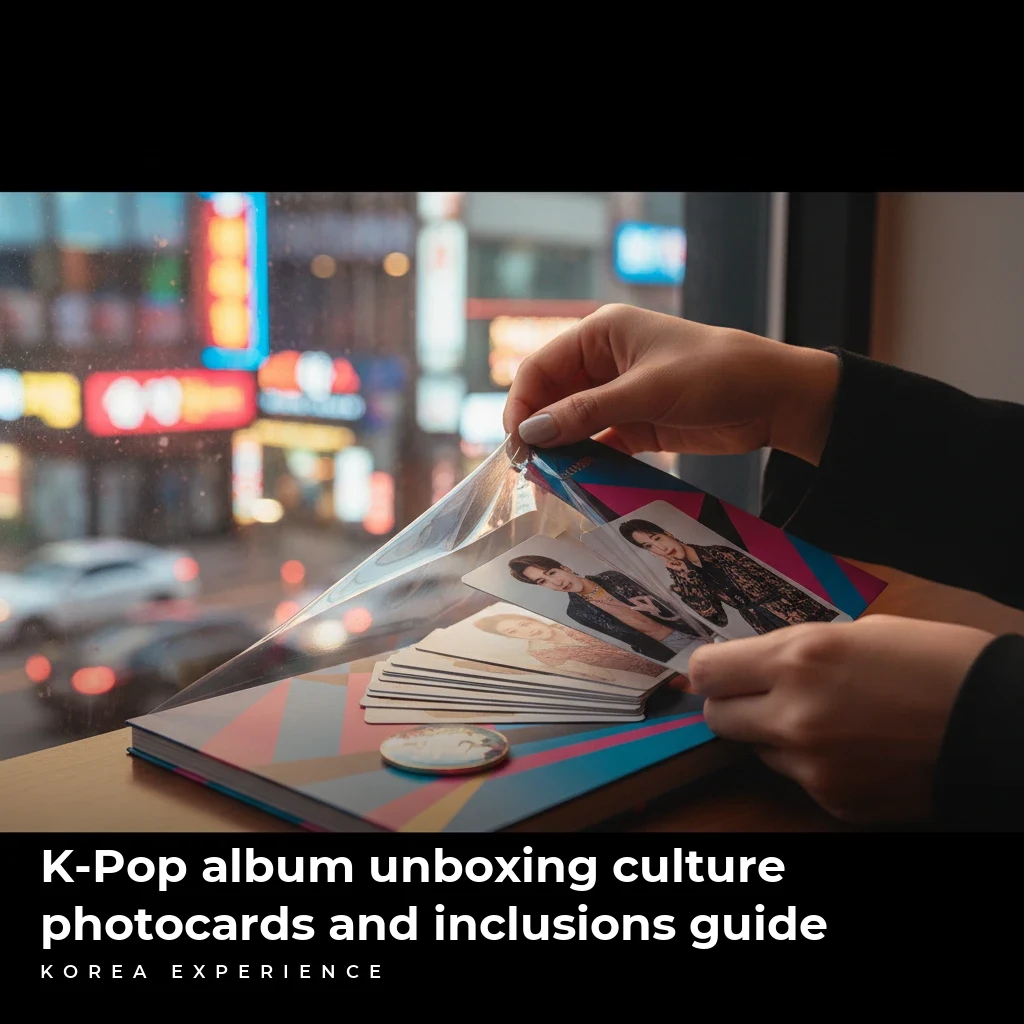
Discover the world of K Pop album unboxing culture. Learn about photocards inclusions buying in Seoul and trading etiquette for international fans.
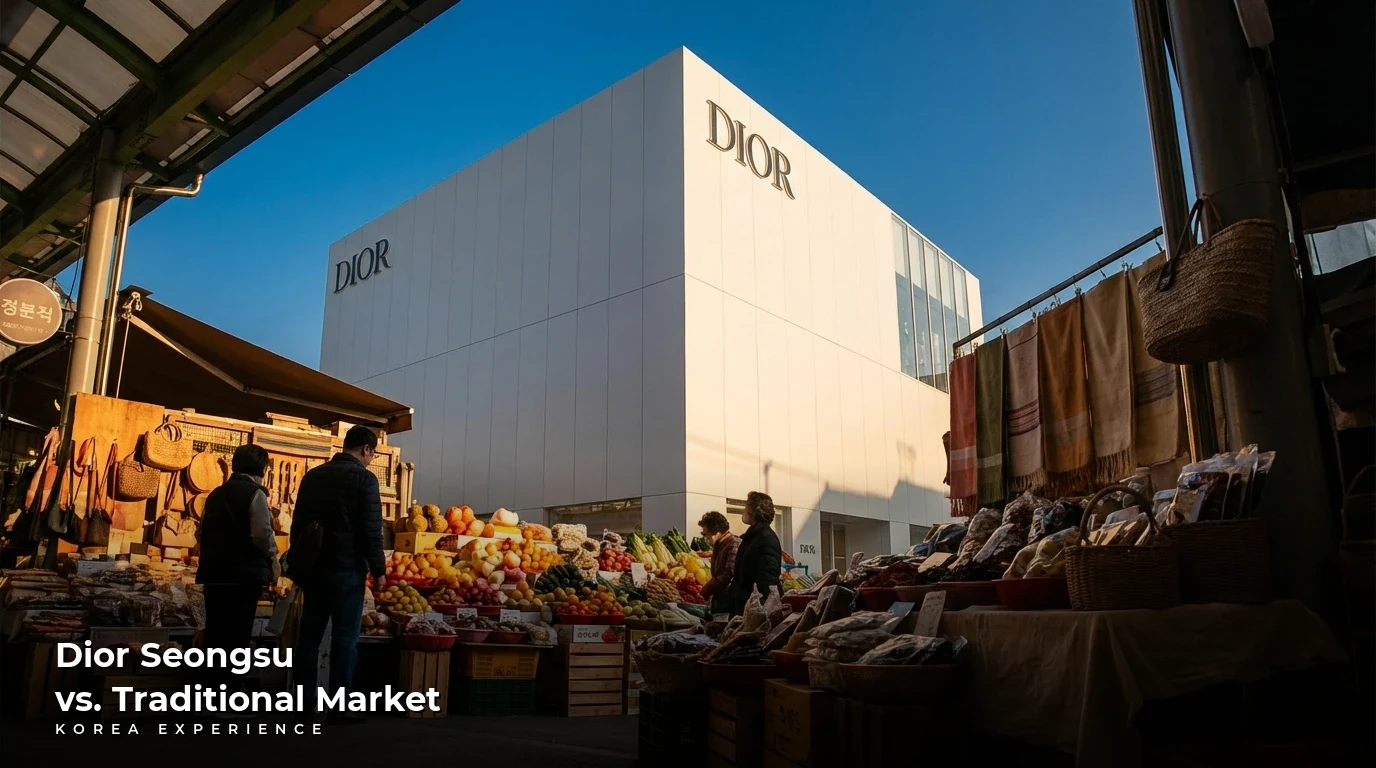
Discover how to mix a $15 Dior Seongsu latte with a $3.80 market pancake in 2026. Master the WOWPASS and Climate Card to conquer Seoul on any budget.
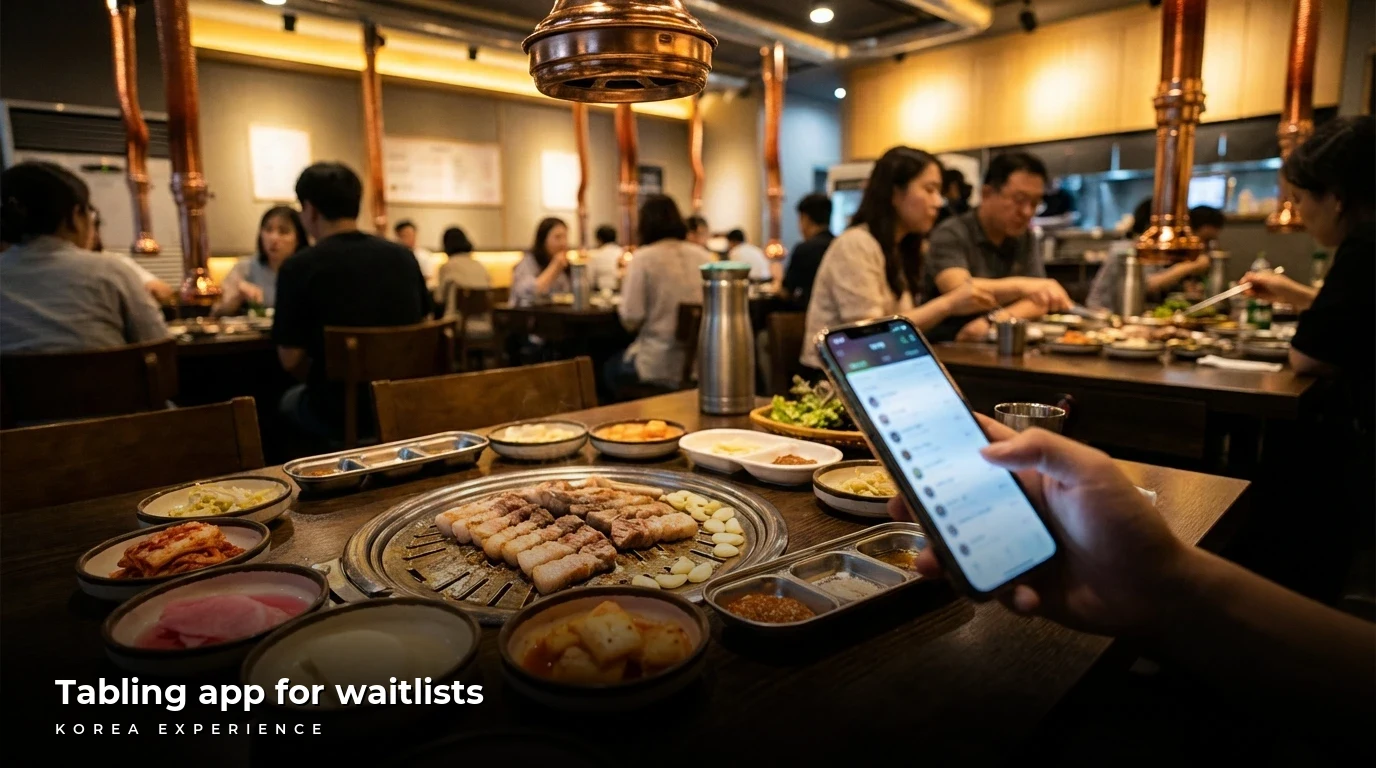
Master Seoul dining in 2026 with our guide to avoiding the 40% no-show penalty and booking top spots like London Bagel Museum without a Korean ID.

Master the 2026 glass skin look with our guide to Korean cushion foundations. Discover top brands, application tips, and shopping spots in Seoul.

Master the art of grocery shopping in Korea with our 2026 guide to E-Mart, Market Kurly, and local markets. Save money and eat well.
Master the art of shopping at Seoul's massive night market. Learn the rules of MOQ, best buildings for quality.