Seoul Nightlife Guide 2026: Best Clubs, Bars & Cultural Spots
Discover the best of Seoul nightlife in 2026. From Gangnam clubs with ₩30,000 covers to free Han River picnics, get the ultimate guide for foreigners.
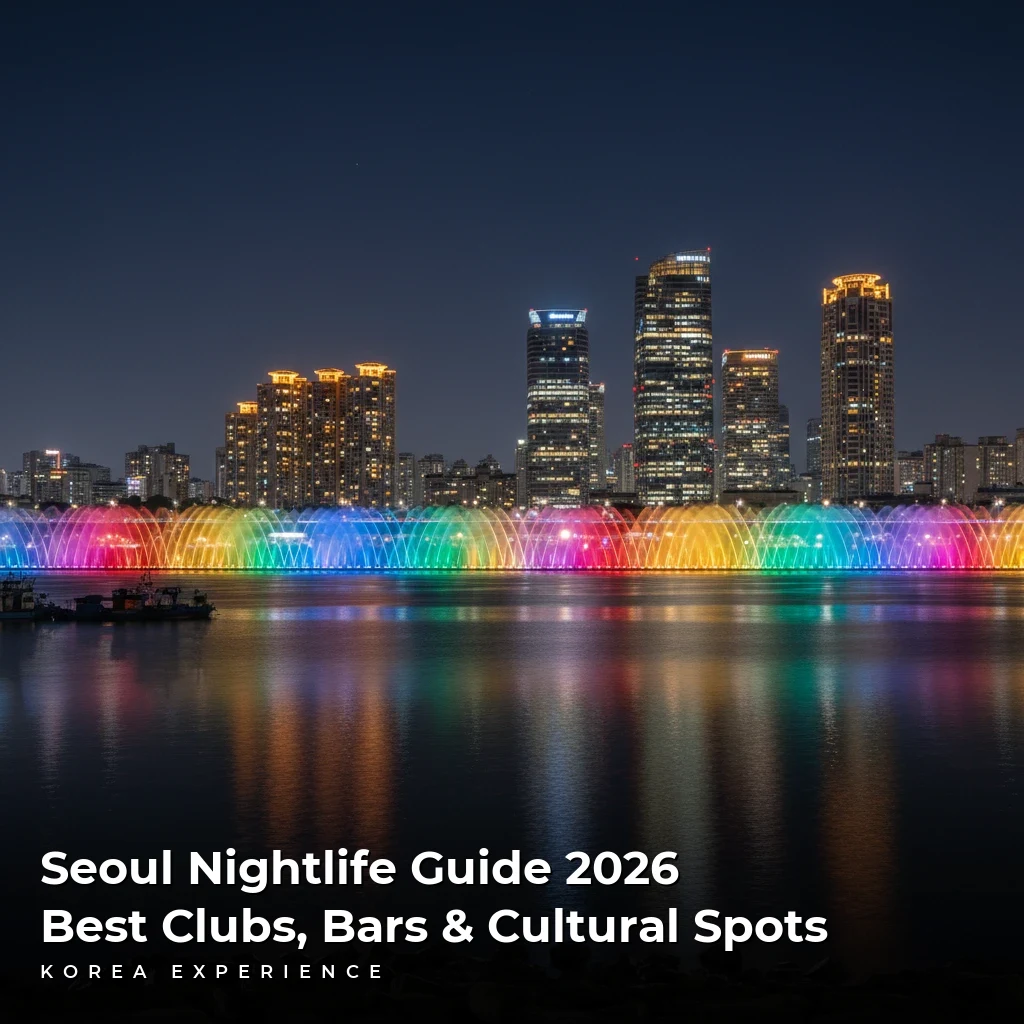
Seoul is a city that truly never sleeps, offering a spectrum of nocturnal activities that range from high-energy electronic dance music festivals to serene, moonlit walks along ancient palace walls. If you are looking for the best places to experience the capital after dark, the short answer is that your destination depends entirely on your budget and musical preference.
The short answer: Seoul nightlife is divided into three main zones: Hongdae (youthful, indie, affordable with ₩15,000 entry fees), Itaewon (international, diverse, English-friendly), and Gangnam (luxury, high-end clubs with tables starting at ₩300,000).
For international visitors in 2026, navigating this landscape requires more than just a map; it requires an understanding of the distinct "vibes" of each district, the unspoken rules of etiquette, and the logistical realities of getting home after the subways close at midnight. Whether you want to sip craft cocktails in a hidden speakeasy in Euljiro or dance until 6:00 AM in a mega-club in Sinsa-dong, this guide covers every aspect of the Seoul nightlife experience.
Key Takeaways
- 1Public transport closes around 12:30 AM; taxis charge a 20-40% surcharge at night.
- 2Always carry your physical passport; photos of ID are rarely accepted at clubs.
- 3Hongdae is best for students and budgets; Gangnam is for luxury clubbing.
The Geography of Seoul Nightlife: Where to Go?
Seoul’s nightlife is geographically segmented, with the Han River acting as the dividing line between the gritty, artistic north (Gangbuk) and the polished, affluent south (Gangnam). Understanding this layout is crucial because crossing the river by taxi at 3:00 AM can cost upwards of ₩30,000 depending on traffic and surcharges.
📋 Nightlife at a Glance
1. Hongdae (Hongik University Area)
Vibe: Youthful, energetic, chaotic, and affordable. Target Audience: University students, backpackers, and travelers aged 18–25. Key Stats:
- Average cocktail price: ₩8,000–12,000.
- Cover charges: Often free or under ₩20,000 (includes one drink).
- Distance from City Center: 15 minutes by subway from Seoul Station.
Hongdae is the epicenter of Korea's youth culture. The streets here are alive 24/7, but they truly transform after 7:00 PM. The area is famous for "Hongdae Playground" and the pedestrian-friendly shopping streets where buskers perform K-Pop covers to large crowds. This is the most accessible area for foreigners who don't speak Korean, as the menus are almost always in English, and the crowd is eager to mingle.
Pro Tip: The 'Club Day' is Gone
Years ago, Hongdae had a specific "Club Day" ticket. In 2026, this system is largely obsolete. You pay per venue, but entry fees are low. Many clubs allow "hopping" if you keep your wristband, but always ask the bouncer first.
2. Itaewon & Hannam-dong
Vibe: International, diverse, LGBTQ+ friendly, and sophisticated. Target Audience: Expats, military personnel, tourists, and older professionals (25–40). Key Stats:
- Average cocktail price: ₩12,000–18,000.
- Cover charges: Varies, usually ₩10,000–20,000.
Itaewon has reinvented itself multiple times. Once known purely for US military bars, it is now a culinary hotspot. The area behind the Hamilton Hotel is dense with clubs and lounges playing Hip-Hop, House, and Top 40. Just down the road, Hannam-dong offers a much quieter, upscale experience with speakeasies and whiskey bars where a glass of single malt might cost ₩25,000.
3. Gangnam (Sinsa, Cheongdam, Apgujeong)
Vibe: Luxurious, intense, image-conscious, and expensive. Target Audience: Professionals, celebrities, influencers, and those with a high budget. Key Stats:
- Average cocktail price: ₩20,000+.
- Table Service: Starts at ₩300,000 for a basic bottle set; VIP tables reach ₩3,000,000+.
Gangnam is where the "Psy" song originated, but the reality is far glossier. This is the land of "Booking Clubs" (nightclubs where waiters physically bring women to men's tables—a unique cultural phenomenon) and high-end EDM venues. Dress codes here are strict: no open-toed shoes (for men), no shorts, and no excessive tattoos visible in some ultra-exclusive spots.
💵 Night Out Cost Comparison
Table service, premium vodka, taxi
Soju dinner, club entry, street food
Best Clubs and Bars for Foreigners in 2026
When choosing a venue, it is essential to know that some establishments in Korea are "Korean Only." While this is becoming rarer in 2026 due to anti-discrimination awareness, it still happens in certain local hunting pochas. The venues listed below are verified foreigner-friendly as of early 2026.
The Heavy Hitters
1. Mike's Cabin (Hongdae) A legendary spot for foreigners. It features a woodland cabin aesthetic and plays a mix of reggaeton, pop, and hip-hop. It is incredibly crowded on weekends, so arrive before 10:30 PM to avoid a 30-minute queue.
- Entry: usually ₩10,000 (cash preferred).
2. Faust (Itaewon) For techno purists, Faust is a pilgrimage site. Located near the main strip, it features a world-class sound system and frequently hosts international DJs. It is dark, smoky, and serious about music.
- Entry: ₩20,000–30,000.
3. Club Octagon / Race / The New Iterations (Gangnam) Gangnam's mega-club scene changes names frequently. As of 2026, the major electronic clubs near the New Hilltop Hotel area remain the gold standard for sound and lighting production.
- Warning: Strict ID checks and dress codes apply.
Times Food & Jazz(타임즈 푸드 앤 재즈)
Beyond the Clubs: Cultural Nightlife
Not everyone wants to drink until sunrise. Seoul offers incredible "dry" nightlife options that allow you to soak in the culture without the hangover.
1. The Han River Parks (Hangang)
From April to October, the Han River parks are the city's living room. The Banpo Bridge Rainbow Fountain puts on a show with water jets and lights synchronized to music.
- Show Times: Usually 7:30 PM, 8:00 PM, 8:30 PM, 9:00 PM (April–October).
- Activity: "Chimaek" (Chicken and Beer). You can order delivery chicken directly to specific "Delivery Zones" in the park.
- Cost: Free (excluding food).
If you are planning a late-night picnic, check out our guide on Korean fried chicken to know which brand to order to your picnic mat.
2. Night Markets
The Bamdokkaebi Night Market has returned in full force for 2026. Located usually at Yeouido or DDP (Dongdaemun Design Plaza), these markets run on Friday and Saturday nights from 6:00 PM to 11:00 PM.
- Food: Food trucks selling fusion cuisine (steak sushi, kimchi tacos).
- Price: ₩8,000–12,000 per dish.
3. Late Night Shopping at Dongdaemun
The fashion wholesale district in Dongdaemun operates in reverse. Malls like APM and Migliore are open until 4:00 AM or 5:00 AM.
- Pro Tip: While many floors are for wholesale (bulk buying), retail floors exist. It is a surreal experience to shop for sweaters at 3:00 AM.
If you visit a 'Hunting Pocha' (a bar specifically for meeting singles), you must order 'Anju' (food). You cannot just order alcohol. Usually, the minimum table spend for food is around ₩25,000.
The "Hipjiro" Phenomenon: Euljiro's Retro Nightlife
If you find Gangnam too pretentious and Hongdae too young, head to Euljiro. Nicknamed "Hipjiro," this area is a maze of industrial printing presses by day and trendy wine bars/beer alleys by night.
Nogari Alley: This specific street in Euljiro 3-ga is famous for plastic tables set up on the street. Thousands of people gather here to drink cheap draft beer (Max or Cass) and eat dried Pollack (Nogari).
- Beer Price: ₩4,500 per pint.
- Nogari Price: ₩2,000 per fish.
- Atmosphere: Loud, chaotic, authentic, and incredibly fun.
This area represents the "Newtro" (New + Retro) trend sweeping Korea. For a deeper dive into how traditional areas are modernizing, read our comparison of Seongsu-dong's luxury vs. market vibes.
Safety and Logistics: Surviving the Night
Seoul is statistically one of the safest cities in the world, with a violent crime rate far lower than major Western capitals. However, alcohol-fueled incidents do occur, and petty theft in crowded clubs is possible.
The Transport Crunch
The most critical logistical challenge in Seoul is the "Midnight Transport Gap."
- Subway: Lines usually stop running between 12:00 AM and 1:00 AM.
- Buses: Most stop around 11:30 PM, though "N-Buses" (Night Buses) run on specific routes every 40–50 minutes.
- Taxis: This is the pain point. Between 12:00 AM and 2:00 AM, getting a taxi in Gangnam or Hongdae is notoriously difficult.
📖 How to Hail a Taxi at 2 AM
Step 1: Download Kakao T
You cannot rely on waving hands. You need the Kakao T or Uber (UT) app.
Step 2: Select 'Blue' or 'Venti'
Standard taxis may reject short distances. 'Blue' costs ₩1,000-3,000 extra but guarantees pickup.
Step 3: Look for Designated Stands
In Gangnam, police enforce taxi queues at major intersections like Gangnam Station Exit 10.
Safety for Solo Travelers
Korea has extensive CCTV coverage (over 1.5 million cameras citywide).
- Drink Spiking: While rare compared to Europe, it is not non-existent. Watch your drink in crowded Itaewon clubs.
- Scams: Avoid "karaoke bars" where aggressive touts try to pull you in from the street. These can be overpriced setups where a bottle of whisky is charged at ₩1,000,000. Stick to reputable venues.
- Emergency: Dial 112 for Police (interpreters available).
For a comprehensive breakdown of surviving 24 hours in the city, check our 24-hour Seoul itinerary.
The After-Party: Noraebang, PC Bangs, and Jimjilbangs
When the clubs close at 5:00 AM, or if you just want a break, Korea offers distinct "3rd places."
1. Coin Noraebang (Karaoke)
Unlike Western karaoke where you sing in front of strangers, Korean Noraebang is done in private rooms. "Coin Noraebangs" are small booths perfect for 1-2 people.
- Cost: ₩1,000 for 2–3 songs.
- Availability: Everywhere, 24/7.
2. PC Bangs (Internet Cafes)
These are high-end gaming centers with comfortable leather chairs and incredibly fast computers.
- Cost: ₩1,500–2,000 per hour.
- Food: You can order ramen, fried rice, and iced coffee directly to your computer. It is a common way to wait for the first train.
3. Jimjilbang (Korean Spa)
If you missed the last train and don't want to pay for a hotel, a Jimjilbang is the classic solution.
- Entry: ₩12,000–18,000 (night rate).
- Amenities: Hot baths, saunas, and a sleeping hall (sleeping on the floor on mats).
- Note: Some high-end spas have closed post-2022, but staples like Sparei (Dongdaemun) remain open.
Late Night Options
| Feature | Clubbing | Noraebang | Jimjilbang |
|---|---|---|---|
| Cost (approx) | ₩50,000+ | ₩5,000/hr | ₩15,000 |
| Energy Level | High | Medium | Low |
| Rest Possible? | No | Yes | Yes |
Drinking Etiquette: Do as the Locals Do
Even in a loud bar, hierarchical culture persists. If you are drinking with Koreans:
- Pouring: Never pour your own drink. Pour for others using two hands (one hand on the bottle, the other supporting your wrist or elbow) to show respect.
- Receiving: Hold your glass with two hands when receiving a drink.
- The First Shot: It is polite to turn your head away from the eldest person at the table when drinking the first shot.
For a deeper dive into solo dining and drinking norms, refer to our guide on best spots for solo dining (Hon-bap).
📊 Soju Statistics
The Hangover Cure
Finally, no nightlife guide is complete without mentioning "Hajeang-guk" (Hangover Soup). Koreans believe in sweating out the alcohol with spicy, hearty broths.
- Pyeo-haejang-guk: Pork bone soup. Rich and spicy.
- Kongnamul-gukbap: Bean sprout soup with rice. Lighter and refreshing.
- Convenience Store: If you can't make it to a restaurant, grab a bottle of "Condition" (a hangover relief drink, approx ₩5,000) and cup ramen from a CU or GS25. Read about the best convenience store foods to save your morning.
Conclusion
Seoul's nightlife is a beast of its own. It is intense, safe, and incredibly varied. Whether you are spending millions of Won on champagne trains in Cheongdam-dong or drinking ₩2,000 beers on a plastic chair in Euljiro, the energy of the city is palpable.
Remember to download Kakao T for transport, keep Naver Map handy for navigation, and always have your passport if you plan on entering any age-restricted venues. The night in Seoul is long, and the memories (or lack thereof) will be unforgettable.
❓ Frequently Asked Questions
Have more questions?Contact us →
Seoul Nightlife Pros & Cons
- ✓Incredibly safe streets even at 3 AM
- ✓Diverse options from luxury to budget
- ✓24-hour food availability everywhere
- ✓High energy and great sound systems
- ✗Subway closes early (midnight)
- ✗Taxis are very hard to find at 1 AM
- ✗Strict dress codes in Gangnam
- ✗Cigarette smoke is still common in some smoking rooms
About the Author
Korea Experience Team
Written by the Korea Experience editorial team - experts in Korean medical tourism, travel, and culture with years of research and firsthand experience.
Explore more in Travel & Tourism
From Seoul's neon-lit streets to Jeju's volcanic landscapes — discover the best of Korea with insider travel tips, itineraries, and seasonal guides.
Browse All Travel & Tourism ArticlesContinue Reading
Explore more articles you might find interesting
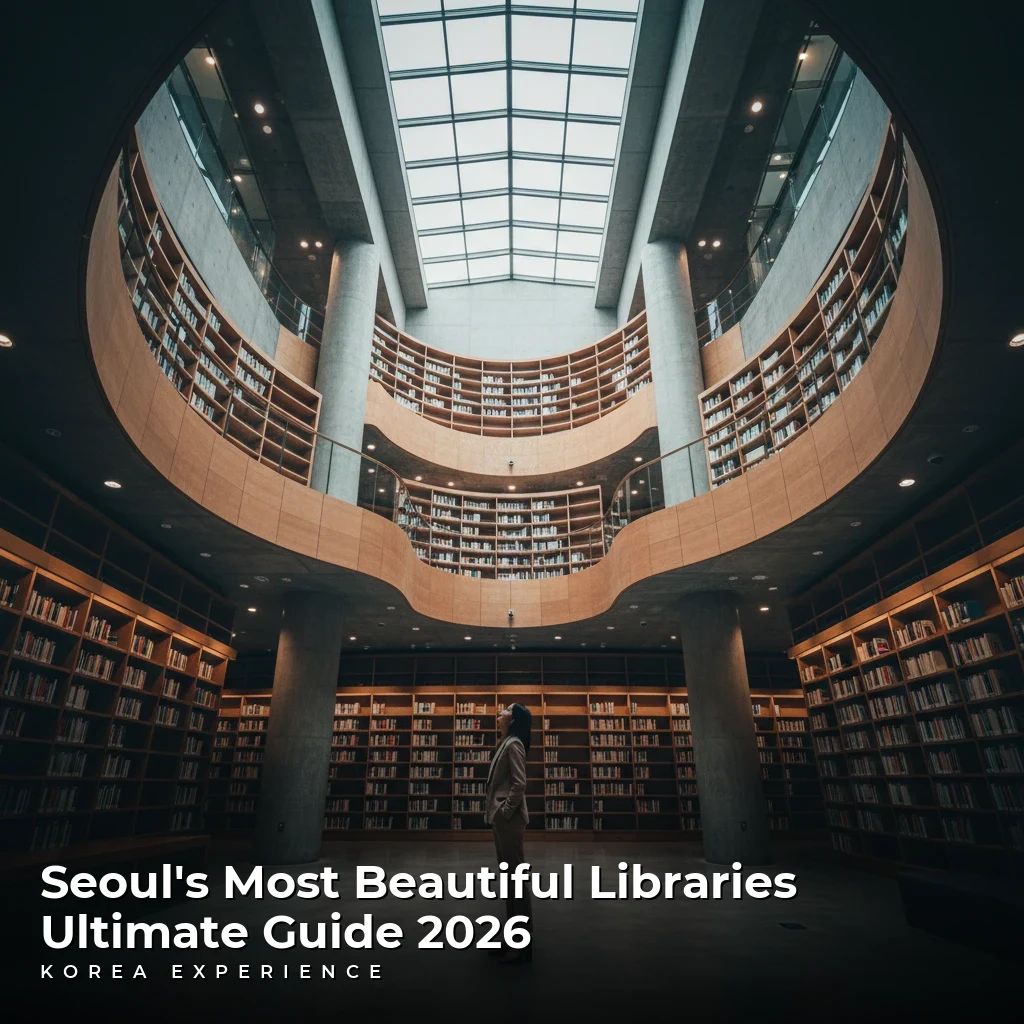
Discover Seoul's stunning libraries in 2026. From the 13m shelves of Starfield to hidden Hanok gems. Free entry details and photo spots included.
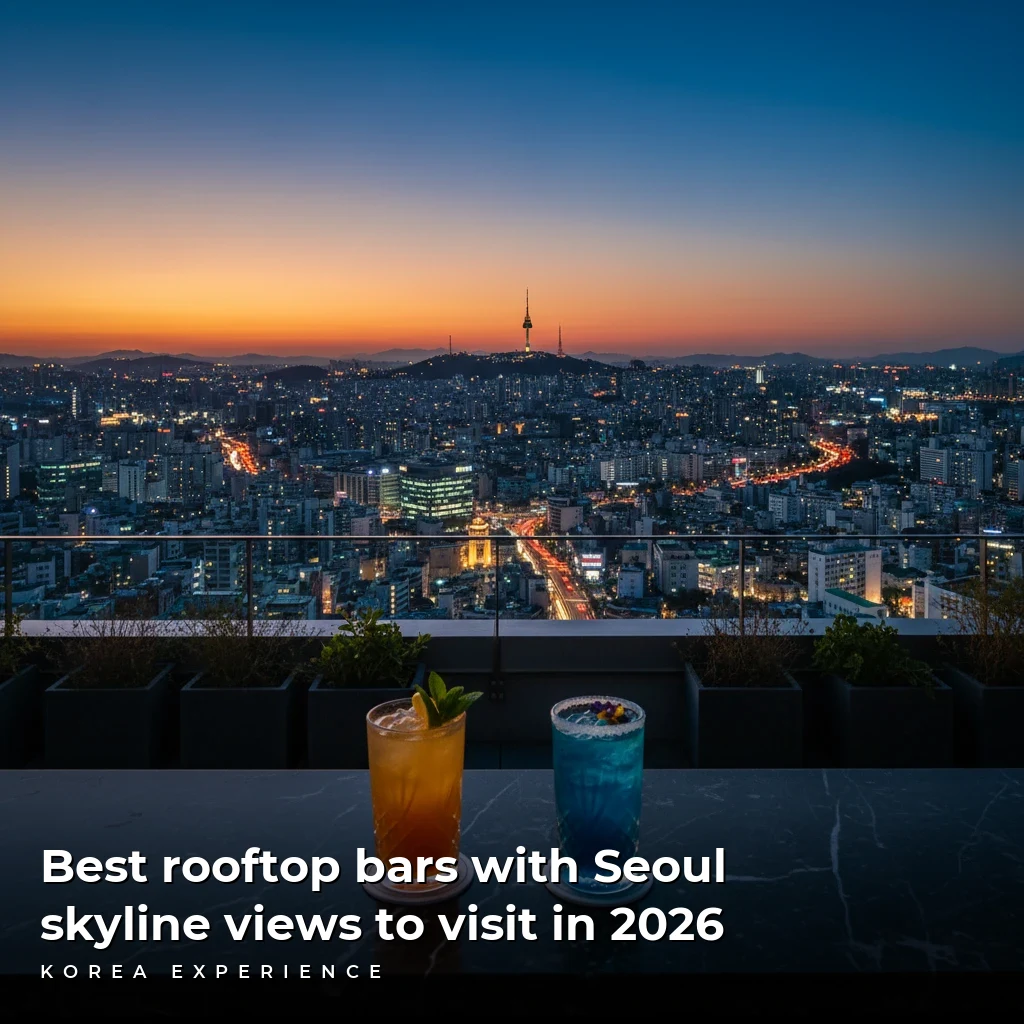
Discover the top rooftop bars in Seoul for 2026. From Gangnam luxury to Hongdae vibes, find prices, dress codes, and the best sunset spots starting at ₩15,000.
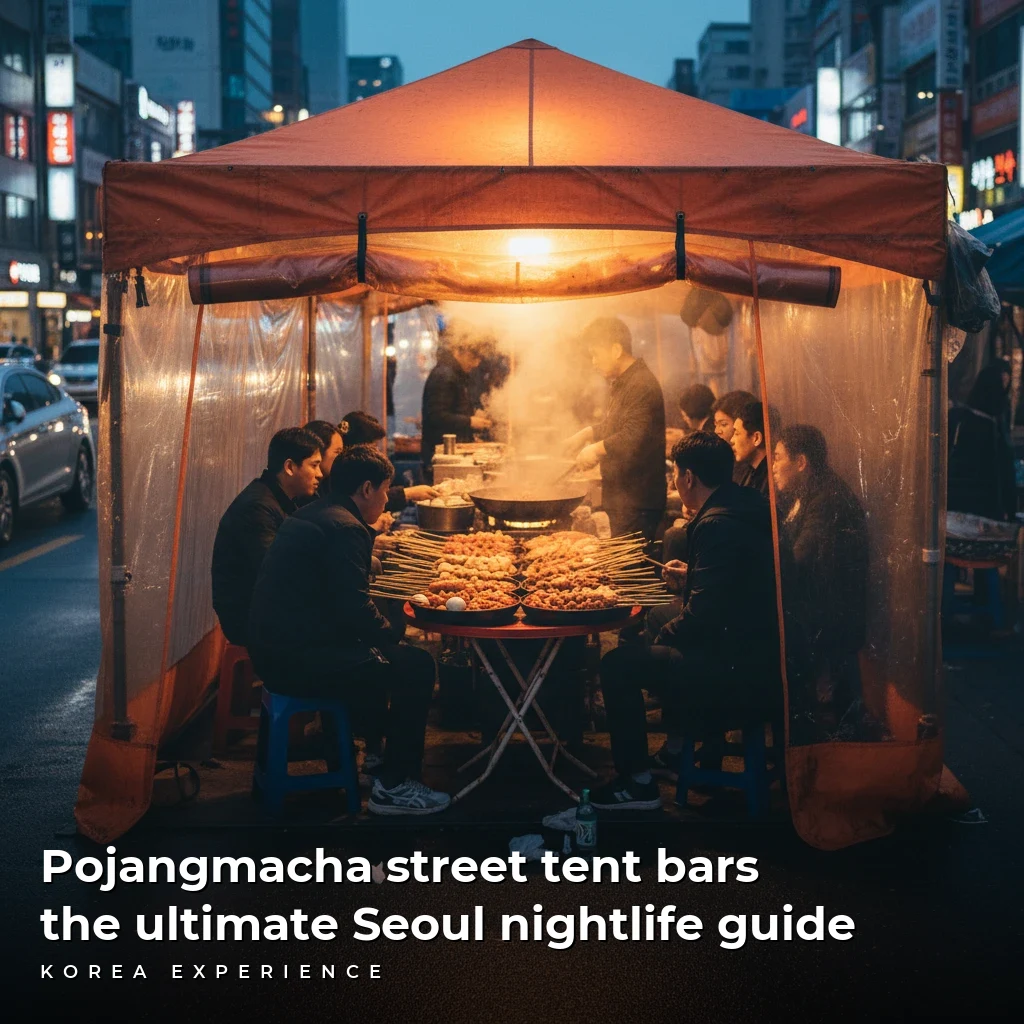
Discover the authentic charm of Korea's pojangmacha. A complete guide to tent bar locations, menu prices, etiquette, and tips for 2026.
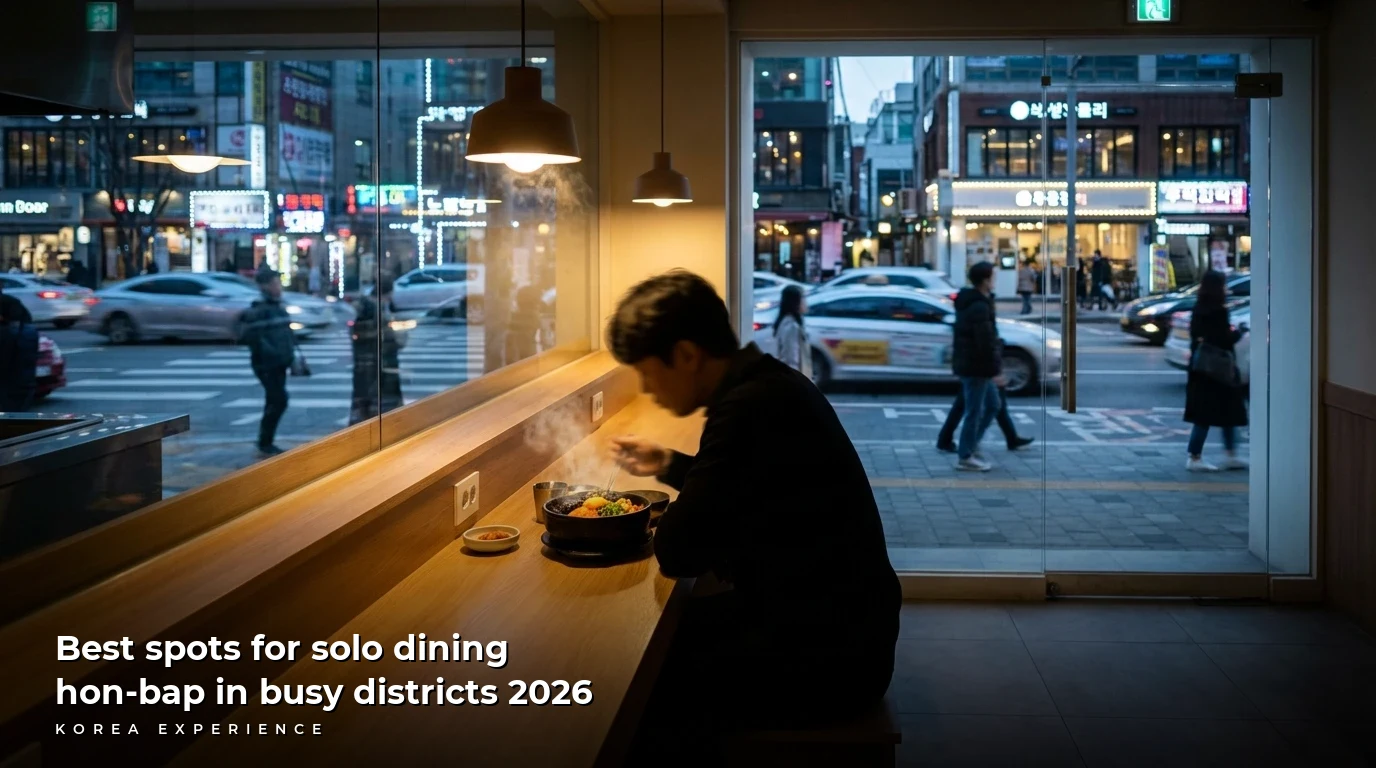
The ultimate guide to solo dining in Seoul. Discover the best Hon Bap spots in Gangnam, Hongdae, and Myeongdong with 2026 prices and tips.
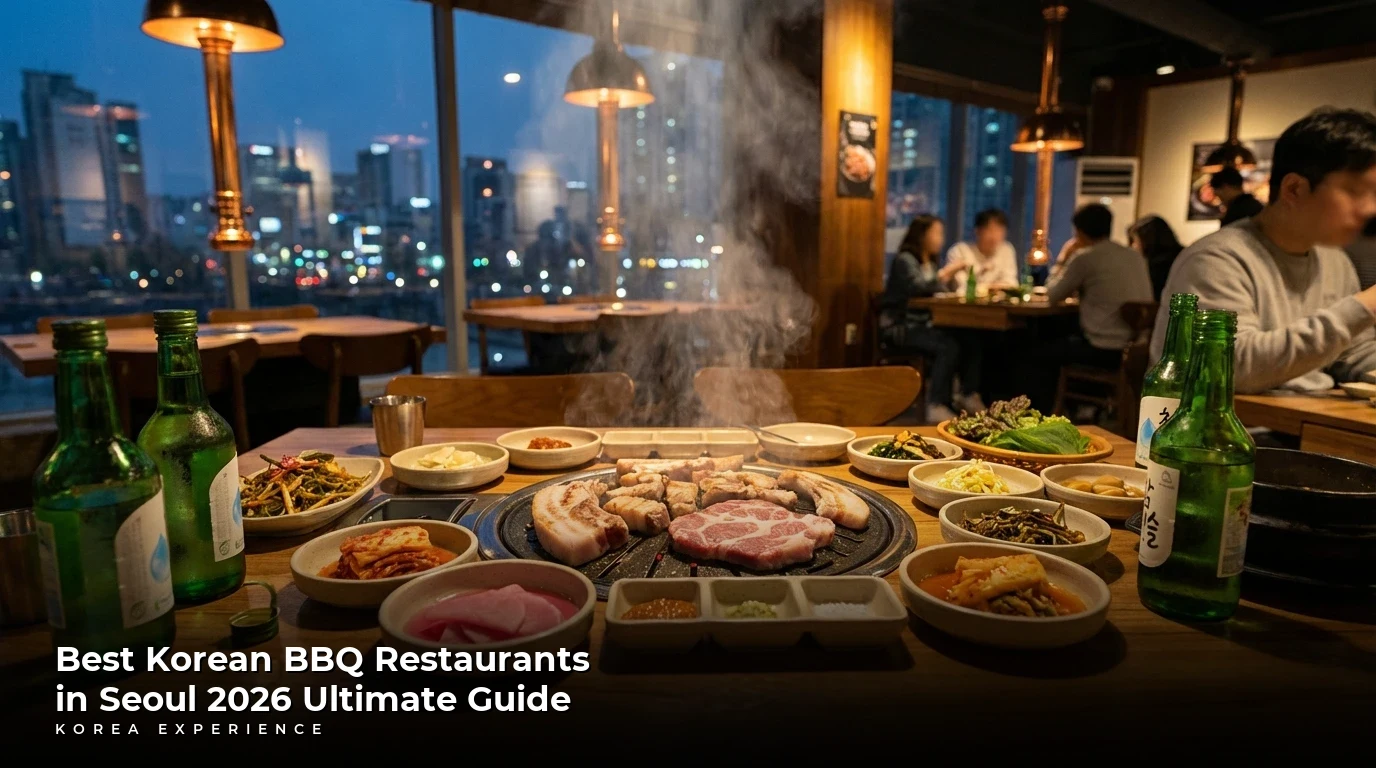
Discover the top Korean BBQ spots in Seoul for 2026. From premium Hanwoo beef to authentic Jeju pork, explore the best grills in Gangnam and Hongdae.
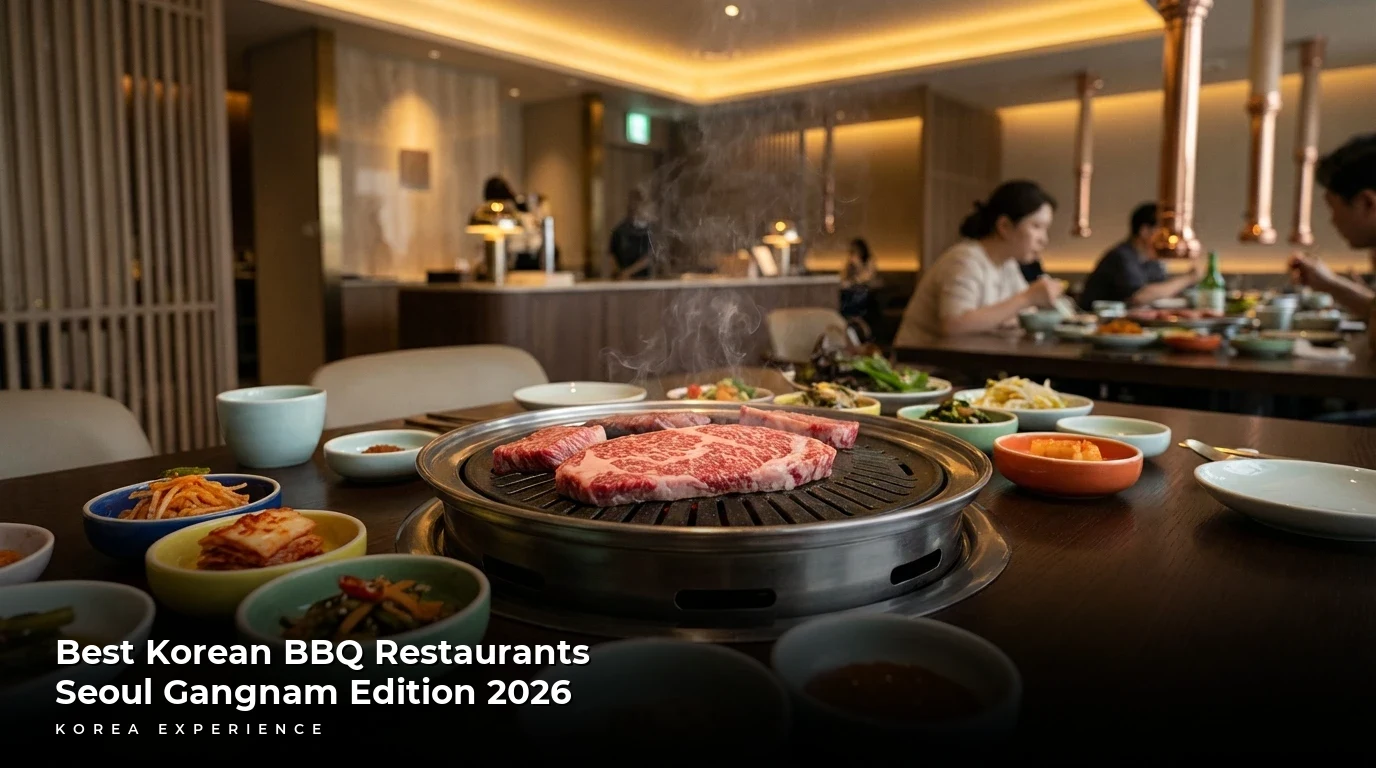
Discover the ultimate guide to the top rated Korean BBQ spots in Gangnam for 2026. From luxury Hanwoo to aged pork, here is where to eat.