Silicone vs Gore-Tex Implants for Rhinoplasty in Korea
Considering rhinoplasty in Korea? Learn about silicone vs Gore-Tex implants, their pros and cons, costs, and choosing the right option for your desired nose shape.
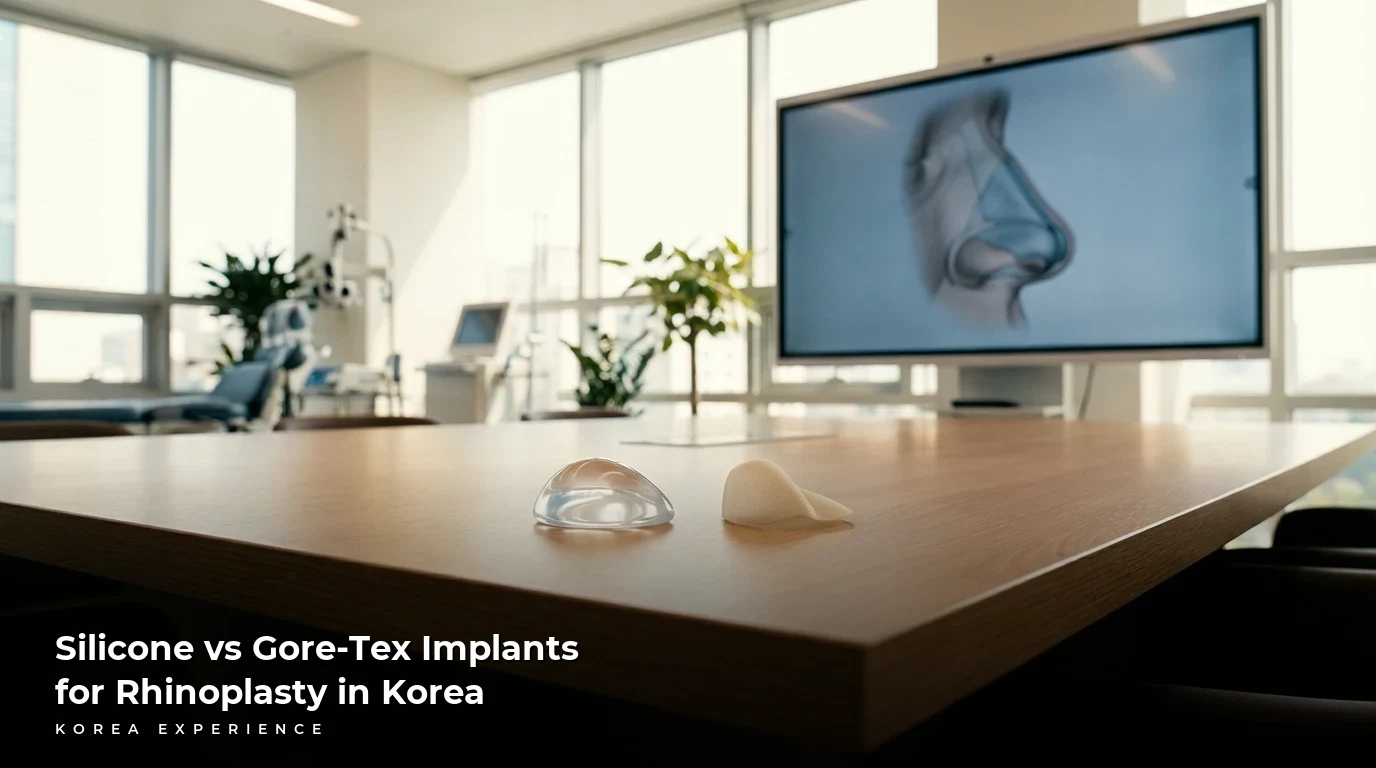
The Ultimate Guide: Silicone vs Gore-Tex Implants for Rhinoplasty in Korea
Dreaming of a perfectly sculpted nose that complements your facial features? For many international travelers, Korea has emerged as the premier destination for cosmetic procedures, especially rhinoplasty, also known as a "nose job." Renowned for its advanced techniques, highly skilled surgeons, and dedication to achieving natural-looking yet transformative results, Korea offers a medical tourism experience that is both sophisticated and appealing.
However, embarking on your rhinoplasty journey can be overwhelming, especially when faced with crucial decisions like choosing the right implant material. Among the most popular options are silicone and Gore-Tex. Understanding the distinct characteristics of silicone vs Gore-Tex implants for rhinoplasty in Korea is paramount to making an informed decision that aligns with your aesthetic goals and long-term health.
This comprehensive guide will delve deep into the world of nasal implants in Korea. We'll explore the advantages and disadvantages of both silicone and Gore-Tex, compare their properties, discuss factors influencing your choice, and walk you through the entire Korean rhinoplasty journey. By the end, you'll be equipped with the knowledge to confidently discuss your options with a qualified surgeon and take the first step towards your desired nose shape.
The Allure of Korean Rhinoplasty
Korea's global reputation as a hub for plastic surgery is well-earned. The country's medical infrastructure is state-of-the-art, with clinics boasting cutting-edge technology and highly specialized medical teams.
Why Korea is a Top Destination for Nose Surgery
Korean surgeons are at the forefront of rhinoplasty innovation, continuously refining techniques to achieve results that are both aesthetically pleasing and natural. They are known for their meticulous attention to detail, precision, and ability to customize procedures to suit individual facial structures and ethnic considerations. The emphasis is often on creating harmony and balance rather than a generic "perfect" nose. Furthermore, the overall patient experience in Korea, from initial consultation to post-operative care, is designed to be seamless and supportive, especially for international visitors who often have access to multilingual staff and dedicated coordinators.
Understanding the Korean Aesthetic Approach
The Korean aesthetic for rhinoplasty often focuses on creating a high, defined nasal bridge, a slightly upturned tip, and refined nostrils – all while maintaining facial harmony. This approach, while popular, is highly personalized. Korean surgeons are adept at understanding diverse aesthetic preferences and tailoring their techniques to meet a wide range of patient desires, from subtle enhancements to more dramatic transformations. They frequently combine various techniques, including the use of implants and autologous (patient's own) tissues, to achieve optimal outcomes.
Silicone Implants for Rhinoplasty in Korea
Silicone has been a staple in cosmetic surgery for decades, largely due to its predictable nature and ease of use. In rhinoplasty, silicone implants are pre-formed or custom-carved solid pieces of medical-grade silicone.
What Are Silicone Implants?
Medical-grade silicone is a synthetic, non-reactive polymer known for its smooth surface and elasticity. For rhinoplasty, silicone implants are typically used to augment the nasal bridge, providing height and definition. They come in various shapes and sizes and can be easily trimmed or sculpted by the surgeon during the procedure to precisely fit the patient's anatomy and desired aesthetic.
Advantages of Silicone Implants
- Predictable Results: Silicone implants offer highly predictable outcomes in terms of shape and projection. Surgeons can accurately visualize the final result.
- Easy Insertion and Removal: Due to their smooth surface, silicone implants are relatively easy to insert and, if necessary, remove. This makes revision surgery less complicated compared to other materials.
- Cost-Effective: Generally, silicone implants are more affordable than other implant options, which can be a significant factor for some patients.
- No Donor Site Morbidity: Unlike autologous tissue grafts (which require harvesting cartilage from another part of the body), silicone implants do not necessitate an additional surgical site, reducing overall recovery time and potential complications from a donor area.
- Long-Lasting: Silicone implants are designed to be permanent, maintaining their shape and structure over many years.
Disadvantages of Silicone Implants
- Risk of Displacement: Although rare with proper surgical technique, silicone implants can shift or move over time, especially if not adequately secured or if there's significant trauma to the nose.
- Capsular Contracture: The body naturally forms a fibrous capsule around any foreign object. In some cases, this capsule can harden and contract, leading to visible contour irregularities, a feeling of tightness, or even distortion of the nose.
- Visibility or "Shiny Nose" Effect: In patients with very thin skin, the edges of a silicone implant might become visible, or the skin over the implant might appear unnaturally shiny, especially in bright light.
- Extrusion Risk: While extremely rare, there is a minute risk of the implant eroding through the skin, particularly at the nasal tip, if the skin is under excessive tension.
- Lack of Tissue Integration: Silicone implants do not integrate with the surrounding nasal tissues, remaining as distinct foreign bodies. This lack of integration can contribute to the risk of displacement or a less natural feel.
Longevity and Revision with Silicone
Silicone implants are intended to be permanent. However, revisions might be needed due to complications (displacement, capsular contracture) or if the patient's aesthetic preferences change over time. As mentioned, removal and replacement are generally straightforward with silicone.
Gore-Tex Implants for Rhinoplasty in Korea
Gore-Tex, officially known as Expanded Polytetrafluoroethylene (ePTFE), has gained significant popularity in rhinoplasty due to its unique properties that allow for better tissue integration.
What Are Gore-Tex Implants?
Gore-Tex is a synthetic, biocompatible material with a microporous structure. This structure allows the patient's own tissues to grow into the implant, creating a more stable and natural-feeling result. It is soft, flexible, and can be easily carved or stacked to achieve the desired shape and projection for the nasal bridge or other areas.
Advantages of Gore-Tex Implants
- Excellent Tissue Integration: The microporous nature of Gore-Tex allows fibrous tissue to grow into the implant, promoting stability and reducing the risk of displacement. This integration often leads to a more natural feel and appearance.
- Low Risk of Displacement: Due to tissue ingrowth, Gore-Tex implants are much less likely to shift or move compared to silicone.
- Natural Look and Feel: Because the body's own tissues integrate with Gore-Tex, the nose often feels softer and more natural to the touch, minimizing the "artificial" feel sometimes associated with silicone. The material itself is also softer and more pliable than silicone.
- Reduced Risk of Capsular Contracture: The tissue integration property also contributes to a lower incidence of severe capsular contracture, as the implant is not completely encapsulated as a foreign body.
- Biocompatibility: Gore-Tex is highly biocompatible, meaning it is well-tolerated by the body with a low incidence of adverse reactions.
Disadvantages of Gore-Tex Implants
- More Difficult Removal: Because Gore-Tex integrates with surrounding tissues, its removal or revision can be more challenging and time-consuming than silicone, often requiring more intricate dissection.
- Potential for Resorption: Although debated and less common with modern techniques, there is a theoretical risk of some degree of implant compression or slight "resorption" (thinning) over time, potentially leading to a slight reduction in projection. However, this is usually minimal and not a significant clinical concern for most patients.
- Higher Cost: Gore-Tex implants are generally more expensive than silicone implants, which can impact the overall cost of the rhinoplasty procedure.
- Increased Infection Risk (Slightly): While all implants carry a risk of infection, the porous nature of Gore-Tex could theoretically make it slightly more susceptible if bacteria enter the area, as they can lodge within the pores. However, stringent sterile techniques in Korean clinics minimize this risk significantly.
Long-Term Outlook with Gore-Tex
Gore-Tex implants are also designed for long-term placement. Their tissue integration offers excellent stability and a natural feel over the years. Revisions, while possible, require a more delicate approach due to the ingrowth of tissue.
Silicone vs Gore-Tex: A Comprehensive Comparison
Choosing between silicone and Gore-Tex requires a deep understanding of their fundamental differences. Here, we break down the key aspects.
Material Properties and Biocompatibility
- Silicone: Smooth, non-porous, relatively firm. It acts as a distinct foreign body, encapsulated by scar tissue. Highly biocompatible, but the lack of integration is a key differentiator.
- Gore-Tex: Microporous, soft, flexible. Its porous structure allows for tissue ingrowth, leading to integration with the surrounding nasal tissues. Also highly biocompatible.
Surgical Integration and Stability
- Silicone: Relies on precision pocket creation and sometimes sutures for initial stability. Long-term stability can be compromised by displacement or capsular contracture.
- Gore-Tex: Offers superior long-term stability due to tissue ingrowth. Once integrated, it becomes a more stable part of the nasal structure, significantly reducing displacement risk.
Aesthetic Outcomes and Natural Feel
- Silicone: Can achieve very precise shapes and good projection. However, it may sometimes feel firm or artificial, and in very thin-skinned individuals, it might be palpable or visible.
- Gore-Tex: Often results in a softer, more natural-feeling nose due to tissue integration. The aesthetic outcome is typically very natural, blending seamlessly with the surrounding tissues.
Risk Profiles and Complication Rates
Both materials have low complication rates when used by experienced surgeons.
- Silicone-specific risks: Higher risk of displacement, higher risk of significant capsular contracture, potential for visibility/shininess.
- Gore-Tex-specific risks: Slightly more challenging to remove/revise, theoretical minimal risk of resorption. Infection risk is similar for both with proper surgical care.
Revision Surgery Considerations
- Silicone: Generally easier to remove and replace if revision is needed, as it doesn't integrate with tissues.
- Gore-Tex: More challenging to remove due to tissue ingrowth, requiring more delicate dissection. This doesn't mean it cannot be removed, but it's a more involved procedure.
Here’s a summary comparison in tables:
Table 1: Silicone vs. Gore-Tex General Comparison
| Feature | Silicone Implants | Gore-Tex Implants |
|---|---|---|
| Material | Solid, non-porous medical-grade silicone | Microporous, flexible ePTFE |
| Tissue Integration | None; remains a distinct foreign body | High; fibrous tissue grows into pores |
| Stability | Good, but higher risk of displacement | Excellent; very low risk of displacement |
| Feel | Can feel firm or artificial | Softer, more natural |
| Visibility | Potential for visible edges/shininess in thin skin | Generally blends well, low visibility risk |
| Cost | Generally lower | Generally higher |
| Ease of Removal | Easier to remove | More challenging to remove due to tissue ingrowth |
Table 2: Key Material & Integration Differences
| Aspect | Silicone Implants | Gore-Tex Implants |
|---|---|---|
| Composition | Smooth, inert polymer | Soft, porous polymer (Expanded Polytetrafluoroethylene) |
| Biocompatibility | High | High |
| Capsular Contracture | Higher risk of noticeable contraction | Lower risk of noticeable contraction |
| Infection Risk | Low | Low (similar with proper surgical technique) |
| Long-Term Projection | Highly stable, maintains shape | Highly stable, minimal theoretical risk of compression |
Choosing Your Ideal Implant: Factors Beyond Material
The decision between silicone and Gore-Tex is not solely about the material's properties. It involves a holistic assessment of your individual characteristics, desired outcomes, and the surgeon's expertise.
Patient's Skin Type and Nasal Anatomy
- Thin Skin: Patients with very thin nasal skin might benefit more from Gore-Tex, which integrates better and reduces the risk of implant edges showing through or creating a "shiny" appearance.
- Thick Skin: Patients with thicker skin have more natural cushioning over the implant, making both silicone and Gore-Tex viable options, though Gore-Tex still offers superior integration.
- Nasal Bridge Height: The original height and shape of your nasal bridge will influence the size and type of implant required.
Desired Aesthetic Outcome
Do you seek a subtle refinement or a more significant change? Both materials can achieve various degrees of augmentation. Discussing your specific aesthetic goals with your surgeon, perhaps using photo examples, is crucial. For a very soft, natural transition, Gore-Tex is often preferred.
Surgeon's Expertise and Preference
Ultimately, your surgeon's experience and comfort with a particular material are vital. Highly skilled Korean rhinoplasty surgeons are proficient with both silicone and Gore-Tex, and they will recommend the material they believe is best suited for your specific case and desired result. Trust their professional recommendation based on their assessment of your anatomy.
Budget and Long-Term Goals
Consider your budget. While silicone is generally less expensive, consider the potential long-term costs if revision is needed. If your priority is maximum stability and a natural feel, the slightly higher cost of Gore-Tex might be a worthwhile investment. Think about your long-term goals for your nose and how committed you are to potential revisions.
The Role of Autologous Tissues
It's also important to note that implants (silicone or Gore-Tex) are often used in conjunction with autologous tissues (like septal, ear, or rib cartilage) for the nasal tip, ensuring a natural look and feel, especially in complex cases. Sometimes, surgeons might even use a combination, for example, a Gore-Tex implant for the bridge and autologous cartilage for the tip. This blended approach is common in sophisticated Korean rhinoplasty.
Navigating Your Rhinoplasty Journey in Korea
Your journey to a refined nose in Korea is a multi-step process. Being prepared will ensure a smooth and successful experience.
Pre-Consultation and Research Tips
Before you even book your flight, thorough research is key.
- Clinic and Surgeon Research: Look for board-certified plastic surgeons specializing in rhinoplasty. Many reputable clinics are concentrated in areas like Gangnam and Apgujeong in Seoul. Review before-and-after photos, patient testimonials, and surgeon credentials.
- Prepare Questions: Jot down all your questions about implant materials, surgical techniques, recovery, and costs.
- Medical History: Have your complete medical history ready, including any medications, allergies, and previous surgeries.
- Photos: Prepare photos of noses you admire, as well as photos of your own nose from different angles, to clearly communicate your goals.
The Consultation Process: What to Ask
During your consultation, which often involves virtual consultations for international patients first, then in-person upon arrival:
- Discuss Implant Options: Ask your surgeon directly about their preference for silicone vs Gore-Tex for your case and why.
- Visualize Results: Many clinics use 3D simulation software to help you visualize potential outcomes.
- Understand Risks: Ensure you fully understand the potential risks and complications associated with the chosen implant and procedure.
- Anesthesia: Discuss the type of anesthesia (usually general anesthesia for rhinoplasty).
- Recovery: Get a detailed overview of the recovery timeline and what to expect.
The Day of Surgery and Anesthesia
On the day of your surgery, you will typically arrive at the clinic well-rested and having followed all pre-operative instructions (e.g., fasting). The procedure is performed under general anesthesia, ensuring you are completely comfortable and pain-free throughout. Rhinoplasty can take anywhere from 1.5 to 4 hours, depending on the complexity.
Post-Operative Care and Recovery Timeline
Recovery is a critical phase.
- Immediately After: You'll wake up with splints and bandages on your nose, and possibly internal packing. Mild pain and discomfort are common, managed with prescribed medication.
- First Week: Swelling and bruising around the eyes and nose are expected. The splint is usually removed after 5-7 days.
- Weeks 2-4: Most significant bruising will subside, and initial swelling will reduce. You can typically return to light activities.
- Months 1-6: Substantial swelling continues to resolve, and the final shape of your nose begins to emerge. Avoid strenuous exercise and contact sports.
- Year 1+: Residual swelling, particularly at the nasal tip, can take up to a year or even longer to fully resolve, revealing the final, refined result.
Essential Tips for International Patients
- Medical Interpreters: Most reputable clinics catering to international patients will provide medical interpreters. Utilize them fully to ensure clear communication.
- Accommodation: Book accommodation near your clinic in Seoul for convenience during post-op visits.
- Companion: Consider traveling with a companion for support during the initial recovery phase.
- Travel Insurance: Ensure your travel insurance covers medical emergencies or complications abroad.
- Follow-Up: Plan for adequate time in Korea for follow-up appointments. Typically, 7-10 days are recommended after surgery.
Table 3: Recovery and Post-Care
| Stage | Key Expectations | Important Actions |
|---|---|---|
| Day 1-7 (Initial) | Swelling, bruising, discomfort, nasal splint/tape | Take prescribed meds, apply cold compresses, elevate head |
| Week 2-4 | Bruising mostly gone, significant swelling reduction | Avoid strenuous activity, follow surgeon's instructions |
| Month 1-6 | Most swelling subsides, nose shape becomes clearer | Protect nose from impact, continued gentle care |
| Month 6 - 1 Year+ | Final swelling resolution, ultimate results emerge | Maintain healthy lifestyle, regular check-ups if advised |
Cost Considerations and Finding Reputable Clinics
Understanding the financial aspect is a crucial part of your decision-making for rhinoplasty in Korea.
Average Cost Range for Rhinoplasty in Korea
The cost of rhinoplasty in Korea can vary significantly based on the complexity of the procedure, the surgeon's experience, the clinic's reputation, and the implant materials used.
- Simple Rhinoplasty (Bridge Augmentation): Expect costs to range from approximately 3,000 USD to 6,000 USD.
- Complex Rhinoplasty (Bridge + Tip + Alar Reduction): This can range from 6,000 USD to 12,000 USD or even higher for revision surgeries.
As a general guideline, procedures involving Gore-Tex might be slightly higher than those using silicone, reflecting the material cost and potentially the slightly more intricate surgical technique for its removal if needed. These figures are estimates and can change. Always get a personalized quote from your chosen clinic.
Factors Influencing Price
- Surgeon's Expertise: Highly sought-after or celebrity surgeons often command higher fees.
- Clinic Reputation: Well-established clinics with advanced facilities and comprehensive aftercare services may charge more.
- Procedure Complexity: Whether it's a primary rhinoplasty or a revision, and the extent of changes required (bridge augmentation, tip plasty, septoplasty, alar reduction, etc.) will impact cost.
- Implant Material: As discussed, silicone is generally less expensive than Gore-Tex.
- Anesthesia Fees: Typically included in the overall package.
- Pre/Post-Operative Care: Some clinics include all follow-up visits, medications, and special post-op treatments in their package.
Locating Top Clinics in Seoul (Gangnam, Apgujeong)
Seoul is the epicenter of Korean plastic surgery. The districts of Gangnam and Apgujeong are particularly famous for their concentration of high-end plastic surgery clinics.
- Gangnam: This affluent district boasts a "Beauty Belt" along Apgujeong-ro, where countless clinics offer specialized cosmetic procedures. You'll find a wide range of options, from large hospitals to boutique clinics.
- Apgujeong: Known for being a bit more upscale, Apgujeong hosts many clinics that cater specifically to international clientele, often with luxurious facilities and dedicated international patient services.
When searching for clinics, look for those with good reviews from international patients, transparent pricing, and comprehensive communication channels. Websites like "Medical Korea" (an official government portal) or reputable medical tourism agencies can be valuable resources for finding accredited institutions.
Importance of Medical Interpreters
For international patients, a reliable medical interpreter is indispensable. They bridge the language barrier, ensuring that you fully understand your surgeon's explanations, surgical plans, consent forms, and post-operative instructions. Most reputable clinics in Korea offer in-house interpretation services for common languages like English, Chinese, Japanese, and Russian. If not, consider hiring a professional medical interpreter to accompany you to all your appointments. Never rely on Google Translate for critical medical discussions.
Frequently Asked Questions (FAQ) about Rhinoplasty Implants in Korea
Q1: Can I combine rhinoplasty with other procedures?
Yes, it's very common for patients to combine rhinoplasty with other facial procedures like eyelid surgery (blepharoplasty), facial contouring, or fat grafting to achieve a more harmonious overall facial aesthetic. Discuss your full goals with your surgeon during the consultation.
Q2: How long do I need to stay in Korea for rhinoplasty?
For primary rhinoplasty, it's generally recommended to stay in Korea for at least 7 to 10 days. This allows for the initial recovery phase, removal of splints/stitches (usually around day 5-7), and a final check-up with your surgeon before you travel. For revision rhinoplasty or more complex cases, a longer stay might be advisable.
Q3: Is rhinoplasty painful?
During the surgery, you will be under general anesthesia, so you won't feel any pain. Post-surgery, patients typically experience mild to moderate discomfort, pressure, or a dull ache rather than severe pain. This can be effectively managed with prescribed pain medication. The nose may also feel stuffy due to swelling and internal splints.
Q4: What if I don't like my results?
While Korean surgeons strive for patient satisfaction, individual perceptions vary. It's crucial to have realistic expectations. In the rare event of dissatisfaction or a complication, discuss your concerns with your surgeon. Revision surgery is an option, but it's usually not performed until at least 6-12 months after the initial surgery, allowing all swelling to subside and tissues to heal completely.
Q5: Are silicone and Gore-Tex implants safe long-term?
Both silicone and Gore-Tex implants have a long history of safe use in rhinoplasty and are considered durable, biocompatible, and safe for long-term placement when used appropriately by experienced surgeons. Like any medical implant, there are potential risks, but severe long-term complications are rare. Regular follow-ups, if advised by your surgeon, can help monitor the implant's condition.
Conclusion: Making Your Informed Decision
Navigating the choices for rhinoplasty implants, particularly silicone vs Gore-Tex implants for rhinoplasty in Korea, is a significant step in your aesthetic journey. Both materials offer distinct advantages and considerations. Silicone provides predictable outcomes and ease of revision, while Gore-Tex offers superior tissue integration and a natural feel.
The ultimate decision should always be a collaborative one between you and a highly experienced, board-certified plastic surgeon in Korea. They will assess your unique nasal anatomy, skin characteristics, aesthetic goals, and medical history to recommend the most suitable implant material and surgical technique for you.
Korea offers an unparalleled opportunity for exceptional rhinoplasty results. By doing your research, preparing thoroughly, and engaging openly with your medical team, you can confidently embark on this transformative experience and achieve the nose you've always envisioned. Take the time to understand all your options, ask all your questions, and choose wisely for a truly satisfying outcome.
image: "/images/silicone-vs-gore-tex-implants-for-rhinoplasty-in-korea.webp"
Medical Disclaimer
The information provided in this blog post is intended for general informational purposes only and does not constitute medical advice. It is not a substitute for professional medical advice, diagnosis, or treatment. Always seek the advice of a qualified healthcare provider for any questions you may have regarding a medical condition or treatment. Never disregard professional medical advice or delay in seeking it because of something you have read here. Outcomes of cosmetic procedures can vary, and individual results are not guaranteed.
Emergency Contact Numbers in Korea
In case of a medical emergency during your stay in Korea, please use the following numbers:
- 119: For ambulance services, fire, and other emergencies. Operators can connect to English-speaking services.
- 1339: For medical consultation and information from the Korea Tourism Organization. This number can also provide assistance with finding medical facilities and translation services.
About the Author
Korea Experience Team
Written by the Korea Experience editorial team - experts in Korean medical tourism, travel, and culture with years of research and firsthand experience.
⚠️ Medical Disclaimer
The information provided on this website is for general informational purposes only and does not constitute medical advice. Always consult with qualified healthcare professionals before making any medical decisions.
Explore more in Medical Tourism
World-class medical procedures at competitive prices. From plastic surgery and dermatology to dental care and health checkups — your complete guide to medical tourism in Korea.
Browse All Medical Tourism ArticlesContinue Reading
Explore more articles you might find interesting

Considering plastic surgery in Korea? Learn what to expect, from choosing a clinic to recovery, costs, and essential tips for international visitors.

A complete guide to same-day medical treatments in Seoul. We analyze safety, costs (saving up to 40%), and efficiency for travelers in 2026.
A complete guide to revision nose surgery in Seoul including 2026 costs, recovery timelines, rib cartilage techniques.
Compare 2026 costs for Ultherapy ($800+), Shurink ($100+), and Thermage in Seoul. Expert guide to pain levels, results, and choosing the right clinic.
Compare costs, amenities, and lifestyle differences between Goshiwons and Officetels in Korea for 2026. Find your perfect Seoul accommodation.

Discover Korea's 2026 stem cell medical tourism boom. Learn how new laws unlock anti-aging and joint treatments at 50% lower costs than the US, from $8,000.