Korea's Skin Whitening: Glutathione IV vs Topicals
Unlock the secrets to brighter skin in Korea. Compare Glutathione IV drips and topical treatments, including costs, effectiveness, and safety in Seoul clinics.
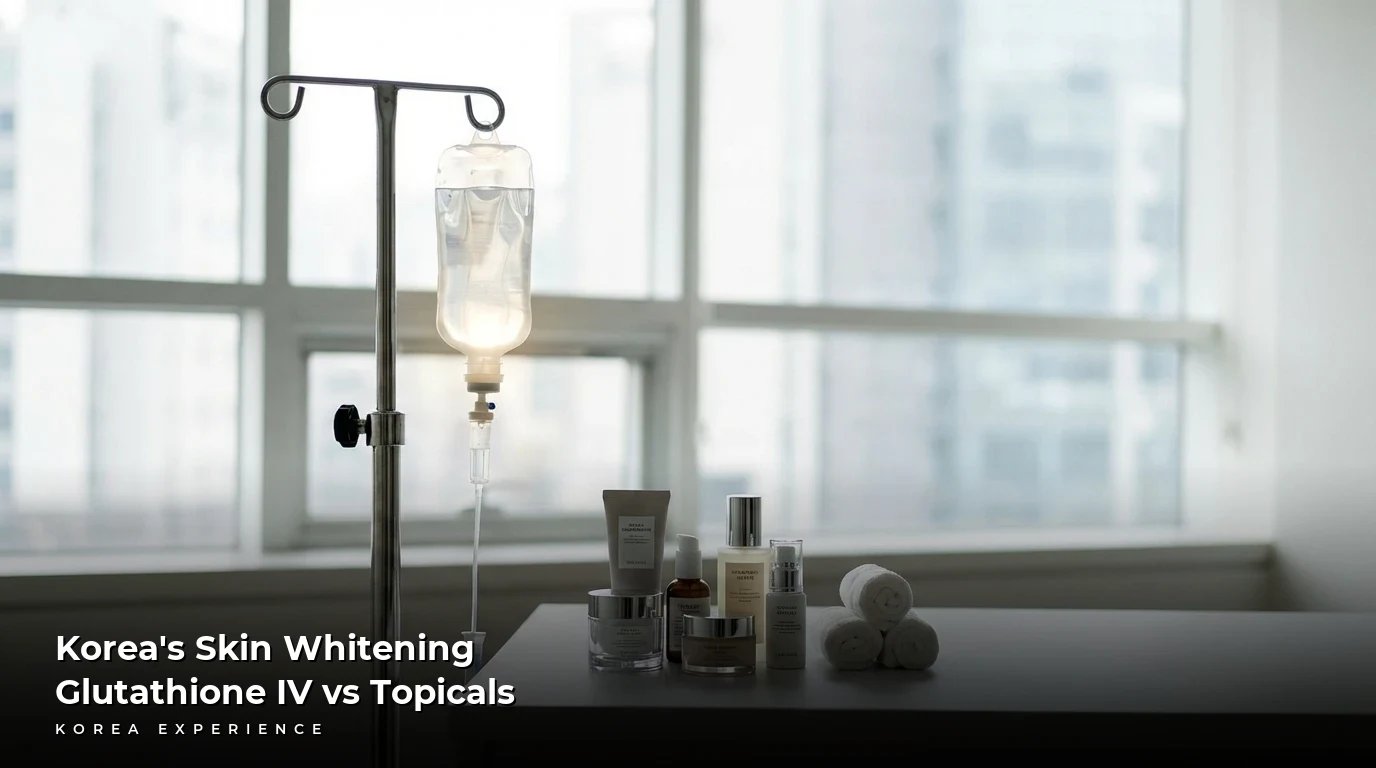
Unveiling Korea's Secrets to Brighter Skin: Glutathione IV vs. Topical Treatments
Korea, a global epicenter for beauty and medical innovation, continuously draws international travelers seeking cutting-edge aesthetic treatments. Among the most sought-after procedures is skin brightening, with many aiming for that coveted clear, luminous complexion often associated with K-beauty standards. For those exploring options to achieve fairer skin, two popular methods often come to the forefront: Glutathione intravenous (IV) drips and various topical treatments.
Navigating the multitude of choices, understanding their mechanisms, effectiveness, safety profiles, and cost implications can be overwhelming, especially for an international audience. This comprehensive guide will demystify the world of skin whitening in Korea, providing an in-depth comparison between Glutathione IV therapy and topical treatments. We'll delve into how each method works, what to expect in terms of results and costs in Korea, and crucial factors to consider before making a decision. By the end of this post, you'll have a clearer understanding of your options and be better equipped to choose the path that aligns with your skin goals and well-being.
Understanding Glutathione: The Master Antioxidant for Skin Brightening
Glutathione, often hailed as the "master antioxidant," is a naturally occurring tripeptide composed of three amino acids: cysteine, glutamate, and glycine. It plays a critical role in various bodily functions, including immune system support, detoxification, and tissue repair. But its rising popularity in the beauty world stems from its significant contribution to skin health and brightening.
How Glutathione Works for Skin Brightening
The primary mechanism through which Glutathione influences skin tone is its ability to inhibit melanin production. Melanin is the pigment responsible for giving skin, hair, and eyes their color. Higher melanin levels generally result in darker skin tones. Glutathione achieves its skin-brightening effects through several pathways:
- Inhibition of Tyrosinase Activity: Tyrosinase is an enzyme crucial for melanin synthesis. Glutathione works by directly inhibiting tyrosinase, thereby reducing the production of melanin.
- Switching Melanin Production: It promotes the production of pheomelanin (a lighter, yellowish-red pigment) over eumelanin (a darker, brownish-black pigment). This "switch" contributes to an overall lighter skin tone.
- Antioxidant Properties: As a powerful antioxidant, Glutathione helps combat oxidative stress caused by free radicals, which can damage skin cells and contribute to hyperpigmentation and premature aging. By neutralizing these free radicals, it helps maintain healthier, clearer skin.
- Detoxification: Glutathione aids in detoxifying the liver, which can indirectly lead to clearer, brighter skin by improving overall bodily health and reducing toxins that might otherwise manifest as skin imperfections.
Beyond its skin-brightening capabilities, Glutathione's antioxidant and detoxifying properties contribute to overall skin health, potentially leading to improved texture, reduced blemishes, and a more radiant complexion.
Glutathione IV Drips in Korea: An In-Depth Look
Glutathione IV drips have gained immense popularity in Korea, often referred to as "Baekok Jusa" (Jade White Injection or Snow White Injection), reflecting the desired outcome of pristine, porcelain-like skin. This method involves administering a high dose of Glutathione directly into the bloodstream.
How Glutathione IV Works
The key advantage of IV administration is its superior bioavailability. When Glutathione is taken orally, a significant portion is broken down by digestive enzymes before it can be fully absorbed into the bloodstream. With an IV drip, Glutathione bypasses the digestive system entirely, allowing for 100% absorption and direct delivery to cells throughout the body. This systemic approach is believed to lead to more rapid and uniform skin brightening results compared to topical applications.
The Procedure Experience in Korea
Korean medical clinics, especially in areas like Gangnam and Apgujeong, are renowned for their modern facilities and professional staff. The Glutathione IV drip procedure is typically straightforward:
- Consultation: A thorough consultation with a medical doctor is mandatory. The doctor will assess your medical history, current health, skin condition, and discuss your desired outcomes. This is crucial for determining if you are a suitable candidate and for tailoring the dosage and frequency.
- Preparation: Once cleared, you'll be comfortably seated in a private or semi-private room. A trained nurse or medical assistant will prepare the IV solution.
- Administration: A small needle will be inserted into a vein, usually in your arm, and connected to an IV bag containing the Glutathione solution. The drip typically takes 30-60 minutes, during which you can relax, read, or use your phone.
- Post-Procedure: After the drip is complete, the needle is removed, and a small bandage is applied. There's usually no downtime, and you can resume your normal activities immediately.
Expected Results and Timeline
Results from Glutathione IV drips are not instantaneous and vary from person to person. Generally, patients may begin to notice subtle changes in skin tone and radiance after a few sessions. Consistent treatment over several weeks or months is typically recommended to achieve significant and lasting results. The skin may appear brighter, more even-toned, and hyperpigmentation might lighten. Maintenance sessions are often advised to sustain the desired complexion.
Cost of Glutathione IV in Korea
The cost of Glutathione IV drips in Korea varies widely depending on the clinic's reputation, location, the specific formulation (sometimes mixed with other vitamins like Vitamin C), and the number of sessions purchased in a package.
- Per Session: A single Glutathione IV drip session in a reputable clinic in Seoul can range from ₩50,000 to ₩150,000 (approximately 40-120 USD).
- Packages: Most clinics offer discounted packages for multiple sessions (e.g., 5, 10, or 20 sessions), which significantly reduces the cost per drip. A package of 10 sessions might cost ₩400,000 to ₩1,000,000 (approximately 320-800 USD).
- Factors influencing cost:
- Clinic Location: Clinics in prime areas like Gangnam or Apgujeong tend to be more expensive.
- Included Ingredients: Some drips combine Glutathione with high doses of Vitamin C, B vitamins, or other antioxidants, increasing the price.
- Clinic Reputation: Well-known clinics with English-speaking staff and extensive experience might charge more.
Safety and Side Effects of Glutathione IV
While generally considered safe when administered by qualified medical professionals, Glutathione IV drips are not without potential risks.
- Common Side Effects: Minor side effects might include bruising or soreness at the injection site, dizziness, or nausea.
- Serious Risks (Rare): More serious but rare risks include allergic reactions, anaphylaxis, infection at the injection site, or kidney dysfunction if administered improperly or in individuals with pre-existing conditions.
- Contraindications: Individuals with certain medical conditions (e.g., kidney disease, liver disease, certain cancers, pregnant or breastfeeding women) should avoid Glutathione IV drips or use them only under strict medical supervision.
Always ensure the clinic you choose adheres to strict hygiene standards and has licensed medical professionals administering the treatment.
Topical Glutathione and Skin Whitening Treatments in K-Beauty
Beyond injectables, the world of K-beauty offers a vast array of topical treatments designed for skin brightening and an even complexion. While Glutathione is sometimes included in topical formulations, many other active ingredients are also highly effective and widely used.
Types of Topical Products and Ingredients
Topical skin whitening treatments come in various forms, including serums, creams, masks, toners, and ampoules. Korean cosmetic brands excel in formulating potent yet gentle products. Key ingredients often found in these products include:
- Glutathione: While less bioavailable than IV, topical Glutathione is believed to offer localized antioxidant benefits and potentially inhibit melanin production at the skin's surface. Its penetration depth can be limited.
- Niacinamide (Vitamin B3): A powerhouse ingredient, Niacinamide inhibits the transfer of melanin pigments to skin cells, reduces inflammation, and improves skin barrier function. It's found in countless Korean brightening products.
- Vitamin C (Ascorbic Acid): A potent antioxidant that brightens skin, reduces hyperpigmentation, and stimulates collagen production. It works by inhibiting tyrosinase and reducing melanin oxidation.
- Alpha Arbutin/Beta Arbutin: Derived from bearberry plants, Arbutin acts similarly to hydroquinone but is often considered gentler. It effectively inhibits tyrosinase activity.
- Tranexamic Acid: Originally an oral medication, it's now widely used topically for its ability to reduce hyperpigmentation, especially melasma and post-inflammatory hyperpigmentation.
- Licorice Root Extract: Contains glabridin, which inhibits tyrosinase and has anti-inflammatory properties.
- Galactomyces Ferment Filtrate: A popular K-beauty ingredient known for brightening, hydrating, and improving skin texture.
- AHA/BHA (Alpha/Beta Hydroxy Acids): Exfoliants that remove dead skin cells, revealing brighter, newer skin underneath and aiding in the fading of dark spots.
Mechanism of Action for Topical Treatments
Topical treatments work by targeting melanin production and existing hyperpigmentation at the epidermal (outer) layers of the skin. They typically:
- Inhibit Melanin Synthesis: Many ingredients, like Niacinamide and Vitamin C, reduce the amount of melanin produced or its transfer to the surface.
- Exfoliate: AHAs and BHAs gently remove pigmented surface cells, accelerating cell turnover.
- Antioxidant Protection: Ingredients like Vitamin C and topical Glutathione protect skin from oxidative damage that can trigger hyperpigmentation.
Effectiveness Compared to IV
Topical treatments generally offer a more gradual and localized approach to skin brightening. They are highly effective for treating surface-level hyperpigmentation, dark spots, sun damage, and achieving an overall brighter, more even complexion. However, their ability to deliver systemic skin whitening or lighten overall body skin tone is limited compared to IV drips, which work from within. Consistent and long-term use is essential for noticeable results.
Application Tips for Optimal Results
- Cleanse and Tone: Always apply brightening products to clean, toned skin.
- Layering: In K-beauty, layering is key. Apply products from thinnest to thickest consistency (e.g., toner > serum > ampoule > cream).
- Sun Protection: Non-negotiable! Sunscreen with high SPF and PA is crucial to prevent further pigmentation and protect newly brightened skin. Use daily, even indoors.
- Patience: Results take time. Stick to a consistent routine for at least 4-8 weeks to see improvements.
Cost of Topical Treatments in Korea
Korea offers a vast range of topical products at various price points, making them accessible to different budgets.
- Drugstore Brands (Olive Young, Lalavla): High-quality serums, creams, and masks can range from ₩15,000 to ₩50,000 (approximately 12-40 USD) per product.
- Mid-Range Brands: Products from popular brands often found in department stores or specialty beauty shops might cost ₩50,000 to ₩150,000 (approximately 40-120 USD).
- High-End/Luxury Brands: Premium serums or creams can exceed ₩150,000 (120 USD+).
Building a complete brightening routine (cleanser, toner, serum, moisturizer, sunscreen) might cost anywhere from ₩50,000 to ₩300,000 (approximately 40-240 USD) initially, with products lasting for 1-3 months.
Comparing Effectiveness: Glutathione IV vs. Topical Treatments
Choosing between Glutathione IV and topical treatments depends on individual goals, budget, desired speed of results, and comfort with invasive procedures. Here's a direct comparison:
| Feature | Glutathione IV Drips | Topical Treatments (e.g., Niacinamide, Vit C) |
|---|---|---|
| Mechanism | Systemic absorption, works from within the body. | Localized absorption, works on skin surface layers. |
| Absorption | 100% bioavailability. | Variable, often limited skin penetration. |
| Speed of Results | Generally faster and more noticeable. | Gradual, requires consistent long-term use. |
| Target Area | Whole body skin brightening, overall radiance. | Localized dark spots, even skin tone on face/body. |
| Invasiveness | Minimally invasive (IV injection). | Non-invasive (applied to skin). |
| Convenience | Requires clinic visits. | Can be done at home daily. |
| Cost | Higher per session/package. | Lower individual product cost, but ongoing expense. |
| Risk | Minor injection site issues; rare serious reactions. | Mild irritation, sensitivity, allergic reactions. |
| Professional Oversight | Mandatory medical consultation and administration. | Can be self-administered, but dermatological advice is good. |
Considerations for Different Skin Concerns
- Overall Skin Whitening/Body Brightening: If your primary goal is a significant, uniform lightening of your overall skin tone, including body areas, Glutathione IV drips might be more effective due to their systemic action.
- Targeting Hyperpigmentation/Dark Spots: For specific concerns like sunspots, post-inflammatory hyperpigmentation (acne scars), or melasma on the face, a well-formulated topical routine with potent brightening ingredients can yield excellent results. Combining with professional in-clinic treatments like laser toning might also be considered.
- Maintenance: Topical treatments are excellent for maintaining results from more intensive procedures and for everyday skin health and radiance.
Safety, Risks, and Medical Consultation
Regardless of your chosen method, prioritizing safety and seeking professional medical advice is paramount, especially when pursuing treatments in a foreign country.
Importance of Professional Consultation
Before undergoing any Glutathione IV therapy or starting a new intensive topical regimen, a thorough consultation with a board-certified dermatologist or medical doctor in Korea is crucial. They can:
- Assess your health: Check for any contraindications or underlying health issues that might make certain treatments unsafe.
- Evaluate your skin type and concerns: Recommend the most suitable and effective treatment plan for your specific needs.
- Explain potential risks and benefits: Provide a clear understanding of what to expect and potential side effects.
- Tailor dosages: For IV drips, a professional will determine the appropriate Glutathione dosage and frequency.
For international travelers, many clinics in major medical tourism hubs like Gangnam offer English-speaking staff or translation services. Do not hesitate to ask for these services to ensure clear communication.
Potential Side Effects and Precautions
Glutathione IV Drips:
- Injection site reactions: Bruising, swelling, pain, or redness at the site of the IV.
- Allergic reactions: Ranging from mild rashes to severe anaphylaxis (very rare but serious).
- Hypoglycemia (low blood sugar): If the drip is administered too quickly.
- Infection: Risk of infection if sterile procedures are not followed.
- Interaction with medications: Discuss all your current medications with the doctor.
- Unapproved additives: Ensure you know exactly what is in your IV bag. Stick to reputable clinics.
Topical Treatments:
- Skin irritation: Redness, itching, burning, or peeling, especially with active ingredients like Vitamin C or AHAs.
- Increased sun sensitivity: Some brightening ingredients can make your skin more susceptible to sun damage, emphasizing the need for diligent sunscreen use.
- Allergic reactions: Patch testing new products on a small area of skin is always recommended.
- Hyperpigmentation: Improper use of certain products or excessive sun exposure during treatment can paradoxically worsen pigmentation.
Regulatory Environment in Korea
Korea has a robust regulatory system for medical procedures and cosmetic products. Glutathione IV drips are administered in licensed medical clinics under the supervision of doctors. Topical cosmetics are regulated by the Ministry of Food and Drug Safety (MFDS), ensuring products meet safety and efficacy standards. Choosing accredited clinics and recognized K-beauty brands is essential for your safety and to ensure the authenticity and quality of treatments and products.
Cost Analysis and Value for Money in Korea
When considering skin brightening treatments in Korea, it's vital to look beyond the initial price tag and evaluate the overall value, long-term commitment, and your desired outcome.
Detailed Cost Breakdown
Glutathione IV Drips:
- Single Session: ₩50,000 - ₩150,000 (40-120 USD)
- Package (e.g., 10 sessions): ₩400,000 - ₩1,000,000 (320-800 USD)
- Consider: The frequency needed (often 1-2 times a week initially, then less for maintenance) and the duration of results. This can be a significant investment over several months or years.
Topical Treatments:
- Basic Brightening Serum: ₩15,000 - ₩50,000 (12-40 USD)
- Premium Brightening Serum/Cream: ₩50,000 - ₩150,000+ (40-120+ USD)
- Consider: A full routine involves multiple products (cleanser, toner, serum, moisturizer, SPF). This is an ongoing monthly/quarterly expense.
Long-term vs. Short-term Investment
- Glutathione IV: Offers potentially faster and more dramatic systemic results. The initial investment per session or package is higher. Results are not permanent and require maintenance. It’s a commitment to regular clinic visits.
- Topical Treatments: A more gradual, lower-cost entry point. Results are localized and depend heavily on consistency and sun protection. It’s a sustainable daily routine for continuous improvement and maintenance.
Factors Influencing Price
- Clinic Reputation & Expertise: Highly sought-after clinics with renowned doctors and advanced technology will naturally have higher prices for IV drips.
- Location: Clinics in upscale areas like Apgujeong-dong or Cheongdam-dong within Gangnam are typically more expensive than those in other districts.
- Ingredients & Formulation: For IVs, whether it's pure Glutathione or a cocktail of other vitamins affects the price. For topicals, the concentration of active ingredients, brand prestige, and research behind the formulation impact cost.
- Promotions & Packages: Korean clinics often have seasonal promotions or package deals, especially beneficial for medical tourists planning multiple treatments. Always inquire about these.
Value for Money
For many, the "value" isn't just about the lowest price but about safety, efficacy, and achieving desired results. Korea offers a competitive market where high-quality treatments are often more affordable than in Western countries. While Glutathione IV drips represent a larger upfront and ongoing cost, their systemic effect can be perceived as higher value for those seeking comprehensive body brightening. Topical treatments offer excellent value for targeted concerns and overall skin maintenance at a more accessible price point.
| Treatment Type | Initial Cost Estimate (USD) | Ongoing Cost Estimate (USD/month) | Primary Benefit | Considerations |
|---|---|---|---|---|
| Glutathione IV | $320 - $800 (10 sessions) | $40 - $120 (1-2 maintenance sessions) | Systemic body brightening, faster results | Requires clinic visits, higher initial investment |
| Topical Routine | $40 - $240 (initial products) | $30 - $100 (replacing products) | Targeted brightening, maintenance, accessible | Slower, localized results, requires daily consistency |
Practical Tips for Medical Tourists in Korea
Embarking on a medical tourism journey in Korea for skin brightening can be an exciting and rewarding experience. Here are some practical tips to ensure a smooth and successful trip:
Choosing a Reputable Clinic
- Research: Look for clinics with good online reviews from international patients. Websites like Gangnam Unni or Babel Med can offer insights.
- Accreditation: Ensure the clinic is licensed and its doctors are board-certified.
- English-Speaking Staff: Many clinics in medical tourism hotspots offer dedicated international coordination services and English-speaking staff or translators. Confirm this before booking.
- Transparency: A reputable clinic will be transparent about procedures, costs, potential risks, and aftercare.
Communication is Key
- Language Barrier: Even with English-speaking staff, subtle nuances might be lost. If you have complex medical questions, consider bringing a professional translator or using a translation app.
- Express Your Goals Clearly: Be explicit about your desired outcome, your medical history, and any concerns you have. Don't be afraid to ask questions until you fully understand.
Booking Appointments
- Advance Booking: Especially for popular clinics, book your consultations and treatments well in advance, particularly if traveling during peak seasons.
- Confirmation: Always reconfirm your appointments closer to the date.
- Prepare Documentation: Bring your passport, any relevant medical records (though often not strictly required for IV drips, it's good practice), and a list of current medications.
Navigating Seoul and Beyond
- Transportation: Seoul has an excellent public transportation system (subways and buses). Use apps like KakaoMap or Naver Map (both available in English) for navigation.
- Accommodation: Consider staying in areas like Gangnam, Myeongdong, or Hongdae for easy access to clinics and tourist attractions.
- Currency: Korea uses the Korean Won (₩). Credit cards are widely accepted, but it's always good to have some cash.
Post-Treatment Care
- Follow Instructions: Adhere strictly to any post-treatment instructions provided by your doctor, especially for IV drips (e.g., hydration, avoiding certain activities).
- Sun Protection: This cannot be stressed enough. Diligent use of high-SPF sunscreen and protective clothing is crucial to protect your newly brightened skin and prevent future pigmentation.
- Skincare Routine: For topical treatments, maintain a consistent and gentle skincare routine.
Internal Linking Opportunity
For more detailed information on navigating the South Korean medical system as an international patient, including visa requirements and insurance, check out our [Comprehensive Guide to Medical Tourism in Korea] (link to internal article).
Frequently Asked Questions (FAQ)
1. Is Glutathione IV permanent?
No, the effects of Glutathione IV are not permanent. Glutathione is naturally metabolized by the body. To maintain results, ongoing maintenance sessions are typically required, often at reduced frequency after an initial intensive phase. Lifestyle factors like sun exposure and diet can also influence how long the effects last.
2. How often do I need Glutathione IV drips?
Initially, clinics often recommend 1-2 sessions per week for several weeks or months to achieve desired results. Once achieved, maintenance sessions might be reduced to once every 2-4 weeks or monthly, depending on individual response and goals. A doctor will personalize your treatment plan.
3. Can I combine Glutathione IV with other cosmetic procedures?
Yes, many individuals combine Glutathione IV drips with other cosmetic procedures like laser toning, injectables (Botox, fillers), or facial treatments. It's important to discuss all your planned treatments with your doctor during the consultation to ensure compatibility and avoid any potential interactions or over-treatment.
4. Are topical Glutathione products effective?
Topical Glutathione products can be effective for localized skin brightening and antioxidant benefits on the skin's surface. However, their systemic absorption is limited, meaning they are generally less effective for overall skin whitening compared to IV drips. They are often best used as part of a comprehensive routine for maintaining skin health and addressing surface pigmentation.
5. What are the alternatives for skin brightening in Korea?
Beyond Glutathione, Korea offers numerous advanced treatments for skin brightening. These include various laser treatments (e.g., IPL, toning lasers like PicoWay or Revlite), chemical peels, microdermabrasion, and specialized facials that incorporate potent brightening ingredients. Consult a dermatologist to find the best option for your specific skin concerns.
Conclusion
The pursuit of brighter, more luminous skin is a journey many international travelers undertake in Korea, a nation at the forefront of beauty and medical innovation. Both Glutathione IV drips and topical treatments offer viable pathways to achieving a more radiant complexion, each with its distinct advantages and considerations.
Glutathione IV drips, often celebrated as "Baekok Jusa," provide a systemic approach, delivering potent antioxidants directly into the bloodstream for potentially faster and more comprehensive skin lightening across the entire body. While a greater financial and time commitment, their effectiveness can be significant for those seeking profound results. Topical treatments, on the other hand, offer a more accessible, gradual, and targeted solution for addressing surface-level hyperpigmentation and maintaining overall skin health, supported by the rich innovation of K-beauty.
Ultimately, the choice between Glutathione IV and topical treatments, or even a combination of both, should be a well-informed decision made in close consultation with a qualified medical professional in Korea. Prioritizing safety, understanding the costs, and setting realistic expectations are crucial for a satisfying experience. By leveraging Korea's advanced medical infrastructure and diverse beauty offerings, you can embark on your journey towards the radiant skin you desire, equipped with knowledge and confidence.
image: "/images/skin-whitening-glutathione-iv-vs-topical-treatments.webp"
Medical Disclaimer
The information provided in this blog post is intended for general informational purposes only and does not constitute medical advice. It is not a substitute for professional medical advice, diagnosis, or treatment. Always seek the advice of a qualified and licensed medical professional in Korea or your home country regarding any medical condition or treatment. Never disregard professional medical advice or delay in seeking it because of something you have read in this article. Medical procedures and products carry inherent risks, and individual results may vary.
Emergency Contact Numbers in Korea
In case of a medical emergency during your stay in Korea:
- 119: For ambulance services, fire, and rescue (available 24/7).
- 1339: For medical consultation and information (available 24/7, with English interpretation).
About the Author
Korea Experience Team
Written by the Korea Experience editorial team - experts in Korean medical tourism, travel, and culture with years of research and firsthand experience.
⚠️ Medical Disclaimer
The information provided on this website is for general informational purposes only and does not constitute medical advice. Always consult with qualified healthcare professionals before making any medical decisions.
Explore more in Medical Tourism
World-class medical procedures at competitive prices. From plastic surgery and dermatology to dental care and health checkups — your complete guide to medical tourism in Korea.
Browse All Medical Tourism ArticlesContinue Reading
Explore more articles you might find interesting
Comprehensive guide to vaginal rejuvenation in Seoul 2026. Compare costs (saving 30-50%), English-speaking clinics, laser treatments, and surgical options.
Comprehensive guide to laser skin treatments in Seoul including costs for Fraxel, Pico, and Shurink, plus 2026 clinic recommendations.
A comprehensive guide to the top dermatology clinics in Seoul's beauty district. Compare prices, treatments, and English services for 2026.
Discover Korea's 2026 stem cell medical tourism boom. Learn how new laws unlock anti-aging and joint treatments at 50% lower costs than the US, from $8,000.

Save 15 to 30 percent on 2026 skin treatments by taking a $65 KTX train to Daegu instead of Gangnam. Compare exact prices, travel costs and VAT refunds.
Compare Potenza and Morpheus8 costs in Seoul for 2026. Save 70% with prices starting at $215 USD versus $1,500 in the West for skin tightening.