KakaoMetro vs. Seoul Subway: 2026 App Guide & Survival Tips
Compare KakaoMetro vs. Seoul Subway apps for 2026. Learn about the 1,550 KRW base fare, Climate Card savings, and why Google Maps fails in Korea.

So you've just landed in Seoul and you're staring at a subway map that looks like a bowl of multi-colored spaghetti. Do you trust the local favorite, KakaoMetro, or go with the government’s official Seoul Subway app? Here is the honest, no-fluff breakdown on which app will actually get you to Gangnam on time without a mental breakdown.
Navigating Korea's transit system is generally efficient, but the digital landscape is unique. If you are used to relying on Google Maps, you are in for a surprise. This guide covers everything from the 2026 fare hikes to the specific apps that prevent you from getting lost in the underground maze.
Key Takeaways
- 1The short answer: Download KakaoMetro for subway navigation and Naver Map for walking/bus routes. While the official 'Seoul Subway' app exists, KakaoMetro offers superior transfer data.
- 2Budget for 1,550 KRW ($1.15 USD) per ride. If you plan to ride more than 3-4 times a day, the Climate Card (unlimited transit pass) is cheaper than a standard T-money card.
- 3Google Maps does not work for navigation. Due to local security laws, it cannot provide real-time transit or walking directions. You must use local Korean apps.
📋 Quick Facts
The Short Answer: KakaoMetro vs. The Rest
Look, I know why you're here. You want to know which app to download so you don't end up lost in the labyrinth that is the Seoul Metro system. The short answer? Download KakaoMetro.
If you want to navigate like a local, save time on transfers, and actually know which door to stand at so you don't have to walk a mile underground, KakaoMetro is the undisputed king. It’s cleaner, faster, and gives you that sweet, sweet "fast transfer" data (e.g., "Car 5, Door 3") that makes you feel like a genius.
However, there is a catch. If you are a tourist who speaks absolutely zero Korean and you find Kakao’s interface a bit overwhelming, there is a third-party underdog called "Subway Korea" (by Malang Studio). It has the best English support of the bunch. But for the absolute best experience? The "Power Combo" is using Naver Map to plan your door-to-door journey (walking + bus + subway) and KakaoMetro to navigate the specific subway details.
For a deeper understanding of why your usual apps might fail you, check out our guide on Why Google Maps Doesn't Work in Korea.
Fares, Climate Cards, and Costs in 2026
A few years ago, navigating Seoul was a paper-ticket nightmare. Then came the T-money revolution. But as we moved into 2024 and 2025, things got a little spicy regarding costs.
In late 2023 and again in 2025, the base fare jumped from a humble 1,250 KRW all the way up to 1,550 KRW ($1.15 USD). It doesn't sound like much, but if you're hitting up Gangnam, Hongdae, and Itaewon in one day, your wallet starts to feel it.
To combat this, Seoul launched the Climate Card in 2024. Originally just for locals, it is now available as a short-term tourist pass (1, 2, 3, or 5 days).
The Math: Climate Card vs. T-money
Here is the breakdown to help you decide:
- 1-Day Climate Card: 5,000 KRW
- Single Ride: 1,550 KRW
If you ride 3 times, you spend 4,650 KRW (You lose money buying the pass). If you ride 4 times, you spend 6,200 KRW (You save money!). If you plan to hit 4 or more spots in a day, buy the Climate Card. If you're just going to one neighborhood and chilling, stick to a standard T-money card or a WOWPASS. For a detailed comparison of payment cards, read our Namane vs. Wowpass 2026 Guide.
Fare Hike Phase 1
Base fare increased from 1,250 KRW to 1,400 KRW to tackle transit deficits.
Climate Card Launch
Seoul introduces the unlimited transit pass, later adapted for tourists.
Fare Hike Phase 2
Base fare increased again by 150 KRW, settling at the current 1,550 KRW.
Tagless Pilot Expansion
Bluetooth payment pilots expanded to buses and the Ui-Sinseol light rail line.
Regional Expansion
Climate Card coverage expands to include nearby Gyeonggi province cities like Gimpo.
Breaking Down Your Options
Let's look at the apps again, because this is where people get stuck.
KakaoMetro is what 90% of the locals use. It’s part of the massive Kakao ecosystem. The best thing about it is the "congestion" indicator. It literally uses color codes to tell you which train cars are packed like sardines (red) and which ones have empty seats (green). If you're traveling with luggage, this feature alone is worth the download.
Seoul Subway (Official App) was launched with big promises to be the "foreigner-friendly" savior. In reality, it’s a bit clunky. It often asks for weird permissions, and the UI feels like it was designed by a committee. However, it does have very detailed station maps, which is useful if you desperately need to find a bathroom inside the station.
| Feature | KakaoMetro | Seoul Subway | Subway Korea |
|---|---|---|---|
| Cost | Free | Free | Free (Ads) |
| Language Support | Good | Mixed | Excellent |
| Real-Time Data | High (Live) | High | Medium |
| Best Feature | Fast Transfer Info | Station Maps | Clean English UI |
| Requirements | Data Connection | Data + GPS | Works Offline |
| Best For | Daily Navigation | Wheelchair Users | First-time Tourists |
Pros and Cons of KakaoMetro
Pros
- ✓The 'Fast Transfer' Feature: Tells you exactly which car and door number (e.g., 5-3) to stand at for immediate escalator access.
- ✓Visual Integration: Vector-based maps that are easy to zoom, plus congestion data to help you find a seat.
- ✓Real-Time Arrival Alarms: Vibrates your phone one station before you need to get off.
Cons
- ✗English Search Bugs: Occasional glitches where English station names don't register, requiring manual map selection.
- ✗Data Dependent: Live arrival times and congestion data require an active internet connection.
- ✗Aggressive Permissions: Requires location and storage access for full functionality.
The 5-3 Rule and Transfer Secrets
The most intimidating part of the Seoul subway is the transfer. Stations like Sindorim or Seoul Station are massive underground cities. You might have to walk 10 minutes just to switch lines. This is where the "5-3 Rule" comes in.
When you plan a route in KakaoMetro, look at the route details. You will see a small number in a circle, like "5-3" or "2-1". This is not a random code. It corresponds to the numbers painted on the safety screen doors on the platform.
If the app says "5-3," walk down the platform until you are standing in front of door 5-3. When the train arrives and you board there, you will be positioned exactly in front of the stairs or escalator at your transfer station. This saves you from fighting through crowds to get to the exit.
📖 How to Dominate the Seoul Subway Like a Local
Step 1: The Download & Setup
Download KakaoMetro and Naver Map before you leave home. Set the language to English immediately via the gear icon. Also download 'Subway Korea' as a backup.
Step 2: Card Decision
Buy a T-money card (convenience store) or Climate Card (Tourist Info Center). Remember: You need CASH to load these cards.
Step 3: Planning the Route
Enter your start and end points in KakaoMetro. Note the 'Fast Transfer' number (e.g., 5-3).
Step 4: The Transfer & Exit
Follow the colored lines on the floor relentlessly. Tap your card when you enter AND when you exit.
Critical Warnings for 2026 Travelers
The "No ARC" Apple Pay Heartbreak
You might see headlines saying "Apple Pay works for T-money now!" This is technically true, but practically false for most tourists. It currently requires a Korean-issued credit card to load funds, which requires a Korean Resident Number (ARC). If you are a tourist, your iPhone is just a phone. You need the plastic card.
The "Tagless" Gates
On Line 9 and the Ui-Sinseol line, you might see gates that look open or have high-tech sensors. These are for the new "Tagless" pilot program. Unless you have set up the specific Korean app and registered (which is hard for tourists), do not walk through them. Use the standard gates where you physically tap your card.
The Rush Hour Crush
Avoid Line 9 (Gold Line) and Line 2 (Green Line) between 8:00 AM - 9:00 AM and 6:00 PM - 7:00 PM if you value your personal space. They are affectionately nicknamed the "Hell Train" for a reason. If you are visiting during peak seasons, crowds can be even worse. Check our 2026 Korea Cherry Blossom Forecast to plan around the busiest times.
Honestly, tourists obsess over the 'Official' Seoul Subway app because they think it's safer. It's not. It's clunky and crashes. The real hack? Use Naver Map for the door-to-door journey but keep KakaoMetro open just to check which train car is empty. In 2026, the congestion data on Kakao is scarily accurate.
The 5-Minute Grace Period
Used the wrong gate? Don't panic. If you tap into a station and realize you are on the wrong side or need to use the bathroom outside, you can tap out and tap back in within 5 minutes at the same station without being charged extra. This is a relatively new "oops" grace period feature that saves you 1,550 KRW.
FAQ
❓ Frequently Asked Questions
Have more questions?Contact us →
Conclusion
Seoul's transit system is one of the best in the world. It’s clean, safe, and incredibly efficient—as long as you have the right app in your pocket.
Your action plan for your first 24 hours is simple:
- Land at Incheon and withdraw 50,000 KRW cash. (See our Incheon Airport Survival Guide for more arrival tips).
- Buy a T-money card at a convenience store and load 20,000 KRW.
- Download KakaoMetro and Naver Map.
- Use Naver Map to find your hotel, but use KakaoMetro to check which train car to sit in.
You’ve got this. Now go eat some BBQ.
Sources
- Tripplankorea - Detailed app comparison and 2025/2026 usage scenarios.
- Seoul Metropolitan Government (Climate Card) - Official pricing and policy data for the Climate Card.
- Korea Times - Information on the launch and features of the official Seoul Subway app.
- T-money Official - Information on Tagless payment systems and card types.
- GoHub - Tourist-specific guide and break-even analysis for 2026 travel.
About the Author
Korea Experience Team
Written by the Korea Experience editorial team - experts in Korean medical tourism, travel, and culture with years of research and firsthand experience.
Explore more in Travel & Tourism
From Seoul's neon-lit streets to Jeju's volcanic landscapes — discover the best of Korea with insider travel tips, itineraries, and seasonal guides.
Browse All Travel & Tourism ArticlesContinue Reading
Explore more articles you might find interesting

Compare Wowpass vs. Namane for 2026. Learn why the 1,550 KRW subway fare means you need a Climate Card Tourist Pass to save money in Seoul.
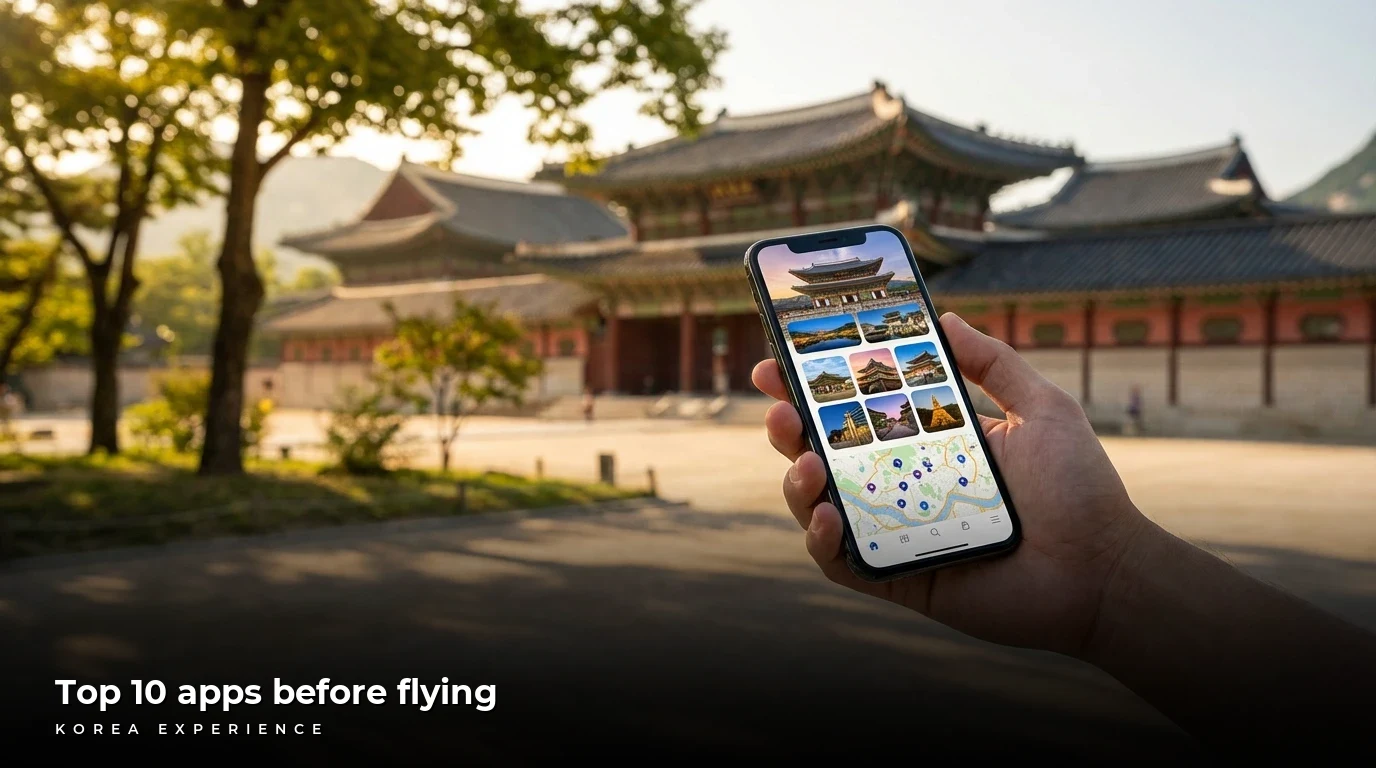
Ditch Google Maps and download these 10 essential apps for South Korea in 2026. Learn how to save $29 with the Climate Card and hail taxis with foreign cards.

Compare Kakao T and Uber in Korea for 2026. Discover prices starting at ₩4,800, foreign card tips, and how to navigate Seoul like a local.
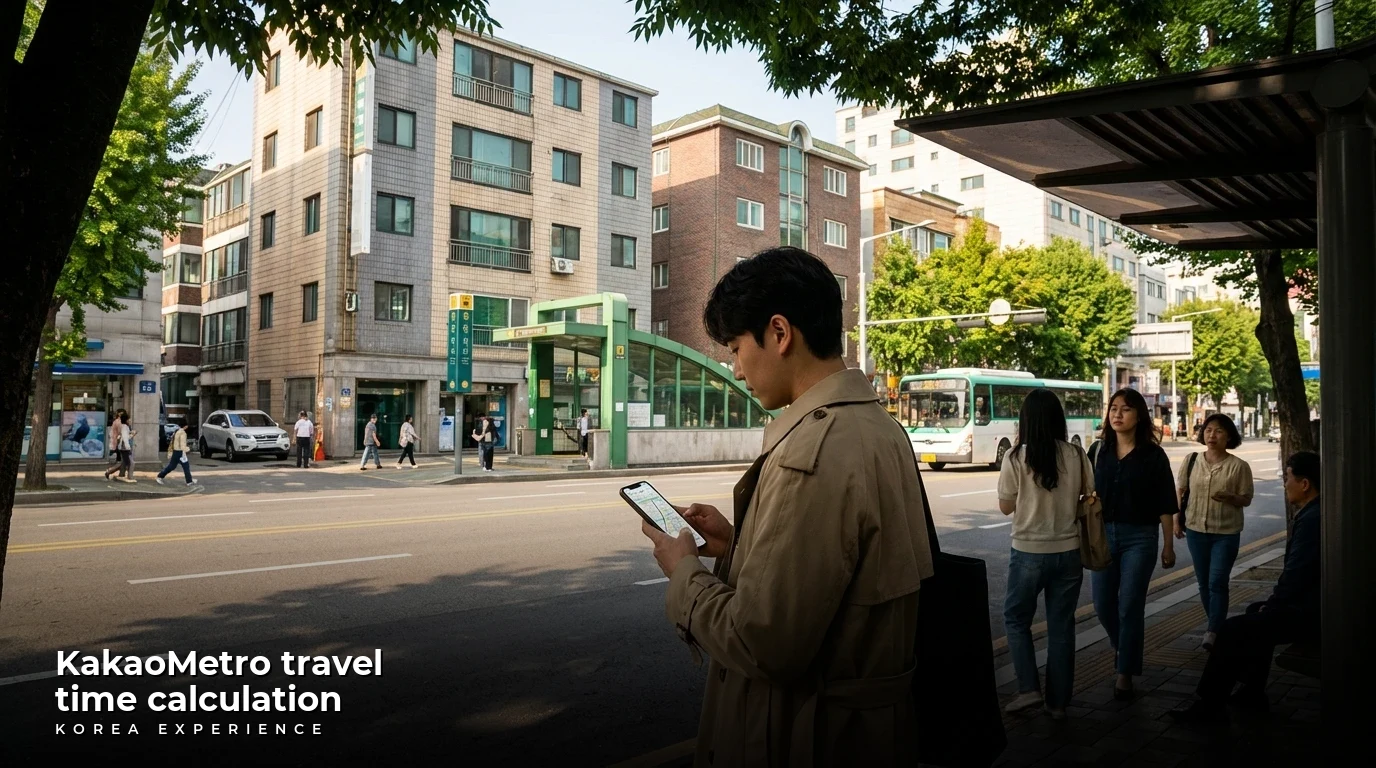
Discover how KakaoMetro calculates travel time using 2026 telemetry and why the 65,000 KRW Climate Card is essential for your Seoul subway commute.
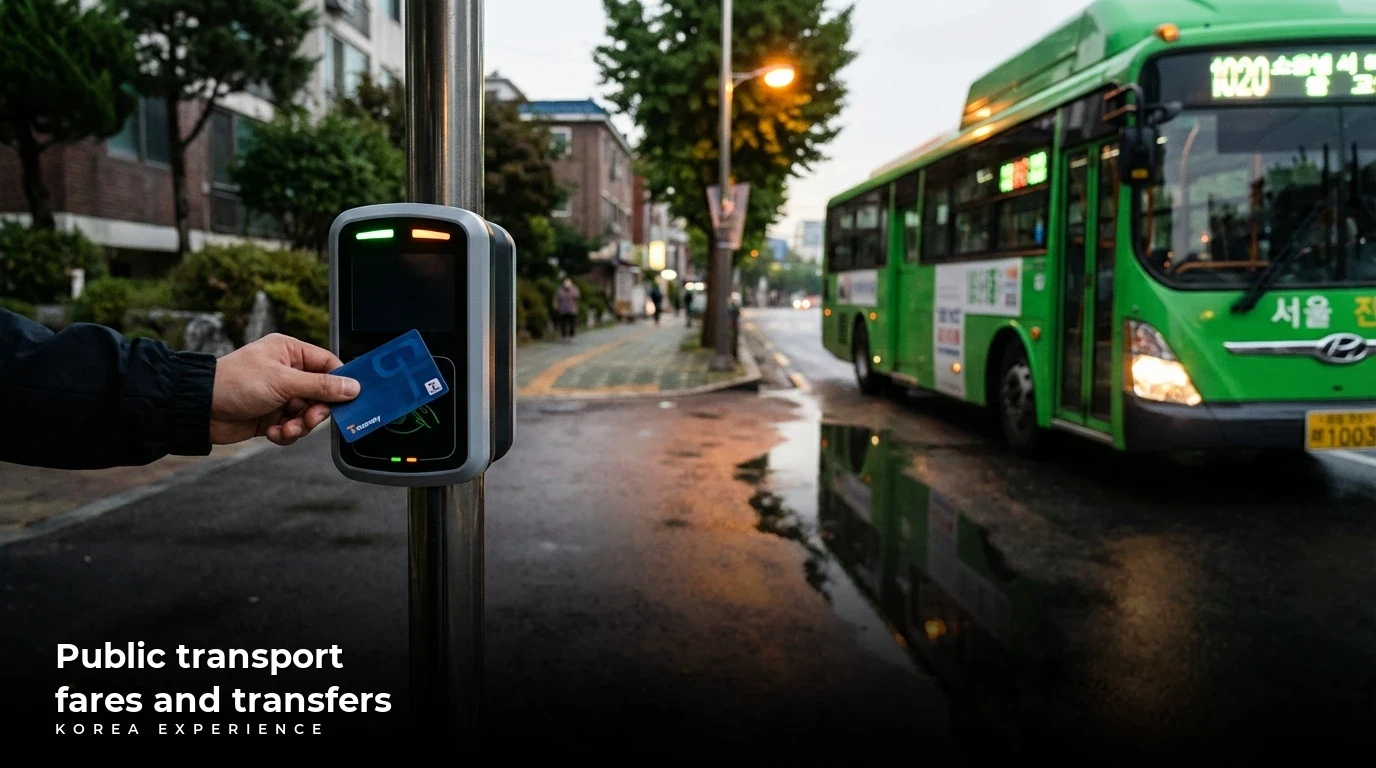
Discover 2026 Seoul transit updates including the 1,550 won base fare and new Climate Card options that save money for travelers taking over 3 rides daily.
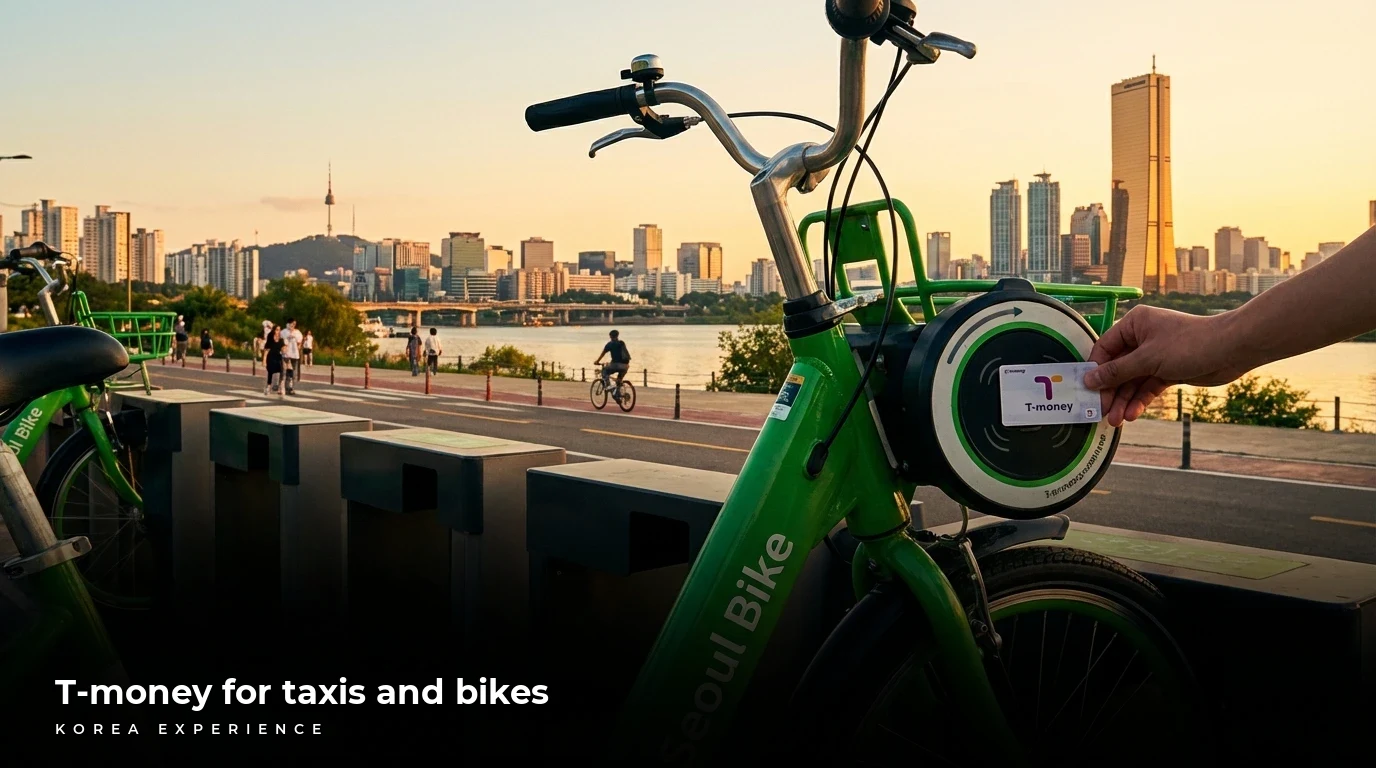
Master Seoul transit in 2026. Learn why T-money costs 4,000 KRW, how to rent 1,000 KRW bikes without an ARC, and the truth about the Climate Card for tourists.