Dabang vs Modern Cafes: Korea's Coffee Culture 2026
Explore the evolving landscape of Korean coffee, comparing traditional Dabang tea houses with trendy modern cafes. Discover unique atmospheres, offerings, and experiences in 2026.
Dabang vs Modern Cafes: Navigating Korea's Evolving Coffee and Tea Culture in 2026
Korea’s caffeine landscape is a vibrant tapestry, woven with threads of deep-rooted tradition and cutting-edge modernity. For international travelers and expats, understanding this intricate scene means navigating the charming nostalgia of the classic Korean tea houses, known as Dabang, against the sleek, contemporary allure of its omnipresent modern cafes. In 2026, this contrast remains as compelling as ever, offering a dual journey through the country’s social and culinary evolution.
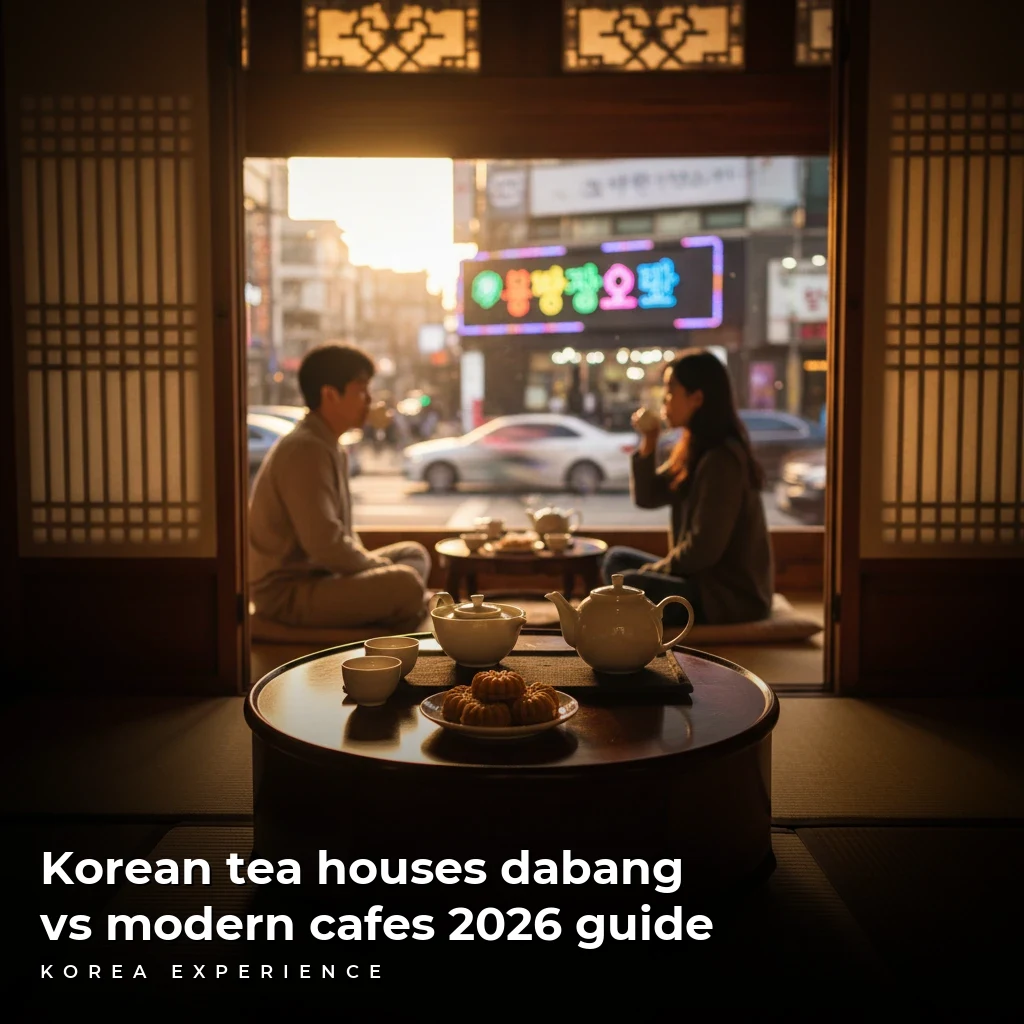
Imagine stepping into a dimly lit, wood-paneled room, the air thick with the scent of roasted beans and herbal infusions, soft classical music playing in the background. This is the essence of a traditional Dabang. Now picture a multi-story architectural marvel of glass and steel, buzzing with the clatter of laptops and the whir of espresso machines, offering artisanal lattes and visually stunning desserts. This is the heart of a modern Korean cafe. Which experience calls to you?
This comprehensive guide will delve deep into the world of Korean tea houses Dabang vs modern cafes 2026. We will explore their rich histories, distinctive atmospheres, diverse offerings, and the unique social roles they play. By the end, you’ll be equipped with the knowledge to appreciate both sides of Korea’s vibrant coffee and tea culture, complete with practical tips, specific recommendations, and insider insights to enrich your next visit. Get ready to discover your perfect brew, whether it's a comforting cup of traditional tea or a cutting-edge specialty coffee.
The Enduring Legacy of Korean Tea Houses: Dabang's Charm in 2026
Before the global coffee giant Starbucks planted its first seed in Korea in 1999, and long before "cafe hopping" became a national pastime, the Dabang reigned supreme. These traditional Korean tea houses were more than just places to drink; they were the nerve centers of social, cultural, and political life. In 2026, while their numbers have dwindled, the surviving Dabang continue to offer a poignant glimpse into Korea's past, maintaining a unique charm that appeals to both nostalgic locals and curious foreigners.
A Glimpse into Dabang History and Cultural Significance
The concept of a public tea house in Korea dates back centuries, evolving through different dynasties and societal changes. However, the modern Dabang as we recognize it largely emerged during the Japanese colonial period and flourished from the post-war era through the 1980s. These were sophisticated spaces where intellectuals, artists, politicians, and businesspeople converged. It was in Dabang that deals were struck, ideas debated, and artistic movements born. They served as informal offices, meeting points, and cultural salons, long before the advent of mobile phones and ubiquitous internet access.
Unlike modern cafes that often emphasize quick turnover, Dabang encouraged lingering. Customers would settle in for hours, engaging in deep conversation, reading newspapers, or simply watching the world go by. The "Maadam," or female proprietor, often played a significant role, remembering regulars' preferences and fostering a sense of community. This deep-rooted cultural significance makes a visit to a Dabang not just a coffee break, but a step back in time.
The Distinct Atmosphere and Experience
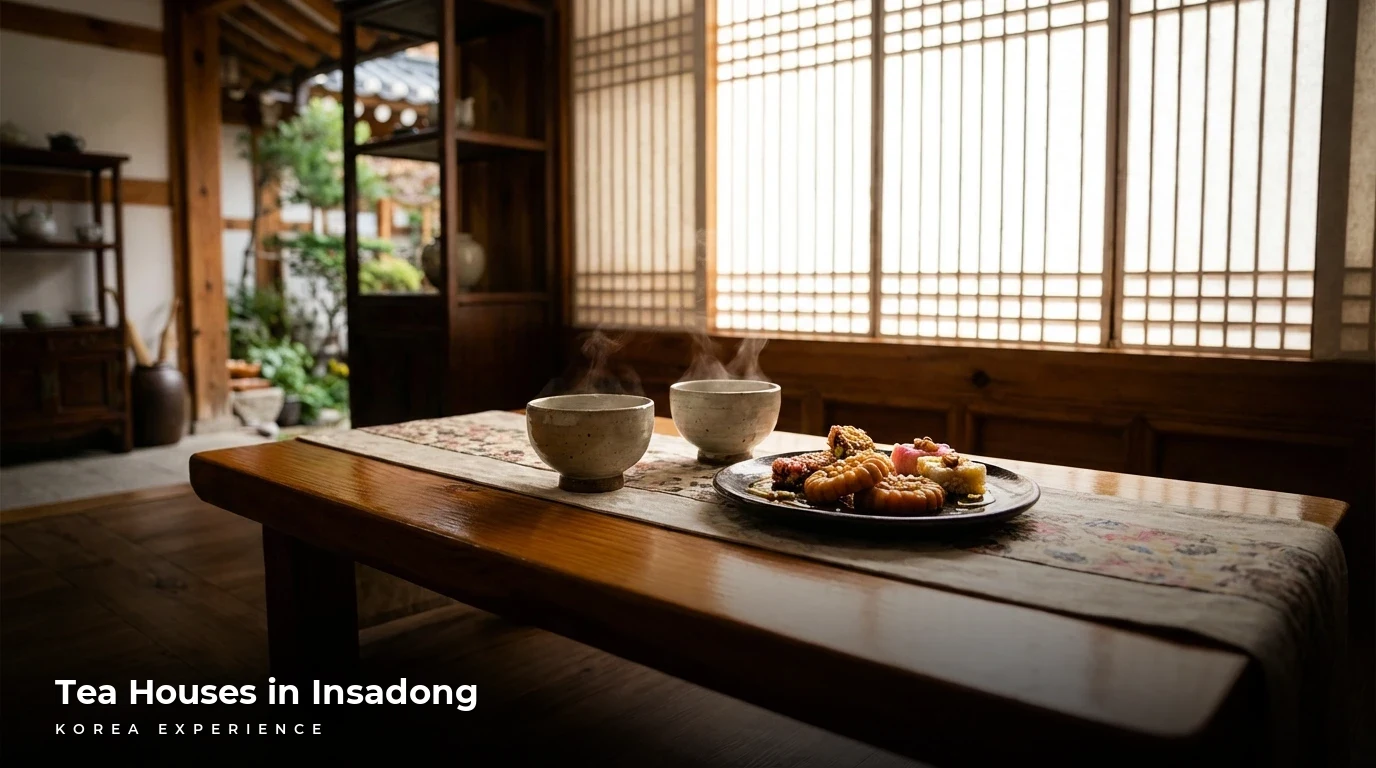
The atmosphere inside a traditional Dabang is unlike any other. Stepping in feels like entering a time capsule. You're typically greeted by a quiet, subdued ambiance, often with warm, slightly dim lighting. The decor is usually vintage, featuring dark wood paneling, velvet upholstered seating, antique clocks, and sometimes even a classic jukebox playing old Korean pop or classical music. The air often carries a comforting blend of coffee and herbal aromas.
Service in a Dabang is generally more personal and unhurried. Expect a more traditional, almost reverent approach to serving beverages. It’s a place for quiet contemplation, deep conversation, or simply enjoying a moment of solitude away from the hustle and bustle of modern city life. Unlike the self-service model common in many modern cafes, staff typically take your order at your table and serve your drinks with a personal touch.
What to Order: Classic Dabang Offerings
While some modern iterations might offer espresso-based drinks, the heart of a traditional Dabang menu lies in its classic offerings. These are the drinks that define the Dabang experience:
- Dabang Coffee: Often a simple, strong black coffee, sometimes pre-sweetened or served with sugar and a creamer on the side. It's a no-frills, robust brew, a staple for generations.
- Ssanghwacha: A rich, dark herbal tea made from a blend of traditional Korean medicinal ingredients. Known for its earthy, slightly bitter taste, it's believed to have health benefits, especially for fatigue and boosting vitality. It's often served with a raw egg yolk floating on top (which you can decline if preferred), a unique Dabang tradition.
- Omija-cha: A vibrant red tea made from the dried berries of the Omija plant. It's famous for encompassing "five tastes" – sweet, sour, salty, bitter, and spicy – offering a complex and refreshing experience.
- Saenggang-cha: A warming ginger tea, perfect for chilly days or when feeling under the weather.
- Yuja-cha: A sweet and tangy citron tea, made from preserved yuja fruit. It's a popular choice for its refreshing flavor and comforting warmth.
- Toast and Eggs: Simple, comforting snacks like buttered toast with jam or boiled eggs often accompany the beverages, completing the nostalgic experience.
Prices for drinks in traditional Dabang typically range from 5,000 KRW to 8,000 KRW, making them comparable to, or sometimes slightly cheaper than, specialty drinks in modern cafes, especially considering the experience.
Where to Find Authentic Dabang Today
While many Dabang have faded into history, a few iconic establishments and clusters remain, cherished for their authenticity.
- Hakrim Dabang (Seoul): Arguably the most famous, located near Hyehwa Station, it opened in 1956 and has been a cultural landmark ever since. Its second-floor space, filled with vintage decor and classical music, transports visitors back in time. A must-visit for anyone seeking the true Dabang experience.
- Ikseondong Hanok Village (Seoul): While mostly known for its modern cafes housed in renovated hanoks, a few genuine, older Dabang can still be found tucked away in this charming neighborhood, offering a quiet respite amidst the trendy bustle.
- Jongno 3-ga Area (Seoul): This historical district, especially around Tapgol Park, still harbors several small, unassuming Dabang frequented by an older generation. These are less about aesthetic and more about authentic daily life.
- Busan and Daegu: Major older cities often have hidden Dabang gems, particularly in their traditional markets or older downtown areas. Finding them might require a bit of exploration, but the reward is a truly local experience.
When visiting, remember to embrace the slower pace. It’s not a place to grab and go, but to sit, reflect, and absorb the unique atmosphere.
The Rise of Modern Korean Cafes: A Global Phenomenon
If Dabang represent Korea's past, modern cafes are undoubtedly its vibrant present and future. Korea's cafe culture has exploded over the last two decades, evolving into a global phenomenon. From world-class baristas to innovative concepts and breathtaking aesthetics, modern Korean cafes are a destination in themselves, offering an experience that transcends a simple coffee break. In 2026, this sector continues to innovate, setting trends in design, menu, and technology.
Architectural Marvels and Aesthetic Design
One of the most striking features of modern Korean cafes is their often stunning design. Korean cafe owners and designers have truly mastered the art of creating visually captivating spaces. This isn't just about good coffee; it's about the entire sensory experience.
- Industrial Chic: Repurposed factories and warehouses, particularly in areas like Seongsu-dong and Euljiro in Seoul, have been transformed into cavernous, stylish cafes featuring exposed brick, high ceilings, and minimalist decor.
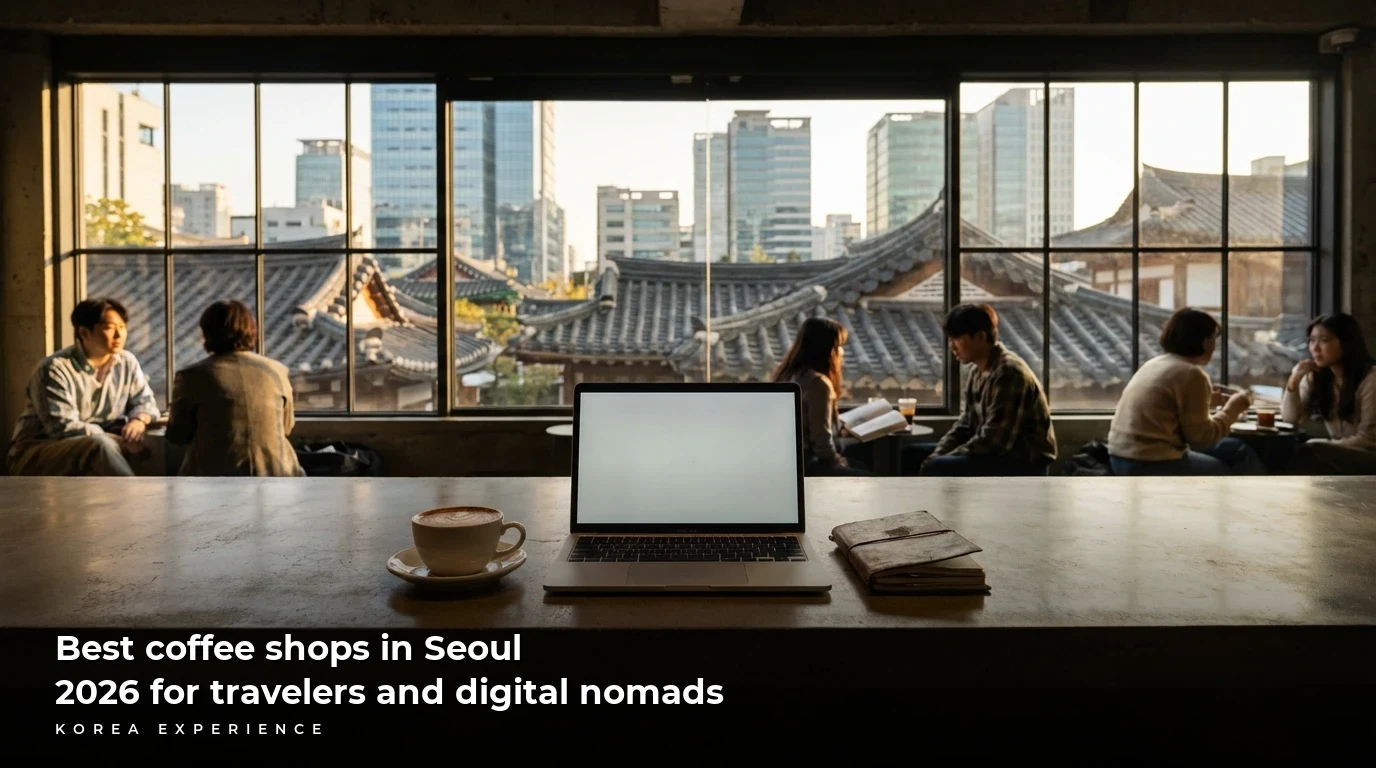
- Hanok Renovation: Traditional Korean houses (hanok) in neighborhoods like Ikseondong and Bukchon have been beautifully converted, blending traditional architecture with modern interior design, creating a unique harmony of old and new.
- Nature-Inspired: Cafes with lush indoor gardens, panoramic views of mountains or rivers, or expansive outdoor seating are increasingly popular, offering a tranquil escape.
- Themed Cafes: From whimsical cartoon character cafes to sophisticated art gallery cafes and even specialized book cafes (an internal linking opportunity to another blog post!), the variety is endless, catering to every niche interest.
These cafes are meticulously designed for Instagramability, with every corner often a photo opportunity. They are often spacious, allowing for both intimate conversations and larger gatherings, and many feature distinct zones for different activities, such as quiet work areas or vibrant social spaces.
The Diverse Menu: Beyond Coffee and Tea
While coffee is undeniably the star, modern Korean cafes offer an astounding array of beverages and culinary delights that go far beyond a simple latte.
- Specialty Coffee: Expect meticulously sourced single-origin beans, expertly crafted espresso drinks, cold brew, pour-overs, and a constant rotation of seasonal coffee beverages. Baristas are often highly skilled, competing in national and international championships.
- Creative Lattes: Beyond standard milk lattes, you'll find variations like "Einspanner" (a Vienna-style coffee topped with sweet cream), Dalgona lattes (especially popular after the pandemic), black sesame lattes, green tea lattes, and sweet potato lattes.
- Artisanal Teas: While Dabang focuses on traditional Korean teas, modern cafes often offer a selection of international premium teas – black, green, herbal, and fruit infusions – beautifully presented.
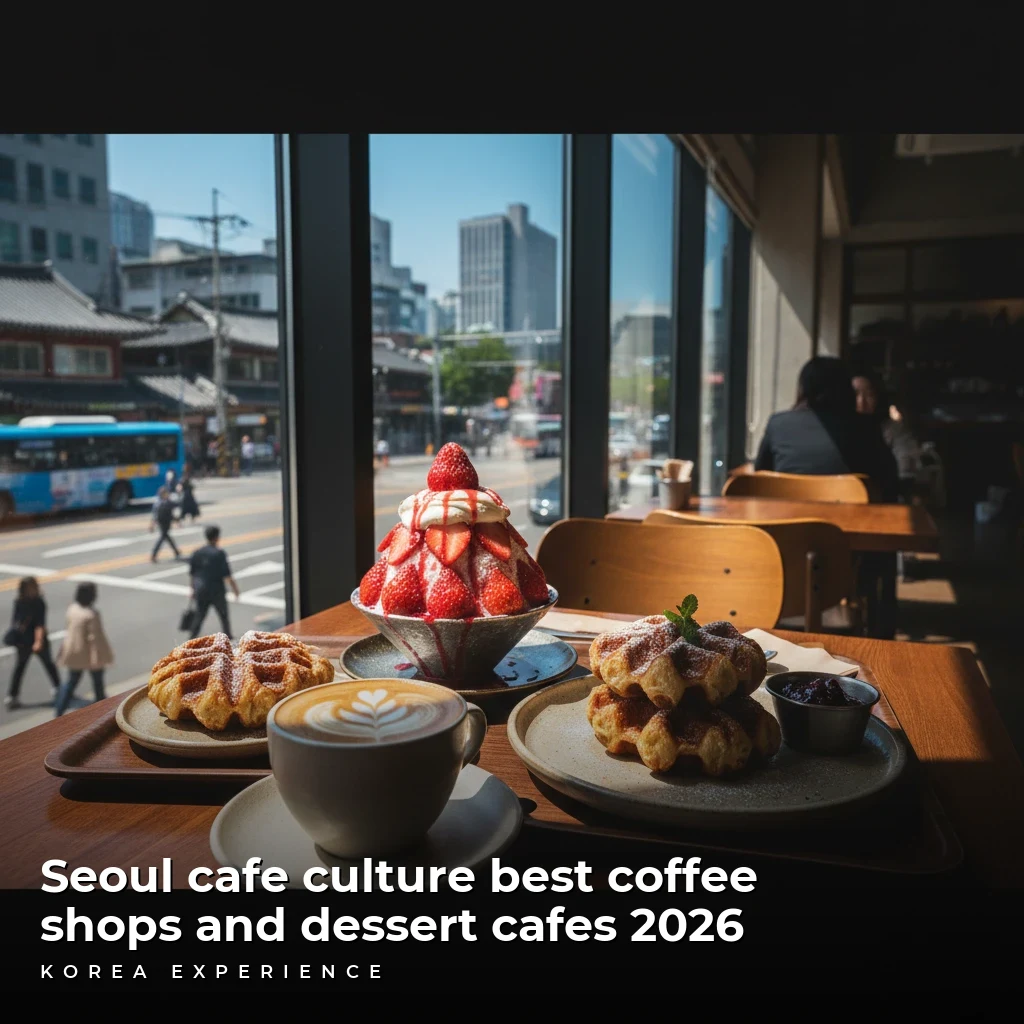
- Desserts and Pastries: This is where modern cafes truly shine. Think elaborate cakes, delicate tarts, oversized cookies, croffles (croissant-waffles), and unique Korean-inspired pastries. Many cafes bake their goods fresh daily, making them a destination for dessert lovers.
- Brunch and Light Meals: An increasing number of cafes offer full brunch menus, sandwiches, salads, and other light meals, making them ideal spots for any time of day.
Prices for specialty coffees typically range from 5,500 KRW to 8,000 KRW, with elaborate desserts and unique beverages often costing 7,000 KRW to 12,000 KRW.
Social Hubs and Digital Nomads
Modern Korean cafes serve as crucial social hubs, especially for younger generations. They are places for:
- Socializing: Friends gather to chat, study, or simply hang out. The cafes often provide comfortable seating, a lively atmosphere, and a place to escape small apartments.
- Work and Study: With excellent Wi-Fi, ample power outlets, and a stimulating yet comfortable environment, cafes are a haven for students and digital nomads. It’s common to see people working on laptops for hours.
- Dating and Meetings: They are popular spots for first dates and informal business meetings, offering a neutral and pleasant setting.
- Personal Retreat: Despite the busy atmosphere, many Koreans also use cafes as a personal space for reading, listening to music, or simply enjoying their own company.
Popular Chains vs. Independent Boutiques
The modern cafe scene in Korea is a dynamic mix of large chains and countless independent, often unique, boutique cafes.
- Major Chains: Companies like Starbucks Korea (with its localized menu items), Ediya Coffee, A Twosome Place, and Hollys Coffee are ubiquitous, offering consistent quality and convenience. They are reliable choices found almost everywhere.
- Independent Boutiques: These are the trendsetters, often pushing boundaries in design, coffee quality, and menu innovation. They thrive in trendy neighborhoods like:
- Seongsu-dong (Seoul): Known for its industrial-chic aesthetic and large-scale, often experimental cafes housed in converted factories. Examples include Cafe Onion and Daelim Changgo.
- Hongdae/Yeonnam-dong (Seoul): Bustling student areas with a high concentration of cute, quirky, and highly themed cafes.
- Euljiro (Seoul): An older manufacturing district now famously re-gentrifying with hidden, artsy cafes often found on upper floors of old buildings.
- Hannam-dong (Seoul): Upscale and stylish, with many high-end cafes and bakeries.
- Gangneung/Jeju Island: Coastal cities and islands boast stunning cafes with ocean views, making them popular tourist destinations.
Exploring these independent cafes offers a true taste of Korea's evolving creativity and passion for coffee.
Key Differences: Dabang vs Modern Cafes - A Comparative Analysis
Understanding the nuances between Dabang and modern cafes is key to appreciating Korea's diverse beverage culture. While both offer a place to enjoy a drink, their fundamental philosophies and offerings diverge significantly.
Ambiance and Interior Design
| Feature | Traditional Dabang | Modern Cafe |
|---|---|---|
| Vibe | Nostalgic, tranquil, intimate, classic | Trendy, dynamic, spacious, often minimalist or themed |
| Decor | Dark wood, velvet, vintage furniture, antique clocks, often slightly dim lighting | Glass, steel, concrete, bright lighting, designer furniture, plants, art installations |
| Music | Classical, old Korean pop, quiet jazz | K-pop, indie, lo-fi, international pop, often curated playlists |
| Seating | Comfortable, often worn, encouraging long stays | Varied: ergonomic chairs, communal tables, window seats, often designed for aesthetics |
| Noise Level | Generally quiet, conducive to conversation or reflection | Can range from quiet study zones to bustling, lively social hubs |
Menu and Price Points
| Feature | Traditional Dabang | Modern Cafe |
|---|---|---|
| Coffee Focus | Simple, strong "Dabang Coffee," often pre-sweetened | Specialty coffee: espresso, pour-overs, cold brew, artisanal blends |
| Tea Focus | Traditional Korean herbal teas (Ssanghwacha, Omija-cha, Yuja-cha) | Wide selection of international teas, fruit infusions, often loose-leaf |
| Other Drinks | Occasionally simple juices, traditional rice drinks | Creative lattes, smoothies, juices, sparkling ade (carbonated drinks with fruit syrup) |
| Food | Simple toast, boiled eggs, sometimes traditional rice cakes | Elaborate cakes, pastries, brunch items, sandwiches, salads |
| Price Range | 5,000 - 8,000 KRW (drinks) | 5,500 - 12,000 KRW+ (drinks, higher for specialty/desserts) |
| Payment Method | Often cash-preferred, but cards accepted | Almost always card, mobile pay, sometimes self-service kiosks |
Customer Experience and Service Style
| Feature | Traditional Dabang | Modern Cafe |
|---|---|---|
| Service Model | Table service, personal interaction with proprietor (Maadam) | Counter service, self-service kiosks, occasional table delivery for food |
| Pace | Leisurely, unhurried, encourages lingering | Often faster-paced, designed for efficiency, but also for long stays for work/study |
| Purpose | Socializing, discussion, quiet reflection, nostalgia | Socializing, working, studying, photo-taking, quick breaks |
| Target Demog. | Older generations, locals seeking tradition, culture enthusiasts | Younger generations, students, digital nomads, trend-seekers, international visitors |
| Connectivity | Limited Wi-Fi, focus on disconnection | Excellent Wi-Fi, abundant power outlets, digital-friendly |
The Blurring Lines: Hybrid Spaces and Evolving Trends
The distinction between Dabang and modern cafes, while clear in their most traditional and contemporary forms, is becoming increasingly fluid. Korea's innovative spirit means that neither sector remains static. We are witnessing the emergence of fascinating hybrid spaces and evolving trends that beautifully bridge the gap between old and new.
Modern Cafes with Traditional Twists
Many modern cafes are now incorporating elements of traditional Korean aesthetics and flavors into their contemporary designs and menus.
- Hanok Cafes: As mentioned, modern cafes in renovated hanoks are a prime example. They offer the comfort of a modern cafe with the architectural beauty and serene atmosphere of traditional Korean housing. Examples in Ikseondong or Bukchon are plentiful.
- Traditional Ingredient Infusions: It's common to find modern cafes offering beverages that incorporate traditional Korean ingredients like mugwort (ssuk), black sesame (heukimja), red bean (pat), or even rice cake (tteok) into lattes, smoothies, and desserts. These fuse traditional flavors with contemporary presentation.
- "Retro Newtro" Cafes: A growing trend called "Newtro" (new + retro) sees cafes intentionally designing spaces that evoke the 70s and 80s aesthetic of old Dabang, but with a modern, stylish twist. They might use vintage furniture, play old pop songs, but serve specialty coffee and modern pastries. These spaces are incredibly popular with younger Koreans seeking a nostalgic yet fresh experience.
Dabang Reimagined for a New Generation
While rarer, some entrepreneurs are also attempting to revitalize the Dabang concept, making it appealing to a younger demographic without losing its essence. This might involve:
- Curated Events: Hosting small live music performances (jazz, acoustic), poetry readings, or cultural workshops that align with the Dabang's intellectual roots.
- Art and Exhibitions: Collaborating with local artists to display their work, turning the Dabang into a small, intimate gallery space.
- Improved Comfort and Facilities: While maintaining the vintage charm, they might subtly upgrade seating, lighting, and ensure reliable Wi-Fi, making it more practical for modern visitors without sacrificing the atmosphere.
These reimagined Dabang aim to preserve the cultural heritage while adapting to contemporary expectations, offering a unique blend that celebrates tradition with a forward-thinking approach.
The Influence of Global Trends on Korean Coffee Culture
Korean coffee culture is also highly susceptible to global trends, quickly adopting and often enhancing international concepts.
- Sustainability: A growing number of cafes are focusing on eco-friendly practices, using reusable cups, ethically sourced beans, and minimizing waste.
- Specialty Roasting: Micro-roasteries are flourishing, with cafes emphasizing the origin, roast profile, and brewing methods of their beans, appealing to connoisseurs.
- Technological Integration: While some cafes are going analog for ambiance, others are embracing technology with smart ordering systems, robot baristas, and digital loyalty programs.
- Food Pairings: The concept of pairing specific coffees or teas with gourmet food items is gaining traction, elevating the cafe experience to a culinary art form.
These evolving trends demonstrate the dynamic and innovative nature of Korea's cafe scene, ensuring there's always something new and exciting to discover, whether you lean towards tradition or modernity.
Practical Guide: Navigating Korea's Coffee Scene in 2026
For international visitors and expats, exploring Korea's diverse coffee and tea scene is a highlight of any trip. Here's some practical advice to make your experience smooth and enjoyable in 2026.
Tips for First-Time Visitors
- Embrace the Variety: Don't limit yourself to just one type. Try a traditional Dabang for a cultural immersion and then a trendy modern cafe for its aesthetic and unique menu.
- Explore Neighborhoods: Different districts specialize in different cafe vibes.
- Ikseondong/Jongno: Best for traditional Dabang and hanok-style modern cafes.
- Seongsu-dong/Euljiro: Industrial-chic, spacious, modern, and often art-focused.
- Hongdae/Yeonnam-dong: Youthful, quirky, themed, and bustling.
- Garosu-gil/Hannam-dong: Upscale, stylish, and often quieter.
- Check Social Media: Instagram and local Korean cafe blogs (which can be translated) are invaluable for finding the latest trendy cafes and their operating hours. Search for hashtags like "#SeoulCafe" or "#KoreanCafe."
- Weekdays vs. Weekends: Popular cafes can get extremely crowded, especially on weekend afternoons. For a more relaxed experience, aim for weekday mornings or early afternoons.
- Wi-Fi and Power: Most modern cafes offer free Wi-Fi and many have accessible power outlets. Dabang are less likely to prioritize this.
Etiquette in Dabang and Modern Cafes
While generally relaxed, a few points of etiquette can enhance your experience:
- Dabang:
- Respect the Quiet: Dabang are typically more subdued. Keep conversations at a moderate volume.
- No Laptop Culture: While you might see people reading newspapers, it's not a place for extended laptop work.
- Lingering is Fine: It's perfectly acceptable, and even encouraged, to sit and enjoy your drink for a longer period.
- Modern Cafes:
- Order First: In most modern cafes, you order at the counter before finding a seat.
- Table Clearing: It's common practice to return your tray and empty dishes to a designated return area ("반납구" or "Return Here") when you leave.
- Photography: Taking photos is generally fine, especially given the aesthetic focus, but be mindful of other patrons' privacy and avoid disrupting others.
- Limited Seating for Laptops: While many cafes are laptop-friendly, some popular or smaller ones might discourage long stays, especially during peak hours, due to limited seating.
Budgeting for Your Coffee Fix
Korea’s cafes can range from budget-friendly chains to high-end specialty spots.
- Affordable Options (3,000-5,000 KRW): Chains like Ediya Coffee offer competitively priced standard coffees. Convenience stores also sell decent pre-packaged coffees.
- Mid-Range (5,000-8,000 KRW): Most independent cafes and larger chains like Starbucks fall into this category for standard espresso drinks.
- High-End (8,000-12,000+ KRW): Expect to pay more for elaborate specialty drinks, designer desserts, unique themed experiences, or drinks made with rare beans.
- Membership/Loyalty Programs: If you're staying longer, consider signing up for loyalty programs at major chains for discounts or free drinks.
Essential Korean Phrases for Ordering
While many modern cafes in tourist areas and major cities will have English menus or staff who speak basic English, knowing a few phrases is always helpful:
- "Igeo juseyo." (이거 주세요): "Please give me this." (Point to what you want on the menu).
- "Aiseu Amerikano hana juseyo." (아이스 아메리카노 하나 주세요): "One Iced Americano, please." (Replace "Aiseu Amerikano" with your drink of choice).
- "Ddageun geollo juseyo." (따뜻한 걸로 주세요): "Hot one, please."
- "Chagaun geollo juseyo." (차가운 걸로 주세요): "Cold one, please."
- "Takeu-aut-eulo juseyo." (테이크아웃으로 주세요): "To go, please."
- "Yeogiseo meogeul geoyeyo." (여기서 먹을 거예요): "I'll eat/drink here."
- "Gamsahamnida." (감사합니다): "Thank you."
Don't be afraid to use simple gestures or point, and always be polite. Koreans appreciate the effort to speak their language.
Top Picks: Must-Visit Dabang and Modern Cafes in 2026
To help you get started on your coffee and tea adventure, here are some highly recommended places to visit in 2026.
Historic Dabang Recommendations
- Hakrim Dabang (Seoul): As mentioned, this iconic establishment in Hyehwa is the quintessential Dabang experience. Step into history, listen to classical music, and enjoy a simple, strong coffee or a Ssanghwacha. Its vintage interior is perfectly preserved.
- Location: 94 Myeongnyun 4(sa)-ga, Jongno-gu, Seoul (near Hyehwa Station, Exit 3)
- Approx. Price: Dabang Coffee ~6,000 KRW, Ssanghwacha ~7,000 KRW
- Daeoh Seojeom (Seoul): While technically a used bookstore, this charming hanok-style space in Seochon (near Gyeongbokgung Palace) functions very much like a quiet, traditional tea house. It's famous for being featured in K-dramas and offers a serene, artistic atmosphere with traditional teas and simple coffees.
- Location: 55 Jahamun-ro 7-gil, Jongno-gu, Seoul
- Approx. Price: 5,000-7,000 KRW for drinks.
- Yiwa Dabang (Busan): If you're venturing outside of Seoul, seek out this or similar long-standing Dabang in major cities like Busan. They offer a more local, less tourist-centric experience, often found in older commercial districts.
Trendsetting Modern Cafes
- Cafe Onion Anguk (Seoul): A prime example of a hanok renovation cafe in Ikseondong. It's famous for its rustic yet stylish ambiance and delicious, unique pastries, especially their "Pandoro" (a sugar-dusted mountain-shaped bread). Always bustling, but worth the wait.
- Location: 5 Gyedong-gil, Jongno-gu, Seoul (near Anguk Station, Exit 3)
- Approx. Price: Coffee ~6,000 KRW, Pastries ~5,000-8,000 KRW
- Daelim Changgo Gallery CO:LUMN (Seoul): Located in Seongsu-dong, this massive cafe and art gallery is housed in a former rice mill and factory. It embodies the industrial-chic aesthetic with high ceilings, exposed beams, and rotating art exhibitions. It's a great spot for an afternoon with friends or some creative work.
- Location: 78 Seongsui-ro, Seongdong-gu, Seoul (near Seongsu Station, Exit 1)
- Approx. Price: Coffee ~7,000 KRW, Desserts ~8,000-10,000 KRW
- Camel Cafe (Seoul): With multiple stylish locations, particularly in Seongsu-dong and Dosan Park, Camel Cafe is a leader in the "Einspanner" coffee trend. Its sophisticated, minimalist interiors and focus on specialty coffee make it a popular spot for a chic experience.
- Location: Various locations, search for "Camel Cafe Seoul"
- Approx. Price: Einspanner ~7,000 KRW, other coffees ~6,000 KRW
- Old Ferry Donut (Seoul): A popular cafe in Hannam-dong renowned for its delectable, aesthetically pleasing donuts and specialty coffee. It has a cozy, retro American diner feel.
- Location: 65 Noksapyeong-daero 26-gil, Yongsan-gu, Seoul (near Noksapyeong Station)
- Approx. Price: Donuts ~4,000-5,000 KRW, Coffee ~5,000-7,000 KRW
Unique Themed Cafes (Internal Linking Opportunity)
While not strictly Dabang or modern cafes in the purest sense, Korea also boasts an incredible array of themed cafes that offer unique experiences. From adorable animal cafes where you can interact with dogs, cats, or even raccoons, to cozy book cafes perfect for quiet reading, and even board game cafes for group fun, these establishments further diversify Korea's beverage scene. (Check out our upcoming guide on "Seoul's Most Unique Themed Cafes" for more details!)
Frequently Asked Questions (FAQ)
Q1: What is the main difference between a Dabang and a modern cafe?
A1: The main difference lies in their historical context, atmosphere, and menu. Dabang are traditional Korean tea houses with a nostalgic, quiet ambiance, focusing on classic Korean teas and simple coffee, rooted in post-war social gatherings. Modern cafes are contemporary, often aesthetically driven spaces with diverse menus of specialty coffees, international teas, and elaborate desserts, serving as social hubs and workspaces.
Q2: Are Dabang still popular in Korea in 2026?
A2: While Dabang are not as widespread or popular with the younger generation as they once were, they maintain a significant cultural presence. Iconic Dabang like Hakrim Dabang are still cherished for their historical value and unique atmosphere, attracting both older locals and tourists seeking a glimpse into Korea's past.
Q3: What kind of drinks can I expect at a Dabang?
A3: At a traditional Dabang, you can expect classic Korean beverages such as "Dabang Coffee" (a strong, simple black coffee), Ssanghwacha (a rich herbal tea), Omija-cha (five-flavor berry tea), Saenggang-cha (ginger tea), and Yuja-cha (citron tea). They often focus on these traditional, comforting options.
Q4: Is it expensive to drink coffee in Korean cafes?
A4: The price of coffee and drinks in Korea can vary widely. While some budget chains offer coffees for as low as 3,000-4,000 KRW, most independent modern cafes and specialty coffee shops charge between 5,500-8,000 KRW for an Americano or latte. Elaborate desserts and unique specialty drinks can push prices higher, sometimes exceeding 10,000 KRW.
Q5: Are there English menus available in most Korean cafes?
A5: In major cities like Seoul, especially in popular tourist areas, most modern cafes will have English menus. Many larger chains also offer English versions. However, in smaller, more traditional Dabang or local neighborhood cafes, English menus might be less common. It's always helpful to have a translation app or some basic Korean phrases ready.
Conclusion
Korea's coffee and tea culture in 2026 is a captivating duality, a testament to a nation that respectfully preserves its heritage while enthusiastically embracing the future. The enduring charm of the traditional Korean tea houses Dabang offers a serene journey back in time, a quiet corner for reflection amidst the bustling metropolis. In contrast, the vibrant energy and cutting-edge design of modern cafes provide a dynamic space for creativity, connection, and contemporary indulgence.
For international travelers and expats, exploring both sides of this fascinating coin is not just about tasting different beverages; it's about experiencing the very soul of Korea. Whether you find solace in the nostalgic embrace of a Ssanghwacha in a historic Dabang or draw inspiration from a perfectly crafted latte in a design-forward modern cafe, each experience contributes to a richer understanding of Korean society, its history, and its forward momentum.
So, on your next Korean adventure, don't choose one over the other. Seek out the quiet wisdom of a Dabang and revel in the innovative spirit of a modern cafe. Let each sip tell a story, and allow yourself to be immersed in the unparalleled diversity of Korea's remarkable beverage scene. Your perfect cup, steeped in history or brewed with innovation, awaits.
About the Author
Korea Experience Team
Written by the Korea Experience editorial team - experts in Korean medical tourism, travel, and culture with years of research and firsthand experience.
⚠️ Medical Disclaimer
The information provided on this website is for general informational purposes only and does not constitute medical advice. Always consult with qualified healthcare professionals before making any medical decisions.
Continue Reading
Explore more articles you might find interesting
Discover the authentic taste of Andong Jjimdak in its true hometown. This guide unveils the best restaurants, history, and essential tips for an unforgettable culinary journey.
Discover the cutting-edge of Korean Fried Chicken in 2026, exploring exciting new flavors, innovative brands, and the evolving Chimaek culture for travelers.
Discover the serenity and health benefits of Korean Temple Food, offering unique vegetarian Buddhist meals rooted in mindfulness and nature's bounty.